TLP:CLEAR · Disclosure is not limited.
US, Iran confrontation: Tit-for-tat strikes and tanker attack keep Hormuz on a knife-edge
Time window: Last 7 days · Audience: General analyst · Type: Situation report · DTG: 2026-07-03 00:14Z · Overall confidence: MEDIUM
BLUF
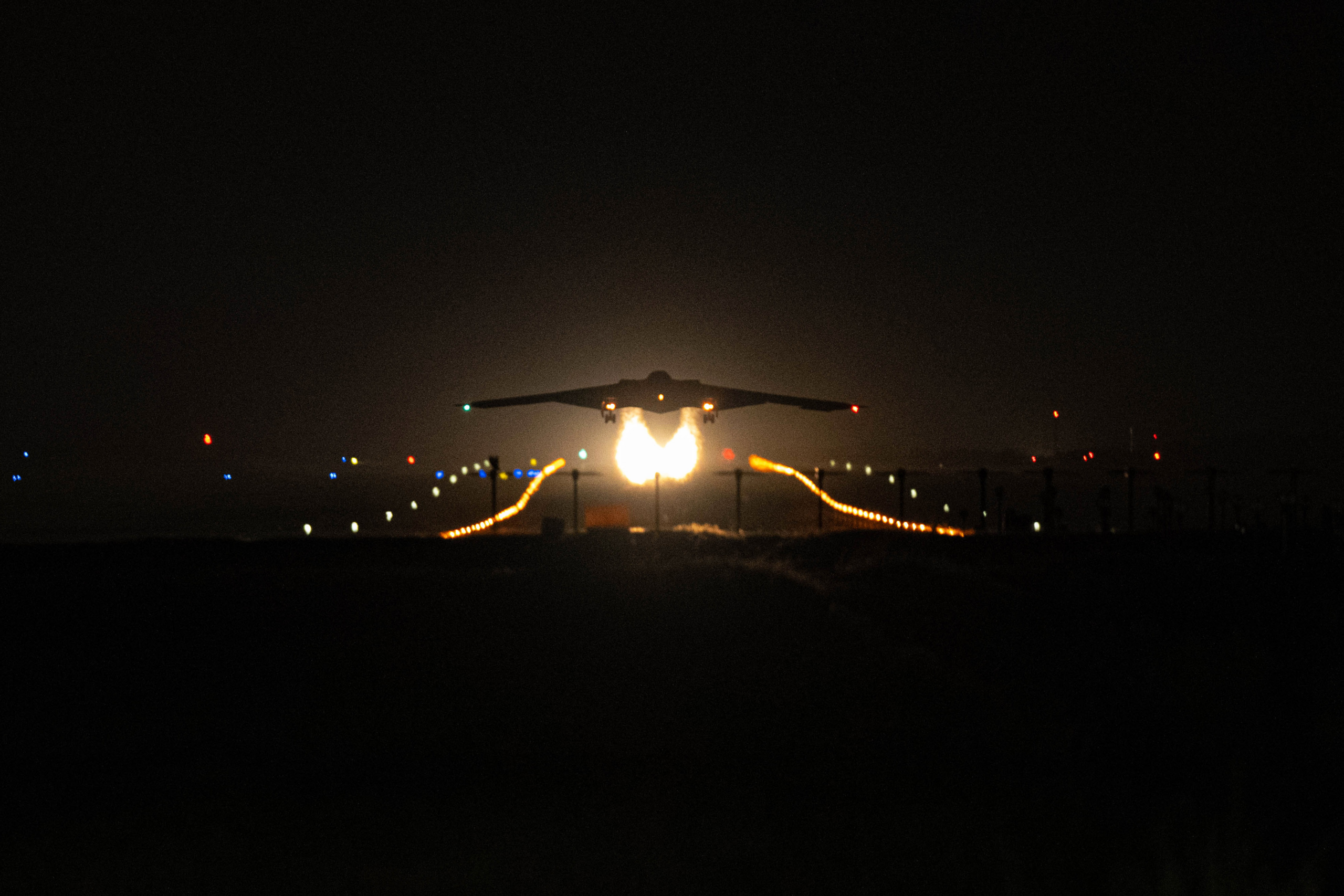
US forces struck multiple Iranian targets on 28 June after a tanker was hit near the Strait of Hormuz, and Iran launched missiles and drones at US-linked sites in Kuwait and Bahrain. Commercial traffic through Hormuz continues under heightened risk while Washington faces congressional pushback over an interim memorandum with Tehran.
Executive summary
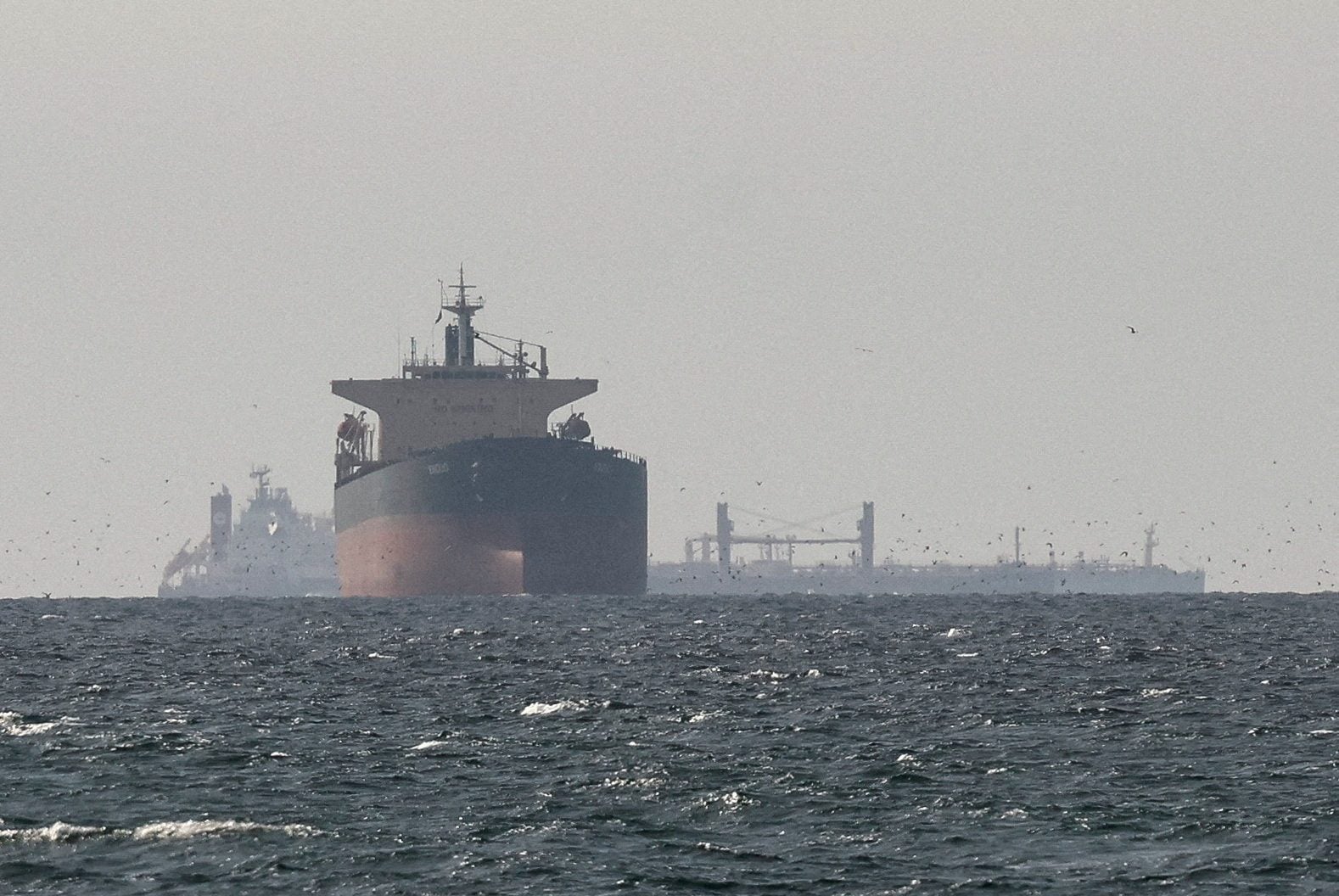
Between 27 and 28 June, a Panama‑flagged tanker and a UK‑linked tanker reported strikes near the Strait of Hormuz, prompting US Central Command to hit multiple Iranian military targets, including surveillance infrastructure, air defences and drone storage sites. Iran launched missiles and drones toward US‑linked locations in Kuwait and Bahrain, with Bahrain confirming Iranian drones landed and Kuwait reporting air‑defence intercepts. Maritime risk indicators rose as the Joint Maritime Information Center warned of a substantial threat and the IMO paused a ship‑movement plan pending safety guarantees, yet vessels continued to sail and a US official said oil flows through Hormuz exceeded 10 million barrels per day. Diplomatically, the US and Iran were due to meet in Qatar, but Iranian negotiators threatened to walk out amid US warnings, and members of the New Democrat Coalition demanded INARA review and regular briefings, calling the memorandum a surrender. The conflict is weighing on energy and shipping markets, with Brent above 120 dollars a barrel and container freight rates up 9 percent, while UNDP highlights tighter fiscal space for developing economies. Risk to US personnel in the UAE remains elevated given Tehran’s stated intent to target US‑associated sites and prior evacuations and ordered departures.
Key judgments
- It is likely the US, Iran confrontation entered a renewed tit‑for‑tat phase between 27 and 28 June, with US forces striking Iranian military infrastructure and Iran launching missiles and drones at US‑linked sites in Kuwait and Bahrain. (Confidence: medium · ASSESSED)
- I&W: CENTCOM issues additional strike readouts against targets inside Iran within days of new maritime incidents near Hormuz. (0-14 days)
- I&W: Official statements from Kuwait or Bahrain report fresh intercepts or impacts from Iranian missiles or drones. (0-14 days)
- Commercial transit through the Strait of Hormuz has resumed but remains exposed to further disruption, with a roughly even chance of additional attacks on shipping in the near term. (Confidence: medium · ASSESSED)
- I&W: Another publicly reported strike on a commercial vessel inside or immediately adjacent to Hormuz or JMIC maintaining a 'substantial' threat level. (0-14 days)
- I&W: The IMO announces resumption of its plan to move stranded ships and two consecutive weeks pass without reported vessel attacks in the strait. (0-2 months)
- US personnel and facilities in the UAE and the wider Gulf almost certainly face elevated threat over the next month from Iranian action and terrorism. (Confidence: high · ASSESSED)
- I&W: Renewal or expansion of US government ordered departures or fresh FAA advisories covering Gulf airspace. (0-1 month)
- I&W: A 30‑day period without Iranian‑linked incidents reported by UAE or neighbouring defence ministries. (1-3 months)
- Domestic political opposition in Washington and hard‑line signalling from both capitals are very likely to complicate implementation of the June memorandum and slow substantive talks in July. (Confidence: medium · ASSESSED)
- I&W: The administration formally transmits the agreement for INARA review and schedules recurring classified Hill briefings while Qatar‑hosted meetings slip or adjourn without joint readouts. (0-2 months)
- I&W: A joint US, Iran announcement detailing concrete maritime compliance steps under the memorandum within two weeks. (0-14 days)
- Energy and shipping markets are under sustained stress linked to the conflict, with oil benchmarks and freight rates elevated and fiscal space in developing economies tightening, although US retail fuel prices showed brief relief late June. (Confidence: medium · REPORTED)
- I&W: Brent holds above 120 dollars per barrel and Drewry’s composite index posts consecutive weekly gains. (0-1 month)
- I&W: Brent retreats below recent highs and container spot rates ease on Asia, Europe or Transpacific lanes for two consecutive weeks. (0-1 month)
- Low‑level cross‑border fire between Israel and Hezbollah is likely to persist, with a roughly even chance of localised escalations that could complicate US, Iran de‑escalation efforts. (Confidence: medium · ASSESSED)
- I&W: Daily IDF strikes or artillery in southern Lebanon alongside Hezbollah anti‑armour or rocket fire over a fortnight. (0-1 month)
- I&W: A publicly announced local de‑confliction or pause in fire along the Lebanon front. (0-1 month)
Outlook & scenarios
Fragile de‑escalation with guarded shipping recovery (50%)
US and Iran keep military pressure calibrated while talks sputter on in Qatar. Commercial flows through Hormuz continue under escort and surveillance, with vessels accepting residual risk. Washington presses Tehran to adhere to maritime provisions and seek a longer‑term transit guarantee, while Iranian officials continue to assert control of the strait and issue warnings. Sporadic incidents occur but fall short of halting traffic.
Escalation spike and attempted chokehold (35%)
Another high‑profile vessel strike triggers renewed US hits on Iranian military infrastructure and a fresh wave of Iranian missiles and drones against US‑linked sites in the Gulf. JMIC maintains a high threat level and the IMO keeps evacuation plans on hold. Tehran tests tighter control of shipping lanes with warning shots or interdictions, risking temporary slowdowns or route diversions.
Talks stall, conflict freezes into sporadic strikes (45%)
The interim memorandum becomes a political liability in Washington and a propaganda tool in Tehran. Negotiations slip beyond initial timelines without collapse, as both sides trade limited strikes in response to discrete triggers, maintain maritime pressure, and rely on deterrent messaging. Shipping remains operational but premium‑laden, and the wider regional front, including Lebanon, stays volatile at a low to moderate tempo.
Recommendations
- Build a consolidated incident timeline for 26-30 June covering tanker strikes near Hormuz, CENTCOM operations, and Iranian missile‑drone activity against Kuwait and Bahrain to brief leadership on sequencing and triggers.
- Establish a daily maritime risk watch that fuses JMIC updates, FAA Notices to Air Missions for the Middle East, CENTCOM releases, and public communiqués from Bahrain and Kuwait defence authorities; distribute a 24‑hour rolling outlook on Hormuz transits.
- Prepare an INARA‑focused brief for senior principals that maps the memorandum’s review requirements, the New Democrat Coalition’s demands for periodic reporting, and likely congressional questions on maritime compliance.
- Coordinate with regional posts to validate force‑protection measures for US personnel and contractors in the UAE, Kuwait and Bahrain, aligned to the State Department advisory and recent intercept activity; confirm evacuation thresholds and communication trees.
- Task the economic cell to track Brent, the Drewry composite and key lane spot rates weekly, alongside US retail gasoline, and produce threshold alerts tied to risk posture changes.
- Engage maritime operators and insurers to review routing, speed, and watchkeeping practices for transits near Hormuz in light of recent strikes and threat advisories; document contingencies if the IMO retains its pause on ship‑movement plans.
- Develop two short decision games for principals: one testing a managed truce with continued shipping, and another modelling a renewed Iranian attempt to restrict transit, including implications for US strike options and coalition posture.
- Catalogue and monitor Iranian statements asserting authority over Hormuz against observed maritime incidents to anticipate red lines and potential escalation triggers.
Confidence & uncertainty
Overall confidence is medium. Multiple independent and generally reliable sources report the late‑June sequence of a tanker attack, US retaliatory strikes, and Iranian missile‑drone launches against Kuwait and Bahrain, as well as official Gulf statements on intercepts and drones. Maritime risk signals from JMIC and the IMO, plus continuing vessel movements and a US official’s flow estimate, are credible but present some tension with earlier reporting that the strait had been fully blocked. Economic impacts are supported by multilateral and trade data, though market levels are volatile. Timelines and attributions around some strikes vary across outlets, which, along with contested narratives on the memorandum and maritime control, constrain confidence below high.
Alternative analysis (red cell)
The ledger shows multiple discrete incidents and strong political rhetoric but lacks consistent, high‑admiralty, multi‑source corroboration tying those incidents into a single, regionwide tit‑for‑tat escalation or definitive, sustained market shock. Shipping may be transiting under constrained/protected conditions rather than broadly resuming, and while risks to US personnel/facilities in the Gulf are elevated, the current evidence supports heightened caution rather than near‑certain imminent attacks. Domestic political opposition could complicate MOU implementation, but diplomatic engagement documented in the ledger also permits a plausible path to continued talks.
Cited sources
[1] Fortune · Iran attacks Bahrain and Kuwait in response to U.S. airstrikes and threatens a 'complete halt' in peace talks as fighting over Hormuz continues | Fortune (A) · sha256:1b3e178c6dea [2] haaretz.com · Iran targets Gulf after U.S. launches overnight strikes in response to Hormuz attack (B) · sha256:cb4fd75fb043 [3] rtvi.com · «Больше не будет существовать»: США и Иран обменялись ударами, угрозами и обвинениями (B) · sha256:145204134169 [4] USA Today · Trump again threatens Iran with warning it will 'no longer exist': What to know (A) · sha256:cd1d4ce7f846 [5] globalbankingandfinance.com · US carries out fresh strikes against Iran after tanker struck in (B) · sha256:b1dfeff43f5f [6] CNN · Analysis: New US-Iran clashes revealed fragility of truce — and why it may work | CNN Politics (A) · sha256:94895227a857 [7] nypost.com · Iran says it hit US-linked targets as Bahrain reports drone attack (B) · sha256:c4a3d2e16b5b [8] U.S. Department of State · United Arab Emirates Travel Advisory (A) · sha256:7a0c71f2991b [9] gcaptain.com · US Sees 10 Million Barrels Via Hormuz Sapping Iran Oil Leverage (B) · sha256:7d80dfdade04 [10] gcaptain.com · Global Container Spot Rates Jump 9% as Transpacific, Asia-Europe Trades Tighten (C) · sha256:bd72e36725d9 [11] Atlantic Council · What the US-Iran deal means for the rest of the Middle East (and beyond) (C) · sha256:5f93318fe142 [12] Wikipedia · United Arab Emirates in the 2026 Iran war (B) · sha256:6c79588c517d [13] New Democrat Coalition · [PDF] New Dem Letter on Iran MOU - New Democrat Coalition (A) · sha256:4769f0c11087 [14] Wikipedia · Economic impact of the 2026 Iran war (B) · sha256:204c7f4fdc71 [15] United Nations · Middle East conflict leaves developing countries paying the price (A) · sha256:6b051a6c2c28
Source content hashes were computed at collection time; the cited text is preserved unmodified for the life of this product.
Red cell review: PARTIAL DISSENT
TLP:CLEAR