TLP:CLEAR · Disclosure is not limited.
US-Iran Economic Pressure and Persian Gulf Maritime Risk
Time window: Last 1 day · Audience: General analyst · Type: Situation report · DTG: 2026-08-24 17:08Z · Overall confidence: MEDIUM
BLUF
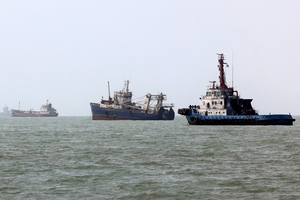
US-Iran economic confrontation is very likely to remain acute over the next 14 days as Washington prepares new sanctions and Iranian officials threaten retaliation against the US and states supporting its measures. Commercial traffic through the Strait of Hormuz is likely to remain severely constrained rather than fully halted, but the reporting does not establish whether Iran has caused recent attacks on shipping.
Executive summary
Reporting through 24 August 2026 indicates that Washington is preparing additional sanctions against Iran and its trading partners while Tehran is warning that states assisting the US will face retaliation. Shipping through the Strait of Hormuz remains contested: reports describe near cessation, rerouting towards the Suez Canal and continued tanker movements through a southern channel near Oman. A tanker was struck by an unknown projectile 63 nautical miles west of Yanbu on 22 August, but attribution remains unresolved. Pakistan is attempting to revive negotiations through Army Chief Asim Munir's reported visit to Tehran, although Washington states that it is not currently negotiating with Tehran.
Change from previous assessment
Compared with the 23 August 2026 brief, the core assessment is unchanged: US-Iran pressure is likely to remain acute and Strait of Hormuz traffic is likely to stay severely constrained rather than fully halted. New reporting strengthens the assessment of imminent economic escalation through the planned sanctions package, adds a reported tanker strike west of Yanbu with unresolved attribution, and gives greater weight to Pakistan's renewed mediation effort. The brief adds a separate judgement on direct negotiations and retains low confidence on the scale of Iranian economic deterioration.
Key judgments
- US-Iran economic confrontation is very likely to intensify over the next 14 days as Washington moves towards implementing additional pressure and Iranian officials threaten retaliation against the US and states supporting its measures. Scott Bessent is expected to announce sanctions targeting Iran and its trading partners, Donald Trump has announced a large-scale economic war against Iran, and Esmaeil Baghaei and Mohsen Rezaei have warned that states assisting US measures will face serious consequences. This is an assessed, medium-confidence judgement because multiple major-media reports corroborate the sanctions plans and Iranian warnings, but the sanctions timetable and scope remain unsettled. (Confidence: medium · ASSESSED)
- I&W: Confirm: within 0-14 days, Scott Bessent publishes a sanctions package that names Iranian trading partners or companies and specifies an effective date. (0-14 days)
- I&W: Break: within 0-14 days, Washington suspends the announced package or Washington and Tehran publicly establish a direct negotiating channel. (0-14 days)
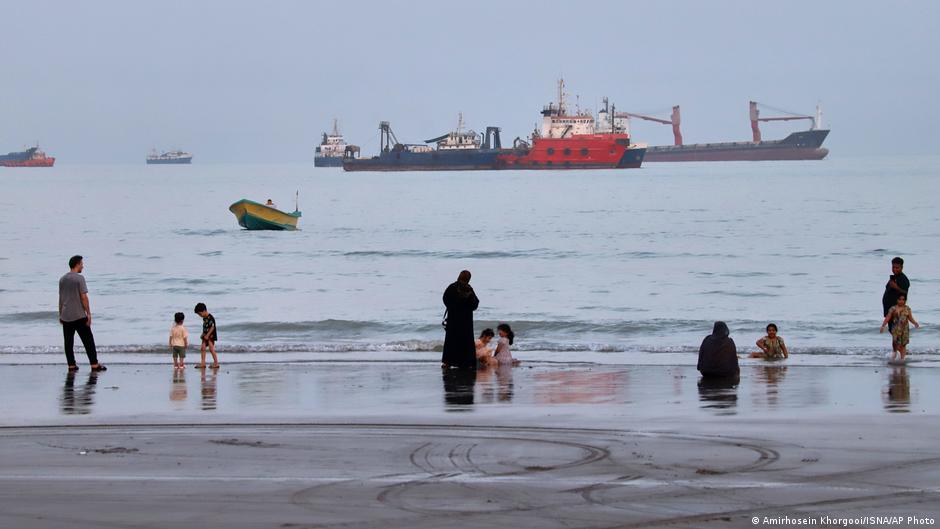
- Commercial traffic through the Strait of Hormuz is likely to remain severely constrained rather than fully halted over the next 14 days. Reporting says shipping has virtually ground to a halt, but also records tankers heading north towards the Suez Canal and 15-20 tankers passing each night through a southern channel near the coast of Oman. Abbas Araghchi has described safe passage through coordination with Iran's Armed Forces, while Iran's Gulf Affairs Office has threatened restrictions against vessels violating Iranian protocols. This is an assessed, medium-confidence judgement because the evidence points to constrained access but contains a direct contradiction between near cessation and continued transits. (Confidence: medium · ASSESSED)
- I&W: Confirm: within 0-14 days, maritime tracking or JMIC reporting records repeated commercial transits through the southern channel near Oman while other vessels continue rerouting towards the Suez Canal. (0-14 days)
- I&W: Break: within 0-14 days, maritime advisories report no commercial transits through the Strait of Hormuz for 72 hours and document formal closure or vessel detention under Iranian protocols. (0-14 days)
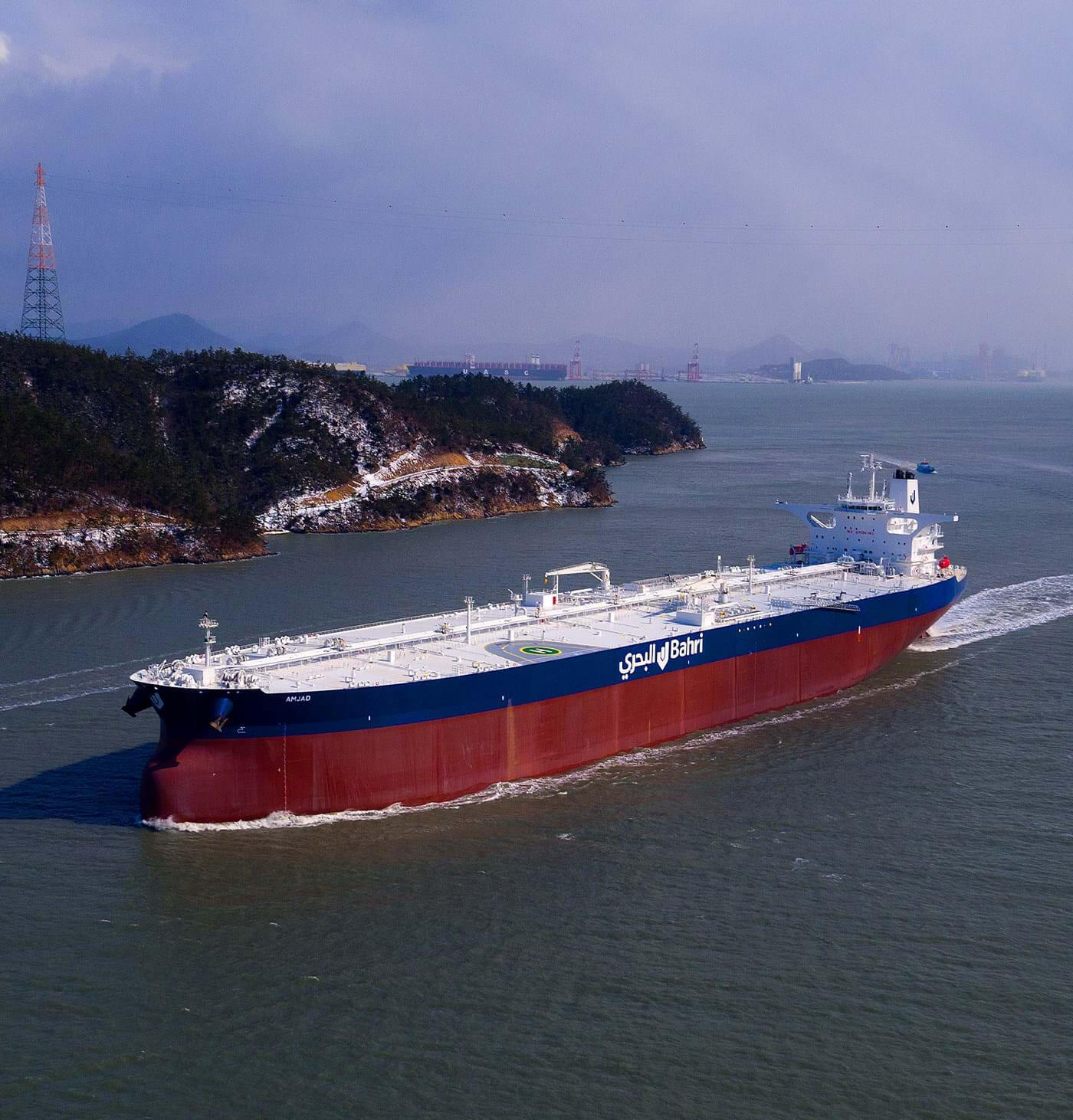
- Iran is likely to sustain coercive pressure on Gulf-linked shipping and neighbouring states over the next 14 days, but attribution for the tanker struck 63 nautical miles west of Yanbu on 22 August remains unresolved. Iran has retained a missile and drone stockpile sufficient to attack Persian Gulf states, while Esmaeil Baghaei, Mohsen Rezaei and other Iranian officials have threatened states supporting US measures and warned of restrictions on vessels in the Strait of Hormuz. The available report identifies the projectile that struck the tanker as unknown. This is an assessed, medium-confidence judgement because Iranian threats are repeatedly reported by major media, while the operational attribution evidence is single-source and incomplete. (Confidence: medium · ASSESSED)
- I&W: Confirm: within 0-14 days, Iranian authorities or the Islamic Revolutionary Guard Corps claim an attack against a named Gulf vessel or impose a documented detention or restriction on a named ship. (0-14 days)
- I&W: Break: within 0-14 days, a corroborated investigation attributes the 22 August tanker strike to another actor and no further Iranian maritime action is recorded. (0-14 days)
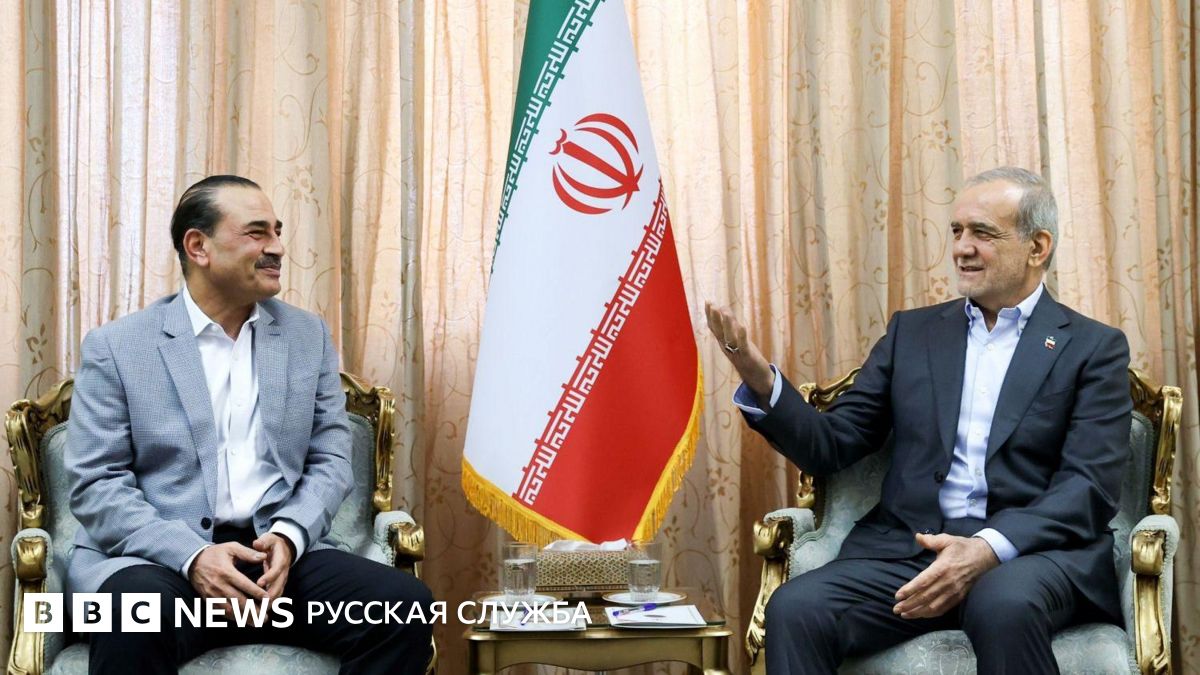
- Pakistan is likely to continue mediation efforts, but direct US-Iran negotiations are unlikely in the next 14 days. Pakistan is attempting to resume peace negotiations, and Field Marshal Asim Munir is reported to be travelling or expected to travel to Tehran for talks. Washington states that it is not currently negotiating with Tehran, while the last reported talks took place in Switzerland in June. This is an assessed, medium-confidence judgement because the mediation effort is reported by multiple major-media accounts, but the timing of Asim Munir's visit is inconsistent and no US counterpart or active direct channel is identified. (Confidence: medium · ASSESSED)
- I&W: Confirm: within 0-14 days, Pakistan confirms Asim Munir's meetings in Tehran and identifies a channel involving both Washington and Tehran. (0-14 days)
- I&W: Break: within 0-14 days, Washington and Tehran publicly announce direct talks or a temporary pause in sanctions implementation. (0-14 days)
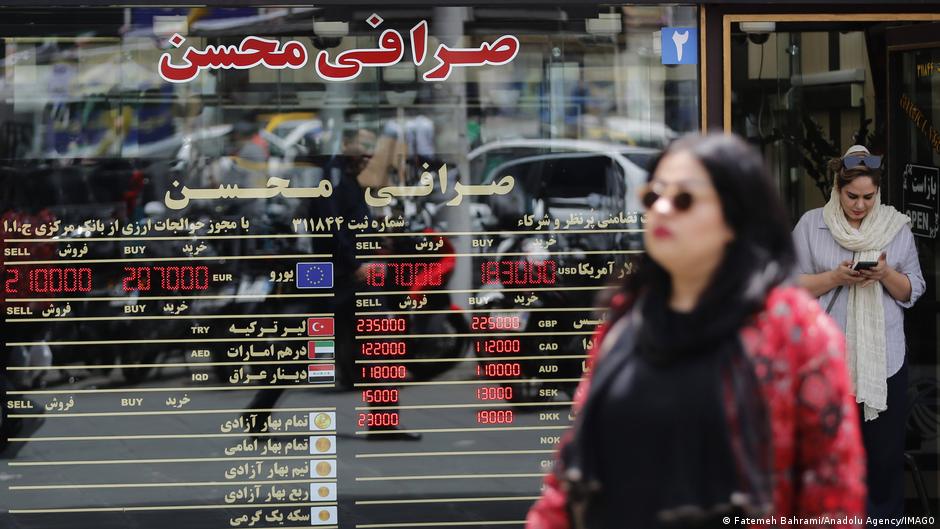
- Iranian economic stress is likely to remain acute over the next 14 days, with the Iranian rial reported at about 2 million per US dollar and Iranian oil and gas exports described as at a complete standstill. The United Arab Emirates has also announced suspension of trade and financial dealings with Tehran. This is an assessed, low-confidence judgement because the currency report is recent but the export status and UAE measures are not consistently dated, and claims that the US blockade is fully effective conflict with evidence of continued maritime movement. (Confidence: low · ASSESSED)
- I&W: Confirm: within 0-14 days, Iranian financial reporting continues to place the rial near 2 million per US dollar and repeats that oil and gas exports remain halted. (0-14 days)
- I&W: Break: within 0-14 days, the United Arab Emirates restores trade or financial dealings with Tehran, or independently verified Iranian oil and gas exports resume. (0-14 days)
Outlook & scenarios
Managed economic pressure with constrained maritime access (50%)
Washington implements new sanctions while Iran maintains threats against states supporting the campaign. Commercial traffic through the Strait of Hormuz remains limited, with some tankers using the southern channel near Oman and others rerouting towards the Suez Canal. Pakistan continues diplomatic engagement without producing direct US-Iran talks.
Maritime escalation and wider Gulf spillover (28%)
Iran imposes additional restrictions on vessels or conducts a further attack against Gulf-linked shipping. The United Kingdom reinforces its Persian Gulf bases, France maintains the Charles de Gaulle near Cyprus, and Italy expands naval and air-defence activity. The United States responds with stronger maritime protection measures, increasing the risk of direct US-Iran military exchanges.
Limited diplomatic and maritime accommodation (15%)
Asim Munir's Tehran visit produces an indirect channel for discussing sanctions and maritime access. Abbas Araghchi's proposal for coordinated safe passage becomes the basis for limited vessel movements, while Washington delays wider enforcement and Iran reduces public threats against neighbouring states.
Full Gulf oil interruption (7%)
Iran attempts to stop oil exports across the Persian Gulf after further US economic measures. Commercial traffic through the Strait of Hormuz stops, Gulf producing states face immediate maritime disruption, and the United States responds militarily. This is a low-probability, high-impact wildcard.
Recommendations
- Prioritise collection on the US sanctions package. Confirm Scott Bessent's announcement, the named Iranian trading partners and companies, the effective date, exemptions and enforcement mechanisms within 24 hours of release.
- Maintain a separate daily assessment of Strait of Hormuz traffic, northern Suez rerouting and the southern channel near Oman. Record vessel counts, route changes, reported detentions and source timestamps rather than relying on a single claim that the waterway is either open or closed.
- Do not attribute the 22 August tanker strike west of Yanbu to Iran or the Houthis without corroboration. Track official claims, vessel reporting and independent attribution separately.
- Monitor Asim Munir's Tehran engagement for evidence of actual meetings, participants and agreed measures. Distinguish Pakistan-led mediation from direct US-Iran negotiations.
- Use an explicit chronology caveat in future reporting. Several claims carry conflicting 2023 and 2026 dates, so analysts should not combine them into a single operational timeline without verification.
- Track indicators of Iranian economic stress, including the rial exchange rate, oil and gas export activity and the status of UAE trade and financial restrictions, while retaining low confidence until independent current reporting corroborates the trend.
Confidence & uncertainty
Overall confidence is medium. Multiple major-media accounts corroborate the US sanctions plans, Iranian warnings, maritime rerouting and Pakistan's mediation effort. Confidence is reduced by conflicting dates, disagreement over whether Strait of Hormuz traffic has virtually stopped or continues at reduced levels, and the absence of attribution for the tanker strike west of Yanbu. Current economic indicators are also unevenly dated, so the scale of Iran's present deterioration remains less certain than the direction of pressure.
Intelligence gaps
- [EEI 1.1 · UNCOVERED] Concentrations or unusual movements of IRGC-Navy fast attack craft, small boat swarms, or escort vessels within 200 km of US/allied ships, including approach distances and formation changes. Recommended collection: maritime/AIS
- [EEI 1.2 · UNCOVERED] Detected pre-launch activity at coastal missile or rocket batteries (vehicle dispersal, fuel/warhead handling, radars powering up, transport erector launchers moving to firing positions). Recommended collection: imagery/signals
- [EEI 1.3 · UNCOVERED] Increased launch/arming/positioning of armed UAVs (MALE/loitering munitions) or tactical aircraft at Iranian coastal bases with sortie generation rates and munitions loadouts. Recommended collection: air/ADS-B/imagery
- [EEI 1.4 · UNCOVERED] Command-and-control indications of attack orders or elevated rules-of-engagement from IRGC/General Staff (intercepted communications, internal order messages, force-wide alert messages). Recommended collection: signals/human
- [EEI 2.2 · UNCOVERED] Issuance of formal orders, mobilization directives, travel restrictions, or official internal communications within IRGC/Armed Forces indicating escalation posture or stand-down. Recommended collection: human/diplomatic
- [EEI 2.3 · UNCOVERED] Directives, logistics movements, or communications from Iranian commanders to regional proxy militias (Houthis, Iraqi Shia militias, Lebanese groups) that change their threat posture or task them with specific operations. Recommended collection: signals/human
- [EEI 3.1 · UNCOVERED] Incidents involving commercial vessels within the Strait of Hormuz or Persian Gulf: attacks, boarding attempts, near-misses, AIS spoofing or deliberate AIS outages, including vessel IDs and locations. Recommended collection: maritime/AIS
- [EEI 3.2 · PARTIAL] Discovery or reporting of naval mines, unexploded ordnance, or damage to fixed maritime infrastructure (oil platforms, terminals, pipelines) with geolocated imagery or on-scene assessments. Recommended collection: imagery/open-source
- [EEI 3.4 · UNCOVERED] Movements or posture changes of regional state navies/air forces (Saudi, UAE, Kuwait, Bahrain, UK) such as task group departures, airbase dispersals, or announced maritime patrols near choke points. Recommended collection: open-source/imagery
Cited sources
[1] dw.com · US to unveil new Iran sanctions, says war entering 'endgame' (A) · sha256:a297317b7628 [2] politicstoday.org · US Vows 'Economic D-Day' as Iran Threatens to Halt Oil Exports - Politics Today (B) · sha256:91fe64881a1b [3] knews.kg · Может ли Иран принять ответные меры против стран, присоединившихся к «экономической войне» США? (B) · sha256:a4486b93cbcb [4] Deutsche Welle · Иран хочет конфисковывать суда-нарушители в Ормузе (B) · sha256:3df74e29601c [5] tovima.com · Iran: US Warns Of Economic D-Day, Tehran Threatens Oil Halt (B) · sha256:6016af2e2fea [6] Baltic News Network · US threatens economic "D-Day"; Iran vows to completely stop oil exports - Baltic News Network (B) · sha256:b82e48a400be [7] maritime-executive.com · Bahri VLCC Struck as Houthis Continue Attacks Against Saudi Interests (B) · sha256:ab9f19f388c2 [8] ABC News · President Trump says US Navy will blockade Strait of Hormuz (A) · sha256:aa00c8aa93b3 [9] NHK World · Корпус стражей Исламской революции Ирана заявил, что план США по введению санкций равносилен признанию ими военного поражения (A) · sha256:28b532ea01c8 [10] tribune.com.pk · Trump claims Iran completely collapsing as US threatens economic D Day (B) · sha256:f2f6a227fdd5 [11] BBC News Русская служба · Пакистан пытается возобновить переговоры между Ираном и США, Вашингтон готовит новые санкции против Тегерана - BBC News Русская служба (A) · sha256:a26a49d06826 [12] maritime-executive.com · What Happens Next After the Expiration of the Hormuz MoU? (B) · sha256:c45d3b44a638 [13] The Herald Business · Iran threatens Gulf oil blockade as US launches economic 'D-Day' against Tehran - The Herald Business (A) · sha256:22ecb6fb0e04
Source content hashes were computed at collection time; the cited text is preserved unmodified for the life of this product.
Red cell review: CONCUR WITH COMMENT
TLP:CLEAR