TLP:CLEAR · Disclosure is not limited.
US, Iran escalation across the Gulf: strikes, missile alerts and mounting maritime risk
Time window: Last 7 days · Audience: General analyst · Type: Situation report · DTG: 2026-07-10 12:15Z · Overall confidence: MEDIUM
BLUF
US forces have almost certainly conducted repeated large-scale strikes against Iranian targets since 7 July, and Iran has very likely retaliated with missile attacks on US and allied facilities in Bahrain, Kuwait, Qatar and Jordan. Maritime risk around the Strait of Hormuz has risen sharply after multiple ship attacks, with traffic at times near a standstill and insurance premia elevated. Active mediation continues, but with hardened positions the chance of near‑term de‑escalation is only a roughly even one.
Executive summary
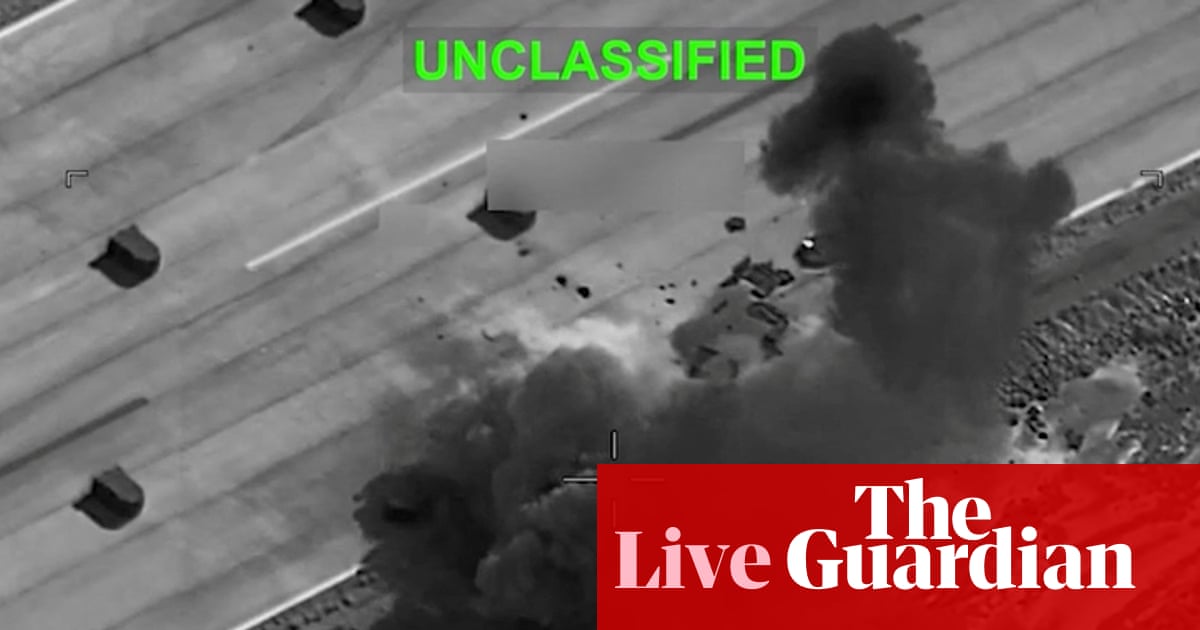
From 7 to 9 July, US Central Command reported hitting about 90 Iranian military targets per day as Washington escalated in response to attacks on shipping. Iran retaliated with strikes against US‑linked sites in Bahrain and Kuwait and fired missiles at a US base in Jordan, prompting missile alerts in Gulf states. In parallel, at least one tanker was struck off Oman, a Qatari LNG carrier was hit and abandoned, and a Saudi crude tanker was damaged near Hormuz. War‑risk insurers report fewer inquiries and higher rates as shipowners reconsider transits. Diplomatic channels via Oman remain open and Iran’s foreign minister engaged regional counterparts, but Washington reinstated oil sanctions and declared the ceasefire over while regional partners urged Tehran to cease destabilising activity. Oil prices spiked and global equities sold off, and analysts warn Hormuz uncertainty threatens Gulf producer cash flows even as the UAE lifts output.
Key judgments
- The United States very likely escalated to sustained strike operations against Iran between 7 and 9 July, hitting roughly ninety military targets per day, and Iran has answered with missile attacks on US and US‑aligned facilities in Bahrain, Kuwait, Qatar and Jordan. (Confidence: high · REPORTED)
- I&W: CENTCOM publishes additional strike summaries or imagery confirming further targets hit in Iran (0-14 days)
- I&W: A mutually announced halt to cross‑border strikes by Washington and Tehran, followed by no missile alerts in Bahrain, Kuwait or Qatar for 14 consecutive days (1-3 months)
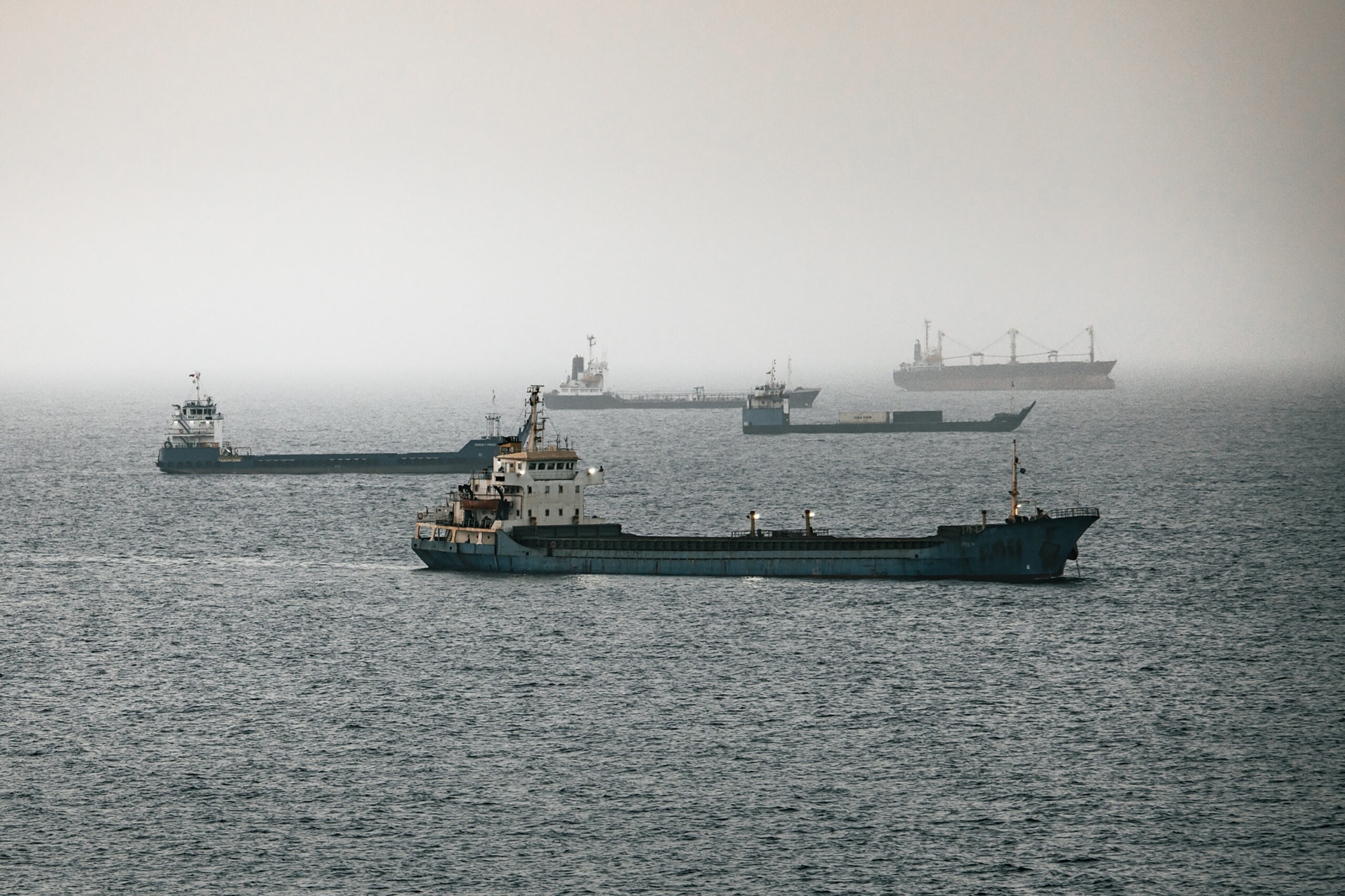
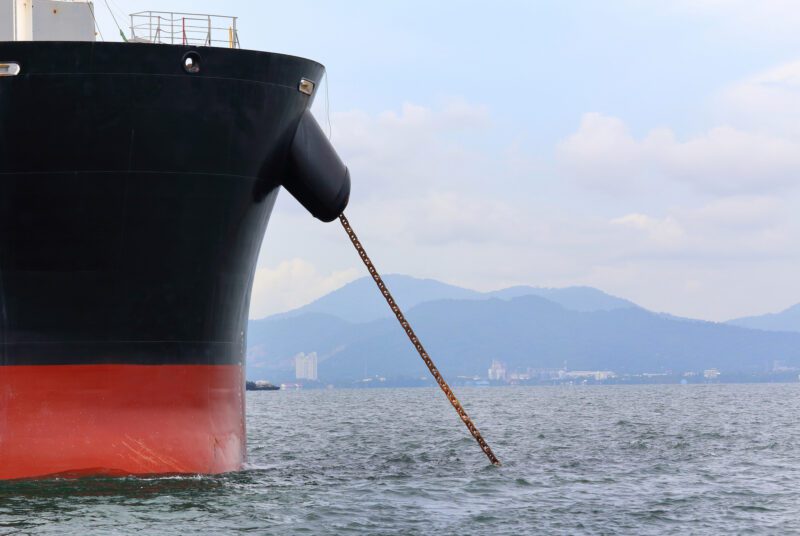
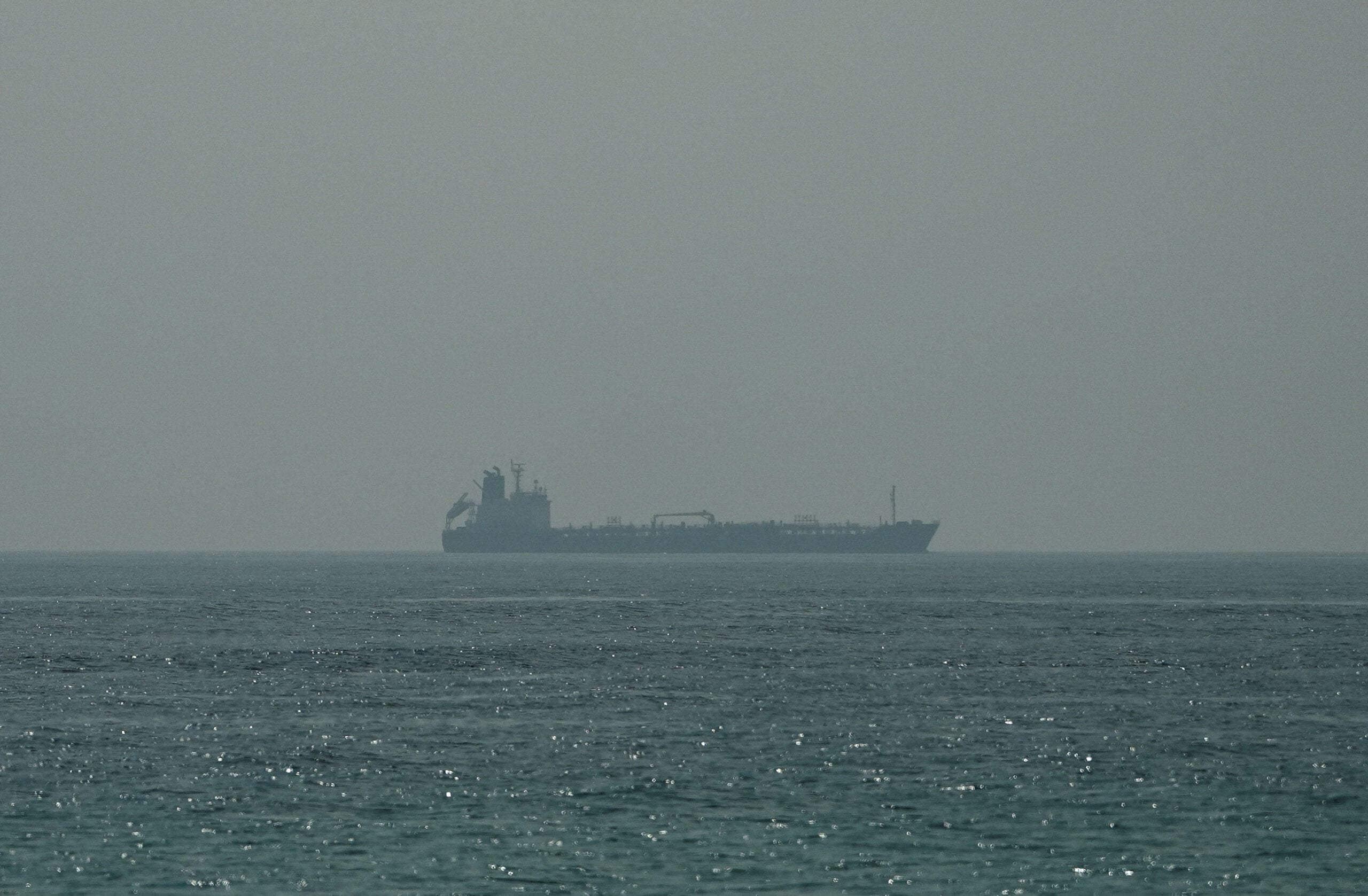
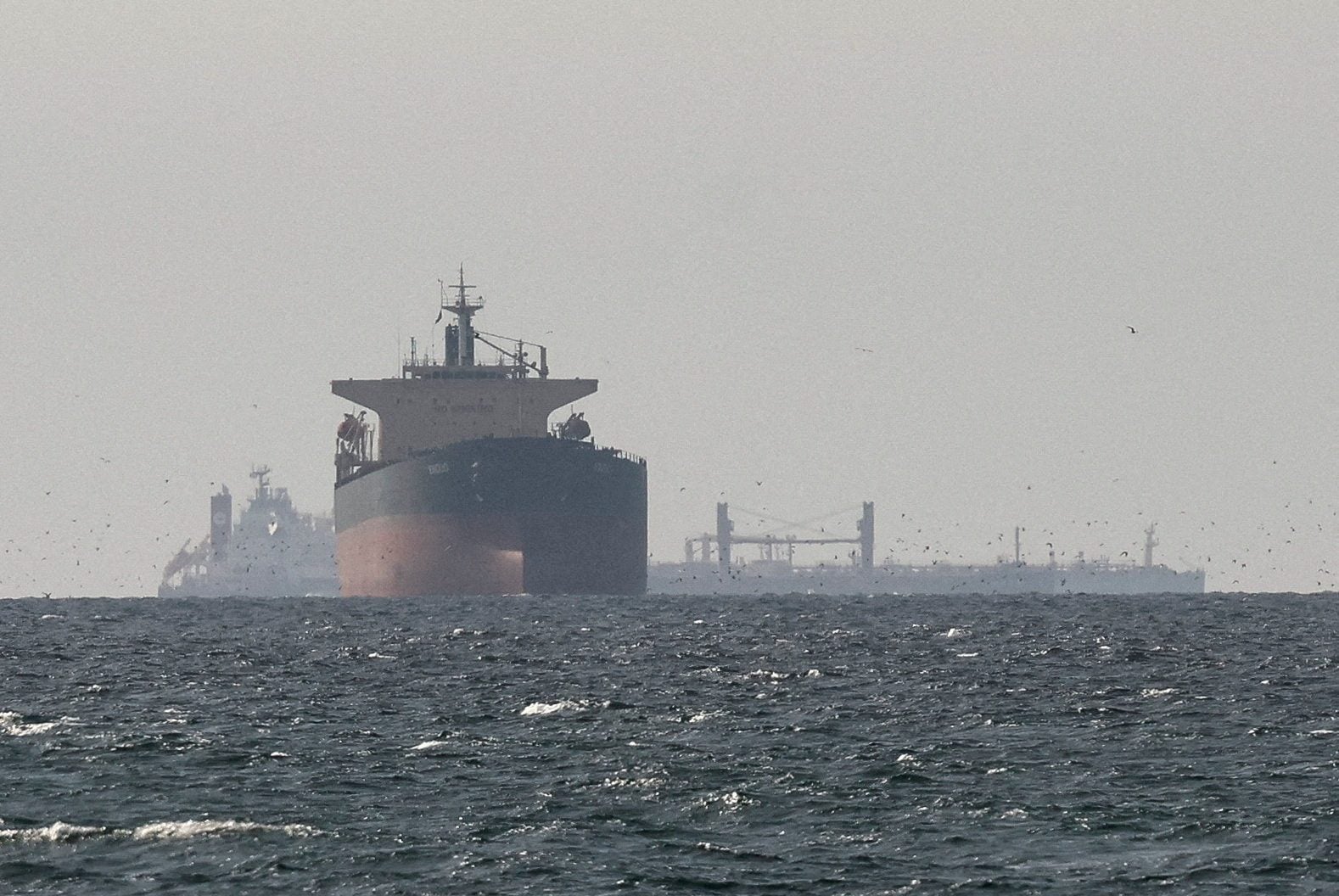
- Maritime security in and around the Strait of Hormuz is very likely degraded: at least one tanker was struck off Oman on 7 July, a Qatari LNG carrier Al Rekayyat was hit and abandoned, and a laden Saudi crude tanker was damaged while leaving the strait; visible traffic has at times ground to a halt, war‑risk premia are elevated and shipowners are reconsidering transits. (Confidence: high · REPORTED)
- I&W: London market war‑risk quotes posted at or above 6 percent of hull value for Hormuz transits (0-14 days)
- I&W: Resumption of routine VLCC convoys through Hormuz with AIS transponders active for seven consecutive days (0-14 days)
- Civilian harm inside Iran is likely rising from US strikes: Iran’s Health Ministry reported at least 14 killed and 78 wounded on 9 July, and official documents allege earlier US strikes killed at least 175 civilians at a girls’ school and damaged water treatment facilities; Iran has initiated legal action in The Hague, increasing diplomatic and legal pressure. Parts of this picture rest on single‑source or contested reporting. (Confidence: medium · REPORTED)
- I&W: Independent humanitarian organisations or third‑party OSINT publish casualty audits or satellite verification of damage to non‑military sites in Iran (0-30 days)
- I&W: CENTCOM releases strike footage and target lists aligned exclusively to military infrastructure, corroborated by independent geolocation (0-14 days)
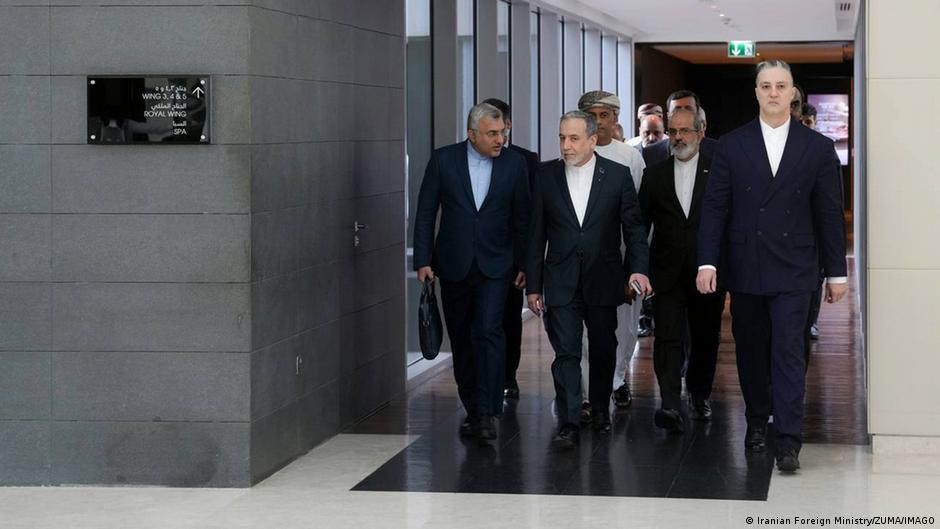
- Despite active mediation and calls with regional counterparts, there is a roughly even chance of near‑term de‑escalation: Oman has hosted new US, Iran talks and Tehran engaged Saudi, Turkish and Omani officials, yet Washington reinstated oil sanctions and declared the ceasefire over while the United States and Iran remain far apart on a negotiating agenda and partners publicly urge Iran to stop destabilising practices. (Confidence: medium · ASSESSED)
- I&W: Public announcement by Muscat, Washington and Tehran of a new pause or maritime deconfliction mechanism (0-14 days)
- I&W: New large‑scale US or Iranian strike packages or formal sanction expansions announced (0-14 days)
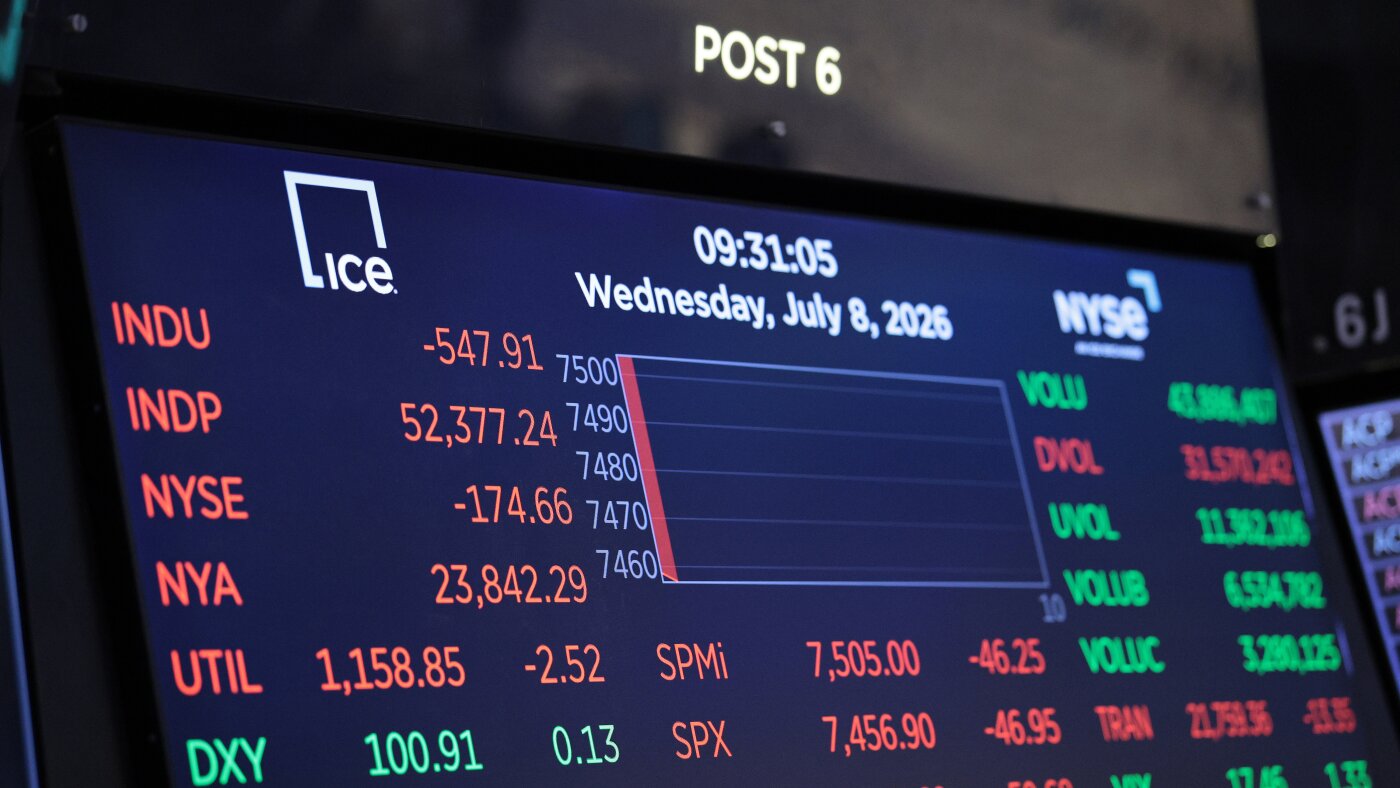
- Energy markets are likely to remain volatile and Gulf producer cash flows under pressure as Hormuz uncertainty persists, even as the UAE lifts output: oil prices jumped about 7 percent with Brent around $78, global equities sold off, and analysts warn unpredictable flows threaten revenues while Asian buyers look to diversify supply. (Confidence: medium · ASSESSED)
- I&W: Day‑on‑day Brent price swings above 5 percent on multiple trading days (0-14 days)
- I&W: Shipping trackers report a sustained week of normalised tanker loadings through Hormuz and war‑risk premia fall below 2 percent (1-3 months)
- Further Iranian fires against US and allied facilities in the Gulf are very likely in the near term, heightening the chance of a wider regional war if reciprocal strikes persist. (Confidence: high · ASSESSED)
- I&W: Civil defence or military authorities in Bahrain, Kuwait, Qatar or Jordan report new missile alerts or impacts (0-14 days)
- I&W: Two weeks without missile alerts across Bahrain, Kuwait, Qatar and Jordan following parallel de‑escalatory statements from Tehran and Washington (1-3 months)
- US civilian‑harm mitigation posture is under strain, which likely increases reputational and legal risk amid reported civilian casualties in Iran: an Inspector General report assessed Civilian Harm Mitigation and Response Action Plan objectives as at risk, lawmakers pressed the Department of Defense for answers, and prior defunding and non‑cooperation findings were recorded. (Confidence: high · ASSESSED)
- I&W: New congressional hearings or OIG updates citing gaps in civilian‑harm mitigation for ongoing Iran operations (0-3 months)
- I&W: DoD publicly demonstrates CHMRAP implementation milestones back on track with transparent tracking tools (0-3 months)
Outlook & scenarios
Constrained tit‑for‑tat persists without formal war (45%)
US and Iranian forces continue intermittent strikes and intercepts, largely confined to Iranian coastal targets and US‑linked facilities in Bahrain, Kuwait, Qatar and Jordan. Shipping remains sporadic and expensive, but not fully halted. Oman keeps a back‑channel open and Iran’s foreign minister sustains contact with Saudi, Turkish and Omani counterparts. Traffic through Hormuz remains unpredictable and coercive signalling continues around the waterway.
Wider regional war within weeks (35%)
Iran launches additional missile barrages on US facilities across the Gulf and in Jordan, prompting expanded US strike packages inside Iran. Israel signals readiness and may join renewed strikes. Missile alerts recur in Bahrain and Kuwait. War‑risk premia spike, more tankers are struck or damaged, and shipowners largely avoid Hormuz. Diplomatic efforts stall as Washington maintains sanctions pressure and negotiating positions remain irreconcilable.
Managed de‑escalation and partial maritime reopening (25%)
Omani‑facilitated understandings deliver a measured pause in long‑range fires and a maritime deconfliction channel. Tehran reduces harassment of commercial traffic and regional partners tone down public rhetoric. Insurers resume quoting more widely, premia ease, and visible VLCC transits pick up. Talks remain narrow, reflecting ongoing disagreement on missiles and regional policy, but are sufficient to cool the crisis.
Recommendations
- Maintain a daily indicators log tracking: CENTCOM strike releases, IRGC statements, and civil‑defence alerts in Bahrain, Kuwait, Qatar and Jordan; corroborate with commercial satellite imagery where feasible.
- Task maritime monitoring to fuse AIS, satellite SAR and broker reporting on Hormuz traffic, with a standing feed of war‑risk quotes from London market brokers to quantify risk premia movements.
- Prioritise OSINT geolocation and casualty verification of reported strikes in Iran to validate or refute civilian‑harm claims; compile a standing annex for policy principals given ongoing congressional and international legal scrutiny.
- Engage energy desks to monitor Brent intraday volatility, Gulf loadings, and evidence of Asian buyer diversification; map potential rerouting and storage builds that would signal prolonged disruption.
- Track mediation lines: follow Omani facilitation and Iran’s ministerial outreach to Riyadh, Ankara and Muscat; prepare a short‑fuse brief should a pause or maritime deconfliction mechanism be announced.
- Coordinate with aviation analysts to watch FAA advisories affecting US carriers in the Middle East and flag any expansions to areas of caution or prohibition.
- Develop a concise decision memo outlining tripwires for posture adjustments at US facilities in Bahrain, Kuwait, Qatar and Jordan tied to missile‑alert frequency and impact reporting.
Confidence & uncertainty
Multiple high‑reliability, mutually corroborating reports document US strike activity, Iranian retaliatory fires, missile alerts, and ship attacks, supporting high confidence in core kinetic and maritime developments. Confidence is reduced by timeline and casualty figure discrepancies, the presence of some single‑source or again‑contested claims on civilian harm, and analytically inferred elements on de‑escalation prospects and energy impacts. Hence the headline confidence is assessed as medium.
Alternative analysis (red cell)
The reporting supports that significant kinetic events occurred (notably a major US strike reported for 9 July and some Iranian missile launches), but the package contains low‑admiralty operational claims, timing/attribution contradictions, and an unaddressed contradiction lint. A more cautious estimate is defensible: discrete, high‑impact strikes and isolated retaliatory launches are credible, but the evidence does not reliably sustain claims of a sustained ~90‑target/day US campaign across 7–9 July, nor does it firmly establish the magnitude/trend of Iranian retaliation or civilian casualties without additional independent corroboration.
Cited sources
[1] Los Angeles Times · New U.S.-Iran fighting across Mideast threatens ceasefire deal - Los Angeles Times (A) · sha256:f924df911ca4 [2] gcaptain.com · U.S. Escalates Strikes on Iran After Attacks on Commercial Ships (B) · sha256:8107e4a7eba5 [3] Fortune · Iran strikes 85 U.S. military sites in the Gulf, sparking a global selloff in stocks and a spike in the price of oil | Fortune (A) · sha256:02ceae7f08c4 [4] NPR · Tehran targets Bahrain and Kuwait after U.S. strikes (A) · sha256:6ec972c3a9e8 [5] Unfiltered Press NG · NEW IRAN-U.S. CLASH SPARKS FEARS OF WIDER REGIONAL WAR (B) · sha256:81e1c15b3402 [6] The Guardian · Tehran launches more strikes as Israel warns it is ready to strike Iran again ‘with even greater force’ – as it happened (A) · sha256:a8cf6e8418a1 [7] insurancejournal.com · Qatari LNG Ship Struck in Strait of Hormuz, Testing US Talks (A) · sha256:8e841dc5bfca [8] gcaptain.com · Hormuz War-Risk Cover Climbs as Shipowners Pull Back (B) · sha256:0c13f8271499 [9] gcaptain.com · Oil Tanker Traffic Through Hormuz at Near Standstill as Attacks Strain MoU (A) · sha256:6fa103c869d8 [10] crow.house.gov · Crow, Warren Demand Answers on Dismantling of Civilian Protections by Defense Department (A) · sha256:1ef8f604f7b0 [11] Wikipedia · Reactions to the 2026 Iran war (B) · sha256:625c4f452002 [12] dw.com · ستوديو الحدث: أمريكا وإيران. سيناريوهات الحرب والتفاوض (B) · sha256:bb78af6a9250 [13] npr.org · Tensions with Iran add fresh uncertainty to an already shaky global economy (A) · sha256:a843dff2dcee [14] marinelink.com · Hormuz Standoff Risks Chronic Instability for Gulf Oil Flows (A) · sha256:924814bb808d [15] gcaptain.com · UAE’s Oil Output Surged to Record High in June, IEA Says (A) · sha256:1175802f246c
Source content hashes were computed at collection time; the cited text is preserved unmodified for the life of this product.
Red cell review: PARTIAL DISSENT
TLP:CLEAR