TLP:CLEAR · Disclosure is not limited.
US, Iran escalation around Hormuz: strikes, blockade and rising maritime risk
Time window: Last 7 days · Audience: General analyst · Type: Situation report · DTG: 2026-07-15 06:13Z · Overall confidence: LOW
BLUF
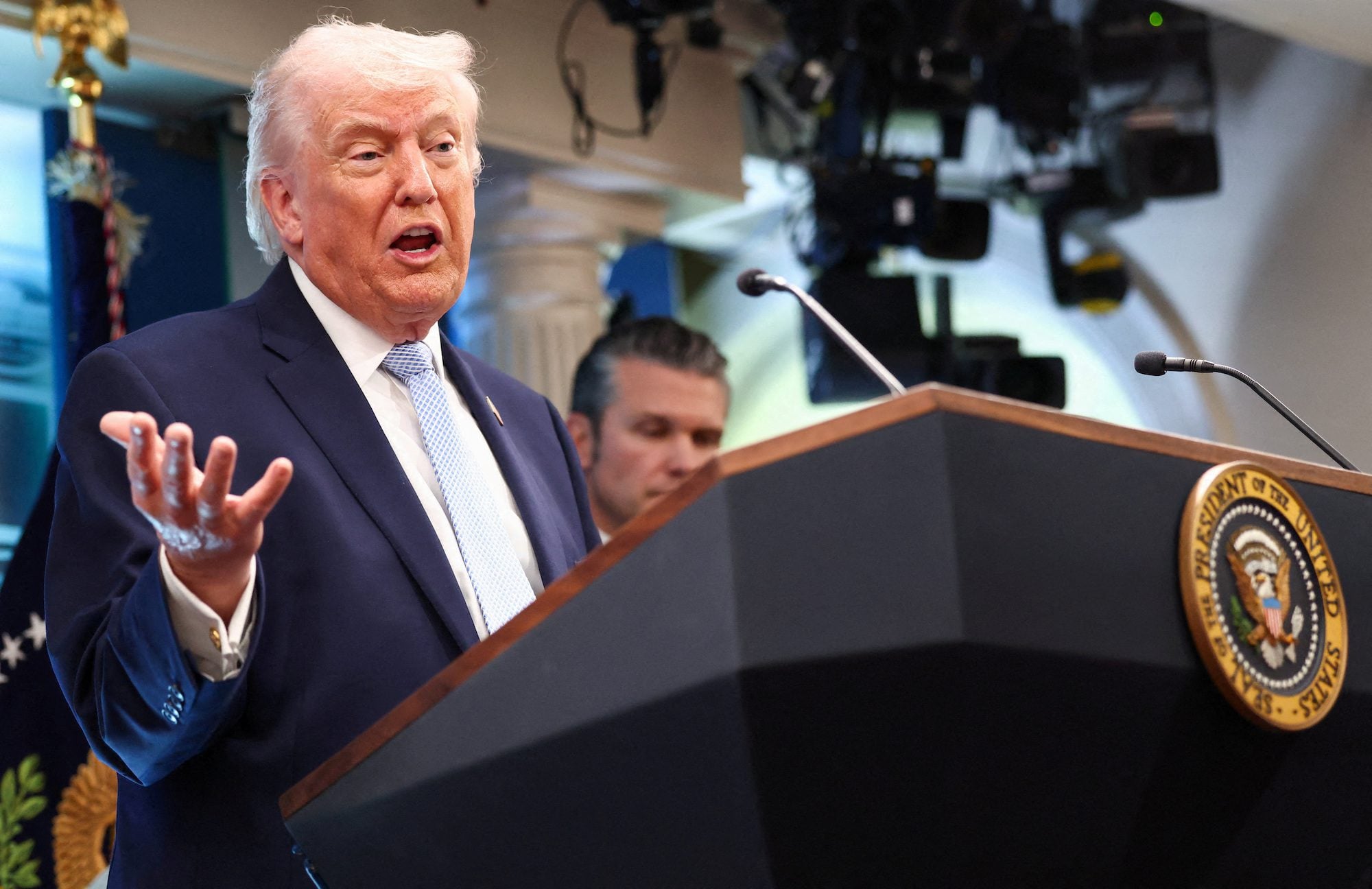
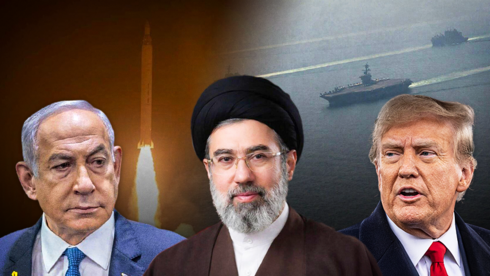
US forces struck Iranian targets on 9-12 July and resumed a naval blockade at 20:00 GMT on 14 July, while Iran fired missiles at a US base in Jordan and pressured Gulf states. The risk to commercial shipping through Hormuz and Omani waters remains high and further exchanges are likely in the near term.
Executive summary
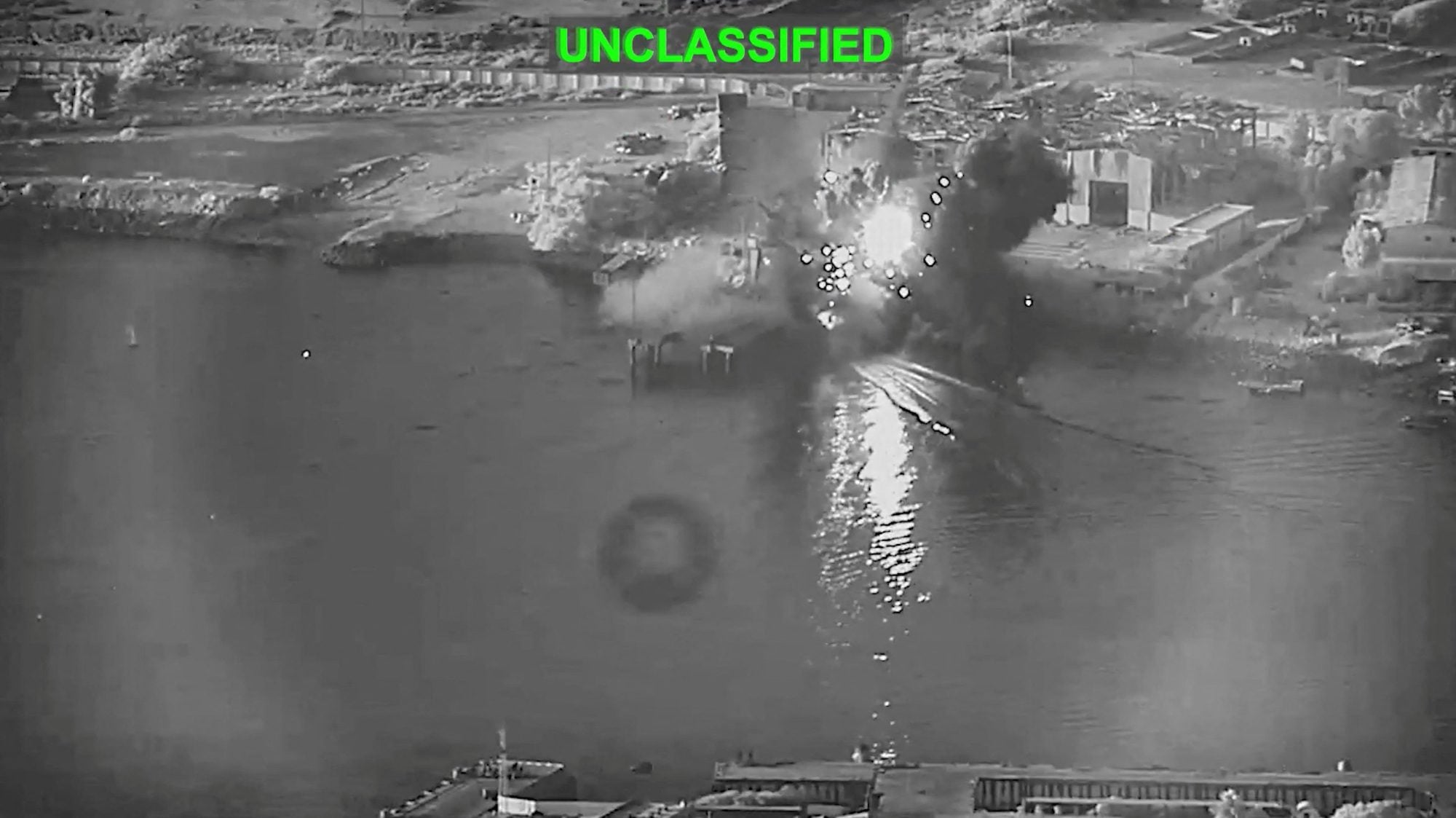
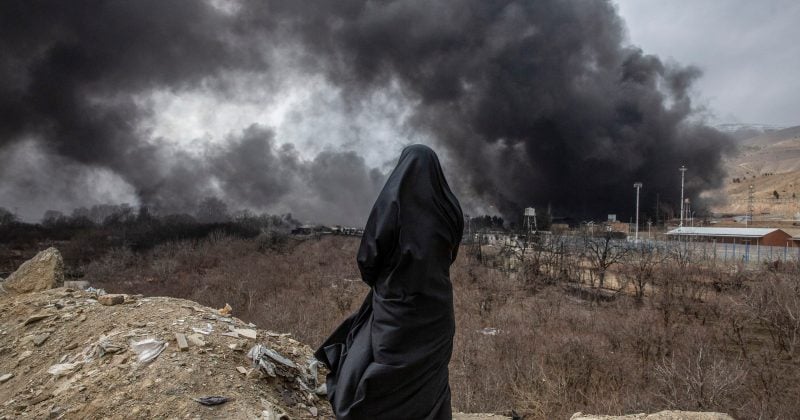
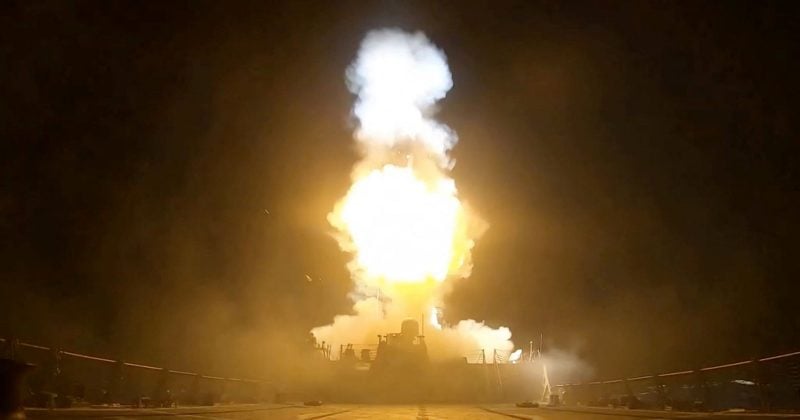
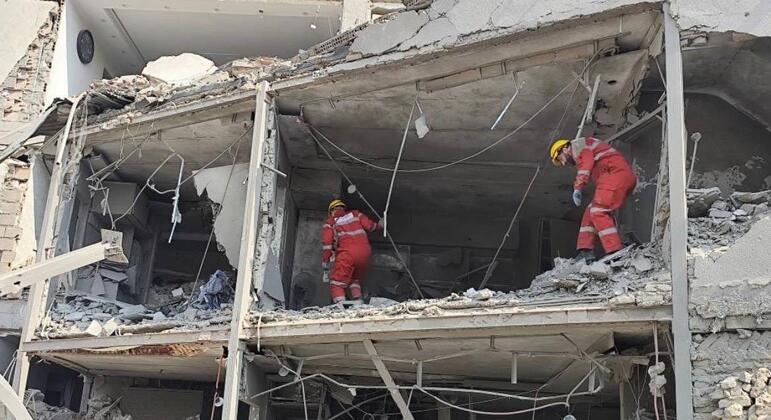
Since 9 July, US Central Command has hit roughly 90 targets across Iran and, on 12 July, employed unmanned surface vessels against Bandar Abbas Naval Base as part of wider strikes on air defence, radar, missile and naval assets. Iran’s Revolutionary Guard said it fired missiles at a US base in Jordan, sirens repeatedly sounded in Bahrain, and Kuwait reported intercepting ballistic and cruise missiles and drones. Iran’s Health Ministry reported at least 14 killed and 78 wounded from the US strikes. On 14 July, CENTCOM stated that a naval blockade of vessels to and from Iranian ports would take effect at 20:00 GMT, with shipping subject to inspection and limited humanitarian exemptions. President Trump publicly warned Tehran over attacks on shipping, while UN political chief Rosemary DiCarlo told the Security Council there is a lost continuity of knowledge on Iran’s nuclear programme. Reporting of recent tanker attacks with seafarer casualties and continued firing on commercial traffic point to sustained maritime risk.
Key judgments
- The US, Iran conflict is likely to intensify over the next 1-3 months as Washington enforces a naval blockade and continues strike activity while Tehran maintains regional attacks. (Confidence: medium · ASSESSED)
- I&W: CENTCOM publishes details of boardings, diversions or seizures of vessels bound to or from Iranian ports under blockade enforcement. (0-14 days)
- I&W: Iranian ballistic or cruise missile salvos reported against Jordan, Bahrain or Kuwait, beyond the 9-10 July pattern. (0-14 days)
- US airstrikes on 9-10 July almost certainly caused at least 14 fatalities and 78 wounded in Iran, and the maritime conflict has raised the confirmed seafarer death toll to at least 15. (Confidence: high · REPORTED)
- I&W: Iran’s Health Ministry or provincial authorities issue updated casualty tallies tied to the 9-10 July strikes. (0-14 days)
- I&W: Maritime casualty reporting adds named fatalities from recent tanker attacks transiting Hormuz or Omani waters. (0-14 days)
- Iran is likely to sustain pressure on US positions and Gulf partners through missiles and drones, keeping risk elevated at Jordan’s Prince Hassan Air Base and around Bahrain and Kuwait. (Confidence: medium · ASSESSED)
- I&W: Additional interceptions or debris reports by Kuwait’s military, or renewed air-raid sirens in Bahrain. (0-14 days)
- I&W: Iranian state media announces further strikes on US positions in Jordan or the Gulf. (0-14 days)
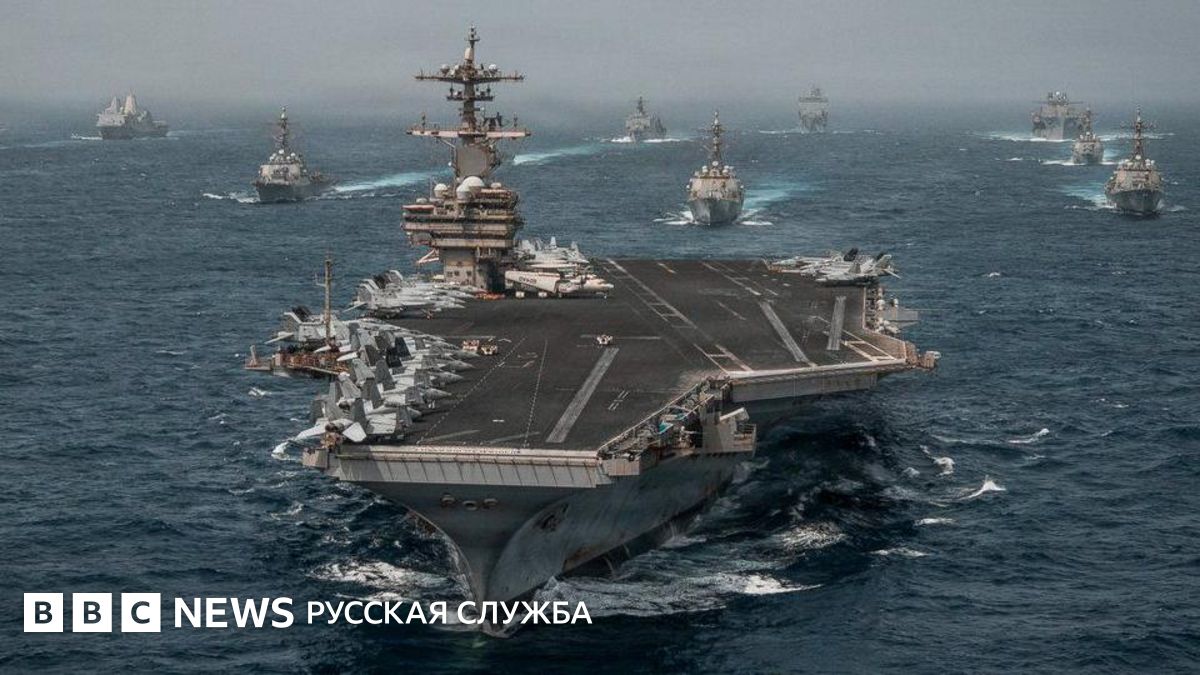
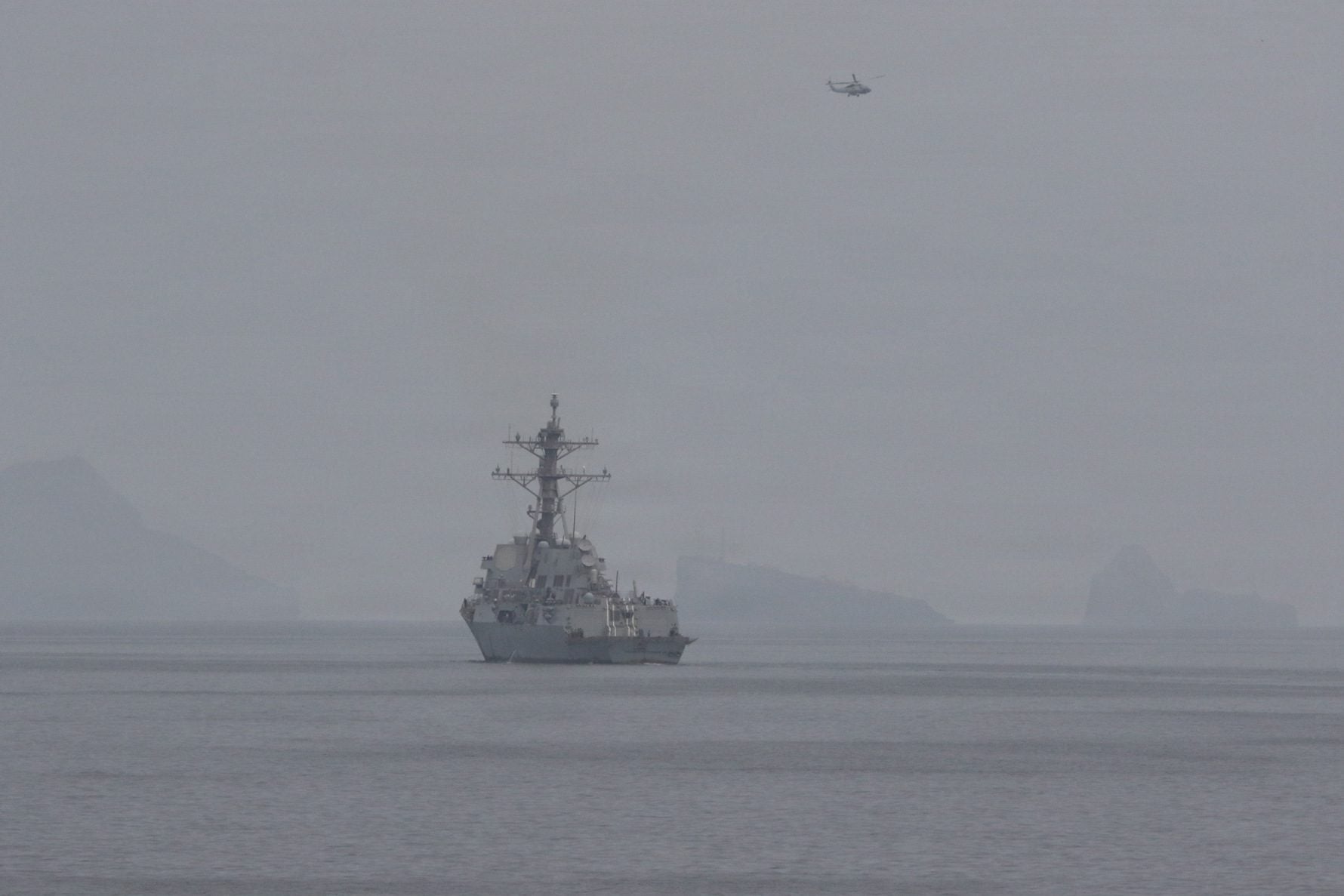
- The US naval blockade of vessels to and from Iranian ports took effect at 20:00 GMT on 14 July, with neutral transits subject to inspection and limited humanitarian exemptions. (Confidence: high · REPORTED)
- I&W: Public release of rules of engagement and inspection procedures for strait transits and port approaches. (0-14 days)
- I&W: Announcements of approved humanitarian convoys after US Navy vetting. (0-14 days)
- US unmanned surface vessels made their combat debut on 12 July, striking naval infrastructure at Bandar Abbas, and are likely to feature in future Hormuz-area operations. (Confidence: high · ASSESSED)
- I&W: CENTCOM or 5th Fleet after-action reports or imagery citing USV participation in additional strikes or interdictions. (0-14 days)
- I&W: Expanded Task Force 59 tasking notes referencing USVs in blockade enforcement. (1-3 months)
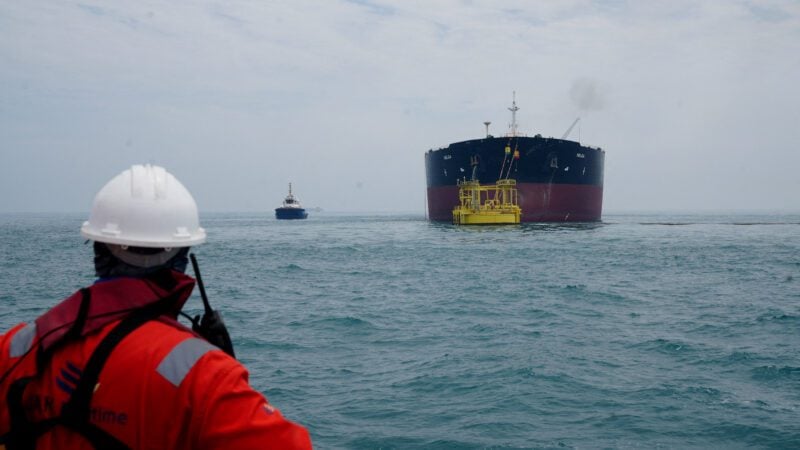
- Risk to commercial shipping transiting the Strait of Hormuz and adjacent Omani waters is likely to remain high, with continued threat of missile or drone attack and industry rerouting. (Confidence: medium · ASSESSED)
- I&W: Major carriers sustain diversions around southern Africa despite official assurances on Hormuz access. (1-3 months)
- I&W: JMIC or maritime advisories maintain elevated threat levels for Hormuz or the Gulf of Oman. (0-14 days)
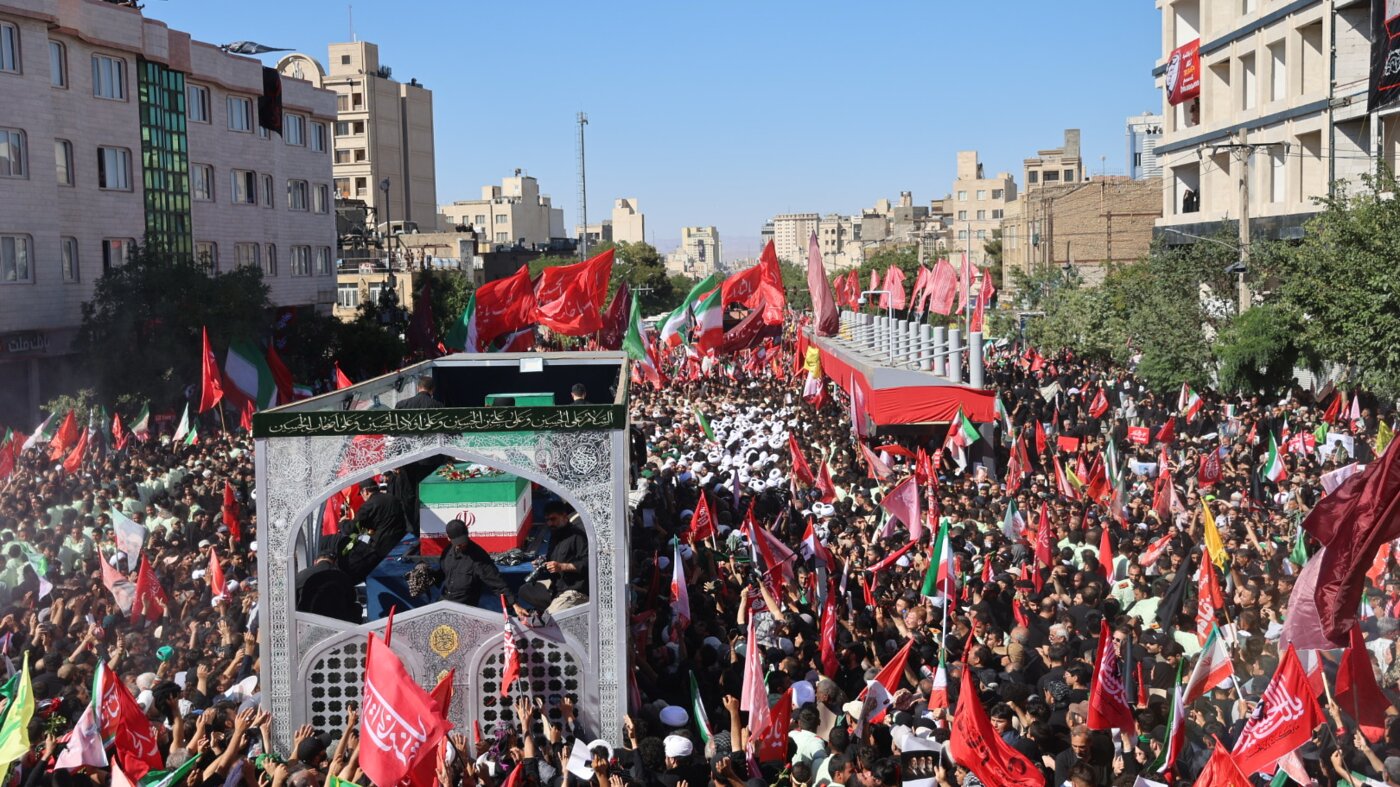
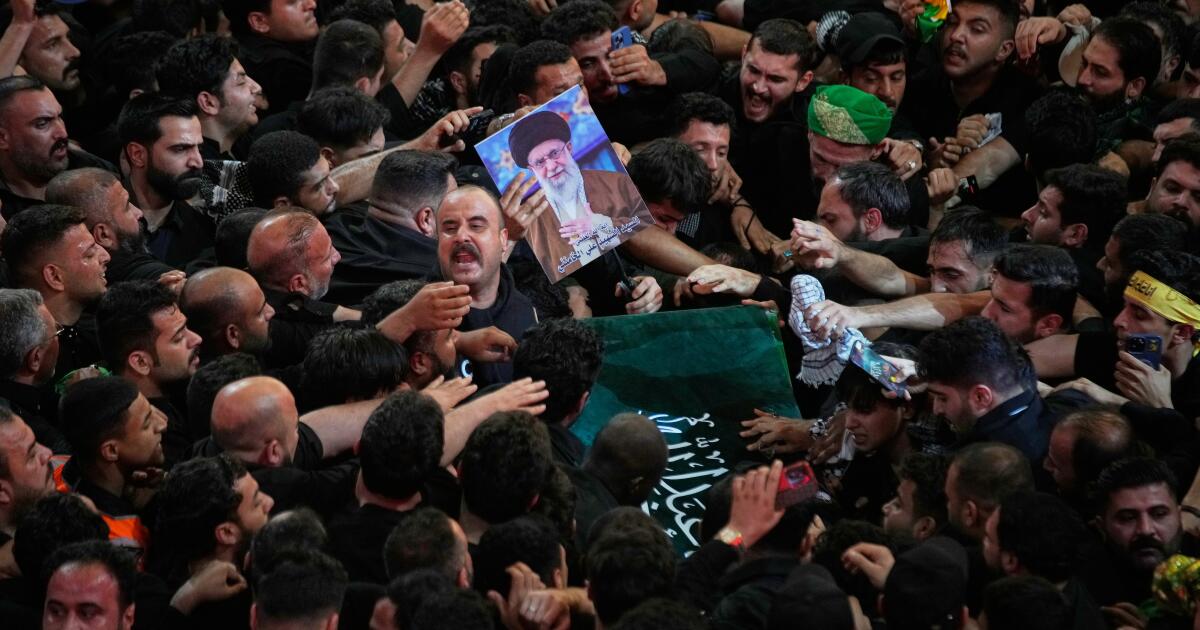
- Loss of continuity of knowledge on Iran’s nuclear programme, as flagged to the UN Security Council, likely complicates any post-funeral negotiations and raises strategic uncertainty. (Confidence: medium · ASSESSED)
- I&W: UN or other briefings cite continued gaps in verification or monitoring access in Iran. (1-3 months)
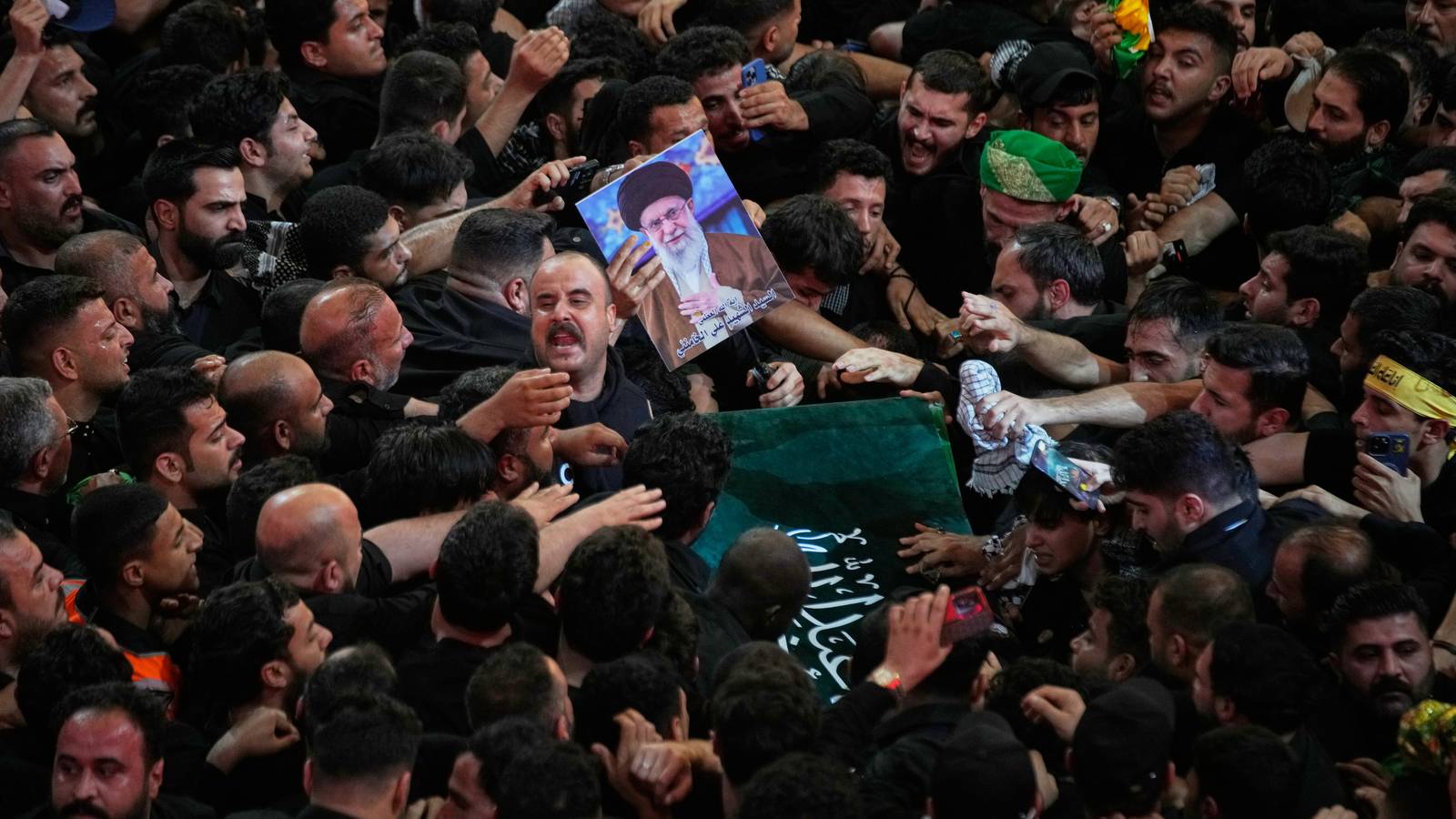
- I&W: Negotiators publicly announce a start date and agenda for talks following Khamenei’s funeral. (0-14 days)
Outlook & scenarios
Blockade enforcement and tit-for-tat strikes escalate around Hormuz (50%)
US interdictions and inspections under the 14 July blockade trigger Iranian missile and drone activity against US positions in Jordan and across the Gulf, with occasional successful strikes despite regional air defences. Maritime insurers widen exclusions, and major carriers keep rerouting away from Hormuz. Civilian and military casualties in Iran from continued US strikes prompt more Iranian claims of retaliation.
Managed containment with back-channel engagement (35%)
After initial blockade enforcement and limited exchanges, quiet contacts resume around the timeline of post-funeral discussions. Iran tempers regional launches, Bahrain sirens subside, and Kuwait reports fewer intercepts. The blockade remains in place but shifts to risk-based inspections and humanitarian corridors, easing immediate pressure on shipping.
Maritime miscalculation triggers a sharp oil-market shock (20%)
An attack or interception misidentification leads to a major tanker fire or sinking in Omani waters, causing multiple seafarer casualties and a temporary de facto closure of the main lanes. Spot prices spike as a proxy for supply risk, carriers halt transits, and naval escorts increase, raising the risk of direct US, Iran naval confrontation.
Recommendations
- Task a watch on CENTCOM releases and maritime incident reports to log every boarding, diversion, or seizure under the 14 July blockade, and map inspection patterns against AIS and port-call data to anticipate chokepoints.
- Maintain a standing indicator set for Iranian missile and drone activity focused on Prince Hassan Air Base in Jordan, Bahrain’s maritime approaches, and Kuwaiti airspace, integrating open reporting of sirens, intercepts and debris finds.
- Advise maritime stakeholders to adhere to the latest routing guidance and to treat the southern lane through Omani waters as high risk; track carrier advisories and diversions as a leading indicator of threat persistence.
- Quantify market exposure using Brent and WTI spot prices as proxies for perceived supply-disruption risk and brief on rapid shifts that coincide with reported attacks or blockade enforcement milestones.
- Prioritise collection on Iranian naval, radar and missile nodes around Bandar Abbas, Jask, Konarak and Abu Musa to detect repeat US use of unmanned surface vessels and assess Iranian adaptation.
- Monitor UN and other multilateral briefings for nuclear programme verification gaps and any announcements on negotiations after Khamenei’s funeral, flagging implications for escalation control.
Confidence & uncertainty
Overall confidence is low because several core elements rest on single-source or variably dated reporting, including some state-media accounts of Iranian strikes, and there are timeline and policy inconsistencies in blockade references. While multiple major-media reports corroborate US strikes, casualties and the 14 July blockade, shipping-incident detail and some maritime threat levels rely on medium-confidence sources. The UN warning on lost knowledge is authoritative, but its implications for talks are inferential. Additional independent confirmation of maritime incidents and blockade enforcement actions would raise confidence.
Alternative analysis (red cell)
While reported incidents indicate a dangerous and volatile environment, the evidence record is concentrated in a single reporting cluster for several central events and contains unaddressed contradictions (tradecraft_lint_findings). A more restrained estimate is defensible: episodic escalation and limited, reversible measures (targeted strikes, temporary inspection regimes) are as plausible as sustained intensification, and many forward‑looking claims (blockade duration, unmanned surface vessels becoming operational mainstays) require independent corroboration before being treated as likely.
Cited sources
[1] military.com · US and Iran Exchange Intensifying Fire Across the Gulf, Threatening the Interim Deal to End War (A) · sha256:294c5b79b00f [2] npr.org · U.S. and Iran exchange intensifying fire across Mideast, threatening ceasefire deal (A) · sha256:29a32e92c50d [3] UALR Public Radio · U.S. and Iran exchange intensifying fire across Mideast, threatening ceasefire deal (A) · sha256:ed61d83f57af [4] wkms.org · U.S. and Iran exchange intensifying fire across Mideast, threatening ceasefire deal (A) · sha256:c66a99211b36 [5] gcaptain.com · U.S. Navy Sea Drones Make Combat Debut in Operations Near Hormuz (B) · sha256:51471861c36b [6] BBC News Русская служба · США начали серию новых ударов по Ирану и возобновили блокаду иранских портов, Трамп рассчитывает на Ирак - BBC News Русская служба (A) · sha256:a3cff3cdd143 [7] Los Angeles Times · New U.S.-Iran fighting across Mideast threatens ceasefire deal - Los Angeles Times (A) · sha256:f924df911ca4 [8] gcaptain.com · Iranian Missile Attacks Hit Three More Tankers as U.S. Expands Strikes, Seafarer Death Toll Rises (B) · sha256:aac2389d932a [9] cryptobriefing.com · Iran strikes US positions in Middle East, escalating conflict (B) · sha256:d6334ff034ce [10] cryptobriefing.com · Iran launches missiles at US bases in Jordan, Bahrain amid Gulf tensions (B) · sha256:cd48718aba68 [11] gcaptain.com · Trump Drops Proposed 20% Hormuz Fee, Replaces It With Gulf Investment Deals (B) · sha256:dbf653cba568 [12] gcaptain.com · Seafarer Death Toll Climbs as Trump Declares Hormuz 'Open to ALL Ship Traffic' (B) · sha256:c7e137144271 [13] ynetnews.com · US strikes Iran again Tehran targets Gulf bases and Jordan as Israel braces for wider escalation (B) · sha256:68966aace578 [14] gcaptain.com · The Southern Route Through Hormuz Is No Longer Safe, Regardless of What Trump Says (B) · sha256:9186f99baf24 [15] gcaptain.com · Red Sea Shipping Faces Renewed Risk as Iran Signals Pressure Beyond Hormuz (A) · sha256:f1241170351e [16] United Nations · Security Council LIVE: ‘Lost continuity of knowledge’ on Iran’s nuclear programme since US-Israel attacks, top UN official warns (A) · sha256:fc21a388ea4b
Source content hashes were computed at collection time; the cited text is preserved unmodified for the life of this product.
Red cell review: PARTIAL DISSENT
TLP:CLEAR