TLP:CLEAR · Disclosure is not limited.
US-Iran Escalation: Hormuz Attacks and Strike Planning, 16 October 2026
Time window: Last 1 day · Audience: General analyst · Type: Situation report · DTG: 2026-10-16 14:13Z · Overall confidence: HIGH
BLUF
Renewed US strikes on Iran before 3 November remain unlikely, but reporting of active strike options and President Donald Trump's statement that escalation after the election is possible make the post-election period the main near-term decision point. Attacks on commercial shipping in the Strait of Hormuz are continuing, while neither Washington nor Tehran has demonstrated exclusive control of the waterway.
Executive summary
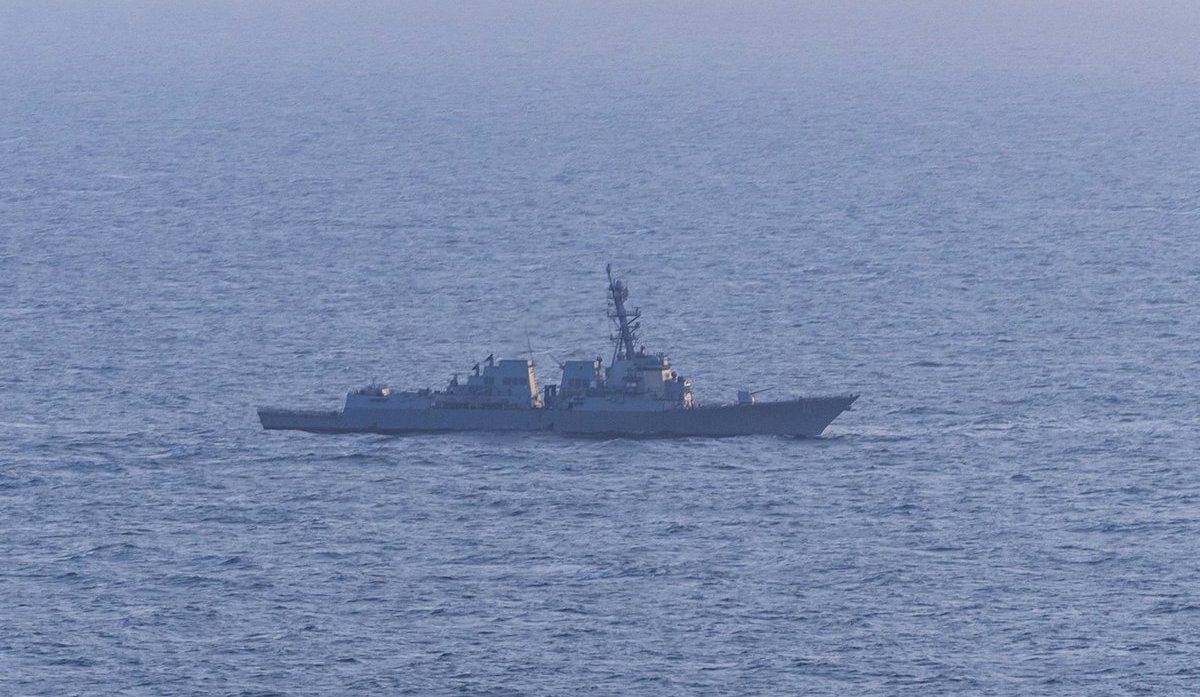
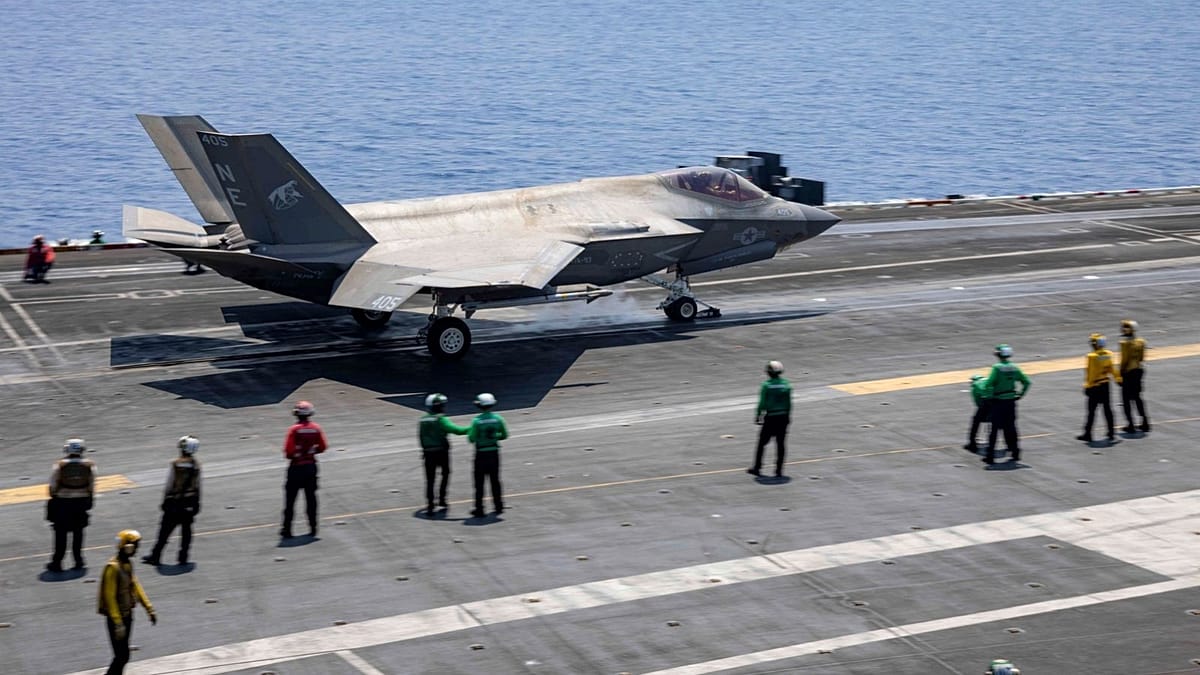
UKMTO reported 15 attacks on ships from 6 to 14 October, while another UKMTO-based report counted 12 ships attacked from 5 to 11 October. JMIC has kept its Strait of Hormuz threat assessment at SEVERE. The reports establish a sustained threat to shipping, but their counts differ and do not independently attribute every attack to Iran. US Naval Institute reporting confirms the carriers George Washington and George HW Bush operating in the Arabian Sea; reports of a third carrier strike group remain uncorroborated. US strike planning reports also differ in scale, from limited phased options to an intensive three-day campaign, and none establishes an execution order. Kpler estimated that 12.6 million barrels per day passed through the strait on 13 October, down from 15 million at the end of September and a pre-war average of about 17 million. In Tehran, hardliners have initiated a removal procedure against Foreign Minister Abbas Araghchi following his meeting with US negotiators, adding pressure to the diplomatic channel.
Change from previous assessment
Since the 15 October brief, reporting has added Trump's statement that escalation after the 3 November elections is possible, a reported set of limited US strike options, and a separate lower-provenance account of preparations for a roughly three-day campaign. This reinforces the prior assessment that a US strike before 3 November is unlikely, while making the post-election period a clearer risk point. The Hormuz assessment is unchanged, but this brief distinguishes incident counts from attribution and adds evidence that Iranian crude exports have stopped while some LPG and jet-fuel shipments continue. Reports of a third US carrier strike group remain unconfirmed against reporting that identifies two carriers operating in the Arabian Sea.
Key judgments
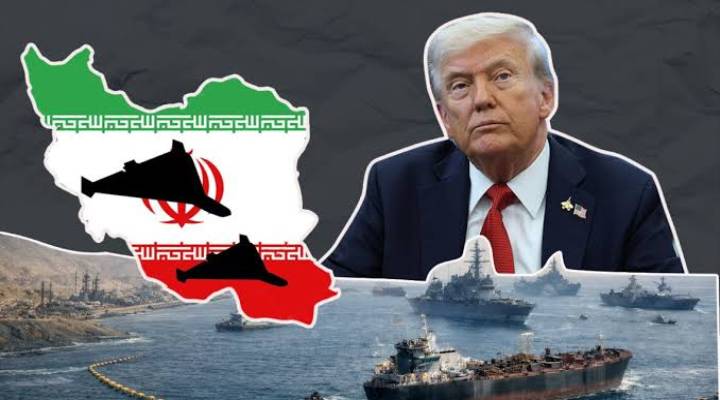
- A US strike on Iran before 3 November is unlikely; the risk of a limited strike is roughly even over the following 1-3 months if the current planning posture persists. President Trump said escalation after the midterm elections was possible and did not rule out the GBU-43/B MOAB. Reporting of US plans ranges from limited, phased options to a roughly three-day campaign, but no report establishes an order to execute. The larger campaign account has lower source provenance, and reporting on Trump's pre-election position conflicts. (Confidence: medium · ASSESSED)
- I&W: A CENTCOM notice of strike execution or independently verified damage to Iranian military, missile, nuclear or energy sites before 3 November would break the assessment that a pre-election strike is unlikely. (0-18 days)
- I&W: A public White House reaffirmation that US forces will not strike before 3 November, alongside publicly confirmed US-Iran talks, would support the assessment of near-term restraint. (0-18 days)
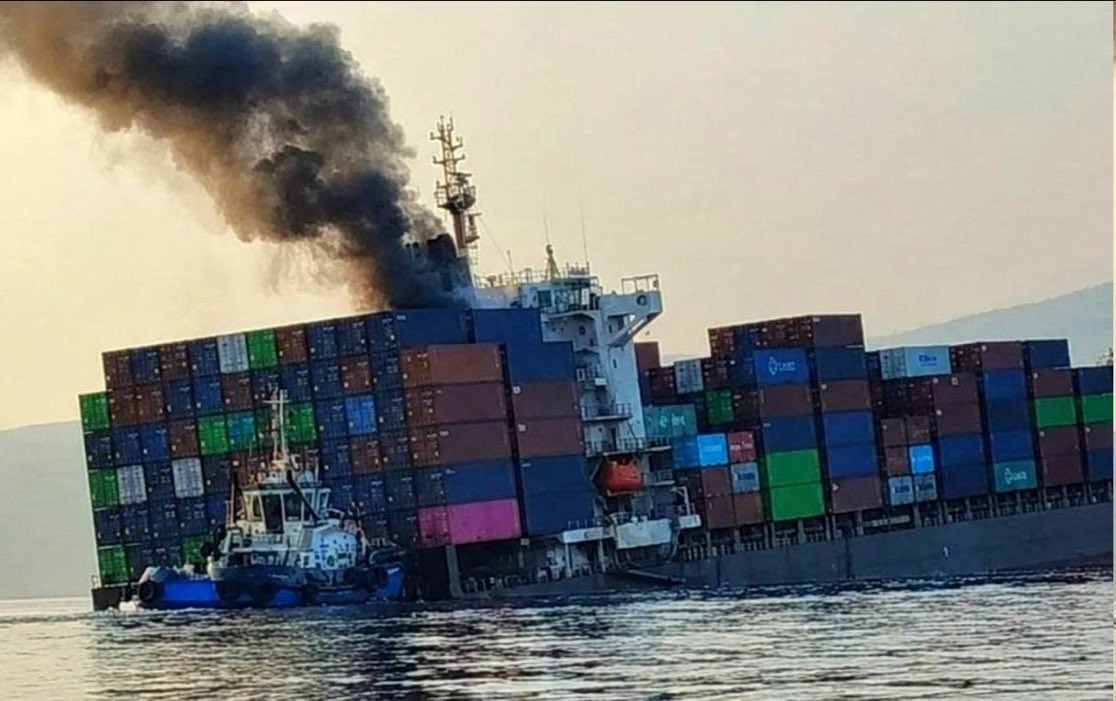
- Further attacks on commercial vessels in the Strait of Hormuz are likely over the next 14 days. UKMTO and JMIC reporting independently documents repeated incidents, including projectile attacks and the sinking of GFS PRIDE. The reported totals differ by timeframe and counting method, and the incident data do not establish Iranian responsibility for every attack. (Confidence: medium · ASSESSED)
- I&W: A new UKMTO or JMIC report of a projectile, explosive or seizure incident involving a named commercial vessel in or near the Strait of Hormuz would confirm continued attacks. (0-14 days)
- I&W: No new UKMTO or JMIC incidents for 14 consecutive days, accompanied by a downgrade from JMIC's SEVERE threat assessment, would break this forecast. (0-14 days)
- Neither Washington nor Tehran is likely to exercise exclusive operational control of the Strait of Hormuz over the next month. CENTCOM cites US-supported transits, while the Iranian Army's Navy claims control of eastern waters and requires vessels to coordinate passage with Iranian forces. JMIC's reported average of about 30 transits per day from 11 to 14 October remains well below the pre-war benchmark of about 138 daily transits, indicating constrained access rather than uncontested control. (Confidence: medium · ASSESSED)
- I&W: A 14-day average below 70 vessel transits per day, alongside continued US escorts and Iranian passage-coordination demands, would confirm that neither side has established uncontested control. (0-30 days)
- I&W: A 14-day average above 100 transits per day under US-supported passage without reported Iranian interference, or Iranian enforcement that redirects all observed traffic to its preferred route, would break the assessment. (0-30 days)
- If US strikes resume, Iran is likely to retaliate against Israeli or allied targets. The target scope is uncertain: Army commander Amir Hatami threatened proportionate strikes against Israeli and allied targets after an attack on Iranian infrastructure, while parliament speaker Mohammad Bagher Ghalibaf said the era of proportionate retaliation had ended. Mohsen Rezaei separately named US data centres and AI infrastructure as targets if hostilities resume. (Confidence: medium · ASSESSED)
- I&W: An Iranian missile or drone attack on an Israeli or allied target following a US strike would confirm the forecast; attribution should be treated separately from the occurrence of the attack. (0-14 days after any US strike)
- I&W: An Iranian leadership statement limiting retaliation to a defined, proportionate response, followed by 14 days without an Iran-attributed attack on Israeli or allied targets, would weaken the forecast of broader retaliation. (0-14 days after any US strike)
- The US blockade has likely reduced Iran's crude exports sharply but has not stopped all Iranian petroleum-product shipments. Kpler reported no Iranian crude exports in September, while shipping intelligence and UANI tracking identified LPG departures from the Gulf of Oman and a jet-fuel shipment reaching Myanmar. The crude-export figure comes from one tracking provider, while some product-shipment evidence relies on tracking analysis and security sources. (Confidence: medium · REPORTED)
- I&W: A further month with no crude liftings in Kpler data would confirm continued pressure on Iranian crude exports. (1 month)
- I&W: UANI or satellite tracking identifies another Iranian LPG or jet-fuel tanker leaving the Gulf of Oman, including for ship-to-ship transfer near Malaysia or onward transit to Myanmar, would confirm continued product exports. (0-30 days)
Outlook & scenarios
Continued coercion and constrained transit (55%)
The most likely near-term path is continued US blockade enforcement, Iranian pressure on shipping and escorted commercial transits through the Strait of Hormuz. Washington refrains from striking before 3 November, while shipping incidents and depressed transit volumes persist. Neither side secures uncontested control.
Limited US strikes after the election (30%)
After 3 November, Washington orders limited, phased strikes on Iranian military, missile, nuclear or energy infrastructure. Iran retaliates against Israeli or allied targets, while US and Iranian forces maintain competing claims over the Strait of Hormuz. The scale and duration of the exchange remain limited.
Regional escalation and wider disruption (15%)
A high-impact wildcard is an Iranian or Iran-aligned attack that causes US or allied casualties or major damage to energy infrastructure, followed by expanded US strikes and Iranian retaliation beyond the Strait of Hormuz. Houthi attacks on Saudi infrastructure add pressure on Riyadh and Washington. Attribution of individual attacks and the Houthis' relationship to Iranian decision-making remain contested.
Recommendations
- Maintain separate records for maritime incident counts, attacker attribution and assessment of intent. Use UKMTO and JMIC reporting for incident tracking, and flag differences in dates, areas and counting methods before presenting totals.
- Track Strait of Hormuz vessel transits, oil flows and route enforcement daily. Compare observed figures with the reported 138-transit pre-war daily benchmark and the recent estimate of about 30 daily transits.
- Treat reported US strike plans as options, not an execution decision. Verify changes through official US statements and observable military activity; distinguish the two confirmed Arabian Sea carriers from reports of a third strike group.
- Monitor the Iranian parliamentary process against Abbas Araghchi and any publicly confirmed US-Iran contact. These developments will help assess whether a diplomatic channel remains active as military pressure rises.
Confidence & uncertainty
Overall confidence is high in the broad assessment that military exchanges, maritime attacks and shipping disruption are ongoing. UKMTO and JMIC provide separate incident reporting, while Kpler transit data and UANI and other shipping-intelligence reporting offer distinct measures of disruption and Iranian product shipments. Confidence is lower on responsibility for individual attacks, the number and scale of US strike options, and whether either side can enforce its control claims; the reported incident totals and military-posture accounts do not fully align.
Alternative analysis (red cell)
The available evidence supports a judgment of contested and constrained maritime access, but not necessarily the absence of exclusive operational control. US-supported transits and Iran's claimed dominance may reflect control of different corridors or functions, while the reduced transit rate could result from avoidance rather than an even balance of control. The principal defensible conclusion is therefore that effective control is fragmented or disputed, with the allocation of coercive control unresolved.
Intelligence gaps
- [EEI 2.1 · PARTIAL] Deployment or repositioning of Iranian ballistic missiles, cruise missiles, drones, fast-attack craft, or other strike assets within operational range of US or partner targets. Recommended collection: satellite imagery/signals intelligence
- [EEI 2.4 · PARTIAL] Changes in Iranian military alert levels, command activity, weapons dispersal, or continuity-of-government measures. Recommended collection: signals intelligence/satellite imagery
- [EEI 3.2 · UNCOVERED] Changes to US force-protection conditions, base access, evacuation plans, embassy staffing, or noncombatant evacuation preparations. Recommended collection: official notices/diplomatic reporting
Cited sources
[1] Euronews · Iran, almeno 24 navi colpite vicino a Hormuz. Usa rafforza presenza (A) · 16 October 2026 · sha256:68a0d2fa479b [2] Kavkaz Center · Эскалация вокруг Ирана: риторика большой войны (E) · 15 October 2026 · sha256:29b920e15eb1 [3] Middle East Monitor · Why a new US–Israeli war against Iran could carry enormous risks (B) · 16 October 2026 · sha256:eb50a239ee17 [4] vietnam.vn · Конфликт зашёл в тупик: какие военные варианты остались у США против Ирана? (B) · 15 October 2026 · sha256:572bf3c4d6f1 [5] Blic · Rekordan broj iranskih napada na tankere u Ormuskom moreuzu (B) · 16 October 2026 · sha256:7b97ef1c65a8 [6] gCaptain · U.S. Claims Control of Hormuz as Ship Attacks Hit New High (C) · 15 October 2026 · sha256:6525fd62b6f6 [7] Xinhua · Iran's navy says another "violating" oil tanker caught fire east of Hormuz Strait (B) · 16 October 2026 · sha256:d3de8c19bd3a [8] Reuters (republished by gCaptain) · Iran Ships Some LPG, Jet Fuel Despite US Blockade, Data Shows (A) · 16 October 2026 · sha256:fbf214b1c489 [9] Deutsche Welle · Borba za vlast u iranskom vrhu (A) · 16 October 2026 · sha256:2bdc83748139
Source content hashes were computed at collection time; the cited text is preserved unmodified for the life of this product.
Red cell review: PARTIAL DISSENT
TLP:CLEAR