TLP:CLEAR, Disclosure is not limited.
US, Iran Escalation: Missile Strikes, Contested Hormuz Shipping, and Rising War Risks (5-12 Jun 2026)
Time window: Last 7 days · Audience: General analyst · Type: Situation report · DTG: 2026-06-12 06:22Z · Overall confidence: MEDIUM
BLUF
Iranian forces struck U.S. and U.S.-aligned bases in Kuwait, Bahrain, and Jordan as U.S. Central Command completed a fresh round of strikes on Iran, while the Strait of Hormuz remains contested and highly hazardous. Without rapid de-escalation, the risk of a broader regional war is likely to rise in the near term.
Executive summary
On 11 June 2026, Iran’s Islamic Revolutionary Guard Corps (IRGC) said it targeted U.S. facilities in Bahrain and Kuwait and launched 12 ballistic missiles at Jordan’s Al‑Azraq Air Base, while U.S. Central Command (CENTCOM) stated it had completed its latest strikes on Iran. Emergency measures rippled across the region the same day, including Kuwait’s temporary airspace closure and a shelter‑in‑place alert from the U.S. Embassy in Amman. The status of the Strait of Hormuz is contested: Iran has claimed closure, UN reporting says the waterway was closed and merchant ships attacked, IMO leadership warns there is “no safe passage,” and industry describes a managed “Omani route,” while CENTCOM publicly reaffirms the strait remains open, together indicating navigation is highly hazardous and disrupted. UN officials warn escalation is reverberating across borders with a risk of “total war.” Maritime casualties are rising (three seafarers killed near Oman; 14 confirmed seafarer deaths since 28 February), and humanitarian impacts include stranded crews. Economic pressure is intensifying: FAO’s cereal index rose 2.6% in May, Egypt’s energy import burdens have surged, and Lebanon’s diesel prices are up more than 62%. Washington is concurrently tightening sanctions on IRGC procurement networks and warning maritime stakeholders about sanctions exposure for Hormuz “tolls,” while congressional War Powers actions signal mounting domestic pressure to constrain hostilities.
Key judgments
- Iran is prosecuting coordinated missile and drone attacks on U.S. and U.S.-aligned targets, including IRGC strikes on U.S. facilities in Bahrain and Kuwait and a 12‑missile barrage at Jordan’s Al‑Azraq Air Base on 11 June 2026, while U.S. Central Command has completed a latest round of strikes on Iran; direct U.S., Iran clashes have entered a new, dangerous phase. (Confidence: medium · REPORTED)
- I&W: Public announcements by the IRGC of additional ballistic missile or drone salvos against Al‑Azraq (Jordan), Ali Al‑Salem (Kuwait), or U.S. facilities in Bahrain. (0-14 days)
- I&W: CENTCOM releases detailing new strike packages against Iranian early‑warning, radar, or air‑defense sites. (0-14 days)
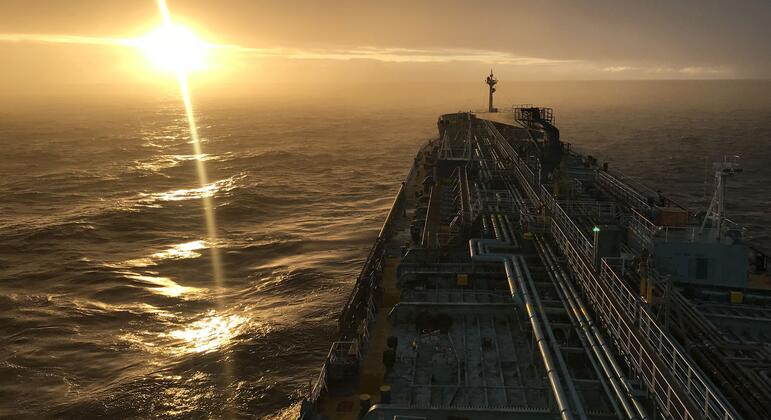
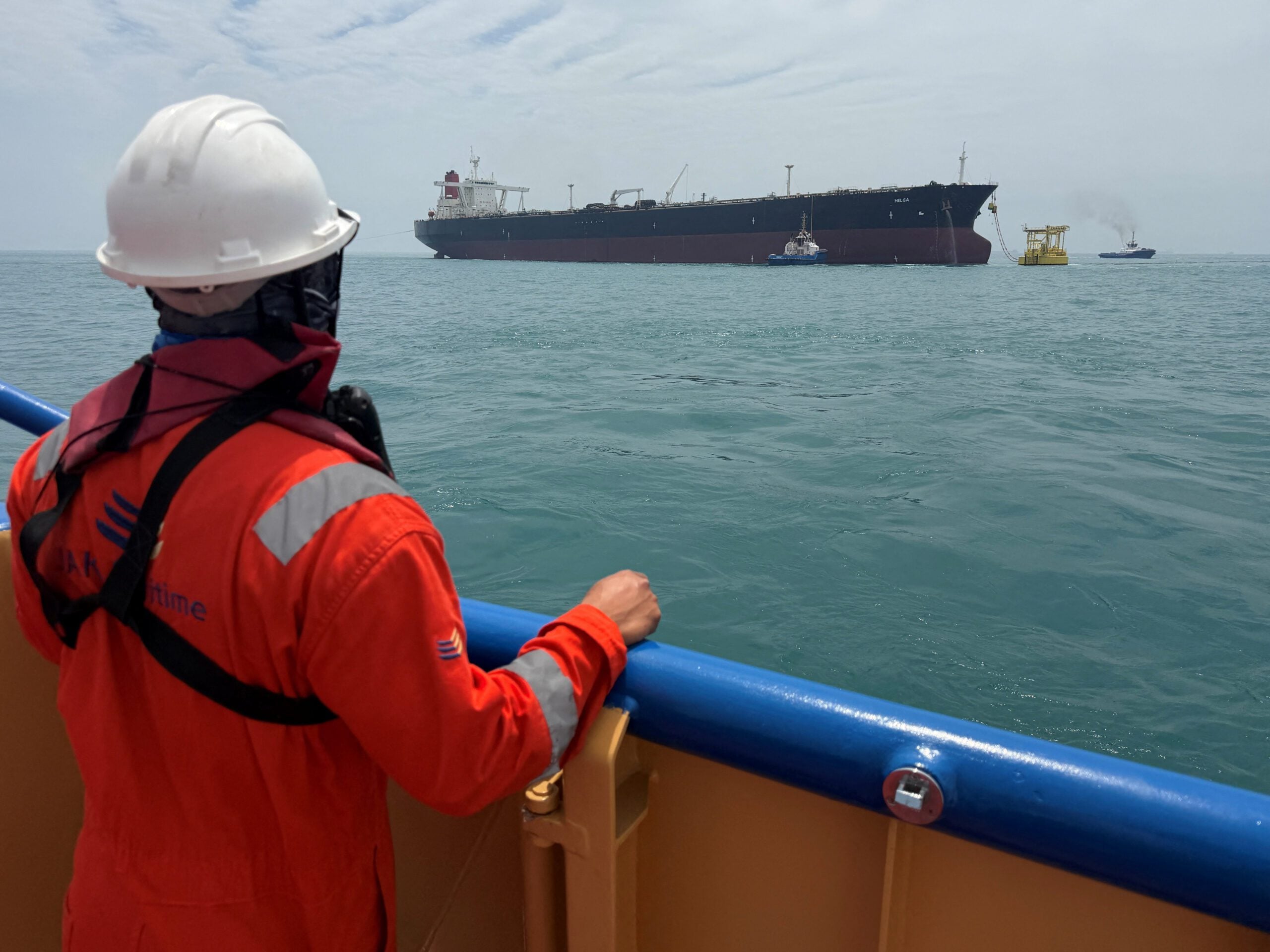
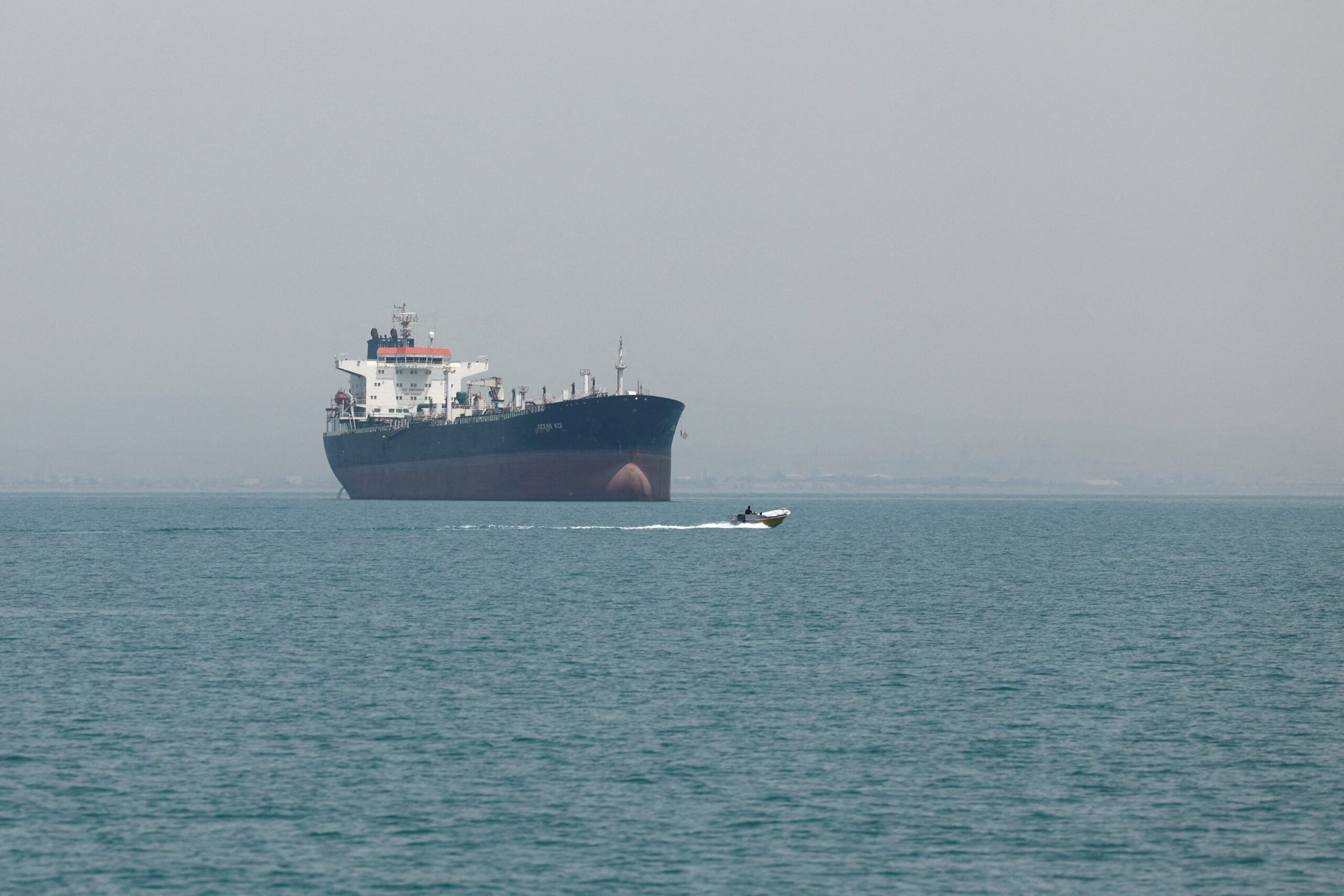
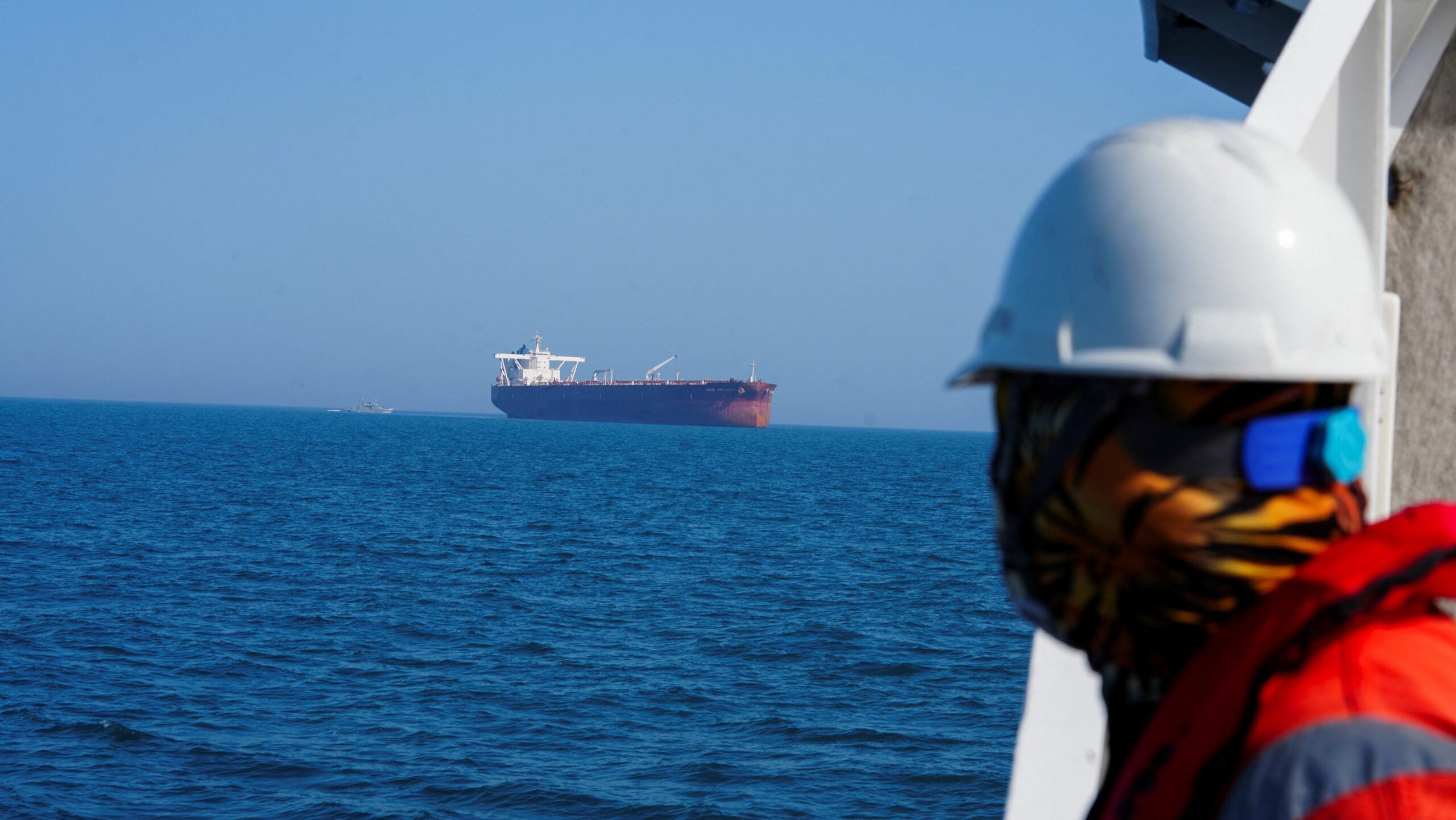
- Commercial navigation through the Strait of Hormuz is very likely disrupted and highly hazardous, not consistently fully closed, with the maritime security environment assessed as “CRITICAL,” IMO leadership warning of “no safe passage,” and industry describing an Omani coastal transit route used by roughly 15 vessels per day, while CENTCOM publicly reaffirms the strait remains open. (Confidence: medium · ASSESSED)
- I&W: Continuation of industry/INTERTANKO advisories reporting nightly, managed convoys (~15 vessels) along the Omani route or new IMO warnings of ‘no safe passage.’ (0-14 days)
- I&W: Public confirmation by CENTCOM or the IMO that normal two‑way traffic has resumed, or, conversely, issuance of a formal multilateral notice declaring closure. (1-3 months)
- The risk of a broader regional war is likely increasing, as evidenced by emergency measures in neighboring states (Kuwait’s 11 June airspace closure and a U.S. Embassy Amman shelter‑in‑place alert), Iran’s public warnings to Israel, and UN leadership warning of a slide toward “total war” that is already reverberating across borders. (Confidence: medium · ASSESSED)
- I&W: Additional nationwide airspace restrictions by Gulf states and new embassy shelter‑in‑place orders in Jordan or Kuwait. (0-14 days)
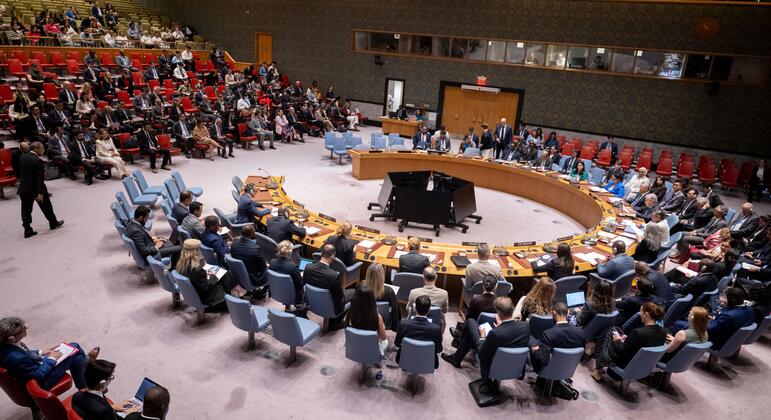
- I&W: UN Security Council emergency sessions and official confirmation of new cross‑border strikes beyond Kuwait and Jordan. (0-14 days)
- Seafarer casualties and humanitarian impacts linked to Hormuz hostilities are mounting and will likely grow if current conditions persist: three seafarers were killed near Oman, UN agencies report 14 confirmed seafarer deaths since 28 February, and reports indicate up to 20,000 seafarers stranded in the Persian Gulf. (Confidence: medium · ASSESSED)
- I&W: UN/IMO updates recording fatalities above 14 and additional merchant vessels struck in or near Hormuz/Gulf of Oman. (0-14 days)
- I&W: Embassy/naval reports of mass crew evacuations or transfers coordinated in Oman or the UAE. (0-14 days)
- Energy and food price pressures tied to the conflict are mounting across the region: FAO’s cereal price index rose 2.6 percent in May; Egypt’s natural‑gas import costs have nearly tripled and its overall energy import bill has more than doubled; and diesel prices in Lebanon have increased by over 62 percent since the crisis began, while UN agencies warn a Hormuz closure poses a global food security risk. (Confidence: medium · ASSESSED)
- I&W: Further fuel price or subsidy adjustments announced by Egypt and other energy importers. (1-3 months)
- I&W: FAO reporting additional increases in global cereal price indices for June/July. (1-2 months)
- Washington is very likely to intensify sanctions and financial disruption of Iranian procurement networks in parallel with military pressure, as Treasury states it is maintaining “maximum pressure,” has sanctioned IRGC- and MODAFL-linked facilitators (including in China/Hong Kong), frozen regime‑linked cryptocurrency, warned maritime stakeholders about sanctions exposure for Hormuz “safe‑passage” payments, and reports disrupting tens of billions of dollars of Iranian revenue. (Confidence: high · ASSESSED)
- I&W: New OFAC designations targeting China/Hong Kong, based facilitators and further seizures/freezes of regime‑linked cryptocurrency. (0-60 days)
- I&W: Additional Treasury advisories reiterating sanctions risk for Hormuz‑related payments and services. (0-30 days)
- Domestic U.S. political pressure to curtail hostilities with Iran is likely to intensify in the coming weeks, given a newly introduced War Powers Resolution directing removal of U.S. forces absent authorization, its privileged path to a House vote, repeated House efforts since March, and public cost framing of the war’s burden on U.S. households. (Confidence: medium · ASSESSED)
- I&W: Scheduling of House floor consideration of the War Powers Resolution or related measures. (0-14 days)
- I&W: Additional House votes or public commitments to restrict funding or end hostilities against Iran. (0-60 days)
Outlook & scenarios
Managed containment: episodic strikes, hazardous shipping, sanctions grind, 55%
U.S. and Iranian forces continue tit‑for‑tat strikes, including IRGC attacks on U.S. and U.S.-aligned bases (Bahrain, Kuwait, Jordan) and periodic CENTCOM strikes on Iranian air‑defense and radar sites. The Strait of Hormuz remains operationally disrupted but not fully closed; an Omani coastal transit scheme enables limited, tightly managed passage amid an IMO‑assessed ‘CRITICAL’ risk environment. UN officials persist in urging a ceasefire as the UK and others press for de‑escalation. Sanctions intensify against IRGC/MODAFL procurement networks and maritime actors warned over Hormuz ‘tolls.’
Regional conflagration: all‑fronts escalation and prolonged Hormuz disruption, 35%
Large‑scale Iranian salvos expand against U.S. facilities and U.S.-aligned states; additional airspace closures and embassy alerts spread across the Levant and Gulf. Hormuz experiences sustained, high‑risk disruption consistent with claims of closure and further attacks on merchant shipping. Seafarer casualties rise, and stranded crews increase. FAO indices and regional energy costs climb further as Egypt and other importers absorb higher import bills.
Pause for talks: ceasefire extension and partial reopening under international pressure, 25%
Backchannel efforts yield a limited ceasefire extension and a framework to reopen Hormuz for commercial traffic under monitored routing, while UN leadership and the UK press for adherence. The United States faces stronger War Powers pressure to constrain operations, while reports of a broader U.S., Iran understanding gain traction. Shipping risk abates from ‘critical’ toward managed hazard, with humanitarian maritime corridors prioritized.
Recommendations
- Establish a 24/7 analytic tracker on Hormuz status integrating CENTCOM statements, IMO/UN warnings, and industry advisories (including the ‘Omani route’) to inform U.S. interagency maritime risk guidance.
- Prioritize collection and rapid exploitation on IRGC launch patterns and target sets around Ali Al‑Salem (Kuwait), U.S. facilities in Bahrain, and Al‑Azraq (Jordan) to anticipate 24-72‑hour escalation windows.
- Task an interagency sanctions‑exposure review for shipowners, insurers, banks, and P&I clubs regarding payments linked to any Iran‑associated ‘safe passage’ regimes to preempt secondary‑sanctions risk.
- Coordinate with UK counterparts at the UN Security Council to press for immediate de‑escalation steps, freedom of navigation commitments, and a monitored safe‑transit mechanism for merchant vessels.
- Prepare contingency guidance for U.S. missions in Kuwait City, Manama, and Amman aligned with recent alerts, including shelter‑in‑place triggers and movement postures during IRGC strike cycles.
- Develop near‑term energy and food‑price sensitivity briefs for policymakers, highlighting FAO index trends and import‑cost exposures in Egypt and Lebanon, and identify options to mitigate acute shocks.
- Track congressional War Powers timelines and whip counts; prepare options papers outlining operational, legal, and diplomatic pathways should removal of forces or funding restrictions advance.
Confidence & uncertainty
Overall confidence is medium. Several judgments rest on multiple, credible sources (UN agencies, official government statements) that corroborate escalation risks, sanctions actions, and humanitarian impacts. However, key elements, especially the operational status of the Strait of Hormuz, are contested by competing official and media reports, and some strike reporting originates from single‑source or live‑update feeds. These contradictions, plus uneven attribution of specific attacks and reliance on aggregated open sources for certain military details, constrain confidence in the precise scope and continuity of hostilities and shipping conditions.
Alternative analysis (red cell)
Available reporting documents episodic strikes, rhetorical escalations, and precautionary measures, but attribution, scale, and continuity of Iranian operations, and the consequent operational closure of the Strait or a systemic new phase of U.S., Iran warfare, remain contestable. A more cautious analytic framing treating incidents as part of an elevated tit‑for‑tat environment, with substantial uncertainty about campaign coherence, commercial disruption magnitude, and near‑term political effects, is defensible given conflicting authoritative statements and gaps in corroborating operational intelligence.
Cited sources
[1] dw.com, Middle East: US says it completed latest attacks on Iran (A) · sha256:81a63686e735 [2] aljazeera.net, خبير عسكري: تصعيد "منضبط" بين واشنطن وطهران يعكس رغبتهما في المفاوضات (B) · sha256:98ea7b818083 [3] 연합뉴스TV, '맞다이' 시작한 미국 vs 이란…중동전쟁 위험 커졌다 [뉴스와]/ 연합뉴스TV(YonhapnewsTV) (B) · sha256:647a8df6eb1a [4] United Nations, ‘The ocean has no boundaries’: Beauty and life in a war zone (A) · sha256:3b14a47101f9 [5] gcaptain.com, U.S. Military Says Hormuz Open After Iran Declares Strait Closed (B) · sha256:f675e53db593 [6] gcaptain.com, Trump Administration Vows to Offset Hormuz Tolls With Seized Iranian Funds (B) · sha256:2b3af7e225bb [7] gcaptain.com, Tanker Industry Advisory Sheds New Light on Trump's Secret Hormuz Transit Operation (C) · sha256:4b04065477e1 [8] Al Jazeera English, Iran Warns Israel After Missile Strike | Escalation Risks Across Middle East (B) · sha256:df70fe6c8010 [9] Canal Antigua, Secretario de la ONU advierte de guerra total (B) · sha256:f1083047e649 [10] United Nations, Middle East LIVE: Diplomacy in focus as escalation ‘reverberates across borders and continents’, warns UN chief (A) · sha256:fcde33100fca [11] United Nations, Three seafarers killed in Hormuz strike as UN warns of widening fallout (A) · sha256:e9d1d27ef113 [12] Atlantic Council, The global energy demand era calls for major change, here’s how countries are pivoting (C) · sha256:84bf9e26eb49 [13] Wikipedia, 2026 Iran war (B) · sha256:5ac762706cb8 [14] U.S. Department of the Treasury, Economic Fury Disrupts Foreign Networks Supporting Iran’s Military and Weapons Programs (A) · sha256:7458294dafd9 [15] walkinshaw.house.gov, Walkinshaw Introduces War Powers Resolution to End Trump’s War of Choice in Iran (A) · sha256:72fff4a3437e
Source content hashes were computed at collection time; the cited text is preserved unmodified for the life of this product.
Red cell review: PARTIAL DISSENT
TLP:CLEAR