TLP:CLEAR · Disclosure is not limited.
US, Iran escalation: multi-night US strikes, Iranian retaliation, and contested shipping through Hormuz
Time window: Last 7 days · Audience: General analyst · Type: Situation report · DTG: 2026-07-14 00:15Z · Overall confidence: MEDIUM
BLUF
US forces struck more than 300 Iranian targets across 9-13 July as Iran fired missiles and drones toward Jordan, Kuwait and Bahrain. The Strait of Hormuz faces severe risk with contested closure claims, intermittent covert transits, and at least one merchant ship attack.
Executive summary
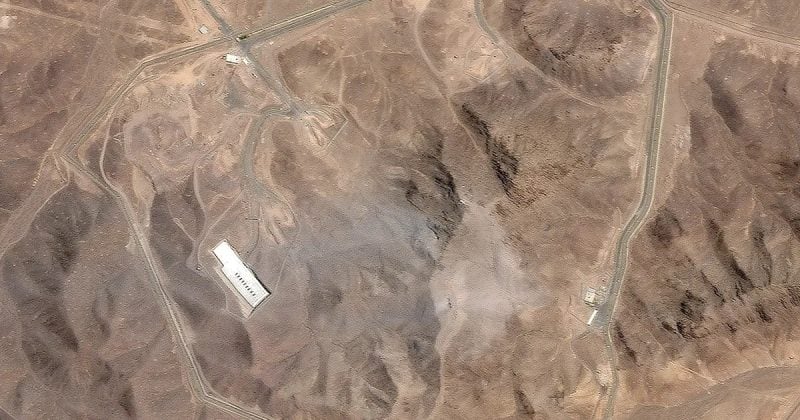
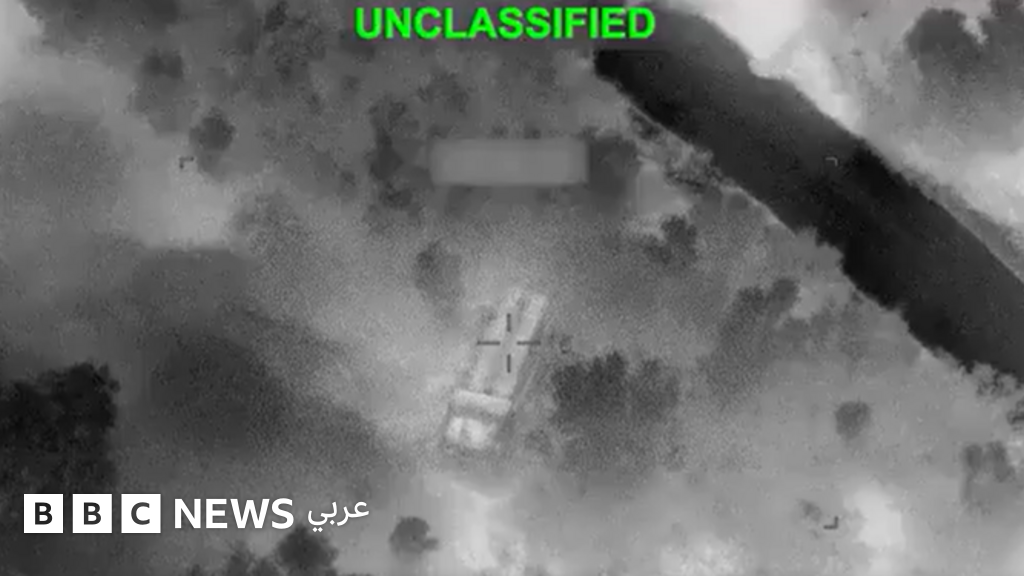
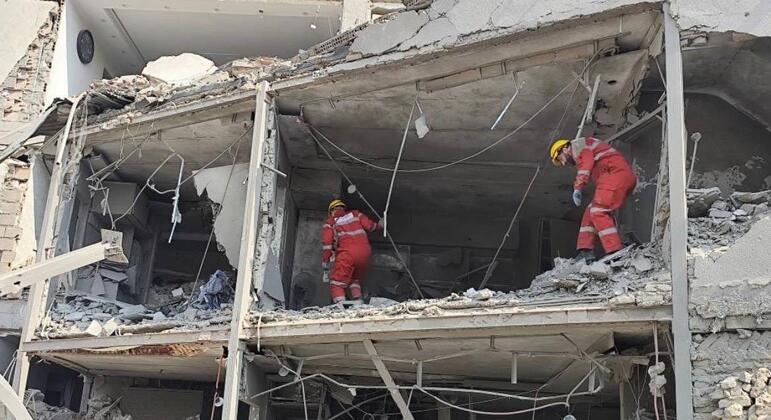
From 9 to 13 July, US Central Command conducted successive strike waves across Iran, hitting at least 90 targets on 9 July, another 90 on 10 July, and approximately 140 sites on 13 July, including air defences and coastal radar stations. US forces employed unmanned surface vessels against Bandar Abbas Naval Base for the first time. Iran responded by targeting US bases and US-aligned states: Jordanian air defences intercepted eight missiles, Kuwait downed three ballistic missiles, a cruise missile and 10 drones, and sirens sounded repeatedly in Bahrain. The Strait of Hormuz is contested: Iran’s IRGC and the Persian Gulf Strait Authority announced closures and suspended permits, while CENTCOM asserted the strait remains open. Shipping patterns show AIS-dark transits and a halt along the southern corridor, and the Cyprus-flagged GFS Galaxy was struck, forcing the crew to abandon ship. Iran’s Health Ministry reported at least 14 killed and 78 wounded from US strikes; additional allegations of civilian infrastructure and school strikes remain uncorroborated. Diplomatically, President Trump declared the ceasefire over and vowed a sustained response as UN leadership warned about lost continuity of knowledge on Iran’s nuclear programme; Washington says talks continue and Iran’s foreign minister engaged regional counterparts. The IMO Council reaffirmed freedom of navigation and called for unhindered transit and maritime safety options.
Key judgments
- US forces conducted a sustained, multi-night strike campaign against Iran from 9 to 13 July, hitting at least 90 targets on 9 July, a further 90 on 10 July, and approximately 140 additional military sites on 13 July, including air defence systems and coastal radar stations, and employing unmanned surface vessels against Bandar Abbas Naval Base for the first time. (Confidence: high · REPORTED)
- I&W: CENTCOM publishes additional strike-wave summaries with target counts and locations in Iran. (0-14 days)
- I&W: No new US or Iranian reporting of strikes for at least 72 hours. (0-14 days)
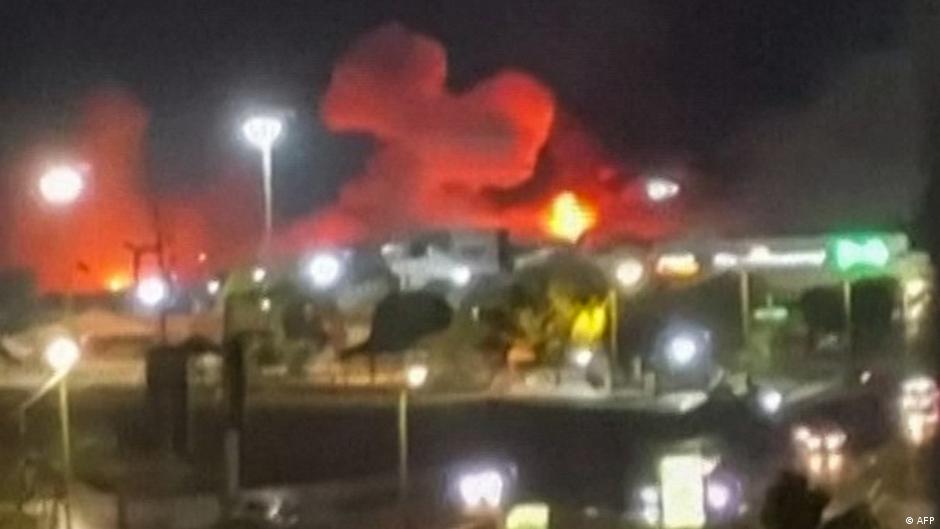
- Iran targeted US bases and US-aligned states on 9-10 July, launching missiles and drones toward Jordan, Kuwait and Bahrain, although most were intercepted and air-raid sirens sounded repeatedly in Bahrain. (Confidence: high · REPORTED)
- I&W: Official debris attributions from Jordanian and Kuwaiti authorities linking intercepted missiles or drones to Iranian systems. (0-14 days)
- I&W: A week without new intercept reports or civil-defence siren activations in Bahrain. (0-14 days)
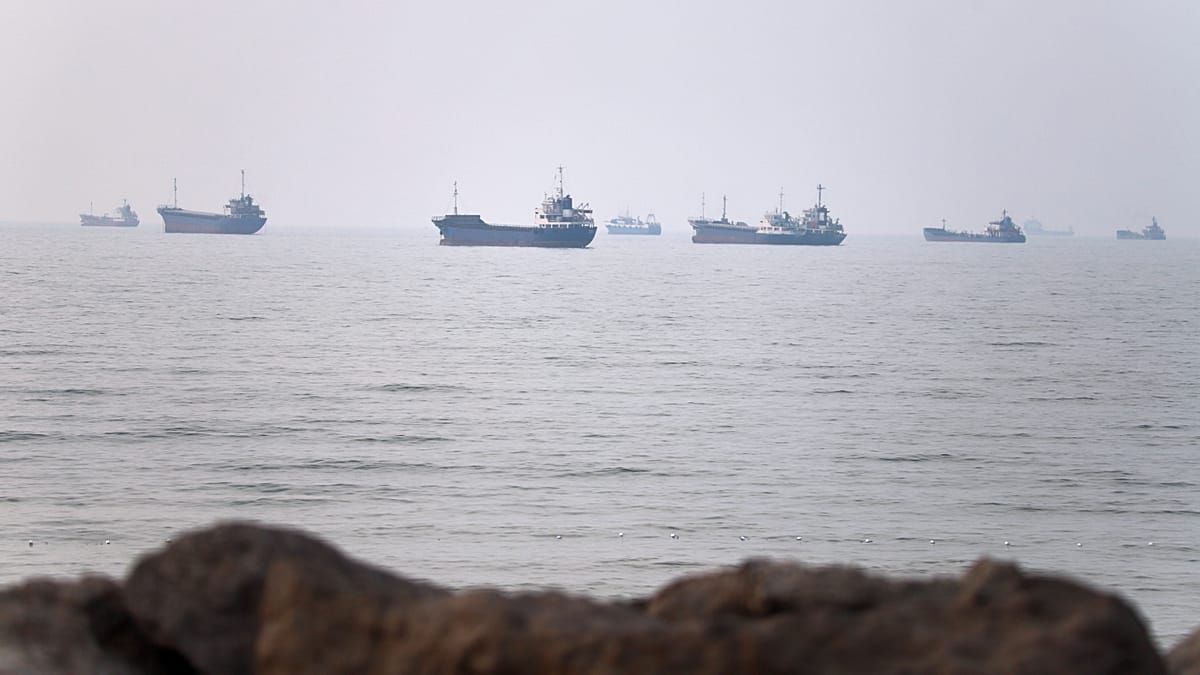
- The maritime risk environment in the Strait of Hormuz is severe and transit patterns are degraded but not halted: Iranian authorities announced the strait closed and suspended permits, yet CENTCOM asserted lawful passage continues and AIS-dark transits have occurred alongside a halt on the southern corridor. (Confidence: medium · ASSESSED)
- I&W: AIS data shows fewer than five commodity carrier transits per day through Hormuz for seven consecutive days. (0-14 days)
- I&W: Public reporting of escorted, AIS-on transits of multiple tankers through Hormuz. (0-14 days)
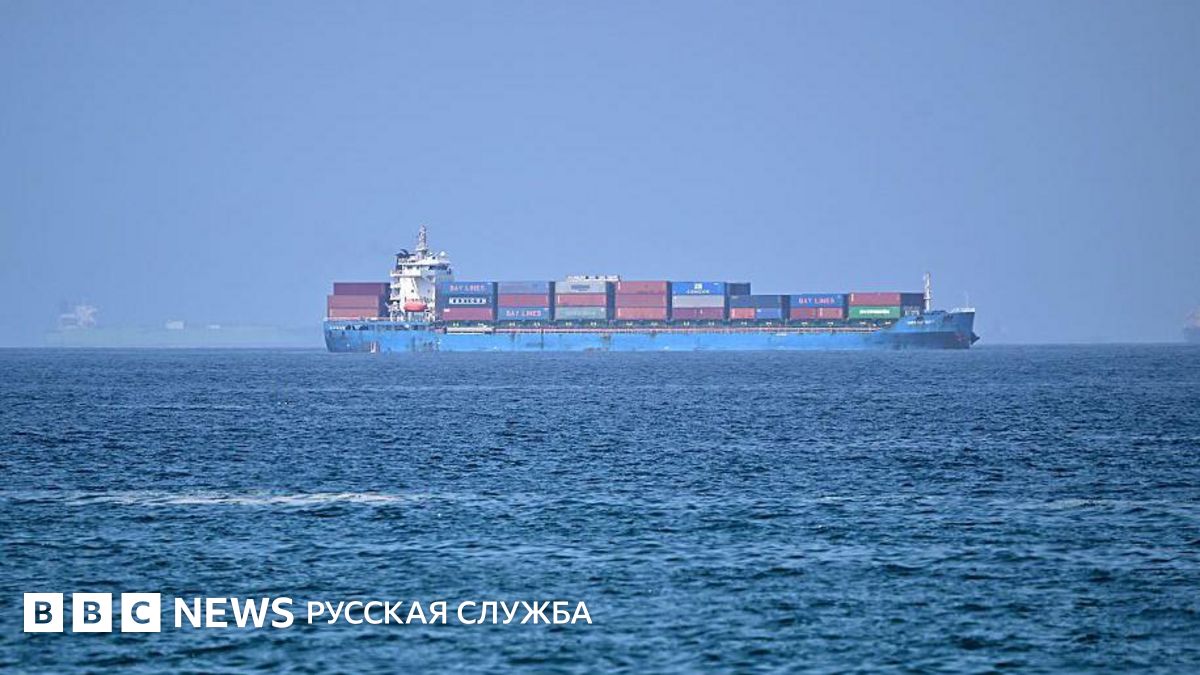
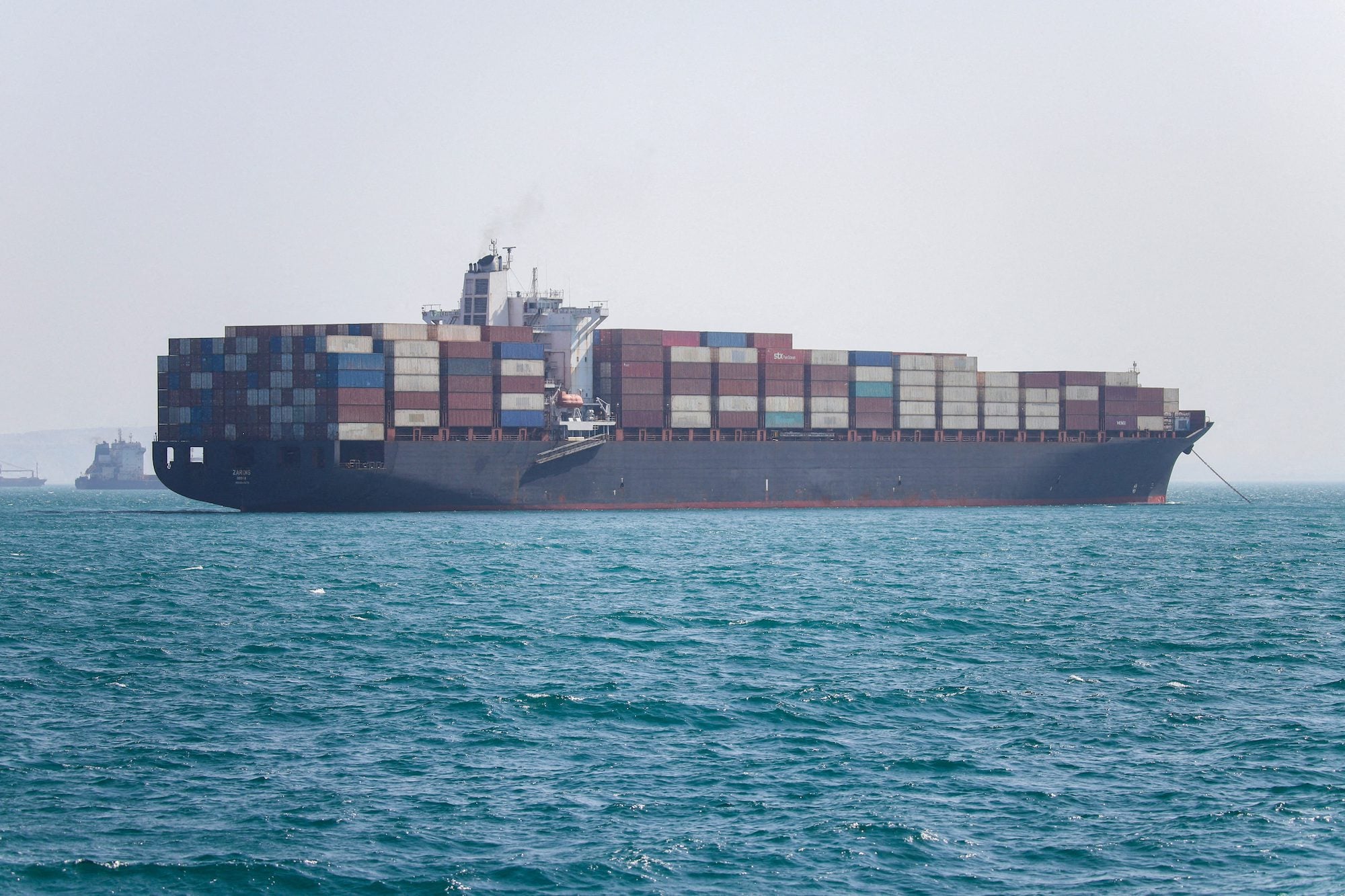
- Merchant shipping has been directly attacked near Hormuz, including the Cyprus-flagged GFS Galaxy on 12 July, which was struck and abandoned with one crew member missing; Iranian and US statements indicate deliberate disabling of the vessel. (Confidence: high · REPORTED)
- I&W: Additional merchant masters report weapons damage near Qeshm, Jask or the Hormuz approaches. (0-14 days)
- I&W: No reported harassment or attacks on merchant vessels in Hormuz for 14 consecutive days. (1-3 months)
- US strikes have very likely caused civilian casualties in Iran, with Iran’s Health Ministry reporting at least 14 killed and 78 wounded across five provinces. (Confidence: high · REPORTED)
- I&W: Official casualty updates from Iran’s Health Ministry specifying additional fatalities or affected provinces. (0-14 days)
- I&W: Independent NGO or hospital network reporting that materially revises casualty totals downward. (0-14 days)
- Claims that US strikes damaged Iranian water treatment facilities and a girls’ elementary school, reportedly killing at least 175 civilians, remain uncorroborated and should be treated cautiously. (Confidence: low · ASSESSED)
- I&W: Independent high-resolution imagery and NGO reporting identify damage to named water facilities and the specified school site. (0-1 month)
- I&W: Authoritative battle-damage assessments show only military infrastructure struck in the alleged locations. (0-1 month)
- Near-term de-escalation is unlikely: President Trump declared the ceasefire over and vowed a sustained response, UN officials warned of lost continuity of knowledge on Iran’s nuclear programme, and market signals weigh against a final agreement, though Washington says talks continue and Iran’s foreign minister engaged Saudi, Turkish and Omani counterparts. (Confidence: medium · ASSESSED)
- I&W: New US strike wave and fresh Iranian launches after public statements rejecting negotiations. (0-14 days)
- I&W: Announcement of formal US, Iran talks with a set venue and agenda. (1-3 months)
- Threats to US interests in the United Arab Emirates are elevated: Tehran publicly threatened to target US-associated locations in the UAE, the FAA advised caution for US carriers in the region, the State Department ordered non‑emergency staff to depart in March, and Emirati defences reported intercepting Iranian missiles and drones. (Confidence: medium · ASSESSED)
- I&W: Official UAE reporting of fresh air-defence engagements or debris recovery near Abu Dhabi or Dubai. (0-14 days)
- I&W: No FAA advisory updates and no UAE air-defence activations for 30 days. (1-3 months)
Outlook & scenarios
Managed escalation under firebreaks (60%)
US conducts intermittent additional strike waves against Iranian air defences, radars and coastal systems; Iran answers with periodic missile and drone launches toward US bases and US‑aligned states that are largely intercepted. Hormuz remains hazardous with AIS‑dark transits and ad hoc escorts, but not fully shut. Casualty numbers creep upward without decisive breakthroughs.
Hormuz hard closure and convoy confrontation (25%)
IRGC attempts to enforce a closure announced by Iranian authorities, including more aggressive actions against merchant shipping. Washington reinstates blockade measures and escorts tankers, raising the risk of direct naval engagements and broader regional spillover to Bahrain, Kuwait and Jordan.
Backchannel pause with fragile maritime stabilisation (30%)
Quiet mediation via Oman and regional interlocutors reduces strike tempo after high‑level calls. Washington maintains that talks continue, and Tehran’s diplomatic outreach persists. Limited, escorted Hormuz transits increase, while both sides avoid dramatic attacks pending exploratory discussions connected to post‑funeral timelines.
Wildcard: mass‑casualty incident triggers wider regional war (15%)
A successful Iranian strike causing US fatalities in Jordan or Kuwait, or a widely verified high‑casualty event in Iran from US strikes, triggers rapid escalation. Gulf states are drawn further in, and shipping losses mount as both sides target naval and commercial assets around Hormuz.
Recommendations
- Build a daily strike chronology combining CENTCOM releases, Iranian state reporting and commercial satellite imagery to validate target sets and assess battle damage at named sites, including Bandar Abbas and coastal radar locations.
- Stand up a Hormuz shipping risk dashboard: ingest AIS to track AIS‑off transits, quantify daily crossings by lane, and correlate with JMIC threat advisories and reported harassment or attacks.
- Task commercial SAR and optical imagery over the Hormuz approaches, Qeshm, Jask and Farur to detect vessel disablement, oil slicks, or debris fields following reported incidents such as the GFS Galaxy strike.
- Establish geofenced social‑media and official feed alerts for Jordan, Kuwait and Bahrain civil‑defence notices, missile intercept statements, and debris recovery photos to corroborate Iranian launch activity in near real time.
- Maintain a structured casualty ledger for Iran: log Health Ministry updates and triangulate with hospital reporting where available; use NASA FIRMS thermal detections as supplementary cues while noting they record heat, not cause.
- Track Iranian regulatory and military messaging on Hormuz (IRGC and PGSA channels) and contrast with CENTCOM navigation assertions to brief operators on legal and operational risk for specific routes.
- Coordinate with aviation risk teams to incorporate FAA guidance for Middle East airspace, especially the UAE, into route planning and corporate travel policies; update when advisories change.
- Monitor IMO Council follow‑through on its resolution, including any practical maritime safety measures or traffic schemes that could affect routing and insurance for shippers.
Confidence & uncertainty
Multiple independent, reliable sources corroborate the multi‑night US strike campaign, Iranian launches toward Jordan and Kuwait with documented interceptions, and a merchant vessel attack near Hormuz. However, there are material contradictions between Iranian and US statements on the legal and operational status of the Strait of Hormuz, casualty figures vary across claims, and several allegations about civilian infrastructure and school strikes are single‑source and unverified. These factors, along with timeline inconsistencies across some claims, justify an overall medium confidence level.
Alternative analysis (red cell)
The ledger contains many high‑impact assertions that rely on single reporting clusters, party‑produced figures, or administratively stated closures without behavioral confirmation. A more cautious analytic posture is therefore defensible: kinetic exchanges likely occurred, but target counts, casualty totals, claims of comprehensive maritime closure, and first‑use of particular weapon systems remain insufficiently corroborated. Independent ISR, on‑site medical/NGO data, port and AIS datasets, and third‑party forensic evidence would substantially narrow these uncertainties.
Cited sources
[1] Los Angeles Times · New U.S.-Iran fighting across Mideast threatens ceasefire deal - Los Angeles Times (A) · sha256:f924df911ca4 [2] kansaspublicradio.org · U.S. and Iran exchange intensifying fire across Mideast, threatening ceasefire deal (A) · sha256:c66a99211b36 [3] gcaptain.com · U.S. Launches Fourth Wave of Strikes Against Iran as Hormuz Shipping Crisis Deepens (B) · sha256:2400d1e5b8e5 [4] Euronews · США наносят новые удары по Ирану на фоне конфликта вокруг Ормуза (A) · sha256:c6a96234dbef [5] The Media Line · Jordan, Bahrain drawn deeper into Iran's regional storm as ceasefire collapse puts pressure on Gulf (B) · sha256:305dd529493d [6] Republic World · LIVE: Reports Iran Targets Bahrain & Kuwait After U.S. Strikes | Hormuz | US-Iran Tensions Escalate (B) · sha256:ebc1d9a12905 [7] BBC News Русская служба · Обострение ситуации вокруг Ирана: США нанесли новые удары, КСИР перекрыл Ормуз, Моджтаба Хаменеи обещает отомстить за убийство отца - BBC News Русская служба (A) · sha256:7e50a20c5a8b [8] dw.com · США нанесли новые удары по Ирану в районе Ормузского пролива (A) · sha256:ed3842c67033 [9] gcaptain.com · Trump Reinstates Iran Blockade, Declares U.S. 'Guardian of Hormuz,' And Calls for 20% Cargo Fee (B) · sha256:4d623c329673 [10] gcaptain.com · Ships Transit Hormuz in Secret as US and Iran Trade Strikes (B) · sha256:fd2602fdd5fa [11] gcaptain.com · Rescuers Search for Crew Member After Container Ship Attack in Strait of Hormuz (B) · sha256:12e5c26167bd [12] DESI TV USA · US Strikes Kill 14 in Iran as Conflict Escalates Again (B) · sha256:cbe514852987 [13] crow.house.gov · Crow, Warren Demand Answers on Dismantling of Civilian Protections by Defense Department (A) · sha256:1ef8f604f7b0 [14] NEWS9 Live · Trump Declares Iran Ceasefire 'Over' | US-Iran Tensions Escalate Again | News9 (B) · sha256:1d493ea48281 [15] United Nations · Security Council LIVE: ‘Lost continuity of knowledge’ on Iran’s nuclear programme since US-Israel attacks, top UN official warns (A) · sha256:fc21a388ea4b [16] BBC News عربي · إيران تستهدف قواعد أمريكية في الخليج والأردن رداً على قصف أمريكي لـ90 هدفاً عسكرياً إيرانياً - BBC News عربي (A) · sha256:7db3d38a87e1 [17] cryptobriefing.com · US-Iran tensions rise as military strikes threaten nuclear deal prospects (B) · sha256:528028eb3868 [18] U.S. Department of State · United Arab Emirates Travel Advisory (A) · sha256:7a0c71f2991b [19] meduza.io · США и Иран снова обменялись ударами. Американские военные впервые применили морские беспилотники. Шесть стран Ближнего Востока сообщили об иранских атаках (B) · sha256:fe76f13f3231
Source content hashes were computed at collection time; the cited text is preserved unmodified for the life of this product.
Red cell review: PARTIAL DISSENT
TLP:CLEAR