TLP:CLEAR, Disclosure is not limited.
US, Iran Escalation: Regional Strikes, Contested Hormuz, and Mounting Political and Economic Pressures (5-12 June 2026)
Time window: Last 7 days · Audience: General analyst · Type: Situation report · DTG: 2026-06-12 00:14Z · Overall confidence: MEDIUM
BLUF
US and Iran have resumed tit-for-tat strikes across multiple fronts since 10 June, while the Strait of Hormuz remains a critical-risk environment amid lethal attacks on shipping and competing claims of control. Diplomatic calls for de-escalation continue, but near-term prospects for a durable agreement are unlikely as domestic political pressure rises in Washington and regional missile/drone threats persist.
Executive summary
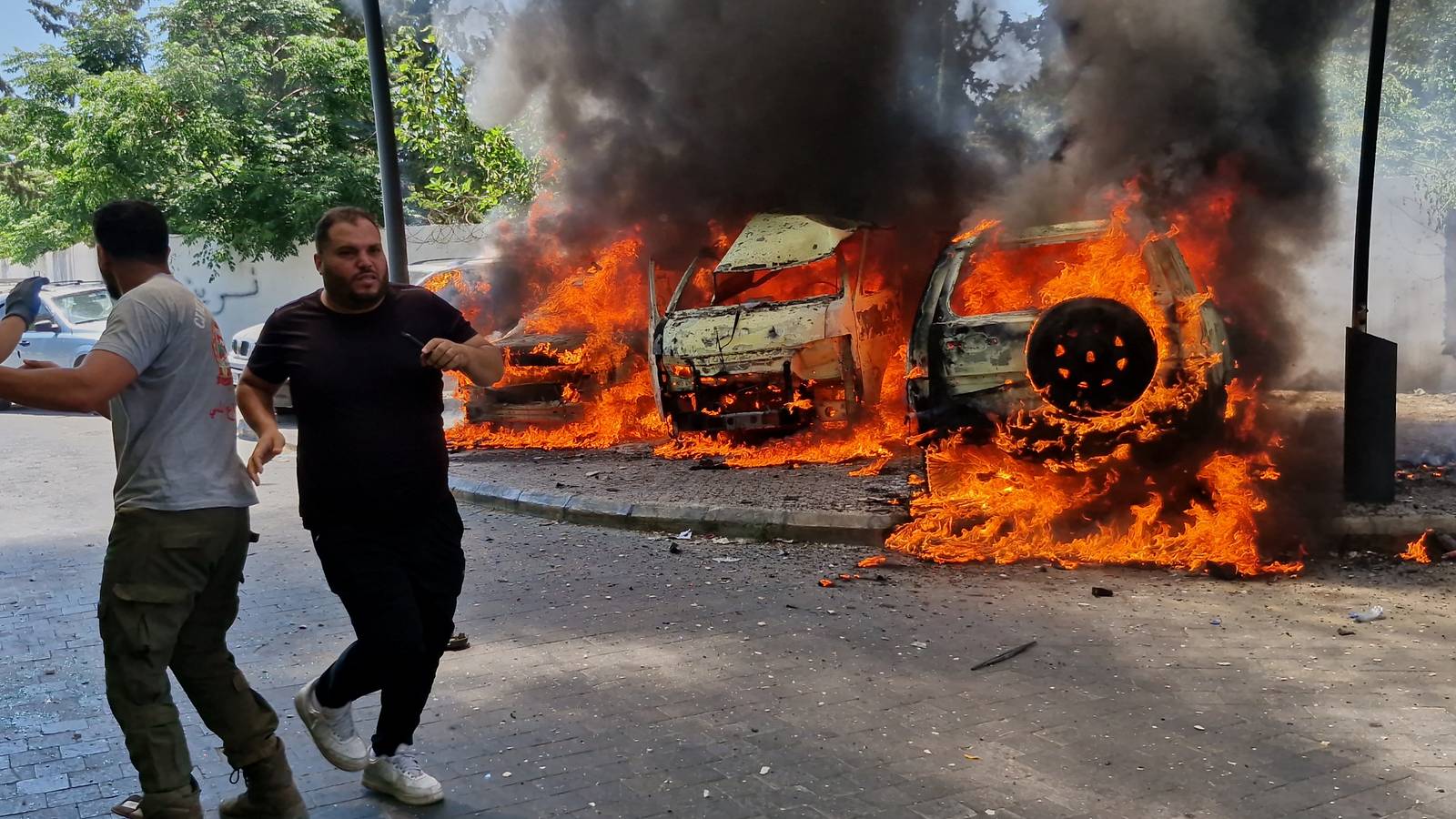
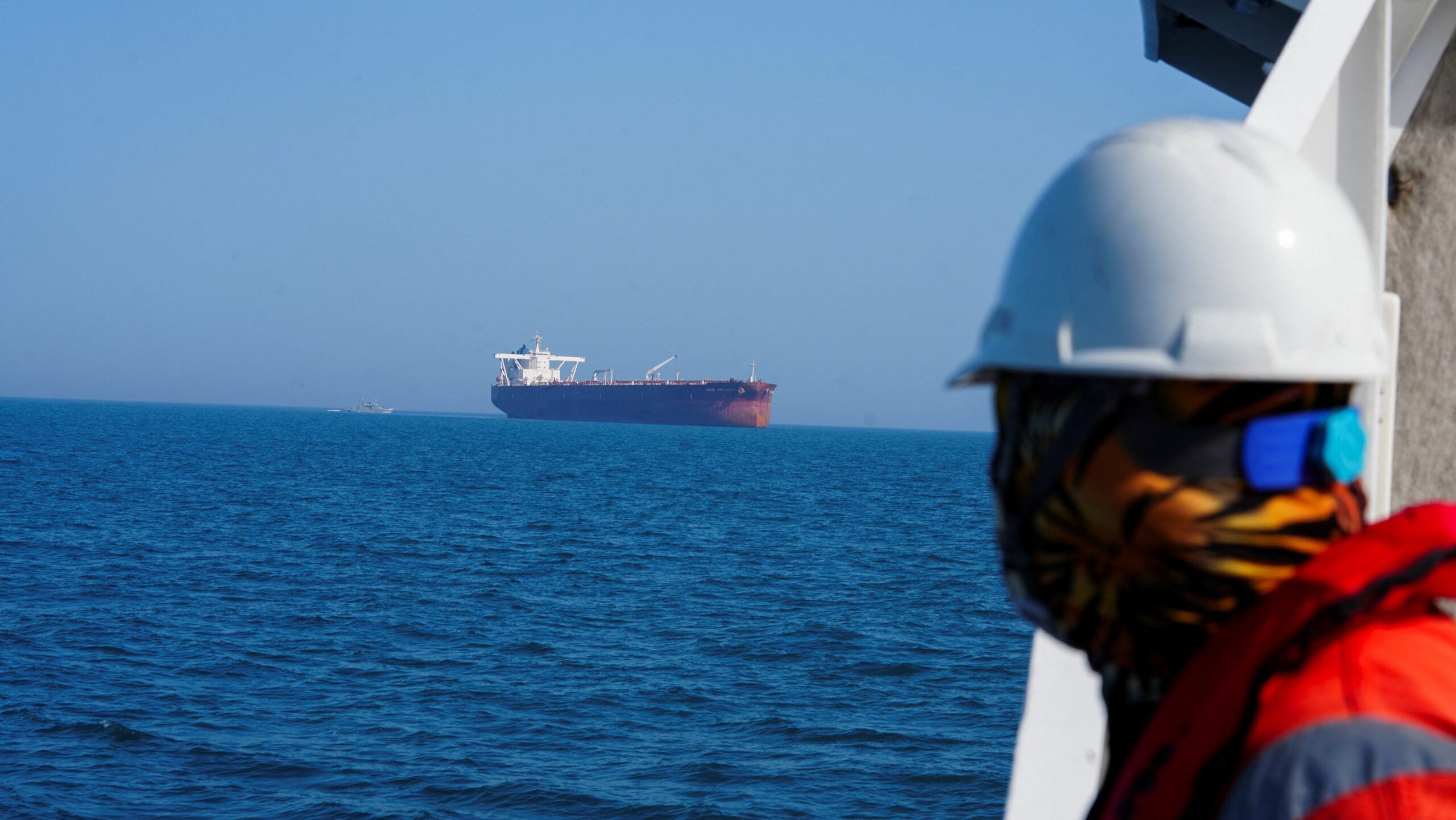
Since 10 June, the United States and Iran have exchanged strikes, jolting a fragile truce and extending risk to host nations Jordan, Kuwait, and Bahrain, where intercepts and claimed attacks were reported. Maritime security in the Strait of Hormuz is contested: US Central Command says it remains open, an Iran-linked authority claims closure, the IMO warns no safe passage, and the Joint Maritime Information Center rates the environment “CRITICAL,” with confirmed seafarer fatalities and continued rerouting via an Omani corridor. UN and UK officials publicly urge de-escalation and dialogue even as reporting indicates stalled or uncertain negotiations. In Washington, a War Powers Resolution was introduced on 11 June to compel removal of US forces from hostilities absent explicit authorization, signaling rising political constraints. Fuel price spikes across parts of the region and Egypt’s higher import bill underscore widening economic exposure if Hormuz disruption endures.
Key judgments
- US and Iran have resumed tit-for-tat strikes since 10-12 June and it is very likely this cycle will persist in the near term despite earlier truce steps. (Confidence: high · REPORTED)
- I&W: Publicly acknowledged US or Iranian kinetic strikes recur in official statements or major-media reporting. (0-14 days)
- I&W: A jointly announced ceasefire extension is followed by at least 14 days without reported cross-border or maritime strikes. (1-3 months)
- It is very likely that US facilities and partner territory in Jordan, Kuwait, and Bahrain will remain under immediate missile/drone threat in the coming weeks; some attack details rely on Iranian state-linked claims and are less corroborated, lowering confidence in specifics but not in the overall threat trend. (Confidence: medium · ASSESSED)
- I&W: Further intercepts or impact announcements by Jordanian, Kuwaiti, or Bahraini authorities. (0-14 days)
- I&W: Public downgrading of alert levels by host-nation defense ministries and two weeks without reported intercepts or strikes. (0-2 months)
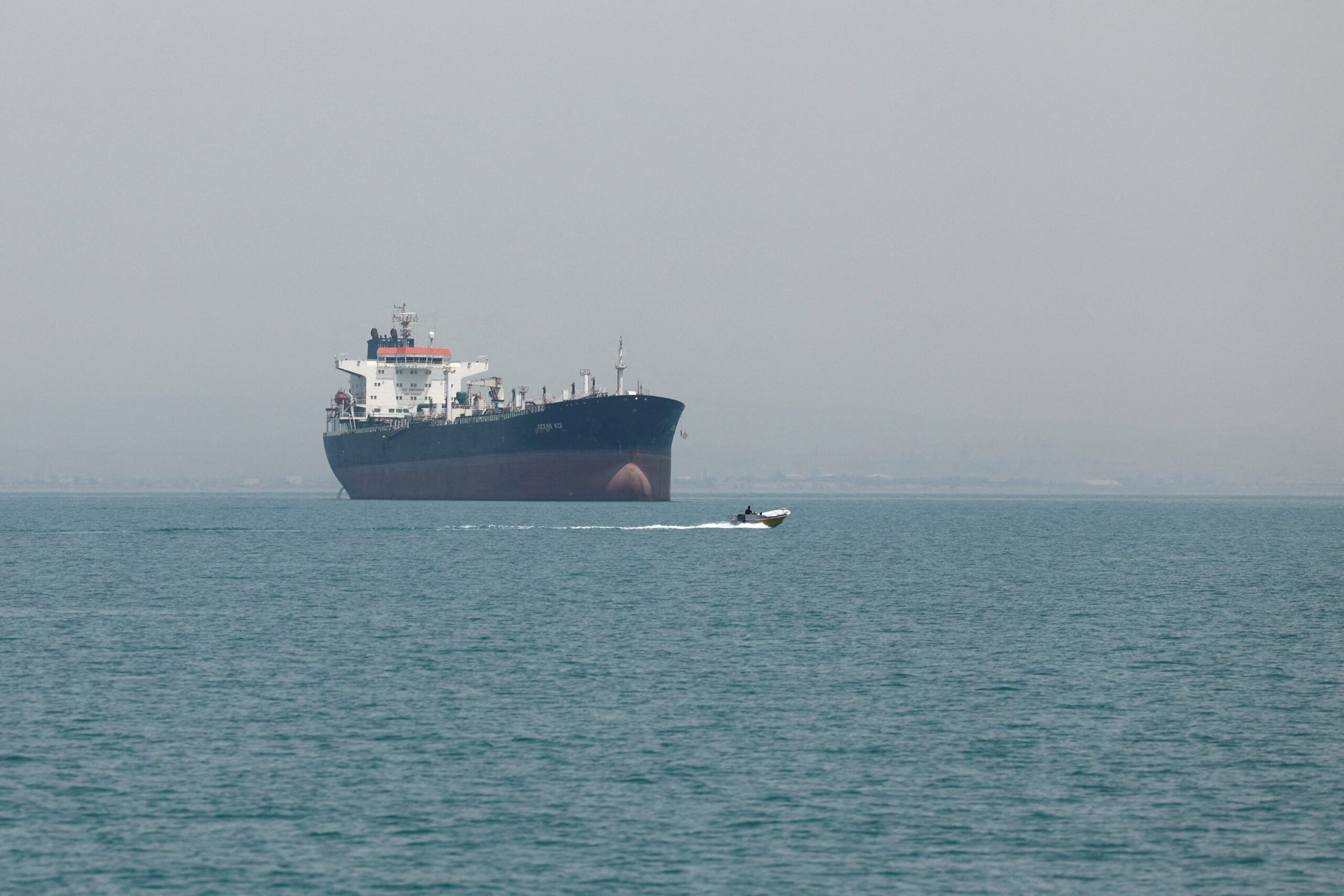
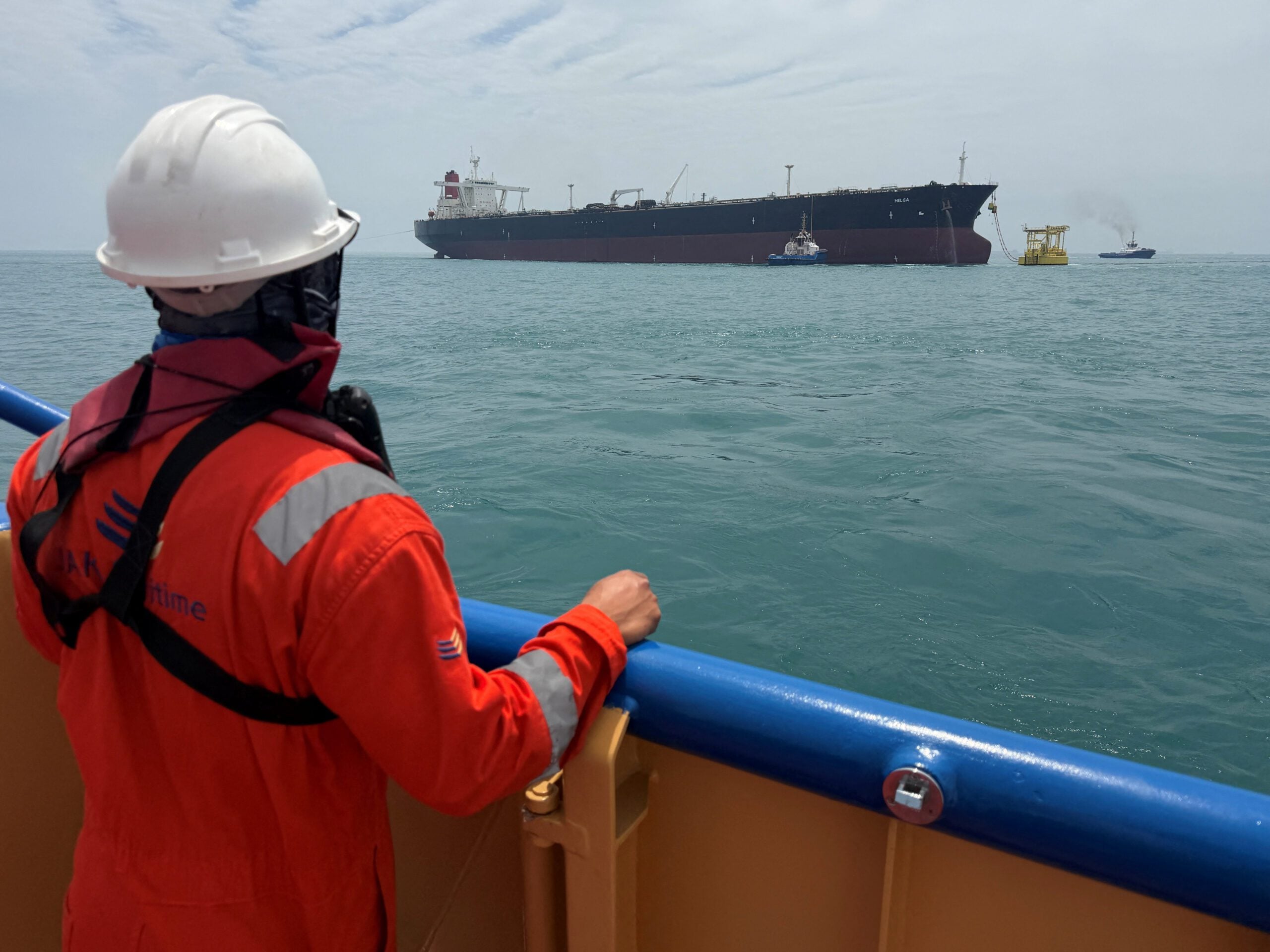
- The Strait of Hormuz and Gulf of Oman maritime environment is very likely to remain at critical risk levels due to contested control claims and lethal attacks on shipping, with continued reliance on diversion via the Omani route. (Confidence: high · ASSESSED)
- I&W: Additional attacks or disablements of merchant vessels near Hormuz/Arabian Gulf plus continued ‘CRITICAL’ assessments in maritime advisories. (0-14 days)
- I&W: Coordinated transit guidance from maritime and military authorities reflected in carrier advisories, with at least two weeks free of vessel attacks. (1-3 months)
- The humanitarian toll in Iran and Lebanon, including civilians killed in strikes and seafarer fatalities near Hormuz, is likely to increase if hostilities persist at current tempo; this rests on multi-source casualty reporting but projects beyond it. (Confidence: medium · ASSESSED)
- I&W: UN or major-media reports of new civilian casualties in Iran/Lebanon or additional seafarer deaths linked to regional strikes. (0-14 days)
- I&W: Sustained de-escalation with no reported civilian or seafarer fatalities tied to US, Iran exchanges. (1-3 months)
- A durable US, Iran agreement in the next 1-3 months is unlikely given renewed strikes and Tehran’s statement that no final conclusion has been reached, despite active calls for dialogue and earlier ceasefire steps; public claims of an imminent deal remain uncorroborated. (Confidence: medium · ASSESSED)
- I&W: Continued cross-border strikes and absence of a publicly announced negotiating framework or confidence-building measures. (1-3 months)
- I&W: Formal announcement of structured talks and a verifiable freeze on strikes for at least 14 consecutive days. (0-3 months)
- Congressional action, including a War Powers Resolution introduced on 11 June directing removal of US forces from hostilities absent authorization, is likely to increase political pressure on the Trump Administration to limit or more clearly justify operations against Iran. (Confidence: medium · ASSESSED)
- I&W: House floor consideration of the War Powers measure and/or introduction of a Senate companion. (1-3 months)
- I&W: Executive branch secures explicit congressional authorization for Iran operations. (1-3 months)
- Energy and food-security impacts are very likely to worsen if Hormuz disruption persists: fuel prices have already surged in Lebanon, Yemen, and Pakistan; Egypt’s import costs climbed and domestic fuel prices were raised; and the UN warns a closure poses a global food security risk. (Confidence: medium · ASSESSED)
- I&W: Additional domestic fuel price increases or subsidy moves reported by regional governments; UN agencies reiterate risk tied to Hormuz. (1-3 months)
- I&W: Sustained normalization of Hormuz transits accompanied by stabilization or retracement in reported fuel prices. (1-3 months)
Outlook & scenarios
Managed escalation under a fragile truce: continued tit-for-tat and contested Hormuz, 60%
US, Iran tit-for-tat continues at a controlled tempo. Jordan and Kuwait report intermittent intercepts; Iran-linked threats to US facilities in Bahrain persist. Hormuz remains contested with a ‘CRITICAL’ maritime risk environment and occasional lethal incidents; shippers rely on the Omani route. UN-led diplomacy and third-party exhortations sustain deconfliction channels but fall short of a durable agreement; legislative pressure grows in Washington without immediate operational drawdown.
Regional missile exchange and temporary chokepoint closure, 35%
Iran escalates with larger salvoes against US-linked sites in Jordan, Kuwait, and near Bahrain; host nations heighten alert and publicly report more intercepts. The Iran-linked transit authority’s closure claim effectively materializes for a period, with shipping pauses and seafarer casualties rising. Energy prices jump regionally, Egypt’s costs increase further, and UN bodies convene urgent sessions. This outcome would likely deepen Washington’s domestic debate over the scope and legality of operations.
Pragmatic pause and structured talks, 25%
Backchannel engagement yields a renewed freeze on strikes and a pathway to structured talks referencing earlier ceasefire steps. Maritime authorities coordinate a common transit regime that reduces risk, and vessel traffic through Hormuz normalizes. Public calls from the UN and key states underpin the process, though a comprehensive agreement remains distant.
Recommendations
- Establish a 24/7 strike-and-intercept watchlist for Jordan, Kuwait, and Bahrain defense channels and US Central Command feeds; log each reported intercept/impact with time, location, platform (missile/drone), and assessed attribution.
- Task maritime OSINT to fuse AIS tracks, carrier advisories, and Joint Maritime Information Center/IMO updates to map daily transits via Hormuz and the Omani route, flagging deviations, disablements, and reported attacks.
- Use NASA FIRMS thermal detections to corroborate strike activity and infrastructure fires near Bandar Abbas, Qeshm, Jask, and along the Strait of Hormuz; maintain a geocoded overlay of recent detections against known military and port facilities.
- Maintain a running ledger of seafarer casualty reporting (fatalities, missing, rescues) tied to incidents near Hormuz/Gulf of Oman, with flag state, crew nationality, and operator for rapid consular and risk assessments.
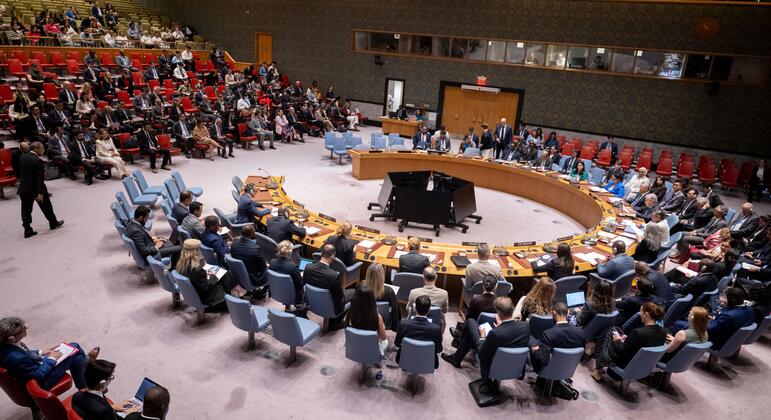
- Create a diplomatic tracker covering UN Security Council remarks, the UN Secretary-General’s statements, and Chinese Foreign Ministry calls for dialogue; correlate with any reported Oman-hosted contact or ceasefire extensions.
- Build a policy timeline for the War Powers Resolution and related congressional actions; capture executive branch statements on legal authorities to anticipate constraints on future US operations.
- Stand up an energy-risk dashboard tracking reported fuel prices in Lebanon, Yemen, and Pakistan, Egypt’s import bill and domestic price changes, and Hormuz transit status; integrate alerts for new UN warnings on food security.
- Assess Iranian and partner-state information operations by comparing state-linked claims (e.g., target lists, effects) against host-nation intercept reports and independent media to bound over-claiming and refine confidence levels.
Confidence & uncertainty
Overall confidence is medium. Core developments, mutual US, Iran strikes, missile/drone threats to Jordan and Kuwait, and a critical-risk maritime environment around Hormuz, are reported by multiple major-media and official/multilateral sources. However, elements of the threat picture rely on Iranian state-linked claims with limited independent corroboration, and open, closed status narratives for Hormuz remain contradictory across credible actors. Diplomatic prospects are clouded by mixed signaling (calls for dialogue versus renewed strikes), and legislative outcomes in Washington are inherently uncertain.
Alternative analysis (red cell)
The claim set documents episodic strikes, authoritative warnings, and active diplomacy, producing two plausible analytic tracks: episodic violence that may be contained and a parallel, but fragile, diplomatic process. Given contradictory authoritative statements (e.g., CENTCOM open‑sea assertion 3e8c7ddd versus regional closure claim 28686915) and overlapping reporting of discrete events, the available evidence better supports cautious, conditional estimates (elevated and contested risks; episodic strikes) rather than high‑confidence projections of sustained escalation or imminent global systemic impacts.
Cited sources
[1] military.com, Trump Threatens More Strikes on Iran After Tehran Fires Back at Countries in the Region (A) · sha256:9d614bf06b4e [2] insurancejournal.com, US, Iran Exchange Strikes, Putting Lasting Peace Deal at Risk (A) · sha256:9a927321dc06 [3] globalbankingandfinance.com, US & Iran Trade Attacks Again, Threatening Shaky Middle East Ceasefire (B) · sha256:485a93b9b6c5 [4] nbcnews.com, Iranians feel ‘sense of pride’ after launching strikes on Israel (A) · sha256:71190ed89be9 [5] Oneindia News, China Steps IN As U.S-Iran Conflict Escalates, Xi’s SHARP Warning: ‘Military Won’t Solve Anything' (B) · sha256:92d414847bf0 [6] ShortNews, U.S. and Iran Exchange Strikes, Tensions Escalate | Top 10 News June 12, 2026 #Shorts (B) · sha256:f0ff0df9b66d [7] aljazeera.net, خبير عسكري: تصعيد "منضبط" بين واشنطن وطهران يعكس رغبتهما في المفاوضات (A) · sha256:98ea7b818083 [8] gcaptain.com, U.S. Military Says Hormuz Open After Iran Declares Strait Closed (B) · sha256:f675e53db593 [9] gcaptain.com, Trump Administration Vows to Offset Hormuz Tolls With Seized Iranian Funds (B) · sha256:2b3af7e225bb [10] United Nations, Three seafarers killed in Hormuz strike as UN warns of widening fallout (A) · sha256:e9d1d27ef113 [11] gcaptain.com, Tanker Industry Advisory Sheds New Light on Trump's Secret Hormuz Transit Operation (C) · sha256:4b04065477e1 [12] Wikipedia, Timeline of the 2026 Iran war (B) · sha256:2740b41c7321 [13] Wikipedia, 2025-2026 Iran, United States negotiations (B) · sha256:c30afcb36dd6 [14] United Nations, Middle East LIVE: Diplomacy in focus as escalation ‘reverberates across borders and continents’, warns UN chief (A) · sha256:fcde33100fca [15] Walkinshaw House, Walkinshaw Introduces War Powers Resolution to End Trump’s War of Choice in Iran (A) · sha256:72fff4a3437e [16] Atlantic Council, The global energy demand era calls for major change, here’s how countries are pivoting (C) · sha256:84bf9e26eb49
Source content hashes were computed at collection time; the cited text is preserved unmodified for the life of this product.
Red cell review: PARTIAL DISSENT
TLP:CLEAR