TLP:CLEAR · Disclosure is not limited.
US, Iran: Escalation Resumes, Gulf Strikes and Shipping Risk Spike, 25 June, 2 July 2026
Time window: Last 7 days · Audience: General analyst · Type: Situation report · DTG: 2026-07-02 00:18Z · Overall confidence: MEDIUM
BLUF
After renewed US strikes on Iranian targets, Iran’s Revolutionary Guard launched drones and missiles at Bahrain and Kuwait on 28 June. The risk of further tit-for-tat and shipping disruption around the Strait of Hormuz is very likely to remain elevated in the next two weeks, and talks over ceasefire and maritime rules are likely to fray.
Executive summary
US forces struck Iranian military infrastructure on 17 and 26-28 June following Iranian attacks on merchant shipping in and near the Strait of Hormuz. In response, Iran’s Revolutionary Guard claimed coordinated drone and missile attacks on Bahrain and Kuwait on 28 June, with Kuwait intercepting inbound missiles and drones and Bahrain reporting damage to a residential building near its international airport. Maritime risk sharpened after a tanker was hit by a projectile and a Panama-flagged tanker was struck by a drone on 27 June, as the IRGC Navy warned against unauthorised routes and Iran reported a ship aground on such a route, even as traffic partially resumed. Tehran threatened a complete halt to negotiations if US attacks continue, while senior officials reiterated claims that Iran must govern the Strait of Hormuz, at odds with reports that Washington and Tehran agreed to keep it open. Cross-border violence on the Israel, Lebanon, Syria front continued, adding pressure to crisis management. Official US travel and aviation advisories, plus Iranian statements about targeting US-linked sites in the UAE, point to a persistently elevated threat environment for US personnel and assets in Gulf states.
Key judgments
- Iran’s Islamic Revolutionary Guard Corps very likely launched coordinated drone and missile attacks into Bahrain and Kuwait on 28 June, causing damage near Bahrain’s international airport and prompting Kuwaiti air defences to intercept inbound missiles and drones. (Confidence: high · REPORTED)
- I&W: Public release of debris forensics by Kuwait or Bahrain linking recovered components to known Iranian systems. (0-14 days)
- I&W: Official retraction or reattribution by Kuwait or Bahrain away from Iran as the attacker. (0-14 days)
- The United States very likely conducted renewed airstrikes against Iranian military infrastructure on 17 and 26-28 June, framed as responses to Iranian attacks on merchant shipping in and near the Strait of Hormuz. (Confidence: high · REPORTED)
- I&W: DoD or CENTCOM publishes additional strike details and battle damage assessments identifying targeted sites. (0-14 days)
- I&W: Independent satellite imagery shows no damage at the named Iranian sites cited by US statements. (0-14 days)
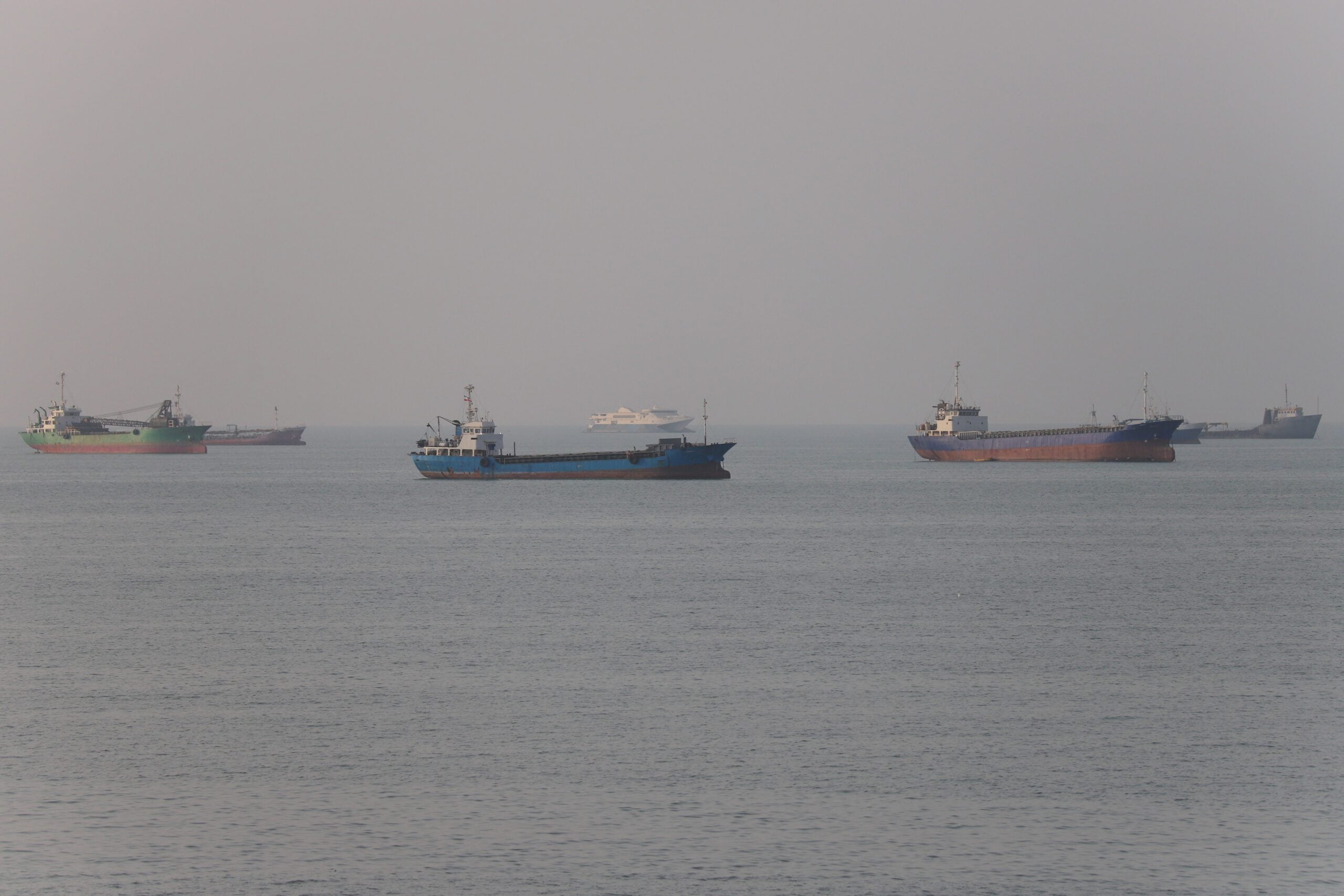
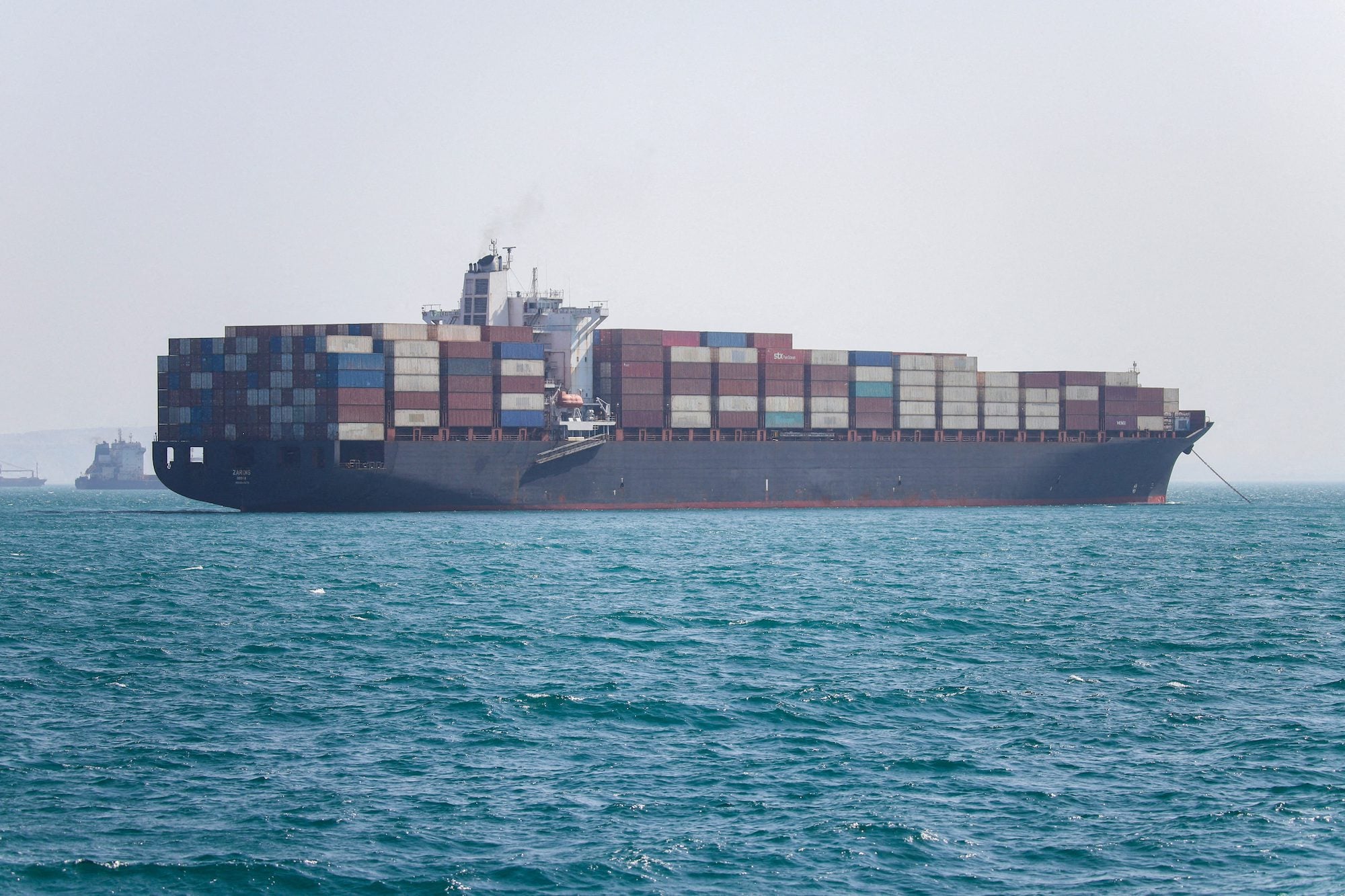
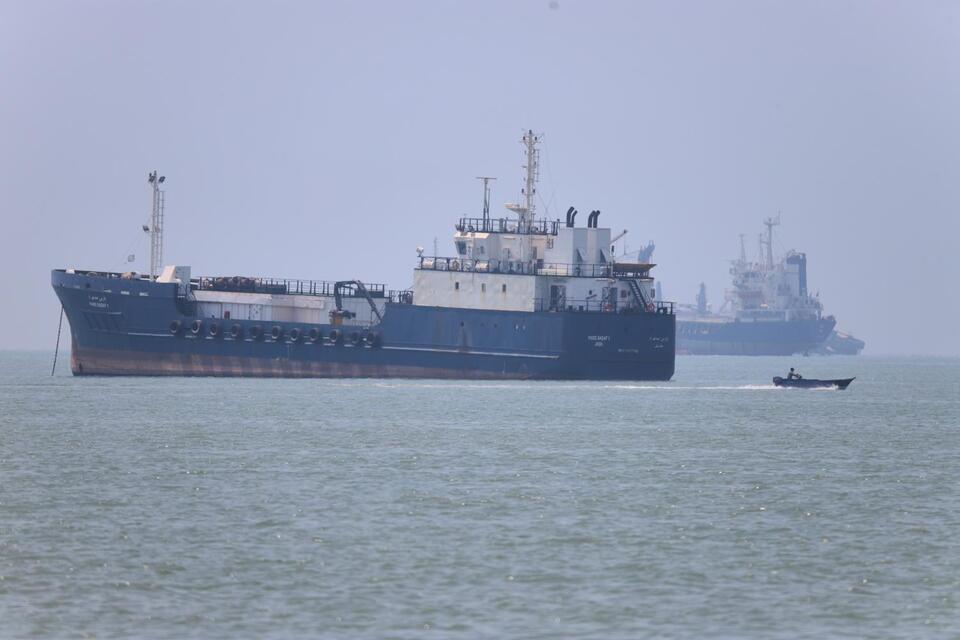
- Maritime risk in and around the Strait of Hormuz is very likely to remain elevated over the next two weeks, given the 27 June strikes on tankers, IRGC Navy warnings against unauthorised routes, reports of a ship running aground on such a route, and only partial resumption of traffic. (Confidence: medium · ASSESSED)
- I&W: Multiple UKMTO incident advisories or merchant reports of hostile approaches or damage in the Strait. (0-14 days)
- I&W: A public joint notice to mariners with deconflicted lanes and a two-week period with no UKMTO incident reports. (0-1 month)
- Talks on a ceasefire and a maritime regime are likely being set back by the latest exchanges: Tehran has threatened a complete halt to negotiations if US attacks continue, while senior Iranian officials reiterate claims that Tehran must govern the Strait of Hormuz, contradicting reports that Washington and Tehran agreed to keep the strait open. (Confidence: medium · ASSESSED)
- I&W: Cancellation or postponement of any announced technical sessions and public statements from Iranian negotiators suspending participation. (0-14 days)
- I&W: A joint US, Iran readout reaffirming mechanisms to keep Hormuz open despite ongoing disputes. (0-14 days)
- Low-intensity cross-border violence on the Israel, Lebanon, Syria front is likely to persist in the near term, complicating crisis management while Washington and Tehran trade blows. (Confidence: medium · ASSESSED)
- I&W: Additional daily IDF, Hezbollah exchanges or IDF strikes into southern Syria reported by official channels. (0-14 days)
- I&W: A publicly declared and observed halt in Hezbollah attacks for at least two weeks. (0-1 month)
- The threat environment for US-linked targets and civil aviation in the United Arab Emirates is likely elevated, given official travel and aviation advisories and Tehran’s stated intention to target US-associated locations in the UAE. (Confidence: medium · ASSESSED)
- I&W: Claims or attempts by Iran-aligned actors against US-linked facilities in the UAE, or UAE authorities elevating alert levels around such sites. (0-1 month)
- I&W: Downgrade of the State Department advisory and rescission or relaxation of FAA cautions for UAE airspace. (1-3 months)
Outlook & scenarios
Managed tit-for-tat and constrained maritime contestation (60%)
US and Iranian forces continue limited, target-specific strikes tied to shipping incidents, while Iran’s IRGC maintains pressure with sporadic drone and missile launches at US-linked sites in Kuwait and Bahrain. Maritime authorities keep traffic moving via adjusted routing near Oman as the IRGC warns against unauthorised corridors, producing intermittent incidents but avoiding a full closure.
Escalation to wider Gulf confrontation (30%)
A new shipping attack or miscalculated strike prompts heavier IRGC salvos on US infrastructure in Kuwait and Bahrain and deeper US strikes inside Iran. Missile defence activity increases, shipping incidents multiply, and technical talks stall amid Iranian threats to halt negotiations entirely.
Narrow maritime de-escalation despite wider tensions (40%)
Under external pressure, Washington and Tehran reaffirm a limited arrangement to keep Hormuz open and publish harmonised routing guidance. UKMTO incident reports decline and commercial traffic stabilises, even as rhetoric and isolated proxy clashes continue elsewhere.
Recommendations
- Prioritise ISR on Iran’s coastal radar, drone storage and minelaying capabilities to detect launch preparations and enable quicker interdiction after recent US strike target sets.
- Coordinate with Kuwait and Bahrain to exploit missile and UAV debris from the 28 June attacks for attribution, performance data and countermeasure refinement.
- For US-linked shipping, adhere to recognised routing guidance and maintain close reporting to UKMTO; avoid transits on routes publicly flagged by the IRGC Navy as unauthorised absent authoritative deconfliction.
- Backstop technical maritime channels that seek to keep Hormuz open by preparing a joint notice-to-mariners framework and a verification mechanism, ready to issue if a window for reassurance opens.
- Adjust force protection and travel policies for personnel in the UAE to reflect current advisories; align civil-aviation risk mitigations with FAA guidance for operations in and near UAE airspace.
- Expand crisis communications with Gulf partners to pre-empt misattribution after incidents and to manage public messaging around interceptions and damage reports.
- Prepare interagency legal and diplomatic lines in response to Iran’s case at The Hague to limit downstream political and sanctions risks while kinetic exchanges continue.
- Task collection on the Israel, Lebanon, Syria front to monitor tripwires for spillover that could complicate US, Iran de-escalation, including unusual force movements or sustained changes in cross-border fire patterns.
Confidence & uncertainty
Multiple high-confidence official and major-media reports corroborate renewed US strikes, IRGC-claimed attacks on Bahrain and Kuwait, Kuwaiti interceptions, Bahrain’s damage report, and shipping incidents around 27-28 June. Iranian threats to halt talks and assertions about governing the Strait are also well attested, though claims about an agreement to keep Hormuz open sit uneasily alongside those statements. Some elements rest on single-source or medium-confidence reporting, and the status of negotiations is contested. Given strong sourcing on kinetic events but inconsistencies around diplomatic arrangements and future intent, the overall confidence is assessed as medium.
Alternative analysis (red cell)
Timeline and attribution for reported U.S. strikes are inconsistent across the cited claims and the contradictions table highlights date conflicts; therefore the record supports an alternative reading that reports conflate or misdate discrete actions rather than demonstrating a coherent sustained strike campaign. Likewise, maritime incidents around 27 June and IRGC warnings (1cf4c3d9) could reflect localized disruptions and state messaging; without AIS/industry corroboration and independent BDA, elevated maritime risk across the Strait for two weeks is not the only defensible estimate.
Cited sources
[1] Los Angeles Times · Iran attacks Bahrain and Kuwait following U.S. strikes and threatens to halt talks - Los Angeles Times (A) · sha256:eaa2a93a25b7 [2] UALR Public Radio · U.S. and Iran exchange strikes, underscoring the fragility of the ceasefire (A) · sha256:6706129f6858 [3] huffpost.com · Iran Attacks Bahrain And Kuwait Following U.S. Strikes And Threatens To Halt Talks (B) · sha256:138513bd54f2 [4] newsbreak.com · US military says it struck multiple targets in Iran as ceasefire is strained by 2nd day of attacks - NewsBreak (B) · sha256:bc517733dd3e [5] nypost.com · US military strikes Iran — in payback for 'unwarranted' drone attack on cargo ship (B) · sha256:23b09a00a0a3 [6] globalbankingandfinance.com · US carries out fresh strikes against Iran after tanker struck in (B) · sha256:b1dfeff43f5f [7] USA Today · Trump again threatens Iran with warning it will 'no longer exist': What to know (A) · sha256:cd1d4ce7f846 [8] gcaptain.com · Iran Says Ship Ran Aground in ‘Unauthorized’ Hormuz Transit (B) · sha256:fab0791b37bd [9] gcaptain.com · US and Iran Enter Technical Talks to Secure Peace Deal, Shipping Restart (A) · sha256:2bcdd49fc005 [10] Times Now · U.S-Iran Agree To Keep Hormuz Open Amid Fresh Escalation In West Asia Tensions, As Per Reports (B) · sha256:dde097c7ab26 [11] U.S. Department of State · United Arab Emirates Travel Advisory (A) · sha256:7a0c71f2991b
Source content hashes were computed at collection time; the cited text is preserved unmodified for the life of this product.
Red cell review: PARTIAL DISSENT
TLP:CLEAR