TLP:CLEAR · Disclosure is not limited.
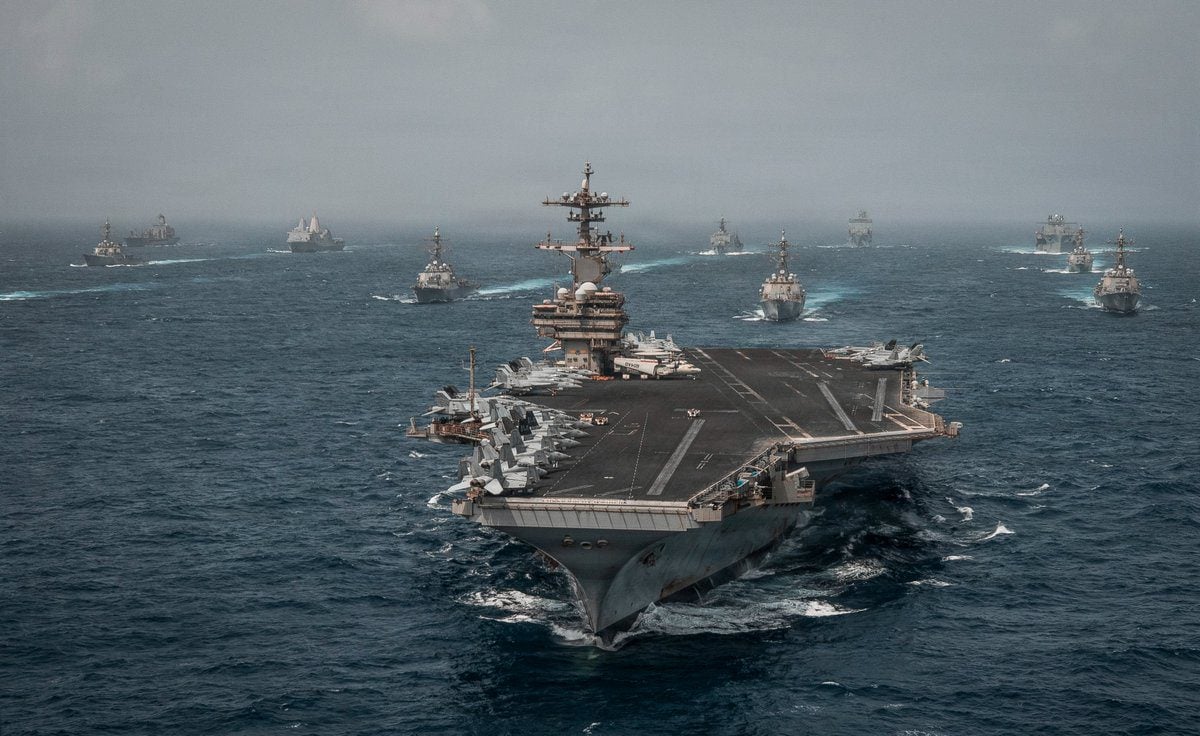
US-Iran Escalation Tightens Pressure on Hormuz
Time window: Last 1 day · Audience: General analyst · Type: Situation report · DTG: 2026-09-01 15:17Z · Overall confidence: HIGH
BLUF
The US-Iran conflict has entered a new direct-exchange phase after the 30 August US strike on Larak Island and Iran's reported missile attacks on US-hosting air bases in Jordan. Commercial traffic through the Strait of Hormuz is likely to remain severely restricted, while conditional diplomatic offers have not yet overcome threats of further US strikes or Iranian maritime coercion.
Executive summary
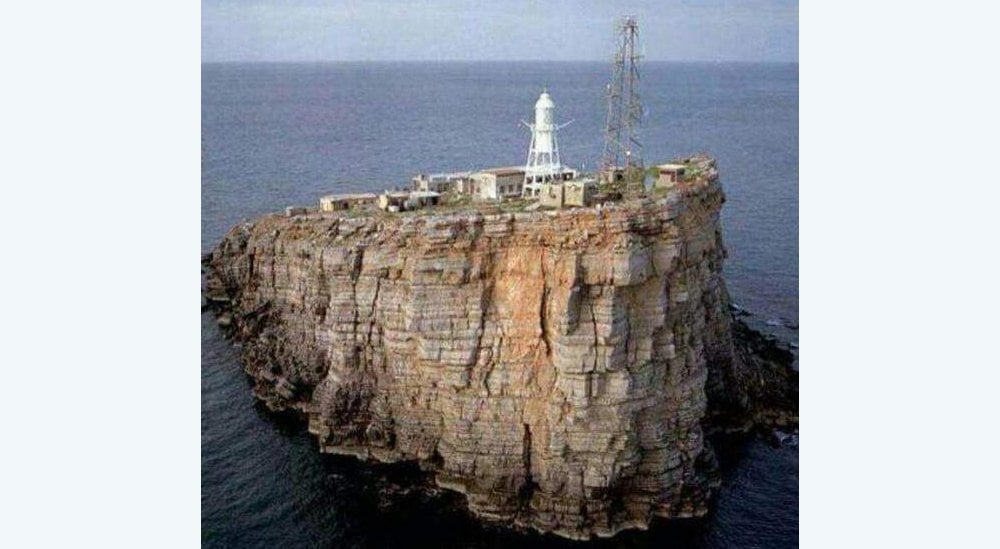
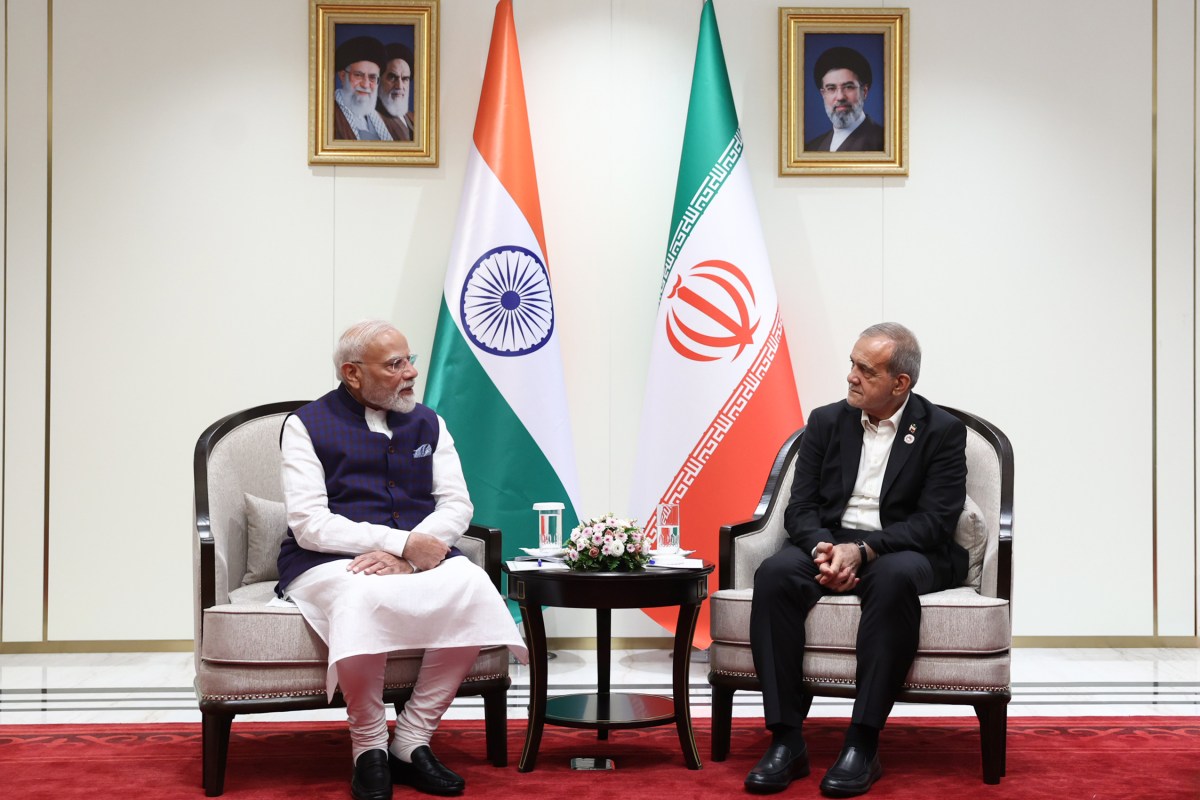
The 30 August US strike on two Iranian launchers on Larak Island was followed by reported Iranian missile attacks on the King Hussein and Al-Azraq air bases in Jordan. Jordan said it intercepted eight missiles, while claims of Iranian attacks on US positions in the UAE remain disputed. Shipping disruption has deepened: Kpler reported five visible commodity vessels per day over the weekend, compared with about 100 vessels a day before the war, and UKMTO reported tanker attacks near Khasab, Oman. The number of vessels struck and whether any tanker hit sea mines remain unresolved. Iran's President Masoud Pezeshkian offered conditional support for a ceasefire or renewed talks, but Qatar and Oman's efforts to reopen the strait remain inconclusive. Washington is also expanding financial pressure on Iran.
Change from previous assessment
Since the 31 August brief, reporting has strengthened the assessment that the Strait of Hormuz is severely restricted, with additional traffic data showing five to seven visible vessels per day and new reports of attacks on Saudi-linked tankers near Khasab. The assessment now gives greater weight to a conditional diplomatic track because Pezeshkian has publicly linked a ceasefire or renewed talks to US compliance with the June agreement, although Qatar and Oman's mediation remains inconclusive. US economic pressure is assessed as more likely to intensify following Bessent's announcement of sanctions against 60 entities and plans for further weekly measures. A new judgment covers sustained Israeli pressure in Gaza and southern Lebanon. The previous low-confidence force-posture judgment is not carried forward as a separate priority because the current reporting provides stronger warning value on direct exchanges, shipping and diplomacy.
Key judgments
- The US-Iran conflict has entered a new direct-exchange phase. On 30 August, US forces struck two Iranian rocket launchers on Larak Island, after which Iran reported ballistic-missile attacks on the King Hussein and Al-Azraq air bases in Jordan. Jordan's armed forces said they intercepted eight missiles. The core exchange is multiply reported, but claims of Iranian attacks on US positions in the UAE, including Al Minhad air base, and reports that two tankers were struck near Khasab remain contested. (Confidence: high · REPORTED)
- I&W: UKMTO, vessel operators or flag-state authorities confirm that both the Saudi-flagged VLCC Sidr and the Liberian-flagged VLCC Senegal Prosperity were struck near Khasab, Oman. (0-14 days)
- I&W: CENTCOM or Jordan's armed forces retracts its account of the Larak strike or the interception of eight missiles, breaking the current assessment of a confirmed direct exchange. (0-14 days)
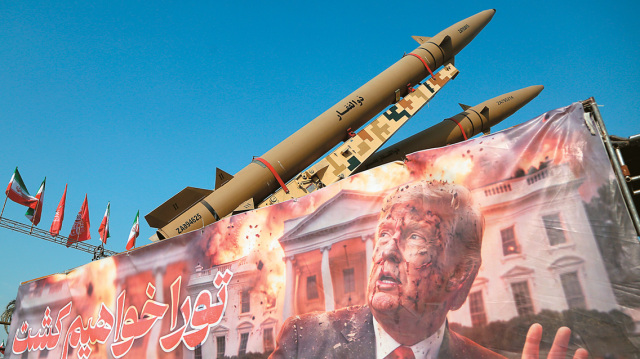
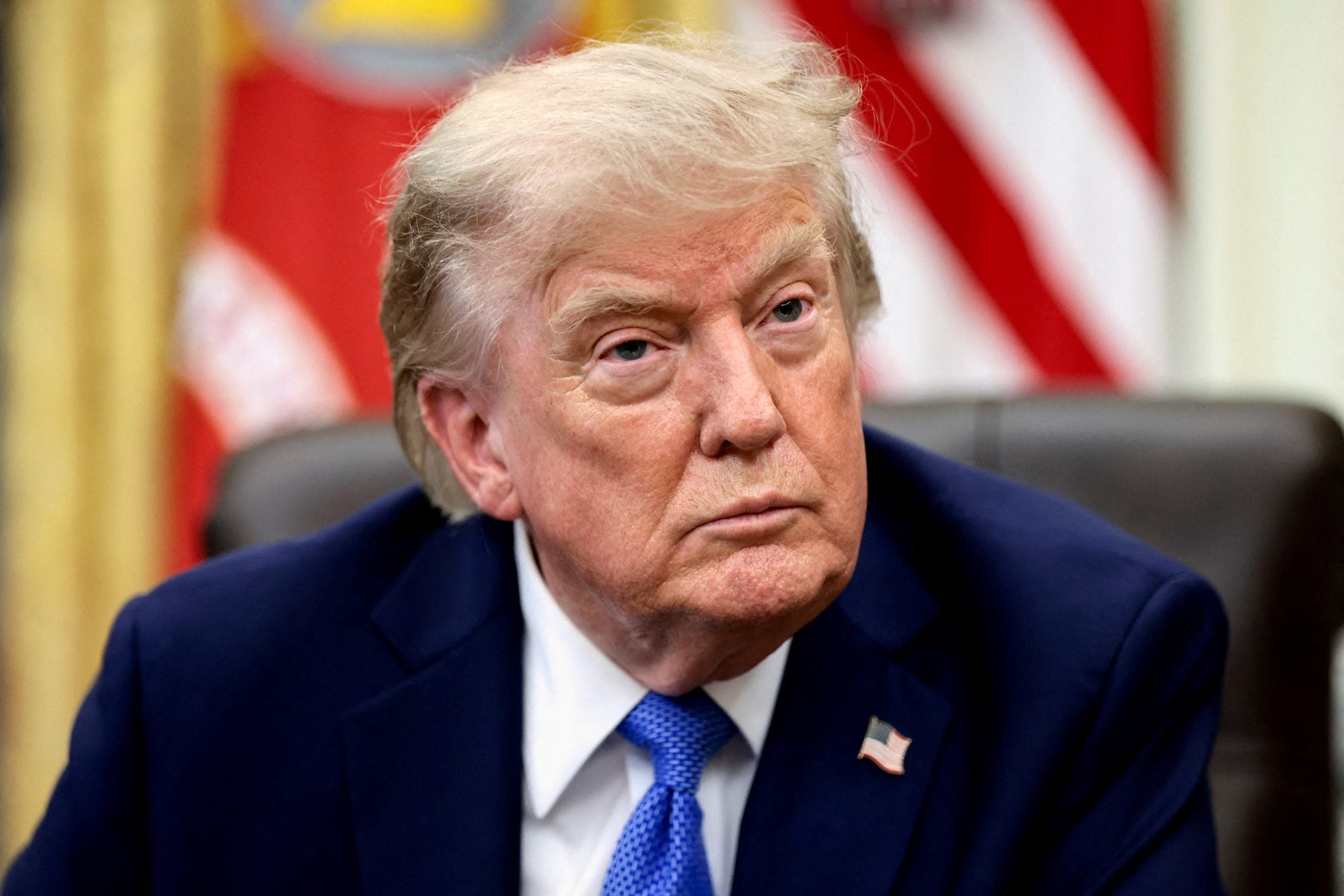
- US-Iran hostilities are likely to remain operationally active over the next 0-14 days. Donald Trump's pledge to hit Iran hard, Iran's statement that it would not remain passive after aggression, and the absence of an agreed ceasefire outweigh Masoud Pezeshkian's conditional diplomatic language. Confidence is medium because the recent exchange is well corroborated, while the timing and scale of the next military actions remain uncertain. (Confidence: medium · ASSESSED)
- I&W: CENTCOM announces another strike on Iranian launchers or Iran launches another missile or drone attack against US personnel or facilities in Jordan or the UAE. (0-14 days)
- I&W: Washington and Tehran announce and observe a mutual ceasefire linked to the June memorandum of understanding, with no further strikes for 14 days. (0-14 days)
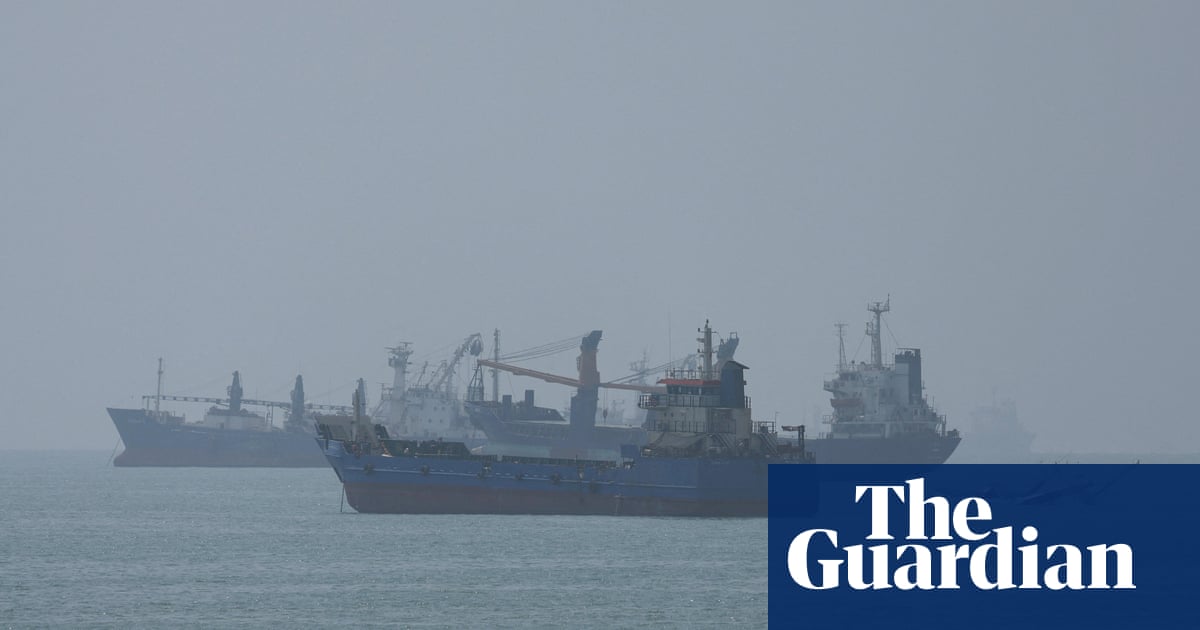
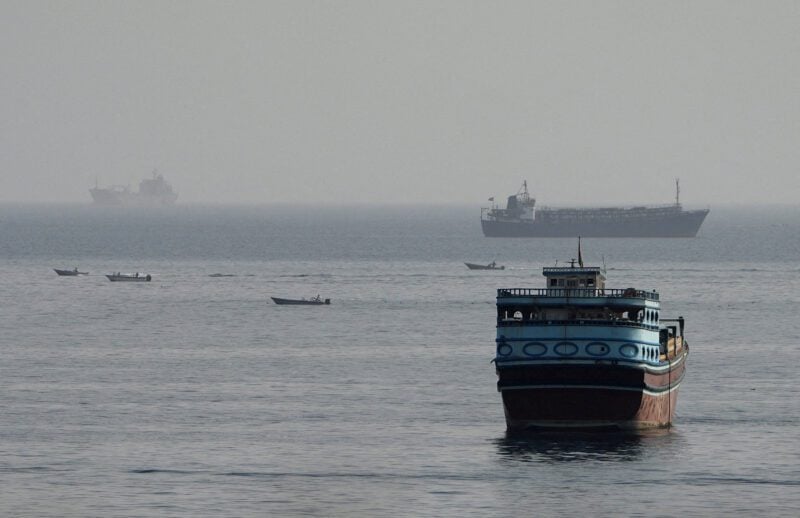
- Commercial shipping through the Strait of Hormuz is very likely to remain severely restricted over the next 0-14 days, although the waterway is not completely inactive. Kpler reported about five visible commodity vessels per day over the weekend and a separate assessment put the daily average at seven, compared with about 100 vessels before the war. UKMTO has reported tanker attacks near Khasab, while limited protected and unadvertised transits continue through Omani territorial waters. Confidence is high because shipping data, maritime warnings and multiple reports corroborate severe disruption, despite unresolved disagreement over the number of tankers struck and whether any vessel hit mines. (Confidence: high · ASSESSED)
- I&W: Kpler continues to record fewer than 10 visible commodity vessels per day through the Strait, while UKMTO reports another tanker incident or advises vessels to transit with caution. (0-14 days)
- I&W: Kpler records more than 50 commodity vessels per day for seven consecutive days and UKMTO reports no new tanker incidents for 14 days. (0-30 days)
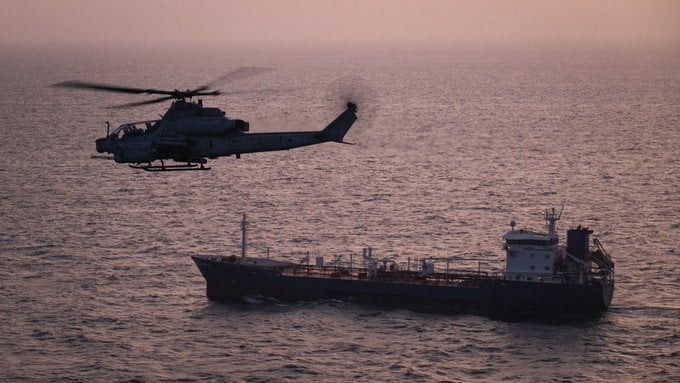
- Iran is likely to continue coercive control of tanker movements near Larak Island, the southern route through the Strait of Hormuz and the Omani side of the waterway over the next 0-30 days. The IRGC has claimed that it prevented 30 vessels from transiting since 22 August and targeted three ships using a route Tehran considers unauthorised. The United States is also likely to maintain its maritime blockade, limited protection of selected transits and preparations for further strikes against Iranian minelaying assets. Confidence is medium because the coercive pattern is supported by official and trade reporting, but the attribution of tanker attacks remains unresolved. (Confidence: medium · ASSESSED)
- I&W: The IRGC reports further vessel inspections, transit fees, interdictions or attacks near Larak Island, the southern route or Omani territorial waters. (0-30 days)
- I&W: CENTCOM reports another strike on Iranian launchers or announces expanded protection for merchant vessels transiting the Strait. (0-30 days)
- A durable US-Iran settlement is very unlikely over the next 0-14 days, while a short, conditional pause in fighting is roughly even chance. Masoud Pezeshkian has said Iran would cease fire, reciprocate or resume talks if the United States fulfils commitments under the June agreement. Qatar and Oman's efforts to reopen the Strait have remained inconclusive, and Donald Trump continues to threaten further strikes. Confidence is medium because the diplomatic offer is repeatedly reported, but no mutually accepted implementation mechanism has been reported. (Confidence: medium · ASSESSED)
- I&W: Pezeshkian and the US administration publicly accept a mutual ceasefire, while Qatar and Oman announce an agreed mechanism for reopening the Strait. (0-14 days)
- I&W: Trump authorises additional strikes or Tehran rejects renewed talks unless Washington first ends sanctions and the maritime blockade. (0-14 days)
- US economic pressure on Iran will likely intensify over the next 0-30 days, with further sanctions against financial institutions and Iran's oil-related sanctions-evasion network likely. Scott Bessent has announced sanctions against 60 entities and said further secondary sanctions are likely to be issued weekly. The reporting conflicts over whether this represents a major new campaign or intensified enforcement of existing measures, so confidence is medium. (Confidence: medium · ASSESSED)
- I&W: The US Treasury designates another bank, oil intermediary or sanctions-evasion network linked to Iran and announces additional secondary sanctions. (0-30 days)
- I&W: Treasury announces a pause in new designations and limits activity to enforcement of existing sanctions for 30 days. (0-30 days)
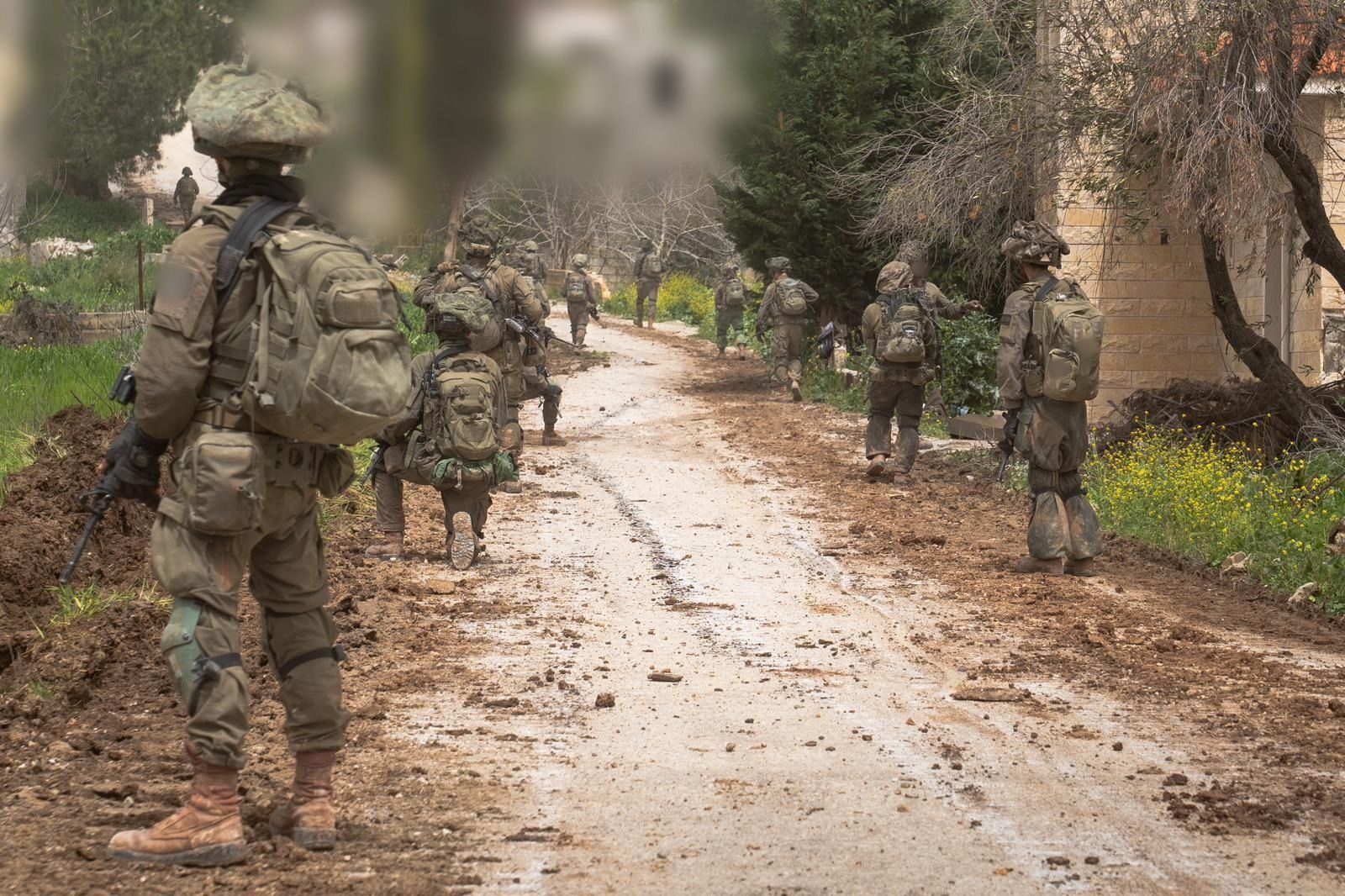
- Israel is likely to sustain military pressure in Gaza and southern Lebanon over the next 1-3 months, while Hezbollah is likely to retain a guerrilla-warfare and drone-strike posture. The IDF and Israeli Defence Minister Israel Katz have reported action against Hamas figures north of Gaza City, but Palestinian sources dispute the outcome. Lebanon remains under almost daily Israeli bombardment, with about 335,000 people displaced, and Israel remains dissatisfied with Lebanese Army progress against Hezbollah in southern pilot zones. Confidence is medium because the Lebanese and Israeli reporting is corroborated, while the Gaza operation's outcome and Hezbollah's reported posture rely partly on contested or single-source accounts. (Confidence: medium · ASSESSED)
- I&W: The IDF announces further strikes or raids against Hamas in or north of Gaza City, while Israeli forces continue bombardment in southern Lebanon. (0-30 days)
- I&W: Israel and Lebanon implement an expanded pilot-zone framework involving IDF withdrawal and LAF deployment, alongside a sustained reduction in Israeli bombardment and Hezbollah drone activity. (1-3 months)
Outlook & scenarios
Likely: continued controlled escalation and shipping paralysis (55%)
The United States conducts further limited strikes against Iranian launchers or minelaying assets, while Iran continues missile pressure against US facilities in Jordan and maritime pressure near Larak Island and Khasab. Strait traffic remains near the reported five-to-seven vessels per day, with Brent crude above $90 a barrel. Qatar and Oman continue mediation without an enforceable reopening arrangement.
Unlikely: conditional pause and partial reopening (35%)
Washington and Tehran accept a short ceasefire linked to the June memorandum of understanding. Oman and Qatar establish technical arrangements for selected merchant transits, and traffic through the Strait rises from current lows without returning to pre-war levels. The pause does not produce a durable settlement.
Unlikely, high impact: wider regionalisation (20%)
Iran expands attacks against US-linked facilities in Jordan or the UAE, while Iranian-aligned Iraqi militias, Islamic Resistance in Iraq and Houthi forces increase attacks on US bases, commercial ships and regional infrastructure. The United States responds with wider strikes and maritime operations. Brent crude rises above $100 a barrel and Gulf shipping diversions become longer and more costly.
Very unlikely, high impact wildcard: regional nuclear proliferation (8%)
Iran moves towards clandestine development of nuclear weapons after the war, and several Middle Eastern powers conclude that they require their own nuclear capabilities. This is a low-confidence scenario based on single-source analytic reporting, but it would create a strategic crisis extending well beyond the current US-Iran exchange.
Recommendations
- Maintain a 24-hour incident ledger separating confirmed events from claims for Larak Island, King Hussein air base, Al-Azraq air base, Al Minhad air base, Khasab and the Omani Coastal route. Record the source, timestamp, vessel identity and location for every update.
- Prioritise collection on the Sidr and Senegal Prosperity discrepancy. Seek UKMTO updates, operator statements, flag-state reporting and independent vessel-tracking evidence before assessing whether two tankers were attacked.
- Treat the IRGC sea-mine account and CENTCOM's disinformation claim as competing narratives until maritime evidence establishes the cause of damage. Do not report a mine strike as confirmed.
- Track three immediate escalation triggers: another US strike on Iranian launchers, another Iranian missile or drone attack against Jordan or the UAE, and further IRGC interdictions or fees imposed on merchant vessels.
- Monitor the Pezeshkian, Trump, Oman and Qatar channels separately. Distinguish an immediate ceasefire, a return to talks and a technical shipping arrangement, since the current reporting does not establish that they are the same offer.
- Track Treasury releases for weekly secondary sanctions, with particular attention to banks, oil-sale facilitators and the Iranian sanctions-evasion network. Compare announced measures with the previous enforcement-only posture.
- Keep Lebanon and Yemen in the regional warning picture. Monitor IDF activity in southern Lebanon and Gaza, Hezbollah drone operations, Houthi attacks on commercial shipping, and the capacity of Yemeni government forces to protect Red Sea routes.
- Use the reported Brent and tanker-rate movements as economic warning indicators, but reconcile differing market reports before assigning a precise price or rate change.
Confidence & uncertainty
Overall confidence is high for the core situation because multiple major-media and wire-service reports, CENTCOM statements, Jordanian military reporting, UKMTO incident notices and Kpler shipping data corroborate the Larak strike, the Jordanian missile interceptions, the collapse in Strait traffic and at least one tanker attack. The main uncertainties concern whether two tankers were struck, whether any vessel hit sea mines, the scope of Iranian action against the UAE, the outcome of the Gaza operation and the precise form of Pezeshkian's conditional offer. These issues reduce confidence in some forward-looking judgments without overturning the core assessment.
Intelligence gaps
- [EEI 1.1 · UNCOVERED] Movement, dispersal, or emplacement of Iranian conventional or IRGC heavy assets (ballistic missile launchers, Khoramshahr/Toofan-class missile transporters, ground-to-ground TELs, air defense batteries, amphibious units) from garrison areas toward forward bases or coastal launch sites. Recommended collection: satellite/IMINT
- [EEI 1.2 · PARTIAL] Authenticated Iranian military orders, NSC/IRGC operations directives, or senior leadership statements explicitly directing strikes against Israel or US forces or authorizing cross-border operations. Recommended collection: human/diplomatic
- [EEI 1.3 · PARTIAL] Changes in Israeli and US force posture indicating anticipation of direct large-scale conflict, elevated readiness levels, mobilization notices, pre-positioning of munitions, or public/private orders to prepare offensive strikes. Recommended collection: open-source/diplomatic
- [EEI 2.2 · UNCOVERED] Indications of proxy arms shipments and weapons transfers (truck convoys, small boat transfers, container movements from Iran to proxies, new stockpiles in Lebanon, Iraq, Yemen, Syria). Recommended collection: maritime/AIS
- [EEI 2.3 · UNCOVERED] Evidence of cyber attack planning or active exploitation campaigns targeting Israeli or US military/critical infrastructure (emergence of new command-and-control servers, spear-phishing campaigns against defense personnel, successful intrusions). Recommended collection: cyber
- [EEI 3.1 · UNCOVERED] Movements and posture changes of US regional platforms (carrier strike groups, amphibious ready groups, B-52/B-1/B-2 or fighter deployments, missile defense assets repositioning) and associated armament loadouts. Recommended collection: satellite/IMINT
- [EEI 3.2 · PARTIAL] Official or leaked US government/diplomatic communications indicating thresholds for strikes, authorization for offensive operations, or limits on action (NSC/DoD statements, congressional notifications, diplomatic notes). Recommended collection: diplomatic/human
- [EEI 3.3 · UNCOVERED] Changes in US base force-protection measures and rules of engagement at regional facilities (base lockdowns, evacuation notices, flight restrictions, activation of Local Defense Forces or missile intercept systems). Recommended collection: open-source/local reporting
- [EEI 4.1 · PARTIAL] Hezbollah-specific indicators: convoys and logistics movements toward Lebanon, Israel border, artillery/rocket emplacement in southern Lebanon, documented strikes-preparation activity, public mobilization orders or recruitment drives. Recommended collection: satellite/IMINT
- [EEI 4.2 · UNCOVERED] Houthi-attributed maritime attack indicators: AIS anomalies/loss of contact for commercial vessels, reports of missile/drone strikes or near-miss incidents in Bab al-Mandeb/Red Sea, Houthi claims paired with imagery of weapons launches. Recommended collection: maritime/AIS
- [EEI 4.3 · UNCOVERED] Militia cross-border attack evidence from Iraq/Syria: recorded rocket/mortar launch events into Israel or strikes against US facilities, movement of armed convoys toward border areas, and intercepted communications coordinating cross-border operations. Recommended collection: signals/ELINT
Cited sources
[1] Al Jazeera · ‘Hit them hard’: Does Trump have another ‘new’ Iran strategy, can it work? (A) · Tue Sep 01 2026 11:38:14 GMT+0000 (Coordinated Universal Time) · sha256:5ee0053fe849 [2] The Guardian · Trump threatens further action as US and Iran exchange fire in new flare-up (A) · Mon Aug 31 2026 17:13:55 GMT+0000 (Coordinated Universal Time) · sha256:ed990672aab6 [3] Gulf News · Trump vows to ‘hit Iran hard’ after Tehran retaliates for US Larak strike (A) · Mon Aug 31 2026 23:03:10 GMT+0000 (Coordinated Universal Time) · sha256:9dcef8611857 [4] ProtoThema · New U.S.-Iran escalation: Strikes in the Strait of Hormuz, Iranian retaliation and Trump’s threats - ProtoThema English (B) · Tue Sep 01 2026 05:32:39 GMT+0000 (Coordinated Universal Time) · sha256:ab8e66d91bb1 [5] Reuters (republished by gCaptain) · Trump Vows to Hit Iran Hard After First Exchanges of Fire in a Month (A) · Mon Aug 31 2026 19:33:43 GMT+0000 (Coordinated Universal Time) · sha256:03d6aba23140 [6] gCaptain (Reuters reporting under license) · Two Tankers Carrying Saudi Oil Attacked in Strait of Hormuz (A) · Tue Sep 01 2026 12:25:45 GMT+0000 (Coordinated Universal Time) · sha256:98154e0dbe40 [7] The Maritime Executive · CENTCOM Says Iran Attempts to Intimidate Shipping with False Reports (C) · sha256:f0c7d375c2ff [8] Top1Markets · Crude Oil Price Forecast: Can It Hit $100 Again in September Amid Flaring US-Iran Tensions? (E) · Tue Sep 01 2026 04:06:15 GMT+0000 (Coordinated Universal Time) · sha256:d43388534aa3 [9] The Maritime Executive · Iranian Misrepresentations Over the Strait of Hormuz Addressed by Oman (C) · sha256:7c14ea947eef [10] The Jerusalem Post · Live Updates: Latest from Israel, Iran, and the Middle East | The Jerusalem Post (B) · Mon Aug 31 2026 05:12:43 GMT+0000 (Coordinated Universal Time) · sha256:e392bf6943c8 [11] The Jerusalem Post · Live Updates: Latest from Israel, Iran, and the Middle East | The Jerusalem Post (B) · Tue Sep 01 2026 05:26:08 GMT+0000 (Coordinated Universal Time) · sha256:bd8381fbadc0 [12] gCaptain · Tanker Struck by Three Projectiles on Omani Side of Strait of Hormuz (C) · Mon Aug 31 2026 21:44:39 GMT+0000 (Coordinated Universal Time) · sha256:3ad3214f6609 [13] Sunday Guardian Live · US-Israel-Iran War Latest Live News: 'We Appreciate Your Support,' Iran’s President Thanks Putin For Russia's Backing as Saudi Crown Prince, Oman’s Sultan Discuss Regional Security (B) · Tue Sep 01 2026 13:34:45 GMT+0000 (Coordinated Universal Time) · sha256:6bca708682bb [14] Newsweek · Iran looks to Trump friend for support as US war intensifies (B) · Mon Aug 31 2026 20:08:17 GMT+0000 (Coordinated Universal Time) · sha256:d7dc5b6ef8ca [15] Style Magazine (republishing CNN reporting) · Six months into the Iran war, Iranian Americans remain divided over what comes next (B) · sha256:11f7b10e438b [16] Carnegie Endowment for International Peace · A Strategic Disaster that Devalues U.S. Military Prowess | Carnegie Endowment for International Peace (C) · Mon Aug 31 2026 00:00:00 GMT+0000 (Coordinated Universal Time) · sha256:17bb3016e343 [17] Al Jazeera · EU considers military mission to replace UN peacekeepers in South Lebanon (A) · Tue Sep 01 2026 05:25:37 GMT+0000 (Coordinated Universal Time) · sha256:0abc2a3288ad [18] i24NEWS · Lebanese army wants IDF to remain in southern Lebanon, for fear of Hezbollah return - report (B) · Tue Sep 01 2026 00:00:00 GMT+0000 (Coordinated Universal Time) · sha256:4c93c3d02f4d
Source content hashes were computed at collection time; the cited text is preserved unmodified for the life of this product.
TLP:CLEAR