TLP:CLEAR · Disclosure is not limited.
US-Iran exchange deepens, Hormuz under strain, Israel on alert
Time window: Last 1 day · Audience: General analyst · Type: Situation report · DTG: 2026-07-14 07:13Z · Overall confidence: MEDIUM
BLUF
US forces hit dozens of targets across Iran while Iran fired missiles and drones at US-linked sites in Jordan, Bahrain and Kuwait. Maritime risk in the Strait of Hormuz is acute and contested, with Iranian closure declarations and vessel attacks, while Israel remains on high alert but outside the direct exchange for now.
Executive summary
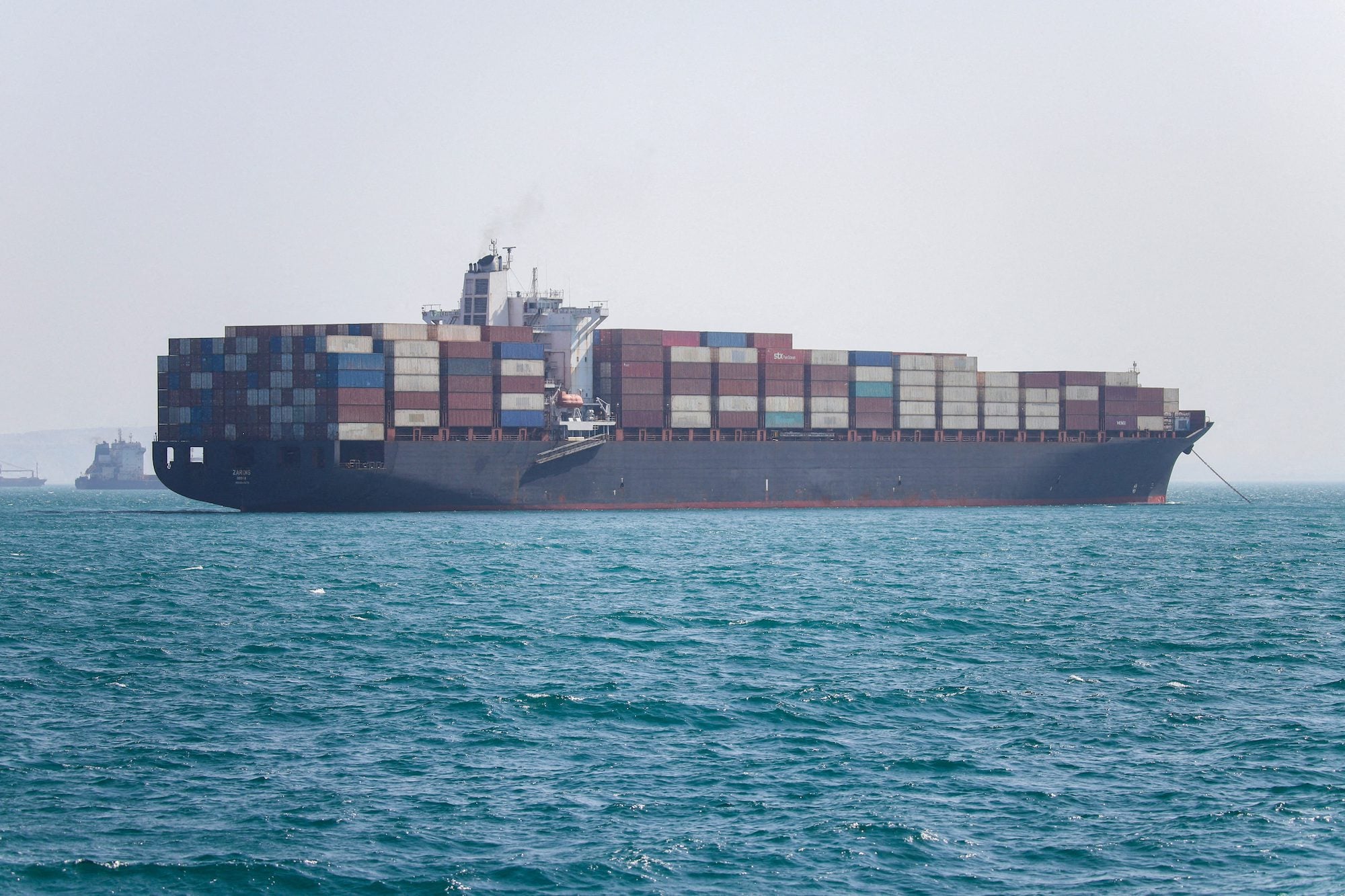
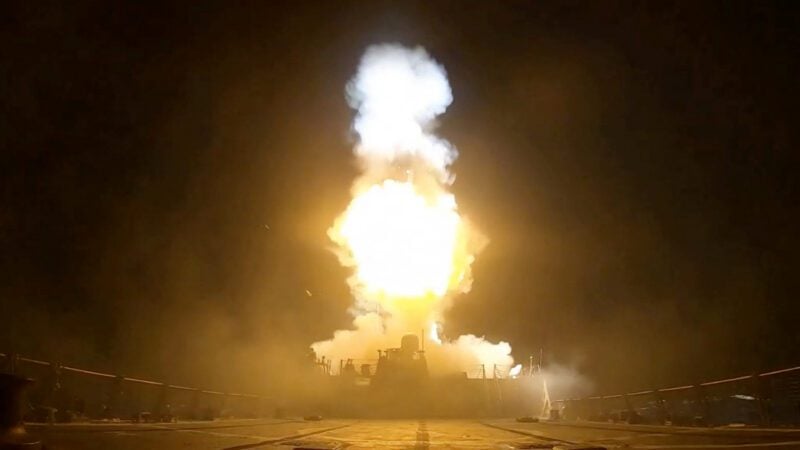
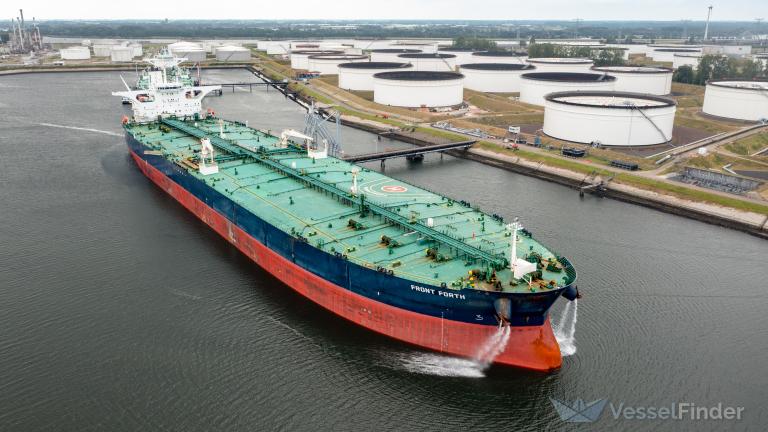
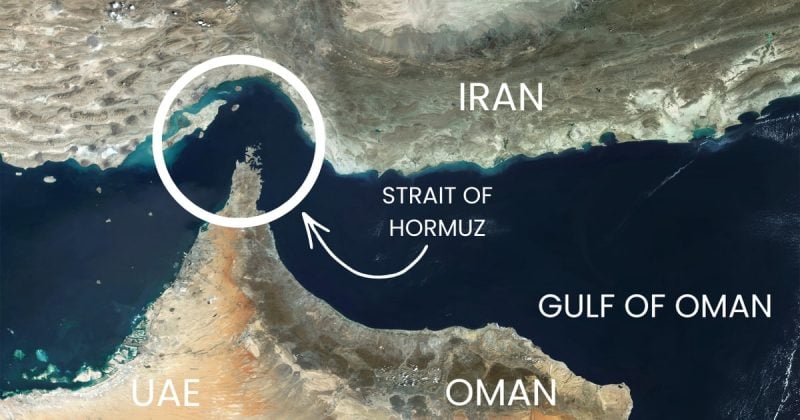
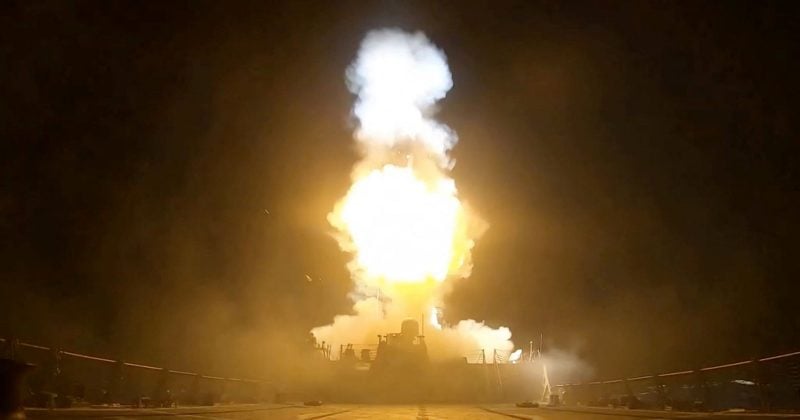
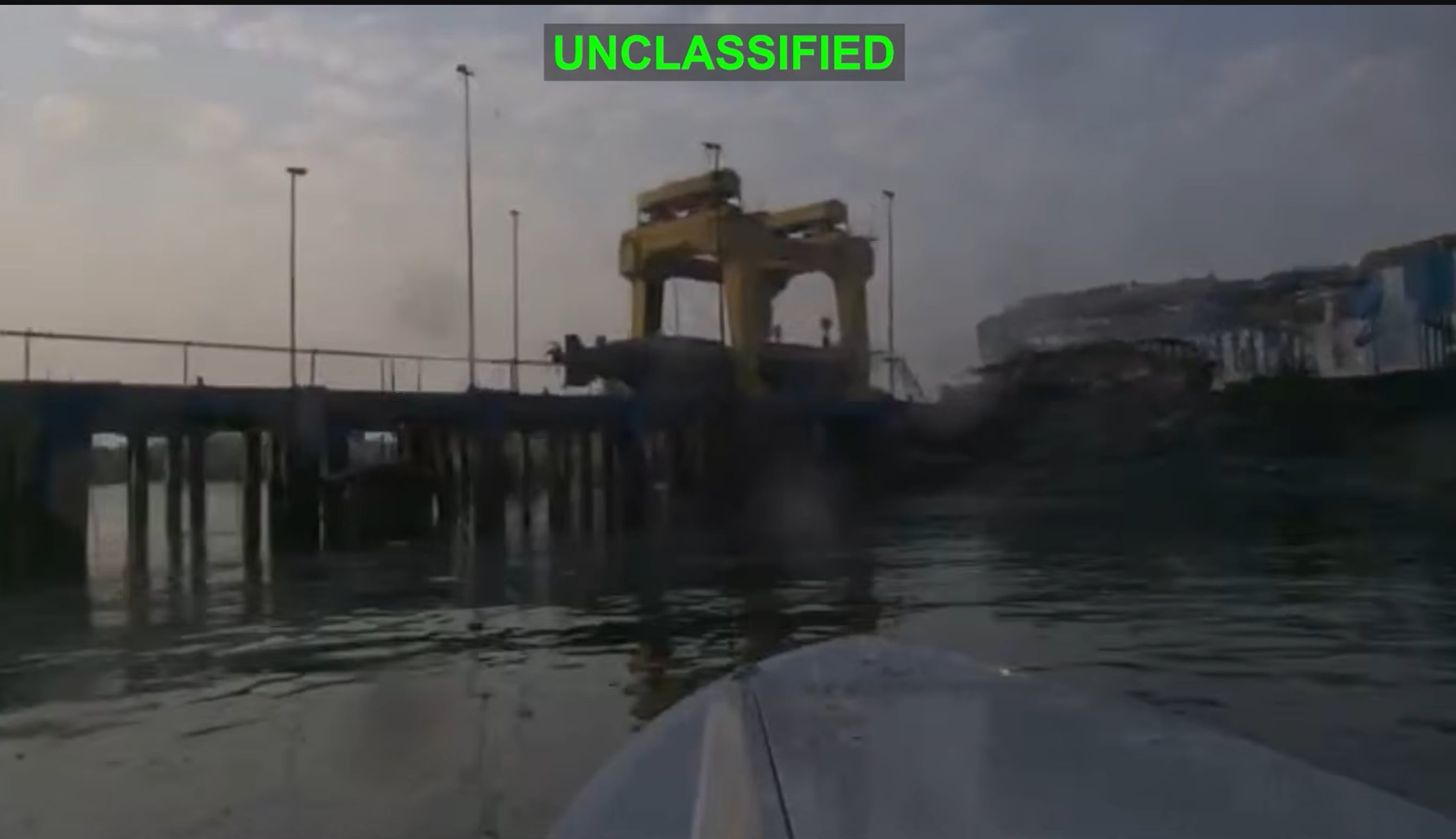
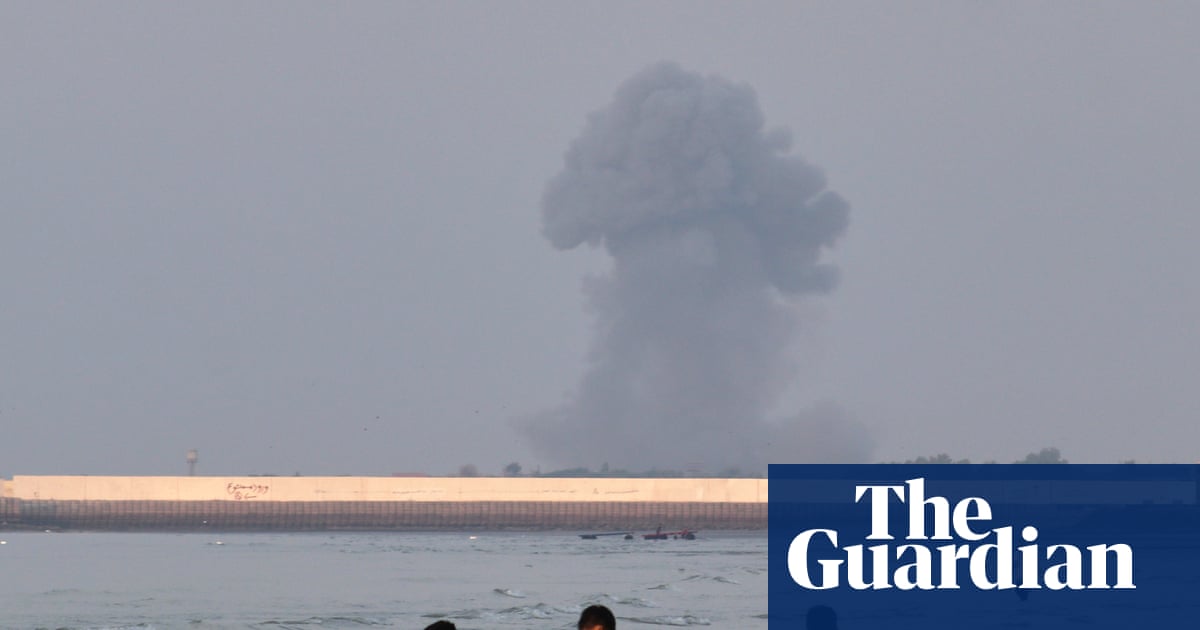
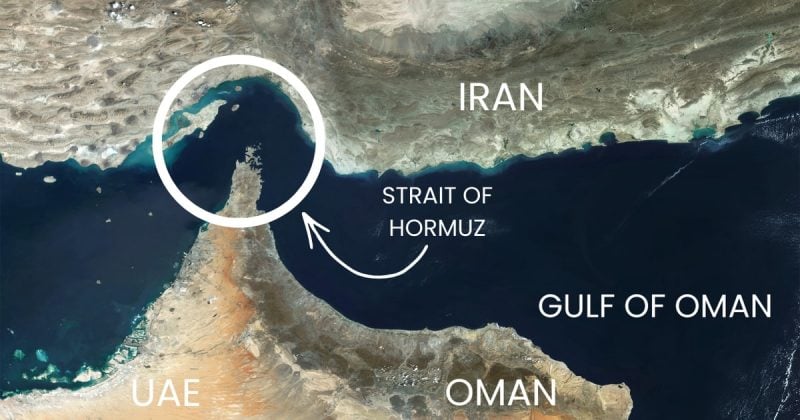
Since 8 July, US Central Command has expanded strikes across Iran, including around Bandar Abbas and on air defences and coastal radars, using one-way attack drones and unmanned bomb boats. Iran launched missile and drone salvos at US-linked facilities in Jordan, Bahrain and Kuwait, with Jordan reporting multiple intercepts and Kuwait responding to hostile aerial targets. Tehran announced the closure of the Strait of Hormuz and suspended transit permits, warned ships off US-designated routes and interdicted or attacked vessels near Oman’s Musandam peninsula, including two Emirati tankers that suffered casualties. Washington maintains the strait is open, though several ships transited with AIS off and reports indicate the southern corridor has largely halted. Israeli security assessments judge Tehran is currently refraining from striking Israel directly but could expand the confrontation if US pressure increases; Israel has raised alert levels and is closely monitoring the US-Iran exchange.
Change from previous assessment
Compared with the prior brief, US strikes are now confirmed across additional Iranian locations and with novel platforms disclosed at Bandar Abbas. Iran’s claimed targeting expanded to include Prince Hassan Air Base in Jordan, with Jordan reporting further intercepts and Kuwait responding to hostile aerial targets. At sea, two Emirati tankers were hit with casualties and Iran’s maritime authorities suspended permit processing, while reports point to covert AIS-off transits and a largely halted southern corridor. Israel remains on heightened alert and is monitoring the exchange, while indications still suggest Tehran is currently avoiding direct strikes on Israel.
Key judgments
- US forces very likely conducted large-scale, multi-axis strikes inside Iran 11-14 July, including at Bandar Abbas, Bushehr, Chah Bahar, Jask, Konarak and Abu Musa, and for the first disclosed time employed one-way attack drones and Saronic Corsair unmanned bomb boats. (Confidence: high · REPORTED)
- I&W: CENTCOM releases naming additional Iranian targets or munitions employed in follow-on strikes, corroborated by imagery from Bandar Abbas or listed coastal sites. (0-14 days)
- I&W: A verified cessation statement by both Washington and Tehran accompanied by an observable halt in strike claims for one week. (0-14 days)
- Iran very likely launched missile and drone salvos at US-linked sites in Jordan, Bahrain and Kuwait between 8 and 14 July, with Jordan intercepting multiple missiles and Kuwait engaging hostile aerial targets; claimed strikes included Prince Hassan Air Base in Jordan and US facilities in Bahrain and Kuwait. (Confidence: high · REPORTED)
- I&W: Official Jordanian and Kuwaiti air-defence communiqués reporting new intercepts linked to launches from Iran, geolocated debris and impact reports. (0-14 days)
- I&W: Tehran publicly announces a halt to long-range strikes toward Jordan, Bahrain and Kuwait and such launches cease for several weeks. (1-3 months)
- The Strait of Hormuz is likely operating at severely degraded capacity with elevated risk, given Iran’s closure declarations, permit suspensions and attacks near Musandam, despite US assertions that the waterway remains open and evidence of limited covert transits. (Confidence: medium · ASSESSED)
- I&W: Iran’s PGSA publicly resumes or denies permit processing and additional reported attacks or interdictions occur northeast of Oman’s Musandam peninsula. (0-14 days)
- I&W: Documented resumption of regular AIS-on transits along the southern Omani corridor and sustained absence of vessel attacks. (1-3 months)
- Iran is likely refraining from direct strikes on Israel at present to limit confrontation with the United States, but there is a roughly even chance Tehran expands the fight to include Israel if US pressure intensifies; Israel remains on elevated alert and is closely tracking the exchange. (Confidence: medium · ASSESSED)
- I&W: IRGC or senior Iranian officials explicitly name Israeli targets or announce long-range launches toward Israel. (0-14 days)
- I&W: Israeli and Iranian official statements reiterate avoiding direct engagement while US-Iran exchanges continue to be geographically bounded to the Gulf. (1-3 months)
- The threat to US personnel and facilities in Gulf states is very likely to remain high, as Iran seeks to pressure host governments and Washington, evidenced by recent intercepts over Jordan, alerts in Kuwait, a prior drone strike in Bahrain, and Iranian signalling of coercive intent. (Confidence: high · ASSESSED)
- I&W: Additional public reports of missile or drone activity triggering sirens or interceptions over Bahrain, Kuwait or Jordan. (0-14 days)
- I&W: Multi-week absence of Iranian targeting claims against US-linked facilities in Gulf states and no related air-defence activity reported by host nations. (1-3 months)
Outlook & scenarios
Managed US-Iran tit-for-tat with bounded geography (50%)
US strikes continue against Iranian military infrastructure and IRGC maritime assets, while Iran fires intermittent missile and drone salvos at US-linked sites in Jordan, Bahrain and Kuwait. Maritime traffic through Hormuz persists at reduced volumes with more AIS-off transits and episodic interdictions, but no generalised halt. Israel stays outside the direct fight while maintaining high alert.
Spillover to Israel (30%)
Under intensified US pressure, Tehran widens its target set to include Israeli territory or uses aligned actors to strike Israel, prompting Israeli retaliatory action against Iranian assets. Airspace restrictions and additional air-defence activity follow, raising the risk of miscalculation and drawing in broader regional actors.
Omani channel enables a limited pause (20%)
Back-channel contacts in Muscat produce a time-bound reduction in strikes and a practical maritime arrangement. Iran relaxes permit suspensions and reduces harassment near Musandam, while Washington narrows the target set. Traffic gradually increases along the southern corridor, although trust remains low and the pause is fragile.
Hormuz crisis and near-total shipping halt (25%)
A cluster of attacks and coercive enforcement by Iranian forces leads to a multi-day standstill in both northern and southern routes. Multiple casualties at sea and high-profile vessel damage trigger emergency maritime measures and potential convoying, elevating the risk of direct naval confrontation.
Recommendations
- Prioritise daily fusion of CENTCOM releases, ISR and commercial imagery to map recent US strike locations in Iran and watch for changes in Iranian air-defence posture.
- Maintain a real-time watch on Jordanian and Kuwaiti air-defence announcements and debris finds to validate Iranian launch patterns and refine warning timelines for US sites.
- Task maritime monitoring to flag AIS-off transits, routing shifts near Oman’s Musandam peninsula and any Iranian PGSA notices on permit processing; brief risk to US-linked shipping accordingly.
- Compile and track a ships-at-risk list transiting Hormuz, integrating flag, ownership, last known route and compliance with Iranian-designated lanes versus US-recommended routes.
- Set tripwires for potential spillover to Israel: explicit IRGC threats naming Israeli targets, unusual missile movement indicators and Israeli airspace or alert-status changes.
- Engage diplomatic reporting on Muscat meetings for any language on ceasefire parameters or maritime safe-passage mechanisms, and prepare rapid updates to de-escalation indicators.
- Prepare a contingency analytic product on a Hormuz standstill, outlining likely alternate routing, port impacts and force-protection adjustments for US and partner facilities.
Confidence & uncertainty
Overall confidence is medium. Multiple independent and official reports corroborate US strikes across named Iranian locations and Iranian launches toward Jordan, Bahrain and Kuwait, including Jordanian intercepts and Kuwaiti alerts. The maritime picture is less clear: Tehran’s closure declarations, permit suspensions and vessel attacks are credible, but competing claims about the strait’s openness and mixed evidence on AIS-off transits versus halted southern corridor traffic introduce uncertainty. Several assessments rest on single-source Iranian claims of specific target effects and on risk assessments from Israeli sources, which are credible but not fully corroborated in open sources.
Alternative analysis (red cell)
An alternative, defensible assessment is that mid-July exchanges produced multiple incidents — limited strikes, intercepts, and maritime harassment — but the reporting is uneven, sometimes self-referential, and contains unresolved contradictions (e.g., closure vs covert transits of the Strait). The evidence supports elevated regional risk and localized disruptions, but does not yet provide robust, multi-source validation for the brief's stronger claims about large-scale multi-axis US strikes, first-use of specific weapon systems, or a wholesale collapse of traffic through Hormuz.
Intelligence gaps
- [EEI 1.1 · UNCOVERED] Observed repositioning, sustained increases, or new forward basing of Iranian conventional or IRGC forces (armored units, missile batteries, aircraft, naval vessels) toward borders or regional launch points. Recommended collection: IMINT/satellite
- [EEI 1.2 · UNCOVERED] Hezbollah or other Iran-aligned proxy forces conducting mass mobilization, visible rocket/artillery emplacements, cross-border firing incidents, or preparations for cross-border operations from Lebanon, Syria, Iraq or Yemen. Recommended collection: HUMINT/ground ISR
- [EEI 1.4 · UNCOVERED] Interdicted or observed shipments (air, sea, land manifests, seizures, satellite imagery of transfers) of advanced weapons or missile components from Iran toward proxy groups or forward staging points. Recommended collection: maritime/AIS
- [EEI 2.1 · PARTIAL] Satellite or on-the-ground imagery showing fires, damage, or operational shutdown at major oil export facilities, refineries, storage terminals, or key pipeline infrastructure in the Gulf and Red Sea. Recommended collection: IMINT/satellite
- [EEI 2.4 · UNCOVERED] Rapid increases in war-risk insurance premiums for Middle East routes, shipping company advisories to avoid region, or major charter cancellations tied to the conflict. Recommended collection: financial/open-source
- [EEI 3.1 · UNCOVERED] Movement/arrival of major foreign military assets into the region: U.S. carrier strike groups, amphibious ready groups, strategic bomber flights, Russian/Chinese naval taskings, or allied expeditionary units (visible in AIS, NOTAMs, satellite imagery, official releases). Recommended collection: IMINT/satellite
- [EEI 3.2 · UNCOVERED] Official expedited arms transfers, basing/overflight agreements, or declarations of operational support (formal government announcements, defense ministry releases, logistics flight manifests). Recommended collection: open-source/diplomatic
- [EEI 3.3 · UNCOVERED] Embassy evacuations, large-scale personnel movements, issuance of government travel bans/advisories, or multinational security alerts affecting foreign nationals and diplomatic posture in the region. Recommended collection: diplomatic/open-source
Cited sources
[1] CNN · CNN.com - Transcripts (A) · sha256:b1c6536611ea [2] gcaptain.com · Iran Widens Attacks on US Bases in Gulf, Hormuz Tensions Lift Oil Prices (A) · sha256:c1323c3bca46 [3] gcaptain.com · Trump Reinstates Iran Blockade, Declares U.S. 'Guardian of Hormuz,' And Calls for 20% Cargo Fee (B) · sha256:4d623c329673 [4] haaretz.com · Iran's IRGC says it targeted U.S. air base in Jordan with ballistic missiles (A) · sha256:9e67783c7a7d [5] maritime-executive.com · Video: U.S. Forces Use Unmanned Bomb Boat to Attack Iranian Shipyard (B) · sha256:35e3cb58aa5a [6] Reuters · Rescuers Search for Crew Member After Container Ship Attack in Strait of Hormuz (A) · sha256:12e5c26167bd [7] The Media Line · Jordan, Bahrain drawn deeper into Iran's regional storm as ceasefire collapse puts pressure on Gulf (B) · sha256:305dd529493d [8] cryptobriefing.com · Iran launches missiles at US bases in Jordan, Bahrain amid Gulf tensions (B) · sha256:cd48718aba68 [9] The Guardian · US and Iran exchange fire and disagree on whether strait of Hormuz is open | First Thing (A) · sha256:6823fe8950e3 [10] maritime-executive.com · Iran Attacks Two Emirati Tankers Off Oman, Killing One Crewmember (B) · sha256:646dd25a6e9e [11] cryptobriefing.com · Iran warns ships at risk via US-designated routes in Strait of Hormuz (B) · sha256:2cd57ca14fb7 [12] cryptobriefing.com · Iran warns ships at risk on US-recommended routes in Strait of Hormuz (B) · sha256:9010560f81e2 [13] gcaptain.com · Ships Transit Hormuz in Secret as US and Iran Trade Strikes (A) · sha256:fd2602fdd5fa [14] aljazeera.net · هآرتس: إسرائيل تخشى انشغال واشنطن بهرمز عن النووي الإيراني (B) · sha256:77a96253eeb3 [15] Wikipedia · Iran–Israel relations (B) · sha256:bec287732420 [16] haaretz.com · Pawns or power brokers? Gulf states again seek to sway U.S.-Iran war (A) · sha256:22ff64af0569
Source content hashes were computed at collection time; the cited text is preserved unmodified for the life of this product.
Red cell review: PARTIAL DISSENT
TLP:CLEAR