TLP:CLEAR · Disclosure is not limited.
US-Iran Exchanges and Persian Gulf Shipping Risk
Time window: Last 1 day · Audience: General analyst · Type: Situation report · DTG: 2026-11-09 06:19Z · Overall confidence: HIGH
BLUF
US maritime enforcement against Iran remains active, while Washington has announced a parallel effort targeting Iranian supply routes over land and through the Caspian Sea. Commercial passage through the Strait of Hormuz is very likely to remain hazardous in the near term, but the cause and attribution of reported tanker incidents remain unsettled. Qatar-mediated contacts continue, although a binding reopening agreement is unlikely by 21 November.
Executive summary
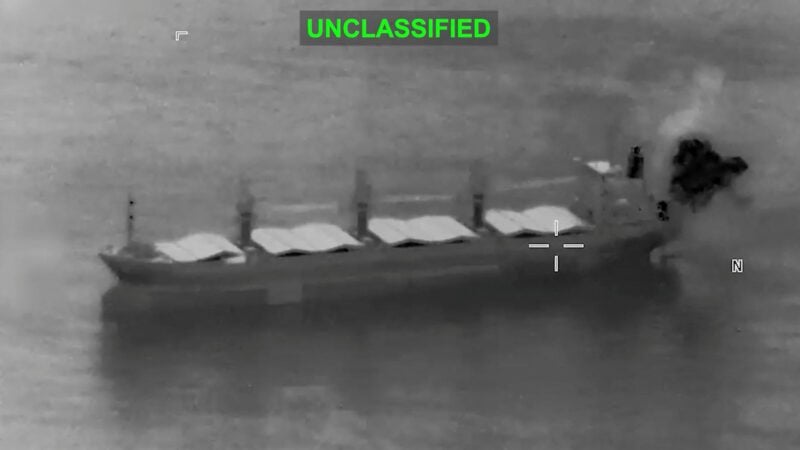
CENTCOM reports that US forces have redirected 147 commercial vessels since July and disabled five merchant ships that did not comply with blockade orders. US forces also disabled the St Kitts and Nevis-flagged M/V Huda in the Gulf of Oman; reports differ on whether the strike occurred on 7 or 8 November. Admiral Cooper announced Task Force Iron Gate, and President Donald Trump said a land blockade was in effect. In the Strait of Hormuz, UKMTO reported a tanker struck by a projectile, while a separate vessel caught fire off Khasab and the UAE National Guard reported rescuing 22 people from a cargo ship in the Gulf of Oman. The IRGC Navy’s claims that tankers struck mines and the number of vessels involved are not independently established. Iran has offered to reopen the strait within two days if the United States meets its conditions, and Tehran is reviewing Qatari proposals. Trump has said renewed strikes are highly unlikely if talks progress, while Secretary of State Marco Rubio said there was no imminent breakthrough.
Change from previous assessment
Since the 8 November brief, reporting has added Iran’s conditional offer to reopen the Strait within two days, Tehran’s review of Qatari proposals and Trump’s conditional statement that renewed strikes are highly unlikely if talks progress. Trump has also said the land blockade is in effect, while reporting gives Task Force Iron Gate a more detailed remit across Iranian land borders and the Caspian Sea. The strike outlook is lower when talks advance, but remains conditional because Rubio said no breakthrough was imminent. The Strait remains assessed as hazardous; the additional vessel reports do not resolve the earlier uncertainty over mine attribution or vessel count.
Key judgments
- US maritime enforcement against Iran is very likely to continue through 23 November. Reported: CENTCOM says US forces have redirected 147 commercial vessels since July and disabled five merchant ships; it also says a US aircraft disabled the M/V Huda in the Gulf of Oman after repeated warnings. Assessment: the blockade remains active. Multiple outlets report CENTCOM’s account, but the strike details are not independently verified, and reporting dates the Huda incident to either 7 or 8 November. (Confidence: medium · ASSESSED)
- I&W: CENTCOM reports another vessel redirection or disabling under the blockade, confirming continued enforcement. (0-14 days)
- I&W: The White House or CENTCOM announces a suspension or end to the maritime blockade, breaking the assessment. (0-14 days)
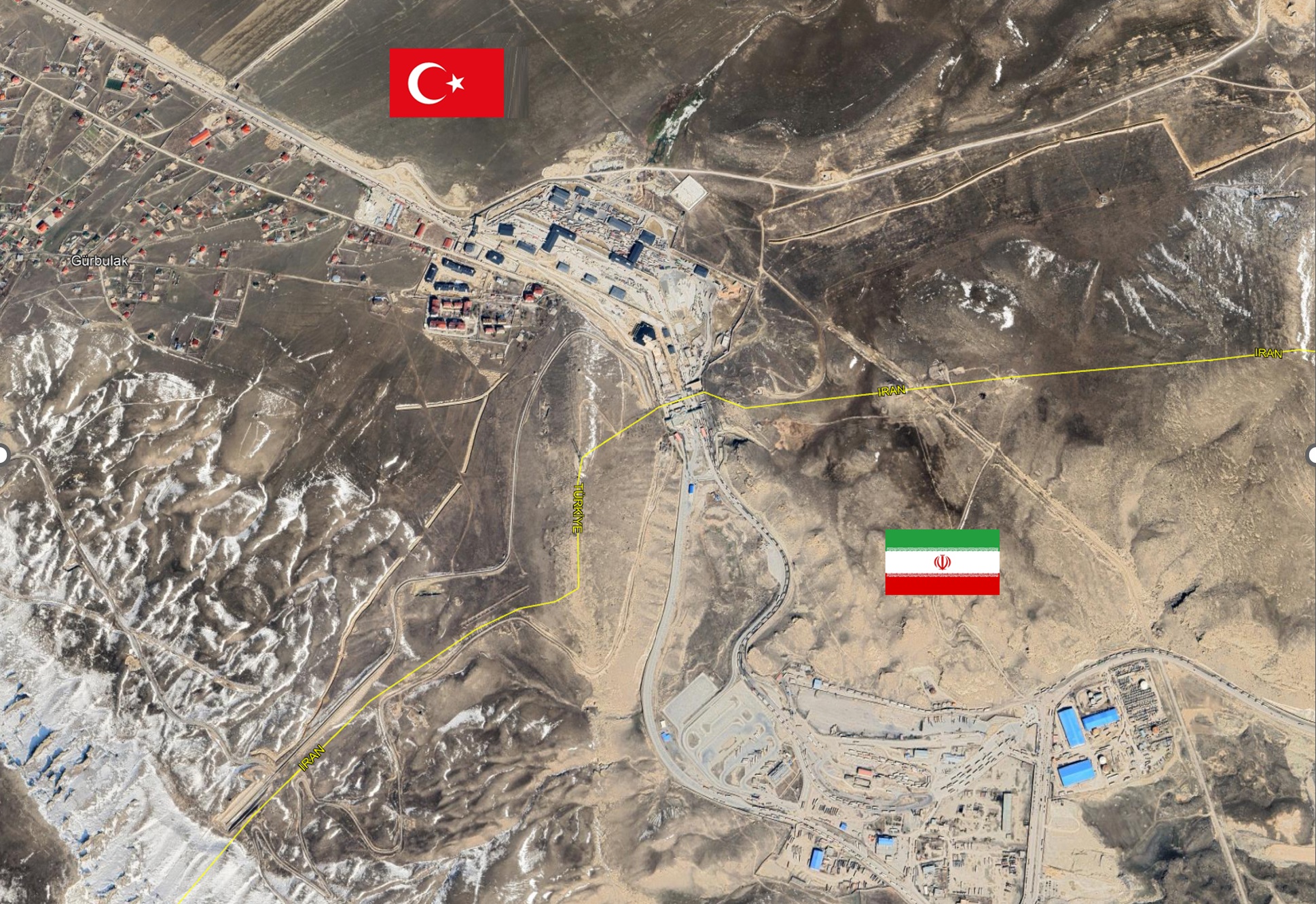
- Washington has likely broadened its declared enforcement campaign to Iranian land borders and the Caspian Sea, but the operational reach of Task Force Iron Gate remains unverified. Reported: Admiral Cooper announced the task force, whose stated remit includes preventing movement of weapons systems, dual-use technology, sanctioned materials and illicit revenue; Trump said the land blockade was in effect. The reporting describes the mission and policy claims, not a completed land or Caspian interdiction. The task-force remit is detailed in a trade publication, while the land-blockade statement rests on a major-media report. (Confidence: medium · ASSESSED)
- I&W: CENTCOM identifies a specific interdiction at an Iranian land crossing or in the Caspian Sea, confirming operational activity. (0-14 days)
- I&W: CENTCOM or the White House says the land blockade or Task Force Iron Gate has been paused or is not operational, breaking the assessment. (0-14 days)
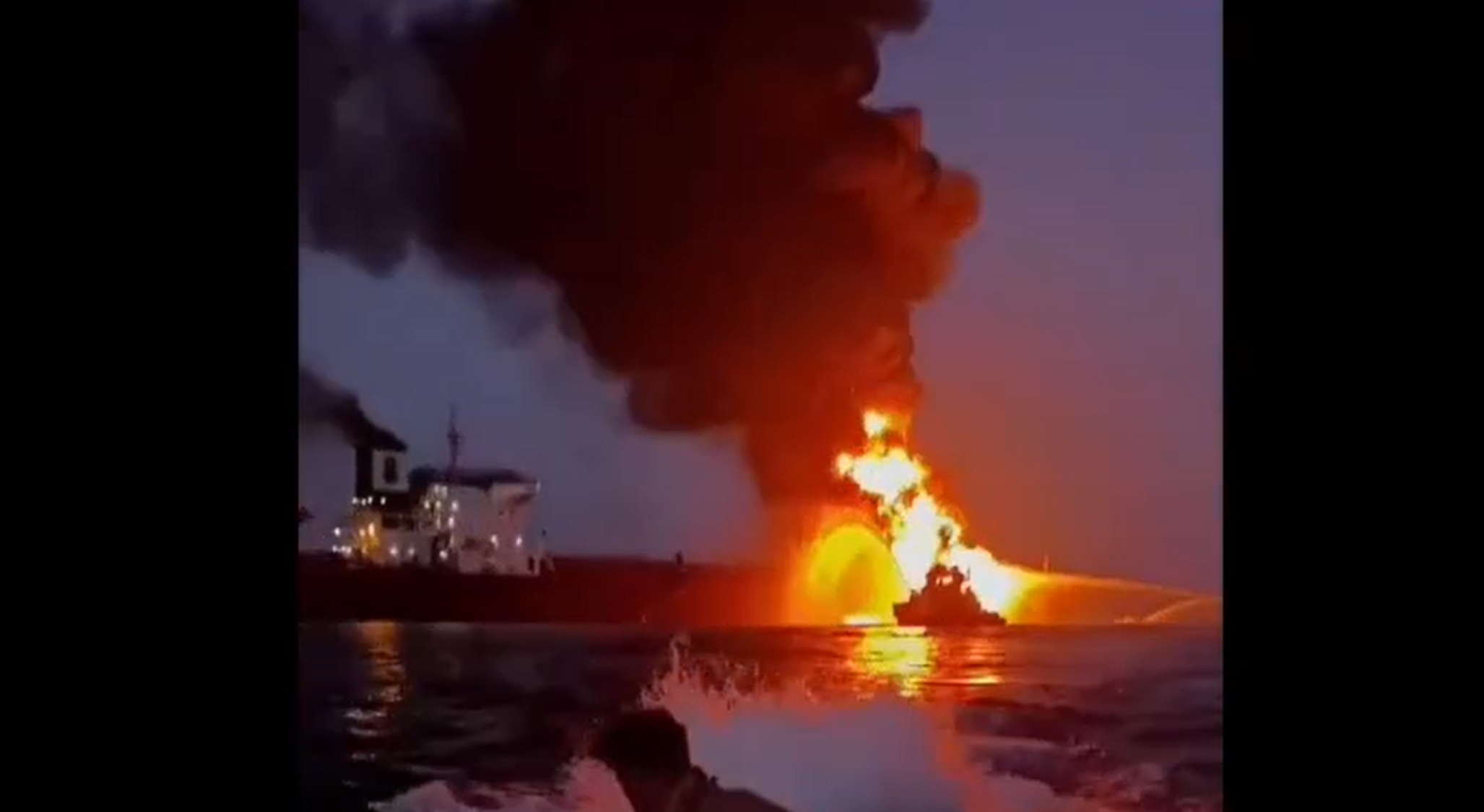
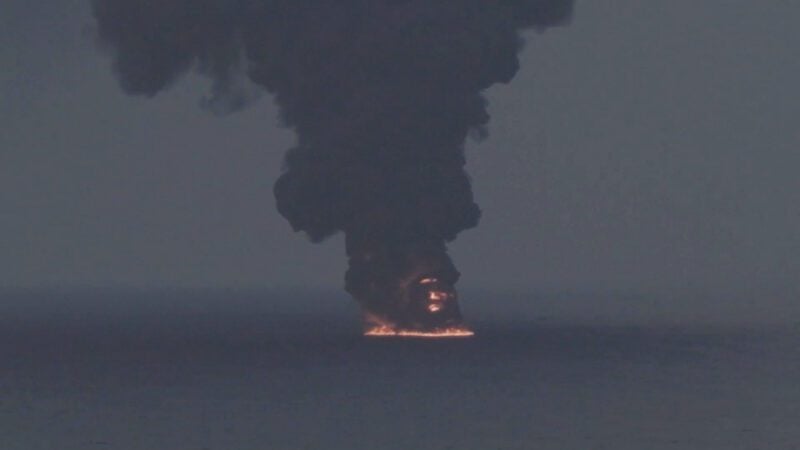
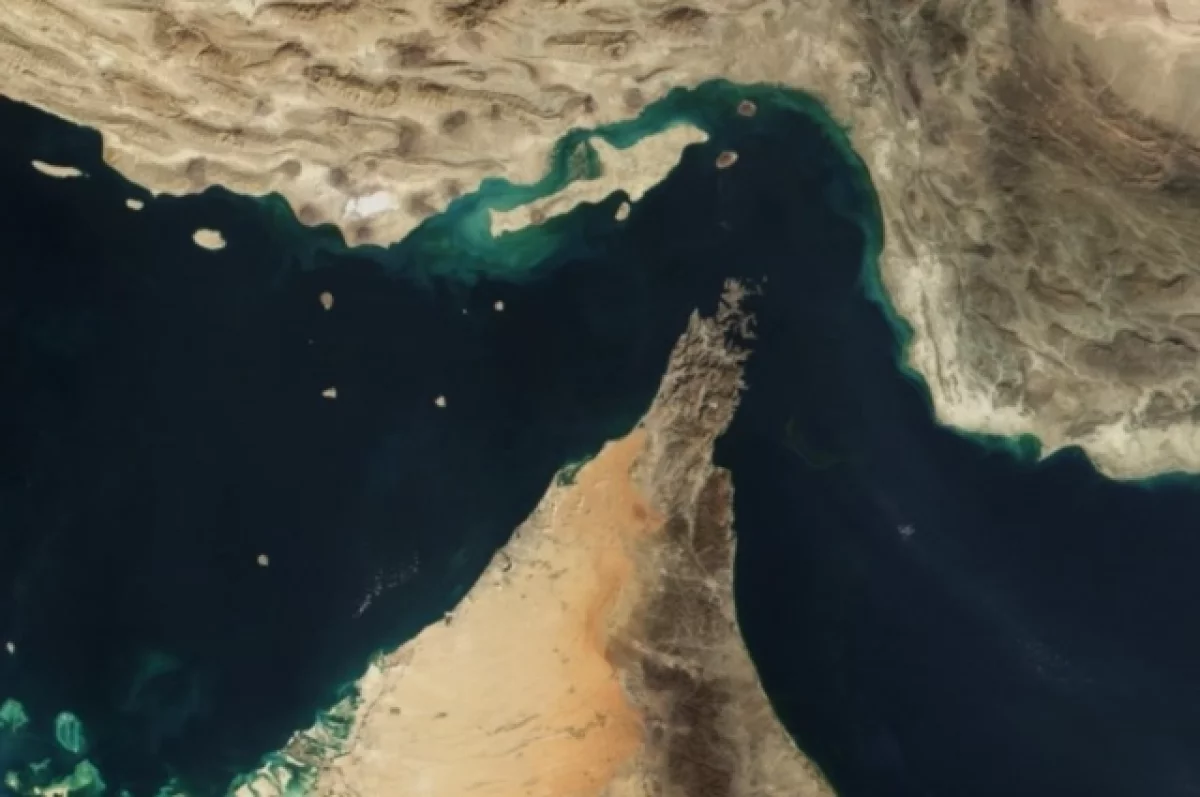
- Commercial passage through the Strait of Hormuz is very likely to remain hazardous over the next 14 days. Reported: UKMTO received a report that a tanker was hit by a projectile, and a trade publication reported that a tanker caught fire about eight nautical miles off Khasab, Oman. The IRGC Navy attributed fires to mines and described two or three affected tankers, while other reporting described at least two attacks and one fire. These accounts support an assessment of danger to shipping, but do not settle the number of vessels or the cause of the fires. One trade report also counted daily transits in the single to low double digits, while a low-reliability social-media claim described oil exports as near pre-war levels, leaving the scale of disruption uncertain. (Confidence: medium · ASSESSED)
- I&W: UKMTO reports another projectile strike or attack on a named vessel in or near the Strait, confirming continued danger. (0-14 days)
- I&W: UKMTO reports no new attacks and independently tracked daily transits return to the reported normal baseline of about 80, breaking the assessment. (1-3 months)
- A binding US-Iran agreement to reopen the Strait of Hormuz by 21 November is unlikely. Reported: Iran has offered to reopen commercial passage within two days if the United States meets its conditions, and Tehran is reviewing Qatari proposals. Trump is scheduled to meet Qatari Prime Minister Sheikh Mohammed bin Abdulrahman bin Jassim Al Thani, but Rubio said the parties were not close to a diplomatic breakthrough and described Iranian demands as unrealistic. Qatar, meanwhile, said both sides were still working towards an agreement. The positions indicate active mediation but no agreed terms; the conflicting assessments of talks limit confidence in their near-term prospects. (Confidence: medium · ASSESSED)
- I&W: The United States, Iran or Qatar announces agreed reopening terms and a timetable, breaking the assessment. (0-14 days)
- I&W: Tehran or Washington publicly rejects the Qatari process or withdraws from talks, confirming that a near-term agreement remains unlikely. (0-14 days)
- Attribution of the reported weekend explosions on Qeshm Island and elsewhere in southern Iran remains unresolved. Reported: Washington has described a limited strike on Qeshm in an earlier statement, while Tasnim reported two missiles striking the island but said neither Iran nor the United States had commented on that report. Iranian media attributed other southern explosions to Iranian military activity. The reporting may concern different incidents and dates; it does not establish who caused each explosion. The competing accounts include an official US statement, Iranian media reporting and lower-reliability social-media claims, so the attribution remains thinly supported. (Confidence: low · ASSESSED)
- I&W: CENTCOM or the White House provides a dated, location-specific account identifying the Qeshm incident and the target, clarifying attribution. (0-14 days)
- I&W: Iranian authorities publish a specific account of the explosions that is independently corroborated by imagery or other reporting, clarifying whether they were Iranian military activity. (0-14 days)
- Renewed US strikes inside Iran are unlikely over the next 14 days if talks show progress, but Trump’s statement is conditional and does not establish a decision to halt military action. Reported: Trump said strikes were highly unlikely if negotiations advanced and a strong agreement was signed. Rubio said no breakthrough was imminent, and Iran threatened retaliation if the United States resumed attacks. The public statements provide some evidence of restraint, but the condition for restraint remains unmet in the reporting. (Confidence: medium · ASSESSED)
- I&W: Qatar, Washington or Tehran confirms substantive progress on terms for reopening the strait, supporting continued restraint. (0-14 days)
- I&W: The United States announces or conducts a new strike inside Iran, breaking the assessment. (0-14 days)
Outlook & scenarios
Continued enforcement and hazardous passage (55%)
US maritime enforcement continues, and Task Force Iron Gate begins or prepares activity against Iranian supply routes beyond the sea. Qatar-mediated contacts remain active but fail to produce agreed reopening terms. Shipping through the Strait remains restricted and hazardous, while the causes of reported tanker incidents stay disputed.
Conditional reopening arrangement (30%)
Qatar helps Washington and Tehran reach a limited arrangement that permits commercial passage through the Strait within an agreed timetable. The arrangement reduces the immediate risk to shipping, but does not by itself resolve the broader dispute or establish that all US enforcement measures end.
Escalation after a contested incident (15%)
Low-probability, high-impact wildcard: a new strike or shipping incident is attributed to the other side before the facts are established. US action inside Iran or an attack on shipping prompts Iranian retaliation, further constraining passage and interrupting negotiations.
Recommendations
- Maintain a dated incident ledger for the Strait and Gulf of Oman. Record each vessel name, position, reported mechanism, source and independently confirmed damage; keep IRGC attribution separate from UKMTO incident reporting.
- Reconcile daily transit counts with the reported baseline of about 80 Strait transits per day before assessing whether flows are recovering. Treat claims of near-normal oil exports as unverified until matched to dated shipping data.
- Track Task Force Iron Gate through named interdictions, official descriptions of its operating remit and observable changes in rail or maritime traffic through the Caspian Sea. Do not treat the announcement of a land blockade as proof that it is being enforced at specific crossings.
- Monitor the scheduled Trump meeting with Qatar’s prime minister and subsequent statements from Washington, Tehran and Doha for agreed reopening terms, a timetable and evidence that commercial passage has resumed.
- Keep separate short-term assessments for renewed US strikes and Strait reopening. Trump’s public position is conditional on progress in talks, while Rubio’s remarks indicate that the parties had not reached a breakthrough.
Confidence & uncertainty
Overall confidence is high for the broad sequence of events: US blockade enforcement, reported shipping incidents and continuing Qatar-mediated contacts are covered by wire services, major media, UKMTO reporting and official statements. Confidence is lower on the precise date of the M/V Huda strike, the number and cause of tanker fires, the current scale of Strait traffic and attribution of the Qeshm explosions. Several accounts repeat statements from a party to the conflict rather than independently verifying the underlying event.
Intelligence gaps
- [EEI 1.1 · UNCOVERED] Concentrations or unusual movements of IRGC-Navy fast attack craft, small boat swarms, or escort vessels within 200 km of US/allied ships, including approach distances and formation changes. Recommended collection: maritime/AIS
- [EEI 1.2 · UNCOVERED] Detected pre-launch activity at coastal missile or rocket batteries (vehicle dispersal, fuel/warhead handling, radars powering up, transport erector launchers moving to firing positions). Recommended collection: imagery/signals
- [EEI 1.3 · UNCOVERED] Increased launch/arming/positioning of armed UAVs (MALE/loitering munitions) or tactical aircraft at Iranian coastal bases with sortie generation rates and munitions loadouts. Recommended collection: air/ADS-B/imagery
- [EEI 1.4 · UNCOVERED] Command-and-control indications of attack orders or elevated rules-of-engagement from IRGC/General Staff (intercepted communications, internal order messages, force-wide alert messages). Recommended collection: signals/human
- [EEI 2.1 · PARTIAL] Public statements or state-media broadcasts from Supreme Leader, President, Minister of Defense, or IRGC commanders indicating authorization, restraint, or conditions for retaliation. Recommended collection: open-source
- [EEI 2.2 · UNCOVERED] Issuance of formal orders, mobilization directives, travel restrictions, or official internal communications within IRGC/Armed Forces indicating escalation posture or stand-down. Recommended collection: human/diplomatic
- [EEI 2.3 · UNCOVERED] Directives, logistics movements, or communications from Iranian commanders to regional proxy militias (Houthis, Iraqi Shia militias, Lebanese groups) that change their threat posture or task them with specific operations. Recommended collection: signals/human
- [EEI 3.2 · PARTIAL] Discovery or reporting of naval mines, unexploded ordnance, or damage to fixed maritime infrastructure (oil platforms, terminals, pipelines) with geolocated imagery or on-scene assessments. Recommended collection: imagery/open-source
- [EEI 3.3 · PARTIAL] Commercial indicators of disruption: sudden increases in war-risk insurance premiums for Gulf transits, vessel re-routing decisions, port throughput reductions, or charter cancellations for Gulf shipments. Recommended collection: financial/commercial
- [EEI 3.4 · UNCOVERED] Movements or posture changes of regional state navies/air forces (Saudi, UAE, Kuwait, Bahrain, UK) such as task group departures, airbase dispersals, or announced maritime patrols near choke points. Recommended collection: open-source/imagery
Red cell review: CONCUR WITH COMMENT
TLP:CLEAR