TLP:CLEAR · Disclosure is not limited.
US-Iran Exchanges and Strait of Hormuz Risk
Time window: Last 1 day · Audience: General analyst · Type: Situation report · DTG: 2026-08-29 19:09Z · Overall confidence: LOW
BLUF
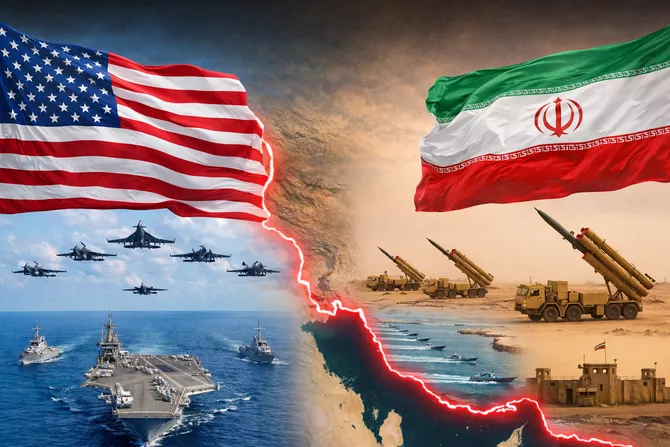
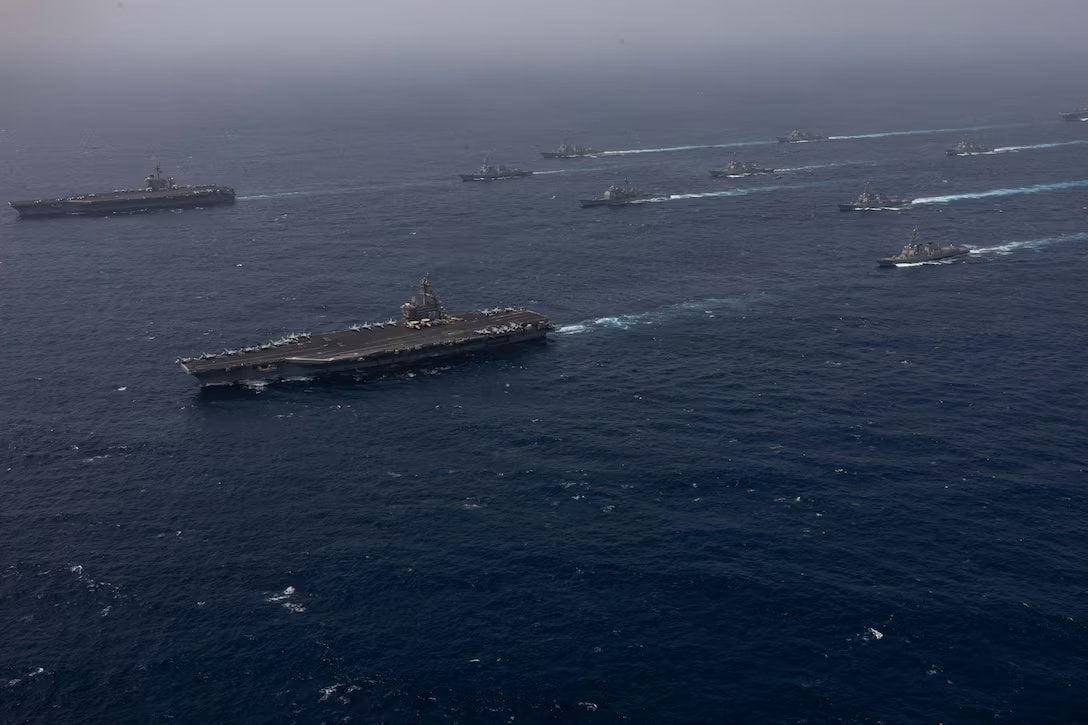
Military and maritime tension is likely to remain elevated over the next 14 days, but the operational status of the Strait of Hormuz remains contested. CENTCOM reports that Admiral Brad Cooper's forces cleared Iranian mines and Donald Trump says the strait is open, while the IRGC rejects that account, the UK maritime threat level remains severe, and shipping data show sharply different traffic levels.
Executive summary
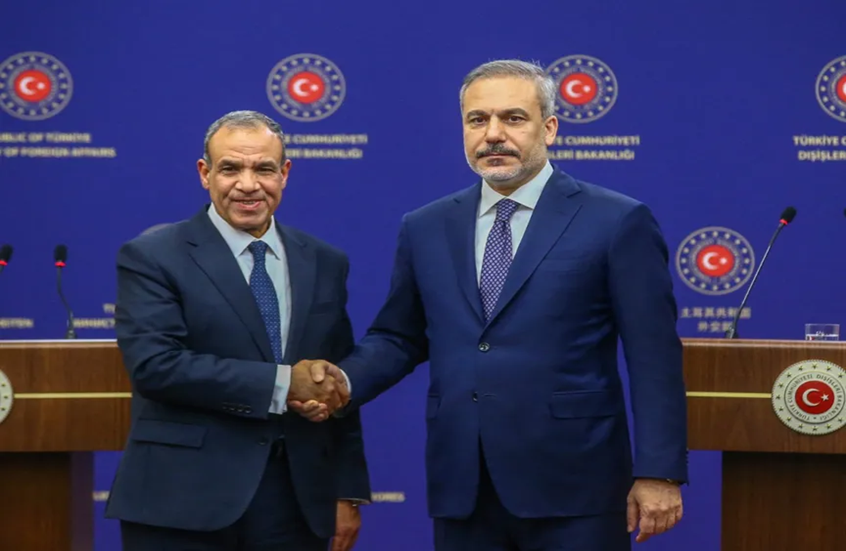
The latest reporting presents a contested maritime picture rather than reliable reopening. CENTCOM says it removed naval mines from the Strait of Hormuz, but the IRGC Navy rejects the US claim that the passage is open. Reported traffic ranges from seven commodity ships on 27 August to 20-30 tankers crossing each night, while up to 400 ships carrying around 6,000 seafarers reportedly remain unable to depart safely. Iran continues coercive rhetoric, including Mohsen Rezaei's warning that no oil would leave the Persian Gulf if the economic war continued, while Qatar, Oman, Egypt and Turkey support diplomatic efforts to restore traffic. Iran's reported 66 per cent inflation and 35 per cent decline in foreign trade add pressure on the leadership to sustain confrontation while preventing unrest.
Change from previous assessment
Since the prior brief, the assessment gives greater weight to the direct contradiction between Admiral Brad Cooper's reported mine clearance and the IRGC Navy's rejection of an open strait. It adds the reported seven-ship count from 27 August, the 20-30 tanker estimate, Egypt and Turkey's support for returning to the Islamabad understandings, and Iran's reported temporary corridor agreement with Oman. Confidence in near-term normalisation remains low and has not been raised because the new reporting does not resolve the traffic and timeline inconsistencies. The prior Patriot interceptor assessment is not carried forward because this package contains no fresh, corroborated reporting on Patriot stocks.
Key judgments
- US-Iran military confrontation is likely to remain elevated over the next 14 days, although the current record does not establish a newly dated direct exchange between the United States and Iran on 28 or 29 August. Iran's leadership is reported to favour continued confrontation with Washington, Mohsen Rezaei has threatened a severe response and an end to Persian Gulf oil exports, and the United States is reported to be focused on reducing the IRGC's offensive capability along the Hormuz littoral. This is a low-confidence assessed judgement because the relevant military reporting is largely undated or based on inconsistent conflict timelines. (Confidence: low · ASSESSED)
- I&W: CONFIRM: Within 0-14 days, Washington or Tehran reports a new strike or attack involving a US military asset or a vessel in the Persian Gulf, with corroborating operational reporting. (0-14 days)
- I&W: BREAK: Within 0-14 days, Washington and Tehran publicly confirm a direct deconfliction arrangement and no new military incident is reported in or near the Strait of Hormuz. (0-14 days)
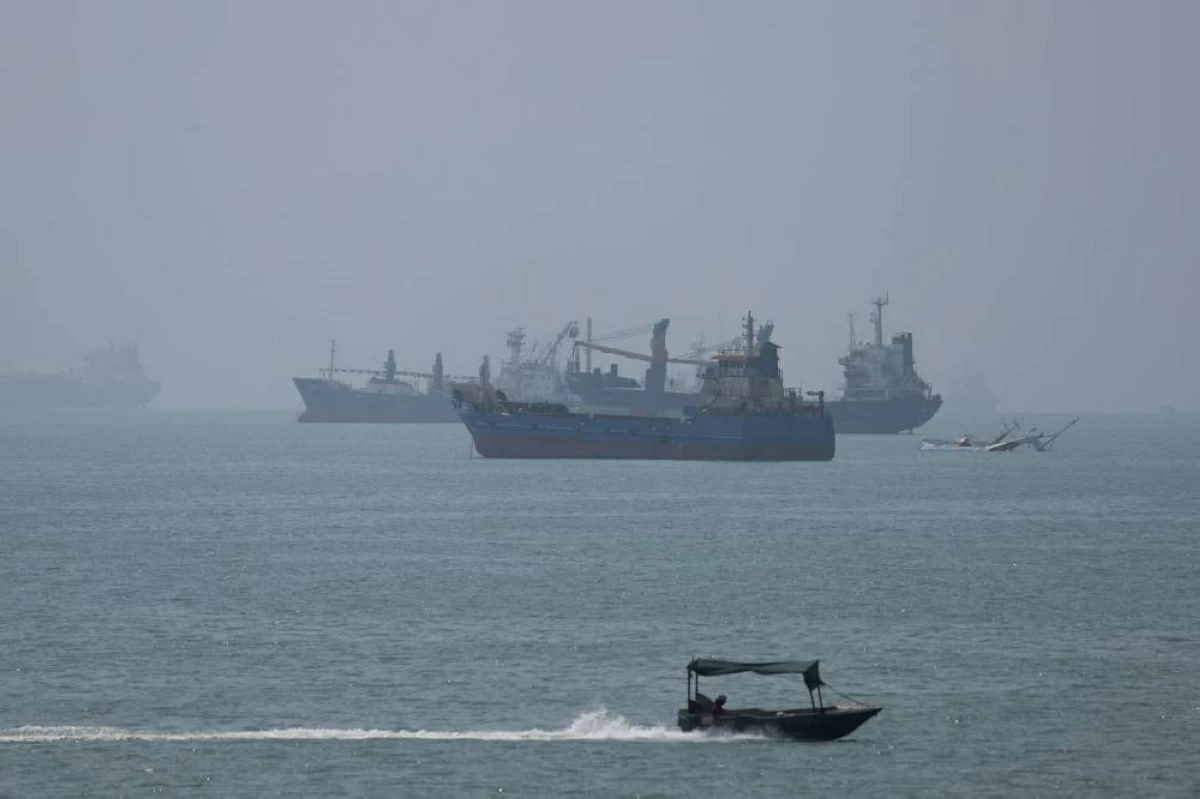
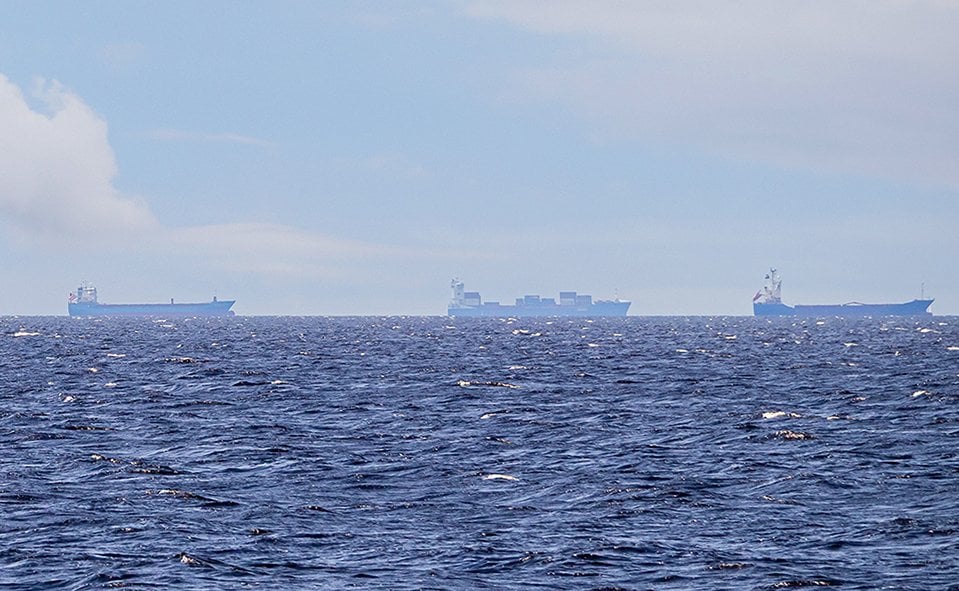
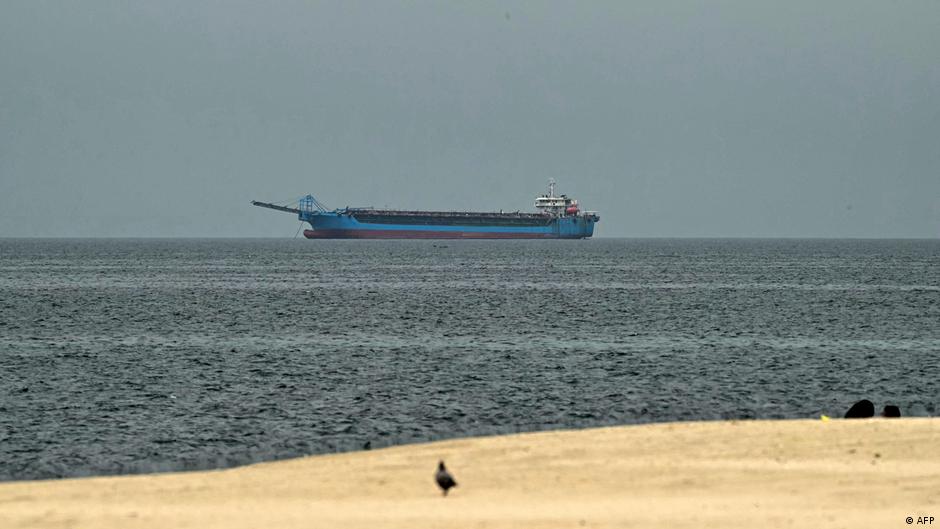
- The Strait of Hormuz is likely to remain dangerous and commercially constrained over the next 14 days despite Admiral Brad Cooper's reported mine-clearance operation. The UK maritime agency retains a severe threat assessment, the IRGC Navy rejects the US account that the strait is open, and reports indicate both seven commodity ships crossing on 27 August and 20-30 tankers crossing each night. Up to 400 ships carrying around 6,000 seafarers are also reported unable to depart safely, and the International Maritime Organization has reported 70 shipping attacks and 19 sailor deaths. This is a medium-confidence assessed judgement because official US reporting and maritime reporting support a hazardous environment, but the traffic counts and mine-clearance claims conflict and lack independent operational verification. (Confidence: medium · ASSESSED)
- I&W: CONFIRM: Within 0-14 days, the UK maritime agency retains a severe threat rating and shipping data record fewer than 10 commodity vessels crossing the strait on at least three days. (0-14 days)
- I&W: BREAK: Within 0-14 days, independently reported traffic records 20-30 tankers crossing each night for seven consecutive nights and the maritime threat rating falls below severe. (0-14 days)
- Iran is likely to combine coercive signalling with limited diplomatic engagement over the next 14 days. Mohsen Rezaei and the Iranian government continue to present resistance to US sanctions and confrontation with Washington as policy priorities, while President Masoud Pezeshkian advocates a negotiated settlement, the Iranian ambassador to Germany supports renewed dialogue, and Kazem Gharibabadi reports a temporary joint shipping corridor with Oman. This is a low-confidence assessed judgement because the record contains competing Iranian messages and several undated or inconsistently dated reports. (Confidence: low · ASSESSED)
- I&W: CONFIRM: Within 0-14 days, Mohsen Rezaei or the IRGC repeats threats against Persian Gulf oil exports or shipping while Iran continues contacts with Oman, Qatar, Egypt or Turkey. (0-14 days)
- I&W: BREAK: Within 0-14 days, Iran suspends mediator contacts and implements its reported position that the Strait of Hormuz remains closed until the end of US intervention. (0-14 days)
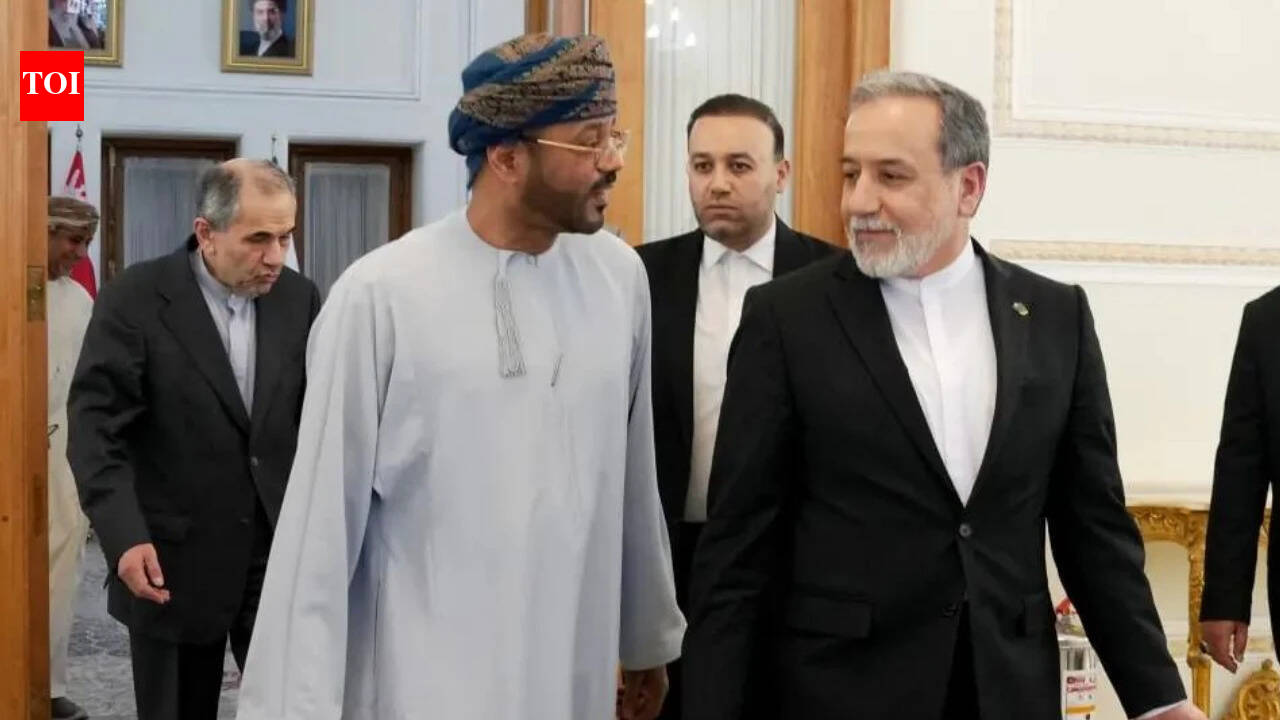
- A temporary Iran-Oman shipping arrangement is unlikely to produce full and reliable reopening of the Strait of Hormuz within the next 14 days. Iran reports an agreement with Oman to activate a temporary joint corridor, while Iran is preparing conditions in response to mediator contacts and negotiations between Washington and Tehran are reported stalled. Egypt and Turkey's support for returning to the Islamabad understandings provides a diplomatic channel, but the record does not demonstrate that the corridor has been implemented. This is a low-confidence assessed judgement based on preliminary, partly single-source reporting. (Confidence: low · ASSESSED)
- I&W: CONFIRM: Within 0-14 days, Iran and Oman publish operating conditions for the temporary corridor and shipping data record the first transits under that arrangement. (0-14 days)
- I&W: BREAK: Within 0-14 days, no operating conditions or corridor transits appear and the IRGC reiterates that movement through the strait requires Iranian authorisation. (0-14 days)
- Iran's economic squeeze is likely to reinforce the leadership's internal security focus without producing immediate political concessions. Reporting places annual inflation at 66 per cent and foreign trade down by about 35 per cent, while Iranian leaders acknowledge the war's economic costs and are focused on preventing fresh protests. The reported move towards a harder-line political and military structure, including the appointment of Hossein Taeb as head of the Basij, supports this assessment. This is a low-confidence assessed judgement because the economic figures are undated or inconsistently dated, and the political-structure reporting relies mainly on major-media assessments. (Confidence: low · ASSESSED)
- I&W: CONFIRM: Within 1-3 months, Iranian authorities announce new restrictions linked to economic pressure while senior officials repeat that confrontation with Washington must continue. (1-3 months)
- I&W: BREAK: Within 1-3 months, fresh nationwide protests emerge and Iran responds with a verifiable policy concession or a sustained reduction in confrontation rhetoric. (1-3 months)
Outlook & scenarios
Managed but hazardous transit (45%)
The United States maintains the reported mine-cleared shipping lanes, Iran avoids a new major attack, and the Iran-Oman corridor begins limited operation. Traffic rises gradually from the seven commodity ships reported on 27 August, but the UK maritime threat assessment remains severe and shipping costs stay elevated.
Prolonged contested access (30%)
The IRGC maintains its rejection of the US account that the Strait of Hormuz is open. Traffic remains uneven, ships continue to wait in the Persian Gulf, and diplomatic contacts produce no operating arrangement. The confrontation remains below a fully closed strait but continues to disrupt commercial movement.
Negotiated de-escalation (20%)
Qatar, Oman, Egypt and Turkey help Washington and Tehran translate mediator contacts into operating conditions for the strait. Iran and Oman activate the temporary corridor, the severe maritime assessment is reduced, and the US plan to expand the main channel to 50 ships each night by 15 September proceeds.
Implemented closure and regional shock, low-probability, high-impact wildcard (5%)
Iran implements its reported closure position, the IRGC increases pressure on vessels and Mohsen Rezaei's warning on Persian Gulf oil exports becomes operational policy. Commercial traffic falls sharply, the number of stranded ships rises, and the United States faces a wider requirement to protect shipping while diplomatic contacts stall.
Recommendations
- Maintain separate traffic baselines for commodity ships and tankers. Do not reconcile the reported seven-ship count with the 20-30 tanker count until the source definitions and observation periods are established.
- Treat the CENTCOM mine-clearance and Trump open-water statements as reported US positions, not as proof of safe passage. Require independent vessel-tracking, maritime-agency and incident reporting before assessing operational normalisation.
- Prioritise collection during the next 14 days on three indicators: new attacks on US assets or shipping, repeated IRGC statements on Iranian authorisation of transit, and implementation of the Iran-Oman corridor.
- Use 15 September as a formal review point for the US plan to expand the main shipping channel. Compare the announced capacity of 50 ships per night with observed crossings and the UK maritime threat rating.
- Track the diplomatic channel separately from the military picture. Record whether Oman, Qatar, Egypt and Turkey produce written operating conditions, verified corridor transits or a return to the Islamabad understandings.
- Flag 2023-dated conflict, casualty and diplomatic claims before using them to update the 2026 baseline. Retain the current low headline confidence until the war timeline, mine-clearance claims and shipping counts are reconciled.
Confidence & uncertainty
Overall confidence is low. Several claims come from major-media reporting, and some official or agency statements provide useful direct attribution, but the record mixes 2023 dates with 2026 reporting, contains incompatible conflict timelines and presents conflicting accounts of mine clearance and shipping access. The key US and Iranian positions directly contradict one another, while several military and diplomatic claims are undated or single-source. The traffic figures also measure different vessel categories or periods without enough information to establish a consistent baseline.
Intelligence gaps
- [EEI 1.1 · UNCOVERED] Concentrations or unusual movements of IRGC-Navy fast attack craft, small boat swarms, or escort vessels within 200 km of US/allied ships, including approach distances and formation changes. Recommended collection: maritime/AIS
- [EEI 1.2 · UNCOVERED] Detected pre-launch activity at coastal missile or rocket batteries (vehicle dispersal, fuel/warhead handling, radars powering up, transport erector launchers moving to firing positions). Recommended collection: imagery/signals
- [EEI 1.3 · UNCOVERED] Increased launch/arming/positioning of armed UAVs (MALE/loitering munitions) or tactical aircraft at Iranian coastal bases with sortie generation rates and munitions loadouts. Recommended collection: air/ADS-B/imagery
- [EEI 1.4 · UNCOVERED] Command-and-control indications of attack orders or elevated rules-of-engagement from IRGC/General Staff (intercepted communications, internal order messages, force-wide alert messages). Recommended collection: signals/human
- [EEI 2.2 · UNCOVERED] Issuance of formal orders, mobilization directives, travel restrictions, or official internal communications within IRGC/Armed Forces indicating escalation posture or stand-down. Recommended collection: human/diplomatic
- [EEI 2.3 · UNCOVERED] Directives, logistics movements, or communications from Iranian commanders to regional proxy militias (Houthis, Iraqi Shia militias, Lebanese groups) that change their threat posture or task them with specific operations. Recommended collection: signals/human
- [EEI 2.4 · PARTIAL] Changes in Iran's diplomatic exchanges with key states (offers of negotiation, warnings, or coordination with Russia/China) or requests for deconfliction with maritime/naval actors. Recommended collection: diplomatic
- [EEI 3.1 · PARTIAL] Incidents involving commercial vessels within the Strait of Hormuz or Persian Gulf: attacks, boarding attempts, near-misses, AIS spoofing or deliberate AIS outages, including vessel IDs and locations. Recommended collection: maritime/AIS
- [EEI 3.2 · PARTIAL] Discovery or reporting of naval mines, unexploded ordnance, or damage to fixed maritime infrastructure (oil platforms, terminals, pipelines) with geolocated imagery or on-scene assessments. Recommended collection: imagery/open-source
- [EEI 3.3 · PARTIAL] Commercial indicators of disruption: sudden increases in war-risk insurance premiums for Gulf transits, vessel re-routing decisions, port throughput reductions, or charter cancellations for Gulf shipments. Recommended collection: financial/commercial
- [EEI 3.4 · UNCOVERED] Movements or posture changes of regional state navies/air forces (Saudi, UAE, Kuwait, Bahrain, UK) such as task group departures, airbase dispersals, or announced maritime patrols near choke points. Recommended collection: open-source/imagery
Cited sources
[1] Times of India · No surrender, no dissent: How six months of war hardened Iran’s leadership (B) · sha256:dfbe9a7a0a61 [2] caspianpost.com · US-Israel War on Iran, Six Months Down the Line: In Numbers (B) · sha256:7fdba17444bd [3] maritime-executive.com · Maritime Security: A War Gone Wrong (B) · sha256:9d18b88cf558 [4] BBC News عربي · إيران: مواجهة العقوبات الأمريكية واستمرار القيود على الملاحة في مضيق هرمز - BBC News عربي (A) · sha256:1287d6781fd8 [5] alkhaleej.ae · «أكسيوس»: أمريكا قوضت قدرة إيران على تهديد الملاحة بـ «هرمز» (B) · sha256:74a13429d5bb [6] eanlibya.com · ترامب يؤكّد أن مضيق هرمز مفتوح. إيران ترد: سيطرتنا عليه «مطلقة وحاسمة» (B) · sha256:977cf29461df [7] finance.mail.ru · Иран признал экономические потери от войны с США: санкции, торговля, Ормузский пролив (B) · sha256:7da13addede4 [8] Fox News Digital · Strait of Hormuz traffic remains below normal as US sanctions pressure Iran | Live Updates from Fox News Digital (A) · sha256:0318821e3ba5 [9] maritime-executive.com · IMO: 400 Ships and 6,000 Seafarers Are Still Unable to Depart Persian Gulf (B) · sha256:3bd74a41bdbe [10] dw.com · Около 400 судов застряли в Персидском заливе из-за войны (A) · sha256:59e73ae4b61b [11] RT · مصر وتركيا تؤكدان ضرورة العودة لتفاهمات إسلام آباد (B) · sha256:d4381d632958 [12] Sky News Arabia · التصعيد بين أميركا وإيران. آخر الأخبار (B) · sha256:4262cc62ec68 [13] firstpost.com · Six months into Iran war, hard-liners tighten grip as Tehran prepares for prolonged US confrontation (B) · sha256:d40685b0c481
Source content hashes were computed at collection time; the cited text is preserved unmodified for the life of this product.
Red cell review: CONCUR WITH COMMENT
TLP:CLEAR