TLP:CLEAR · Disclosure is not limited.
US-Iran Exchanges Continue, Gulf Bases Exposed, Hormuz Constrained
Time window: Last 1 day · Audience: General analyst · Type: Situation report · DTG: 2026-09-03 15:07Z · Overall confidence: HIGH
BLUF
The US-Iran exchange has continued into 3 September, with CENTCOM reporting strikes on approximately 100 IRGC targets and Iran launching missiles and drones towards US-linked positions in Bahrain, Jordan, Kuwait and Iraq. It is very likely that exchanges and regional disruption will continue over the next 14 days, while Strait of Hormuz traffic remains heavily constrained and Israel stays on heightened alert without yet being directly targeted in this phase.
Executive summary
US strikes on Iranian air-defence, radar, maritime, mine-laying and communications sites have been followed by Iranian missile and drone attacks against US-linked positions across Bahrain, Jordan, Kuwait and Iraq. Kuwait reported further interceptions, while the reported scope of attacks involving Iraq and the UAE remains unresolved. Strait of Hormuz traffic fell to six commodity vessels on 2 September, even as US forces escorted 40 commercial vessels carrying about 18 million barrels of oil on 1 September. Tanker damage and responsibility remain disputed. Iranian casualty reports, including the deaths of four people at a wedding near Kuhestak, have prompted condemnation from UN Secretary-General António Guterres, while CENTCOM denies deliberately targeting civilians.
Change from previous assessment
Since the 2 September brief, the assessment has shifted from likely continuing exchanges to very likely continuation through 17 September because reporting now describes another US campaign against approximately 100 IRGC targets, additional Iranian attacks and named exposure at Ali Al Salem Air Base, Fifth Fleet facilities, Sheikh Isa Air Base, Muwaffaq Salti Air Base and Camp Tatin. Confidence that Hormuz traffic is constrained has increased with the report of only six commodity-vessel crossings on 2 September, although confidence in tanker attribution remains medium because US, Iranian and shipping-company accounts conflict. The assessment now gives greater weight to the risk of direct Israeli entry following Israel Katz's renewed infrastructure warnings, while adding the 3 November political constraint on US escalation.
Key judgments
- It is very likely that US-Iran military exchanges will remain active through 17 September 2026. CENTCOM reported a campaign against approximately 100 IRGC targets across Iran, including air-defence networks, radar, naval assets and drone facilities. Iran has launched missile and drone attacks towards US-linked positions, and Kuwait reported additional interceptions early on 3 September. Donald Trump has also stated that Washington is ready to conduct another attack. Multiple official and major-media accounts corroborate the existence of the exchange, although damage assessments remain incomplete. (Confidence: high · ASSESSED)
- I&W: Confirms if CENTCOM or Iranian military authorities report another strike or launch involving Iranian military infrastructure or US-linked positions in Bahrain, Jordan, Kuwait or Iraq. (0-14 days)
- I&W: Breaks if Washington and Tehran both announce and observe a military pause, with no further reported strikes or launches through 17 September. (0-14 days)
- It is likely that Iranian missile and drone activity against US-linked positions in Bahrain, Jordan, Kuwait and Iraq will continue over the next 14 days. The reported target set includes Ali Al Salem Air Base, Fifth Fleet facilities, Sheikh Isa Air Base, Muwaffaq Salti Air Base and Camp Tatin. Kuwait has confirmed interceptions, while US reporting states that 10 of 25 ballistic missiles directed towards Jordan were intercepted and three landed without casualties. The UAE's inclusion and the extent of reported attacks in Iraq remain less well corroborated, lowering confidence in the full geographic scope. (Confidence: medium · ASSESSED)
- I&W: Confirms if Bahrain, Jordan or Kuwait report another interception or impact, or if Iran announces attacks against one of the named bases. (0-14 days)
- I&W: Breaks if Bahrain, Jordan and Kuwait report no further launches or interceptions and CENTCOM records no attacks against the named facilities through 17 September. (0-14 days)
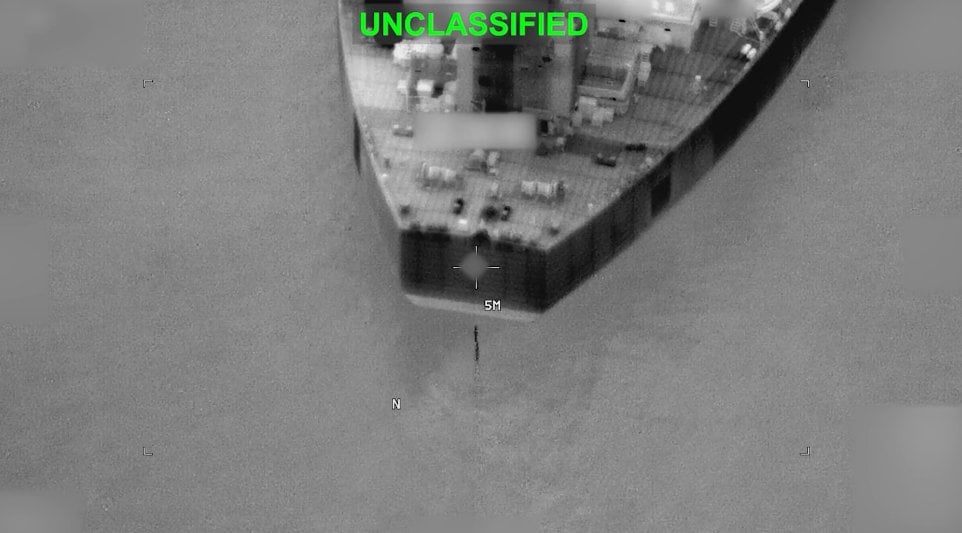
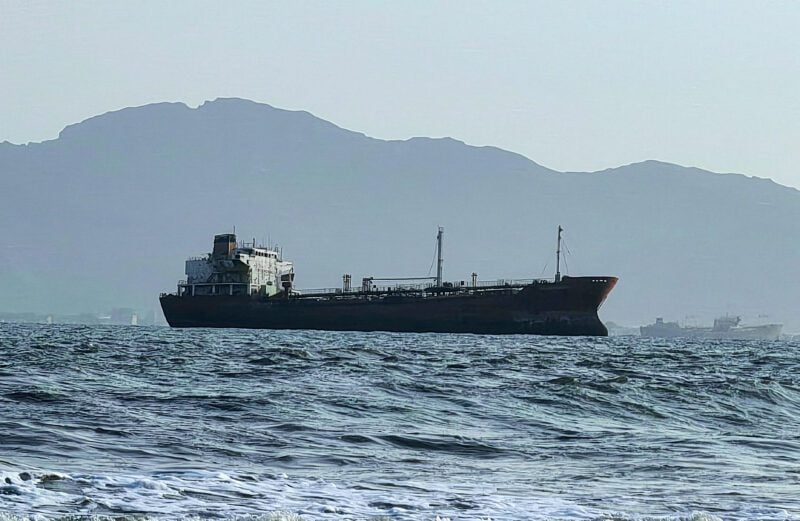
- It is very likely that commercial shipping through the Strait of Hormuz will remain heavily constrained through 17 September, and it is unlikely that normal traffic will resume during that period. Kpler data recorded six commodity vessels crossing on 2 September, compared with a recent 10-day average of about 13. Iran continues to threaten vessels transiting without its authorisation. US forces have escorted 40 commercial vessels carrying about 18 million barrels of oil, while also redirecting 86 vessels, disabling three and boarding two. The cause, ownership and location of recent tanker incidents remain disputed between US, Iranian and shipping-company accounts, so confidence in attribution is medium. (Confidence: medium · ASSESSED)
- I&W: Confirms if daily commodity-vessel crossings remain below the recent average of about 13 and Iran maintains its authorisation threat or adds vessels to its restricted list. (0-14 days)
- I&W: Breaks if crossings return to about 13 or more for three consecutive days and Iran lifts its threat against unauthorised transits. (0-14 days)
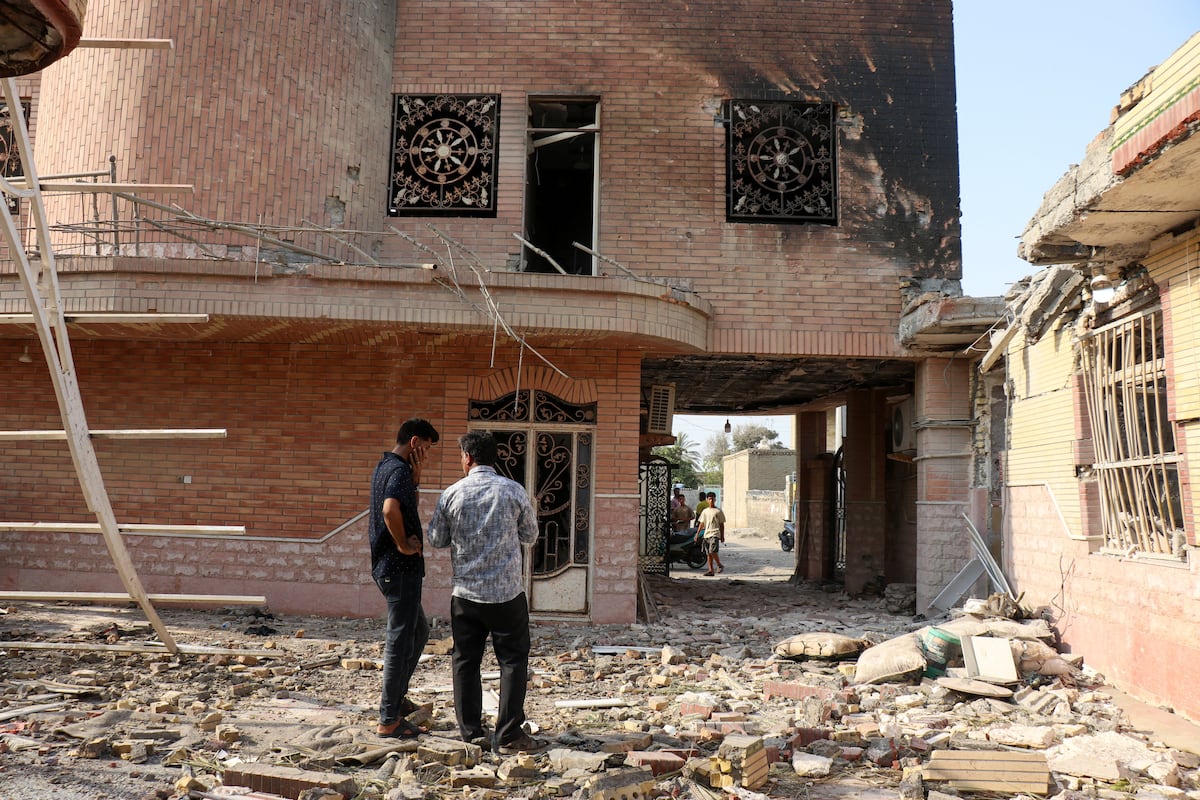
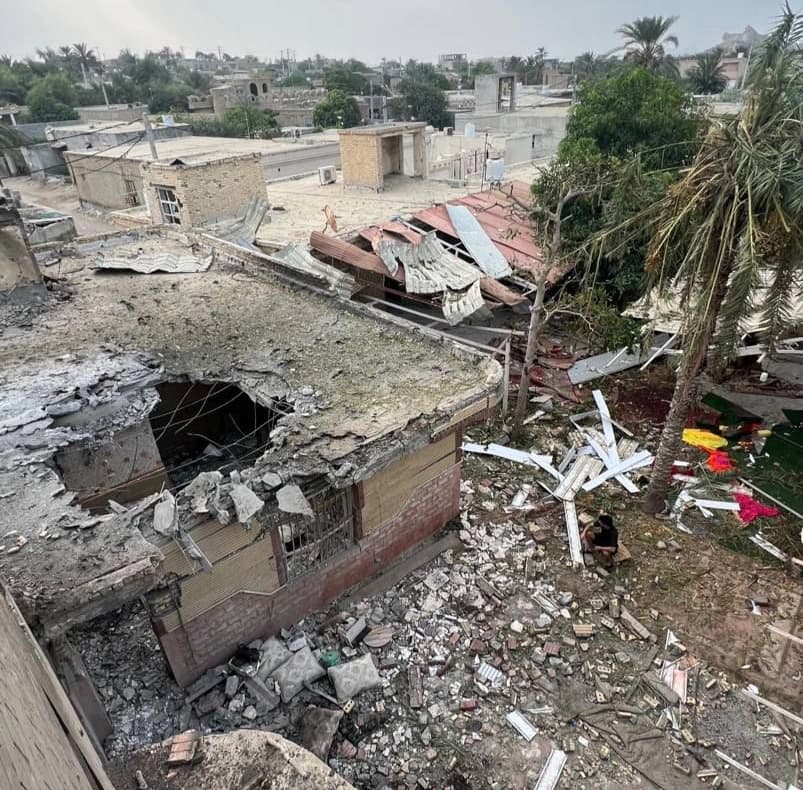
- It is likely that reports of civilian harm in Iran will continue to drive accusations against Washington and calls for an end to military action over the next 1-3 months. Iranian authorities reported 18 deaths and 108 injuries from US strikes, while the Ministry of Health separately reported 18 deaths and 142 injuries over a broader period. The Iranian Red Crescent reported four deaths and 67 injuries at a wedding near Kuhestak, and an earlier Minab school strike was reported to have killed 160 people. These casualty figures and the attribution of individual incidents are not independently verified, and the Pentagon has not issued final findings on the Minab strike. Confidence is therefore lower on the scale and responsibility for civilian harm than on the persistence of the dispute itself. (Confidence: medium · ASSESSED)
- I&W: Confirms if António Guterres or other UN officials issue further statements on civilian casualties, or if Iranian authorities release additional casualty reports tied to named strikes. (0-14 days)
- I&W: Breaks if the Pentagon publishes final findings that materially reject the reported Minab account and independent reporting does not substantiate further civilian casualty claims. (1-3 months)
- It is likely that Washington will favour repeated, focused strikes rather than an immediate ground invasion while senior Trump aides seek to limit escalation before the 3 November midterm elections. The reported US strategy relies on repeated attacks against Iranian capabilities, while Donald Trump continues to threaten harder and higher-level strikes. Israeli Defence Minister Israel Katz has warned that Israel would target Iranian military, civilian and energy infrastructure if Iran attacks Israel. This conflicting signalling leaves a realistic route to wider US or Israeli operations and lowers confidence in the durability of the containment effort. (Confidence: medium · ASSESSED)
- I&W: Confirms if CENTCOM reports another limited strike against IRGC-linked capabilities while senior White House aides continue to signal containment before 3 November. (0-14 days)
- I&W: Breaks if Washington announces expanded operations before 3 November or Israel conducts strikes against Iranian national or energy infrastructure. (1-3 months)
Outlook & scenarios
Continued bounded exchange and constrained Hormuz traffic (65%)
Iran continues missile and drone attacks against US-linked positions in Bahrain, Jordan, Kuwait and Iraq, while the US conducts focused strikes against IRGC capabilities in Iran. Gulf air-defence systems continue interceptions, and commercial traffic through the Strait of Hormuz remains well below its recent average with selected US-escorted movements.
Temporary operational pause before the US midterm elections (30%)
Washington limits further strikes and Tehran reduces attacks after political and military contacts, allowing a short pause before 3 November. The pause does not resolve the dispute over US strikes, Iranian retaliation or maritime access, and tanker restrictions remain in place.
Direct Israeli entry and wider infrastructure strikes (35%)
A confirmed Iranian attack on Israel triggers Israeli action under Israel Katz's stated response conditions. Israeli strikes target Iranian national, civilian or energy infrastructure, prompting additional Iranian attacks on US-linked bases and increasing pressure on Bahrain, Jordan, Kuwait and Iraq.
High-impact maritime escalation (15%)
A further tanker incident causes additional deaths or a confirmed attack on a US-linked facility. Washington applies the tanker-for-tanker policy more openly, Iran expands restrictions on unauthorised vessels, and Strait of Hormuz traffic approaches a near halt.
Recommendations
- Maintain a daily incident matrix for Ali Al Salem Air Base, Fifth Fleet facilities, Sheikh Isa Air Base, Muwaffaq Salti Air Base and Camp Tatin. Record launch type, interception, impact location, damage and the source of each claim separately.
- Keep Bahrain, Jordan and Kuwait as the confirmed immediate exposure set. Track Iraq and the UAE separately as partially corroborated locations until official statements and independent reporting reconcile the conflicting target lists.
- Track Strait of Hormuz conditions against three measures: daily commodity-vessel crossings, US escorts and boardings, and Iranian restrictions or blacklist additions. Flag any return towards the recent average of about 13 crossings or any further fall below six.
- Maintain separate attribution lines for the tanker incidents. Distinguish the US account of deliberate strikes on Iranian state-owned tankers, the Iranian mine account, and reports involving Saudi crude tankers and Bahri's Sidr.
- Monitor Israeli Defence Minister Israel Katz's statements, Israeli force alert status and any reported strike on Iranian national or energy infrastructure. Treat any such strike as a trigger for reassessing the bounded-exchange scenario.
- Request independent verification of Iranian casualty figures and track any Pentagon findings on the Minab school strike. Present the 18 deaths and 108 or 142 injuries as separate reported totals until their time windows are reconciled.
- Track whether Treasury implements the proposed measures against airlines, the maritime industry and digital assets, and assess their effects alongside Brent crude, WTI and shipping behaviour rather than treating price movements alone as evidence of physical supply loss.
Confidence & uncertainty
Overall confidence is high because the central military exchange is corroborated by CENTCOM, Iranian announcements, Gulf government statements and reporting from major media and wire services. Shipping disruption is supported by Kpler vessel counts, company reporting, Iranian maritime warnings and US operational statements. The main uncertainties concern the full target list, the cause and ownership of damaged tankers, the methodology behind conflicting oil-flow figures, and the independently unverified Iranian casualty totals.
Intelligence gaps
- [EEI 1.1 · PARTIAL] Number, type, launch times, and trajectories of ballistic missiles, cruise missiles, armed UAV strikes, and combat-air sorties launched by Iranian or Israeli forces toward the other's territory or forward bases within a 72-hour window. Recommended collection: signals/intel
- [EEI 1.2 · PARTIAL] Observable changes in Israeli and Iranian force posture: mobilization or reserve call-up orders, unit road/rail movements, dispersal or sortie rates of air squadrons, redeployment of air-defense batteries, and activation of civil-defense alerts or sirens in major population centers. Recommended collection: open-source/media
- [EEI 1.3 · PARTIAL] Indications of strike authorization or targeting preparations in Iranian or Israeli command chains: authenticated public orders by senior commanders, detected increases in encrypted communications consistent with targeting, or visible movement of strike munitions to launch/storage sites. Recommended collection: signals/intel
- [EEI 2.1 · UNCOVERED] Counts, launch locations (coordinates), weapons types, and assessed damage from rocket/missile/drone strikes originating from Lebanon into northern Israel attributed to Hezbollah or allied groups. Recommended collection: open-source/media
- [EEI 2.2 · UNCOVERED] Reported attacks by Iranian-backed militias in Iraq and Syria: rocket/IED strikes on bases hosting US/coalition or Israeli personnel, documented militia unit movements toward borders, and captured movement or transfer of weapons systems to forward militia positions. Recommended collection: human
- [EEI 3.1 · UNCOVERED] Movements and arrival dates of foreign military assets into the region: carrier strike groups, amphibious ships, surface combatants, strategic airlift/tanker deployments, and air/sea patrol patterns by US, European, Russian, or regional militaries. Recommended collection: imagery/satellite
- [EEI 3.2 · PARTIAL] Concrete diplomatic and political actions: emergency UN/Arab League meetings called, official embassy evacuation orders, public declarations of intent to interpose or protect shipping/airspace, and newly announced sanctions or arms-transfer approvals tied to the conflict. Recommended collection: diplomatic
TLP:CLEAR