TLP:CLEAR · Disclosure is not limited.
US-Iran Exchanges Expand Across Gulf and Shipping Routes
Time window: Last 1 day · Audience: General analyst · Type: Situation report · DTG: 2026-09-08 23:08Z · Overall confidence: HIGH
BLUF
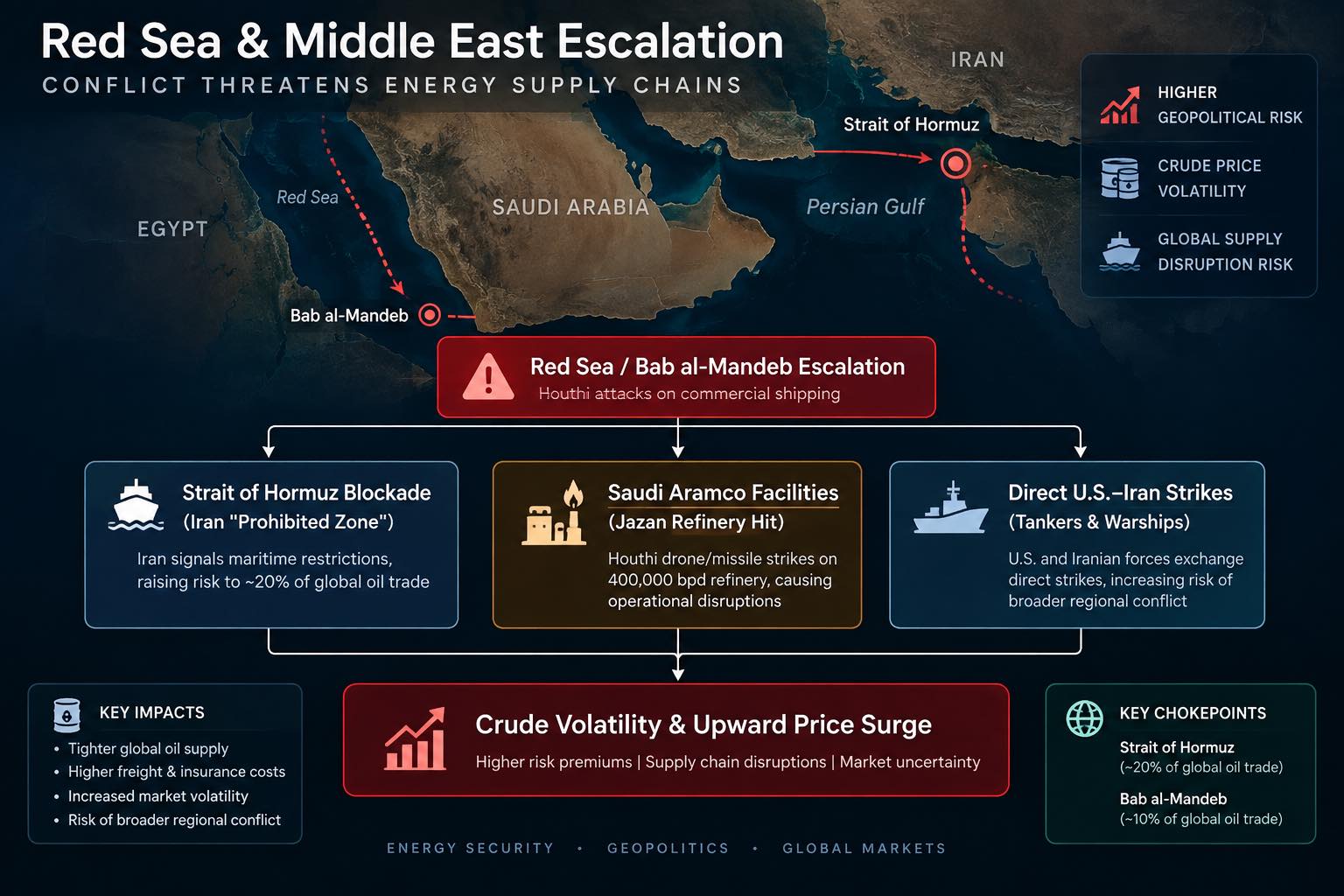
US-Iran military exchanges very likely intensified on 8 September 2026, with CENTCOM reporting five Iranian tanker losses after two attempted missile attacks on a US warship. Commercial traffic through the Strait of Hormuz is very likely to remain severely constrained through 21 September despite one Qatari LNG transit, while Houthi attacks on Saudi energy sites are likely to sustain regional spillover.
Executive summary
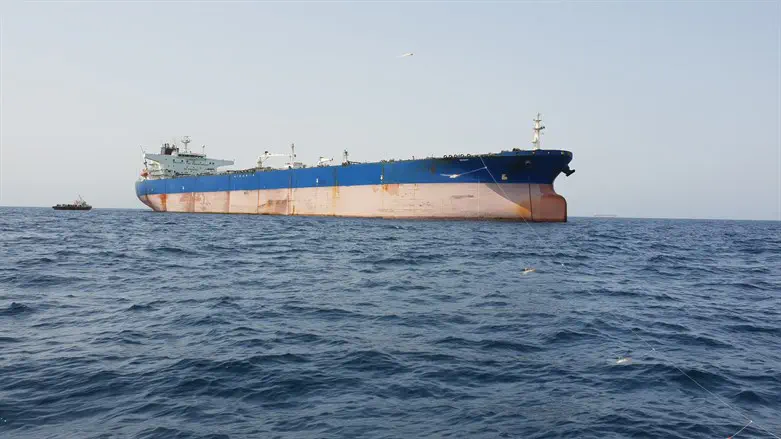
On 8 September, US forces reported strikes on five Iranian crude tankers near Kharg Island and in the Gulf of Oman after two attempted Iranian ballistic-missile attacks on a US warship. Iranian state television confirmed attacks on at least three tankers but differed on the outcome. Iran threatened a maritime exclusion zone, warned tanker crews near Kuwait and Bahrain, and continued to disrupt traffic through the Strait of Hormuz. An average of approximately 10 commodity vessels crossed daily during the preceding 10 days, although one Qatari LNG tanker completed a visible transit to Pakistan. Houthi attacks affected Saudi energy facilities and cities, increasing the risk of a wider maritime and regional escalation.
Change from previous assessment
Since the 7 September 2026 brief, the assessment has added a reported 8 September US strike on five named Iranian tankers following two attempted missile attacks on a US warship. It now gives greater weight to Iran's proposed exclusion zone and its warnings to tanker crews near Kuwait and Bahrain. The shipping judgement remains very likely constrained, but the first visible Qatari LNG exit to Pakistan provides evidence of limited movement rather than a complete halt. Confidence remains high on intensified exchanges, medium on the scale and location of tanker losses, and medium on the prospects for de-escalation.
Key judgments
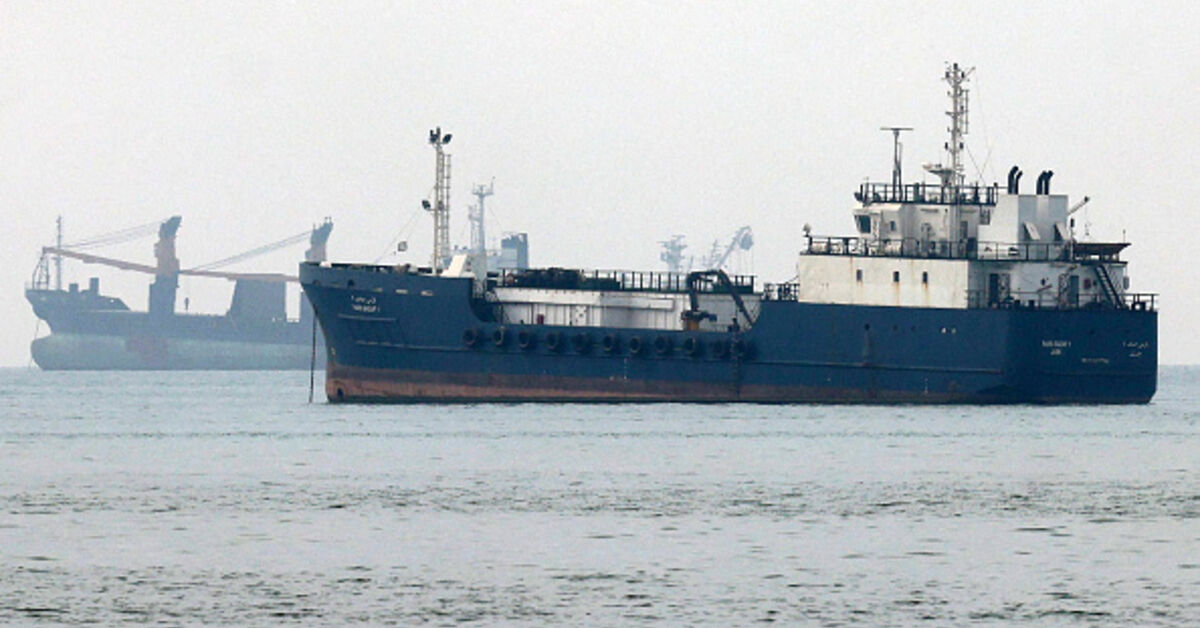
- US-Iran military exchanges very likely intensified on 8 September 2026. CENTCOM reported that US forces destroyed five Iranian crude tankers, naming M/T Kaviz, M/T Charminar, M/T Horizon 1, M/T Riesco and M/T Derya in the Gulf of Oman and near Kharg Island, after two Iranian ballistic-missile attempts against a US warship over two days. Iranian state television reported that at least three tankers were attacked and their crews evacuated. The number of tankers, damage status, precise locations and stated trigger remain contested. (Confidence: high · REPORTED)
- I&W: Confirm: Within 0-14 days, CENTCOM releases imagery or a damage assessment matching the five named tankers at Kharg Island and in the Gulf of Oman, while US officials record two separate attempted missile attacks. (0-14 days)
- I&W: Break: Within 0-14 days, official US reporting revises the Tuesday total below five and independent maritime reporting finds no corroboration for the second missile attempt or the reported tanker strikes. (0-14 days)
- Commercial traffic through the Strait of Hormuz is very likely to remain severely constrained through 21 September 2026, despite one Qatari LNG tanker sailing to Pakistan in the first visible Qatari LNG exit since July. Approximately 10 commodity vessels crossed daily during the preceding 10 days, while Iran continued disrupting navigation and announced a planned exclusion zone. Reporting differs between a disrupted waterway and an effectively closed waterway, and the zone's geographic scope and enforcement threshold remain unconfirmed. (Confidence: medium · ASSESSED)
- I&W: Confirm: Within 0-14 days, Iran publishes exclusion-zone coordinates or a vessel blacklist and Kpler or AIS data shows fewer than 15 commodity vessels per day transiting the Strait of Hormuz. (0-14 days)
- I&W: Break: Within 0-14 days, verified traffic rises above 30 commodity vessels per day for seven consecutive days, including additional Qatari LNG sailings, without new Iranian warnings or attacks. (0-14 days)
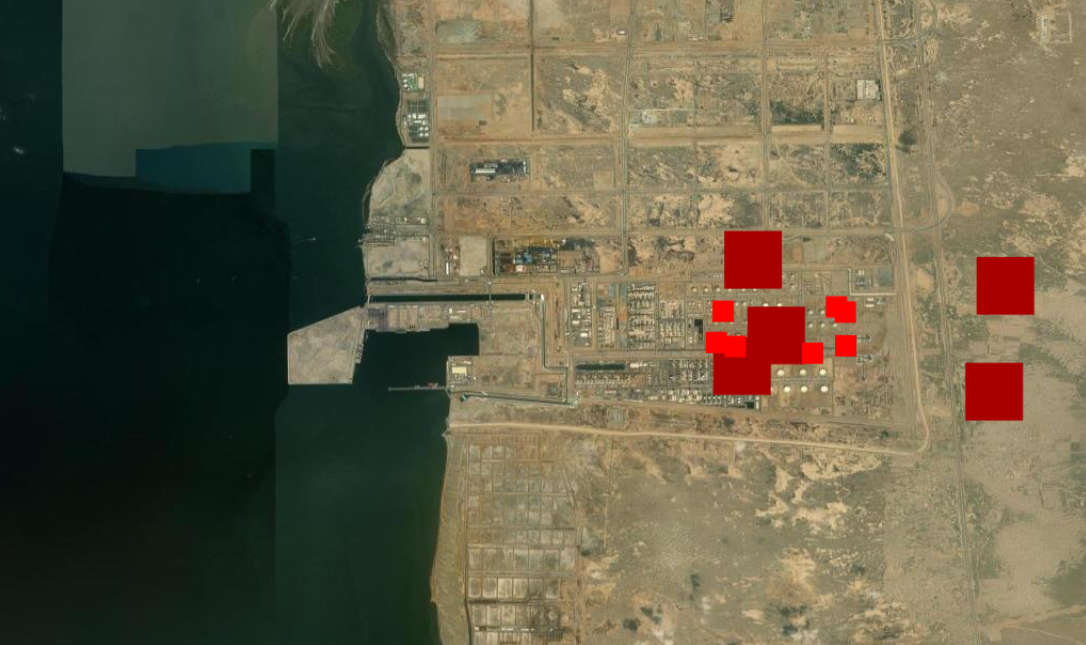
- Regional spillover is likely to persist through 21 September 2026, with immediate pressure centred on Saudi Arabia's energy infrastructure and the Bab al-Mandab approaches. Houthi attacks reportedly set fires at the Jazan refining complex and targeted Abha, Khamis Mushait, Jazan and Najran; Saudi authorities reported 73 civilian injuries and the Saudi-led coalition threatened operational measures. Fighting between Houthi and Yemeni government forces is reported near Taiz, Mokha and Bab al-Mandab. Attribution and the scope of the associated Houthi offensives remain partly contested. (Confidence: medium · ASSESSED)
- I&W: Confirm: Within 0-14 days, the Saudi-led coalition reports new strikes on Houthi positions in Marib, al-Bayda, Hudaydah, Taiz or Jawf, while Houthi launches again target Abha, Khamis Mushait, Jazan, Najran or Saudi energy facilities. (0-14 days)
- I&W: Break: Within 0-14 days, Saudi authorities suspend retaliatory operations and no Houthi drone or missile attack is reported against the named Saudi cities or energy sites. (0-14 days)
- Further US-Iran military action is likely through 21 September 2026, while a durable ceasefire is unlikely. Secretary of State Marco Rubio said the US would continue targeting Iranian oil tankers after attacks or attempted attacks on US naval ships, while Mohsen Rezaei said Iran had recalibrated its posture and warned of a maritime exclusion zone. Iran's claim that an Oman-mediated safe route is imminent offers an off-ramp, but that claim is single-source, the reported June memorandum of understanding is low-confidence, and both sides accuse each other of failing to implement commitments. (Confidence: medium · ASSESSED)
- I&W: Confirm: Within 0-14 days, the US announces additional tanker strikes after a further Iranian missile attempt, or Iran issues new threats against US bases and tanker crews in Kuwait and Bahrain. (0-14 days)
- I&W: Break: Within 0-14 days, Oman announces a signed safe-route arrangement with verified vessel passages and both the US and Iran publicly confirm a halt to tanker strikes and missile attacks. (0-14 days)
Outlook & scenarios
Sustained US-Iran tit-for-tat and constrained Hormuz traffic (50%)
Through 21 September 2026, the US continues striking Iranian tankers after further attempted attacks on US naval ships. Iran maintains warnings to tanker crews near Kuwait and Bahrain and advances an exclusion-zone policy. Hormuz traffic remains near recent lows, with isolated LNG or commodity transits.
Limited maritime deconfliction (25%)
Iran and Oman operationalise a temporary safe route. Qatari LNG and other commercial traffic through the Strait of Hormuz increases, but remains below pre-war levels. US sanctions and Iranian warnings continue, leaving the arrangement vulnerable to another military exchange.
Regional spillover widens (15%)
Houthi attacks continue against Jazan, Abha, Khamis Mushait and Najran, prompting Saudi coalition strikes in Yemen. Fighting near Taiz, Mokha and Bab al-Mandab increases pressure on Red Sea shipping while US-Iran exchanges continue.
High-impact Gulf closure and attacks on protected assets (10%)
Low-probability, high-impact wildcard: Iran enforces a maritime exclusion zone, attacks or attempts to seize additional tankers near Kuwait and Bahrain, and acts on warnings to target US bases after further tanker strikes. Hormuz traffic approaches a full halt and the Oman channel fails.
Recommendations
- Maintain a 24-hour event ledger for the five named tankers, recording each vessel's reported location, damage status, crew status and source attribution. Separate CENTCOM claims from Iranian state-media reporting until imagery or independent maritime evidence reconciles the count.
- Track the Strait of Hormuz with daily Kpler and AIS measures. Record total commodity-vessel crossings, LNG transits, vessel destinations and any Iranian exclusion-zone coordinates or blacklist. Treat the waterway as severely constrained rather than fully closed until the conflicting descriptions are resolved.
- Prioritise collection on Saudi energy sites in Jazan, Abha, Khamis Mushait and Najran, including fire reports, operational status and Saudi coalition response. Track Bab al-Mandab activity near Taiz and Mokha separately from attacks on Saudi territory.
- Use the stated US and Iranian retaliation thresholds as escalation alerts. Flag any further Iranian missile attempt against a US naval ship, additional US tanker strikes, new IRGC warnings near Kuwait or Bahrain, or Iranian threats against US bases.
- Keep the Oman safe-route claim on a separate diplomatic track. Do not treat it as an operational agreement until Oman or both parties publish terms and commercial vessels complete verified passages.
- Do not treat Iran's reported capture of the US unmanned underwater vehicle as confirmed. Maintain both explanations, Iranian seizure and US-reported malfunction, until physical evidence or an official joint account resolves the dispute.
- Monitor Brent crude and Dutch gas futures alongside shipping data. A further rise from Brent's USD 99.46 level or renewed pressure on European gas storage would indicate that the military exchanges are producing wider energy-market effects.
Confidence & uncertainty
Overall confidence is high because the core sequence is supported by multiple major-media reports, US military statements, Iranian state television, wire-service shipping data, Kpler analysis and satellite or industry reporting. Confidence is lower on the exact number and condition of tankers, the precise strike locations, the scope of Iran's proposed exclusion zone, the cause of the undersea-drone loss and the status of the Oman safe-route proposal. These unresolved issues affect scale and attribution, but not the high-confidence judgement that direct exchanges and shipping disruption intensified.
Intelligence gaps
- [EEI 1.1 · UNCOVERED] Concentrations or unusual movements of IRGC-Navy fast attack craft, small boat swarms, or escort vessels within 200 km of US/allied ships, including approach distances and formation changes. Recommended collection: maritime/AIS
- [EEI 1.2 · UNCOVERED] Detected pre-launch activity at coastal missile or rocket batteries (vehicle dispersal, fuel/warhead handling, radars powering up, transport erector launchers moving to firing positions). Recommended collection: imagery/signals
- [EEI 1.3 · PARTIAL] Increased launch/arming/positioning of armed UAVs (MALE/loitering munitions) or tactical aircraft at Iranian coastal bases with sortie generation rates and munitions loadouts. Recommended collection: air/ADS-B/imagery
- [EEI 1.4 · PARTIAL] Command-and-control indications of attack orders or elevated rules-of-engagement from IRGC/General Staff (intercepted communications, internal order messages, force-wide alert messages). Recommended collection: signals/human
- [EEI 2.2 · PARTIAL] Issuance of formal orders, mobilization directives, travel restrictions, or official internal communications within IRGC/Armed Forces indicating escalation posture or stand-down. Recommended collection: human/diplomatic
- [EEI 2.3 · UNCOVERED] Directives, logistics movements, or communications from Iranian commanders to regional proxy militias (Houthis, Iraqi Shia militias, Lebanese groups) that change their threat posture or task them with specific operations. Recommended collection: signals/human
- [EEI 2.4 · PARTIAL] Changes in Iran's diplomatic exchanges with key states (offers of negotiation, warnings, or coordination with Russia/China) or requests for deconfliction with maritime/naval actors. Recommended collection: diplomatic
- [EEI 3.2 · UNCOVERED] Discovery or reporting of naval mines, unexploded ordnance, or damage to fixed maritime infrastructure (oil platforms, terminals, pipelines) with geolocated imagery or on-scene assessments. Recommended collection: imagery/open-source
- [EEI 3.4 · PARTIAL] Movements or posture changes of regional state navies/air forces (Saudi, UAE, Kuwait, Bahrain, UK) such as task group departures, airbase dispersals, or announced maritime patrols near choke points. Recommended collection: open-source/imagery
TLP:CLEAR