TLP:CLEAR · Disclosure is not limited.
US-Iran Exchanges Expand Across the Gulf and Strait of Hormuz
Time window: Last 1 day · Audience: General analyst · Type: Situation report · DTG: 2026-09-03 15:37Z · Overall confidence: HIGH
BLUF
The United States and Iran have almost certainly continued direct military exchanges through 3 September, with Iranian attacks reaching US-linked positions in Kuwait, Bahrain, Jordan and Iraq and an Iranian air-defence claim involving a US MQ-9 over Khomein. Commercial shipping through the Strait of Hormuz is very likely to remain severely restricted, while the Ali al-Taher standoff creates a separate escalation pathway involving Israel, Hezbollah and Iran.
Executive summary
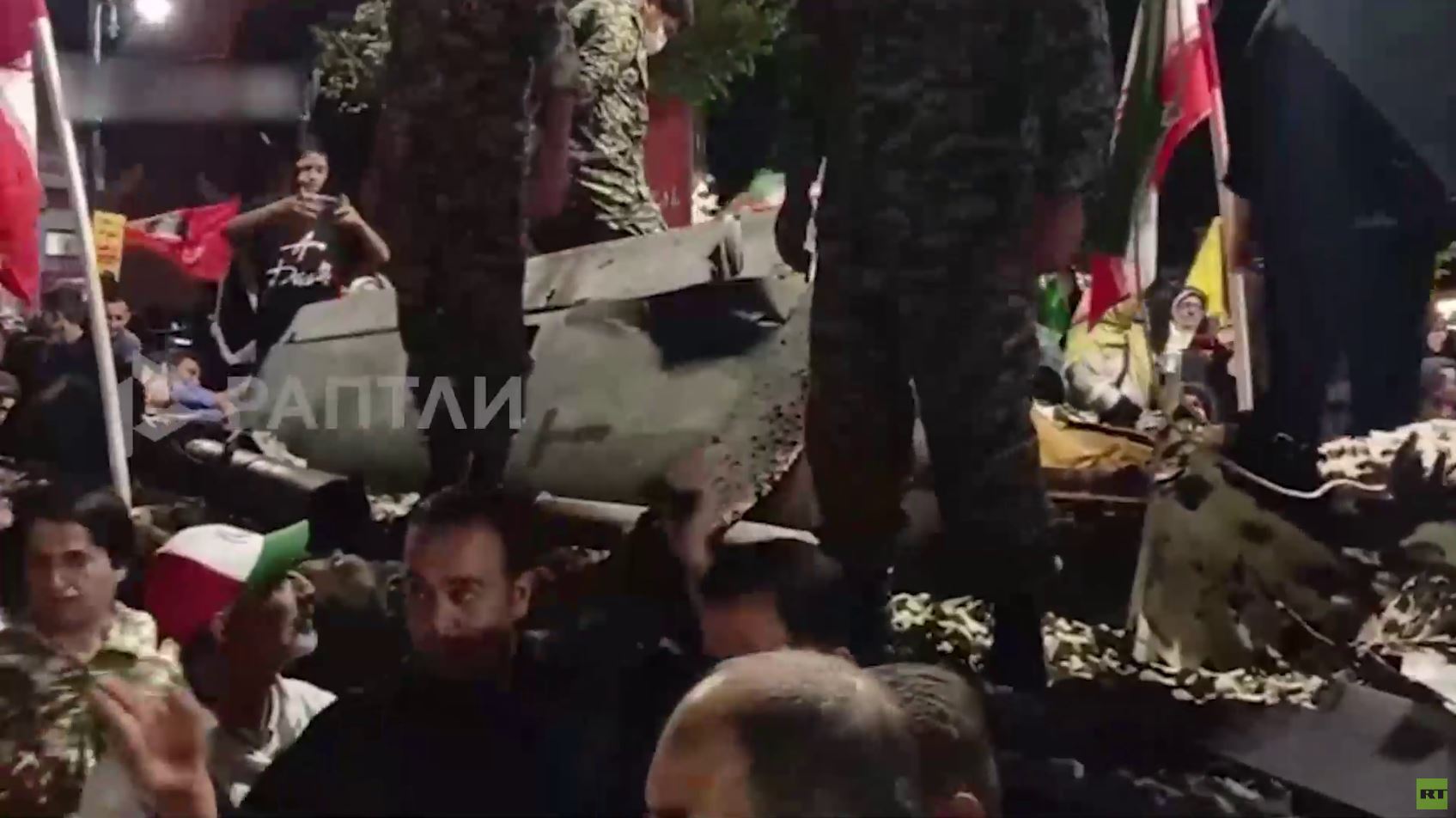
US strikes on Iranian military infrastructure near the southern coast and Strait of Hormuz on 1-2 September were followed by Iranian missile and drone attacks on US-linked positions across the Gulf. Kuwait reported intercepting Iranian missiles and drones on 3 September, while Iranian media published footage it identified as the wreckage of a US MQ-9 over Khomein. Shipping remains constrained despite a US escort of 40 vessels carrying about 18 million barrels of oil on 1 September. Iranian authorities reported 18 deaths and 108 injuries from US strikes, while reports on the Kuhestak wedding strike put the death toll at five and the number injured at 67-68. US Central Command denies deliberately targeting civilians. Israel's warning of attacks on Iranian civilian and energy infrastructure, combined with the Ali al-Taher standoff in southern Lebanon, raises the risk of another front.
Change from previous assessment
Since the 2 September brief, the assessment now incorporates the 3 September Iranian attack reported against Kuwait, the reported loss of a US MQ-9 over Khomein, the latest Iranian casualty figures, Israel Katz's explicit threats against Iranian civilian and energy infrastructure, and the Ali al-Taher confrontation involving Israel, Hezbollah and Iranian personnel. Confidence that direct US-Iran exchanges are continuing remains high. The assessment of Hormuz disruption has been extended from the next 0-14 days to the end of 2026, based on Mitsui OSK's revised outlook. A new judgement covers the Lebanon escalation pathway, and a separate judgement treats Pentagon force-posture changes as exploratory rather than an announced withdrawal.
Key judgments
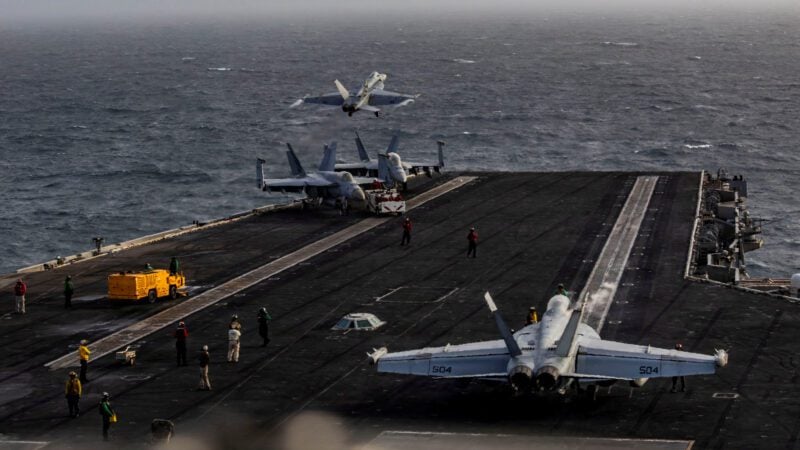
- The United States and Iran have almost certainly continued direct military exchanges through 3 September. US strikes on 1-2 September targeted IRGC air-defence, radar, naval, mine-laying and communications sites along Iran's southern coast and near the Strait of Hormuz, while Iran launched missiles and drones against US-linked positions in Bahrain, Jordan, Kuwait and Iraq. Iranian media also published footage it identified as the wreckage of a US MQ-9 shot down over Khomein on 3 September. The exact sequencing of attack waves remains unresolved because some reporting dates the wide-scale US strikes to 2 September while US Central Command reporting dates related strikes to 1 September. (Confidence: high · REPORTED)
- I&W: CONFIRM: US Central Command, Iran's military, or the defence ministries of Kuwait, Bahrain or Jordan report another exchange of missiles, drones or strikes involving named US or Iranian military targets. (0-14 days)
- I&W: BREAK: The United States and Iran announce a cessation of military operations and no further US strikes, Iranian launches or air-defence engagements are reported for 14 consecutive days. (0-14 days)
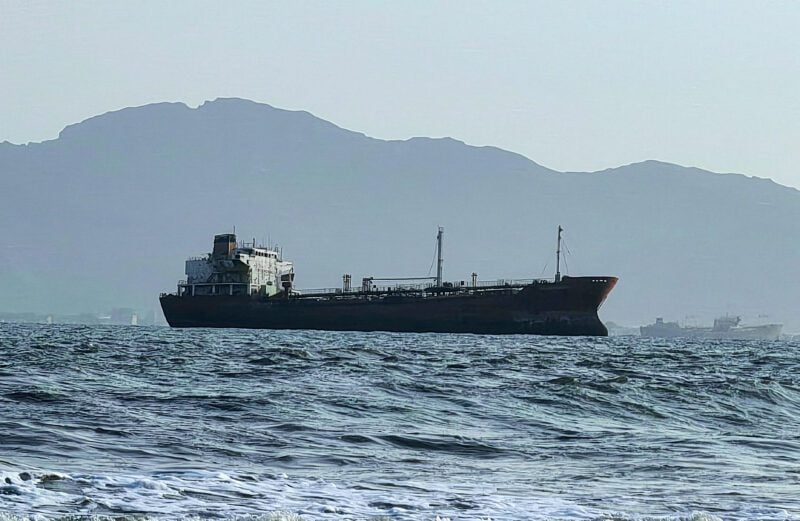
- Commercial shipping through the Strait of Hormuz will very likely remain severely restricted over the next 0-30 days and face disruption through the end of 2026, despite the US ability to escort convoys. Lloyd's List Intelligence recorded 102 transits in the previous week, against 130 or more per day before the war, and Japanese shipowners have largely avoided the Gulf. Mitsui OSK chief executive Jotaro Tamura said operations were unlikely to resume in any form by year-end. The 40-vessel US-escorted movement on 1 September and estimates of 6-8 million barrels per day crossing before the latest strikes indicate that the waterway remains partially active rather than completely closed. (Confidence: medium · ASSESSED)
- I&W: CONFIRM: Lloyd's List Intelligence records weekly Strait of Hormuz transits below 126 and UKMTO continues to report attacks on vessels on most days. (0-14 days)
- I&W: BREAK: Lloyd's List Intelligence records 130 or more transits per day for seven consecutive days and Japanese shipowners announce a sustained return to Gulf operations. (1-3 months)
- Iran is likely to conduct further attacks on US-linked positions in Bahrain, Jordan, Kuwait and Iraq over the next 0-14 days, increasing pressure on Washington and Gulf governments to expand their military involvement. Iran's military has claimed attacks on US bases in Kuwait and the UAE, Kuwait reported interceptions on 3 September, and Bahrain and Jordan reported earlier interceptions. The precise number and timing of attack waves remain uncertain because official accounts differ over whether the retaliation occurred on 26 August, 1-2 September or 3 September. (Confidence: medium · ASSESSED)
- I&W: CONFIRM: Iran's military claims another launch against a named US position in Bahrain, Jordan, Kuwait or Iraq, or Kuwait, Bahrain or Jordan reports another interception. (0-14 days)
- I&W: BREAK: Iran announces a halt to attacks on US-linked positions and no further launches or interceptions are reported in Bahrain, Jordan, Kuwait or Iraq for 14 consecutive days. (0-14 days)
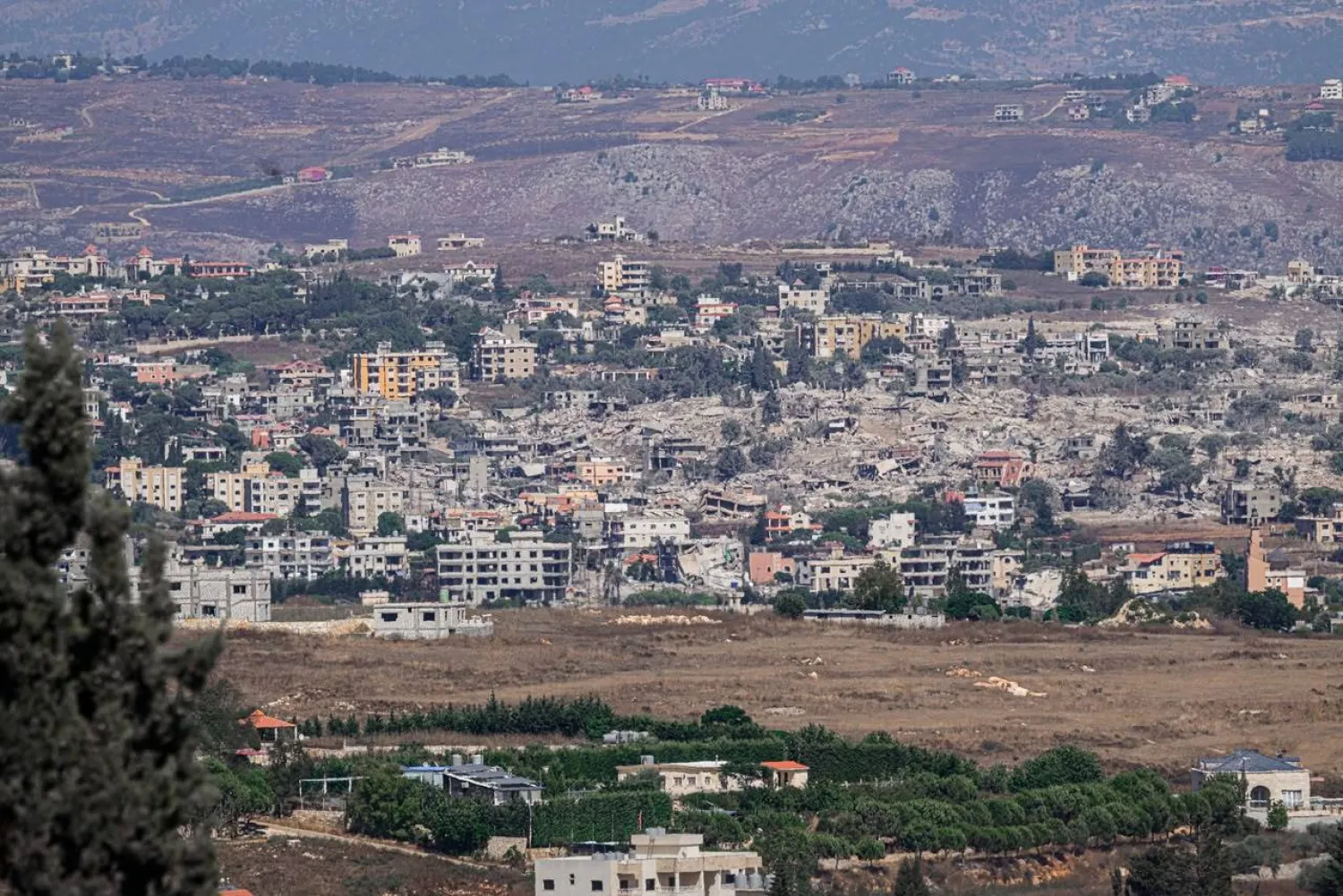
- A major Israeli ground operation at Ali al-Taher hill would very likely trigger Hezbollah rocket fire towards residential areas in northern Israel and a direct Iranian response. Hezbollah has warned that storming the hill would mean an immediate return to open war, while Iran has warned Washington of a direct and wide-ranging response. Reporting indicates IRGC personnel and Hezbollah fighters are present at the site and that Israeli airstrikes have targeted its entrances. This conditional judgement rests partly on local-media reporting and regional-source accounts. It also faces a direct contradiction because the White House denies pressuring Israel to delay an assault, while another official says US pressure caused the delay. (Confidence: medium · ASSESSED)
- I&W: CONFIRM: The Israeli army announces or begins a ground operation at Ali al-Taher hill, followed by Hezbollah rocket launches towards named residential areas in northern Israel or Iranian military action. (0-14 days)
- I&W: BREAK: An Israeli ground operation occurs at Ali al-Taher hill without Hezbollah rocket fire towards northern Israel or Iranian military action during the following 14 days. (0-14 days)
- The Pentagon is likely to continue exploring a redistribution of US units, command centres and aerial capabilities from the Persian Gulf towards Jordan, Israel and Saudi Arabia's Red Sea coast, but an announced withdrawal is unlikely in the near term. Reporting describes the planning as a response to damage from Iranian attacks and cites a US regional presence of 40,000-50,000 troops. A Pentagon official has characterised the work as prudent planning rather than a withdrawal order, so the policy status remains exploratory. (Confidence: medium · ASSESSED)
- I&W: CONFIRM: The Pentagon or Pete Hegseth approves orders moving US units, command centres or aerial capabilities from the Persian Gulf towards Jordan, Israel or Saudi Arabia's Red Sea coast. (0-30 days)
- I&W: BREAK: The Pentagon publicly ends consideration of a Persian Gulf redistribution and no movement of US units, command centres or aerial capabilities is reported within 30 days. (0-30 days)
- Energy-market and US domestic fuel-price pressure is likely to persist over the next 0-30 days. Brent futures have traded near US$97 per barrel after rising more than 8 per cent over three sessions, the US national average diesel price reached US$5.783 per gallon, and US crude inventories fell by almost 4.5 million barrels. Japan's refiners are seeking alternative supplies and drawing on stockpiles, while Saudi Arabia's observed crude exports fell to about 3 million barrels per day in August. The forward price path remains uncertain because the reported Brent levels reflect different points in the trading session. (Confidence: medium · ASSESSED)
- I&W: CONFIRM: Brent remains above US$95 per barrel and the AAA national average diesel price remains at or above US$5.783 per gallon for seven consecutive days. (0-30 days)
- I&W: BREAK: Brent falls below US$95 per barrel and Japanese refiners report a sustained return to normal Middle East sourcing without further stockpile drawdown. (0-30 days)
Outlook & scenarios
Prolonged but contained US-Iran exchange (55%)
US strikes remain focused on Iranian air-defence, radar, naval, communications and mine-laying capabilities near the Strait of Hormuz. Iran continues missile and drone attacks on US-linked positions in Bahrain, Jordan, Kuwait and Iraq. Gulf states intercept most attacks, while commercial shipping remains restricted and US escorts support only selected movements.
Short negotiated pause (30%)
Egypt, Qatar and Pakistan intensify mediation, leading Washington and Tehran to announce a temporary cessation of attacks. The pause reduces launches and some maritime incidents but leaves the Strait of Hormuz vetting regime, US naval activity and disputed strike allegations unresolved.
Lebanon front opens (20%)
Israel conducts a ground operation at Ali al-Taher hill. Hezbollah launches rockets towards northern Israel and Iran responds directly, converting the southern Lebanon standoff into a wider US-Israel-Iran confrontation. US assurances to Israel and Israeli threats against Iranian energy and civilian infrastructure reinforce the escalation.
High-impact maritime and energy shock (15%)
Further tanker attacks, mine incidents or US-Iran clashes sharply reduce Strait of Hormuz transits. Japan draws further on stockpiles, Saudi Arabia sustains reduced exports, and US and international fuel prices rise beyond current levels. This is a low-probability, high-impact wildcard.
Recommendations
- Maintain a single event timeline that separates the 1 September, 2 September and 3 September strike and retaliation waves. Reconcile the conflicting dates, target-country lists and Jordanian missile counts before using them in higher-level assessments.
- Prioritise daily monitoring of US Central Command statements, Iranian military announcements, Kuwait's Defence Ministry, Bahrain, Jordan and Iraq for launches, interceptions, damage reports and changes to US force protection.
- Track Strait of Hormuz conditions through Lloyd's List Intelligence, UKMTO, AIS data, tanker operators and Japanese shipping companies. Flag any change in weekly transits, transponder-off movements, tanker attacks, mine reports or US escort activity.
- Separate confirmed maritime incidents from disputed attribution. Treat Saudi claims against Iran, Iranian mine claims and reporting on US strikes against Iranian tankers as competing accounts until independent vessel, crew and damage information is available.
- Monitor Ali al-Taher hill for Israeli ground movement, Hezbollah rocket launches towards northern Israel and any Iranian message transmitted through Oman. Keep the White House denial and the contrary account of US pressure as separate hypotheses.
- Assess US force-posture reporting against observable orders and movements. Do not treat exploratory Pentagon planning as an approved withdrawal until the Pentagon or Pete Hegseth announces a specific redistribution.
- Track Brent futures, US AAA diesel prices, US crude inventories, Japanese stockpile use, Saudi exports through Yanbu and total Saudi crude exports to identify whether maritime disruption is feeding into sustained economic pressure.
Confidence & uncertainty
Overall confidence is high because the core US-Iran exchange, Iranian attacks on Gulf locations, Strait of Hormuz disruption and energy-price response are supported by multiple major-media, wire-service, official and trade-publication reports. Confidence is lower on the precise timing and geographic scope of individual attack waves, the attribution of tanker incidents, the civilian-casualty mechanism at Kuhestak, Israel's involvement in the latest fighting and the status of the Ali al-Taher operation. Those uncertainties affect the forward outlook but do not overturn the core assessment of active and expanding military exchanges.
Intelligence gaps
- [EEI 1.1 · UNCOVERED] Movement, dispersal, or emplacement of Iranian conventional or IRGC heavy assets (ballistic missile launchers, Khoramshahr/Toofan-class missile transporters, ground-to-ground TELs, air defense batteries, amphibious units) from garrison areas toward forward bases or coastal launch sites. Recommended collection: satellite/IMINT
- [EEI 1.2 · UNCOVERED] Authenticated Iranian military orders, NSC/IRGC operations directives, or senior leadership statements explicitly directing strikes against Israel or US forces or authorizing cross-border operations. Recommended collection: human/diplomatic
- [EEI 1.3 · PARTIAL] Changes in Israeli and US force posture indicating anticipation of direct large-scale conflict, elevated readiness levels, mobilization notices, pre-positioning of munitions, or public/private orders to prepare offensive strikes. Recommended collection: open-source/diplomatic
- [EEI 2.1 · UNCOVERED] Observable pre-launch preparations for missile/rocket/cruise missile strikes (fueling, warhead mating, launcher orientation, support vehicle congregation) and abnormal munitions handling at known launch sites. Recommended collection: satellite/IMINT
- [EEI 2.2 · UNCOVERED] Indications of proxy arms shipments and weapons transfers (truck convoys, small boat transfers, container movements from Iran to proxies, new stockpiles in Lebanon, Iraq, Yemen, Syria). Recommended collection: maritime/AIS
- [EEI 2.3 · UNCOVERED] Evidence of cyber attack planning or active exploitation campaigns targeting Israeli or US military/critical infrastructure (emergence of new command-and-control servers, spear-phishing campaigns against defense personnel, successful intrusions). Recommended collection: cyber
- [EEI 3.1 · UNCOVERED] Movements and posture changes of US regional platforms (carrier strike groups, amphibious ready groups, B-52/B-1/B-2 or fighter deployments, missile defense assets repositioning) and associated armament loadouts. Recommended collection: satellite/IMINT
- [EEI 3.2 · PARTIAL] Official or leaked US government/diplomatic communications indicating thresholds for strikes, authorization for offensive operations, or limits on action (NSC/DoD statements, congressional notifications, diplomatic notes). Recommended collection: diplomatic/human
- [EEI 3.3 · PARTIAL] Changes in US base force-protection measures and rules of engagement at regional facilities (base lockdowns, evacuation notices, flight restrictions, activation of Local Defense Forces or missile intercept systems). Recommended collection: open-source/local reporting
- [EEI 4.1 · UNCOVERED] Hezbollah-specific indicators: convoys and logistics movements toward Lebanon, Israel border, artillery/rocket emplacement in southern Lebanon, documented strikes-preparation activity, public mobilization orders or recruitment drives. Recommended collection: satellite/IMINT
- [EEI 4.3 · UNCOVERED] Militia cross-border attack evidence from Iraq/Syria: recorded rocket/mortar launch events into Israel or strikes against US facilities, movement of armed convoys toward border areas, and intercepted communications coordinating cross-border operations. Recommended collection: signals/ELINT
TLP:CLEAR