TLP:CLEAR · Disclosure is not limited.
US-Iran Exchanges Expand Across the Gulf
Time window: Last 1 day · Audience: General analyst · Type: Situation report · DTG: 2026-09-02 18:45Z · Overall confidence: HIGH
BLUF
Very likely US-Iran military exchanges will continue over the next 14 days, with Bahrain, Kuwait, Jordan, Iraq and the United Arab Emirates exposed to further Iranian missile and drone activity. Commercial traffic through the Strait of Hormuz remains severely disrupted despite the US assertion that shipping lanes are open, while diplomatic and economic pressure provide limited restraint.
Executive summary
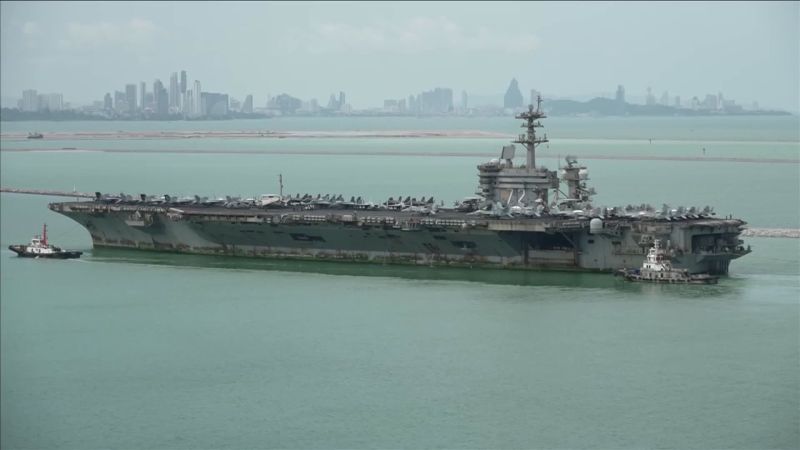
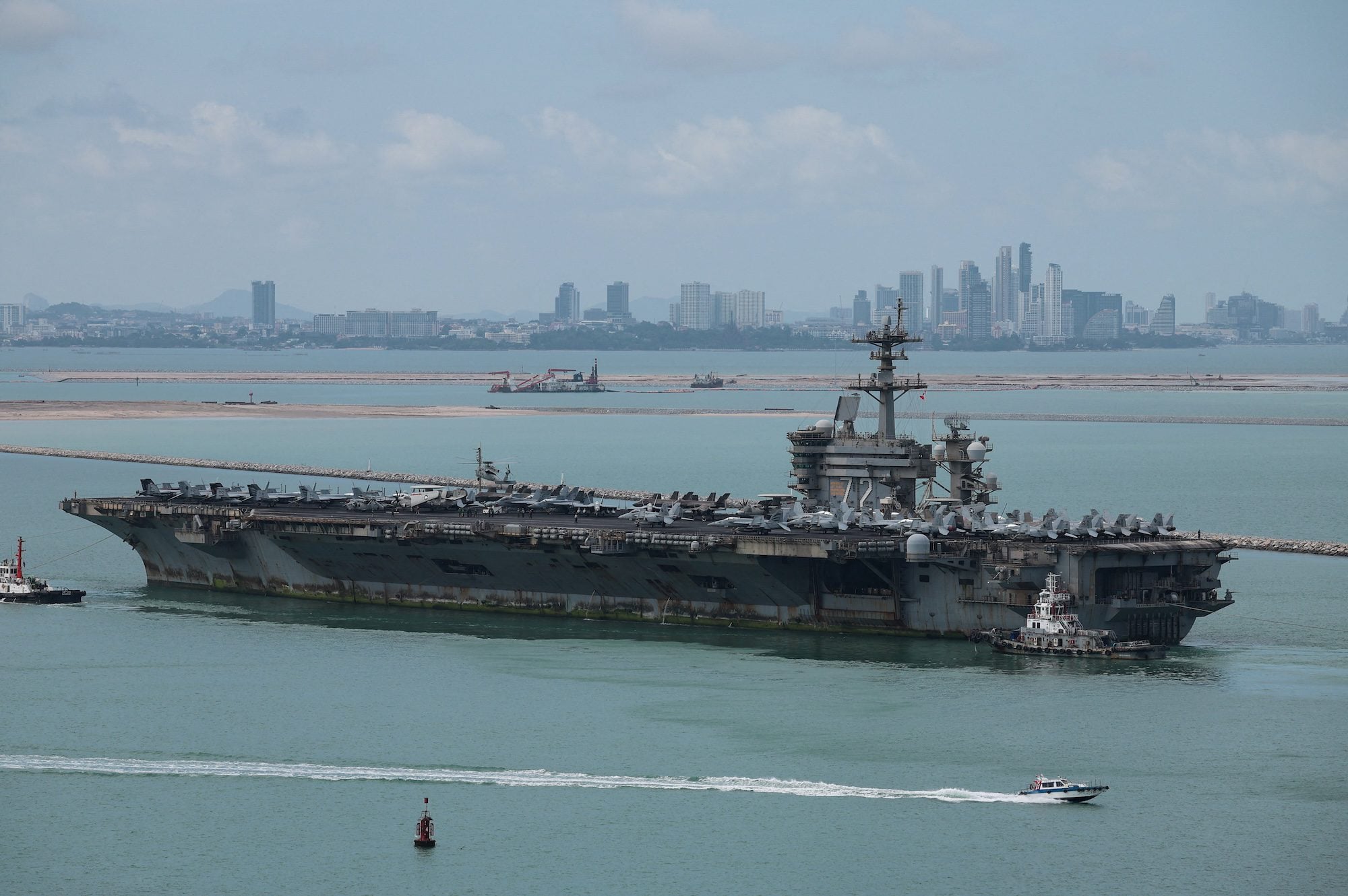
US Central Command began strikes on IRGC targets in Iran on 1 September, including air-defence, radar, maritime, mine-laying and communications assets. Iran responded with missile and drone attacks against US-linked facilities and regional states, but reporting differs over the exact targets and the number of missiles directed at Jordan. Hormuz traffic remains far below recent norms, with four to five commodity vessels transiting on 1 and 2 September and no liquid tankers recorded in one count. The USS Abraham Lincoln arrived at Laem Chabang, Thailand, on 2 September after 286 days at sea, while the USS George Washington remains the relief carrier in the Middle East. Egypt, Qatar, Jordan, Saudi Arabia and the GCC have condemned Iranian attacks, while Iran, the US and the Arab League continue to issue competing diplomatic signals.
Change from previous assessment
Since the 1 September brief, the assessment has shifted from a likely continuation of US-Iran exchanges to a more clearly regionalised exchange involving reported Iranian activity across Bahrain, Kuwait, Jordan, Iraq and the United Arab Emirates, although the exact target list remains contested. Confidence in the occurrence of the latest exchange has increased because US Central Command, major media and wire reporting now describe the strike and response, while confidence in the scale and locations remains medium. The shipping judgement remains very likely, but the latest counts of four to five commodity vessels and the absence of liquid tankers provide a sharper measure of disruption. New emphasis is placed on the USS Abraham Lincoln's 286-day deployment and Thailand port stop, emerging Arab defence coordination, the Mecca Joint Deterrence Agreement, and the unresolved Sirik wedding-casualty report.
Key judgments
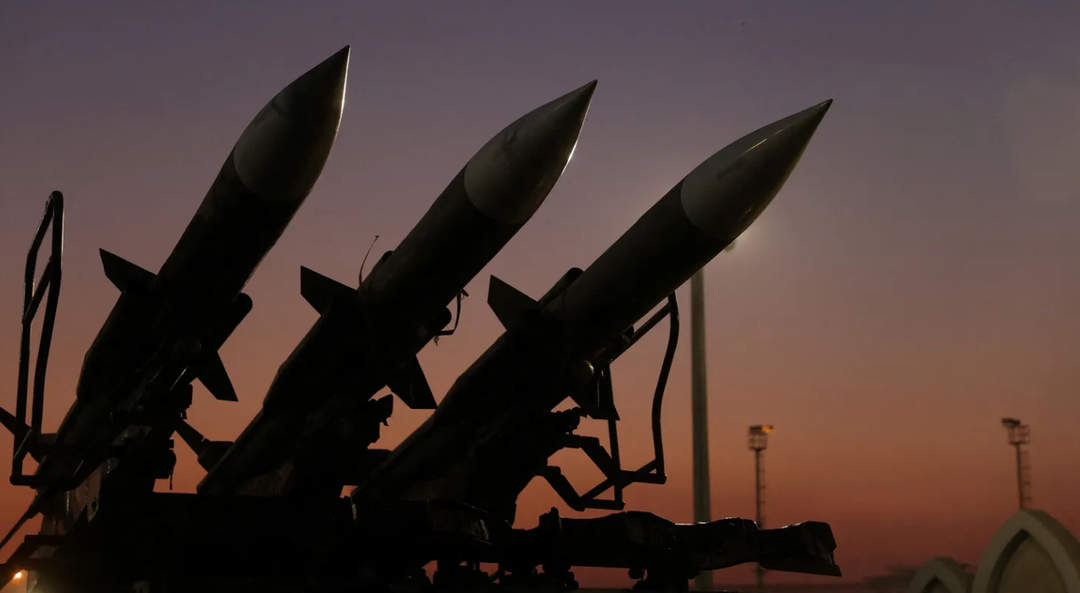
- Very likely US-Iran military exchanges will continue during the next 14 days, with Iranian missile and drone activity remaining directed at US-linked facilities in Bahrain, Kuwait, Jordan, Iraq and the United Arab Emirates, while the exact set of struck countries remains disputed. US Central Command reported strikes on IRGC targets in Iran beginning on 1 September, and Iran announced retaliatory launches against US positions across the Gulf and Levant. (Confidence: medium · ASSESSED)
- I&W: CONFIRM: US Central Command reports another strike on an IRGC target in Iran, or the IRGC and Iranian military announce another missile or drone salvo towards Bahrain, Kuwait, Jordan, Iraq or the United Arab Emirates. (0-14 days)
- I&W: BREAK: Fourteen consecutive days pass without a further US strike or Iranian launch, accompanied by public statements from Washington and Tehran ending hostilities. (0-14 days)
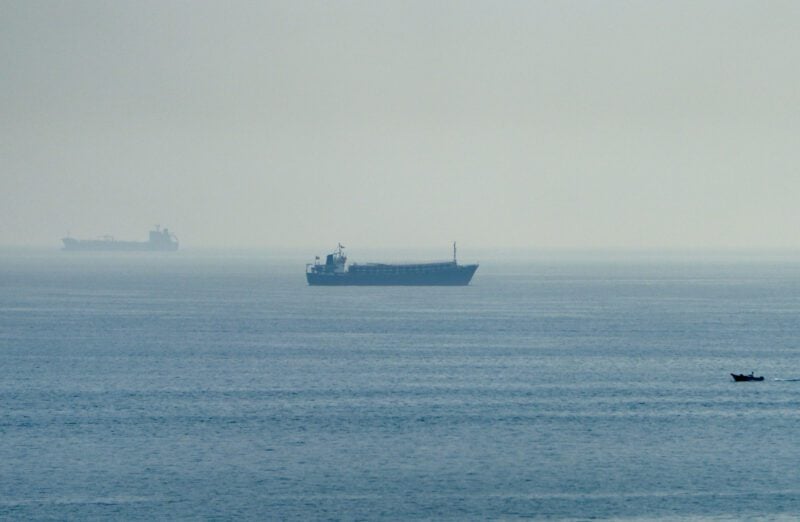
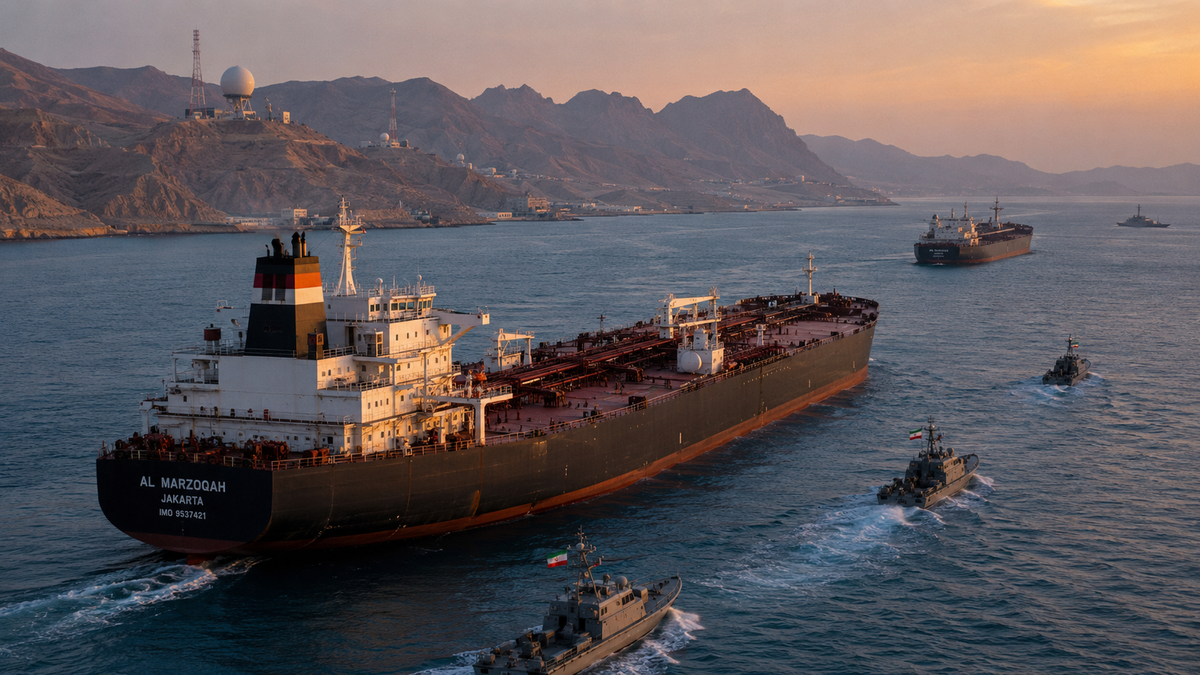
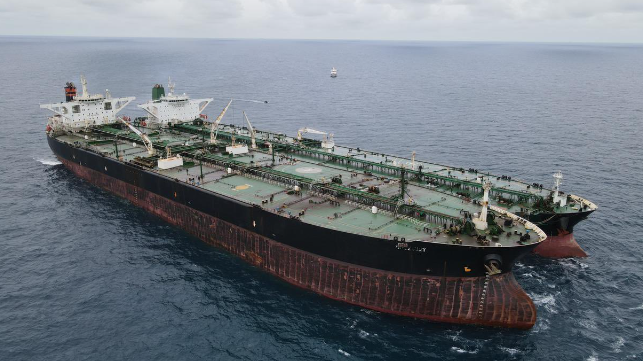
- Very likely commercial shipping through the Strait of Hormuz will remain severely disrupted during the next 14 days, while a complete physical closure is unlikely. Reuters and Kpler reporting recorded only five commodity vessels transiting on Monday and four on Tuesday, compared with recent ten-day averages of about 14 and 13 respectively, with no liquid tankers recorded in the Monday count. The US says the lanes remain open, but traffic data and reports of attacks on the Sidr and Senegal Prosperity indicate restricted rather than normal passage. (Confidence: medium · ASSESSED)
- I&W: CONFIRM: Daily vessel tracking continues to show commodity transits below the recent ten-day average, with no or very few liquid tankers recorded through the Strait of Hormuz. (0-14 days)
- I&W: BREAK: Vessel tracking returns to about 13 to 14 commodity transits per day and liquid tankers resume routine passage without new attacks or mine warnings. (0-14 days)
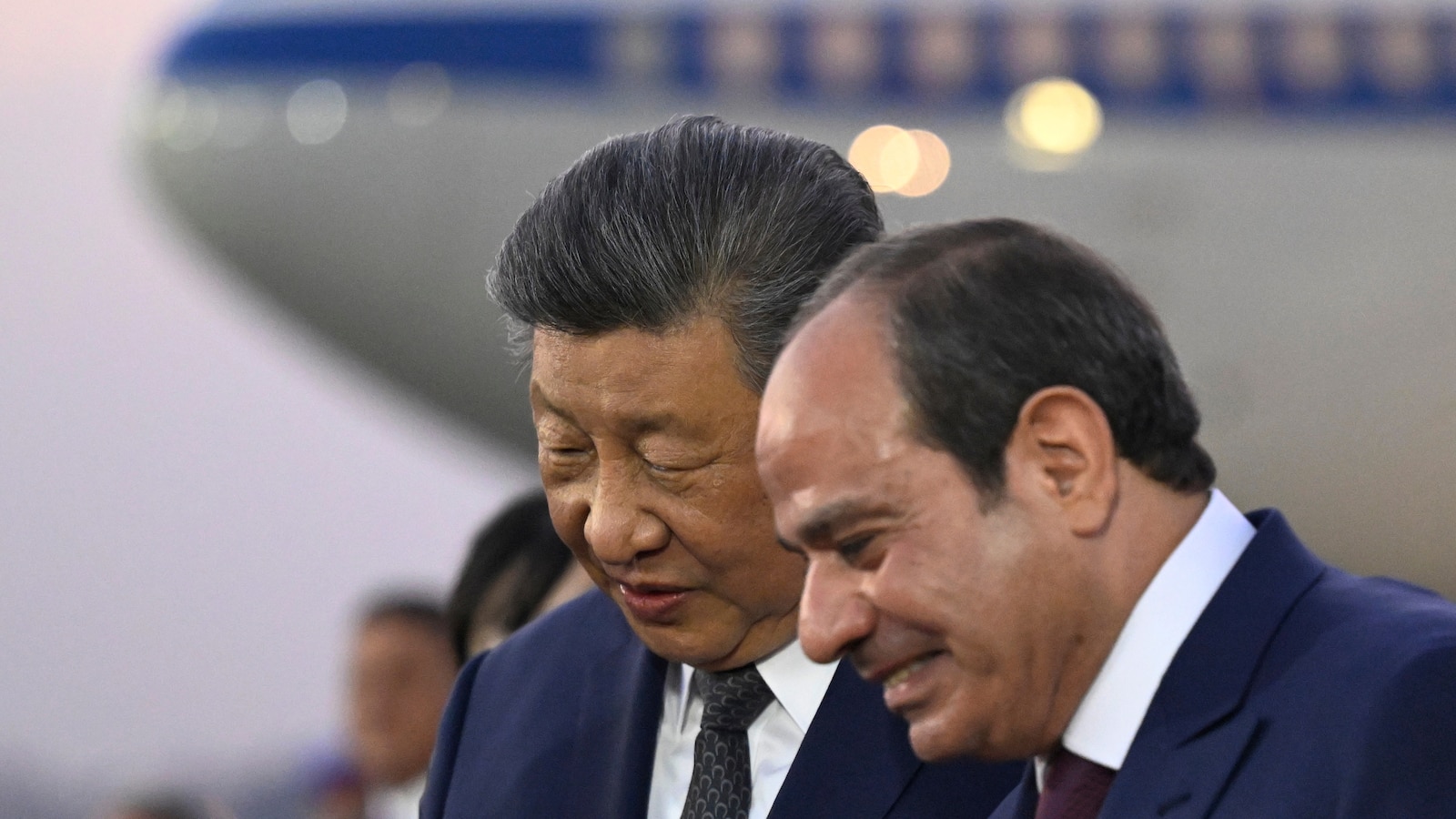
- Likely Arab states will deepen political and defence coordination against Iran over the next 1-3 months, although the reporting does not establish a coordinated offensive response. Egypt, Qatar, Jordan, Saudi Arabia, Bahrain and the GCC have condemned Iranian attacks, Bahrain has raised combat readiness to its maximum level, and Pakistan, Saudi Arabia and Turkiye have announced the Mecca Joint Deterrence Agreement. (Confidence: medium · ASSESSED)
- I&W: CONFIRM: The GCC, Arab League or named signatories to the Mecca Joint Deterrence Agreement announce joint air-defence, force-readiness or maritime-security measures involving Bahrain, Kuwait, Jordan or Saudi Arabia. (1-3 months)
- I&W: BREAK: Bahrain, Saudi Arabia, Jordan, Kuwait or Qatar withdraws its condemnation of Iran or publicly rejects collective regional security measures. (1-3 months)
- Unlikely a durable US-Iran settlement will emerge during the next 14 days, although likely Iran will retain a conditional diplomatic channel while US and regional actors pursue containment. Masoud Pezeshkian has offered reciprocal action if Washington honours the June Memorandum of Understanding, and the Arab League has called for negotiations, but Donald Trump has defended the strikes, warned of a stronger response and stated that Washington is not seeking to force Iran back to negotiations. (Confidence: medium · ASSESSED)
- I&W: CONFIRM: Tehran repeats its conditional offer to reciprocate under the June Memorandum of Understanding and Washington or the Arab League announces direct talks focused on ending hostilities and reopening Hormuz. (0-14 days)
- I&W: BREAK: Washington or Tehran formally rejects further negotiations, or either side conducts another major strike while ending its public reference to a diplomatic settlement. (0-14 days)
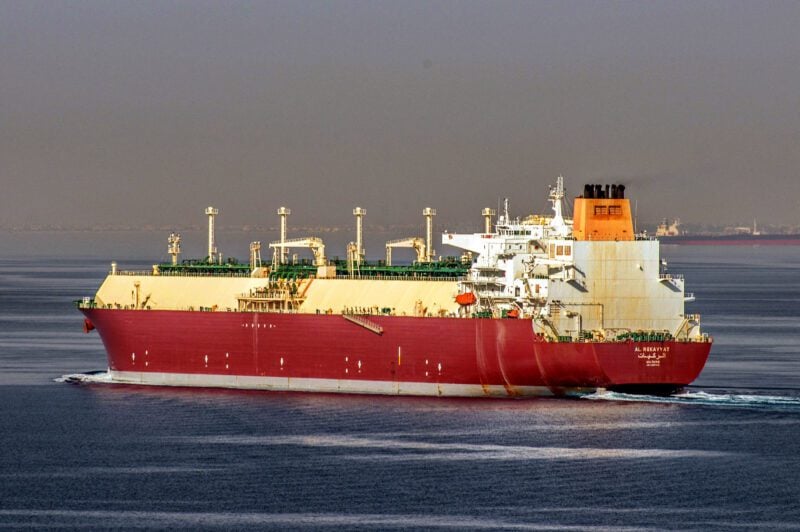
- Likely energy price pressure will persist for 1-3 months as Hormuz disruption, tanker attacks and rerouting constrain crude and LNG movements. Brent crude reached about $96.50 a barrel after the latest strikes, Asian spot LNG reached $23.20 per million British thermal units, and tracked crude and petroleum flows through Hormuz were about 2 million barrels per day on 18 August, roughly 89 percent below the pre-war level. Ship-to-ship transfers and routes through Egypt provide partial alternatives but do not restore normal Gulf export flows. (Confidence: medium · ASSESSED)
- I&W: CONFIRM: Brent crude remains at or above about $96.50 a barrel and Asian spot LNG remains at or above $23.20 per million British thermal units while Hormuz flows stay materially below the pre-war level. (1-3 months)
- I&W: BREAK: Hormuz crude flows return towards 18 million barrels per day, tanker transits normalise and Brent crude and Asian spot LNG prices fall below their reported 2 September levels. (1-3 months)
- Very likely the US Navy will complete the current carrier transition, with USS Abraham Lincoln continuing towards California after its five-day port visit in Laem Chabang and USS George Washington remaining the relief carrier in the Middle East. The Lincoln arrived in Thailand on 2 September after 286 days at sea, following a deployment that included combat operations against Iran and a reported 200 days in a combat zone. The prolonged deployment has generated welfare concerns, but official and family accounts disagree on their severity. (Confidence: high · REPORTED)
- I&W: CONFIRM: USS Abraham Lincoln departs Laem Chabang after the stated five-day visit and continues towards California, while USS George Washington remains reported in the Middle East. (0-14 days)
- I&W: BREAK: The US Navy extends the Lincoln's Thailand stop beyond five days or returns the carrier to the Middle East for combat operations. (0-14 days)
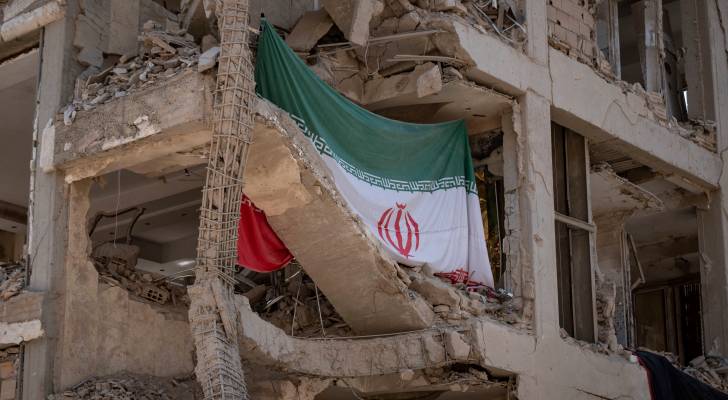
- The report that a US strike killed four people at a wedding in Kuhestak, Sirik, remains unresolved, leaving the civilian-casualty assessment at low confidence. Iranian officials and the Iranian Red Crescent reported four deaths, including children, while US Central Command denied targeting civilians and stated that the reports were under investigation; the number of child victims also differs between accounts. (Confidence: low · REPORTED)
- I&W: CONFIRM: An independent investigation or additional on-the-ground reporting verifies the strike location, four deaths and the involvement of a US munition. (0-14 days)
- I&W: BREAK: The US investigation or independent reporting establishes that no US strike hit the wedding location or that the reported deaths did not occur. (0-14 days)
Outlook & scenarios
Continued bounded US-Iran exchange (55%)
Likely. US strikes remain focused on IRGC air-defence, radar, maritime, mine-laying and communications assets, while Iran continues missile and drone attacks against US-linked facilities in the Gulf and Jordan. Hormuz traffic remains well below recent averages, with ship-to-ship transfers and rerouting through Egypt limiting but not ending energy disruption.
Wider Gulf escalation (25%)
Unlikely but high impact. Iran expands attacks against Bahrain, Kuwait, Jordan, Iraq, the United Arab Emirates or Qatar, and the United States responds at the harder level threatened by Donald Trump. Gulf governments increase military readiness and defence coordination, while attacks on commercial vessels intensify.
Conditional diplomatic pause (15%)
Unlikely. Iran repeats its conditional offer under the June Memorandum of Understanding, the Arab League and US diplomats support talks, and the parties negotiate a limited halt to strikes or a partial reopening of Hormuz. A durable settlement remains absent because Washington continues to reject pressure for negotiations while defending military action.
Dual maritime crisis (5%)
Very unlikely but high impact. Severe disruption in Hormuz coincides with sustained Houthi attacks on Saudi-linked shipping in the Red Sea and threats extending towards Bab el-Mandeb. Energy rerouting through Egypt becomes insufficient, while tanker casualties, insurance pressure and prices rise further.
Recommendations
- Maintain a daily military and maritime watch covering US Central Command statements, IRGC announcements, Jordanian Armed Forces reporting, Bahrain Defence Force readiness, Kuwait interception reports and shipping data from UK Maritime Trade Operations and Kpler.
- Report the operational status of the Strait of Hormuz using observed vessel counts and tanker movements alongside official US and Iranian claims. Do not describe the strait as fully open or fully closed without reconciling the conflicting evidence.
- Keep the Iranian target list and Jordanian missile count explicitly disputed in reporting. Separate confirmed interception and impact data from claims by the IRGC, Iranian authorities and other interested parties.
- Prioritise warning collection on mine activity, further attacks against the Sidr or Senegal Prosperity pattern of commercial shipping, and any new Iranian or US action near Bandar Abbas, Qeshm Island, Larak Island and other southern Iranian coastal locations.
- Track the USS Abraham Lincoln's departure from Laem Chabang and the USS George Washington's continued presence in the Middle East. Include crew welfare reporting in assessments of US naval availability, while retaining the disagreement between official accounts and family testimony.
- Monitor Brent crude, Asian spot LNG, Hormuz transit counts, ship-to-ship transfers off Oman and the Gulf, and crude movements through Yanbu, Ain Sukhna, the Sumed pipeline and Sidi Kerir to identify whether rerouting is offsetting the disruption.
- Follow three parallel diplomatic tracks: Iran's conditions for reciprocal action, the Arab League's calls for negotiations and US statements on further strikes. Treat diplomatic containment and military escalation as simultaneous tracks rather than mutually exclusive alternatives.
Confidence & uncertainty
Overall confidence is high because the central developments are corroborated by multiple independent official, wire-service, major-media and maritime sources. The new US strikes, Iranian retaliation, Gulf interceptions, tanker casualties, reduced Hormuz traffic and USS Abraham Lincoln port arrival are supported across several reporting streams. The main uncertainties concern the exact Iranian target list, the Jordanian missile count, attribution for the Sidr and Senegal Prosperity attacks, the operational meaning of the US claim that Hormuz lanes remain open, and the unresolved civilian-casualty report from Sirik.
Intelligence gaps
- [EEI 1.1 · UNCOVERED] Unusual long-range missile/rocket transporter-launcher (TEL) movements, storage activation, or assembly activity at known IRGC missile sites or forward staging areas. Recommended collection: satellite/imagery
- [EEI 1.2 · PARTIAL] Orders, threat-alert messages, or changes in posture from IRGC, Quds Force, or senior Iranian military leadership indicating attack timelines or rules of engagement changes. Recommended collection: signals/ELINT and HUMINT
- [EEI 1.3 · UNCOVERED] Large-scale transfers, deliveries, or convoy movements of armed UAVs/drones, guided munitions, or spare parts from Iran into Lebanon (Hezbollah), Iraq, Syria, or Gaza. Recommended collection: air/aviation track and HUMINT
- [EEI 1.4 · UNCOVERED] Sustained changes in Israeli air-defense usage (SAM launches, radar activations), wide-area alerts, or NOTAMs indicating elevated imminent strike response. Recommended collection: air/aviation/NOTAMs and signals
- [EEI 2.1 · UNCOVERED] Concentration, repositioning, or sortie patterns of Iranian naval/IRGC patrol boats and fast-attack craft near shipping chokepoints or commercial lanes. Recommended collection: maritime/AIS and satellite/imagery
- [EEI 2.3 · UNCOVERED] Insurance market indicators: sudden spikes in war-risk or hull insurance premiums for routes through the Red Sea, Suez corridor, or Persian Gulf, and major carriers announcing route changes. Recommended collection: financial/market and commercial shipping notices
- [EEI 2.4 · UNCOVERED] Port closures, naval escorts requested by commercial operators, or formal rerouting advisories issued by major shippers (e.g., Maersk, Hapag-Lloyd) for regional transits. Recommended collection: commercial/OSINT
- [EEI 3.1 · PARTIAL] Deployment of foreign military assets to the region (carrier strike groups, amphibious ships, combat aircraft deployments, or additional bases activated) from the US, UK, France, Russia, or GCC states. Recommended collection: maritime/AIS and air/aviation and satellite/imagery
- [EEI 3.3 · UNCOVERED] Confirmed arms transfers, expedited weapons shipments, or transfer authorizations to Israel, Iran, or their proxies (aircraft parts, munitions, air defenses). Recommended collection: customs/INTEL and HUMINT
- [EEI 3.4 · UNCOVERED] Issuance of travel warnings, embassy evacuations or reductions, and closure of diplomatic missions by major capitals indicating escalation risk or shifted threat assessments. Recommended collection: OSINT/diplomatic
TLP:CLEAR