TLP:CLEAR · Disclosure is not limited.
US-Iran Exchanges Keep Hormuz Traffic Constrained
Time window: Last 1 day · Audience: General analyst · Type: Situation report · DTG: 2026-08-22 16:09Z · Overall confidence: LOW
BLUF
US-Iran military and economic pressure is very likely to remain acute through 5 September 2026. Iran's stated closure of the Strait of Hormuz conflicts with reports that it permitted Iraqi oil tankers to transit, so traffic is likely to remain severely constrained rather than fully halted, but confidence is low.
Executive summary
Reporting on 22 August describes a six-month US military campaign against Iran, continued US sanctions pressure, Iranian warnings of a devastating response, and a statement by Mohammad-Bagher Ghalibaf that the Strait of Hormuz will remain closed until Iranian assets are unfrozen. Other reporting says Iran has permitted some Iraqi oil tankers to pass, while traffic remains below pre-war levels and more than 68 tankers are reportedly stuck. President Masoud Pezeshkian has backed an early end to the war, creating a counter-signal to the military and economic pressure. The USS Abraham Lincoln crew is also reported to be under severe strain. The evidence base remains weak because relevant reporting contains conflicting dates, mixed source reliability, and unresolved differences over the extent of the closure and the status of maritime traffic.
Change from previous assessment
Since the 21 August brief, the assessment adds the 22 August reporting on Donald Trump's map labelling the Strait of Hormuz as new US territory, Mohammad-Bagher Ghalibaf's statement that closure will continue until Iranian assets are unfrozen, continued US munitions use and Iranian radar losses, and severe strain aboard the USS Abraham Lincoln. Confidence in the Hormuz judgement has been lowered from medium to low because the new closure statement conflicts with selected-tanker transit reporting and the traffic evidence remains inconsistent. A carrier personnel-strain judgement has been added. The prior UAE embargo judgement is not carried forward because this run provides no fresh, well-corroborated evidence establishing its current operational scope.
Key judgments
- US-Iran military and economic pressure is very likely to remain acute through 5 September 2026. The US military campaign is reported to have lasted six months as of 22 August, with significant quantities of precision and anti-aircraft munitions used and Iranian coastal radar facilities destroyed. Donald Trump has published a map labelling the Strait of Hormuz as new US territory, while Iranian officials have warned of a devastating response and Mohammad-Bagher Ghalibaf has stated that the Strait will remain closed until Iranian assets are unfrozen. This is an assessed judgement. The evidence includes multiple major-media reports supporting hostile military, economic and political signals, but the chronology and source quality remain inconsistent. (Confidence: medium · ASSESSED)
- I&W: US or Israeli forces conduct another reported strike on an Iranian sensitive site or coastal radar facility, or the US Treasury announces secondary sanctions against an Iran trading partner. (0-14 days)
- I&W: Washington and Tehran publicly announce a ceasefire followed by a sustained cessation of strikes and removal of the stated closure condition for the Strait of Hormuz. (0-14 days)
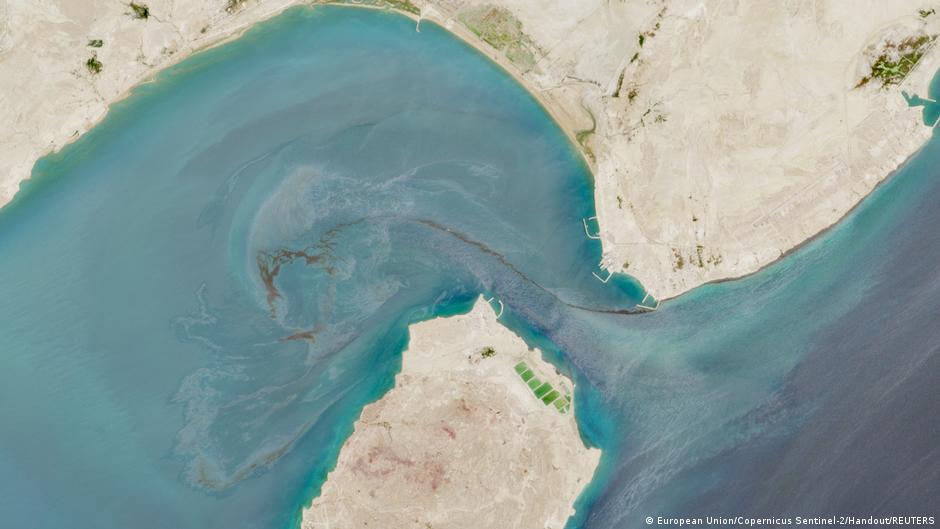
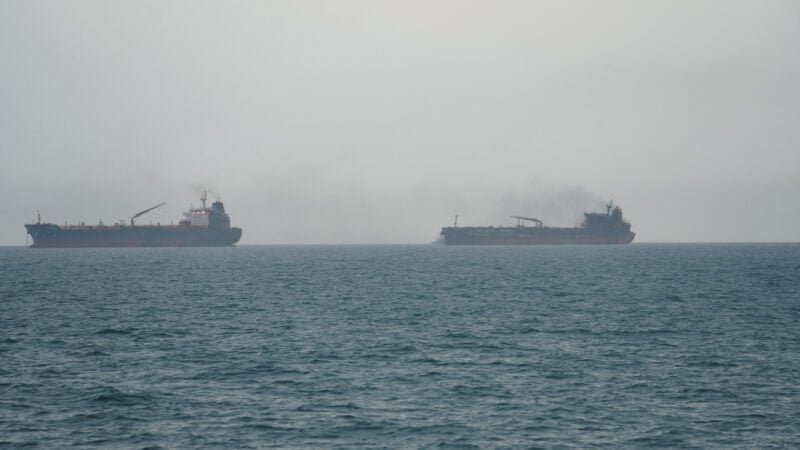
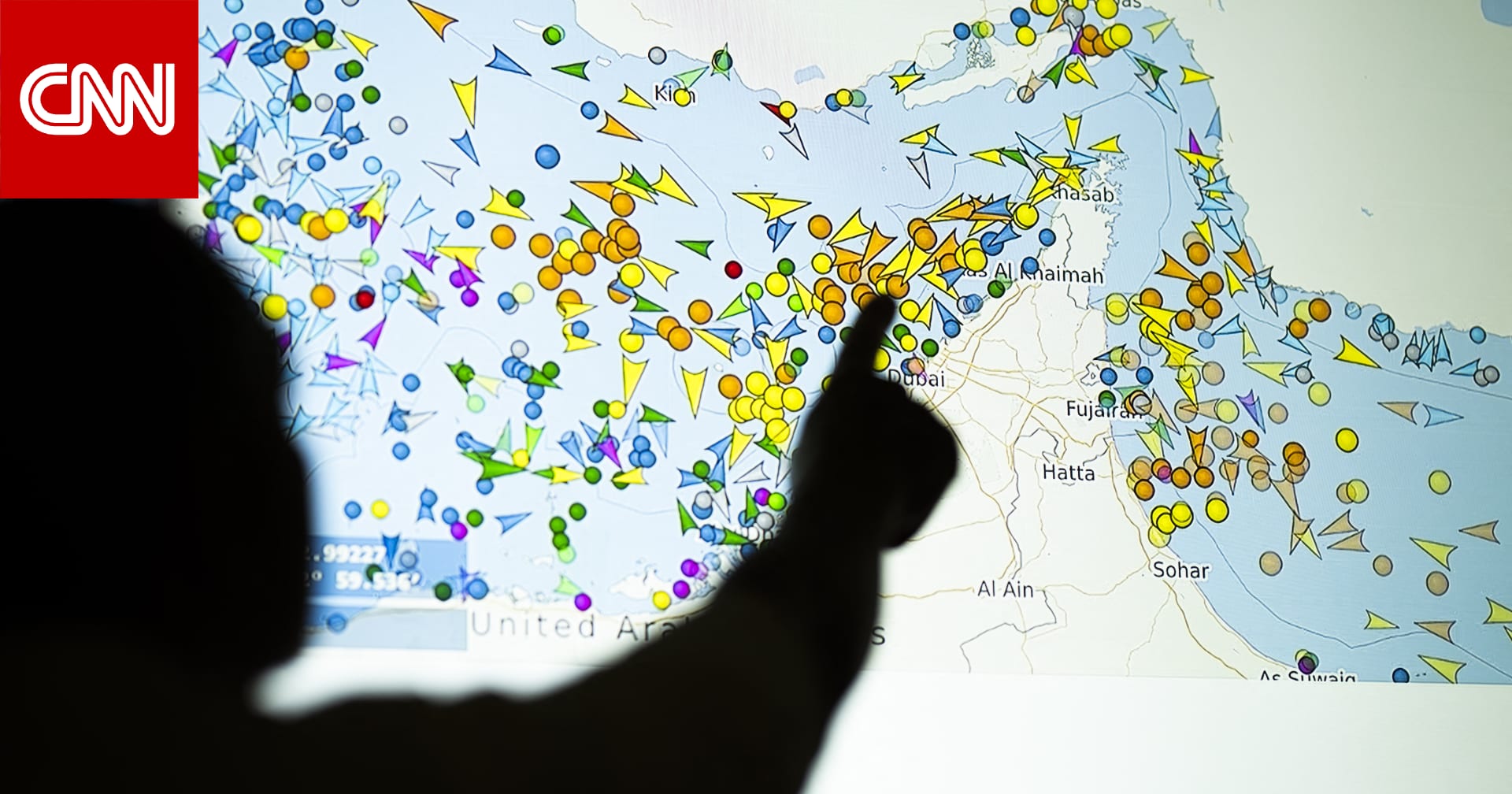
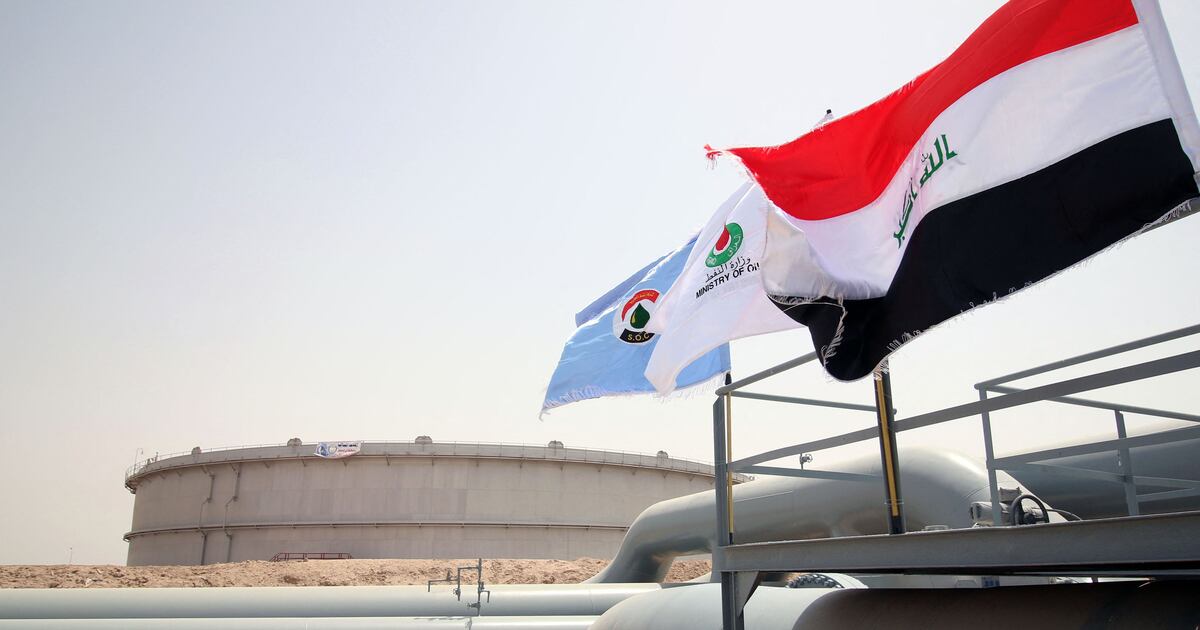
- Iran is likely to keep commercial traffic through the Strait of Hormuz severely constrained during the next 14 days, while selected Iraqi oil-tanker passages have a roughly even chance of continuing. Mohammad-Bagher Ghalibaf has stated that the Strait will remain closed until Iranian assets are unfrozen, but separate reporting says Iran granted permission for Iraqi oil tankers to transit. Traffic is reported to remain significantly below pre-war levels, with Greenpeace reporting more than 68 oil tankers stuck. Iran retains missile and drone capability to impede tanker traffic. This is an assessed judgement based on conflicting and partly stale reporting, so confidence is low. (Confidence: low · ASSESSED)
- I&W: New independent tracking shows daily Hormuz traffic remaining below pre-war levels and reports a fresh count of more than 68 tankers waiting or stuck. (0-14 days)
- I&W: Iran announces unrestricted passage through the Strait and independently corroborated traffic returns to pre-war levels. (0-14 days)
- Energy-market stress and pressure on Iran's economy are likely to persist over the next 14 days. The International Energy Agency is reported to have characterised the 2026 Iran war as the largest supply disruption in global oil-market history. Other reporting places oil prices near 100 dollars per barrel, forecasts a 5.4 percent contraction in Iran's real GDP in 2026, and reports that Iranian oil exports fell from about 1.8 million barrels per day to less than 500,000 barrels per day. The conflict is not the only reported explanation for market movements, and several figures are drawn from medium-confidence reporting. (Confidence: medium · ASSESSED)
- I&W: Brent crude trades at or above 100 dollars per barrel while reporting continues to place Iranian oil exports below 500,000 barrels per day. (0-14 days)
- I&W: Brent crude returns towards 71.57 dollars per barrel and verified Hormuz traffic approaches pre-war levels. (0-14 days)
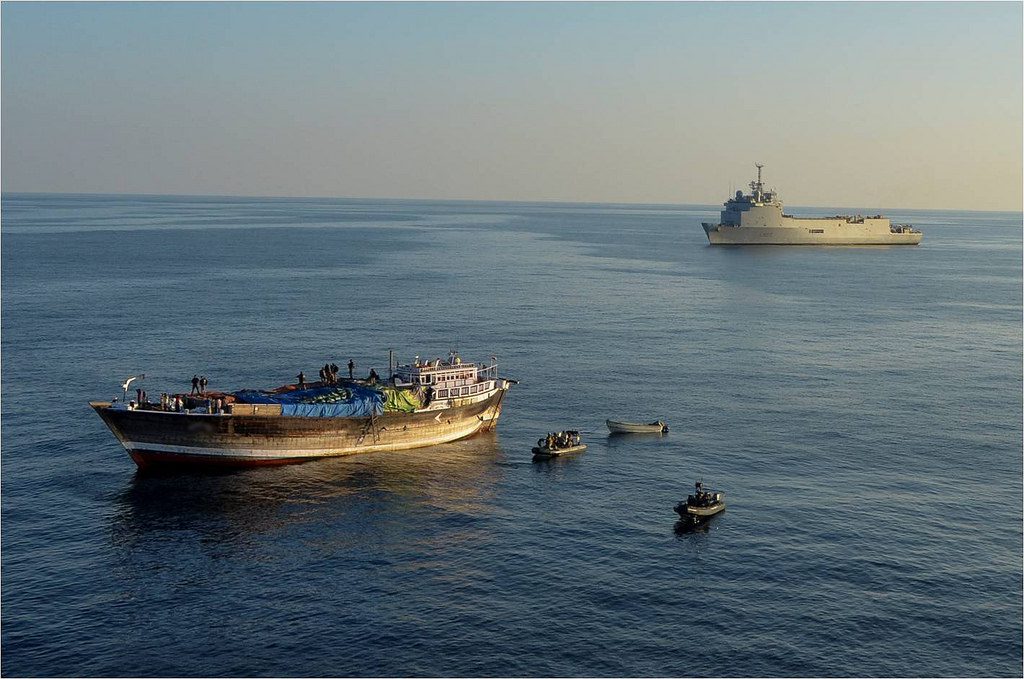
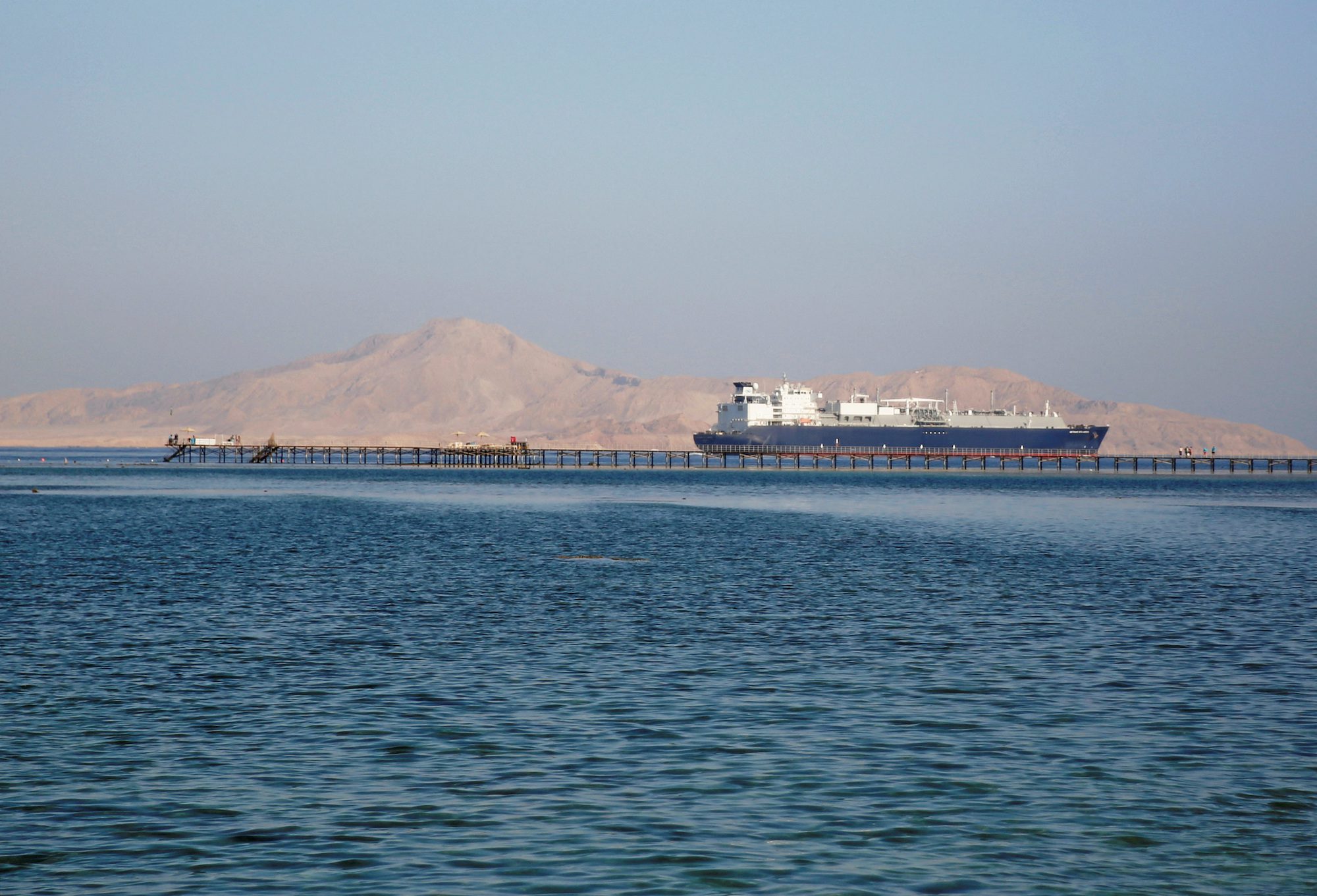
- Maritime security pressure is likely to extend from the Strait of Hormuz to Saudi export routes, the Bab el-Mandeb and the Gulf of Aden during the next 14 days. Shipowners including Sinokor Group are reportedly moving Saudi crude through the northern Red Sea, while tankers are shuttling crude between Yanbu and Ain Sukhna after Houthi attacks on vessels. The hijackings of Sibu 1 and Lutuf, alongside a report that Somali piracy incidents are rising again, add pressure around the Gulf of Aden. This is a low-confidence assessment because the piracy trend is single-source and conflicts with reporting that the risk remains much lower than in 2009 and 2010. (Confidence: low · ASSESSED)
- I&W: A second tanker or cargo ship is hijacked in the Gulf of Aden, or Saudi crude movements through Yanbu and Ain Sukhna increase further. (0-14 days)
- I&W: No new attacks are reported in the Gulf of Aden or Bab el-Mandeb and Saudi crude resumes regular passage through the southern route. (0-14 days)
- The USS Abraham Lincoln crew is likely to remain under severe personnel strain during the next 14 days. Admiral Brad Cooper acknowledged extremely difficult conditions on 22 August, and at least two crew members reportedly attempted to jump overboard after several months of demanding operations. This is a reported judgement. The claims are direct and consistent, but the available evidence does not independently corroborate the personnel incidents beyond the same major-media reporting. (Confidence: medium · REPORTED)
- I&W: The US Navy confirms further serious crew-welfare incidents or extends the USS Abraham Lincoln deployment without a relief announcement. (0-14 days)
- I&W: The US Navy announces a crew relief, deployment reduction or formal personnel-support response for the USS Abraham Lincoln. (0-14 days)
Outlook & scenarios
Managed confrontation with restricted Hormuz traffic (55%)
The US maintains sanctions and limited military pressure while Iran keeps closure rhetoric but permits selected Iraqi oil-tanker passages. Hormuz traffic remains below pre-war levels without a complete and verifiable halt. Gulf states continue diverting Saudi crude through Yanbu and Ain Sukhna.
Indirectly mediated pause (25%)
Masoud Pezeshkian's call for an early end to the war and Iranian leaders' stated readiness for dialogue produce a mediated ceasefire. Strikes stop, the closure condition is relaxed, and tanker traffic begins to recover. The competing demands over sanctions and frozen Iranian assets remain unresolved.
Sharp escalation and full enforcement of the closure (15%)
A new US strike or sanctions package prompts Iran to enforce its closure threat against commercial shipping. Tanker movements fall further, energy prices rise, and Saudi crude diversions through the northern Red Sea and the Yanbu to Ain Sukhna route increase.
European spillover wildcard (5%)
Iran carries out a strike against Bezmer Air Base in Bulgaria or another European target after warning that states aiding US action are legitimate targets. The attack would create a low-probability, high-impact pathway to direct European involvement.
Recommendations
- Maintain a 24-hour watch that records Iranian closure statements, verified tanker movements and daily traffic counts as separate measures. Do not treat the Strait as simply open or closed.
- Cross-check any estimate of Hormuz traffic against the reported Iraqi tanker permissions, the more than 68-tanker congestion report and independent vessel-tracking data before revising the shipping assessment.
- Prioritise collection on three escalation triggers: new US or Israeli strikes on Iranian sensitive or radar sites, new US Treasury sanctions against Iran's trading partners, and Iranian announcements that remove or tighten the conditions for passage.
- Separate current 2026 reporting from older or ambiguously dated claims in all updates. Flag claims that combine 2023, 2025 and 2026 timelines or rely on social-media, company or unknown-source reporting.
- Track the Sibu 1 and Lutuf hijacking cases, reported Houthi attacks on Saudi-linked shipping, and Saudi crude movements between Yanbu and Ain Sukhna to identify whether pressure is spreading towards the Bab el-Mandeb and Gulf of Aden.
- Request a focused personnel and readiness update on the USS Abraham Lincoln, including crew relief arrangements and any further welfare incidents, before assessing the carrier's ability to sustain operations.
Confidence & uncertainty
Overall confidence is low because the relevant evidence mixes official reporting with major-media, social-media, company-statement and unknown-source material. Several important claims have low or medium confidence scores, and the chronology contains unresolved inconsistencies between 2023, 2025 and 2026. Reporting on Hormuz closure conflicts with reports of selected Iraqi tanker transit, while the piracy trend conflicts with an assessment that the current threat remains much lower than in 2009 and 2010. The AIS evidence is also limited to a short sample showing seven vessels, which is insufficient to establish regional traffic levels.
Intelligence gaps
- [EEI 1.1 · UNCOVERED] Concentrations or unusual movements of IRGC-Navy fast attack craft, small boat swarms, or escort vessels within 200 km of US/allied ships, including approach distances and formation changes. Recommended collection: maritime/AIS
- [EEI 1.2 · UNCOVERED] Detected pre-launch activity at coastal missile or rocket batteries (vehicle dispersal, fuel/warhead handling, radars powering up, transport erector launchers moving to firing positions). Recommended collection: imagery/signals
- [EEI 1.3 · UNCOVERED] Increased launch/arming/positioning of armed UAVs (MALE/loitering munitions) or tactical aircraft at Iranian coastal bases with sortie generation rates and munitions loadouts. Recommended collection: air/ADS-B/imagery
- [EEI 1.4 · UNCOVERED] Command-and-control indications of attack orders or elevated rules-of-engagement from IRGC/General Staff (intercepted communications, internal order messages, force-wide alert messages). Recommended collection: signals/human
- [EEI 2.2 · UNCOVERED] Issuance of formal orders, mobilization directives, travel restrictions, or official internal communications within IRGC/Armed Forces indicating escalation posture or stand-down. Recommended collection: human/diplomatic
- [EEI 2.3 · UNCOVERED] Directives, logistics movements, or communications from Iranian commanders to regional proxy militias (Houthis, Iraqi Shia militias, Lebanese groups) that change their threat posture or task them with specific operations. Recommended collection: signals/human
- [EEI 2.4 · PARTIAL] Changes in Iran's diplomatic exchanges with key states (offers of negotiation, warnings, or coordination with Russia/China) or requests for deconfliction with maritime/naval actors. Recommended collection: diplomatic
- [EEI 3.2 · UNCOVERED] Discovery or reporting of naval mines, unexploded ordnance, or damage to fixed maritime infrastructure (oil platforms, terminals, pipelines) with geolocated imagery or on-scene assessments. Recommended collection: imagery/open-source
- [EEI 3.4 · UNCOVERED] Movements or posture changes of regional state navies/air forces (Saudi, UAE, Kuwait, Bahrain, UK) such as task group departures, airbase dispersals, or announced maritime patrols near choke points. Recommended collection: open-source/imagery
Cited sources
[1] inosmi.ru · "Новая территория США": уловка Трампа не сработала. Ормуз не продается (The New Yorker, США) (B) · sha256:36341528b17f [2] Deutsche Welle · مضيق هرمز. كيف تُضيّق واشنطن الخناق على ورقة طهران الأقوى؟ (A) · sha256:c795c3184ec7 [3] marineinsight.com · Iran Threatens ‘Devastating’ Response As New US Sanctions Raise Risks For Hormuz Shipping (B) · sha256:0d587879cafc [4] media.mehrnews.com · Trump's 'Economic D-Day' Will Turn Into 'Dud Day' (B) · sha256:4cae8090bfc9 [5] gcaptain.com · Iran Grants Permission For A Number Of Iraqi Oil Tankers To Pass Through Hormuz (A) · sha256:8b8f019e0b90 [6] CBS News · U.S.-Iran Live Updates: Iran declares it has won the war as U.S. turns to economic warfare (B) · sha256:b3b368e08750 [7] al-monitor.com · Iran threatens military response to US sanctions (B) · sha256:a5ef06e986fa [8] Wikipedia · Economic impact of the 2026 Iran war (B) · sha256:db39effd7ba9 [9] CNN Arabic · "العبور المظلم". كيف التفّت أمريكا وحلفاؤها على ورقة النفط الإيرانية؟ (A) · sha256:9bf71cd85b5a [10] vietnam.vn · Тактика Трампа в развязывании беспрецедентной экономической войны с Ираном. (B) · sha256:f09ae416a6a3 [11] thenationalnews.com · Iran war latest: Iraqi oil tankers given permission to pass through Hormuz (B) · sha256:e2b1bf50ca5c [12] gcaptain.com · Saudis Shuttle Oil North On Tankers To Evade Houthis (B) · sha256:9f94c9f55089 [13] gcaptain.com · Piracy Observer Says Somali Incidents Rising as Navies Stretched (B) · sha256:8a3c3a8b2aaf
Source content hashes were computed at collection time; the cited text is preserved unmodified for the life of this product.
TLP:CLEAR