TLP:CLEAR · Disclosure is not limited.
US-Iran Exchanges: Maritime Risk and Force Posture, 14 October 2026
Time window: Last 1 day · Audience: General analyst · Type: Situation report · DTG: 2026-10-14 13:37Z · Overall confidence: HIGH
BLUF
Further attacks on commercial shipping in the Strait of Hormuz are likely over the next 14 days, although current reporting does not establish who is responsible or which side controls the waterway. The US is reinforcing its regional posture, but a US strike before 3 November is unlikely; Iranian threats raise the risk of regional retaliation if Washington resumes attacks.
Executive summary
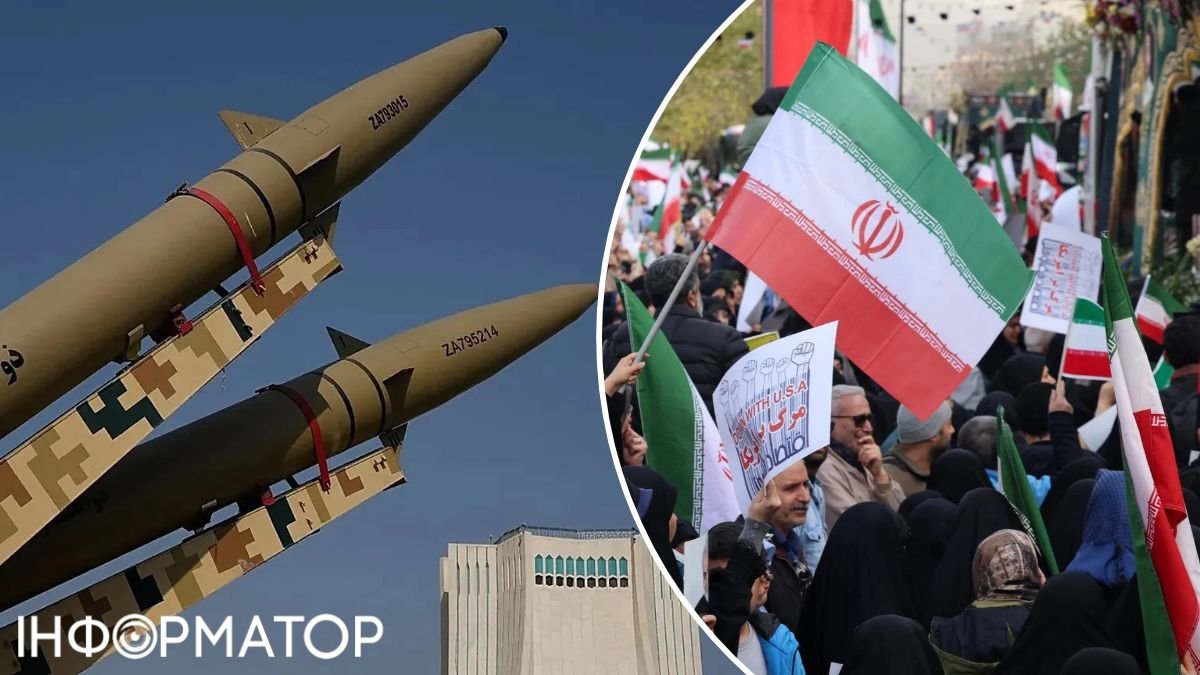
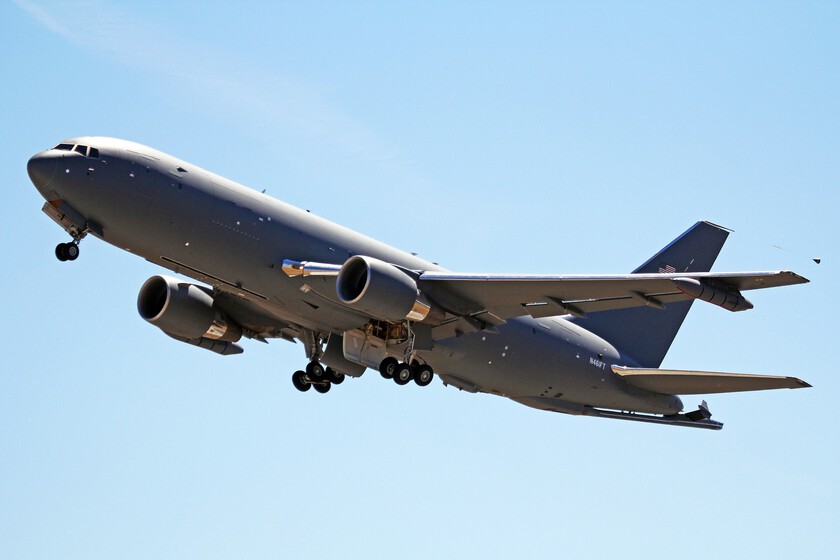
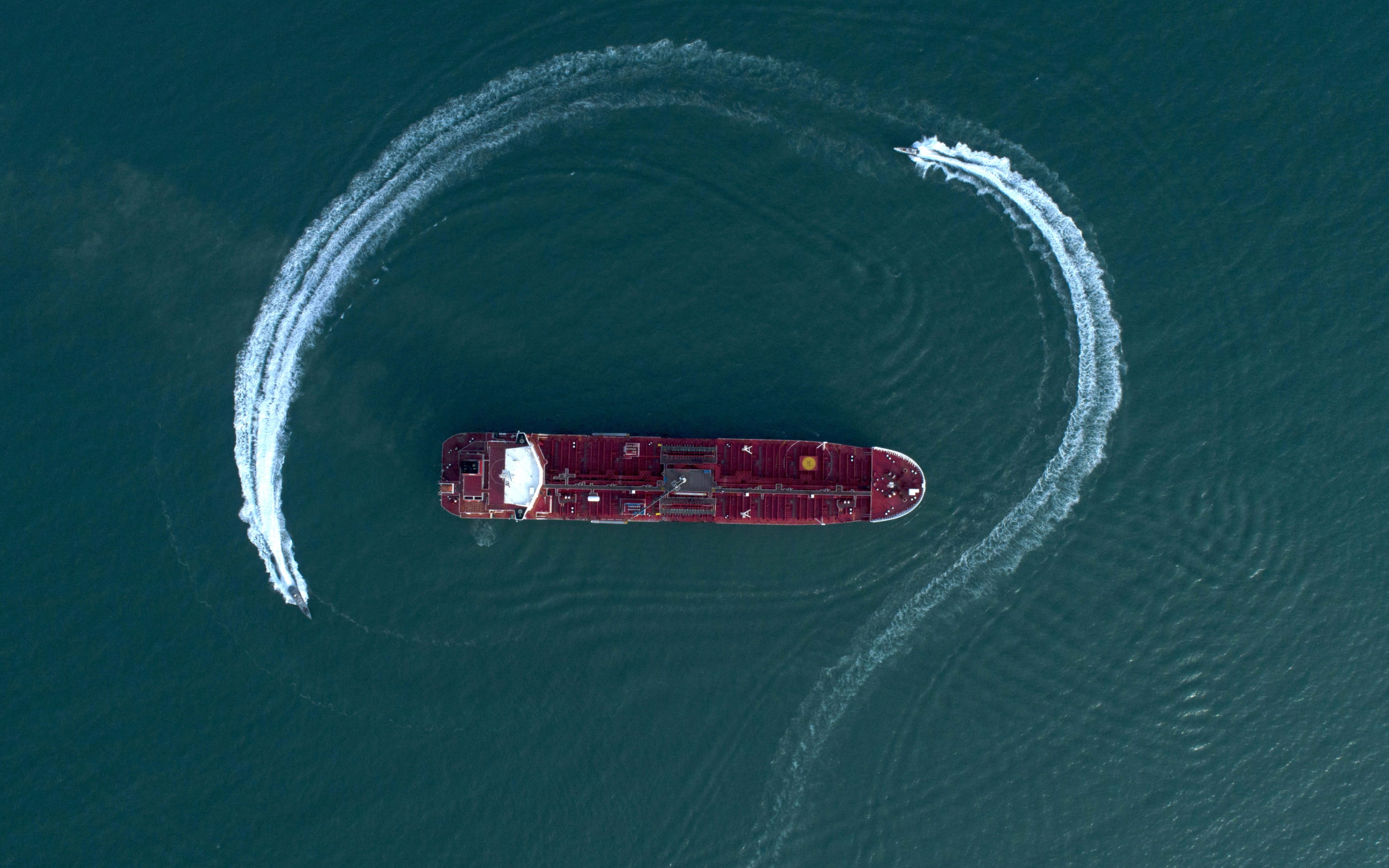
UKMTO reported that two vessels came under fire in the Strait of Hormuz on 13 October. On 14 October, the IRGC Navy said a container ship sank after hitting a naval mine, a claim not independently corroborated in the available reporting. CENTCOM said US forces and regional partners were supporting oil transits, while the IRGC Navy asserted Iranian control of the strait. Separately, reporting describes US KC-46 and KC-135 tanker movements to Europe and a third carrier strike group led by USS Theodore Roosevelt heading towards the Middle East. Iran has fortified Natanz and Pickaxe Mountain and partially resumed drone production, according to reporting based in part on satellite imagery. Iranian officials have threatened US military assets and Gulf infrastructure if Washington resumes strikes. President Donald Trump said the US would not resume attacks before the 3 November elections.
Change from previous assessment
This is an update to the 13 October brief. New reporting describes vessel fire on 13 October, an IRGC Navy claim that a container ship sank on 14 October, and CENTCOM's report that US forces helped move more than 19 million barrels of crude through the Strait of Hormuz. Reporting on tanker aircraft transfers and the USS Theodore Roosevelt carrier strike group adds detail to the US force posture. The public pledge not to resume strikes before 3 November lowers the assessed likelihood of a US strike before that date, while Iranian fortification and drone-production reporting broadens the assessment of Iran's preparations. Confidence in continued shipping risk remains medium; the attack attribution and operational control questions remain unresolved.
Key judgments
- A US strike on Iran before 3 November is unlikely, despite a reinforcing US posture. Donald Trump said on 8 October that Washington would not resume attacks before the elections; separate reporting describes KC-46 and KC-135 tanker transfers to Europe and a third carrier strike group led by USS Theodore Roosevelt moving towards the Middle East. Those deployments do not establish a decision to strike. (Confidence: medium · ASSESSED)
- I&W: Confirm: the White House publicly reaffirms that US strikes will not resume before 3 November. Break: the White House rescinds that pledge or announces that strikes have resumed. (0-14 days)
- I&W: Confirm: US Navy or Pentagon announcements place the USS Theodore Roosevelt carrier strike group and the additional Marine unit in the Middle East. Break: an official announcement cancels or diverts those deployments. (0-14 days)
- Iran is likely strengthening protection around Natanz and Pickaxe Mountain and restoring some drone-production capacity, but the reporting does not establish preparations for an imminent offensive. Satellite imagery shows new earthworks at both sites; reporting also describes partially resumed drone production. IAEA Director General Rafael Mariano Grossi said construction was visible at Pickaxe Mountain but that its nature was not known. (Confidence: medium · ASSESSED)
- I&W: Confirm: new satellite imagery shows additional earthworks or construction at Natanz or Pickaxe Mountain, or independent reporting verifies expanded Iranian drone production. (0-30 days)
- I&W: Break: follow-up imagery shows no expansion at either site and the IAEA reports no evidence that construction at Pickaxe Mountain is linked to military activity. (1-3 months)
- If Washington resumes strikes, Iran is likely to retaliate against US military assets or Gulf infrastructure it has named, including Saudi oil facilities and UAE infrastructure. Iranian officials have also threatened regional data centres, undersea internet cables and US warships. These statements indicate conditional intent, not an operational decision or order. (Confidence: medium · ASSESSED)
- I&W: Confirm: Iranian forces launch a strike on a US military asset, Saudi oil facility or UAE infrastructure after US attacks resume. (0-14 days after any renewed US strike)
- I&W: Break: Iranian officials publicly withdraw the named threats and a US-Iran agreement or verified stand-down follows. (0-30 days)
- Further attacks on commercial shipping in the Strait of Hormuz are likely over the next 14 days. UKMTO reported a container ship and an ore/oil carrier under fire on 13 October and a tanker under fire on 11 October; a separate report said at least three commercial vessels were hit over the weekend. The attacker has not been established. The IRGC Navy's account that a container ship sank after hitting a mine on 14 October remains uncorroborated in the available reporting. (Confidence: medium · ASSESSED)
- I&W: Confirm: UKMTO reports another attack or vessel under fire in the Strait of Hormuz or adjacent waters. (0-14 days)
- I&W: Break: UKMTO reports no further attacks and independent shipping data show commercial transits continuing without new reported incidents. (0-14 days)
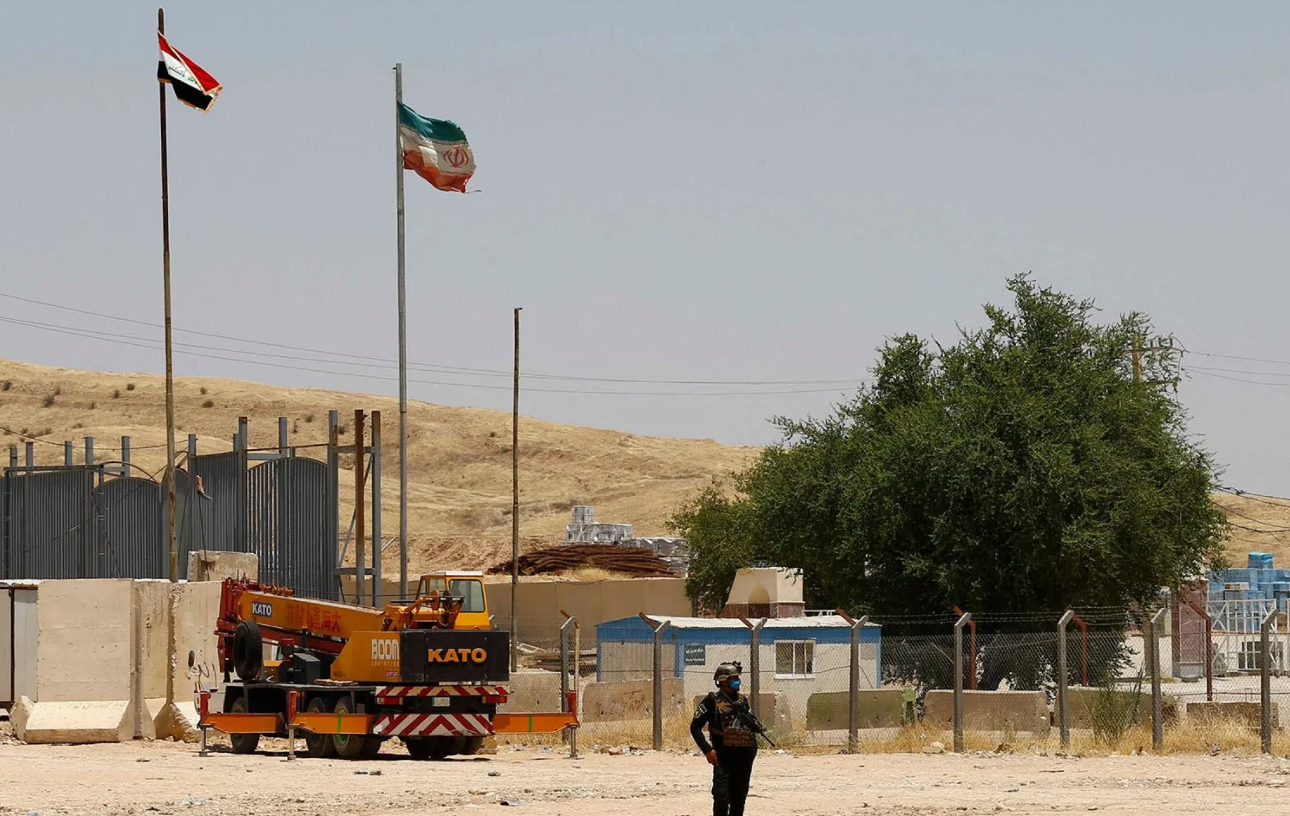
- It is unlikely that either Washington or Tehran has established exclusive control of the Strait of Hormuz in the available reporting. CENTCOM said navigation continued under coalition control and reported that US forces helped Gulf partners move more than 19 million barrels of crude through the strait; the IRGC Navy claimed Iranian control and threatened US warships. The competing official claims and reports of vessel attacks leave operational control unresolved. (Confidence: medium · ASSESSED)
- I&W: Confirm: independent vessel-tracking data show regular commercial transits alongside further UKMTO-reported attacks, with neither side demonstrating exclusive control. (0-14 days)
- I&W: Break: independently verified closure or exclusion of commercial shipping from the strait establishes effective control by one side. (0-14 days)
Outlook & scenarios
Managed maritime standoff (55%)
The most likely path is continued US support for oil transits, further threats from Tehran and intermittent attacks on commercial shipping, without a US strike before 3 November. Public claims of control over the Strait of Hormuz remain contested, while the US deployment reinforces deterrence without proving an intent to attack.
Maritime incident triggers direct exchange (20%)
A further attack on a vessel or a close encounter between US and Iranian forces leads to a direct exchange. This is an unlikely path, but the IRGC Navy's threats against US warships and the unresolved status of control in the strait leave a route to miscalculation.
Temporary diplomatic restraint (20%)
Washington and Tehran maintain a pause in direct strikes while diplomatic contacts continue. This is less likely than a managed standoff because the available reporting shows no settled agreement, and the parties continue to issue threats and incompatible claims about the strait.
Wildcard: Iranian attack on a high-impact target (5%)
A very unlikely but high-impact outcome is an Iranian attack on a US warship or Gulf infrastructure, including Saudi oil facilities or UAE infrastructure. Such an attack would sharply increase the risk of US retaliation and a wider regional conflict.
Recommendations
- Track UKMTO incident notices alongside independent vessel-tracking data. Record each incident's date, location, vessel type and reported weapon, and keep unverified attacker attribution separate from confirmed incident details.
- Maintain a daily deployment tracker for KC-46 and KC-135 movements, the USS Theodore Roosevelt carrier strike group and the additional Marine unit. Distinguish confirmed movements from reported or planned transfers.
- Treat CENTCOM and IRGC Navy statements about Strait of Hormuz control as competing claims. Do not use either statement alone to describe the waterway as fully controlled or closed.
- Monitor public US statements about the 3 November pledge and Iranian statements naming Saudi oil facilities, UAE infrastructure or US military assets. Escalate the assessment if either side reports a policy change or an attack on a named target.
Confidence & uncertainty
Overall confidence is high in the broad assessment of an elevated and contested escalation pattern. The picture draws on multiple reporting streams, including UKMTO shipping reports, vessel-tracking data, satellite imagery analyses, official statements and major-media reporting on US force movements. Confidence is lower on the identity of shipping attackers, the IRGC Navy's report of a sunken container ship, and claims of exclusive control over the Strait of Hormuz. Some reporting repeats the same underlying official or imagery-based account, so corroboration is not uniform.
Intelligence gaps
- [EEI 1.1 · UNCOVERED] Confirmed strikes, attacks, interceptions, or casualties involving US or Iranian forces, including location, timing, and weapon systems used. Recommended collection: military reporting/open-source imagery
- [EEI 2.1 · PARTIAL] Deployment or repositioning of Iranian ballistic missiles, cruise missiles, drones, fast-attack craft, or other strike assets within operational range of US or partner targets. Recommended collection: satellite imagery/signals intelligence
- [EEI 2.3 · PARTIAL] Iranian diplomatic messages, intermediary contacts, or de-escalation proposals directed to the United States or regional governments. Recommended collection: diplomatic reporting/official statements
- [EEI 2.4 · PARTIAL] Changes in Iranian military alert levels, command activity, weapons dispersal, or continuity-of-government measures. Recommended collection: signals intelligence/satellite imagery
- [EEI 3.2 · UNCOVERED] Changes to US force-protection conditions, base access, evacuation plans, embassy staffing, or noncombatant evacuation preparations. Recommended collection: official notices/diplomatic reporting
- [EEI 3.3 · UNCOVERED] Presidential, Pentagon, or theater-command statements describing authorized response options, expanded objectives, or revised rules of engagement. Recommended collection: official statements
- [EEI 4.3 · PARTIAL] Regional government decisions to close airspace or waterways, raise military readiness, expel personnel, or request additional US or allied forces. Recommended collection: official statements/aviation and maritime notices
- [EEI 4.4 · PARTIAL] Sustained movements in oil and gas prices, tanker freight rates, or reported disruptions to production and export facilities attributable to the military exchanges. Recommended collection: energy-market reporting
Cited sources
[1] Xataka · “La última vez que EEUU lo hizo fue justo antes de la operación Epic Fury”: un ejército de KC-46 y KC-135 está llegando a Europa (B) · 14 October 2026 · sha256:89ff65f0c29d [2] Informator.ua · Иран угрожает эскалацией – возможно вторжение в соседние страны (D) · 14 October 2026 · sha256:06d42e1225ea [3] br.az · WSJ: Иран усиливает оборону и готовит регион к большой войне (D) · sha256:80c5cd294139 [4] Infox.ru · Цены на нефть растут на фоне новых атак на суда в Ормузском проливе (B) · 14 October 2026 · sha256:204d3ba4189a [5] Вести (vesti.ru) · ВМС США обеспечили прохождение 19 млн баррелей нефти через Ормузский пролив - Новости на Вести.ru (B) · 14 October 2026 · sha256:a924d2857f1d [6] Diario Siglo XXI · Irán asegura que un buque portacontenedores se hundió en el estrecho de Ormuz tras golpear una mina naval (D) · 14 October 2026 · sha256:ec9007e43b8e
Source content hashes were computed at collection time; the cited text is preserved unmodified for the life of this product.
Red cell review: CONCUR WITH COMMENT
TLP:CLEAR