TLP:CLEAR · Disclosure is not limited.
US-Iran Exchanges: Pressure, Fuel Stress and Hormuz Risk
Time window: Last 1 day · Audience: General analyst · Type: Situation report · DTG: 2026-08-27 16:08Z · Overall confidence: MEDIUM
BLUF
US-Iran tensions are likely to remain in a coercive standoff over the next 0-14 days. A renewed direct exchange is roughly even chance, while expanding US economic pressure, Iranian petrol shortages and restricted access through the Strait of Hormuz will sustain escalation risks.
Executive summary
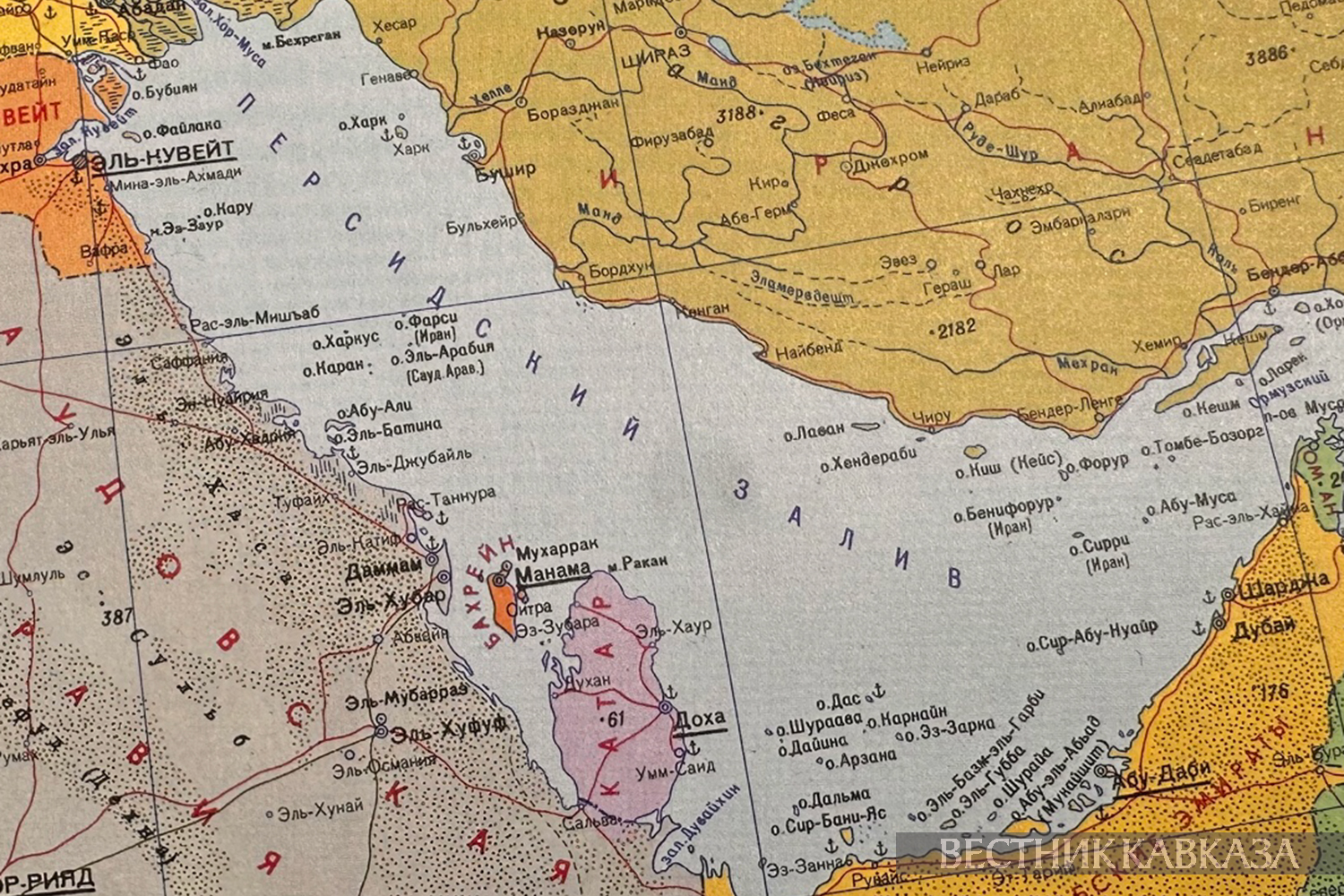
Washington has imposed sanctions on nearly 60 Iranian individuals, companies and vessels and has stated plans to intensify pressure on Tehran. Iranian reporting describes long queues at petrol stations, a daily petrol deficit of 14-15 million litres and strategic reserves that could last only several weeks, although the claims conflict over whether shortages will become total. The Strait of Hormuz remains largely closed in the supplied reporting. Iran and Oman have reported agreements on a temporary shipping corridor and joint mine clearance, but Iranian officials state that the arrangement will not immediately reopen the waterway. The White House says it is not negotiating with Iran, while separate reporting says the USS Abraham Lincoln is heading to Thailand after a 200-day Middle East deployment.
Change from previous assessment
Since the 26 August brief, the core assessment is largely unchanged: US economic pressure is likely to intensify, access through the Strait of Hormuz is likely to remain restricted, a durable ceasefire remains very unlikely and another direct exchange remains roughly even chance. The new reporting adds clearer evidence of petrol queues and reserve stress in Tehran, a White House statement that no negotiations with Iran are under way, and further detail on the Abraham Lincoln's scheduled Thailand visit after its 200-day deployment. Confidence remains medium for the sanctions and maritime judgements, and low for the ceasefire and renewed-exchange judgements. This brief adds fuel access and US force-posture judgements and retires the prior Japan and Turkey energy-adjustment judgement because the supplied claims provide no new support for it.
Key judgments
- The US is likely to sustain and intensify economic pressure on Tehran over the next 0-14 days. Washington has announced sanctions against nearly 60 Iranian individuals, companies and vessels, stated plans to toughen sanctions on Iran's economy and described an economic offensive against Iran's financial connections worldwide. Iranian officials say the measures duplicate existing sanctions, leaving their incremental effect uncertain. This is an assessed judgement. The supplied reporting combines high-confidence sanctions reporting with medium-confidence claims about the measures' novelty and effect. (Confidence: medium · ASSESSED)
- I&W: Confirm: the US Treasury announces additional designations or extends sanctions beyond the nearly 60 Iranian individuals, companies and vessels already reported. (0-14 days)
- I&W: Break: Washington formally pauses the sanctions programme or announces material sanctions relief for Iran. (0-14 days)
- Iran is likely to experience worsening petrol access over the next 0-14 days, but total exhaustion of supplies is not established. Reports from Tehran describe long queues at petrol stations. Iran's energy-management authorities estimate daily consumption at 135 million litres and the daily petrol deficit at 14-15 million litres, while other reporting says strategic reserves could be exhausted within several weeks. Iranian political sources expect total shortages, whereas other claims say imports, mainly from Russia, cover about half the deficit. This is an assessed judgement. It rests on several major-media reports but includes opposition and political-source claims and unresolved differences between the reported deficit, reserve levels and total-shortage forecast. (Confidence: medium · ASSESSED)
- I&W: Confirm: new reporting from Tehran again shows long petrol-station queues and Iran's energy-management authorities report a daily deficit of at least 14 million litres. (0-14 days)
- I&W: Break: Iran reports that imports cover more than half of the petrol deficit and that strategic reserves are no longer at red-alert levels. (0-14 days)
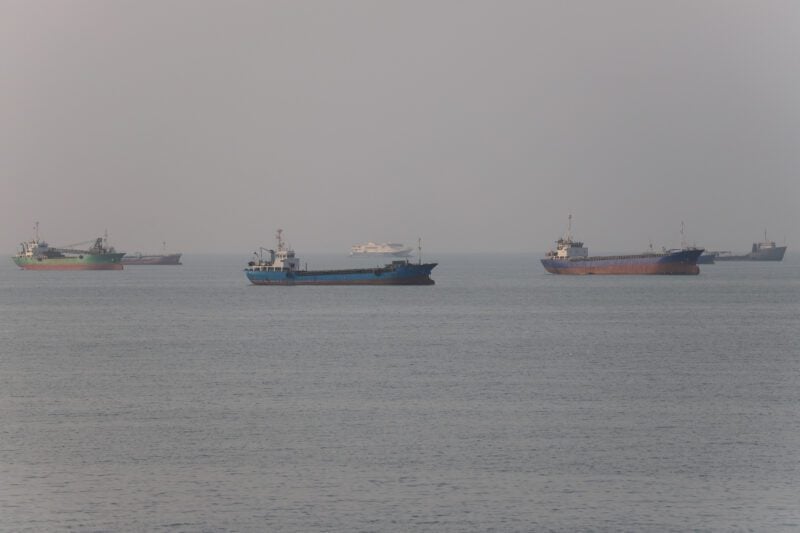
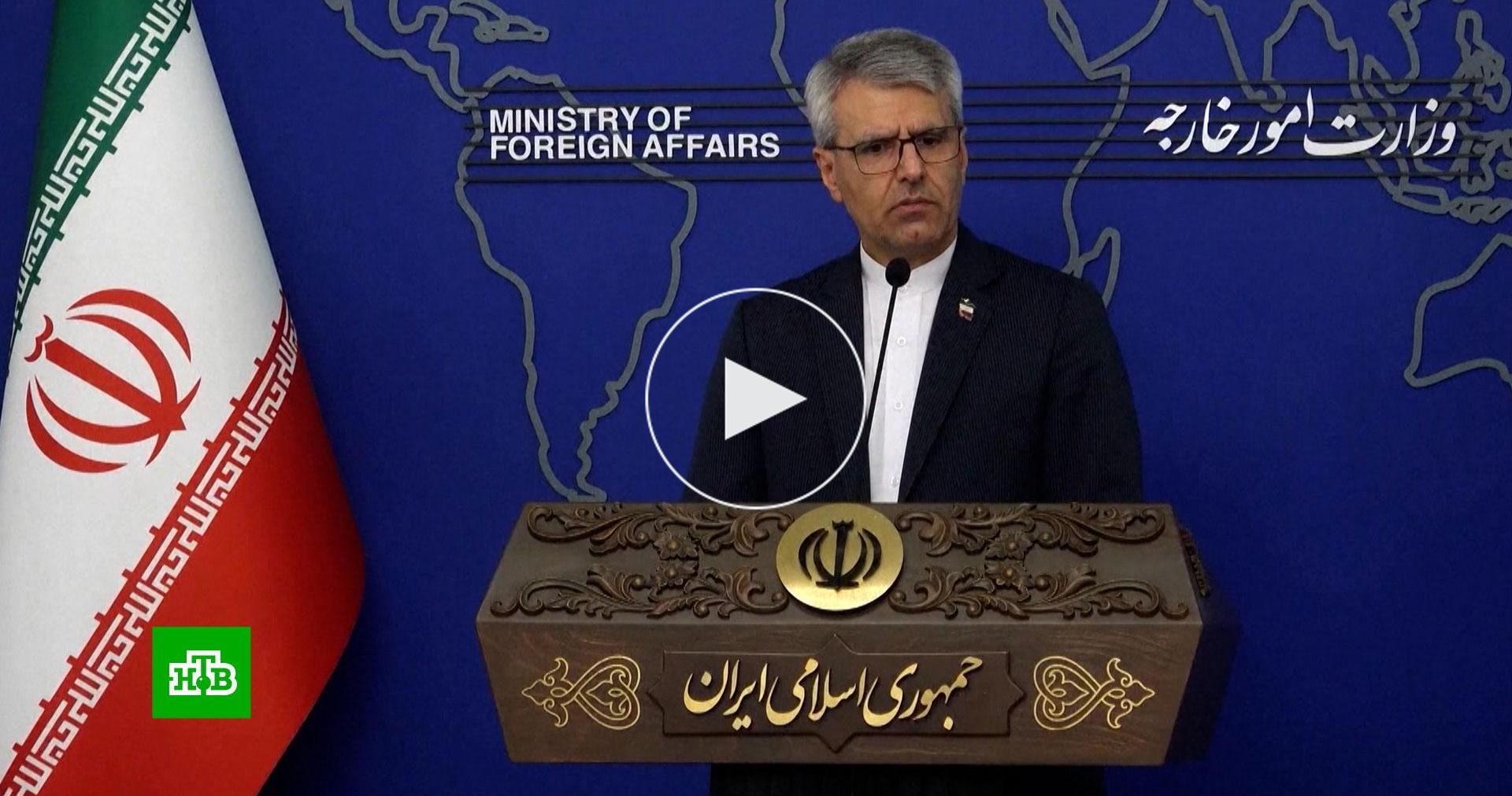
- Restricted maritime access through the Strait of Hormuz is likely to persist over the next 0-14 days, while a durable US-Iran ceasefire is very unlikely in that period. The supplied reporting describes a continuing US maritime blockade of Iranian ports and a Strait of Hormuz that has remained largely closed. Iran and Oman are reported to have agreed a temporary shipping corridor, joint mine clearance and a revenue-sharing arrangement, but Iranian officials warn that the agreement will not immediately reopen the waterway. The White House says no negotiations with Iran are under way, and the record contains conflicting claims about a June ceasefire memorandum and subsequent Iranian accusations that Washington violated it. This is an assessed judgement resting partly on single-source and low-confidence reporting, so the status of the corridor and ceasefire remains unresolved. (Confidence: low · ASSESSED)
- I&W: Confirm: US blockade reporting continues and Iran states that the Iran-Oman arrangement has not produced commercial transit through the Strait of Hormuz. (0-14 days)
- I&W: Break: Tehran and Washington announce a ceasefire alongside publicly confirmed corridor operations and commercial vessel transits. (0-14 days)
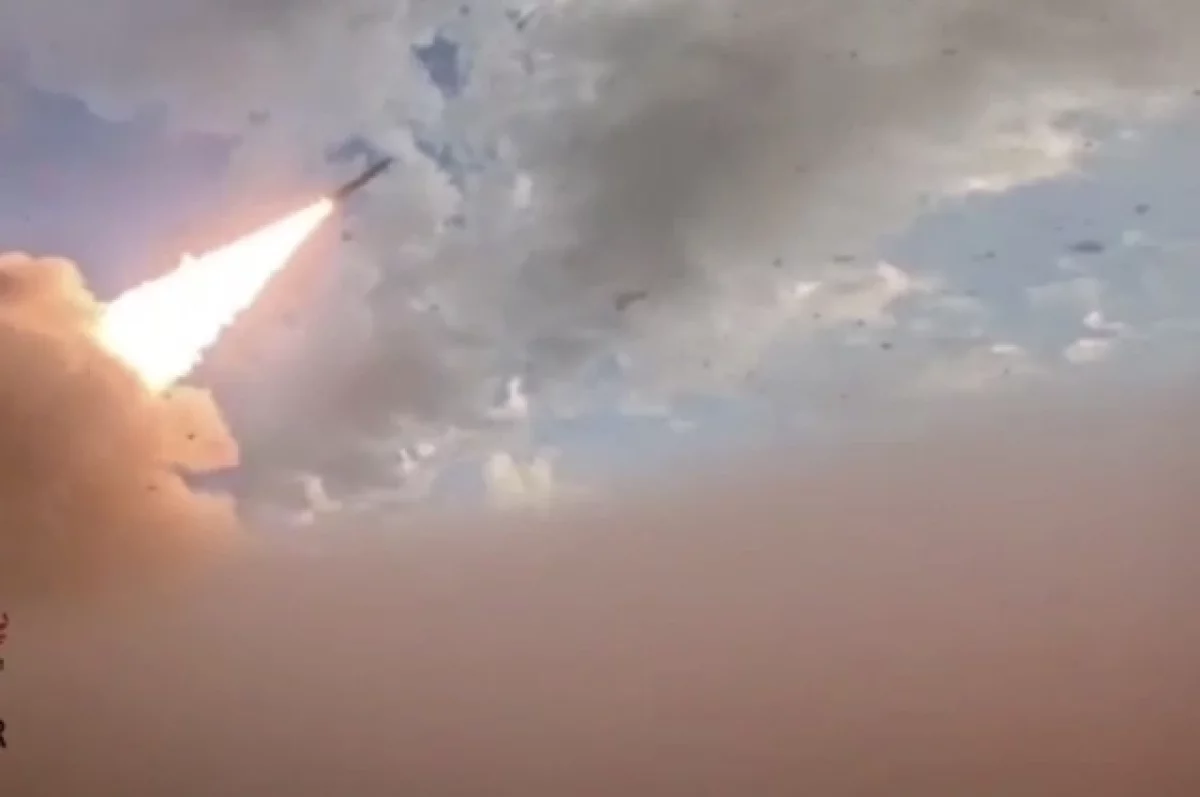
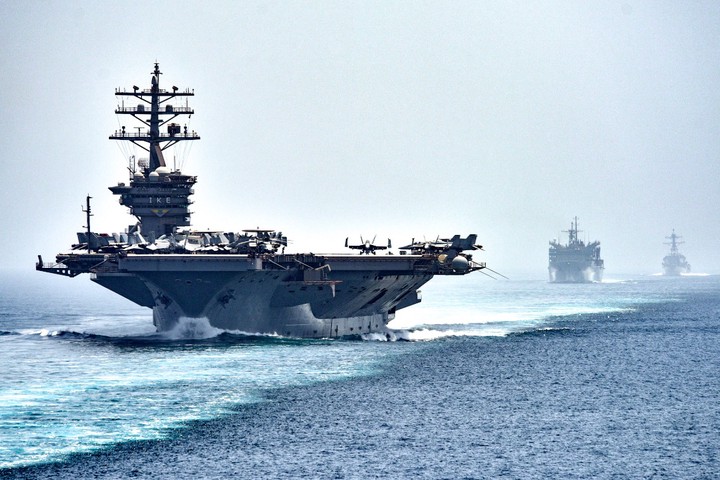
- Another direct US-Iran military exchange is roughly even chance over the next 0-14 days. The supplied record reports Iranian missile and drone damage to US intelligence, military and diplomatic facilities in the Middle East and Persian Gulf, including claims that some US bases became inoperable. Iran is also assessed as posing a risk of another missile wave against US bases. Offsetting signals include Marco Rubio's statement that the US has no plans to strike Iran and the reported movement of the USS Abraham Lincoln to Thailand for crew rest after a 200-day Middle East deployment. This is an assessed judgement. Confidence is low because the damage claims are not independently quantified in the record, while US statements against further strikes conflict with reporting of continuing confrontation risks. (Confidence: low · ASSESSED)
- I&W: Confirm: a new Iranian missile or drone strike hits a US military or diplomatic facility in the Persian Gulf, or Washington announces a new strike on Iran. (0-14 days)
- I&W: Break: Tehran and Washington jointly confirm a ceasefire, while the USS Abraham Lincoln and its strike-group ships complete the Thailand visit without a new combat deployment. (0-14 days)
- The US is likely to reconfigure its fixed military presence in the Middle East over the next 1-3 months rather than restore every damaged base. The Pentagon is considering closing US bases because of restoration costs, and separate reporting says Washington might not restore damaged bases for political reasons. The USS Abraham Lincoln is heading to Thailand after a 200-day deployment, although the US has also redeployed fighters, warships and other resources to the Middle East. This is an assessed judgement. The direction of policy is prospective and rests mainly on major-media reporting, with the redeployment claims providing a countervailing signal. (Confidence: medium · ASSESSED)
- I&W: Confirm: the Pentagon announces closure or non-restoration of a damaged US base and the USS Abraham Lincoln enters Thailand as scheduled. (1-3 months)
- I&W: Break: the Pentagon cancels the closure option and authorises restoration of damaged bases or announces a renewed permanent deployment of the Abraham Lincoln strike group to the Middle East. (1-3 months)
Outlook & scenarios
Coercive standoff with limited maritime deconfliction (45%)
Over 0-14 days, the US sustains economic pressure and the maritime blockade, Iran keeps the Strait of Hormuz largely closed, and Iran and Oman implement only a restricted temporary corridor. No durable US-Iran ceasefire follows. This is the likely baseline scenario.
Renewed direct exchange (30%)
Over 0-14 days, Iran conducts another missile or drone strike against a US military or diplomatic facility in the Persian Gulf or Middle East, followed by a US response against Iran. The maritime corridor stalls and the US reviews its regional base posture.
Economic pressure deepens without immediate combat (20%)
Over 1-3 months, the US expands sanctions while Iran's petrol deficit and reserve stress intensify. Tehran sustains restricted shipping controls but avoids a new direct strike, and Washington keeps the Abraham Lincoln on a rest and repositioning schedule while considering base closures.
Temporary sanctions-for-navigation deal (5%)
Very unlikely but high impact: Washington and Tehran reach a temporary arrangement linking sanctions relief to verified navigation through the Strait of Hormuz. Commercial traffic resumes faster than Iranian warnings and the existing blockade reporting indicate.
Recommendations
- Treat the reported Iran-Oman corridor as unverified until Iran and Oman confirm operational details, joint mine-clearance activity and actual commercial vessel transit.
- Maintain a daily watch on Tehran petrol-station queues, reported petrol imports, the 14-15 million litre daily deficit and any official change in strategic reserve status.
- Separate new US sanctions from measures that Iranian officials describe as duplicative. Track new designations, affected sectors and any stated sanctions relief rather than relying on aggregate sanction counts.
- Monitor for a new Iranian missile or drone strike against US military or diplomatic facilities in the Persian Gulf and for any US announcement of renewed strikes on Iran.
- Track the USS Abraham Lincoln and its two accompanying ships through the Thailand visit, alongside Pentagon decisions on closure or restoration of damaged bases.
- Maintain parallel reporting lines for the coercive-standoff and renewed-exchange scenarios. Do not treat the reported June ceasefire memorandum or the Iran-Oman arrangement as evidence of a durable US-Iran ceasefire without direct confirmation from both governments.
Confidence & uncertainty
Overall confidence is medium because the record contains several high-confidence event groupings and reporting from Reuters and DW, alongside a larger body of medium-confidence major-media claims. Confidence is strongest on the existence of US sanctions activity, Iranian fuel stress indicators and the reported movement of the USS Abraham Lincoln. The main uncertainties are the actual operational status of the Strait of Hormuz, whether the Iran-Oman arrangement has produced transit, the status of the June ceasefire memorandum and the scale of reported damage to US facilities. The supplied claims also mix 2023, 2024 and 2026 dates and include repeated or single-source assertions, which limits confidence in precise timelines and forecasts.
Intelligence gaps
- [EEI 1.2 · PARTIAL] Changes in US or Iranian force posture indicating preparation for further attacks, including aircraft dispersal, missile-unit movement, naval sortie activity, or air-defense activation. Recommended collection: satellite imagery/aviation and maritime tracking
- [EEI 1.3 · PARTIAL] Public or private warnings, ultimata, declared red lines, or force-protection directives issued by US or Iranian leadership. Recommended collection: official statements/diplomatic reporting
- [EEI 1.4 · UNCOVERED] Evidence of mobilization or operational tasking by Iranian-aligned armed groups against US personnel, bases, or partners. Recommended collection: local reporting/social media/human intelligence
- [EEI 2.1 · UNCOVERED] Deployment or repositioning of Iranian ballistic missiles, cruise missiles, drones, fast-attack craft, or other strike assets within operational range of US or partner targets. Recommended collection: satellite imagery/signals intelligence
- [EEI 2.2 · UNCOVERED] Orders, threats, targeting claims, or attack preparations by Iranian proxy groups in Iraq, Syria, Lebanon, Yemen, or the Gulf. Recommended collection: group statements/local reporting
- [EEI 2.4 · PARTIAL] Changes in Iranian military alert levels, command activity, weapons dispersal, or continuity-of-government measures. Recommended collection: signals intelligence/satellite imagery
- [EEI 3.1 · PARTIAL] Arrival or departure of US carrier strike groups, bombers, air-defense units, special operations forces, or additional personnel in the region. Recommended collection: maritime and aviation tracking
- [EEI 3.2 · PARTIAL] Changes to US force-protection conditions, base access, evacuation plans, embassy staffing, or noncombatant evacuation preparations. Recommended collection: official notices/diplomatic reporting
- [EEI 3.3 · PARTIAL] Presidential, Pentagon, or theater-command statements describing authorized response options, expanded objectives, or revised rules of engagement. Recommended collection: official statements
- [EEI 3.4 · UNCOVERED] US or coalition kinetic actions against Iranian territory, military infrastructure, or aligned groups following new exchanges. Recommended collection: military reporting/open-source imagery
- [EEI 4.2 · PARTIAL] Changes in commercial vessel routing, port calls, AIS behavior, shipping delays, or war-risk insurance premiums in the Gulf, Strait of Hormuz, Red Sea, or adjacent waters. Recommended collection: maritime/AIS
- [EEI 4.3 · PARTIAL] Regional government decisions to close airspace or waterways, raise military readiness, expel personnel, or request additional US or allied forces. Recommended collection: official statements/aviation and maritime notices
- [EEI 4.4 · PARTIAL] Sustained movements in oil and gas prices, tanker freight rates, or reported disruptions to production and export facilities attributable to the military exchanges. Recommended collection: energy-market reporting
Cited sources
[1] dw.com · Парализуют ли новые санкции США экономику Ирана? (A) · sha256:213f70eb4c42 [2] gcaptain.com · Iran, Oman Agree to Share Strait of Hormuz Revenue (B) · sha256:b26ea75e2e2b [3] ntv.ru · Иран пожаловался в ООН на экономическое давление со стороны США (B) · sha256:02d0eff76043 [4] interfax.ru · В Иране заявили, что новые санкции США дублируют прежние (B) · sha256:8d488ba172ec [5] EADaily · В Иране заканчивается бензин: оппозиция утверждает, что запасы на исходе: EADaily (B) · sha256:7a70efe13198 [6] Газета «Коммерсантъ» · Газета «Коммерсантъ» (B) · sha256:542543c0bbf0 [7] dahab.pro · Новости Ирана, обзор СМИ (B) · sha256:42e4a4d014e7 [8] news.mail.ru · Разведка США проиграла Ирану: Пентагон скрыл чудовищные потери (B) · sha256:dfc49a339f25 [9] aif.ru · Разведка США проиграла Ирану: Пентагон скрыл чудовищные потери (B) · sha256:42ff2780395f [10] absatz.media · Почему Иран ответил США цитатой из «Зеленой мили»? (B) · sha256:7d4a2935e467 [11] Reuters · Reuters сообщило о снижении боеготовности США за полгода войны в Иране (A) · sha256:d527233aad71 [12] news.mail.ru · «Я устал, босс»: в МИД Ирана посмеялись над отправкой авианосца США в Таиланд для отдыха (B) · sha256:88d5e4d671d5 [13] news.mail.ru · Иран прокомментировал ситуацию с авианосцем США фразой из фильма (B) · sha256:e1dbb1b5f0fb [14] vestikavkaza.ru · Будут ли США восстанавливать базы на Ближнем Востоке? (B) · sha256:38d118da7365
Source content hashes were computed at collection time; the cited text is preserved unmodified for the life of this product.
TLP:CLEAR