TLP:CLEAR · Disclosure is not limited.
US-Iran Exchanges Raise Risk of Wider Regional Disruption
Time window: Last 1 day · Audience: General analyst · Type: Situation report · DTG: 2026-08-21 13:40Z · Overall confidence: MEDIUM
BLUF
US-Iran military activity is likely to remain active over the next 0-14 days while Washington shifts towards intensified economic coercion. The Strait of Hormuz is likely to remain severely disrupted, and low-confidence reporting indicates that Iran is preparing options against US bases in Arab states, although an executed attack remains unlikely.
Executive summary
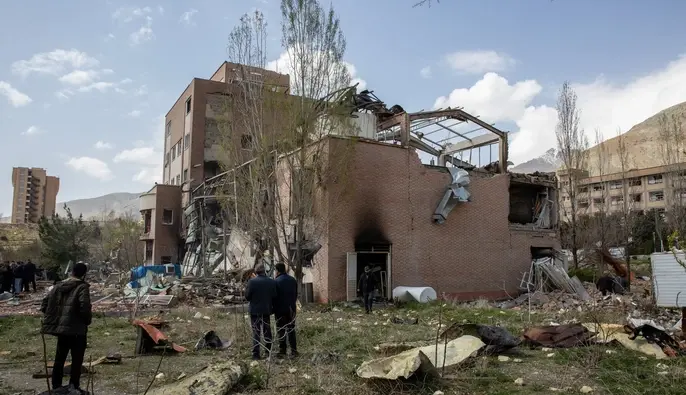
Reporting indicates that the confrontation remains militarily active while diplomatic positions remain mixed. The United States has moved the USS George Washington from Japan to the Middle East, redeployed ships, aircraft and air-defence systems there, and used large quantities of missiles. On 21 August, Donald Trump announced a major economic operation against Iran, while Treasury Secretary Scott Bessent linked stronger sanctions to a lower likelihood of large-scale military action. Masoud Pezeshkian has advocated negotiations, but Iran is also reported to maintain high military readiness and reject a temporary ceasefire. Traffic reporting for the Strait of Hormuz remains contradictory, with independent estimates of 3-12 daily crossings alongside US claims of roughly 10 million barrels of oil and 15-20 tankers using a defended lane. Iran's reported economic stress, including almost 80% inflation, a currency decline of almost 30% against the dollar and gasoline consumption above domestic production, increases pressure on Tehran without demonstrating imminent capitulation.
Change from previous assessment
Since the 20 August brief, the assessment has changed in three ways. First, confidence that Washington is prioritising economic coercion has increased because Donald Trump announced the operation on 21 August and Scott Bessent linked stronger sanctions to a lower likelihood of renewed large-scale military action. Second, pressure on US force endurance is more prominent because reporting now includes the movement of the USS George Washington from Japan, THAAD elements from South Korea, wider Middle East redeployments and additional claims about missile expenditure and stock depletion. Confidence on this point remains medium because the figures do not fully reconcile. Third, the previous standalone warning about a possible Iranian strike on a US facility in Europe has been retired. It has been replaced by a broader, low-confidence judgement on reported Iranian sabotage planning against US bases in Arab states. The Strait of Hormuz judgement is retained, but now places greater weight on the divergence between independent estimates of 3-12 daily crossings and US claims of roughly 10 million barrels of oil and 15-20 tankers using a defended lane.
Key judgments
- The US-Iran confrontation is likely to remain militarily active but diplomatically constrained over the next 0-14 days. The United States has moved the USS George Washington from Japan to the Middle East, redeployed ships, aircraft and air-defence systems there, and used thousands of missiles against Iran. Iran says it is prepared to retaliate and remains at high military readiness, while Masoud Pezeshkian advocates ending the war through negotiations. This is an assessed judgement. The diplomatic reporting is internally mixed because Iran is also reported to have rejected a temporary ceasefire. (Confidence: medium · ASSESSED)
- I&W: US or Israeli military operations against Iran are reported again, or Iran announces additional retaliatory preparations while maintaining high military readiness. (0-14 days)
- I&W: US-Iran negotiations open publicly and both sides suspend further military operations for 14 consecutive days. (0-14 days)
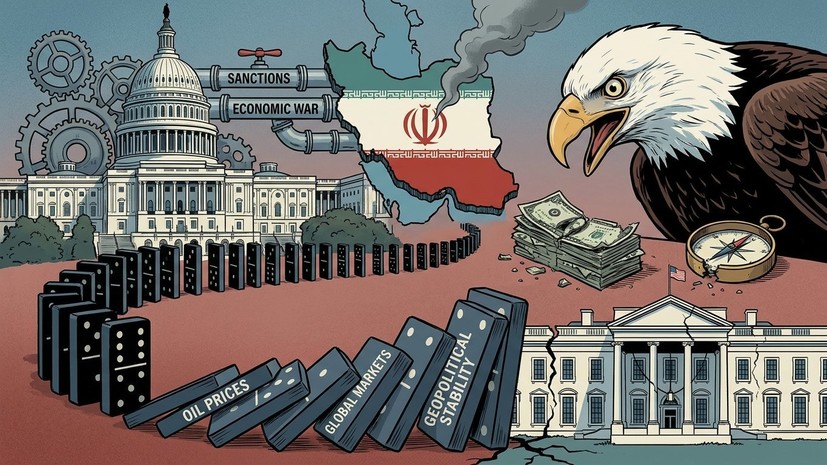
- The United States is very likely to intensify economic coercion against Iran and its trading partners over the next 1-3 months, while a new large-scale US military operation is unlikely in that period. Donald Trump announced an economic operation against Iran on 21 August and threatened economic isolation for Iran and its trading partners. Scott Bessent stated that stronger sanctions reduce the likelihood of renewed large-scale military operations, while Trump has described negotiations as the intended route to ending the war. This assessment concerns policy direction, not implementation, and confidence is medium because the reporting does not establish the scope or enforcement timetable of the measures. (Confidence: medium · ASSESSED)
- I&W: The US Treasury announces new designations or enforcement measures against Iranian entities and companies trading with Iran. (0-30 days)
- I&W: The United States announces or begins a new large-scale military operation against Iran. (0-90 days)
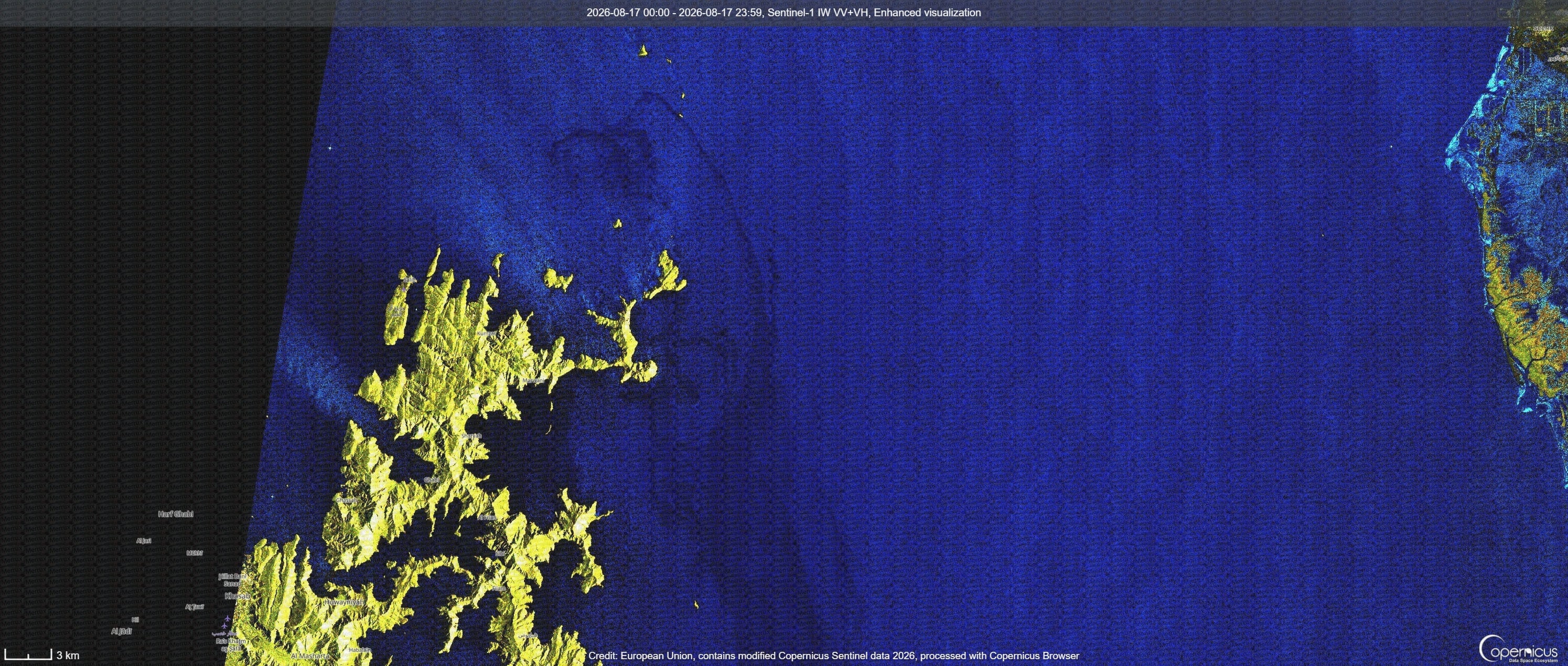
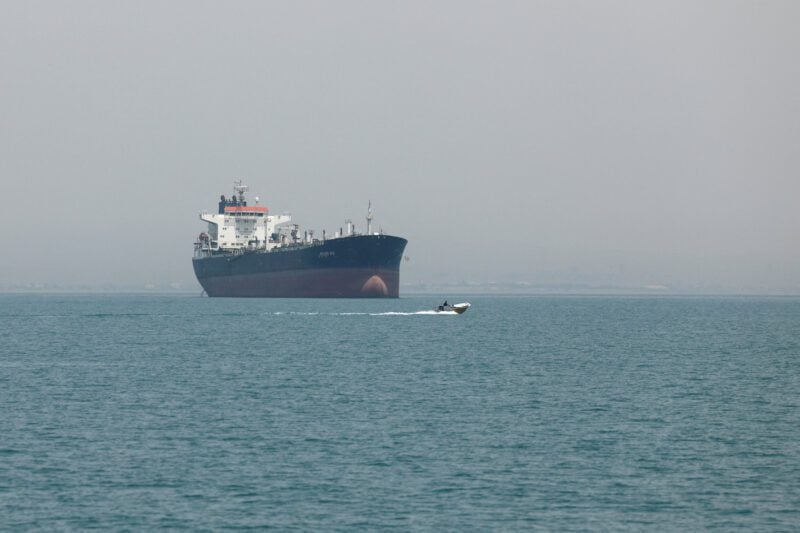
- The Strait of Hormuz is likely to remain severely disrupted rather than return to normal traffic over the next 0-14 days, but the available reporting does not establish a complete closure. Iran is reported to be keeping the strait closed, while Kpler assesses only 3-12 daily crossings and two US officials report 15-20 tankers per night using a US-defended lane. Other US reporting claims roughly 10 million barrels of oil move through the waterway daily, while the Joint Maritime Information Center does not reflect those figures. Chinese lessors remain cautious about sending vessels into the Middle East, and Iran is negotiating with Oman over management of the strait. Confidence is medium because the traffic counts conflict and the sources do not provide a single verified operating picture. (Confidence: medium · ASSESSED)
- I&W: Kpler continues to report 3-12 or fewer daily crossings and Chinese lessors continue to restrict tanker entry into the Middle East. (0-14 days)
- I&W: Kpler reports more than 12 daily crossings for 14 consecutive days and China confirms resumed tanker transits through the Strait of Hormuz. (0-14 days)
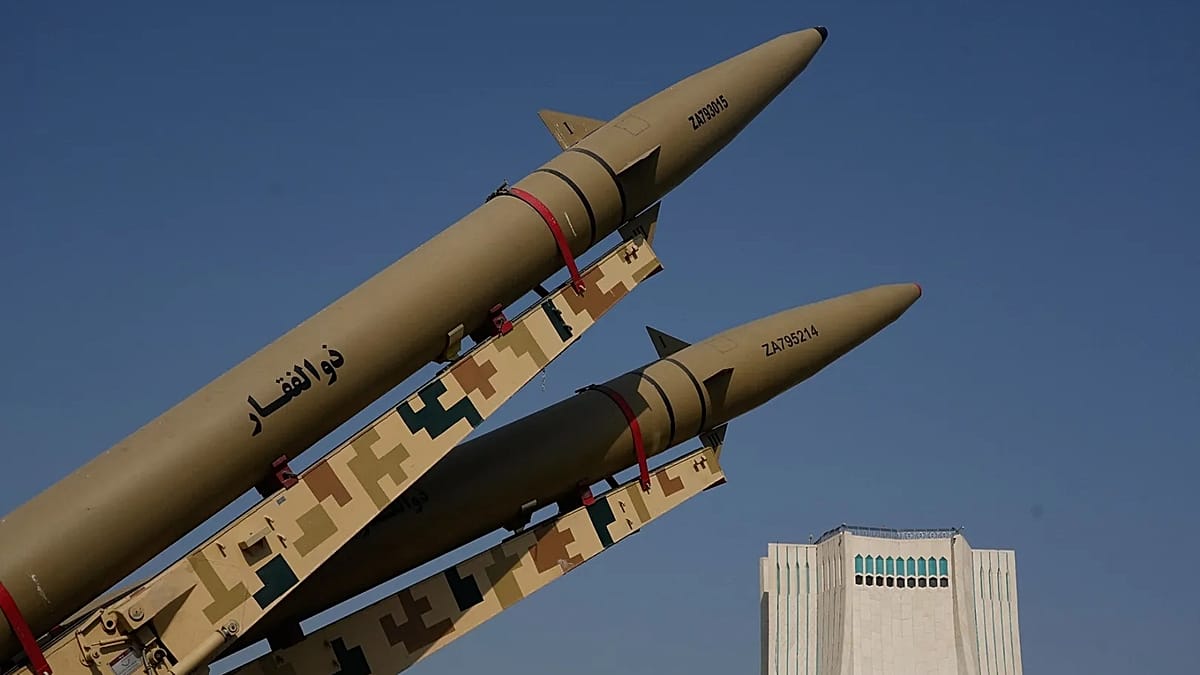
- Iran is likely to sustain preparations and signalling for attacks on US bases in Arab states, but an executed sabotage operation is unlikely over the next 0-14 days. The reporting identifies Iranian preparations, more powerful weapons and readiness to retaliate, but it rests heavily on political analyst Alexander Perendzhiev, an unnamed intelligence assertion and repeated major-media accounts. No provided claim reports an executed attack on a US base in an Arab state. This is a thin, largely single-source assessment and confidence is low. (Confidence: low · ASSESSED)
- I&W: A US base or host government in an Arab state reports an attempted or completed Iranian-linked sabotage operation. (0-14 days)
- I&W: Iran disavows the reported plan, withdraws the relevant threat and produces no operational incident involving a US base for 14 days. (0-14 days)
- The United States is likely to face sustained pressure on strike and air-defence inventories over the next 1-3 months, but the scale of depletion is uncertain. Reporting cites expenditure of more than 850 Tomahawk missiles, thousands of missiles overall and more than 1,500 Patriot missiles, alongside claims that about half of US Patriot interceptor stocks have been used. The Pentagon is attempting to increase weapons production, and one report states that restoring US stocks will take significant time. Confidence is medium because several major-media reports point in the same direction, but the central expenditure and inventory figures include lower-confidence reporting and do not fully reconcile. (Confidence: medium · ASSESSED)
- I&W: The Pentagon announces additional production acceleration or further redeployments of ships, aircraft and air-defence systems to the Middle East. (0-90 days)
- I&W: The Pentagon reports replenishment of Patriot, THAAD and Tomahawk inventories that reverses the reported depletion trend. (1-3 months)
Outlook & scenarios
Economic coercion with guarded negotiations (60%)
The United States implements the economic operation announced on 21 August and expands pressure on Iran and its trading partners. Iran maintains high military readiness while engaging in negotiations without accepting a temporary ceasefire. Military exchanges continue at a controlled level.
Prolonged Hormuz disruption with contained exchanges (45%)
Traffic through the Strait of Hormuz remains sharply below normal and shipping operators continue using restricted or defended routes. US-Iran military activity continues, but Iran avoids an acknowledged attack on a US base in an Arab state. Energy and freight disruption persists.
Regional retaliation and wider escalation (20%)
Iran conducts sabotage against a US base in an Arab state or launches a further retaliatory strike. The United States responds with additional military action, and Hormuz traffic falls further. This is an unlikely, high-impact scenario.
Negotiated maritime and military stabilisation (20%)
US-Iran negotiations gain traction while Iran and Oman advance an arrangement for managing the Strait of Hormuz. Traffic begins to recover, and military exchanges decline without a formal settlement. This scenario is less likely than continued coercion and disruption because Iran is reported to reject a temporary ceasefire.
Recommendations
- Maintain a daily Strait of Hormuz traffic ledger that records Kpler crossings, Joint Maritime Information Center figures, US claims of roughly 10 million barrels daily and reported use of the 15-20 tanker defended lane. Treat the data streams as separate until their differences are resolved.
- Prioritise collection on implementation of the 21 August US economic operation. Track Treasury designations, enforcement against trading partners, Iranian official responses and any change in Iran's reported inflation, currency and fuel pressures.
- Treat reporting on Iranian sabotage plans against US bases in Arab states as low-confidence. Seek independent confirmation through US and host-government incident releases, geolocated imagery and consistent reporting from more than one source before revising the warning.
- Reconcile US weapons expenditure and inventory reporting by separating Tomahawk, Patriot and THAAD figures. Compare reported use with Pentagon production announcements and evidence of further asset redeployment over the next 1-3 months.
- Monitor the strategic effect of moving the USS George Washington from Japan and THAAD elements from South Korea to the Middle East. Record any additional changes in US force posture and any corresponding statements from Asian allies.
- Track the Iran-Oman discussions on Strait of Hormuz management alongside Pezeshkian's negotiation statements. Treat a verified agreement, sustained traffic recovery or a formal rejection of talks as decision points for revising the outlook.
Confidence & uncertainty
Overall confidence is medium because multiple major-media reports and statements attributed to senior US and Iranian officials corroborate the broad direction of events: continued military activity, intensified US economic pressure, Iranian readiness and severe maritime disruption. Confidence is lower on the exact Strait of Hormuz traffic volume, the implementation timetable for sanctions, Iranian operational intent and the scale of US missile depletion. Several claims are single-source, lower-confidence or internally inconsistent, particularly those concerning Iranian sabotage planning and US interceptor inventories.
Intelligence gaps
- [EEI 1.1 · PARTIAL] Confirmed strikes, attacks, interceptions, or casualties involving US or Iranian forces, including location, timing, and weapon systems used. Recommended collection: military reporting/open-source imagery
- [EEI 1.4 · UNCOVERED] Evidence of mobilization or operational tasking by Iranian-aligned armed groups against US personnel, bases, or partners. Recommended collection: local reporting/social media/human intelligence
- [EEI 2.1 · UNCOVERED] Deployment or repositioning of Iranian ballistic missiles, cruise missiles, drones, fast-attack craft, or other strike assets within operational range of US or partner targets. Recommended collection: satellite imagery/signals intelligence
- [EEI 2.2 · UNCOVERED] Orders, threats, targeting claims, or attack preparations by Iranian proxy groups in Iraq, Syria, Lebanon, Yemen, or the Gulf. Recommended collection: group statements/local reporting
- [EEI 2.3 · PARTIAL] Iranian diplomatic messages, intermediary contacts, or de-escalation proposals directed to the United States or regional governments. Recommended collection: diplomatic reporting/official statements
- [EEI 2.4 · UNCOVERED] Changes in Iranian military alert levels, command activity, weapons dispersal, or continuity-of-government measures. Recommended collection: signals intelligence/satellite imagery
- [EEI 3.2 · UNCOVERED] Changes to US force-protection conditions, base access, evacuation plans, embassy staffing, or noncombatant evacuation preparations. Recommended collection: official notices/diplomatic reporting
- [EEI 3.3 · PARTIAL] Presidential, Pentagon, or theater-command statements describing authorized response options, expanded objectives, or revised rules of engagement. Recommended collection: official statements
- [EEI 3.4 · UNCOVERED] US or coalition kinetic actions against Iranian territory, military infrastructure, or aligned groups following new exchanges. Recommended collection: military reporting/open-source imagery
- [EEI 4.3 · PARTIAL] Regional government decisions to close airspace or waterways, raise military readiness, expel personnel, or request additional US or allied forces. Recommended collection: official statements/aviation and maritime notices
Cited sources
[1] Al Jazeera · US allies in Asia wary as Trump moves military assets for Iran war (A) · sha256:66b677f529a0 [2] apostrophe.ua · Россия и Китай скорректировали свои планы после войны в Иране. (B) · sha256:098728552d82 [3] aif.ru · Прицельный удар по базам США: ответ Ирана вызвал панику в Пентагоне (B) · sha256:fab2e0207d22 [4] russian.rt.com · «Это будет крайне болезненно для Вашингтона»: к чему может привести экономическая война США против Ирана (B) · sha256:6d7e61e18656 [5] Euronews · Президент Ирана призывает завершить войну с позиции силы на фоне давления США (B) · sha256:2f01c9e65279 [6] Bloomberg · Trump Threatens Economic Isolation for Iran and Its Trading Partners (A) · sha256:5810312d93a6 [7] maritime-executive.com · White House's Hormuz Traffic Claims Diverge From Independent Counts (B) · sha256:da078caee6bd [8] gcaptain.com · Maritime Markets Bracing for Long-term Disruption in the Middle East (B) · sha256:d28763ac913c [9] gcaptain.com · US Will Impose 'Toughest Sanctions in History' on Iran, Bessent Says (A) · sha256:b3ca68b2a9ab [10] Общественная служба новостей — ОСН · Целенаправленный удар по базам США: Реакция Ирана всполошила Пентагон (B) · sha256:7567d7fcffdb [11] 19rusinfo.ru · Что Пентагон задумал против России и Китая: После Ирана - уже крайние меры (B) · sha256:11e75b3c84d1 [12] cursorinfo.co.il · Союзники встревожены – возможности Пентагона оказались ограничены (B) · sha256:c29c450bb964
Source content hashes were computed at collection time; the cited text is preserved unmodified for the life of this product.
Red cell review: CONCUR WITH COMMENT
TLP:CLEAR