TLP:CLEAR · Disclosure is not limited.
US-Iran Exchanges Widen as Hormuz Traffic Remains Constrained
Time window: Last 1 day · Audience: General analyst · Type: Situation report · DTG: 2026-09-04 18:41Z · Overall confidence: HIGH
BLUF
The US-Iran confrontation is very likely to produce another direct exchange within 14 days and to retain a regional footprint beyond Iran. Commercial passage through the Strait of Hormuz is very likely to remain severely constrained, while a negotiated pause is unlikely in the near term.
Executive summary
US Central Command reported new strikes on IRGC air-defence systems, radar stations, naval assets and communications facilities in Iran on 2 September. Iran subsequently fired missiles and drones at US bases in Jordan, Kuwait and Bahrain, and Tehran promised a firm response. The 1 September incident at a wedding in Sirik, Hormozgan province, remains disputed: Iranian authorities and weapons experts attribute it to a US munition, while US officials cite alternative explanations and deny targeting civilians. Shipping remains sharply reduced. Kpler recorded four commodity vessels through the Strait of Hormuz on 3 September, while a separate report described a US-escorted convoy of 40 tankers carrying 18 million barrels. The discrepancy leaves the scale of US-enabled traffic unresolved.
Change from previous assessment
Since the 3 September brief, the assessment shifts towards a more clearly regionalised and politically volatile confrontation. New reporting adds US strikes on IRGC air-defence, radar, naval and communications assets, reported Iranian attacks on bases in Jordan, Kuwait and Bahrain, the civilian casualty dispute in Sirik, and a reported US-escorted convoy of 40 tankers carrying 18 million barrels. Confidence remains medium on another direct exchange and Hormuz disruption, but is lower on the civilian incident and diplomatic pause because official accounts conflict with expert assessments and mediation reporting. The possible South Korean deployment is now assessed as under consideration rather than imminent because the Blue House denies that a decision has been made.
Key judgments
- The US-Iran confrontation is very likely to produce another direct military exchange within 0-14 days and to retain a regional footprint beyond Iran. US Central Command reported new strikes on IRGC air-defence systems, radar stations, naval assets and communications facilities on 2 September. Reporting on 4 September said Iran fired missiles and drones at US bases in Jordan, Kuwait and Bahrain, while Tehran promised a firm response. A 3 September statement attributed to JD Vance said there was no active shooting, so the timing of the next exchange remains uncertain. (Confidence: medium · ASSESSED)
- I&W: US Central Command or Iranian authorities report a new strike, missile launch or drone attack involving Iran, US forces, Jordan, Kuwait or Bahrain. (0-14 days)
- I&W: Both governments announce and observe a halt in attacks, with no further reported launches or strikes for 14 consecutive days. (0-14 days)
- The Sirik and Kuhestak civilian incident is likely to intensify Iranian retaliation and US-Iran diplomatic pressure over 0-14 days, but responsibility remains unresolved. Iranian authorities reported that a wedding ceremony in Sirik district, Hormozgan province, was hit on 1 September, while weapons experts assessed that the damage was consistent with a direct hit by an American munition. US officials said they were considering an Iranian interceptor or ricochet as alternative explanations, and JD Vance announced a US investigation. Reported casualty figures also differ, ranging from at least four killed and 67 to 68 injured to four killed and about 50 wounded and hospitalised. (Confidence: low · ASSESSED)
- I&W: Tehran or the IRGC publicly links a subsequent strike to the Sirik incident, or the US investigation attributes the incident to a US munition. (0-14 days)
- I&W: The US investigation attributes the damage to an Iranian interceptor and Iranian official statements stop citing the incident as grounds for retaliation. (0-14 days)
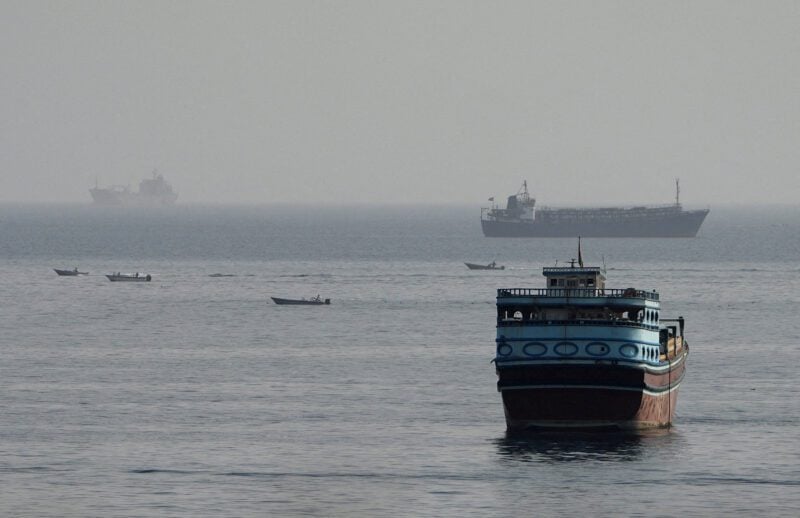
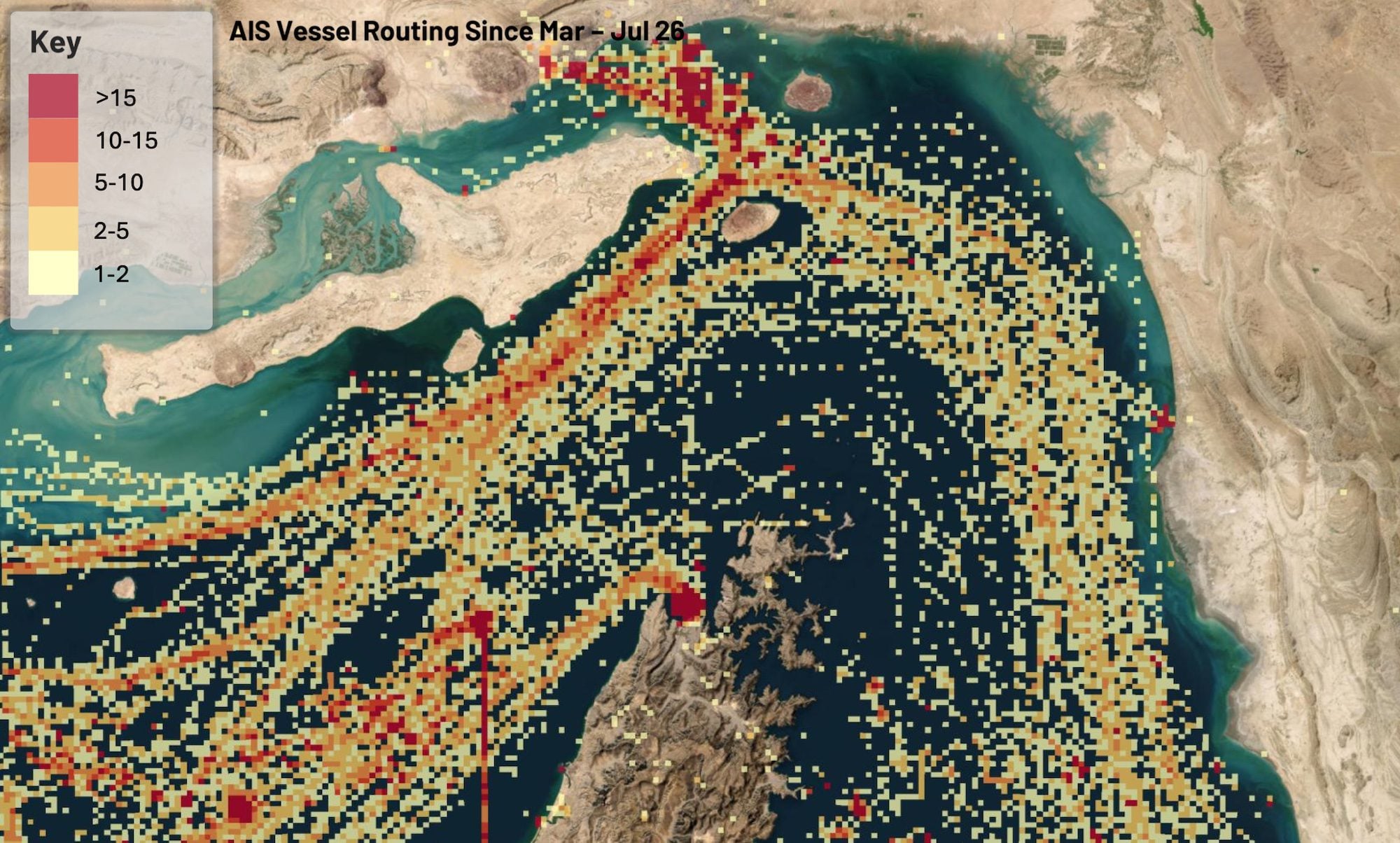
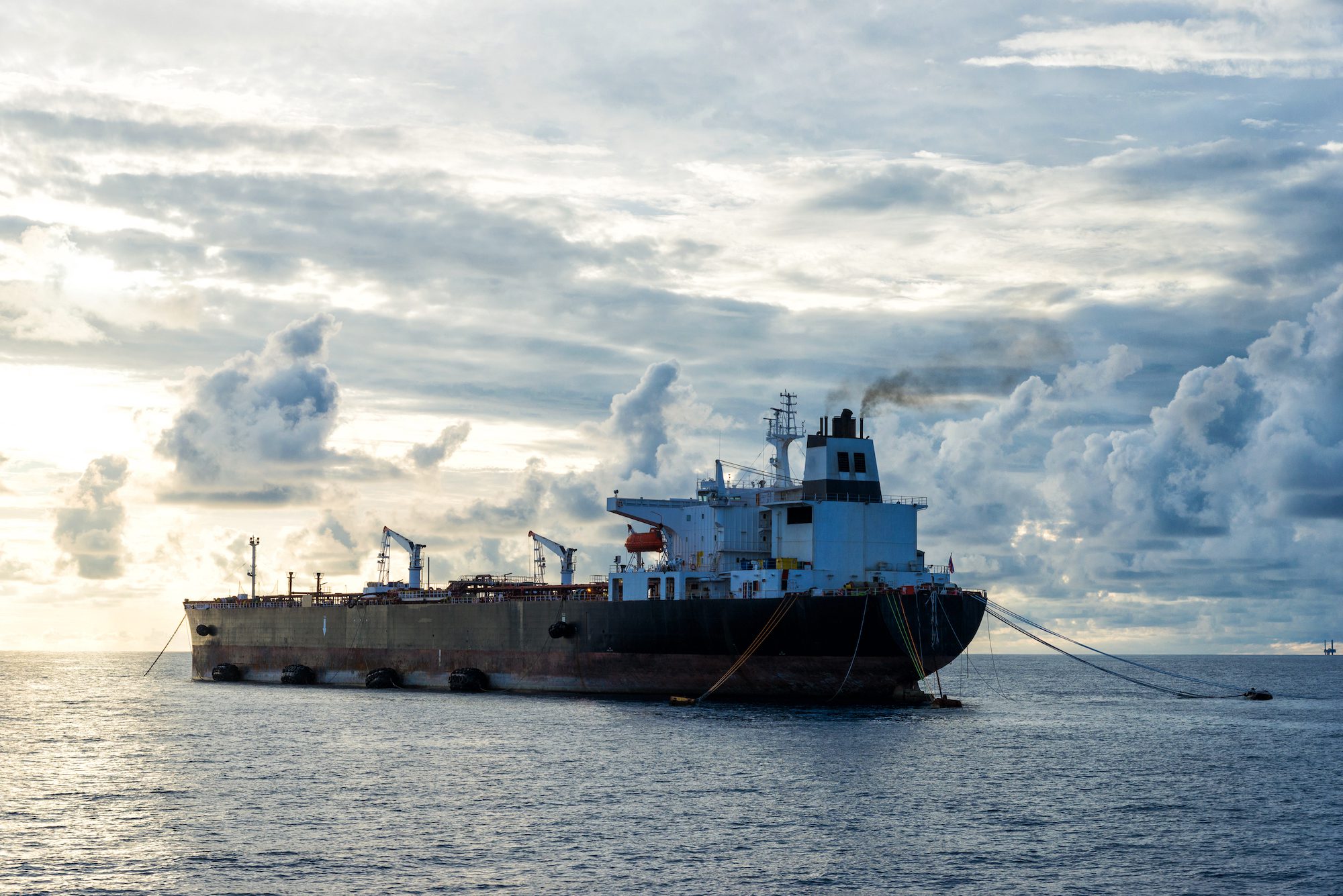
- Commercial passage through the Strait of Hormuz is very likely to remain severely constrained, but the waterway is unlikely to be completely closed over 0-14 days. Kpler recorded four commodity vessels through the strait on 3 September, compared with a 10-day average of about 15, and only two very large crude carriers crossed during the week. A separate report described a US naval escort of 40 tankers carrying 18 million barrels, while other reporting described only a limited trickle of traffic. The conflicting accounts leave the current volume of US-enabled passage unresolved. (Confidence: medium · ASSESSED)
- I&W: Kpler records fewer than 15 commodity vessels through the strait per day and additional US-escorted movements are reported. (0-14 days)
- I&W: Daily traffic returns towards the pre-war level of about 125 large commercial vessels, without a corresponding increase in reported attacks. (1-3 months)
- Energy and shipping cost pressure is likely to persist through November 2026. Rystad Energy expects oil flows through the strait to remain very low until November. Brent crude has risen more than 7% this week to $95 a barrel, US diesel pump prices are at a four-year high, and war risk insurance premiums for Hormuz have reached 40 to 60 times pre-crisis levels. The forward flow estimate is principally a single-source forecast, which lowers confidence in the duration rather than the current evidence of disruption. (Confidence: medium · ASSESSED)
- I&W: Kpler or Rystad data show flows remaining below the pre-war level through October, while war risk premiums remain above 40 times pre-crisis levels. (1-3 months)
- I&W: Rystad revises its November forecast upwards and Kpler records a sustained return towards about 125 large commercial vessels per day. (1-3 months)
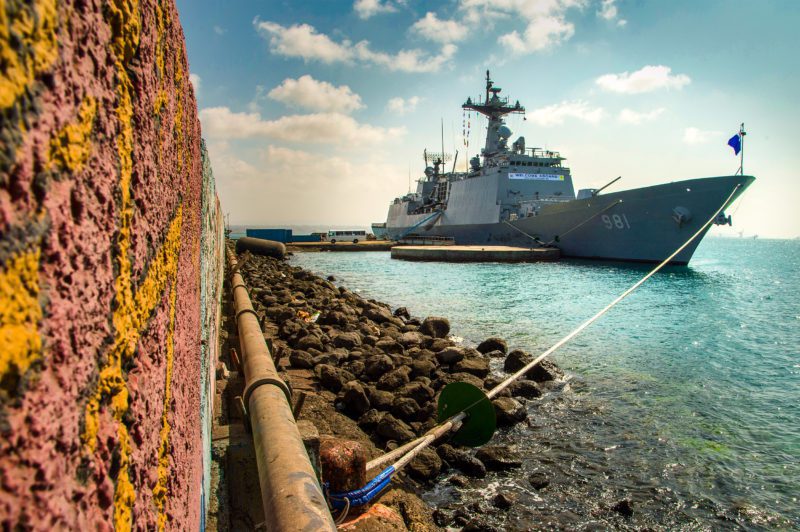
- The United States is likely to sustain military and economic pressure on Iran over the next 1-3 months, while an immediate South Korean deployment to Hormuz is unlikely. Reporting describes a continuing US blockade and periodic strikes against Iran's ability to disrupt shipping, alongside new sanctions intended to force Tehran into negotiations. South Korean media reported preparations for a possible naval ship and maritime patrol aircraft, including discussions on ports and a base of operations, but the Blue House said on 4 September that no deployment decision had been made. (Confidence: medium · ASSESSED)
- I&W: The United States announces another strike or sanctions package directed at Iran, the IRGC or Hormuz shipping activity. (0-14 days)
- I&W: The Blue House or South Korean parliament approves a named vessel, aircraft package or troop deployment for Hormuz. (0-14 days)
- A negotiated US-Iran pause is unlikely over 0-14 days. The June US-Iran memorandum of understanding provides a reported diplomatic channel, but a Qatari mediation visit produced no breakthrough. Masoud Pezeshkian called dialogue the proper solution and asked India to use its diplomatic influence, while Mohsen Rezaei said Iran would soon present a new strategy for the battlefield, diplomacy and resistance to the economic blockade. These signals do not establish implementation steps, and Tehran has also promised a firm response. (Confidence: low · ASSESSED)
- I&W: Washington and Tehran announce a ceasefire or publish implementation measures tied to the June memorandum of understanding, with Qatar or India publicly confirming a mediation role. (0-14 days)
- I&W: Either side conducts another direct strike or Iran presents the announced new strategy without accompanying talks. (0-14 days)
Outlook & scenarios
Continued reciprocal strikes and maritime pressure (65%)
The United States conducts further strikes against IRGC assets in Iran, while Iran launches additional missiles or drones against US bases in Jordan, Kuwait or Bahrain and maintains pressure on merchant shipping. Hormuz traffic remains well below normal, with limited US-escorted passage and continued high insurance costs.
Contained exchange with guarded shipping (30%)
US and Iranian attacks remain intermittent and geographically bounded. US naval escorts sustain a limited flow of tankers through Hormuz, but Kpler traffic remains below the 10-day average. South Korea keeps its possible deployment under review without issuing a final order.
Short diplomatic pause (20%)
Qatar or India helps reopen a channel based on the June memorandum of understanding. The United States and Iran suspend direct strikes long enough to address Hormuz access, sanctions and civilian casualty investigations. Shipping improves, but the underlying dispute remains unresolved.
Regional maritime widening (15%)
Attacks on merchant shipping extend beyond Hormuz, including further Houthi pressure against Yanbu, Saudi oil sites or Saudi-linked tankers. Bab el-Mandeb traffic falls further, war risk areas expand along the Saudi Red Sea coast, and additional states consider naval support for shipping protection.
Recommendations
- Maintain a 0-14 day strike watch that records each US and Iranian launch, target, named facility, reported impact and stated justification. Separate official claims from independent or expert assessments.
- Treat Hormuz as severely constrained rather than fully closed until current traffic is reconciled. Compare daily Kpler counts with the pre-war baseline of about 125 large commercial vessels and the reported 10-day average of about 15 commodity vessels.
- Track the 40-tanker US escort report against vessel transponder data, cargo movements and subsequent port calls. Do not use the reported 18 million barrels as a current throughput estimate until independently reconciled.
- Prioritise collection on the Sirik and Kuhestak incident. Compare imagery, weapons analysis, casualty records and the announced US investigation before assigning definitive responsibility.
- Monitor South Korean decision points separately from preparatory reporting. Seek confirmation of a Blue House decision, parliamentary approval, named vessel or aircraft, port arrangements and a troop figure before treating deployment as imminent.
- Watch for concrete diplomatic activity linked to the June memorandum of understanding, including a US-Iran announcement, Qatari or Indian mediation, and implementation measures. Treat general calls for dialogue as insufficient evidence of a pause.
- Model near-term energy exposure against sustained low flows through November 2026. Track Brent, US diesel prices, war risk premiums and Bab el-Mandeb vessel counts alongside Hormuz traffic.
Confidence & uncertainty
Overall confidence is high for the principal events because reporting from major media, trade publications, US Central Command, Kpler and the International Maritime Organization separately corroborates renewed US-Iran strikes, attacks on regional bases, reduced maritime traffic and elevated shipping risk. Confidence is lower for forward duration, the attribution of the Sirik incident, the true scale of the reported tanker convoy and South Korean deployment decisions. These uncertainties affect the size and timing of escalation, not the reported existence of the current military and maritime crisis.
Intelligence gaps
- [EEI 1.2 · UNCOVERED] Changes in US or Iranian force posture indicating preparation for further attacks, including aircraft dispersal, missile-unit movement, naval sortie activity, or air-defense activation. Recommended collection: satellite imagery/aviation and maritime tracking
- [EEI 1.3 · PARTIAL] Public or private warnings, ultimata, declared red lines, or force-protection directives issued by US or Iranian leadership. Recommended collection: official statements/diplomatic reporting
- [EEI 1.4 · PARTIAL] Evidence of mobilization or operational tasking by Iranian-aligned armed groups against US personnel, bases, or partners. Recommended collection: local reporting/social media/human intelligence
- [EEI 2.1 · PARTIAL] Deployment or repositioning of Iranian ballistic missiles, cruise missiles, drones, fast-attack craft, or other strike assets within operational range of US or partner targets. Recommended collection: satellite imagery/signals intelligence
- [EEI 2.2 · PARTIAL] Orders, threats, targeting claims, or attack preparations by Iranian proxy groups in Iraq, Syria, Lebanon, Yemen, or the Gulf. Recommended collection: group statements/local reporting
- [EEI 2.4 · PARTIAL] Changes in Iranian military alert levels, command activity, weapons dispersal, or continuity-of-government measures. Recommended collection: signals intelligence/satellite imagery
- [EEI 3.1 · UNCOVERED] Arrival or departure of US carrier strike groups, bombers, air-defense units, special operations forces, or additional personnel in the region. Recommended collection: maritime and aviation tracking
- [EEI 3.2 · UNCOVERED] Changes to US force-protection conditions, base access, evacuation plans, embassy staffing, or noncombatant evacuation preparations. Recommended collection: official notices/diplomatic reporting
- [EEI 3.3 · UNCOVERED] Presidential, Pentagon, or theater-command statements describing authorized response options, expanded objectives, or revised rules of engagement. Recommended collection: official statements
- [EEI 4.3 · PARTIAL] Regional government decisions to close airspace or waterways, raise military readiness, expel personnel, or request additional US or allied forces. Recommended collection: official statements/aviation and maritime notices
TLP:CLEAR