TLP:CLEAR · Disclosure is not limited.
US, Iran: Fragile Ceasefire Amid Ongoing Strikes and High Maritime Risk
Time window: Last 7 days · Audience: General analyst · Type: Situation report · DTG: 2026-07-07 06:13Z · Overall confidence: MEDIUM
BLUF
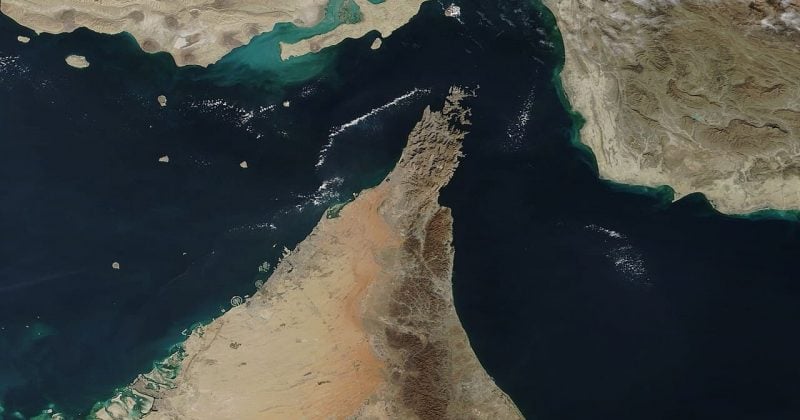
A 60‑day ceasefire and short de‑escalation window have not removed the risk of renewed US, Iran clashes or attacks on shipping in and around the Strait of Hormuz. Maritime threat levels remain substantial and piracy is resurgent in adjacent waters, keeping the risk to seafarers, energy flows and commercial traffic high.
Executive summary
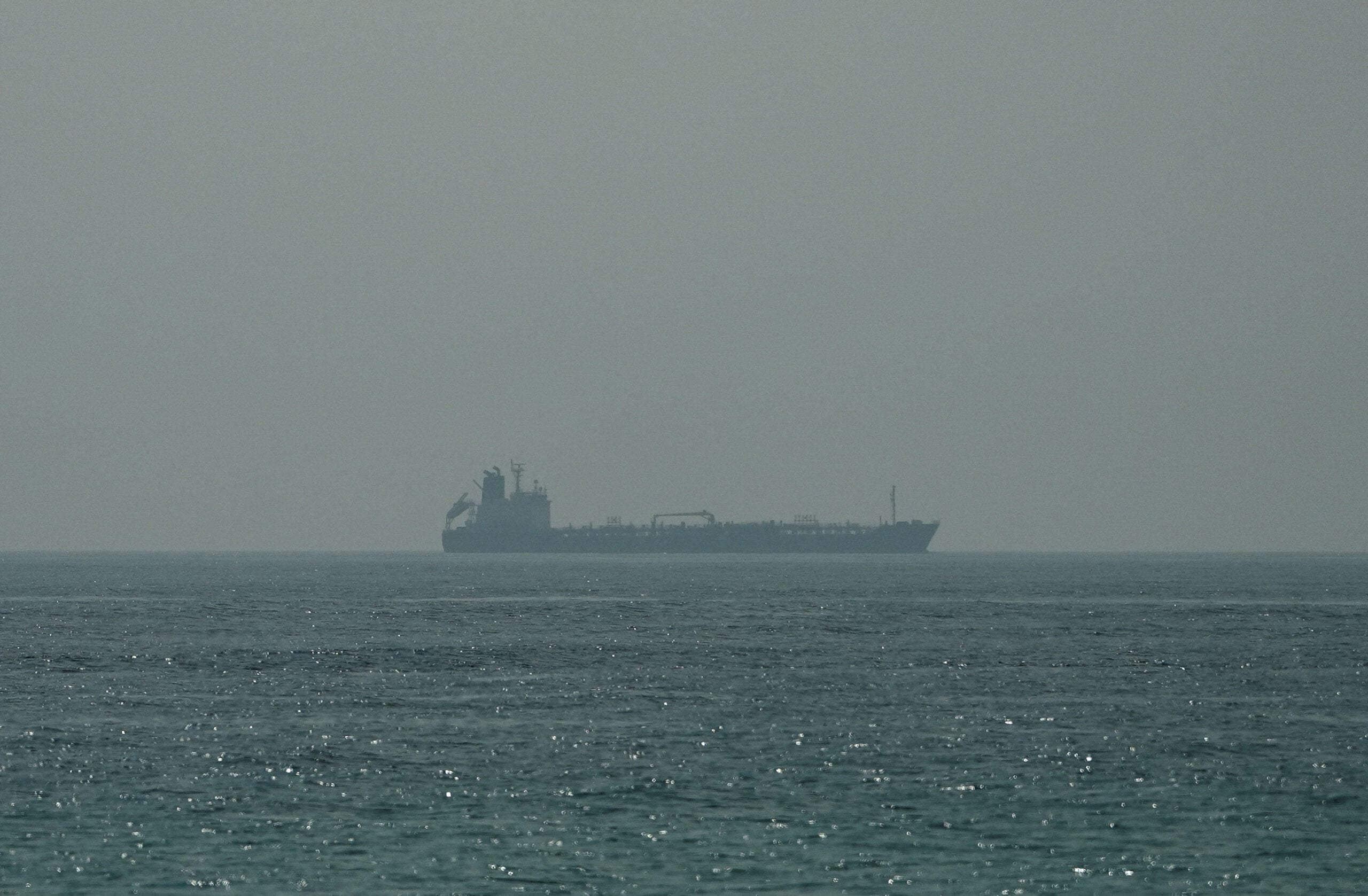
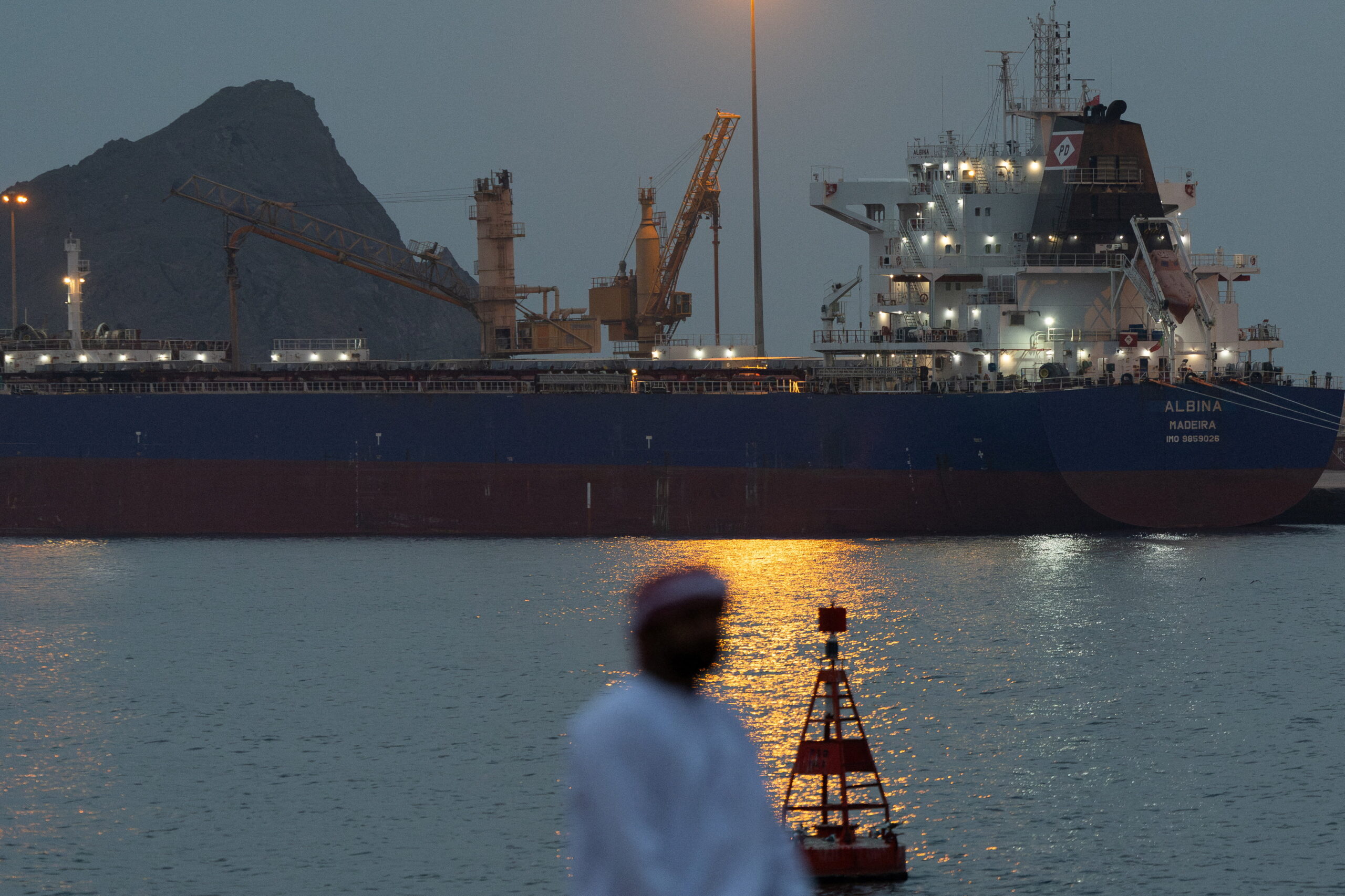
Washington and Tehran agreed to an interim ceasefire framework and a one‑week de‑escalation focused on the Strait of Hormuz, with indirect technical talks continuing via Qatar on shipping management and related issues. Tehran’s leadership remains sceptical and has warned talks will not proceed under military threats, while publicly denying direct talks. On the water, traffic has partially resumed and an expanded southern corridor is open, yet the Joint Maritime Information Center still rates the Hormuz threat as substantial. A tanker was struck east of Limah, Oman, and Iran is reported to have fired missiles at commercial shipping. The record of reciprocal US, Israeli and Iranian strikes since late February persists alongside US defensive strikes on Iran‑aligned militias in Iraq. The UAE environment remains elevated, with US travel and aviation advisories and stated Iranian intent to target US‑linked locations. Meanwhile, piracy in the Red Sea and Gulf of Aden has rebounded, with 24 recent incidents and 44 seafarers still held.
Key judgments
- The ceasefire framework is fragile but likely to limp on while indirect technical talks continue via Qatar, leaving a persistent risk of spoilers and limited flare‑ups around Hormuz. (Confidence: medium · ASSESSED)
- I&W: Qatar announces a schedule or joint readout for US, Iran working groups on Hormuz management and funds release. (0-30 days)
- I&W: Public acknowledgement by either side of renewed direct strikes linked to the Hormuz file, followed by a pause or cancellation of Doha‑facilitated sessions. (0-14 days)
- Maritime threat around the Strait of Hormuz is very likely to remain high despite partial traffic resumption and an open southern corridor, given recent projectile strikes on a tanker, reported Iranian missile fire at commercial ships, and a sustained substantial threat rating. (Confidence: high · ASSESSED)
- I&W: UKMTO or US Fifth Fleet reports another vessel hit within 25 nautical miles of the Strait of Hormuz. (0-14 days)
- I&W: JMIC downgrades the Hormuz maritime threat level below substantial and no incidents are recorded along the corridor. (1-3 months)
- There is a roughly even chance of renewed direct US, Iran strikes over the next one to three months, given the pattern of reciprocal attacks since 28 February and ongoing US defensive strikes on Iran‑aligned militias in Iraq. (Confidence: medium · ASSESSED)
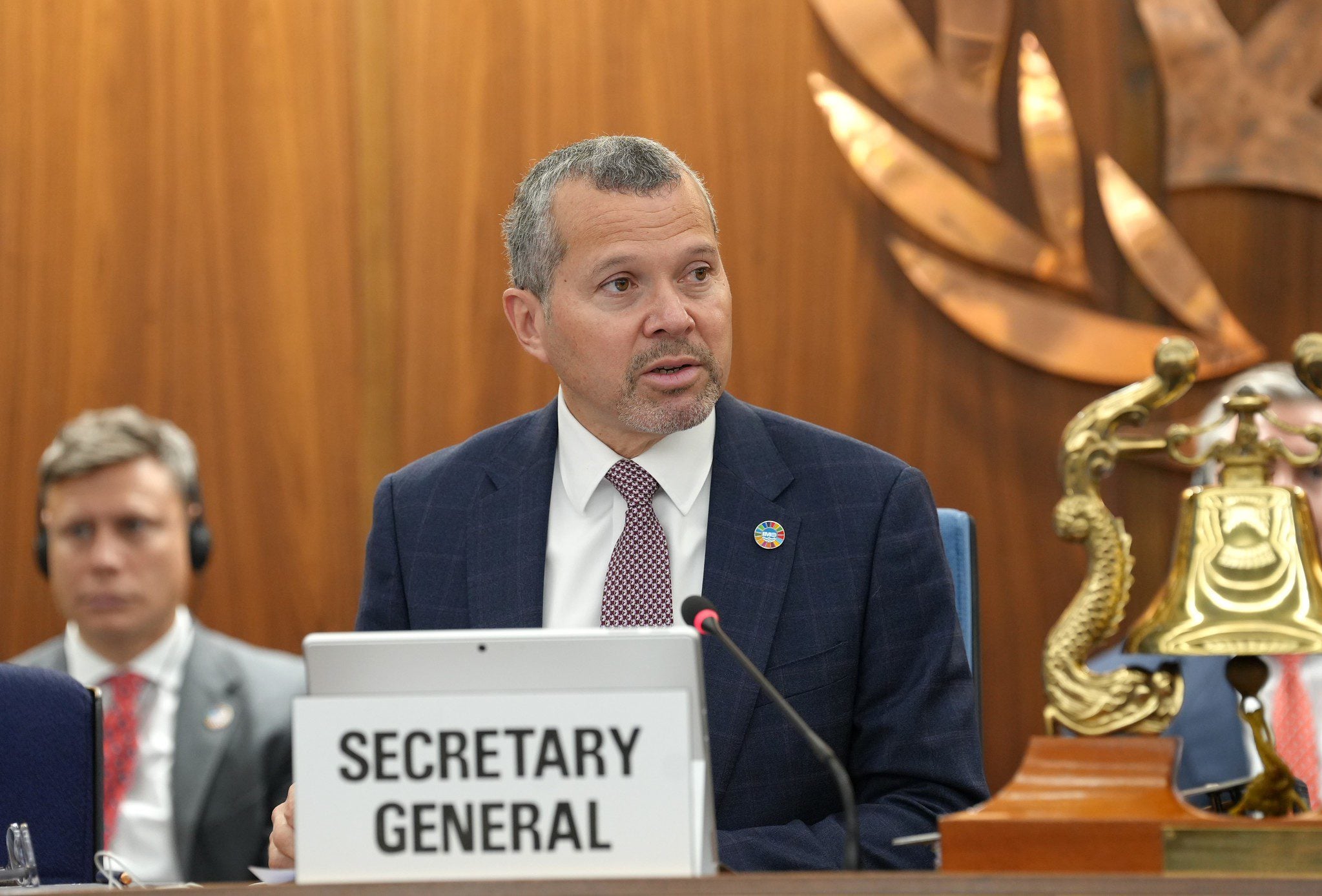
- I&W: CENTCOM or the IRGC publicly announces new strikes against the other’s forces or infrastructure. (0-30 days)
- I&W: A verified 30‑day period without declared strikes by any party and a joint reaffirmation of ceasefire terms. (1-2 months)
- The security environment in the United Arab Emirates is very likely to remain elevated given Iranian statements about targeting US‑linked locations, US travel and aviation advisories, and prior ordered departures. (Confidence: high · REPORTED)
- I&W: US updates its UAE travel advisory or issues new ordered or authorised departures. (0-30 days)
- I&W: The FAA rescinds or materially relaxes cautionary NOTAMs for US carriers operating in UAE airspace. (1-3 months)
- Piracy and armed robbery in the Red Sea and Gulf of Aden are likely to persist at elevated levels, with 24 incidents in three months, a Palau‑flagged attack, and 44 seafarers still held on three hijacked vessels. (Confidence: high · REPORTED)
- I&W: UKMTO or IMO reports another hijacking or boarding attempt in the Red Sea or Gulf of Aden. (0-14 days)
- I&W: Verified release of the 44 seafarers and a month‑long lull in incidents. (1-2 months)
- Regional economic and supply‑chain pressures are likely to endure while Hormuz arrangements remain unsettled, reflected in partial traffic resumption, earlier historic disruption claims, and ongoing estimates of war costs and re‑routing efforts. (Confidence: medium · ASSESSED)
- I&W: Sustained growth in transits via the southern corridor with no new attack reports for a calendar month. (1-2 months)
- I&W: Public announcements of new pipeline or alternative corridor utilisation explicitly framed as bypassing Hormuz. (1-3 months)
Outlook & scenarios
Managed de‑escalation, narrow shipping deal (35%)
Indirect talks via Qatar keep violence muted around Hormuz. Parties implement practical lane management and routing through the southern corridor, while avoiding public concessions on Iranian claims of regulatory authority or US demands on free flow. Maritime threat remains substantial but incidents taper, and insurers cautiously restore capacity.
Shadow war continues under a brittle ceasefire (50%)
The ceasefire holds on paper, yet reciprocal low‑visibility strikes and militia activity resume in Iraq and along the Strait. Isolated attacks on commercial vessels recur, sustaining high war‑risk premiums and route diversions. Talks stall over Tehran’s priorities on strait management and funds release.
Ceasefire collapse and renewed maritime shutdown (20%)
A high‑profile incident near Hormuz or a lethal strike on US or Iranian assets breaks the ceasefire. Iran uses force to press its strait terms, US forces target Iranian missile and drone sites, and multiple carriers suspend transits. Throughput falls sharply and energy prices spike.
Wildcard: Northern front shock derails talks (15%)
Tensions over Israeli force posture in Lebanese territory and Iranian expectations of a withdrawal trigger escalatory moves on the Israel, Lebanon front. The US, Iran channel freezes as both sides prioritise the northern theatre, and Hormuz risks re‑intensify amid distracted diplomacy.
Recommendations
- Stand up a daily Hormuz risk tracker that fuses UKMTO, JMIC and Fifth Fleet incident feeds with vessel positions to flag attacks within 25 nm of the strait and changes in corridor guidance.
- Task a watch on Doha‑facilitated announcements for concrete steps on strait management or funds release, and map these against reported incidents to assess traction versus spoilers.
- Prioritise collection on Iran‑aligned militia intent and capabilities in Iraq to anticipate triggers for renewed US defensive strikes and potential spillover into the maritime domain.
- Maintain an updated brief for commercial and interagency partners summarising FAA NOTAMs, US travel advisories for the UAE, and stated Iranian targeting rhetoric against US‑linked sites.
- Catalogue piracy incidents in the Red Sea and Gulf of Aden, including the status of the 44 seafarers held and the Lady Naeima case, and refresh guidance to operators on BMP compliance before transit.
- Model shipping rerouting impacts by comparing southern corridor utilisation and partial Hormuz throughput against historical disruption baselines to estimate energy and insurance cost pressures.
Confidence & uncertainty
Overall confidence is medium. Several judgments rest on multiple, mutually reinforcing official and multilateral sources for the ceasefire, maritime threat posture, piracy data and UAE security advisories. However, elements of the record are contested or single‑sourced, including attributions for some shipping strikes and the nature of US, Iran talks, and there are timeline and status discrepancies between claims about Hormuz closure, partial reopening and missile activity. The mix of official government, multilateral and major‑media reporting supports core findings, but contradictions and social‑media sourcing on some strike exchanges constrain confidence.
Alternative analysis (red cell)
Diplomatic instruments exist but are accompanied by leadership skepticism and denials and conflicting operational reporting (contradictions around b755c7d1 and bfd18684). A sober alternative estimate is that instability will continue to manifest primarily through proxy or deniable actions (maritime harassment, militia strikes) rather than a straightforward resumption of large‑scale direct US–Iran interstate strikes, and that economic impacts will be acute but partially mitigated by rerouting and commercial adaptation unless concrete implementation of the MoU and verified restraints are observed.
Cited sources
[1] Al Jazeera · US-Iran negotiations: What’s the latest? (A) · sha256:08118f448d9e [2] Minutech Global · Iran-US 60-Day Ceasefire Agreed Amid Rising Tensions | Minutech Global (B) · sha256:71ef63309dac [3] nypost.com · US, Iran agree to one-week de-escalation in Strait of Hormuz ahead of America 250 celebrations (B) · sha256:24246da07cff [4] marinelink.com · US, Iran Discuss Peace Deal, Restarting Shipping (B) · sha256:9f8134e85699 [5] The Jerusalem Post · Live Updates: Latest from Israel, Iran, and Middle East | The Jerusalem Post (A) · sha256:c88a8d81cc8e [6] gcaptain.com · Tanker Struck by Projectile Near Hormuz, Sparking Fire (B) · sha256:97a4c204e90a [7] News18 Urdu · LIVE: Iran Fires Drones at Bahrain | Mystery Strike Hits Hormuz Tanker Amid US Clash | خلیج میں جنگ (B) · sha256:1673106bad95 [8] gcaptain.com · IMO Council Opens With Maritime Security, Hormuz, and Piracy High on Agenda (A) · sha256:52fed3ecadb8 [9] Wikipedia · 2026 Iran war ceasefire (B) · sha256:fb323f2e3aa6 [10] Wikipedia · Timeline of the 2026 Iran war (B) · sha256:322412fc7d08 [11] Bangka Pos Official · AS Kembali Jatuhkan Bom ke Iran usai Ketegangan Selat Hormuz, JD Vance: Bukan Perang Sembarangan (B) · sha256:388e62bd6974 [12] U.S. Agency for International Development (USAID) Office of Inspector General · [PDF] Operation Inherent Resolve, Report to Congress.. - USAID OIG (A) · sha256:1c9be440a3dd [13] USA Pulse News · Escalating Tensions: US and Iran Exchange Strikes Amid Ceasefire Violations (B) · sha256:39387a3acef6 [14] U.S. Department of State · United Arab Emirates Travel Advisory (A) · sha256:7a0c71f2991b [15] gcaptain.com · IMO Chief Urges Immediate Release of 44 Seafarers Held by Somali Pirates (B) · sha256:f43e592aad95 [16] Atlantic Council · A network of corridors is the only reliable hedge against Middle East chokepoint disruptions (B) · sha256:ed6453550f3a [17] Atlantic Council · New Middle East corridors are about more than just bypassing the Strait of Hormuz (C) · sha256:fb9fac91221a [18] Wikipedia · 2026 Iran war (B) · sha256:035195290409 [19] gcaptain.com · The Engine Room Problem And Why Machinery Failure Remains Shipping's Dominant Risk (C) · sha256:b0815b93509a [20] cryptobriefing.com · Iran blocks Strait of Hormuz, threatening global oil supply amid conflict (B) · sha256:726861c72492
Source content hashes were computed at collection time; the cited text is preserved unmodified for the life of this product.
Red cell review: PARTIAL DISSENT
TLP:CLEAR