TLP:CLEAR · Disclosure is not limited.
US, Iran: Intensified Strikes, Gulf Retaliation, and Hormuz Disruption, 3-10 July 2026
Time window: Last 7 days · Audience: General analyst · Type: Situation report · DTG: 2026-07-10 00:17Z · Overall confidence: MEDIUM
BLUF
US forces struck roughly 90 targets across Iran on 9 July, and Tehran retaliated against Kuwait, Bahrain and Jordan. Tanker movements through the Strait of Hormuz are near a standstill and war‑risk costs have surged, while a narrow diplomatic channel remains but is being overtaken by coercive steps.
Executive summary
US air operations against Iran on 9 July hit about 90 sites nationwide, with explosions reported at multiple locations including around Bushehr. Iran acknowledged the strikes, accused Washington of hitting near its nuclear power plant, and launched retaliatory fire that triggered missile alerts in Bahrain and Kuwait and a declared salvo of 10 ballistic missiles at Jordan’s Azraq base. Shipping through the Strait of Hormuz has slowed to a near standstill as insurers hike premiums and owners pull back, with oil prices rising after the attacks. French officials are pushing to reopen the strait and resume talks on Iran’s nuclear programme, and there were signs of renewed US, Iran contacts on 5 July, but US sanctions tightening, Iranian assertions of control over Hormuz, and leadership rhetoric point to escalation risks staying elevated.
Key judgments
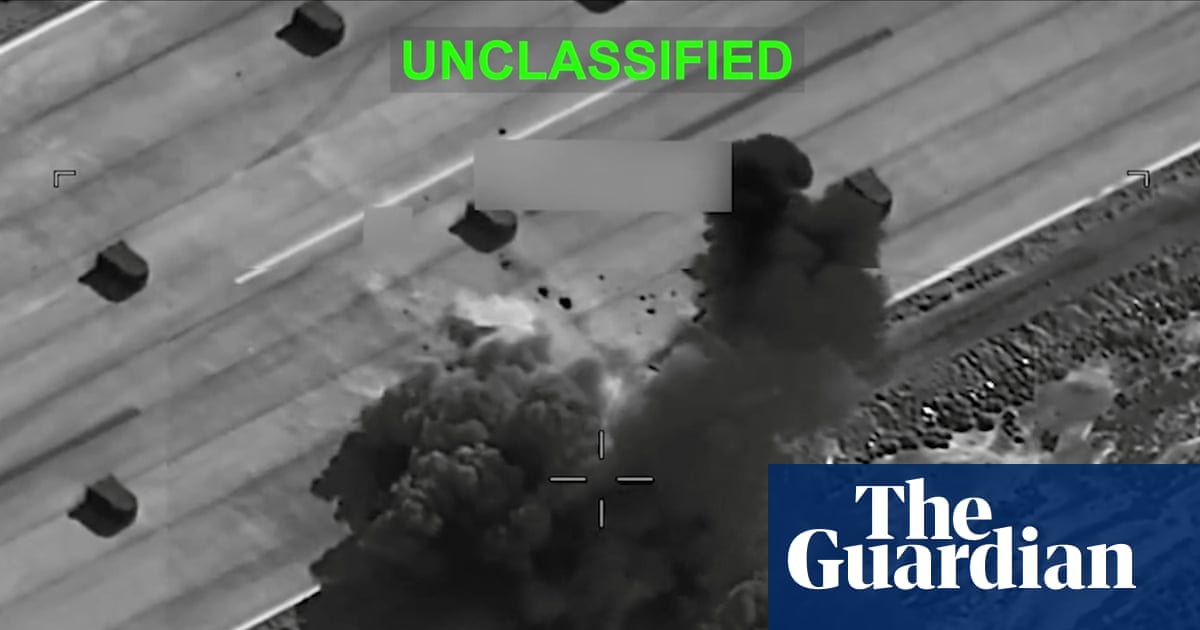
- US forces very likely conducted a broad strike package across Iran on 9 July, hitting around 90 targets and causing explosions at several sites including the Bushehr area; Iran acknowledged the strikes and alleged one was near its nuclear power plant. (Confidence: high · REPORTED)
- I&W: Additional CENTCOM battle damage assessments or strike footage specifying target locations and effects consistent with earlier reports. (0-14 days)
- I&W: Satellite-detected thermal anomalies aligning with reported strike areas, including around Bushehr, in NASA FIRMS data releases. (0-14 days)
- Iran very likely retaliated by targeting US-linked sites in Kuwait and Bahrain and firing ballistic missiles toward Jordan’s Azraq base, with local air defences engaging and at least one injury reported from falling debris in Kuwait. (Confidence: medium · REPORTED)
- I&W: Official Kuwaiti, Bahraini, or Jordanian communiqués detailing additional missile or drone intercepts linked to Iranian launches. (0-14 days)
- I&W: IRGC statements or media claiming follow-on strikes on US‑used facilities in Gulf states, with corroborating local alerting. (0-14 days)
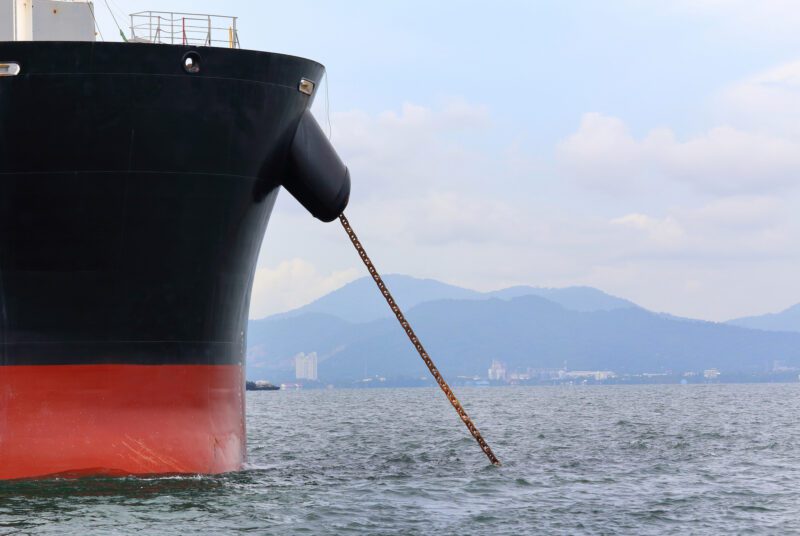
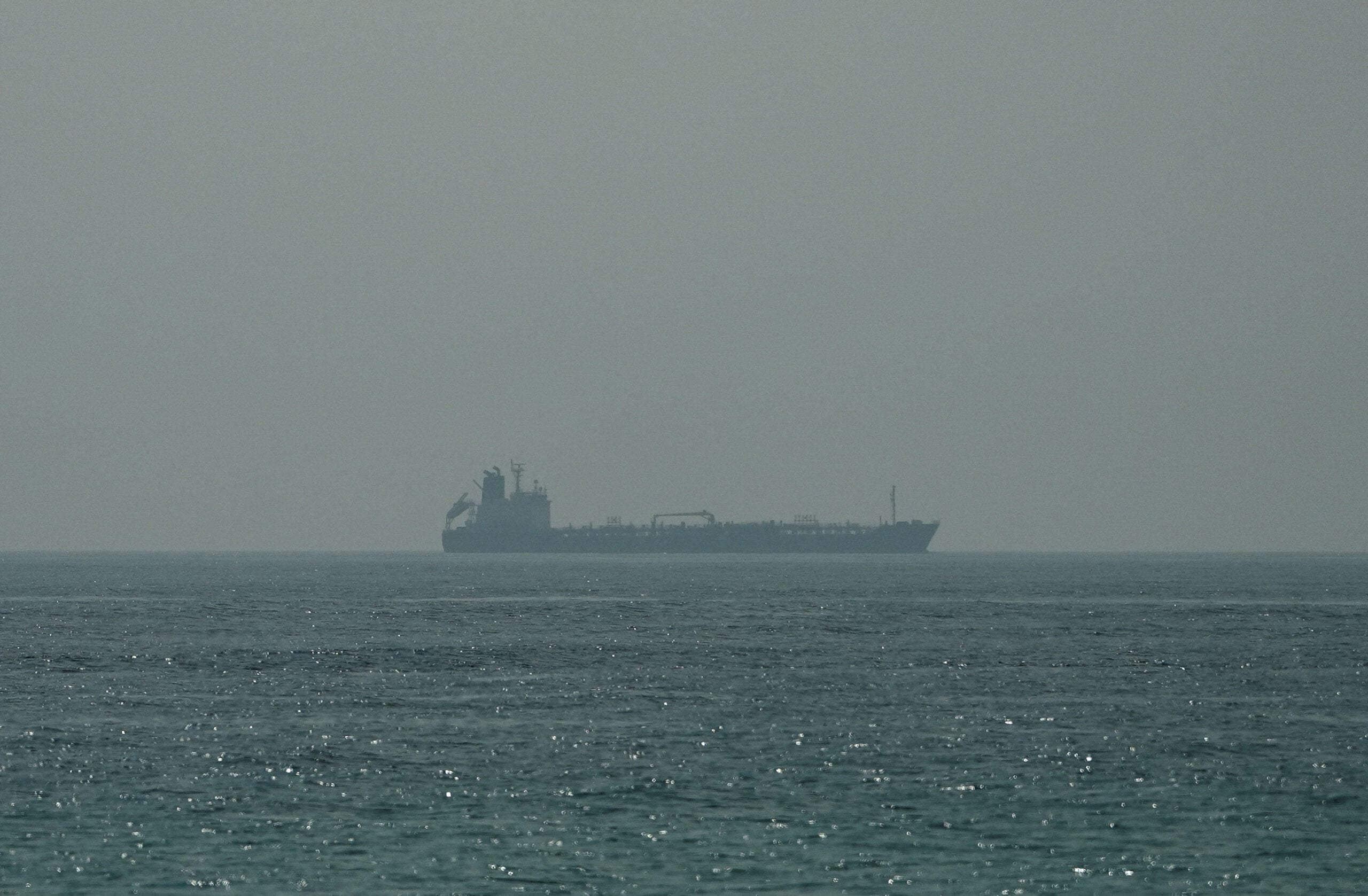
- Commercial shipping through the Strait of Hormuz is likely severely disrupted in the near term, with visible tanker traffic near a standstill, higher war‑risk insurance costs, fewer insurer enquiries, and a post‑attack oil price rise, although limited transits continue. (Confidence: medium · ASSESSED)
- I&W: AIS and port agent data showing daily tanker transits through Hormuz remain far below baseline, with owner advisories pausing sailings. (0-14 days)
- I&W: London market war‑risk premium quotes and binder updates indicating sustained elevation for Hormuz transits. (0-14 days)
- A narrow diplomatic track exists but is likely to be overshadowed in the short term by hardening positions: talks restarted on 5 July and France is urging reopening Hormuz and nuclear negotiations, yet Washington tightened oil sanctions and Iranian officials assert control over the strait while US leadership signals the ceasefire’s end. (Confidence: medium · ASSESSED)
- I&W: Public confirmation of a new negotiating round and agenda, or third‑party facilitation announcements referencing Hormuz access and nuclear constraints. (0-30 days)
- I&W: Further US sanctions actions or Iranian directives reinforcing control over Hormuz traffic, reducing space for talks. (0-30 days)
- Near‑term risk of further US, Iran military escalation and regional spillover is likely, given intensified US air operations over the Gulf, prior US carrier deployments, repeated missile alerts in Gulf states, and Iranian claims of targeting US‑linked bases. (Confidence: medium · ASSESSED)
- I&W: Sustained US aerial tanker tracks and sortie tempo over the Gulf reported by open‑source flight tracking and official releases. (0-14 days)
- I&W: Additional Iranian missile or drone launches toward Gulf states or Jordan with associated public alerting and interception reporting. (0-14 days)
Outlook & scenarios
Managed tit‑for‑tat with prolonged Hormuz disruption (55%)
US conducts further precision strikes on Iranian military targets while Iran responds with limited missile and drone fire against US‑linked facilities in Kuwait, Bahrain and Jordan. Tanker transits remain depressed, insurance premiums stay elevated, and oil prices are volatile. Talks continue at low level but deliver no immediate relief for maritime traffic.
Abrupt widening of the conflict (35%)
Iran escalates with larger salvos toward Gulf states and Jordan, while the US expands target sets deeper into Iranian territory, including areas near sensitive infrastructure cited by Tehran. Local air defences intercept many shots, but one or more successful impacts create casualties and visible damage. Shipping largely pauses through Hormuz and insurers withdraw cover for most transits.
Fragile pause and partial maritime reopening (30%)
Third‑party facilitation, including French engagement, yields a time‑bound reduction in strikes and a limited arrangement to move escorted tankers through Hormuz. Rhetoric remains hard on both sides and sanctions continue, but a narrow, reversible confidence‑building step lowers immediate military risk and eases some insurance constraints.
Recommendations
- Stand up a daily Hormuz shipping and insurance tracker: combine AIS movements, London market war‑risk premium quotes, and owner advisories to brief decision‑makers on passage rates and costs.
- Map and maintain a running battle damage picture of Iranian targets: cross‑reference official strike communiqués with commercially available imagery and NASA FIRMS heat detections to validate effects within 24-48 hours.
- Establish an alerts fusion cell for Gulf states and Jordan: ingest official air‑defence notifications, civil defence alerts, and verified media to provide near‑real‑time early warning of Iranian launches and intercept outcomes.
- Task an energy desk update after each strike‑retaliation cycle: quantify short‑term price impacts and potential supply substitution options given constrained Hormuz flows.
- Track the diplomatic lane: log any announced US, Iran meetings, French or EU facilitation steps, and statements on reopening Hormuz and nuclear constraints, and flag developments that either enable or foreclose talks.
Confidence & uncertainty
Multiple independent, generally reliable sources corroborate the core developments: US strikes across Iran, explosions at several locations, Iranian acknowledgement and accusations, retaliatory launches toward Gulf states and Jordan, and disrupted Hormuz traffic with higher insurance costs and oil price movement. Some elements rest on single‑source or party‑to‑conflict claims, such as specific Iranian targeting assertions, and shipping data include conflicting reports that a few transits occurred amid an overall slowdown. Casualty reporting remains limited. These factors support an overall medium confidence level.
Alternative analysis (red cell)
The record supports elevated tensions with alerts, posture changes, and state messaging, but the ledger’s strongest operational claims rely on single‑party reporting and contain explicit contradictions (e.g., counts of targets hit 983d611c vs 7d4b3923 and transit contradictions 3b74e2f0 vs 2df57197). A more cautious estimate is that limited strikes, alarms, and precautionary measures occurred with uncertain effects, and that diplomatic avenues could still influence near‑term outcomes if kinetic escalation does not become widespread.
Cited sources
[1] military.com · US and Iran Exchange Intensifying Fire Across the Gulf, Threatening the Interim Deal to End War (B) · sha256:294c5b79b00f [2] huffpost.com · U.S. Launches New Airstrikes On Iran And Tehran Fires Back At Gulf Arab States (B) · sha256:bdcca8b49d5a [3] The Guardian · Trump is bombing Iran again and blundering again. He has no grasp of his enemy | Sina Toossi (A) · sha256:44506b98a4e5 [4] cityofsenatobiams.gov · [PDF] City of Senatobia MS (A) · sha256:497d6af3bcf8 [5] npr.org · Tehran targets Bahrain and Kuwait after U.S. strikes (A) · sha256:6ec972c3a9e8 [6] WION · US-Iran War: Multiple Explosions Rock Tehran, West Asia War Rages On | WION News (B) · sha256:775f25ee0240 [7] The Guardian · US launches new airstrikes against Iran hours after Trump threatens to escalate (A) · sha256:ae4cca37c624 [8] gcaptain.com · Oil Tanker Traffic Through Hormuz at Near Standstill as Attacks Strain MoU (A) · sha256:dc75eecfb11c [9] gcaptain.com · Hormuz War-Risk Cover Climbs as Shipowners Pull Back (B) · sha256:03376f4f3790 [10] gcaptain.com · First LNG Cargo Ships from TotalEnergies' Mexican Plant Energia Costa Azul (B) · sha256:61dc565dab80 [11] ShortNews · Iran and US Renew Talks Amid Tensions | Top 10 News July 05, 2026 #Shorts (B) · sha256:ddbd7e1fe41b [12] diplomatie.gouv.fr · « LCI » - Entretien de Jean-Noël Barrot (A) · sha256:8a7b1dc2a497 [13] gcaptain.com · U.S. Escalates Strikes on Iran After Attacks on Commercial Ships (B) · sha256:ce193cab8e64 [14] NewsX · US-Iran War: 12+ US Military Aircraft Deployed Over Gulf Amid Intensifying Air Operations | NewsX (B) · sha256:5e8909d5c146 [15] Wikipedia · 2026 United States military buildup in the Middle East (B) · sha256:585f78c6677c
Source content hashes were computed at collection time; the cited text is preserved unmodified for the life of this product.
Red cell review: PARTIAL DISSENT
TLP:CLEAR