TLP:CLEAR · Disclosure is not limited.
US-Iran Maritime Escalation Broadens Across the Region
Time window: Last 1 day · Audience: General analyst · Type: Situation report · DTG: 2026-09-07 17:08Z · Overall confidence: HIGH
BLUF
Direct US-Iran fighting around the Strait of Hormuz is almost certainly continuing, while Iran is preparing a restricted zone and an Iranian-managed shipping route. Commercial traffic is very likely to remain severely depressed, and new activity in Iraq, Lebanon and Yemen is widening the conflict's pressure points.
Executive summary
As of 7 September 2026, CENTCOM and the IRGC report reciprocal attacks involving Iranian tankers, US Navy vessels and other US-linked shipping around the Strait of Hormuz and Gulf of Oman. Kpler and LSEG data show sharply reduced traffic, although US officials report that more than 9 million barrels per day continue to transit when pipelines and other routes are included. Iran is preparing a restricted zone and a new route agreed with Oman, but the zone's boundaries and enforcement remain unclear. Iraq has confirmed the end of the US-led coalition mission by 30 September, while Iranian drone activity in the Kurdistan Region, Israeli-Hezbollah exchanges in southern Lebanon and Houthi-Saudi-backed government fighting in Yemen add separate escalation channels.
Change from previous assessment
Since the 6 September brief, the assessment has broadened beyond the Strait of Hormuz. New reporting provides more detail on Iran's planned restricted zone and Iranian-managed route with Oman, confirms a 30 September end date for the US-led coalition mission in Iraq, reports the removal of US air defences from Erbil and records an Iranian drone attack in Sulaimani province. The Yemen front has intensified with Houthi attacks, a claimed Saudi drone shoot-down, more than 300 reported deaths and about 1,790 displaced families. Southern Lebanon casualty reporting has also increased, although the totals remain inconsistent. Confidence remains high for continuing US-Iran maritime exchanges and depressed shipping, while Lebanon, Yemen and the future effects of the Iraq withdrawal remain medium-confidence judgments.
Key judgments
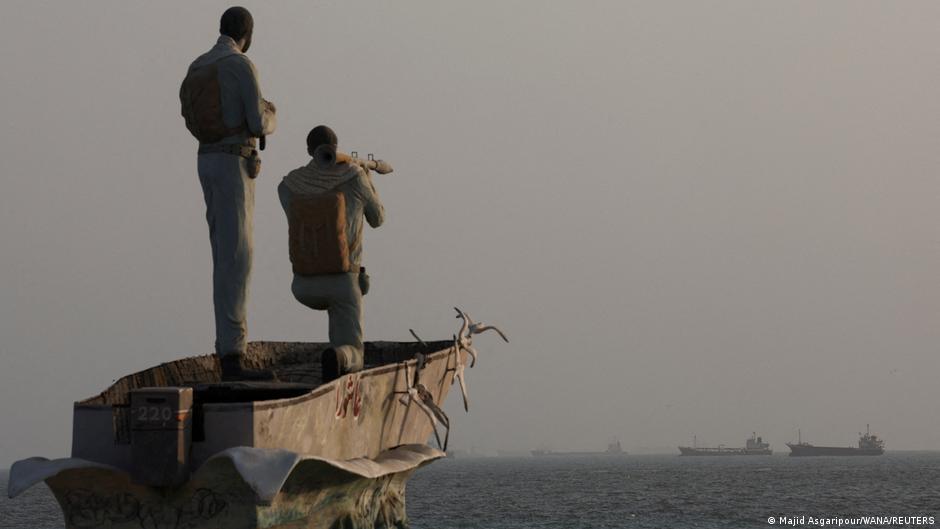
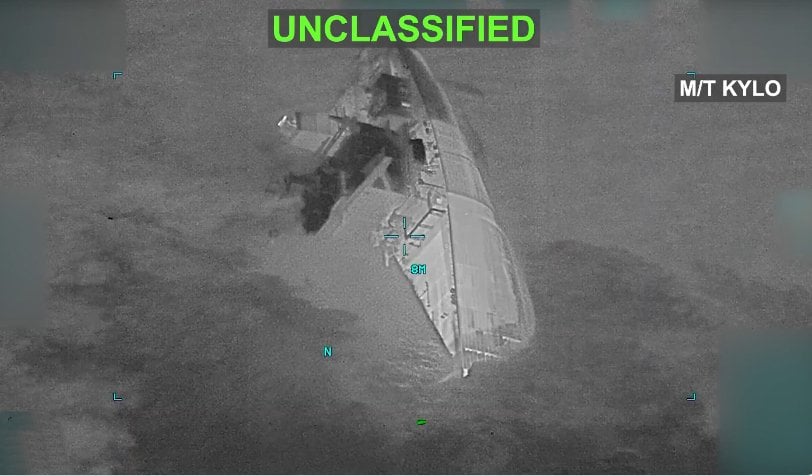
- Direct US-Iran military exchanges are almost certainly continuing around the Strait of Hormuz and Gulf of Oman. CENTCOM says US forces struck the Iranian tankers Downy, Stark I and Kylo after IRGC missile attacks on US Navy vessels, while the IRGC says it targeted three tankers on unauthorised routes and three US-linked vessels. Iran's claim that it struck an unmanned US vessel remains unresolved because CENTCOM denies the incident. The sequence of initiation is also disputed. (Confidence: high · ASSESSED)
- I&W: Confirm: CENTCOM or the IRGC Navy reports another strike, boarding, disabling action or missile attack involving a named vessel or US Navy platform in the Strait of Hormuz or Gulf of Oman. (0-14 days)
- I&W: Break: Washington and Tehran both announce a maritime ceasefire, followed by 14 days without a reported attack or interdiction involving US, Iranian or US-linked shipping. (0-30 days)
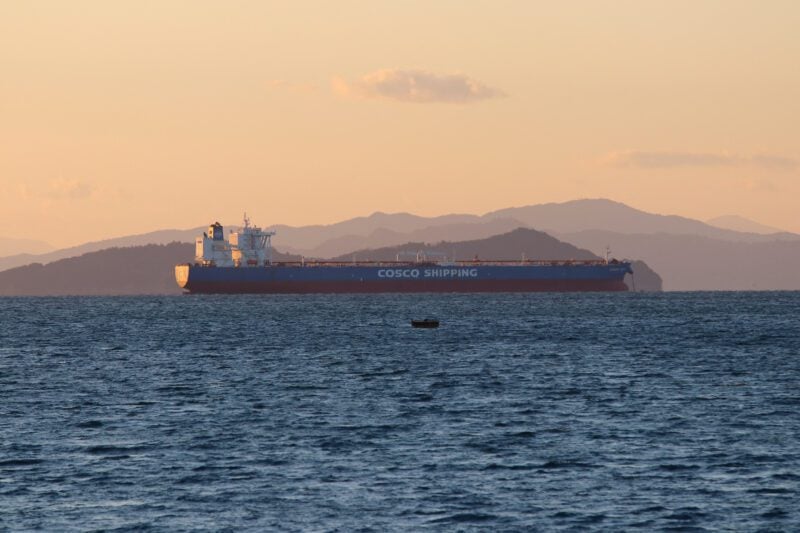
- Commercial shipping through the Strait of Hormuz is very likely to remain severely depressed over the next 30 days. Kpler recorded two vessel passages on 5 September and six on 6 September, no very large crude carrier exit since 2 September, and an average of 10 commodity ships per day over the preceding 10 days. LSEG tracked a Saudi-loaded tanker turning back, while the tankers Velos, Bravo and Al Sheehaniya also reversed course. CENTCOM reports redirecting 92 commercial vessels, disabling three and boarding two. The 10-day average conflicts with the lower daily counts, and US claims of more than 9 million barrels per day in oil transits use a different measurement basis, but the traffic disruption itself is corroborated. (Confidence: high · ASSESSED)
- I&W: Confirm: Kpler records no very large crude carrier exit and fewer than 10 commodity ship transits per day for another 14-day period. (0-14 days)
- I&W: Break: very large crude carriers resume completed passages on at least three consecutive days, while Velos, Bravo and Al Sheehaniya-type vessels complete the southern route without turning back. (0-30 days)
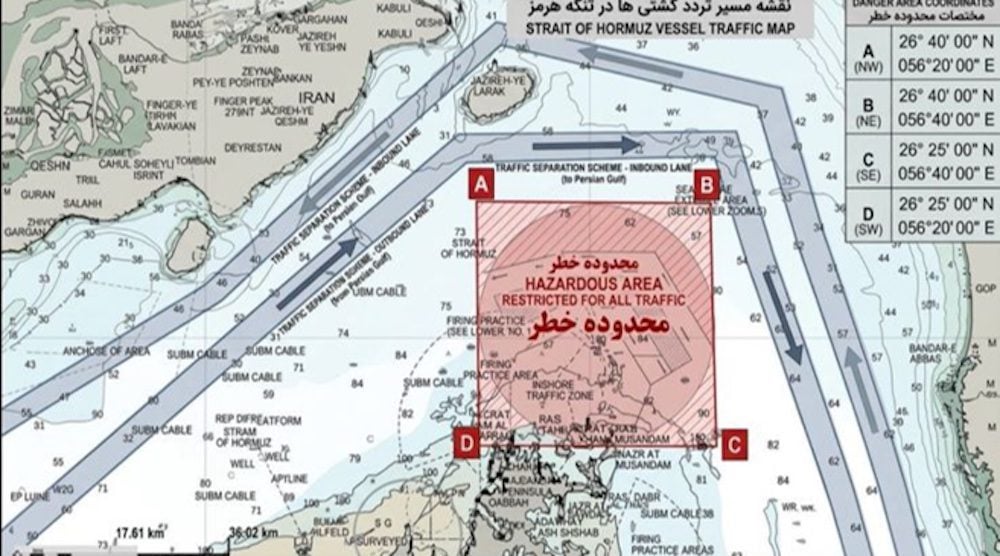
- Iran is very likely to formalise a restricted or exclusion zone near the Strait of Hormuz and announce an Iranian-managed shipping corridor with Oman in the coming days. Mohsen Rezaei has described a zone beginning at the line of the US blockade and extending into the Gulf, alongside agreed corridor maps in Iranian and Omani waters. The exact boundaries and enforcement mechanism remain uncertain because reporting variously places the zone outside the Strait or extending into the Persian Gulf, and describes enforcement as either targeting transiting vessels or placing unauthorised vessels on an Iranian sanctions list. (Confidence: medium · ASSESSED)
- I&W: Confirm: Iran publishes coordinates or maps for the zone, identifies the Iranian and Omani authorities managing the corridor, and issues a maritime notice or sanctions list. (0-14 days)
- I&W: Break: no formal notice or map appears within 14 days, or Iranian authorities publicly permit unrestricted transit without a permission requirement. (0-14 days)
- Iraq is very likely to become a more exposed escalation point as the US-led coalition mission approaches its announced end date. Iraqi officials have set 30 September as the final date for the coalition mission and 1 October as the start of a period without foreign military presence, including the removal of US air defence systems from Erbil. Iran has also expanded direct activity into Sulaimani province, where three drones struck Komala positions or, according to local authorities, a refugee camp. The intended target of that strike remains disputed. (Confidence: medium · ASSESSED)
- I&W: Confirm: US air defence equipment leaves Erbil before 30 September and Iraqi authorities formally announce the coalition's departure by 1 October. (0-30 days)
- I&W: Confirm: Iran conducts another drone or missile strike against Komala, another Iranian Kurdish opposition group or a site in the Kurdistan Region. (0-30 days)
- Israel-Hezbollah exchanges in southern Lebanon are likely to continue over the next 30 days, with civilian harm remaining elevated. Hezbollah launched two explosive drones at Israeli troops near the Ali al-Taher ridge, after which the Israeli military reported strikes on Hezbollah infrastructure and weapons transfers. Lebanese authorities reported deaths in Kfar Roummane, Nabatieh al-Fawqa and Arab Salim, but the casualty totals vary between four, seven, 11 and 12 deaths across reports. Lebanese President Joseph Aoun says the escalation is jeopardising the June ceasefire. (Confidence: medium · ASSESSED)
- I&W: Confirm: Hezbollah launches another drone or rocket attack from southern Lebanon, followed by an Israeli strike on Hezbollah infrastructure or weapons transfers. (0-14 days)
- I&W: Break: Israel and Hezbollah announce a halt to attacks and no new drone launches or Israeli strikes are reported for 30 days. (0-30 days)
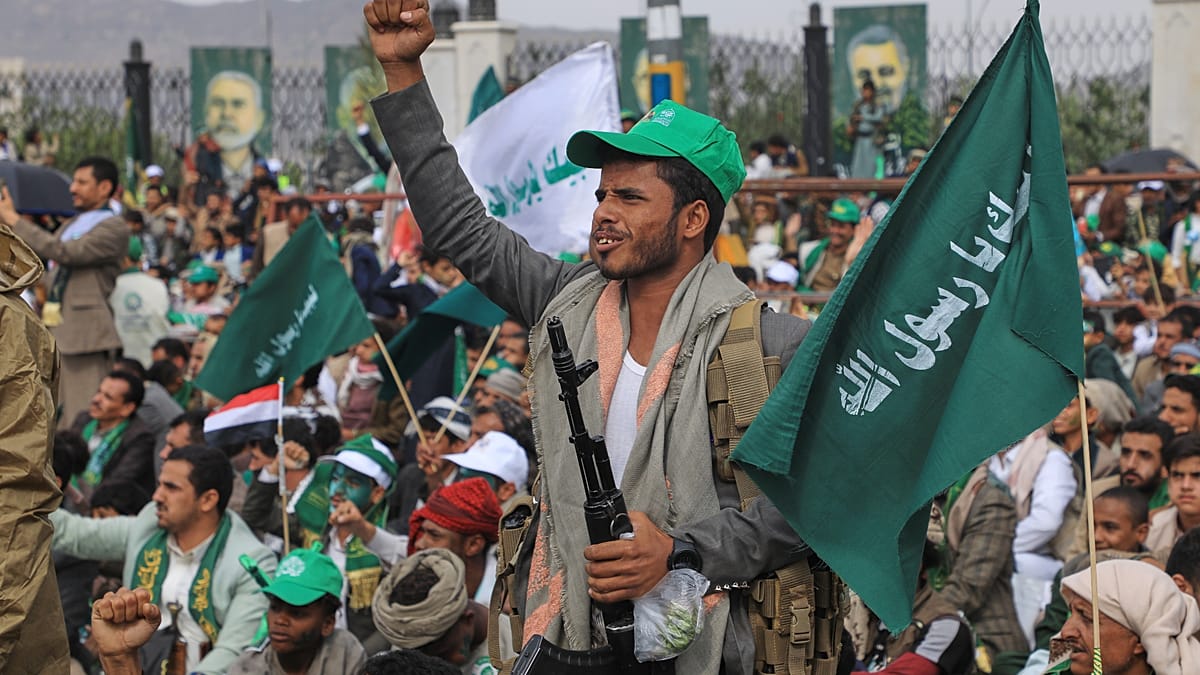
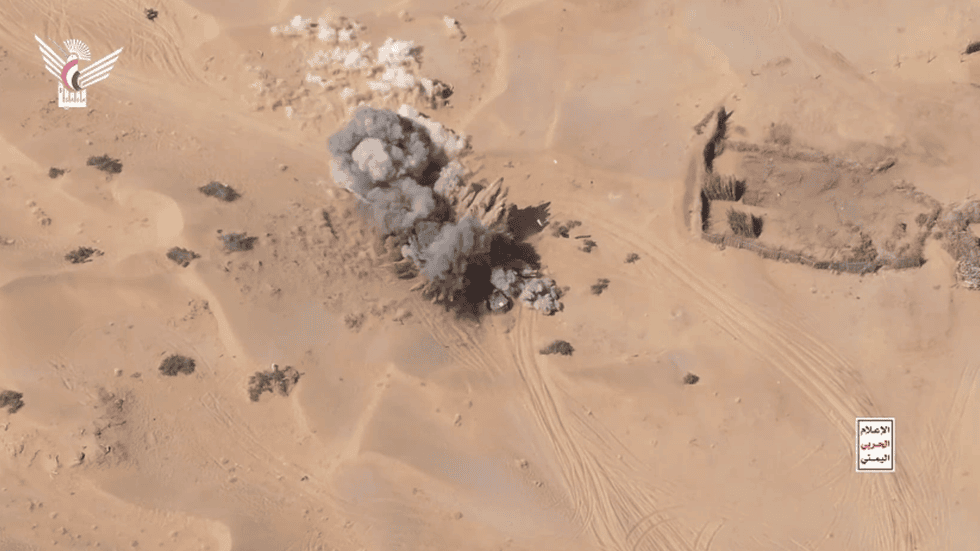
- Fighting in Yemen is very likely to remain active over the next 30 days, centred on Taiz, Al Hudaydah, Al-Jawf, Al-Bayda and Marib, with humanitarian pressure increasing. The Houthis launched an offensive towards Mokha and the Bab al-Mandab approaches, reported attacks on Saudi-linked shipping and facilities, and claimed to have downed a Saudi Wing Loong 2 reconnaissance drone. Government sources reported airstrikes against Houthi positions, more than 300 deaths in four days and the displacement of about 1,790 families in two days. Attribution of the Sanaa airport strike that helped trigger the escalation remains disputed. (Confidence: medium · ASSESSED)
- I&W: Confirm: Houthi attacks on Saudi-linked shipping or facilities continue, or Saudi-backed government forces conduct additional strikes in Al-Bayda, Marib, Taiz or Al Hudaydah. (0-14 days)
- I&W: Confirm: UN OCHA records another displacement surge from Taiz or neighbouring governorates, or the Taiz-Mokha road remains cut. (0-30 days)
- The US is very likely to retain an active strike option against Pickaxe Mountain near Natanz over the next 14 days, but an attack is unlikely. Donald Trump warned on 4 September that the site might be struck soon, while current reporting does not provide evidence of approved operational preparations. Iranian military statements about a shift towards offensive and pre-emptive operations raise the potential cost of any US strike. (Confidence: medium · ASSESSED)
- I&W: Confirm: Trump or the US military announces a strike decision, or reporting identifies aircraft, missile or other forces being assigned to Pickaxe Mountain. (0-14 days)
- I&W: Break: the White House withdraws the threat and no US operational activity linked to Pickaxe Mountain is reported during the next 14 days. (0-14 days)
Outlook & scenarios
Prolonged maritime confrontation (50%)
US and Iranian forces continue reciprocal attacks and vessel interdictions around the Strait of Hormuz. Iran formalises the restricted zone, commercial traffic remains at very low levels, and US Navy escorts continue. The conflict stays concentrated at sea while pressure persists on energy markets.
Managed corridor with limited deconfliction (25%)
Iran publishes the corridor maps agreed with Oman and limits enforcement to permission checks or sanctions designations. US escorts continue under tighter deconfliction arrangements, allowing some tanker traffic to resume without ending the wider conflict.
Regional widening (20%)
The Iraq coalition withdrawal, Iranian strikes in the Kurdistan Region, Israel-Hezbollah exchanges and Houthi attacks on Saudi-linked interests reinforce one another. The result is a multi-front conflict with separate escalation cycles in Iraq, Lebanon, Yemen and the Gulf.
High-impact strike on Pickaxe Mountain (5%)
The US strikes Pickaxe Mountain near Natanz. Iran responds under its declared offensive and pre-emptive posture, including action against US-linked maritime or regional targets. This scenario would sharply increase the risk of direct US-Iran escalation beyond the current maritime theatre.
Recommendations
- Maintain a daily maritime watch combining CENTCOM statements, IRGC Navy announcements, Kpler traffic counts, LSEG vessel tracks and UKMTO incident reporting. Separate confirmed vessel movements from official claims about attacks.
- Treat Iran's restricted zone and proposed corridor as separate policy instruments until Tehran publishes coordinates, enforcement rules and the identity of the Iranian and Omani authorities responsible for the route.
- Prioritise collection on the 30 September coalition deadline and the 1 October foreign-force deadline in Iraq. Track the physical removal of US air defence systems from Erbil and any subsequent Iranian drone or missile activity in the Kurdistan Region.
- Maintain separate casualty and attribution ledgers for southern Lebanon and Yemen. Reconcile Lebanese Health Ministry figures before using a single death toll, and preserve both the Houthi and Yemeni government accounts of the Sanaa airport strike.
- Set an escalation alert for any official US decision on Pickaxe Mountain, Iranian force movements linked to the stated pre-emptive posture, or a new strike involving US Navy vessels, Iranian tankers or US-linked commercial shipping.
- Use the resumption of very large crude carrier exits and sustained completion of the southern Hormuz route as the primary practical test of any claimed maritime de-escalation.
Confidence & uncertainty
Overall confidence is high because the core assessment is supported by multiple independent sources, including CENTCOM and IRGC statements, Reuters and other major-media reporting, Kpler and LSEG shipping data, Iraqi official announcements, the Lebanese Health Ministry, BBC reporting and UN OCHA displacement reporting. The main uncertainties concern who initiated particular maritime exchanges, whether an unmanned US vessel was hit, the precise boundaries and enforcement of Iran's proposed zone, conflicting shipping-flow definitions, casualty totals in southern Lebanon, and responsibility for the Sanaa airport strike. These gaps lower confidence in some sub-judgments without materially weakening the core assessment that direct US-Iran exchanges and severe Hormuz disruption are continuing.
Intelligence gaps
- [EEI 1.1 · UNCOVERED] Movement, dispersal, or emplacement of Iranian conventional or IRGC heavy assets (ballistic missile launchers, Khoramshahr/Toofan-class missile transporters, ground-to-ground TELs, air defense batteries, amphibious units) from garrison areas toward forward bases or coastal launch sites. Recommended collection: satellite/IMINT
- [EEI 1.2 · PARTIAL] Authenticated Iranian military orders, NSC/IRGC operations directives, or senior leadership statements explicitly directing strikes against Israel or US forces or authorizing cross-border operations. Recommended collection: human/diplomatic
- [EEI 1.3 · PARTIAL] Changes in Israeli and US force posture indicating anticipation of direct large-scale conflict, elevated readiness levels, mobilization notices, pre-positioning of munitions, or public/private orders to prepare offensive strikes. Recommended collection: open-source/diplomatic
- [EEI 2.1 · UNCOVERED] Observable pre-launch preparations for missile/rocket/cruise missile strikes (fueling, warhead mating, launcher orientation, support vehicle congregation) and abnormal munitions handling at known launch sites. Recommended collection: satellite/IMINT
- [EEI 2.2 · UNCOVERED] Indications of proxy arms shipments and weapons transfers (truck convoys, small boat transfers, container movements from Iran to proxies, new stockpiles in Lebanon, Iraq, Yemen, Syria). Recommended collection: maritime/AIS
- [EEI 2.3 · UNCOVERED] Evidence of cyber attack planning or active exploitation campaigns targeting Israeli or US military/critical infrastructure (emergence of new command-and-control servers, spear-phishing campaigns against defense personnel, successful intrusions). Recommended collection: cyber
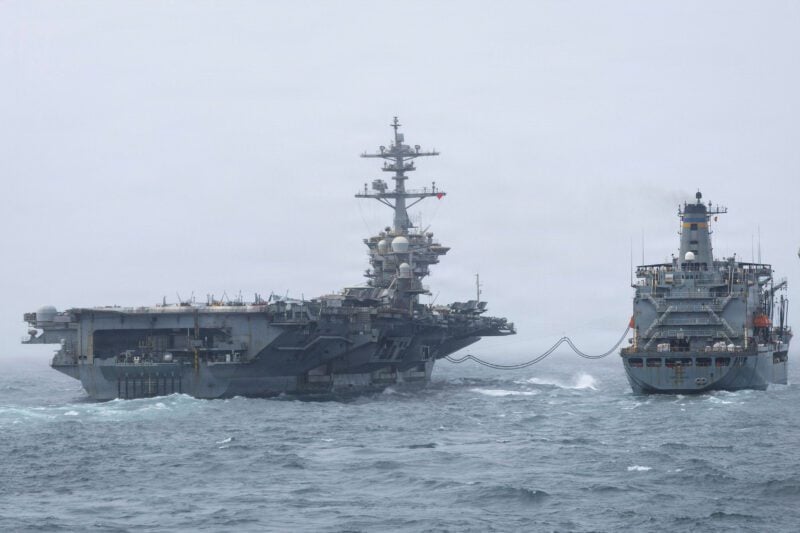
- [EEI 3.1 · PARTIAL] Movements and posture changes of US regional platforms (carrier strike groups, amphibious ready groups, B-52/B-1/B-2 or fighter deployments, missile defense assets repositioning) and associated armament loadouts. Recommended collection: satellite/IMINT
- [EEI 3.2 · PARTIAL] Official or leaked US government/diplomatic communications indicating thresholds for strikes, authorization for offensive operations, or limits on action (NSC/DoD statements, congressional notifications, diplomatic notes). Recommended collection: diplomatic/human
- [EEI 3.3 · PARTIAL] Changes in US base force-protection measures and rules of engagement at regional facilities (base lockdowns, evacuation notices, flight restrictions, activation of Local Defense Forces or missile intercept systems). Recommended collection: open-source/local reporting
- [EEI 4.1 · PARTIAL] Hezbollah-specific indicators: convoys and logistics movements toward Lebanon, Israel border, artillery/rocket emplacement in southern Lebanon, documented strikes-preparation activity, public mobilization orders or recruitment drives. Recommended collection: satellite/IMINT
- [EEI 4.2 · UNCOVERED] Houthi-attributed maritime attack indicators: AIS anomalies/loss of contact for commercial vessels, reports of missile/drone strikes or near-miss incidents in Bab al-Mandeb/Red Sea, Houthi claims paired with imagery of weapons launches. Recommended collection: maritime/AIS
- [EEI 4.3 · UNCOVERED] Militia cross-border attack evidence from Iraq/Syria: recorded rocket/mortar launch events into Israel or strikes against US facilities, movement of armed convoys toward border areas, and intercepted communications coordinating cross-border operations. Recommended collection: signals/ELINT
TLP:CLEAR

.png?width=1200&auto=webp&trim=0%2C100%2C0%2C100)