TLP:CLEAR · Disclosure is not limited.
US-Iran Maritime Escalation Raises Strait of Hormuz Risk
Time window: Last 1 day · Audience: General analyst · Type: Situation report · DTG: 2026-09-05 16:11Z · Overall confidence: HIGH
BLUF
US-Iran hostilities have entered a more dangerous maritime phase: on 5 September, the IRGC fired ballistic missiles at two US warships and US forces struck three Iranian oil tankers. The Strait of Hormuz remains heavily disrupted, while conflicting reporting on full closure and Iran's intended next step makes near-term escalation risk harder to bound.
Executive summary
The conflict intensified on 5 September when the IRGC fired ballistic missiles at two US warships in the Gulf of Oman and US forces disabled two Iranian crude carriers and destroyed a third near Kharg Island and Jask. Iran continues to face reported pressure against its bases and interests in Jordan, Kuwait, Bahrain and Israel. Maritime traffic through the Strait of Hormuz is heavily constrained, but reporting conflicts over whether the waterway is fully closed or still permitting substantial passage. The fighting is raising oil, diesel and aviation costs, while Türkiye, the Shanghai Cooperation Organisation and India are pressing for navigation and diplomatic measures without yet producing a durable pause.
Change from previous assessment
Since the 3 September brief, the assessment has shifted from continued US-Iran exchanges and heavy Hormuz disruption to a more dangerous maritime phase. The new development is the reported IRGC missile attack on two US warships followed by US strikes on three named Iranian oil tankers near Kharg Island, Jask and the Gulf of Oman. The brief now gives greater weight to economic targeting and to the possibility that Iran will sustain pressure through the November US midterm period. Confidence remains high that exchanges and disruption will persist, but confidence in claims of a complete Hormuz closure remains medium because current reporting also describes continued passage. The assessment also adds a medium-confidence judgment that diplomatic initiatives are unlikely to produce an immediate durable pause.
Key judgments
- It is very likely that direct US-Iran military exchanges intensified on 5 September 2026. The IRGC fired ballistic missiles at two US warships in the Gulf of Oman, CENTCOM reported that a US aircraft carrier and guided-missile destroyer evaded multiple attacks, and US forces then disabled two Iranian crude carriers and destroyed a third. CENTCOM identified the vessels as M/T Downy off Kharg Island, M/T Stark 1 off Jask and M/T Kylo, or Noxen, off the Gulf of Oman. Satellite imagery corroborated the reported damage, but CENTCOM had not confirmed casualties. This is a reported judgment with strong corroboration on the attacks and incomplete damage and casualty information. (Confidence: high · REPORTED)
- I&W: Confirm: CENTCOM or independent imagery records another IRGC missile or drone attack on a named US vessel, or another US strike on an Iranian tanker. (0-14 days)
- I&W: Break: No further direct US-Iran maritime attack is reported for 14 days and the two sides begin implementing the June navigation memorandum. (0-14 days)
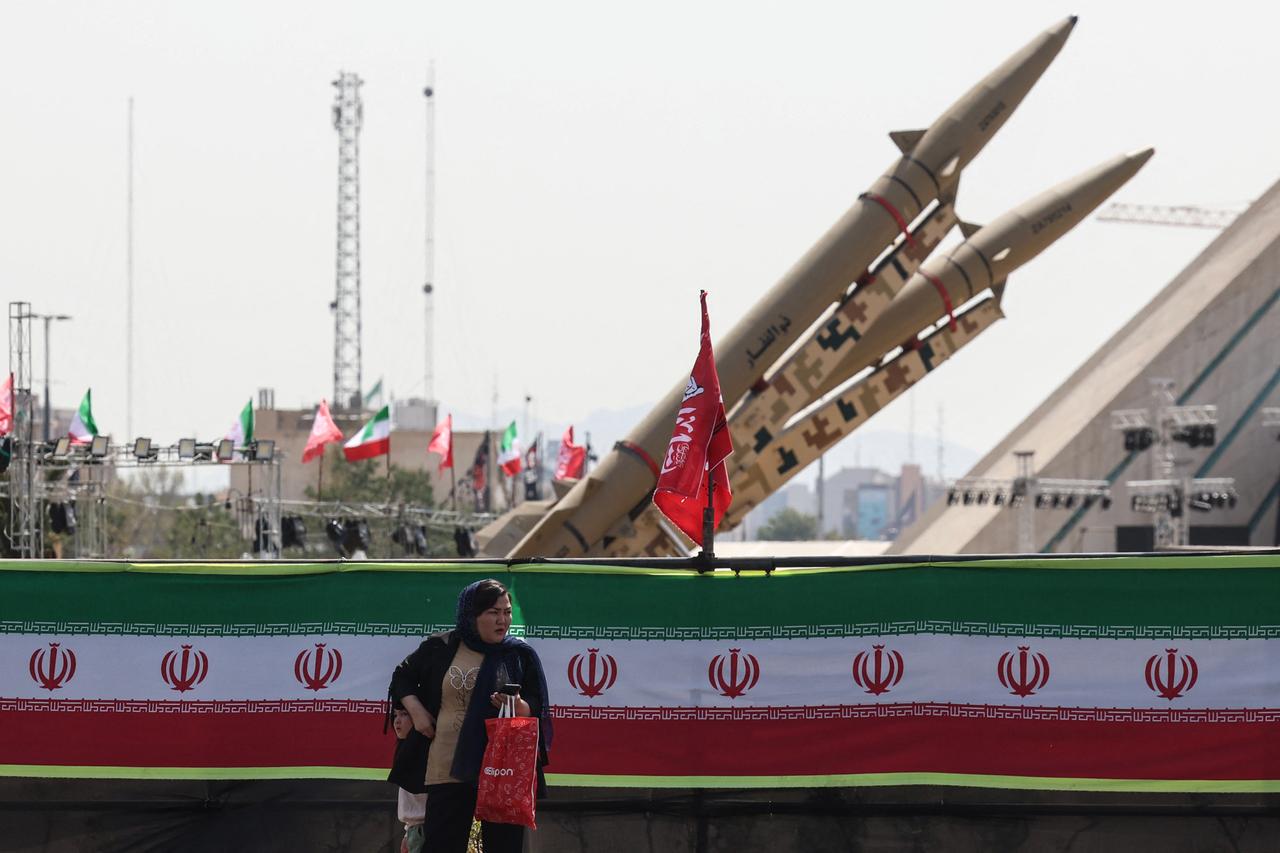
- It is likely that Iran will sustain missile and drone pressure against US-linked positions in Jordan, Kuwait and Bahrain over the next 14 days, while reported Iranian strikes continue to include Israel in the target set. Iran has been reported to have struck sites linked to the US military presence in Jordan, launched attacks affecting Kuwait and fired at US bases in Jordan, Kuwait and Bahrain. Jordan was reportedly hit by roughly 300 missiles and drones during the war. The geographic scope remains partly unresolved because broader regional reporting is not matched by equally specific confirmation for every location, lowering confidence. (Confidence: medium · ASSESSED)
- I&W: Confirm: Jordan, Kuwait or Bahrain reports another interception or impact, or Israeli authorities report a new Iranian missile or drone strike. (0-14 days)
- I&W: Break: Iran announces a halt to attacks and no new projectile activity is reported in Jordan, Kuwait, Bahrain or against Israel for 14 consecutive days. (0-14 days)
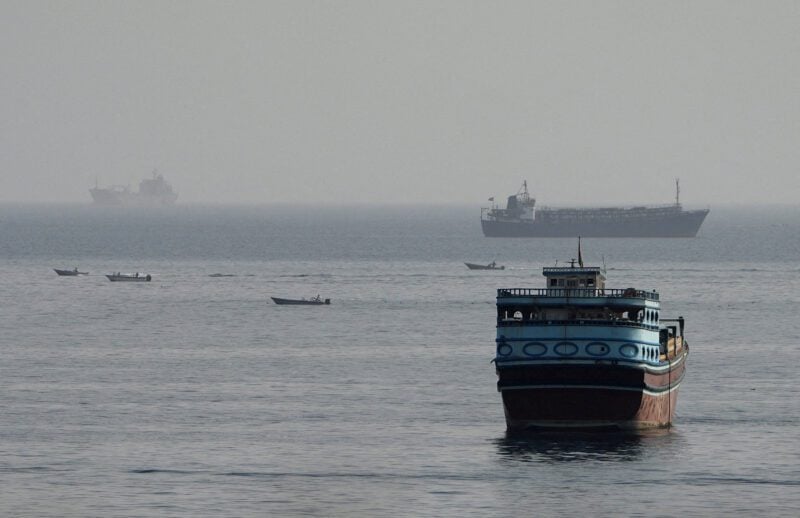
- It is very likely that commercial shipping through the Strait of Hormuz will remain heavily constrained over the next 14 days, but there is a roughly even chance that the waterway is fully closed rather than partially functioning. Claims that Iran effectively shut the strait conflict with reporting that maritime traffic remains disrupted, that Iranian crude exports have declined rather than stopped, and that 15 million barrels exited on 2 September. Iranian attacks on merchant vessels and energy facilities, together with Brent crude reaching about $95 a barrel, show that the disruption is already affecting energy markets. This is an assessed judgment with medium confidence because the severity and attribution of the maritime disruption remain contested. (Confidence: medium · ASSESSED)
- I&W: Confirm: Shipping data show no return towards normal passage and another merchant vessel or energy facility is attacked in the Strait of Hormuz. (0-14 days)
- I&W: Break: Multiple tankers carrying oil or liquefied natural gas transit daily while Washington and Tehran implement the June navigation memorandum. (0-14 days)
- It is likely that Washington will continue combining financial sanctions with targeted action against Iranian oil revenue and alleged IRGC financing. The US Treasury has sanctioned three Turkish entities linked by Washington to Iranian oil revenue transactions, while US forces have struck tankers that CENTCOM said belonged to a network funding the IRGC and regional proxies. Admiral Brad Cooper has publicly threatened further economic costs after attacks on US ships. A single trade publication also described a full US naval blockade and Iranian inflation near 80 percent, but that account is not corroborated by the sanctions reporting and should not be treated as established fact. Confidence is medium. (Confidence: medium · ASSESSED)
- I&W: Confirm: The US Treasury announces additional Iran-related designations or US forces announce another strike on an Iranian oil carrier or IRGC-linked financial asset. (0-30 days)
- I&W: Break: Washington suspends new economic measures and publicly links that suspension to a halt in maritime attacks or implementation of a negotiated pause. (0-30 days)
- It is likely that diplomatic pressure will generate further statements and exploratory initiatives without producing an immediate durable de-escalation. Türkiye has announced efforts to ease the Iran-US standoff, the SCO has condemned attacks on Iran and called for political and diplomatic resolution, and India has stressed freedom of navigation. However, the June navigation memorandum remains stalled, the SCO has offered no military defence of Iran, and reporting indicates that the United States is exploring an exit strategy while Iran is prepared to endure a prolonged conflict. This is an assessed judgment based partly on indirect and single-source reporting. (Confidence: medium · ASSESSED)
- I&W: Confirm: Türkiye, the SCO or India issue further diplomatic statements while the June navigation memorandum remains unimplemented and military exchanges continue. (0-30 days)
- I&W: Break: Washington and Tehran announce direct talks, implement the navigation memorandum and record no attacks for seven consecutive days. (0-30 days)
Outlook & scenarios
Prolonged contained exchange (55%)
It is very likely that US and Iran continue reciprocal strikes focused on warships, tankers, IRGC-linked sites and US-associated positions in Jordan, Kuwait and Bahrain. Iran continues reporting missile and drone operations against Israel and US interests, while shipping through the Strait of Hormuz remains constrained and energy prices stay elevated.
Maritime widening and regional spillover (25%)
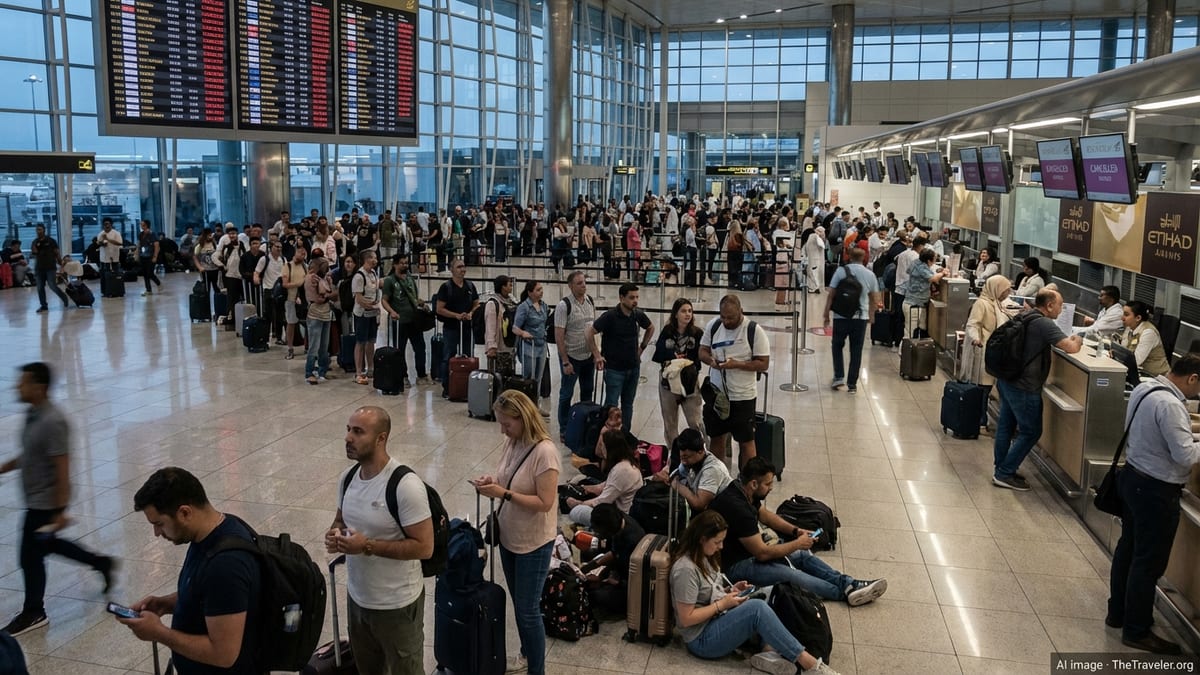
It is likely that another strike on a US vessel, Iranian tanker, merchant ship or energy facility widens the maritime campaign. The resulting pressure on Kharg Island, Jask and Gulf shipping routes produces further airspace restrictions and higher oil, diesel and aviation costs.
Managed pause through external mediation (18%)
It is unlikely that Türkiye's initiatives, SCO political pressure and India's navigation concerns produce a short pause. This scenario requires Washington and Tehran to revive the stalled June navigation memorandum and separate maritime access from the wider military dispute.
High-impact cross-theatre expansion (8%)
It is very unlikely but high-impact that the conflict produces a new attack causing mass civilian casualties in a Gulf state, or extends into the Bab al-Mandab, Lebanon or other theatres where lower-confidence reporting already identifies political and security pressure.
Recommendations
- Maintain a 24-hour watch on the Gulf of Oman, Kharg Island, Jask and the Strait of Hormuz. Separate CENTCOM statements, Iranian official reporting and commercial imagery in the incident log.
- Treat the Strait of Hormuz as operationally constrained, not conclusively closed. Reconcile vessel movements, port departures, tanker damage and airspace data before using closure assumptions in energy or military assessments.
- Create a daily named-site tracker for US facilities in Jordan, Kuwait and Bahrain, Iranian launches and interceptions, and reporting on Iranian strikes against Israel. Record the source type and whether each incident is independently corroborated.
- Flag the three-tanker strike as an escalation threshold. Brief decision-makers if another US ship, Iranian tanker, commercial vessel or energy facility is hit within 14 days.
- Track the military, economic and diplomatic channels separately: monitor Treasury designations, implementation of the June navigation memorandum, Türkiye's mediation efforts, and SCO and Indian positions on navigation.
- Use low-confidence labels for claims of a full US naval blockade, Iranian inflation near 80 percent, direct Houthi activity and casualty figures that lack independent confirmation.
Confidence & uncertainty
Overall confidence is high because the principal military development is supported by CENTCOM reporting, multiple major-media accounts and satellite imagery from TankerTrackers.com. Regional effects are supported by official or local reporting from Kuwait, the US Embassy in Bahrain, market indicators and airline actions. The main uncertainties concern whether the Strait of Hormuz is fully closed or partially open, the precise geographic scope of Iranian attacks, the extent of any US naval blockade and the casualty totals. Several assessments of Iranian intent rely on unnamed sources, so confidence is lower on future escalation pathways than on the occurrence of the latest maritime exchanges.
Intelligence gaps
- [EEI 1.1 · PARTIAL] Number, type, launch times, and trajectories of ballistic missiles, cruise missiles, armed UAV strikes, and combat-air sorties launched by Iranian or Israeli forces toward the other's territory or forward bases within a 72-hour window. Recommended collection: signals/intel
- [EEI 1.2 · PARTIAL] Observable changes in Israeli and Iranian force posture: mobilization or reserve call-up orders, unit road/rail movements, dispersal or sortie rates of air squadrons, redeployment of air-defense batteries, and activation of civil-defense alerts or sirens in major population centers. Recommended collection: open-source/media
- [EEI 1.3 · PARTIAL] Indications of strike authorization or targeting preparations in Iranian or Israeli command chains: authenticated public orders by senior commanders, detected increases in encrypted communications consistent with targeting, or visible movement of strike munitions to launch/storage sites. Recommended collection: signals/intel
- [EEI 2.1 · UNCOVERED] Counts, launch locations (coordinates), weapons types, and assessed damage from rocket/missile/drone strikes originating from Lebanon into northern Israel attributed to Hezbollah or allied groups. Recommended collection: open-source/media
- [EEI 2.2 · UNCOVERED] Reported attacks by Iranian-backed militias in Iraq and Syria: rocket/IED strikes on bases hosting US/coalition or Israeli personnel, documented militia unit movements toward borders, and captured movement or transfer of weapons systems to forward militia positions. Recommended collection: human
- [EEI 2.3 · PARTIAL] Maritime harassment or attacks by proxies (e.g., Houthis): incidents of missile/rocket strikes against commercial vessels, small-boat swarm attacks, discovery or detonation of naval mines, and corresponding AIS anomalies in the Red Sea, Gulf of Aden, or southern Arabian Gulf. Recommended collection: maritime/AIS
- [EEI 3.1 · PARTIAL] Movements and arrival dates of foreign military assets into the region: carrier strike groups, amphibious ships, surface combatants, strategic airlift/tanker deployments, and air/sea patrol patterns by US, European, Russian, or regional militaries. Recommended collection: imagery/satellite
TLP:CLEAR