TLP:CLEAR · Disclosure is not limited.
US-Iran Maritime Exchanges Further Constrain Strait of Hormuz
Time window: Last 1 day · Audience: General analyst · Type: Situation report · DTG: 2026-09-07 22:38Z · Overall confidence: HIGH
BLUF
US-Iran maritime exchanges very likely intensified between 5 and 7 September 2026, while Iranian restrictions and attacks on shipping have kept Strait of Hormuz traffic at historically low levels. Further exchanges are likely over the next 14 days, although the status of the reported restricted zone, the exact timing of tanker strikes and the extent of US control over maritime access remain contested.
Executive summary
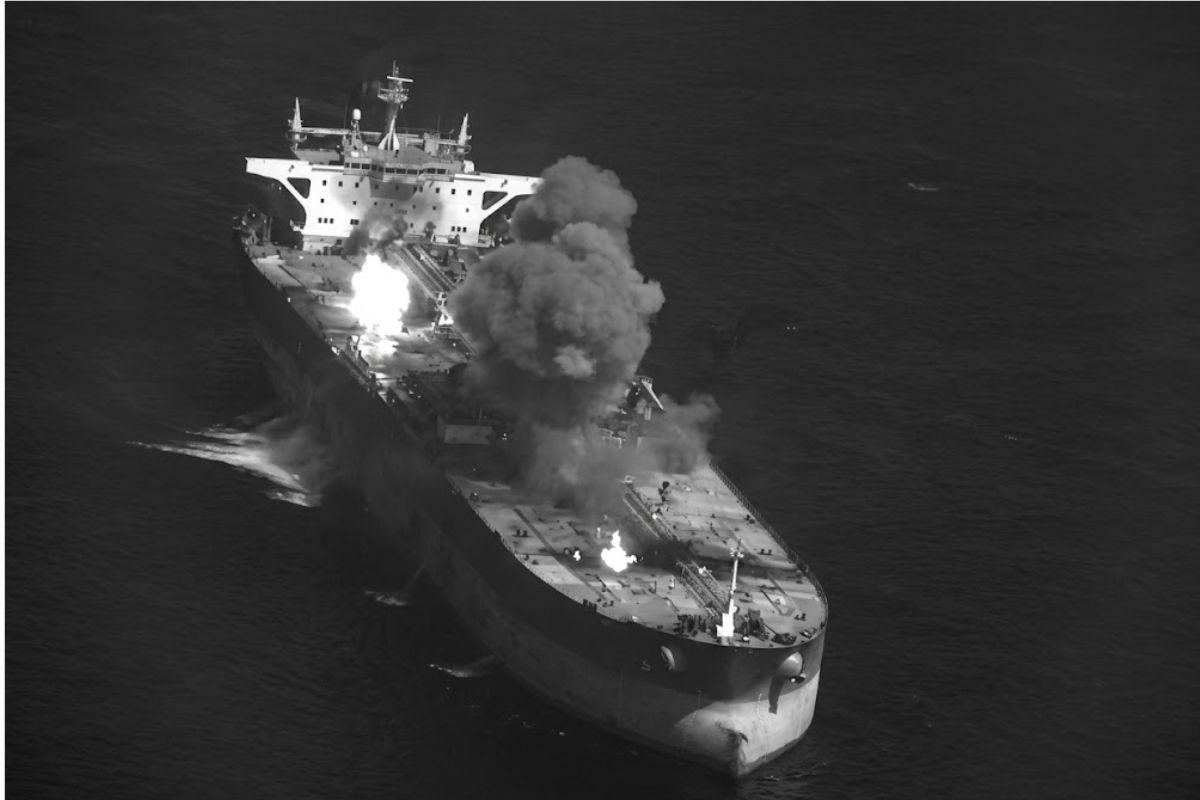
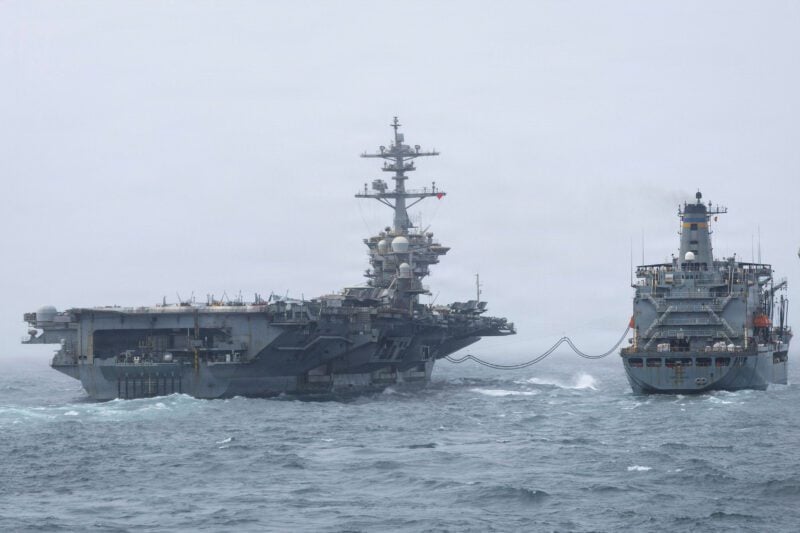
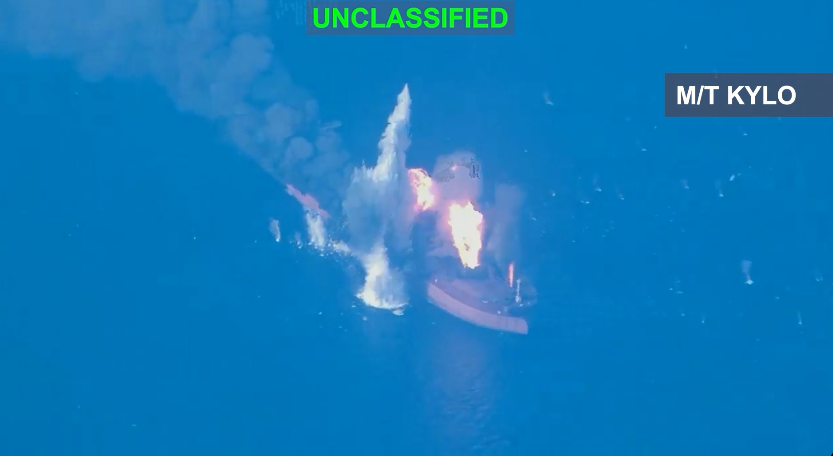
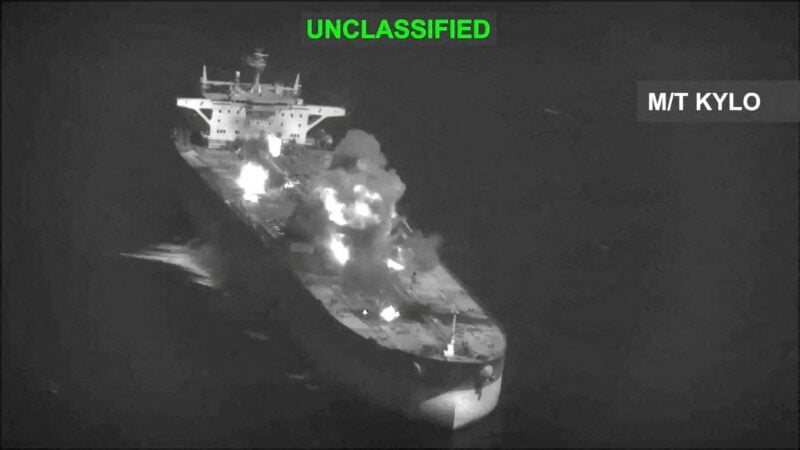
The IRGC reported ballistic-missile attacks on two US Navy warships, while US Central Command reported strikes on three Iranian crude carriers. Oman separately reported evacuating 16 crew members from the Saudi vessel Sidr after an Iranian attack. Commercial traffic through the Strait of Hormuz remains severely constrained: Kpler data indicates an average of about 10 commodity vessels per day over the past 10 days, compared with roughly 125 before the conflict, and no very large crude carrier has exited since Wednesday. Iran has announced a new restricted zone and a proposed corridor managed by Iran, but US and Iranian accounts differ sharply on whether the strait is closed and on the volume of oil transits. Regional effects include an attack on Saudi Aramco's 400,000-barrel-per-day Jizan refinery and renewed Israel-Hezbollah violence in southern Lebanon.
Change from previous assessment
Since the 6 September 2026 brief, the assessment now includes Oman's reported evacuation of 16 crew members from the Saudi vessel Sidr, the IRGC claim concerning a US unmanned surface vessel and the reported attack on Saudi Aramco's Jizan refinery. Confidence in severe shipping disruption remains medium, but the new Kpler data provides a clearer operational measure of the traffic collapse. The assessment gives greater weight to the 10-vessel-per-day traffic figure than to competing official claims of near-normal oil flows. Qatar's mediation and the reported Iran-Oman corridor are new de-escalation indicators, while the restricted-zone geography and tanker-strike chronology remain unresolved.
Key judgments
- US-Iran maritime exchanges very likely intensified between 5 and 7 September 2026. The IRGC reported ballistic missiles directed at two US Navy warships, US Central Command reported strikes on three Iranian crude carriers, and Oman reported evacuating 16 crew members from the Saudi vessel Sidr after an Iranian attack. The IRGC's separate claim that it engaged a US unmanned surface vessel remains uncorroborated, and the reported dates of the tanker strikes remain inconsistent. (Confidence: high · ASSESSED)
- I&W: Within 0-14 days, US Central Command reports another strike on an Iranian tanker or the IRGC reports another missile launch against a US Navy warship. (0-14 days)
- I&W: US Central Command and the IRGC publish a consistent chronology showing that the reported tanker and warship incidents occurred before 5 September and that no exchange occurred after 6 September. (0-14 days)
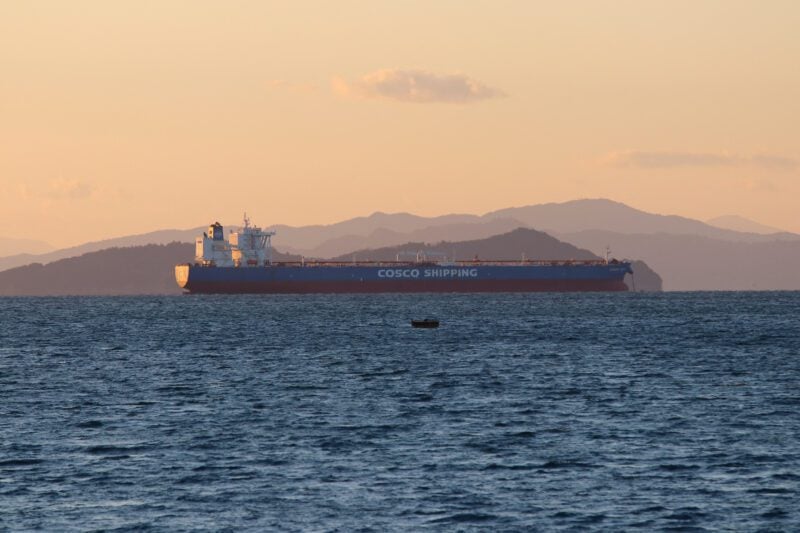
- Commercial traffic through the Strait of Hormuz is very likely to remain severely constrained through 21 September 2026. Kpler data shows about 10 commodity vessels crossing daily over the past 10 days, compared with roughly 125 before the conflict, with only two vessels crossing on Saturday and six on Sunday; no very large crude carrier has exited since Wednesday. The assessment is medium confidence because Iran describes the strait as closed while US Energy Secretary Chris Wright reports more than 9 million barrels per day transiting and independent estimates place flows at about 4-5 million barrels per day. (Confidence: medium · ASSESSED)
- I&W: Kpler and LSEG report continued traffic near current lows, including few successful exits and no return of very large crude carrier movements. (0-14 days)
- I&W: Kpler records traffic returning towards roughly 125 commercial vessels per day and LSEG records sustained successful exits by product tankers or very large crude carriers. (1-3 months)
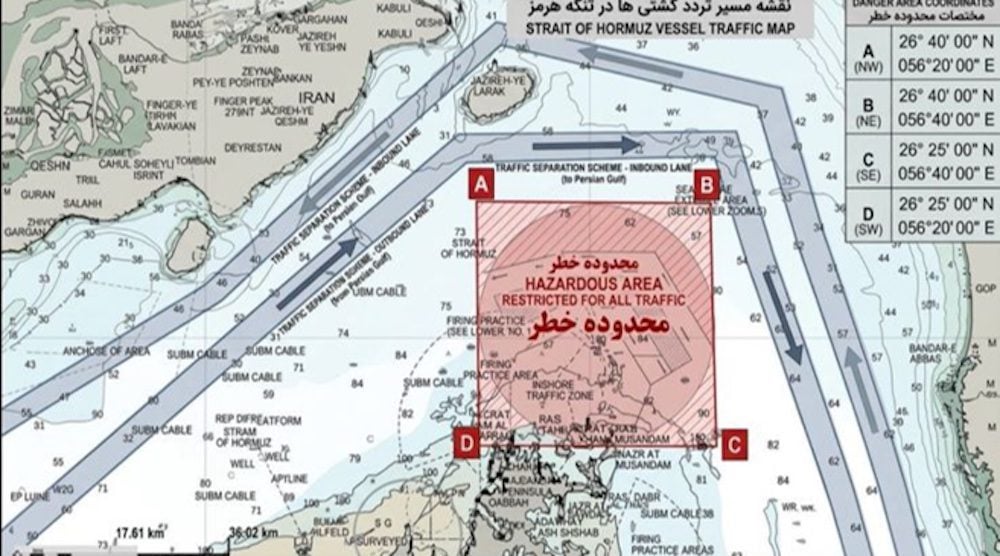
- Further US-Iran military action is likely through 21 September 2026, while a durable ceasefire during that period is unlikely. US Central Command has threatened a higher economic cost after further attacks on US naval vessels, Donald Trump has said the US may strike Pickaxe Mountain, and Mohammad Bagher Ghalibaf has threatened a faster, heavier and more painful Iranian response. Iran's planned restricted zone and vessel blacklist add operational triggers for another exchange. Qatar's mediation and the reported Iran-Oman navigation arrangement provide a de-escalation path, but neither has produced a confirmed settlement. (Confidence: medium · ASSESSED)
- I&W: The US announces or conducts a strike on Pickaxe Mountain or another Iranian energy asset, or the IRGC reports another attack on a US naval vessel. (0-14 days)
- I&W: Qatar or Oman announces a publicly accepted US-Iran navigation or ceasefire arrangement, followed by no reported strikes for 14 consecutive days. (0-14 days)
- Regional spillover is likely to persist over the next 14 days. Yemeni forces have been attributed with striking Saudi Aramco's 400,000-barrel-per-day refinery in Jizan; the IDF says Hezbollah launched two explosive drones towards Israeli troops near the Ali al-Taher ridge before Israeli strikes across southern Lebanon; and Lebanese authorities report at least 27 deaths from Israeli attacks there over three days. South Korea is reviewing operations to support navigation through the strait, while Iran has warned Seoul against military involvement. (Confidence: medium · ASSESSED)
- I&W: A further attack is reported against the Jizan refinery or another named Gulf energy facility, or Israel and Hezbollah exchange additional strikes in southern Lebanon. (0-14 days)
- I&W: Israeli and Hezbollah authorities announce an operational halt, with no new attacks on Gulf energy infrastructure or southern Lebanon during the following 14 days. (0-14 days)
Outlook & scenarios
Prolonged maritime confrontation (55%)
The most likely outcome is continued US escorts and blockade enforcement, further Iranian restrictions on unauthorised shipping, and sporadic attacks on tankers or unmanned vessels. Strait traffic remains near current lows, while Brent crude stays under upward pressure from the shipping disruption.
Limited navigation arrangement (25%)
Iran and Oman sign or release the reported navigation corridor arrangements, with Qatar's mediation helping establish limited operating rules. Commercial traffic resumes selectively through an Iranian-managed route, but US-Iran military deployments and the blacklist threat remain in place.
Wider regional spillover (15%)
Further attacks on Saudi infrastructure, renewed Israel-Hezbollah exchanges in southern Lebanon and a South Korean decision to support navigation broaden the conflict's regional footprint. Iran treats additional foreign participation as hostile, increasing the risk of attacks on US-linked or escorted shipping.
High-impact maritime closure and energy shock (10%)
As a low-probability, high-impact wildcard, Iran operationalises the expanded restricted zone and the US responds with wider strikes against Iranian maritime or energy assets. Successful tanker movements approach zero, very large crude carrier traffic remains absent, and Brent crude moves towards the reported $120 worst-case level.
Recommendations
- Prioritise reconciliation of the tanker timeline before publishing further incident counts. Separate the reported 1 September, 5 September, 6 September and 7 September dates, and determine whether the Saudi tanker attacks were distinct from the three Iranian tanker strikes attributed to US forces.
- Maintain separate assessments for physical shipping activity and official flow claims. Use Kpler and LSEG to track daily vessel crossings, successful exits, tanker size and route selection, while recording US and Iranian statements as competing policy narratives.
- Monitor for publication of Iran's restricted-zone maps and the proposed Iran-Oman corridor. Record the geographic boundary, authorisation process, blacklist criteria and the first vessels transiting under the arrangement.
- Treat any new IRGC claim concerning a US unmanned surface vessel as unconfirmed until CENTCOM provides evidence or a consistent operational account. Track whether the two reported unmanned assets represent one vessel or separate incidents.
- Use the announced US and Iranian threat lines as immediate warning indicators: a strike on Pickaxe Mountain or an Iranian energy asset, another attack on a US Navy vessel, or a new Iranian blacklist entry should trigger a same-day reassessment.
- Track Qatar's mediation and the reported Iran-Oman navigation deal as distinct diplomatic channels. Do not treat either as a ceasefire indicator unless both sides publicly accept the arrangement and maritime attacks stop.
- Update the regional spillover watchlist daily for Jizan, southern Lebanon, Al Udeid Air Base and any South Korean maritime deployment decision. Record attribution separately from the broader US-Iran escalation assessment.
Confidence & uncertainty
Overall confidence is high for the core situation. Multiple wire-service, major-media and trade reports corroborate the US strikes on Iranian tankers, IRGC missile activity, the sharp fall in Strait of Hormuz traffic and the wider pattern of maritime incidents. Kpler, LSEG and UKMTO reporting provides independent operational indicators. Confidence is lower on exact strike dates, the reported engagement of a US unmanned surface vessel, the geographic scope of Iran's restricted zone and the competing estimates of oil flows.
Intelligence gaps
- [EEI 1.1 · UNCOVERED] Concentrations or unusual movements of IRGC-Navy fast attack craft, small boat swarms, or escort vessels within 200 km of US/allied ships, including approach distances and formation changes. Recommended collection: maritime/AIS
- [EEI 1.2 · UNCOVERED] Detected pre-launch activity at coastal missile or rocket batteries (vehicle dispersal, fuel/warhead handling, radars powering up, transport erector launchers moving to firing positions). Recommended collection: imagery/signals
- [EEI 1.3 · UNCOVERED] Increased launch/arming/positioning of armed UAVs (MALE/loitering munitions) or tactical aircraft at Iranian coastal bases with sortie generation rates and munitions loadouts. Recommended collection: air/ADS-B/imagery
- [EEI 1.4 · UNCOVERED] Command-and-control indications of attack orders or elevated rules-of-engagement from IRGC/General Staff (intercepted communications, internal order messages, force-wide alert messages). Recommended collection: signals/human
- [EEI 2.2 · PARTIAL] Issuance of formal orders, mobilization directives, travel restrictions, or official internal communications within IRGC/Armed Forces indicating escalation posture or stand-down. Recommended collection: human/diplomatic
- [EEI 2.3 · UNCOVERED] Directives, logistics movements, or communications from Iranian commanders to regional proxy militias (Houthis, Iraqi Shia militias, Lebanese groups) that change their threat posture or task them with specific operations. Recommended collection: signals/human
- [EEI 2.4 · PARTIAL] Changes in Iran's diplomatic exchanges with key states (offers of negotiation, warnings, or coordination with Russia/China) or requests for deconfliction with maritime/naval actors. Recommended collection: diplomatic
- [EEI 3.2 · PARTIAL] Discovery or reporting of naval mines, unexploded ordnance, or damage to fixed maritime infrastructure (oil platforms, terminals, pipelines) with geolocated imagery or on-scene assessments. Recommended collection: imagery/open-source
- [EEI 3.4 · PARTIAL] Movements or posture changes of regional state navies/air forces (Saudi, UAE, Kuwait, Bahrain, UK) such as task group departures, airbase dispersals, or announced maritime patrols near choke points. Recommended collection: open-source/imagery
TLP:CLEAR