TLP:CLEAR · Disclosure is not limited.
US-Iran Military Escalation: Coordinated Strikes After Ceasefire Collapse
Time window: Last 7 days · Audience: General analyst · Type: Situation report · DTG: 2026-07-10 18:15Z · Overall confidence: HIGH
BLUF
The US-Iran ceasefire has collapsed following two days of coordinated military strikes, with US forces targeting approximately 90 Iranian sites and Iran retaliating against multiple US-allied Gulf states. United Nations officials warn the situation risks derailing all diplomatic progress. Renewed fighting has severely disrupted shipping through the Strait of Hormuz and threatens to trigger broader regional conflict.
Executive summary
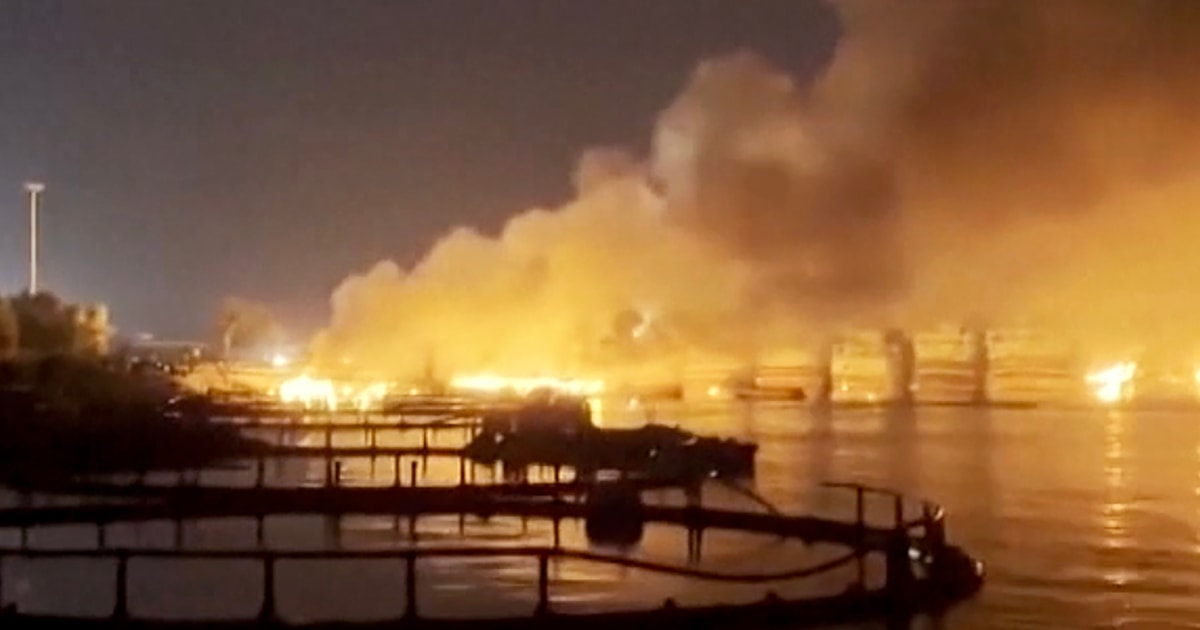
The United States and Iran have exchanged major military strikes between July 8 and 9, 2026, marking the collapse of their temporary ceasefire. US forces conducted operations targeting approximately 90 Iranian sites, including bridges and water treatment facilities, while Iran retaliated with attacks on Kuwait, Bahrain and Qatar. These escalations have disrupted commercial shipping in the Strait of Hormuz, with the International Maritime Organization reporting sharply reduced vessel traffic. Despite the military exchanges, low-level technical talks reportedly continue, though UN officials warn the situation risks catastrophic escalation with regional implications.
Key judgments
- Very likely that the US-Iran ceasefire agreement dated June 17, 2026 has formally ended following coordinated military strikes across multiple domains between July 8-9, 2026. (Confidence: high · ASSESSED)
- I&W: Public announcement from US Department of State officially declaring the ceasefire null and void (0-14 days)
- I&W: Formal notification to UN Security Council that the 17 June 2026 memorandum of understanding is no longer in effect (0-14 days)
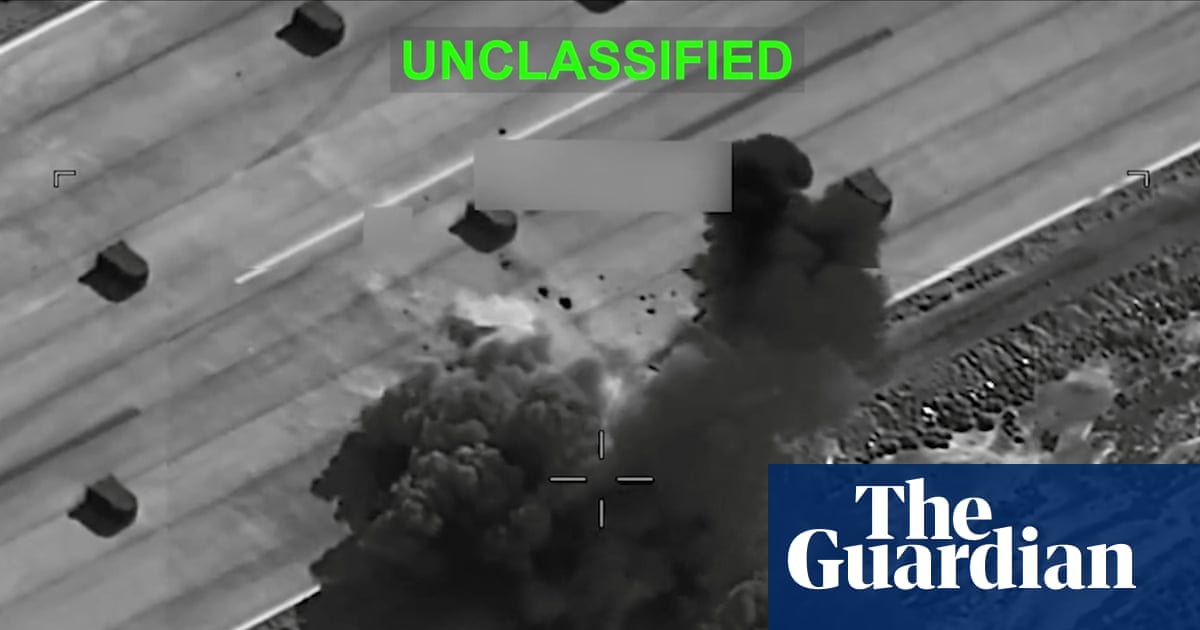
- Very likely that US military conducted strikes against approximately 90 targets across Iran on July 9, 2026, including bridges in Bushehr and water treatment facilities in Khuzestan province, causing at least 14 civilian fatalities. (Confidence: high · REPORTED)
- I&W: Satellite imagery verification of damaged Iranian infrastructure matching US Central Command strike coordinates (1-3 months)
- I&W: Confirmation from international organisations on the ground of damage to water treatment facilities in Khuzestan (0-14 days)
- Very likely that Iranian military action on July 9, 2026 targeted multiple US-allied Gulf states, including Kuwait, Bahrain and Qatar, with attacks against military installations and commercial infrastructure. (Confidence: high · REPORTED)
- I&W: Public disclosure by target countries of specific facilities damaged by Iranian attacks (0-14 days)
- I&W: Evidence of Iranian missile recovery in affected Gulf states through open source or diplomatic channels (1-3 months)
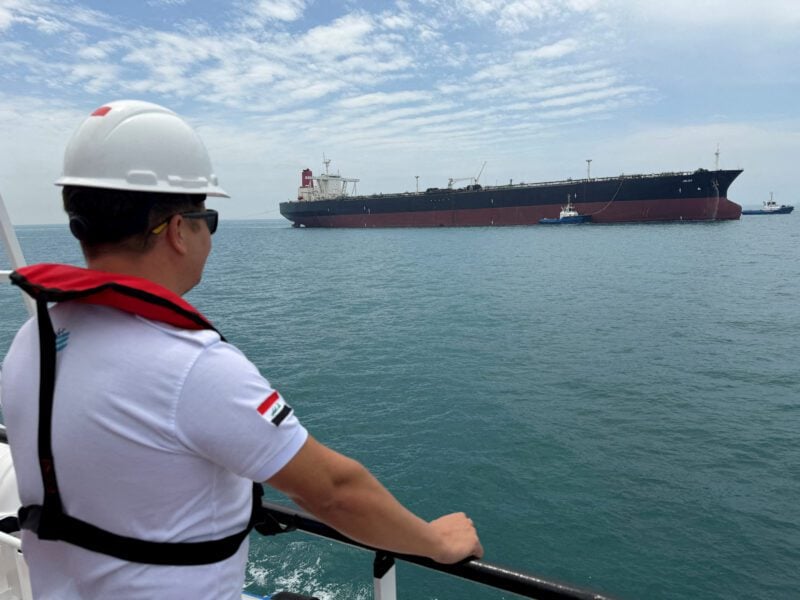
- Very likely that commercial shipping through the Strait of Hormuz has decreased by more than 50 percent since July 7, 2026 due to renewed military hostilities, with insurance costs for tanker operations reaching historically high levels. (Confidence: high · ASSESSED)
- I&W: Reduction in average daily vessel transits through the Strait of Hormuz from over 70 to below 35 (0-14 days)
- I&W: Commercial publication of updated war-risk insurance premiums exceeding 5 percent of vessel value for Hormuz transits (0-14 days)
- Unlikely that diplomatic negotiations will resume within two weeks without significant de-escalatory measures, though technical discussions reportedly continue behind the scenes. (Confidence: medium · ASSESSED)
- I&W: Public confirmation from Qatar or Oman of scheduled diplomatic meetings between US and Iranian officials (0-14 days)
- I&W: Formal announcement from US State Department of renewed direct negotiations on the nuclear issue (0-14 days)
Outlook & scenarios
Controlled Escalation (60%)
US and Iran conduct limited tit-for-tat strikes focused on military targets while maintaining backchannel communications facilitated by Oman and Pakistan. Commercial shipping gradually resumes as security guarantees improve, though at reduced volumes. This scenario would maintain the current conflict intensity without major regional expansion over the next three months.
Regional War Expansion (20%)
Israeli military strikes against Iranian targets provoke wider hostilities, drawing in Hezbollah and Yemeni Houthi forces. US naval assets suffer significant losses in the Red Sea while Iranian proxies attack US facilities across the Middle East. This scenario would likely trigger a complete cutoff of oil shipments through the Strait of Hormuz with global economic repercussions.
Diplomatic Breakthrough (15%)
Oman and Qatar broker emergency talks leading to a new ceasefire agreement within three weeks. UN Security Council passes a resolution condemning attacks on commercial shipping and establishing an international security presence in the Strait of Hormuz. Oil prices would stabilise below $70 per barrel within one month of agreement.
Military Stalemate with Economic Collapse (5%)
Prolonged conflict without resolution leads to Iranian economic collapse and popular protests, potentially triggering internal power struggles. US allies in the Gulf face severe economic strain from disrupted oil exports. This low-probability, high-impact scenario could result in the complete closure of the Strait of Hormuz for several months, pushing oil prices above $150 per barrel.
Recommendations
- Monitor Iranian military communications for unusual patterns indicating preparation for expanded operations against US-allied Gulf states
- Coordinate with IMO to collect real-time shipping pattern data through the Strait of Hormuz and southern alternate routing
- Establish watch on Iran's water infrastructure systems to assess potential humanitarian consequences of damaged facilities
- Convene intelligence partner debriefings focusing on Iranian decision-making processes regarding escalation thresholds
Confidence & uncertainty
High confidence reflects corroboration from multiple independent sources including US Central Command, Iranian state media, IMO reports, and commercial shipping data. The military actions are supported by contemporaneous reports from major media outlets using multiple source channels, diplomatic communications confirming the ceasefire collapse, and commercial shipping data showing reduced traffic. Main uncertainties involve precise Iranian command intentions and potential unreported capabilities.
Cited sources
[1] NBC News · U.S. and Iran exchange intense new attacks after Trump says ceasefire is ‘over’ (A) · sha256:6106a4eaaf99 [2] BBC News عربي · هدنة إيران وأمريكا انهارت حتى قبل إعلان ترامب نهايتها.. لماذا؟ - BBC News عربي (A) · sha256:9db377113a53 [3] skynewsarabia.com · محادثات أميركا وإيران. آخر الأخبار (B) · sha256:414385fe555e [4] The Guardian · US and Iran trade escalating strikes as supreme leader is buried after days-long funeral (A) · sha256:61f27df083db [5] dw.com · ستوديو الحدث: أمريكا وإيران. سيناريوهات الحرب والتفاوض (B) · sha256:bb78af6a9250 [6] United Nations · Peace hinges on people-centred policing, global summit hears (A) · sha256:31b667cc6a18 [7] gcaptain.com · INTERTANKO: Hormuz Tanker Transits Via Southern Route Fall to Single Digits After Renewed Fighting (C) · sha256:caa60cd7dc03 [8] military.com · US and Iran Exchange Intensifying Fire Across the Gulf, Threatening the Interim Deal to End War (A) · sha256:294c5b79b00f [9] Los Angeles Times · New U.S.-Iran fighting across Mideast threatens ceasefire deal - Los Angeles Times (A) · sha256:f924df911ca4 [10] crow.house.gov · Crow, Warren Demand Answers on Dismantling of Civilian Protections by Defense Department (A) · sha256:1ef8f604f7b0 [11] haaretz.com · U.S. military launches second straight night of attacks as Iran says it struck American bases in the Gulf (B) · sha256:e3d36ace2acb [12] United Nations · US-Iran war: Renewed attacks in Strait of Hormuz prompt another global energy alert (A) · sha256:8033925ddfa0 [13] gcaptain.com · Hormuz War-Risk Cover Climbs as Shipowners Pull Back (B) · sha256:0c13f8271499 [14] gcaptain.com · More LNG, Japan-Linked Vessels Transit Hormuz Despite Renewed Mideast Tensions (B) · sha256:c7994dce4cf0 [15] Al Jazeera · تهديدات متبادلة بالضربات. الوسطاء يسابقون الزمن للتهدئة بين أمريكا وإيران (A) · sha256:67112e1cf23f [16] gcaptain.com · Singapore and Indonesia Sign Carbon Credits MOU, But the Real Work Is Still Ahead (B) · sha256:fc3232aa6b36
Source content hashes were computed at collection time; the cited text is preserved unmodified for the life of this product.
TLP:CLEAR