TLP:CLEAR · Disclosure is not limited.
US-Iran Pressure Campaign Tightens Around Hormuz
Time window: Last 1 day · Audience: General analyst · Type: Situation report · DTG: 2026-08-25 15:09Z · Overall confidence: MEDIUM
BLUF
The US Treasury has moved from announcing pressure to implementing Operation Economic Outcast against Iran, with further sanctions against financial institutions likely by the end of the week. Iran's list of 46 vessels and threatened penalties, combined with recent unattributed tanker strikes near Oman and Saudi Arabia, are likely to sustain maritime risk, although the reporting does not establish Iranian responsibility or a near-term settlement.
Executive summary
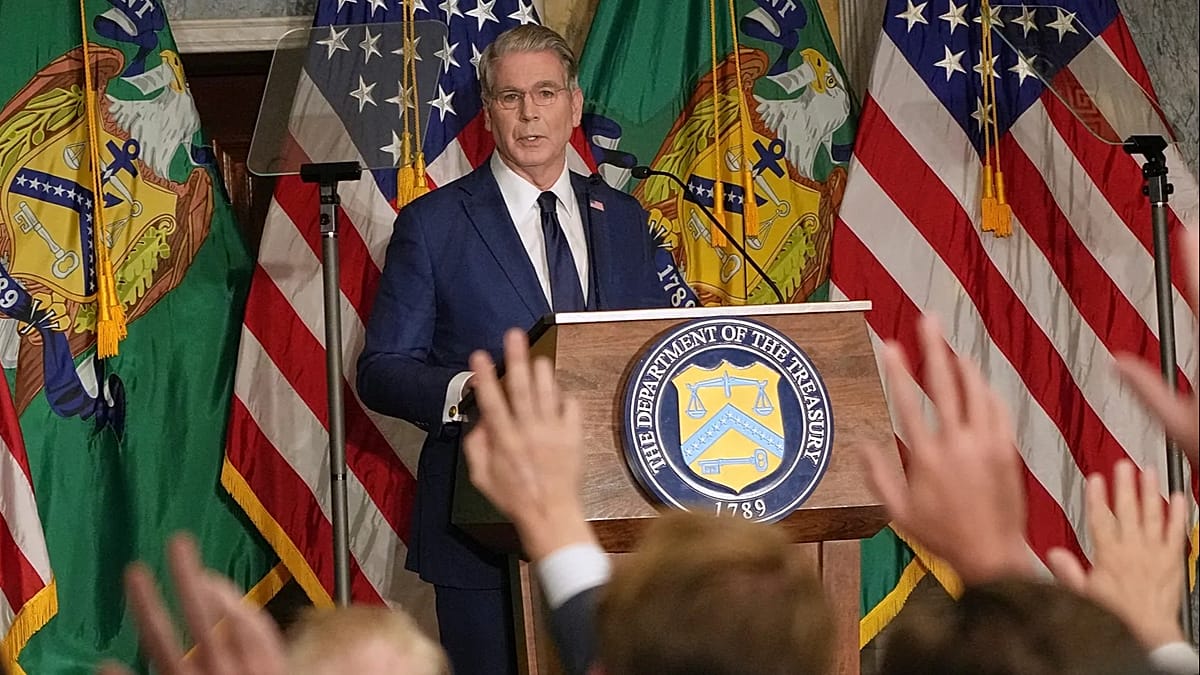
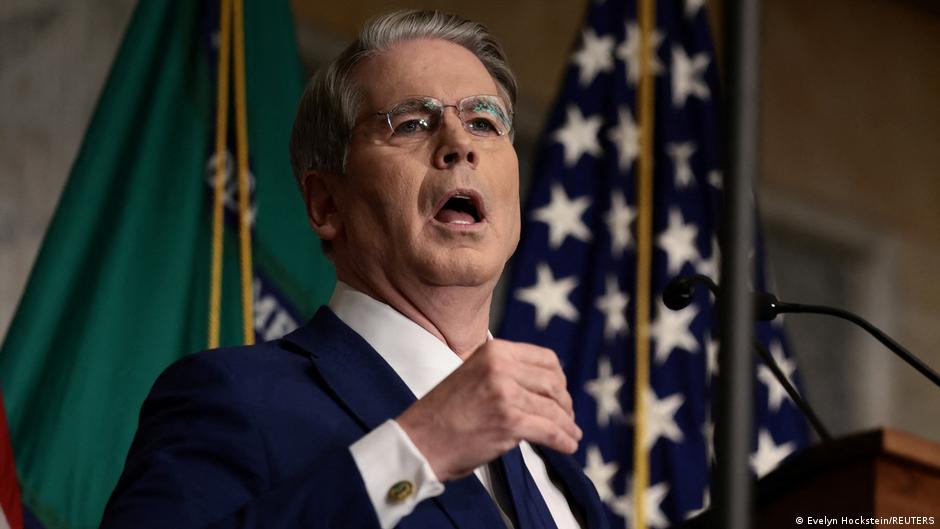
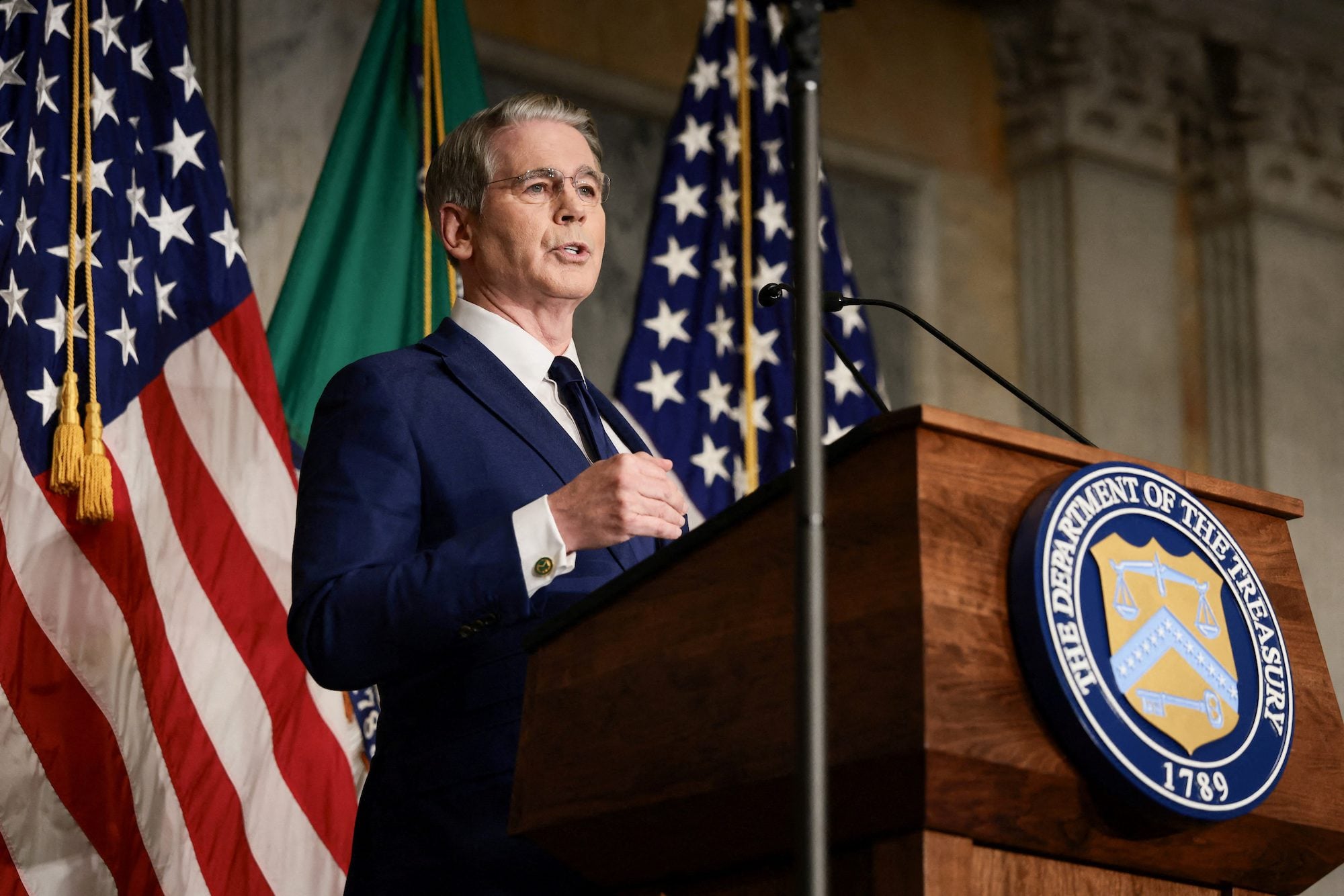
On 24 August 2026, US Treasury Secretary Scott Bessent unveiled Operation Economic Outcast, targeting Iran's digital assets, technology, gold, aviation and shipping sectors. Treasury reporting also indicates that nearly 60 entities, individuals and vessels have been sanctioned, limited-operation licences have been suspended, and sanctions against a major financial institution are expected by the end of the week. Iran has published a list of 46 vessels accused of violating its Strait of Hormuz arrangements and threatened fines, detention, seizure or confiscation. Separate reports describe tanker strikes east of Oman's Musandam Peninsula and west of Yanbu, Saudi Arabia, but identify neither the perpetrator nor a direct link to Iran. Pakistan and Oman continue indirect diplomatic engagement with Tehran, while distrust and the absence of visible progress constrain prospects for a settlement.
Change from previous assessment
Since the 24 August brief, the assessment shifts from announced US economic pressure to implemented sanctions under Operation Economic Outcast, with a further financial-institution action now expected by the end of the week. The maritime assessment is sharpened by Iran's publication of a 46-vessel enforcement list and its stated penalties for future transits and later dealings with designated ships. The diplomatic assessment is updated to reflect Abbas Araghchi's 25 August talks with Oman's Badr al-Busaidi, while the outlook remains constrained by Iranian distrust and the absence of visible progress. The attribution of the recent tanker incidents remains unconfirmed, so confidence in any direct Iranian responsibility remains low.
Key judgments
- US economic pressure on Iran is very likely to intensify through 7 September 2026. On 24 August, US Treasury Secretary Scott Bessent unveiled Operation Economic Outcast; Treasury issued five sectoral sanctions determinations covering digital assets, technology, gold, aviation and shipping, sanctioned nearly 60 entities, individuals and vessels, suspended licences for limited operations with Iran, and signalled further secondary sanctions against Iran's trading partners. A separate report places the financial campaign announcement on 25 August, creating a date discrepancy but not overturning the wider assessment. This is an assessed judgement based on official Treasury signalling and corroborating major-media reporting. Confidence is medium because the reported launch dates and target totals differ. (Confidence: medium · ASSESSED)
- I&W: Confirm: the US Treasury names a major financial institution for sanctions or announces additional secondary sanctions against a country or organisation trading with Iran. (0-14 days)
- I&W: Break: the US Treasury postpones the expected financial-sector action and publicly narrows the five-sector campaign. (0-14 days)
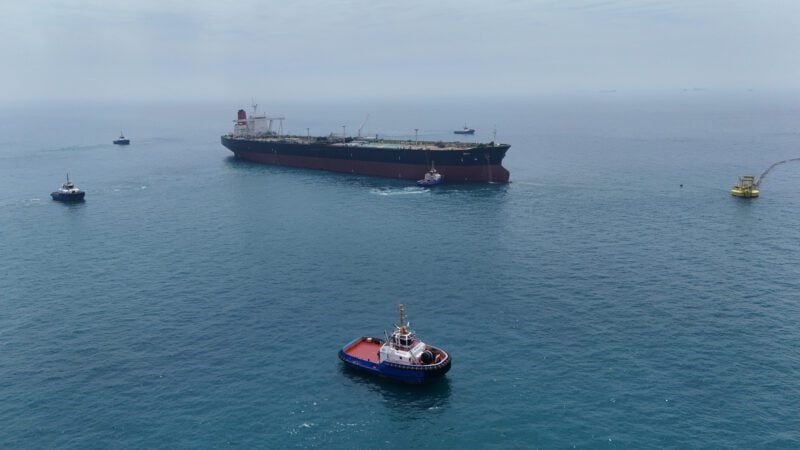
- Iran is likely to convert its Strait of Hormuz warnings into selective enforcement against shipping linked to its transit rules over the next 0-14 days. Iran has published a list of 46 vessels, including tankers, gas carriers and other merchant ships, while the Persian Gulf Shipping Administration has warned of fines, detention, seizure or confiscation for future transits. Iran has also threatened vessels that later conduct commercial operations with designated ships. This is an assessed judgement based on repeated major-media reporting. Confidence is medium because the reporting gives both 45 tankers and 46 vessels as blacklist totals and does not confirm an actual detention or seizure under the new list. (Confidence: medium · ASSESSED)
- I&W: Confirm: an Iranian authority fines, detains, seizes or denies passage to a vessel named on the 46-vessel list. (0-14 days)
- I&W: Break: Iran withdraws the list or permits the named vessels to transit without penalties and without restrictions on later commercial dealings. (0-14 days)
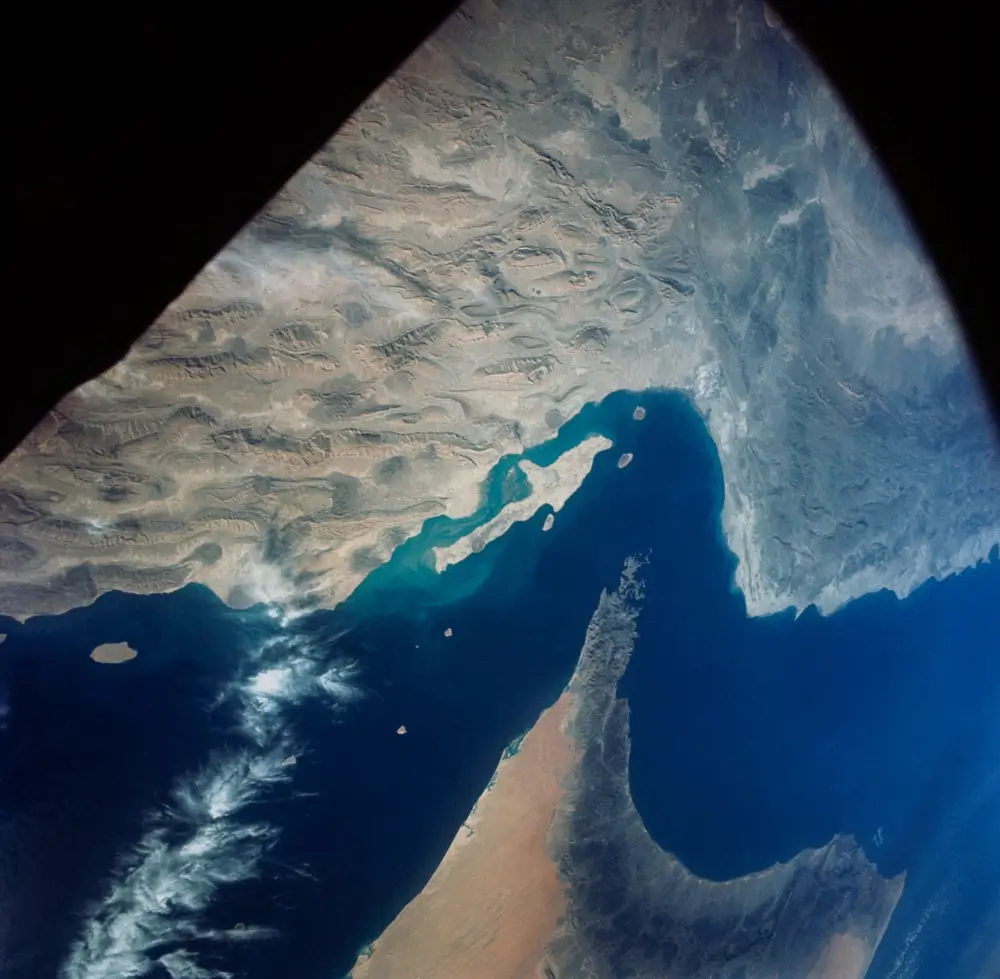
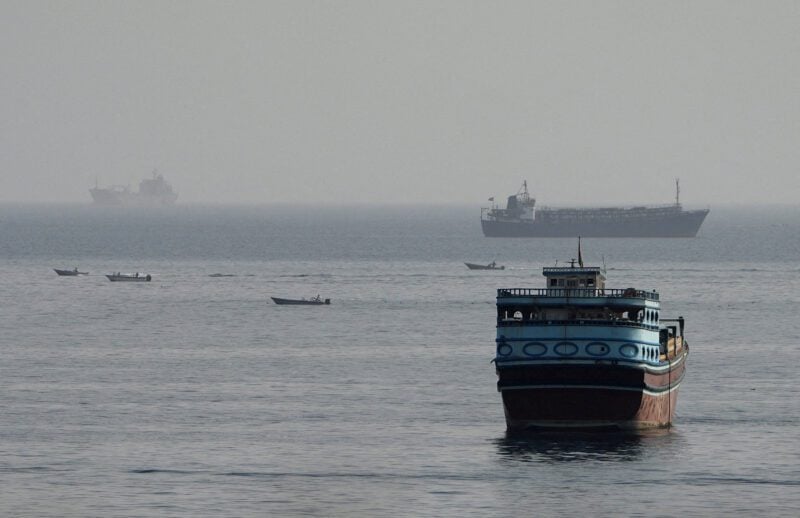
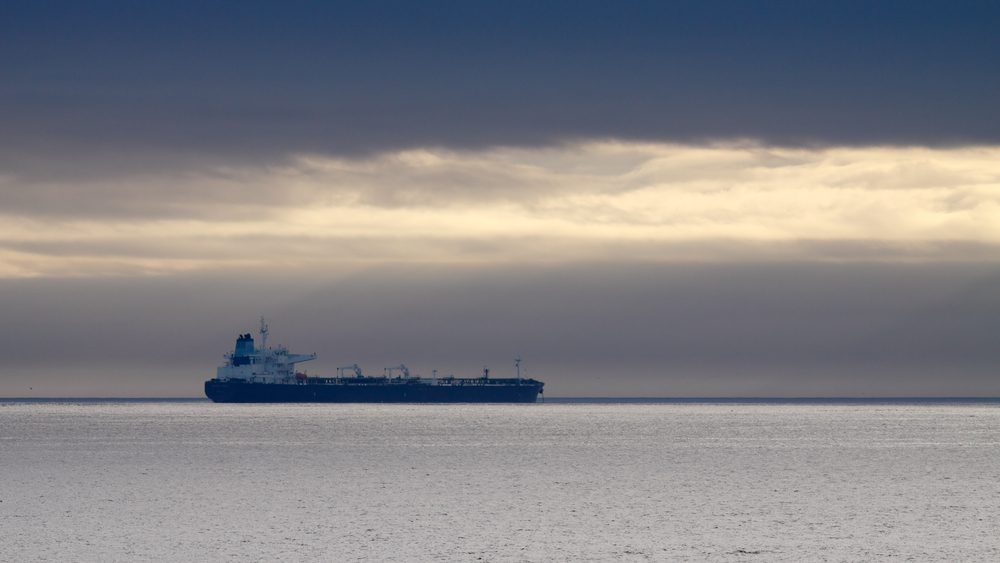
- Regional maritime disruption is very likely to persist through 7 September 2026, while Iranian responsibility for the latest tanker incidents remains unconfirmed. Reports place tanker strikes east of the Musandam Peninsula in Oman and about 63 nautical miles west of Yanbu, Saudi Arabia. One tanker was reported disabled after engine-room damage, although its crew remained safe. The International Maritime Organization counts 68 Gulf incidents since the conflict began and at least 20 seafarers killed, while traffic through Hormuz into the Gulf of Oman remains at a fraction of pre-war levels. This is an assessed judgement based on multiple major-media reports and IMO-related reporting. Confidence is medium because the incidents have different locations, the projectiles remain unattributed, and the reporting does not establish that Iran conducted either strike. (Confidence: medium · ASSESSED)
- I&W: Confirm: another tanker is struck or disabled on the Omani coastal route, in the Strait of Hormuz, or west of Yanbu. (0-14 days)
- I&W: Break: no further tanker incidents are reported for 14 days and daily vessel movements through Hormuz exceed 14 for seven consecutive days. (0-14 days)
- Indirect diplomacy between Iran, Pakistan and Oman is likely to continue, but an agreed US-Iran settlement is unlikely through 7 September 2026. Pakistan's Field Marshal Asim Munir met Iranian President Masoud Pezeshkian in Tehran on 24 August after Donald Trump asked Pakistani leaders to use their influence with Iran. On 25 August, Iranian Foreign Minister Abbas Araghchi and Oman's Foreign Minister Badr al-Busaidi held talks in Tehran. Iranian officials nevertheless expressed distrust towards the United States and conveyed conditions for resuming dialogue through Pakistan. This is an assessed judgement resting on indirect, partly single-source reporting. Confidence is low because the talks' results are unclear, reporting describes both productive discussions and no visible progress, and no direct US-Iran negotiating session or agreed terms are confirmed. (Confidence: low · ASSESSED)
- I&W: Confirm: Pakistan or Oman announces another senior-level meeting with Iranian officials that produces publicly stated conditions or a timetable for US-Iran talks. (0-14 days)
- I&W: Break: Washington and Tehran announce a direct negotiating channel, a ceasefire arrangement or agreed terms. (0-14 days)
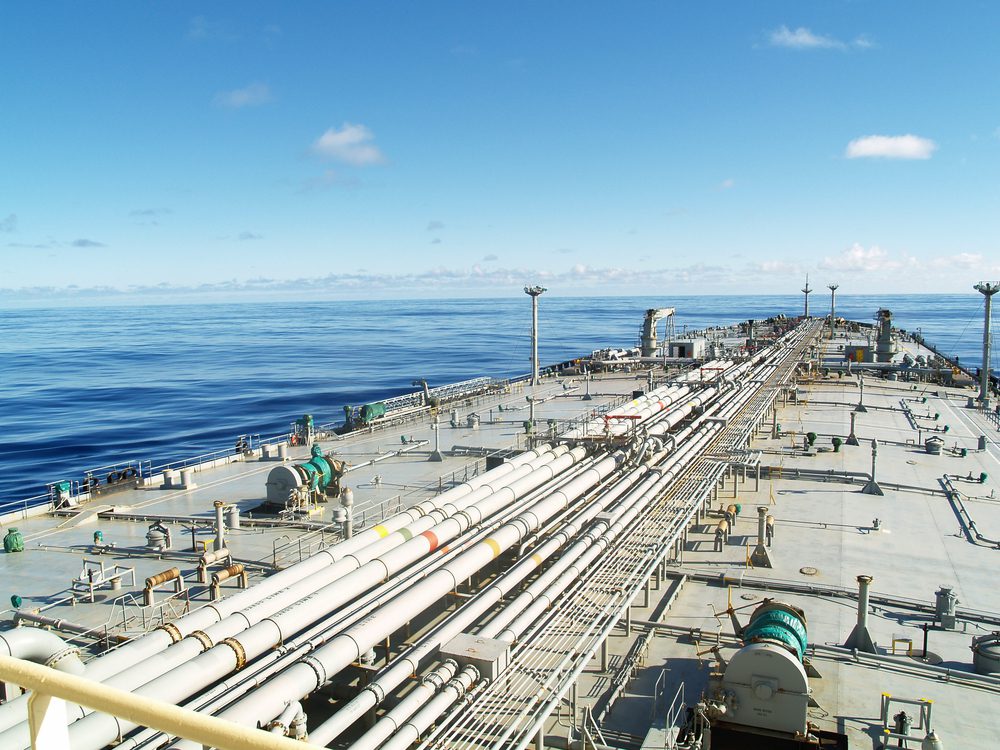
- Energy and shipping costs are likely to remain elevated over the next 0-14 days. Benchmark Brent futures were trading above $90, current spot charter rates for a VLCC lifting oil inside the Gulf can reach $800,000 per day, and TotalEnergies Chairman and Chief Executive Officer Patrick Pouyanne put the cost of moving an oil cargo through Hormuz at about $20 million. Traffic through Hormuz remains depressed, reinforcing pressure on available shipping capacity. This is an assessed judgement based on several major-media reports, but confidence is medium because the price and freight observations are not consistently dated and some supporting maritime figures have low reliability. (Confidence: medium · ASSESSED)
- I&W: Confirm: VLCC spot charter rates remain at or above $800,000 per day while Brent remains above $90. (0-14 days)
- I&W: Break: daily Hormuz traffic rises above 14 vessels for seven consecutive days and reported VLCC rates fall below $800,000 per day. (0-14 days)
- US attention to Iran is likely to sustain near-term uncertainty among South Korea, Japan and Taiwan about US security commitments. The United States cancelled a military exercise with South Korea because of force limitations linked to the Iran war, Japan is preparing for a possible increase in defence costs, and Donald Trump delayed approval of a $14 billion arms package for Taiwan. This is an assessed judgement based on major-media reporting, with medium confidence because the evidence shows concern and resource pressure rather than a confirmed policy break by South Korea, Japan or Taiwan. (Confidence: medium · ASSESSED)
- I&W: Confirm: the United States cancels another planned exercise with South Korea or further delays the Taiwan arms package. (0-14 days)
- I&W: Break: Washington resumes the cancelled South Korean exercise and approves the delayed Taiwan package without linking either decision to the Iran conflict. (1-3 months)
Outlook & scenarios
Managed economic and maritime pressure (50%)
This is the most likely path. The US Treasury continues sanctions implementation, Iran applies its Hormuz rules selectively, and shipping remains disrupted without a confirmed direct US-Iran exchange. Pakistan and Oman maintain indirect contacts while neither side accepts the other's core conditions.
Diplomatic pause (25%)
Pakistan and Oman sustain senior-level contacts that produce a temporary maritime understanding or a route back to direct US-Iran talks. Washington slows further financial measures, while Iran limits enforcement against listed vessels. The underlying dispute remains unresolved.
Maritime escalation (20%)
A further tanker strike or the detention of a vessel on Iran's list prompts a US response centred on protecting navigation. Iran answers with additional enforcement or attacks. Commercial traffic through Hormuz falls further and the diplomatic channel loses momentum.
Direct US-Iran clash in Hormuz (5%)
This low-probability, high-impact wildcard follows an attempted mining operation, a US interception or a strike causing substantial casualties. The exchange expands beyond economic pressure and produces a near-closure of Hormuz, with wider effects on Gulf shipping and energy markets.
Recommendations
- Maintain a daily tracker of US Treasury announcements through the end of August, separating enacted measures from threatened secondary sanctions and recording the final number and jurisdiction of targets.
- Treat Iran's 46-vessel list as an enforcement warning rather than proof that Iran conducted the recent tanker strikes. Build a vessel-by-vessel attribution log covering location, damage, projectile type, flag, ownership and any official claim.
- Prioritise monitoring of the Strait of Hormuz, the Omani route east of the Musandam Peninsula and the sea area west of Yanbu. Flag any detention, seizure, confiscation or denial of passage involving a named vessel.
- Track Pakistani and Omani diplomatic activity separately from direct US-Iran engagement. Report any direct negotiating channel, written conditions, ceasefire arrangement or agreement as a change to the settlement assessment.
- Update shipping-risk estimates using the latest daily transit count, VLCC charter rates and reported cargo transport costs. Keep low-reliability transit figures separate from IMO and official maritime reporting.
- Monitor the effects of US resource allocation on South Korea, Japan and Taiwan by recording further exercise cancellations, changes to the delayed Taiwan arms package and new Japanese defence-cost demands.
Confidence & uncertainty
Overall confidence is medium. Multiple official Treasury statements and major-media reports corroborate the launch of Operation Economic Outcast, the sectoral sanctions package and the expected follow-on action against a major financial institution. Major-media and IMO-related reporting also supports persistent maritime disruption and casualties. Confidence is reduced by conflicting 2023 and 2026 dates, inconsistent counts of sanctioned entities and blacklisted vessels, unattributed tanker strikes, uneven reliability for transit data, and limited visibility into the results of Pakistan- and Oman-facilitated diplomacy.
Intelligence gaps
- [EEI 1.2 · UNCOVERED] Changes in US or Iranian force posture indicating preparation for further attacks, including aircraft dispersal, missile-unit movement, naval sortie activity, or air-defense activation. Recommended collection: satellite imagery/aviation and maritime tracking
- [EEI 1.3 · PARTIAL] Public or private warnings, ultimata, declared red lines, or force-protection directives issued by US or Iranian leadership. Recommended collection: official statements/diplomatic reporting
- [EEI 1.4 · PARTIAL] Evidence of mobilization or operational tasking by Iranian-aligned armed groups against US personnel, bases, or partners. Recommended collection: local reporting/social media/human intelligence
- [EEI 2.1 · PARTIAL] Deployment or repositioning of Iranian ballistic missiles, cruise missiles, drones, fast-attack craft, or other strike assets within operational range of US or partner targets. Recommended collection: satellite imagery/signals intelligence
- [EEI 2.3 · PARTIAL] Iranian diplomatic messages, intermediary contacts, or de-escalation proposals directed to the United States or regional governments. Recommended collection: diplomatic reporting/official statements
- [EEI 2.4 · UNCOVERED] Changes in Iranian military alert levels, command activity, weapons dispersal, or continuity-of-government measures. Recommended collection: signals intelligence/satellite imagery
- [EEI 3.1 · UNCOVERED] Arrival or departure of US carrier strike groups, bombers, air-defense units, special operations forces, or additional personnel in the region. Recommended collection: maritime and aviation tracking
- [EEI 3.2 · UNCOVERED] Changes to US force-protection conditions, base access, evacuation plans, embassy staffing, or noncombatant evacuation preparations. Recommended collection: official notices/diplomatic reporting
- [EEI 3.3 · PARTIAL] Presidential, Pentagon, or theater-command statements describing authorized response options, expanded objectives, or revised rules of engagement. Recommended collection: official statements
- [EEI 4.2 · PARTIAL] Changes in commercial vessel routing, port calls, AIS behavior, shipping delays, or war-risk insurance premiums in the Gulf, Strait of Hormuz, Red Sea, or adjacent waters. Recommended collection: maritime/AIS
- [EEI 4.3 · UNCOVERED] Regional government decisions to close airspace or waterways, raise military readiness, expel personnel, or request additional US or allied forces. Recommended collection: official statements/aviation and maritime notices
- [EEI 4.4 · PARTIAL] Sustained movements in oil and gas prices, tanker freight rates, or reported disruptions to production and export facilities attributable to the military exchanges. Recommended collection: energy-market reporting
Cited sources
[1] aljazeera.com · Can Pakistan’s Asim Munir convince Iran military chiefs to return to talks? (A) · sha256:fc17713d7c4a [2] gcaptain.com · Trump Administration Launches Sweeping New Iran Sanctions Campaign Targeting Shipping and Oil Trade (B) · sha256:089be1c13277 [3] Euronews · Чем новые санкции США против Ирана грозят европейскому бизнесу (B) · sha256:e8410bd348c5 [4] Deutsche Welle · США грозят новыми санкциями союзникам Ирана (B) · sha256:7da175a816be [5] gcaptain.com · Iran Blacklists 46 Ships On Hormuz ‘Non-Compliant’ List (B) · sha256:1fefbf4718a6 [6] gcaptain.com · Commodity Vessel Transits Through Strait of Hormuz Hit Three-Month Low, Data Shows (A) · sha256:f5b19c7a56a3 [7] maritime-executive.com · Tanker Hit and Disabled Near Strait of Hormuz (B) · sha256:e266b97bfac4 [8] gcaptain.com · Houthis Escalate Saudi Shipping Campaign With VLCC Strike (B) · sha256:fc6337652367 [9] gcaptain.com · Malacca Strait States Will Keep Waters ‘Free, Open and Safe’ (B) · sha256:646894ca7d93 [10] dahab.pro · Новости Ирана, обзор СМИ (B) · sha256:f8884cfd5e21 [11] gcaptain.com · Cost to Ship a VLCC Through Hormuz Hits $20 Million, TotalEnergies CEO Says (B) · sha256:c1177039e2e5 [12] Reuters · Asian allies increasingly distrust Washington (A) · sha256:f781a2592755
Source content hashes were computed at collection time; the cited text is preserved unmodified for the life of this product.
Red cell review: CONCUR WITH COMMENT
TLP:CLEAR