TLP:CLEAR · Disclosure is not limited.
US-Iran: Reciprocal strikes, Gulf missile fire, and Hormuz shipping under strain
Time window: Last 7 days · Audience: General analyst · Type: Situation report · DTG: 2026-06-30 06:16Z · Overall confidence: MEDIUM
BLUF
US airstrikes around the Strait of Hormuz and Iran’s follow-on missile and drone attacks against Kuwait and Bahrain have very likely locked both sides into a tit-for-tat cycle that is raising maritime risk and straining ceasefire diplomacy. Expect continued pressure on Hormuz transits and a heightened chance of miscalculation tied to parallel violence on the Israel, Lebanon front over the next two weeks.
Executive summary
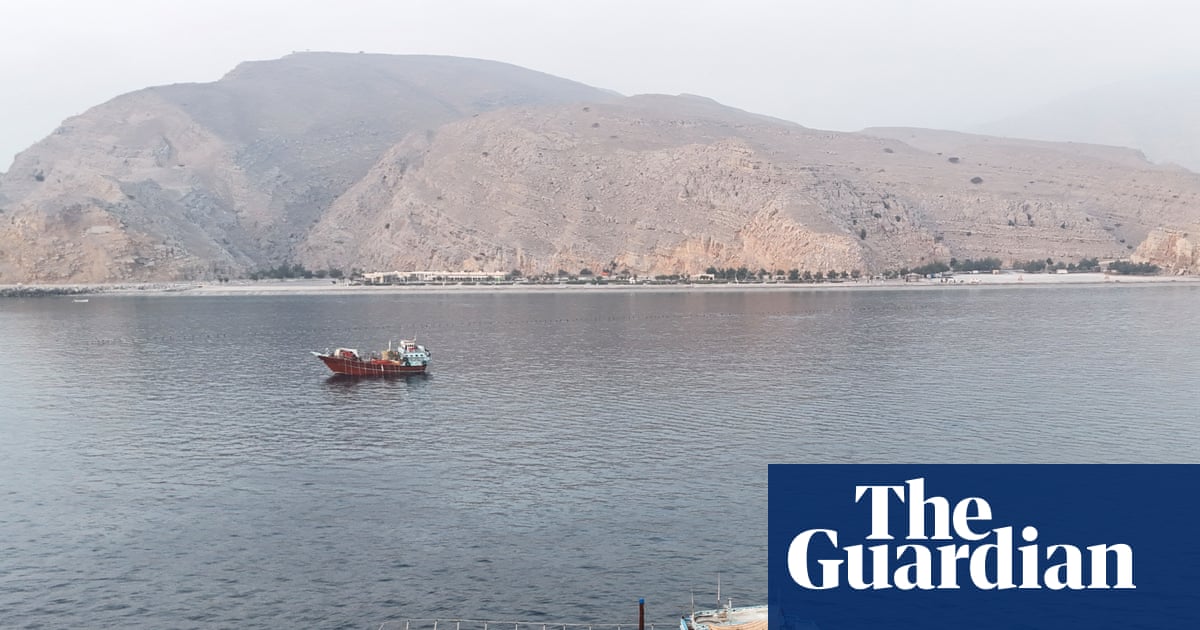
Between 26 and 28 June, the United States hit around ten Iranian military sites in and around the Strait of Hormuz, including drone storage and coastal radar, with activity reported near Qeshm Island and Sirik. Tehran then launched drones and missiles at Bahrain and Kuwait on 28 June, with Kuwait intercepting ballistic missiles and Bahrain reporting a residential building near its international airport was damaged without fatalities. Attacks on shipping days earlier, combined with the US Navy widening of the southern passage, have left LNG movements paused and some vessels aborting transits, although some ships still cross. Iran’s foreign minister restated Tehran’s claim to manage Hormuz and warned against alternate arrangements. A Qatari civilian was killed by shrapnel on 28 June and prior reporting notes at least fourteen US servicemembers killed and hundreds wounded in the broader confrontation. The diplomatic track, including a reported mid-June MOU, is fragile amid threats and accusations. The Israel, Hezbollah theatre flared the same day, with a Hezbollah killing of an Israeli soldier at Deir Siryan and Israeli strikes in southern Lebanon and Syria.
Key judgments
- It is very likely Iran’s Islamic Revolutionary Guard Corps launched drone and missile attacks against Bahrain and Kuwait on 28 June following US airstrikes, with Kuwait intercepting at least two ballistic missiles and Bahrain’s Interior Ministry reporting a residential building near the international airport was hit without fatalities. (Confidence: high · REPORTED)
- I&W: Kuwait or Bahrain publish debris analysis or imagery attributing recovered munitions to Iranian systems. (0-14 days)
- I&W: A sustained halt in IRGC launch claims and Gulf air-defence intercept reports. (0-14 days)
- It is likely the United States struck roughly ten Iranian military targets around the Strait of Hormuz on 27 June, hitting drone storage facilities and coastal radar sites, with activity reported near Qeshm Island and Sirik. (Confidence: high · REPORTED)
- I&W: CENTCOM issues battle damage assessments confirming degraded Iranian radar and drone capabilities near Qeshm and Sirik. (0-14 days)
- I&W: Thermal hotspot detections cluster at reported strike areas during strike windows. (0-14 days)
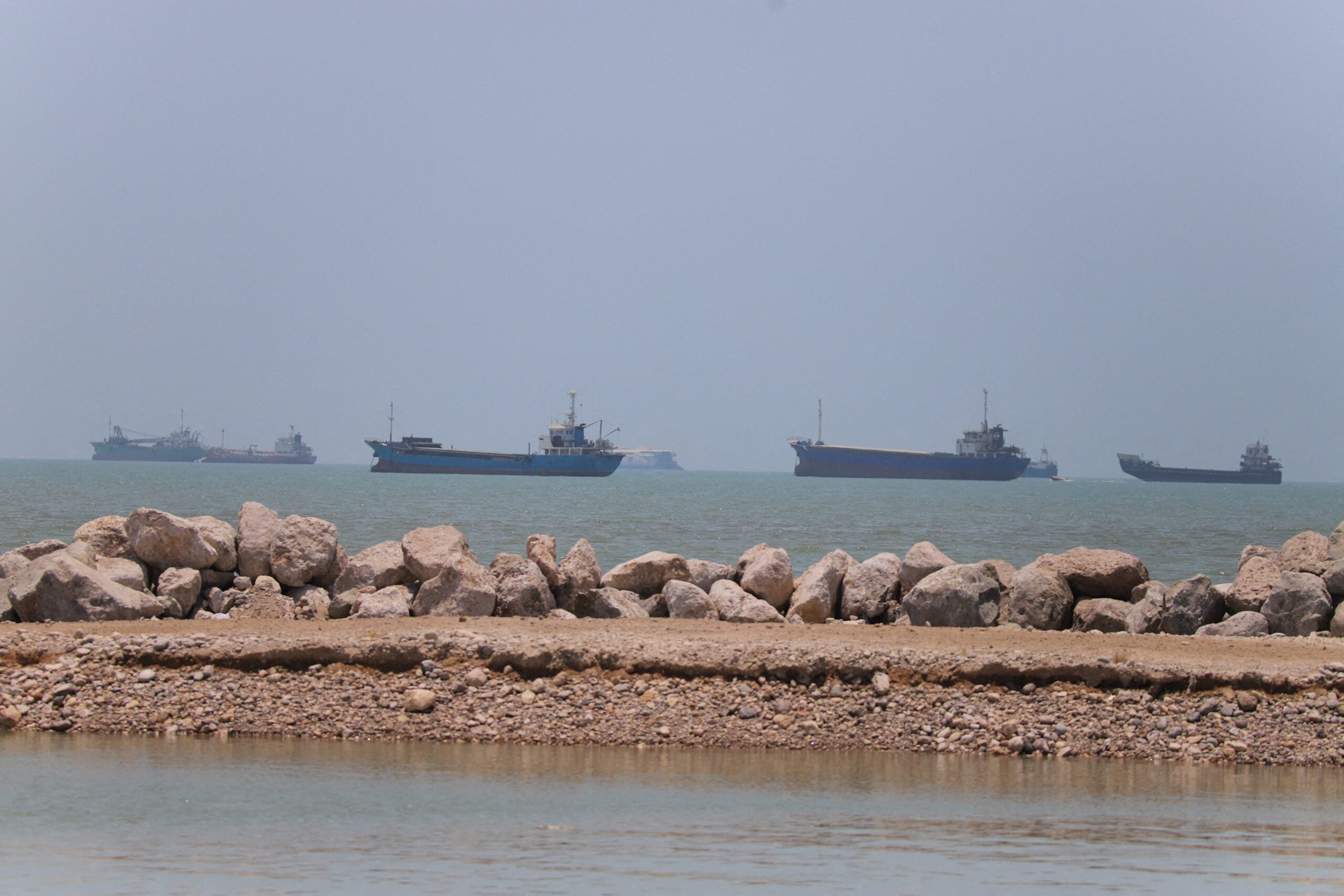
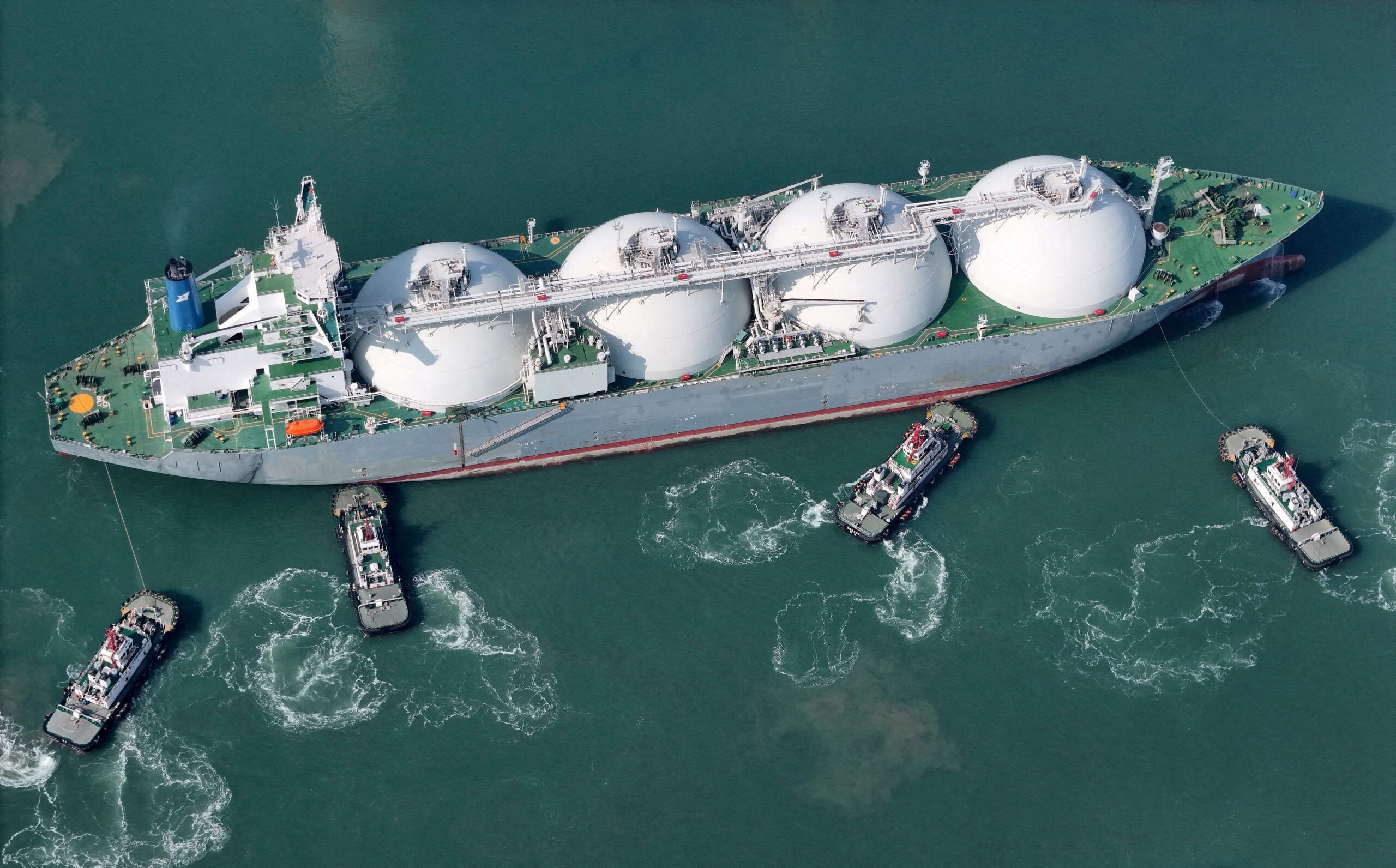
- Maritime risk through the Strait of Hormuz is likely elevated and irregular: LNG carrier transits have paused, some laden vessels and an inbound Qatar-owned gas carrier have not reattempted crossings, an empty LNG tanker executed a U-turn, and the US Navy widened the southern passage, even as some traffic continues. (Confidence: medium · ASSESSED)
- I&W: AIS data shows no inbound-outbound LNG transits for a continuous 7-day period and further LNG U-turns at the strait approaches. (0-14 days)
- I&W: Resumption of LNG convoys and a publicly reported downgrade of the maritime threat posture. (1-3 months)
- The US-Iran ceasefire and any interim MOU are fragile: both sides are issuing threats and accusations while military activity continues, and Iranian officials have warned talks will halt if US strikes persist. (Confidence: medium · ASSESSED)
- I&W: Formal notifications to Congress or periodic Hill briefings on the MOU and ceasefire status. (1-3 months)
- I&W: Publicly verifiable navigation measures jointly reopening Hormuz under an agreed framework. (0-2 months)
- It is very likely Tehran will continue to contest non-Iranian control of Hormuz and push vessels to use routes it declares, elevating the risk of future confrontations over traffic management. (Confidence: high · ASSESSED)
- I&W: Additional Iranian notices to mariners rejecting multinational routing schemes or detentions of ships deemed off authorised routes. (0-3 months)
- I&W: Iran publicly accepts a Gulf-wide security framework with shared control of Hormuz procedures. (1-3 months)
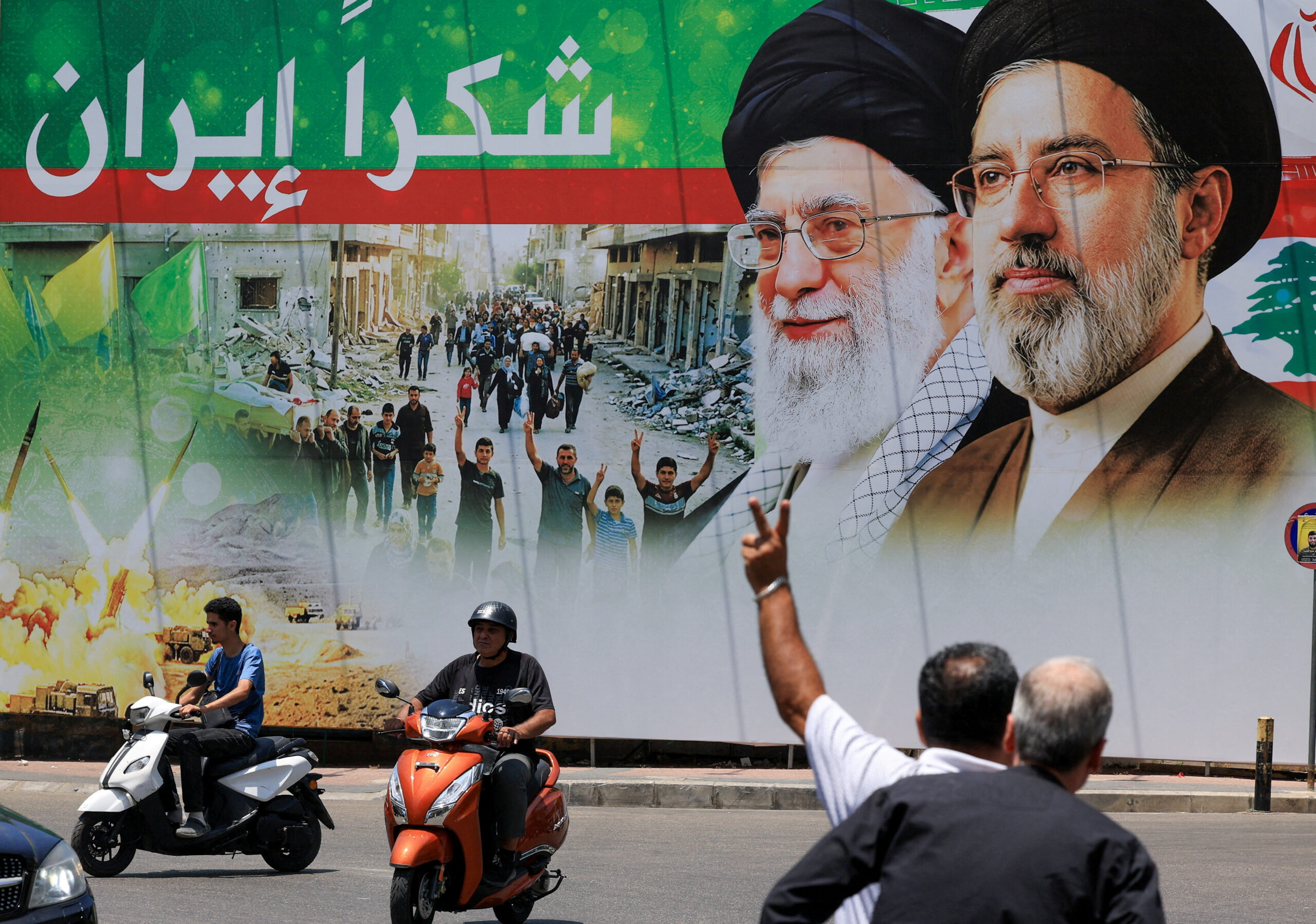
- Fighting on the Israel, Lebanon front is likely to complicate de-escalation efforts: a Hezbollah killing of an Israeli soldier at Deir Siryan on 28 June coincided with Israeli strikes reported in southern Lebanon and Syria. (Confidence: high · ASSESSED)
- I&W: Repeated fatal incidents on the Israel, Lebanon border or expanded Israeli strikes into Lebanon or Syria. (0-14 days)
- I&W: A publicly announced pause in cross-border fire by either side. (0-14 days)
- The conflict’s humanitarian toll already includes at least fourteen US servicemembers killed and hundreds wounded, and a Qatari civilian killed by shrapnel on 28 June. (Confidence: high · REPORTED)
- I&W: Official casualty updates from US and Gulf authorities tied to US, Iran exchanges. (0-3 months)
- I&W: No further official reporting of casualties linked to these exchanges. (0-14 days)
Outlook & scenarios
Managed tit-for-tat around Hormuz (60%)
Over the next 2-6 weeks, US forces continue limited strikes on Iranian coastal radar, communications and drone depots near Hormuz, and the IRGC answers with intermittent missile and drone launches toward Kuwait and Bahrain, most intercepted. Maritime risk persists with pauses and re-routings by LNG and crude carriers, but the strait does not shut. The political track remains strained with public threats and accusations, yet talks do not collapse.
Sharp escalation and attempted coercive closure (35%)
Within days to weeks, Tehran authorises denser salvos and more aggressive enforcement of Iran-declared routing, increasing damage to ships and driving further Gulf air-defence engagements. More owners halt transits and an elevated maritime threat posture endures. The United States answers with additional strikes on a similar ten-site scale. Spillover risks rise on the Lebanon, Syria axis.
De-escalation window and partial normalisation of transits (25%)
Through July, August, a ceasefire or interim MOU regains traction under regional facilitation. Iran signals willingness to discuss a Gulf security framework, public rhetoric cools, and navigation measures enable selective resumption of LNG and crude shipments, including from Ras Tanura. Congress receives notifications and periodic briefings consistent with statutory requirements.
Recommendations
- Prioritise GEOINT of Iranian coastal radar, communications and drone storage sites around Qeshm Island and Sirik, and compile a running order of battle for air-defence assets along Iran’s southern coast.
- Fuse NASA FIRMS hotspot cues with other ISR sources to flag likely strike locations, while treating thermal detections as corroborative only and not attributional.
- Stand up a daily Strait of Hormuz movement brief: track LNG and crude flows, note U-turns and aborted transits, and map use of the widened southern passage; liaise with the Joint Maritime Information Center and major owners.
- Issue refreshed threat notes to US civil aviation and corporate travellers operating in the Gulf, aligning with FAA guidance, and maintain elevated posture for US-linked facilities in the UAE.
- Prepare policy customers for statutory submissions and periodic Hill briefings associated with any US, Iran MOU or ceasefire, and maintain a central ledger of commitments and compliance issues.
- Maintain an events log for the Israel, Lebanon front focused on Deir Siryan, Taybeh and Abdin to inform cross-theatre escalation risk and potential impacts on de-escalation efforts with Iran.
- Integrate energy-market monitoring into daily assessments: track LNG procurement pressures in South Asia and domestic fuel price sensitivity to Hormuz disruptions and shipowner risk tolerance.
- Monitor public rhetoric from senior US and Iranian officials for threats or redlines that could shift the escalation ladder, and flag material changes to negotiation stances.
- Task maritime domain awareness to confirm whether LNG carrier transits remain paused or resume, and identify patterns in vessels avoiding or reattempting crossings after prior abandonment.
Confidence & uncertainty
Overall confidence is medium. Multiple high-confidence reports consistently corroborate the core sequence: US strikes around the Strait of Hormuz followed by Iranian drone and missile attacks into Kuwait and Bahrain, Kuwaiti intercepts, and Bahraini damage reports. Shipping impacts are evidenced by credible but partly conflicting indicators, with LNG movements paused alongside reports of continued non-LNG transits and at least one LNG U-turn. The status of a ceasefire and any MOU is contested across sources and includes single-source elements and political rhetoric, which lowers confidence on the diplomatic track. Parallel Lebanon, Israel reporting is well supported but remains a separate theatre whose effect on US, Iran dynamics is inferential.
Alternative analysis (red cell)
The reporting contains plausible incident and political-statement signals, but several key judgments rely on clustered or single-origin reporting, political rhetoric, and limited operational corroboration. Alternative, defensible readings exist for multiple judgments — e.g., that strikes and impacts occurred but attribution, scale, timing, and operational effects on shipping and diplomacy remain uncertain pending forensic, SIGINT, and time-stamped imagery. Additional independent operational and forensic collection is required to raise confidence in the contested inferences.
Cited sources
[1] Los Angeles Times · Iran attacks Bahrain and Kuwait following U.S. strikes and threatens to halt talks - Los Angeles Times (A) · sha256:eaa2a93a25b7 [2] UALR Public Radio · U.S. and Iran exchange strikes, underscoring the fragility of the ceasefire (A) · sha256:6706129f6858 [3] npr.org · U.S. and Iran exchange strikes, underscoring the fragility of the ceasefire (A) · sha256:ed651e29b254 [4] Houston Public Media · U.S. and Iran exchange strikes, underscoring the fragility of the ceasefire (B) · sha256:bf755d3053bf [5] theguardian.com · Escalating US-Iran strikes threaten interim peace agreement (A) · sha256:46bcdac1f041 [6] The Guardian · Donald Trump threatens to annihilate Iran after crossfire over Hormuz – as it happened (A) · sha256:4f8a886ef675 [7] Al Jazeera · اتفاق واشنطن وطهران على صفيح ساخن. هل يصمد أمام التصعيد؟ (A) · sha256:825bdeadf093 [8] nypost.com · US military strikes Iran — in payback for 'unwarranted' drone attack on cargo ship (B) · sha256:52047ec8e768 [9] Al Jazeera · حرب السيطرة على مضيق هرمز. ما هدف الضربات الأمريكية وكيف ردت إيران؟ (A) · sha256:9bcd308a5ba8 [10] gcaptain.com · Pakistan Urgently Seeks LNG as Hormuz Flare-Up Chokes Supply (A) · sha256:65b5e6ab80a3 [11] gcaptain.com · Hormuz Oil Transits Continue Though Attacks Make Owners Wary (B) · sha256:ae8d2799c132 [12] New Democrat Coalition · [PDF] New Dem Letter on Iran MOU - New Democrat Coalition (A) · sha256:4769f0c11087 [13] USA News Plus · US–Iran Clash Escalates: Massive Strikes Exchanged, Trump Warns “Iran Will Be Wiped Out” (B) · sha256:071d0107a711 [14] Atlantic Council · What the US-Iran deal means for the rest of the Middle East (and beyond) (C) · sha256:5f93318fe142 [15] News18 Urdu · US–Iran War: Trump Threatens Strikes | Hezbollah Fighting in Lebanon | ٹرمپ کی دھمکی | N18G (B) · sha256:fac50de6c906
Source content hashes were computed at collection time; the cited text is preserved unmodified for the life of this product.
Red cell review: PARTIAL DISSENT
TLP:CLEAR