TLP:CLEAR · Disclosure is not limited.
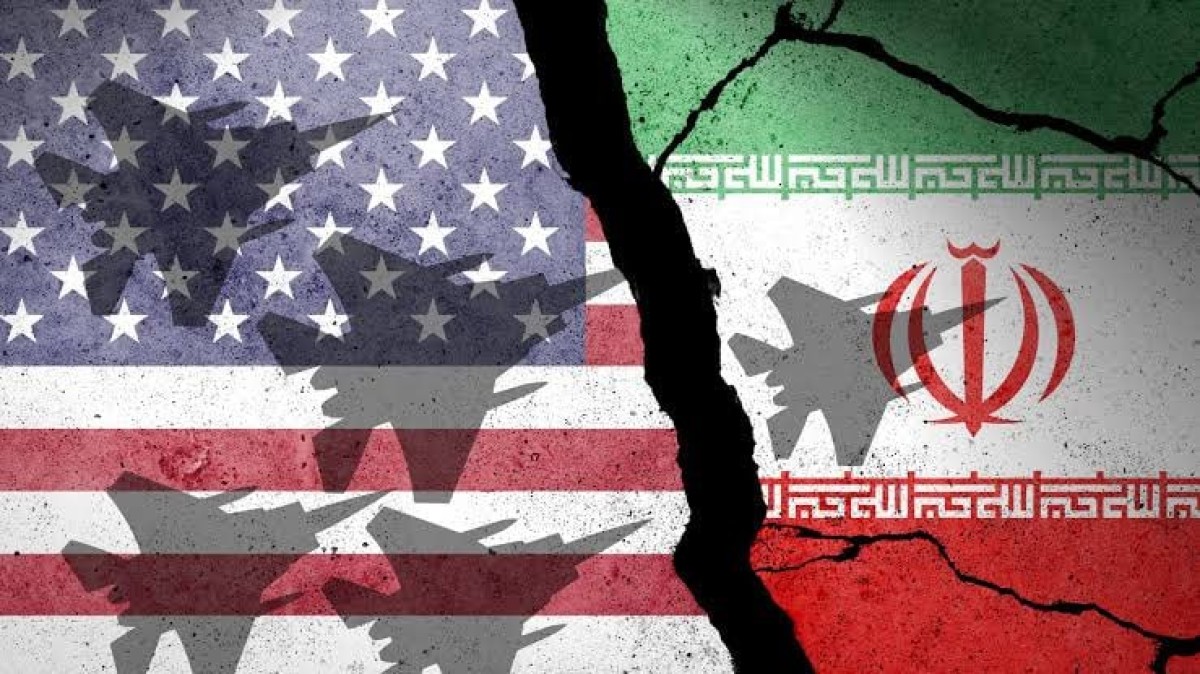
US, Iran: Reciprocal strikes persist around Hormuz as Doha talks open
Time window: Last 7 days · Audience: General analyst · Type: Situation report · DTG: 2026-07-06 00:18Z · Overall confidence: MEDIUM
BLUF
Reciprocal strikes by the United States and Iran continued around the Strait of Hormuz through 2 July despite a declared weeklong de-escalation tied to indirect talks in Doha, and shipping remained disrupted with transits dropping on 4 July. The conflict footprint extended to Bahrain and Kuwait, prompting an emergency UN Security Council session.
Executive summary
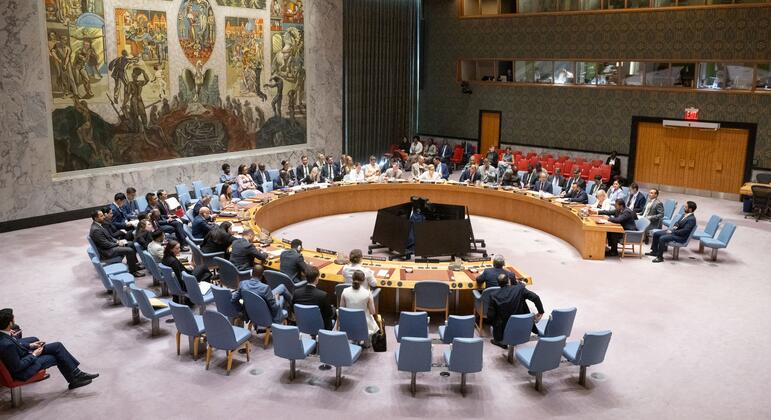
After an Iranian drone attack on the cargo ship Ever Lovely on 25 June in the Strait of Hormuz, US forces struck Iranian coastal military infrastructure in Hormozgan province on 26 to 27 June, then reportedly carried out further strikes on 28 June. Iran, for its part, launched missiles and drones on 28 June at US facilities in Kuwait and at the US Fifth Fleet’s headquarters in Bahrain, and attacks on Bahrain and Kuwait were reported in recent days. Although Washington and Tehran agreed on 28 June to halt mutual attacks and begin indirect talks in Doha on 30 June, by 2 July both capitals were still trading strikes over the chokepoint. Maritime traffic through Hormuz slowed, with vessel counts dropping on 4 July, and a cargo ship reported an attack off Yemen on 5 July, underscoring persistent multi-theatre maritime risk. The UN Security Council convened an emergency meeting on 2 July on the Iranian attack in Bahrain.
Key judgments
- Hostilities very likely persisted despite the declared de-escalation, with Iran and the United States continuing reciprocal strikes around the Strait of Hormuz into early July, including Iranian attacks in Bahrain and Kuwait and US strikes on Iranian infrastructure. (Confidence: high · REPORTED)
- I&W: Additional confirmed US or Iranian strikes around Hormozgan, Bahrain, or Kuwait reported by official or major outlets. (0-14 days)
- I&W: Public joint statement extending the de-escalation alongside an observable pause in strike reporting for at least two weeks. (0-14 days)
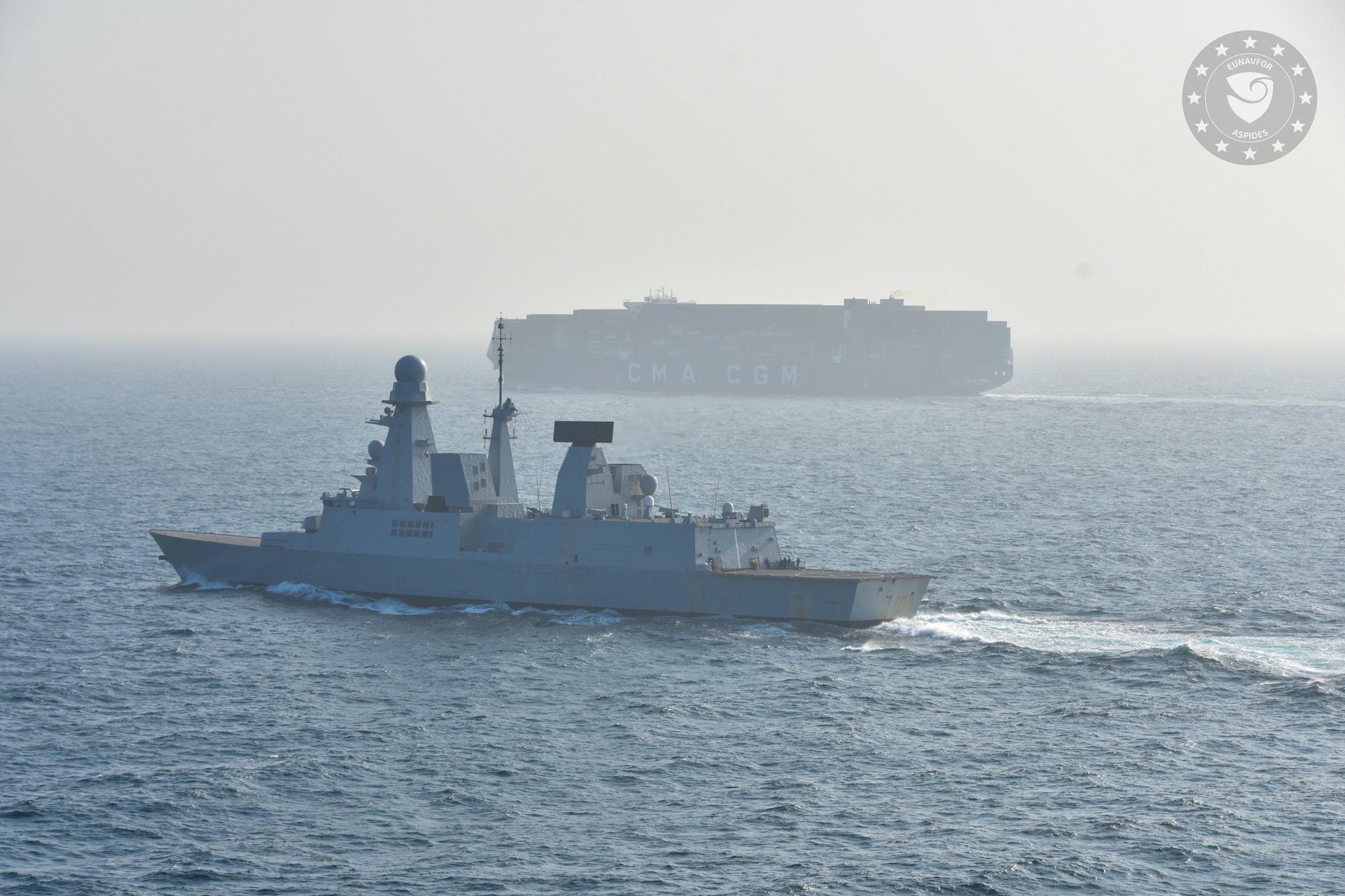
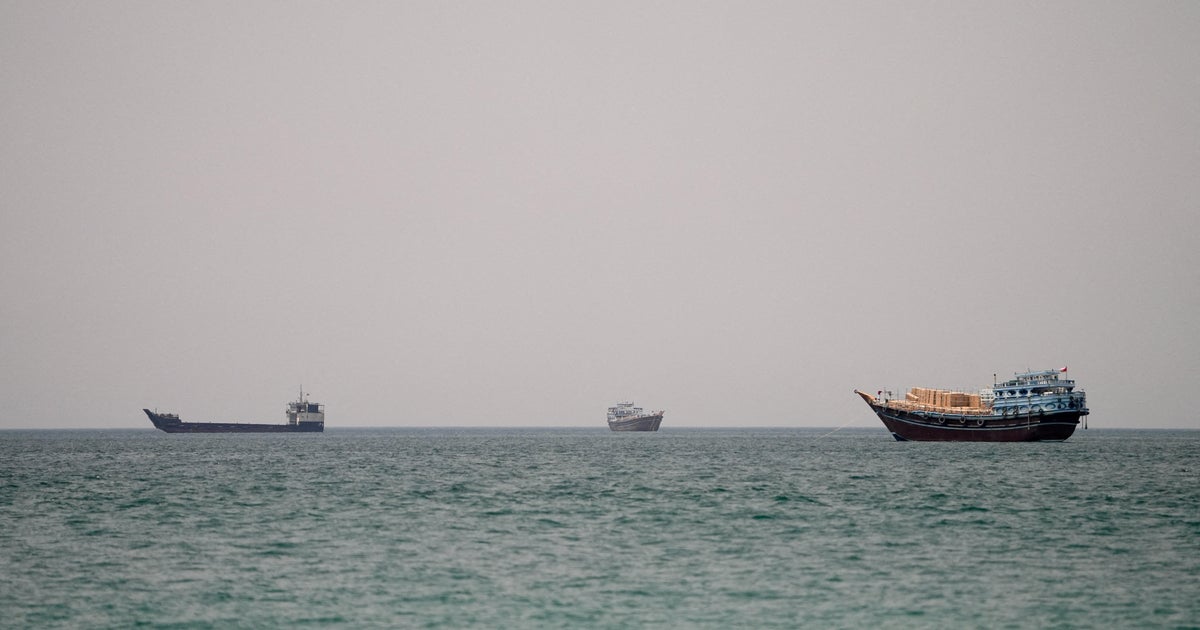
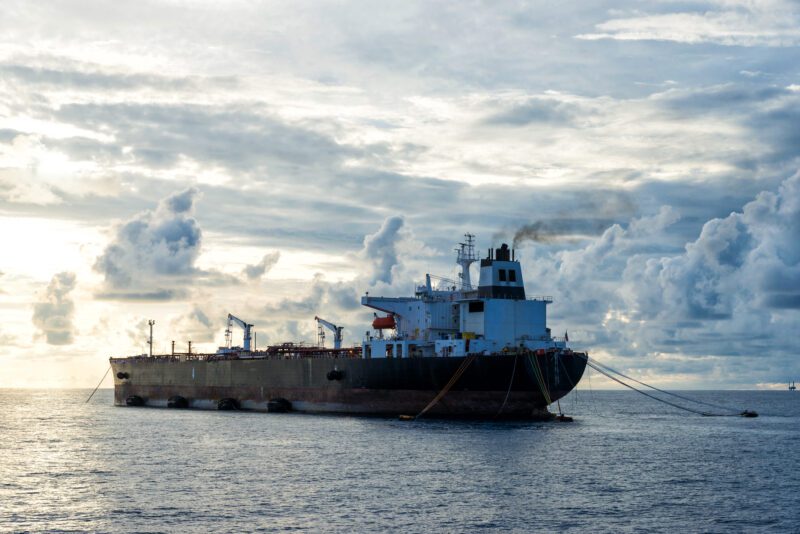
- Maritime traffic through the Strait of Hormuz likely remained disrupted in the reporting period, with fewer transits, recent vessel attacks, and Iranian warnings about unapproved lanes keeping risk elevated. (Confidence: medium · ASSESSED)
- I&W: AIS and port agent reporting shows transits through Hormuz persistently below pre-crisis baselines. (0-14 days)
- I&W: Credible reports of additional attacks or near-misses on commercial vessels in or near Hormuz. (0-14 days)
- Iran very likely extended the conflict to US-aligned Gulf states, with attacks in Bahrain and Kuwait and explicit threats to US-linked sites in the United Arab Emirates, prompting urgent international diplomatic attention. (Confidence: high · REPORTED)
- I&W: Debris recovery or official forensics in Bahrain or Kuwait attributing missiles or drones to Iranian manufacture or launch origin. (0-14 days)
- I&W: Cessation of Iranian public threats against UAE-linked sites and no further incidents affecting Bahrain or Kuwait. (1-3 months)
- There is a roughly even chance that the Doha channel fails to produce a sustained ceasefire in July, given continued strikes despite a weeklong de-escalation and an agreement on 28 June to cease mutual attacks tied to indirect talks that began on 30 June. (Confidence: medium · ASSESSED)
- I&W: A jointly announced memorandum of understanding with timelines for traffic normalisation and risk reduction measures in Hormuz. (1-3 months)
- I&W: Public cancellation or walk-out from Doha accompanied by renewed high-tempo strikes. (0-14 days)
- Regional maritime risk remains high beyond Hormuz, with Red Sea shipping again targeted on 5 July near Al Hudaydah, sustaining a multi-theatre threat to commercial vessels as Houthi activity and counterstrikes persist. (Confidence: high · REPORTED)
- I&W: Further UKMTO alerts of attacks or suspicious approaches off Yemen’s Red Sea coast. (0-14 days)
- I&W: A sustained lull in Red Sea incident reporting alongside fewer coalition strike announcements. (1-3 months)
Outlook & scenarios
Managed containment with episodic strikes and constrained shipping (50%)
Iran and the United States continue tit-for-tat strikes around Hormuz while talks in Doha proceed without a breakthrough. Attacks in Bahrain and Kuwait recur at low tempo. Shipping through the strait remains reduced relative to pre-war levels, with periodic route reversals and cautionary advisories. The UN keeps the issue on its agenda but stops short of coercive measures.
De-escalation consolidates and traffic gradually normalises (30%)
A memorandum of understanding is announced, extending the weeklong de-escalation. Technical talks in Doha produce practical steps that underpin safer transits, including a roadmap to reopen lanes and demining arrangements involving regional partners. Iranian statements about regulating transits soften, and vessel counts trend back to pre-war levels within 30 days.
Escalatory spiral and renewed chokepoint stress (20%)
Fresh high-casualty strikes trigger a wider exchange. Iran imposes tighter controls or blocks transits and intensifies attacks on US and partner targets in Bahrain and Kuwait while threatening UAE-linked sites. The United States expands strikes on Iranian missile and drone infrastructure. Commercial traffic through Hormuz drops sharply and insurance premia surge, while Red Sea attacks persist.
Recommendations
- Maintain continuous OSINT monitoring of AIS traffic through Hormuz and adjacent Omani waters, and cross-cue with UKMTO notices and major carrier advisories for rapid detection of route reversals or pauses.
- Build and sustain a geospatial strike log for Hormozgan, Bahrain, and Kuwait using official releases and satellite-viable cues; employ NASA FIRMS thermal detections to triage suspected strike sites while noting they record heat, not attribution.
- Track Doha negotiation signals from US and Iranian officials and Qatari facilitators; flag concrete references to an MOU, demining plans, and timelines for restoring pre-war traffic levels.
- Sustain a near-term warning posture for US-linked facilities in Bahrain, Kuwait, and the UAE; watch for Iranian statements signalling intent to target UAE-associated locations and corroborate with any local security alerts.
- Issue a daily maritime risk note integrating Hormuz and Red Sea incident reporting, with clear guidance on tripwires that would indicate improvement or deterioration in shipping conditions.
Confidence & uncertainty
Overall confidence is medium. Multiple high-confidence multilateral, official, and major media reports corroborate continuing reciprocal strikes, attacks in Bahrain and Kuwait, and shipping disruption signals around Hormuz, as well as a fresh Red Sea incident. However, key elements of the diplomatic track, including the durability of the weeklong de-escalation and the prospective memorandum of understanding, rest on medium-confidence reporting and are contradicted by concurrent strike reports. These inconsistencies, along with partial visibility on maritime traffic normalisation timelines, temper confidence in longer-range assessments.
Alternative analysis (red cell)
The reporting indicates elevated kinetic activity and serious diplomatic engagement in late June, but key operational claims rely on medium-admiralty sources, single datapoints, or are contradicted by a June 28 de‑escalation agreement (0794a063). A sober alternative estimate is that the period featured isolated late‑June exchanges, heightened threats and limited incidents (including maritime harassment), and active negotiations that plausibly constrained but did not entirely eliminate episodic strikes — the available evidence does not unequivocally support a conclusion of sustained, multi‑theatre reciprocal strikes and broad, persistent maritime disruption into early July.
Cited sources
[1] United Nations · Security Council LIVE: Emergency meeting on Iranian attack in Bahrain (A) · sha256:8a0d2c085c67 [2] United Nations · В ООН предупредили о риске эскалации после обмена ударами между США и Ираном (A) · sha256:ea0575aa434f [3] CNN · Analysis: New US-Iran clashes revealed fragility of truce — and why it may work | CNN Politics (A) · sha256:94895227a857 [4] gcaptain.com · Cargo Ship Reports Attack Off Yemen, Adding To Red Sea Risks (B) · sha256:91182687603e [5] cbsnews.com · Iran calls Strait of Hormuz situation "sensitive and complex" as U.S. sends officials to Qatar for talks (A) · sha256:64949039609c [6] gcaptain.com · Japan Weighs Return to Iranian Oil as Shipping Risks Cloud Sanctions Waiver (A) · sha256:63397f5b5fb1 [7] Wikipedia · 2026 Iran war (B) · sha256:fbcf975f23c1 [8] U.S. Department of State · United Arab Emirates Travel Advisory (A) · sha256:7a0c71f2991b [9] TimesXP · U.S. Embassy Near Iran Under Fresh Attack Amid Iran-Israel-U.S. War (B) · sha256:4c2e3ff1ffa0 [10] nypost.com · US, Iran agree to one-week de-escalation in Strait of Hormuz ahead of America 250 celebrations (B) · sha256:24246da07cff [11] egyptwindow.net · أمريكا وإيران تستأنفان المفاوضات رغم الضربات العسكرية المتبادلة بينهما - نافذة مصر (B) · sha256:d317ac6e7b09 [12] Wikipedia · Middle Eastern crisis (2023–present) (B) · sha256:dd73b8ab5a8c
Source content hashes were computed at collection time; the cited text is preserved unmodified for the life of this product.
Red cell review: PARTIAL DISSENT
TLP:CLEAR