TLP:CLEAR · Disclosure is not limited.
US, Iran: Seventh Night of US Strikes, Iranian Retaliation Across Gulf, Shipping Risk Rises
Time window: Last 7 days · Audience: General analyst · Type: Situation report · DTG: 2026-07-18 06:11Z · Overall confidence: HIGH
BLUF
US forces have very likely sustained consecutive-night strikes inside Iran through 17 July, and Iran has very likely retaliated across Kuwait, Qatar and Bahrain as host nations report interceptions and casualties. Maritime risk in and around the Strait of Hormuz has very likely increased, with reduced transits, unusual tanker manoeuvres, boardings and a disabled vessel, while oil prices rise.
Executive summary
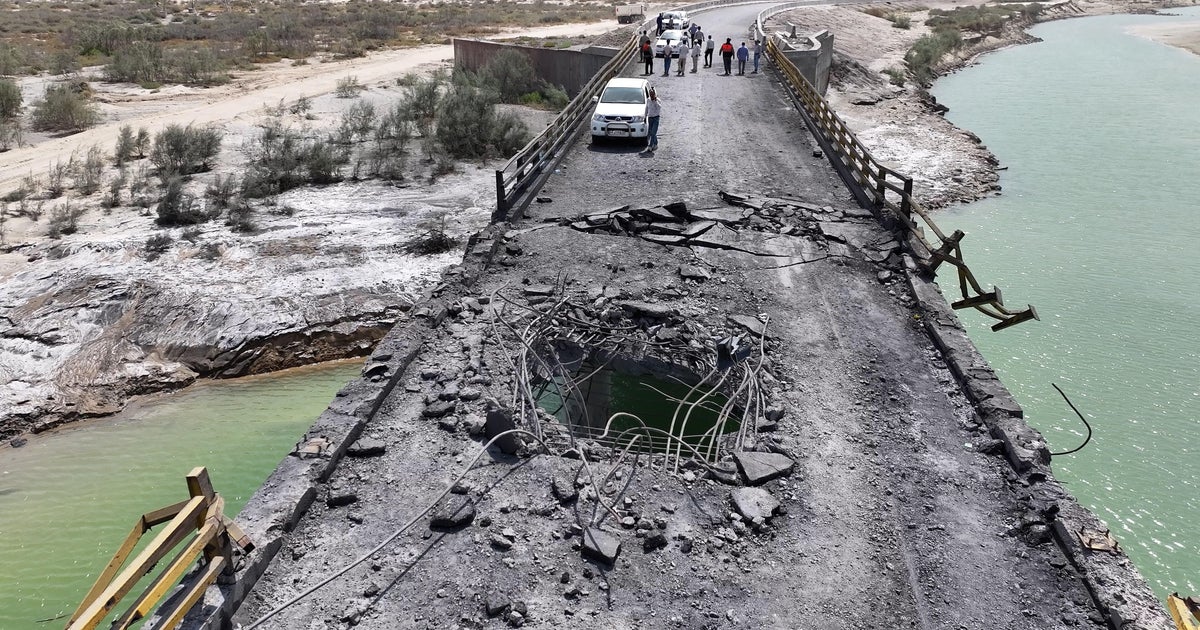
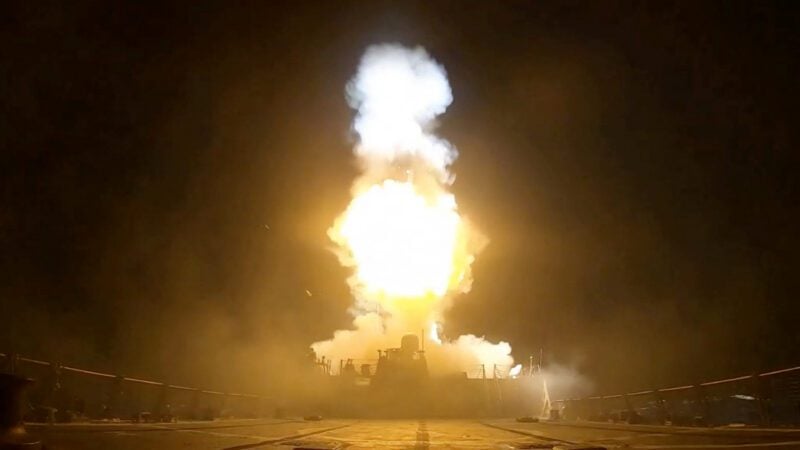
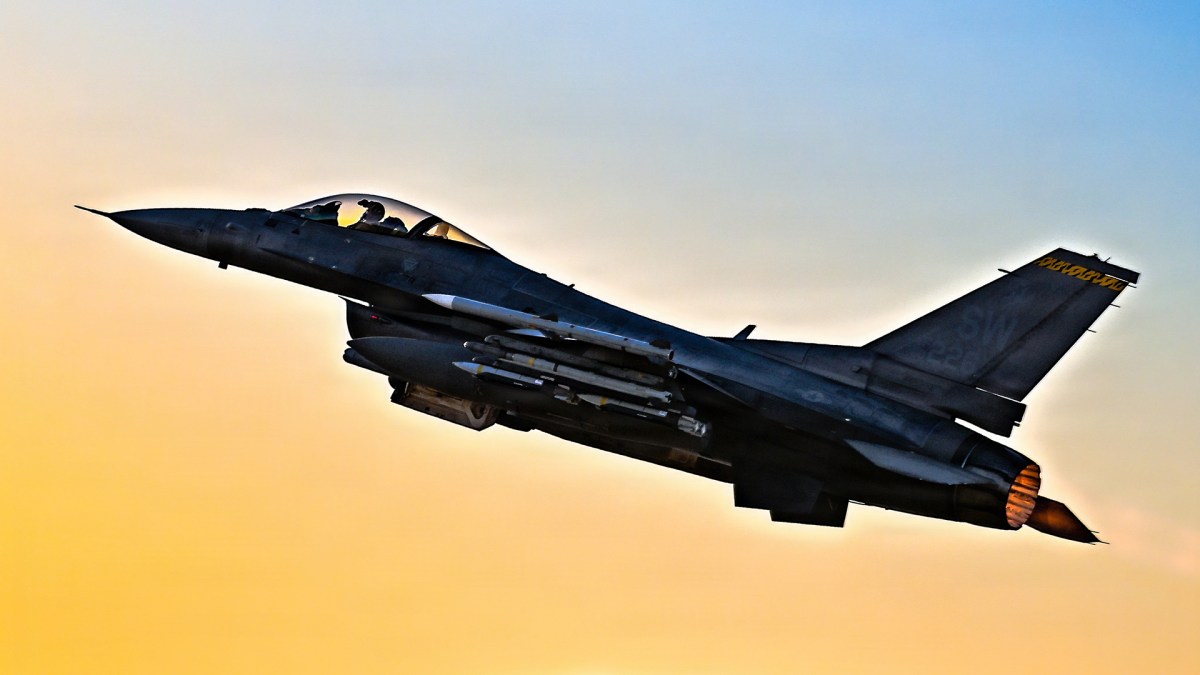
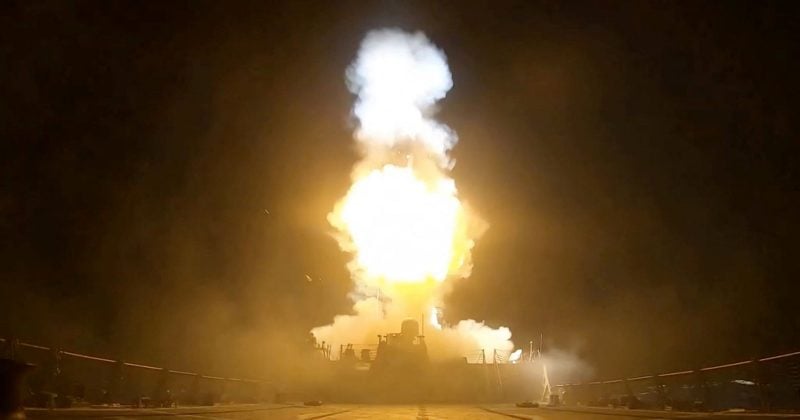
CENTCOM reported continued strikes into Iran through 17 July, with dozens of targets hit, including bridges near Bandar Abbas and an airport, and a surveillance tower at Chabahar destroyed the previous day. Iran announced or conducted retaliatory attacks on US infrastructure and bases in Kuwait, Qatar and Bahrain, with Jordan and Kuwait reporting interceptions and injuries and Kuwait citing damage to a power and desalination plant. Traffic through the Strait of Hormuz has dipped to multi‑week lows as US enforcement actions drive boardings, redirections and unusual tanker movements, while oil benchmarks climb.
Key judgments
- The United States very likely sustained consecutive-night strikes on Iranian targets through 17 July, hitting dozens of sites including bridges near Bandar Abbas and an airport, and destroying a port surveillance tower at Chabahar. (Confidence: high · REPORTED)
- I&W: CENTCOM issues additional daily communiqués noting an eighth or ninth consecutive night of strikes inside Iran. (0-14 days)
- I&W: No CENTCOM strike announcements and no major-media reports of new US strikes for at least 72 hours. (0-14 days)
- Iran very likely expanded retaliation on 17 July against US forces and host nations, including strikes or attempted strikes in Kuwait, Qatar and Bahrain, while Jordan and Kuwait reported intercepts and injuries. (Confidence: high · REPORTED)
- I&W: Official communiqués from Kuwait, Bahrain or Qatar report additional interceptions or confirmed damage to military or energy sites. (0-14 days)
- I&W: Host-nation alerting, such as Bahraini interior sirens, ceases for one week without new Iranian attack claims. (0-14 days)
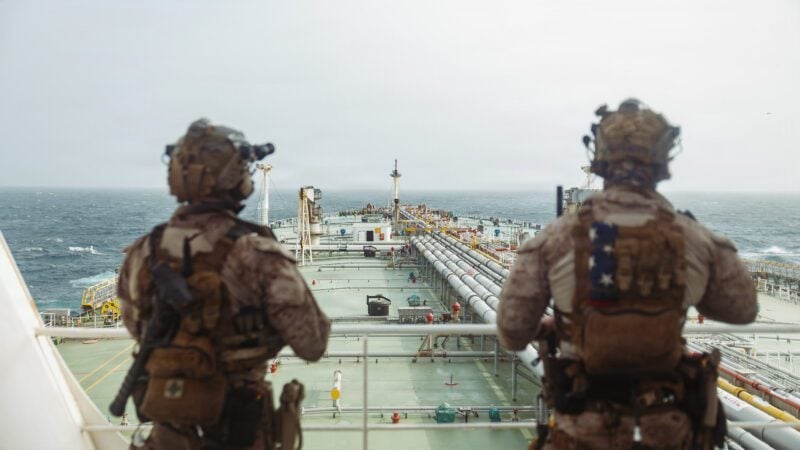
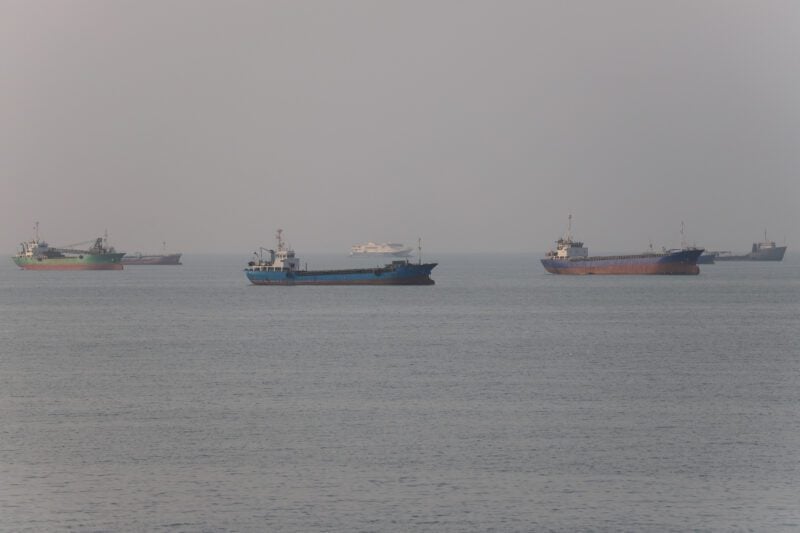
- Maritime risk in and around the Strait of Hormuz is very likely elevated, with reduced transits, unusual tanker manoeuvres, boardings and a disabled vessel as the US enforces new actions against Iranian shipping. (Confidence: high · REPORTED)
- I&W: Kpler or comparable trackers show Strait of Hormuz transits remain below recent three‑week averages. (0-14 days)
- I&W: US or partner forces publicly report additional boardings, redirections or disabling of Iran‑linked tankers. (0-14 days)
- Escalation is likely to persist over the next 1-3 months as both sides target infrastructure and issue threats, keeping oil prices elevated and energy security at risk if restrictions on Hormuz endure. (Confidence: medium · ASSESSED)
- I&W: Verified additional strikes on energy or transport nodes inside Iran or Gulf host nations, such as power or desalination plants. (0-3 months)
- I&W: A publicly declared and observed halt to US strike waves and Iranian regional attacks for at least 7 days. (0-3 months)
- It is likely that Iran‑linked actors have exploited commercial mobile location data and telecom vulnerabilities to surveil and target US personnel and contractors in Iraqi Kurdistan and the Gulf, raising operational security risks around lodging and support sites. (Confidence: medium · ASSESSED)
- I&W: Official attribution or arrests linking ad‑tech or SS7 exploitation to Iranian or Iran‑aligned operators targeting US personnel. (1-3 months)
- I&W: Documented reduction in threat reporting following DoD mitigation of ad‑tech and roaming data leakage on issued devices. (1-3 months)
Outlook & scenarios
Managed escalation with continued US strike tempo and Iranian regional retaliation (60%)
US forces keep up frequent strikes on Iranian territory and military infrastructure, while Iran persists with missile and drone activity against US bases and host‑nation infrastructure in Kuwait, Qatar and Bahrain. Shipping transits through the Strait of Hormuz remain depressed, with periodic boardings and redirections of Iran‑linked tankers. Oil prices stay elevated. This track aligns with ongoing US strike waves and Iranian retaliatory activity, reduced Hormuz traffic, and industry warnings about expanded maritime threat areas.
Acute regional expansion, partial shutdown of maritime corridors (35%)
Iran intensifies attacks on Gulf host nations and pushes to enforce restrictions on Hormuz while encouraging allied actors to threaten adjacent sea lanes. Host‑nation interceptions continue but some strikes land on energy and transport nodes, deepening supply concerns. Shipping flows fall further as more tankers hold position or reverse course. This outcome is consistent with Iranian threats to neighbours, reported closures or disruptions at Hormuz, and contingency signalling on the Red Sea route.
Short operational pause without settlement (30%)
Following completion of a strike wave, both sides pause large‑scale operations for days to weeks without a formal deal. Maritime activity partially rebounds, but alerts and force postures remain elevated. This rests on periodic CENTCOM statements concluding strike waves, with neither side demonstrating durable diplomatic progress.
Recommendations
- Maintain a daily, time‑stamped strike ledger cross‑referencing CENTCOM releases with named target sets such as Bandar Abbas bridges and the Chabahar surveillance tower to resolve the six‑versus‑seven‑night timeline discrepancy and support briefings.
- Task maritime OSINT to monitor Hormuz transits via Kpler and AIS for anomalies like zig‑zags, U‑turns and loitering by Iran‑linked or sanctioned tankers, and to track follow‑on boardings or redirections reported by UKMTO and naval forces.
- Acquire commercial satellite imagery to assess damage to the bridges near Bandar Abbas and the Chabahar Shahid Kalantari Port tower, enabling before‑and‑after verification of reported strikes.
- Stand up a live alert feed for host‑nation reporting from Kuwait, Bahrain, Qatar and Jordan, including interception claims and civil warning systems, to quickly validate Iranian retaliation narratives and assess spillover risk to US facilities.
- Coordinate with DoD counterparts on mitigations for ad‑tech and SS7 exploitation risks: enforce device hardening on issued phones, curtail third‑party location data exposure, and require OPSEC hygiene at hotels frequented by US personnel in Iraqi Kurdistan and the Gulf.
- Integrate oil market monitoring into the watchfloor, tracking Brent movements alongside shipping metrics and reported attacks on energy and water infrastructure to inform decision makers on economic risk.
- Produce a weekly shipping threat map that layers INTERTANKO guidance, UKMTO incidents, and observed boardings or disabled vessels to support routing advice and risk communication to US government maritime stakeholders.
Confidence & uncertainty
Multiple independent and reliable sources corroborate sustained US strike activity inside Iran, Iranian retaliation across several Gulf host nations, and concurrent maritime disruptions near the Strait of Hormuz. CENTCOM statements, host‑nation military reports, and trade press on shipping movements cross‑validate the core picture. Some elements remain contested or timeline‑sensitive, such as whether strikes were on the sixth or seventh consecutive night, and specific Iranian claims occasionally lack independent verification. These uncertainties narrow the confidence on forward‑looking assessments but do not undercut the high-confidence baseline of sustained strikes, regional retaliation, and elevated maritime risk.
Alternative analysis (red cell)
The reporting indicates kinetic exchanges and maritime frictions in mid-July, but the record is internally inconsistent on timing, geographic distribution of Iranian retaliation, and the technical means of surveillance. A more cautious assessment is that episodic strikes and localized maritime disruptions occurred, while claims about uninterrupted multi-night strike campaigns across named Iranian targets, broad strikes across Kuwait/Qatar/Bahrain on 17 July, and definitive exploitation of commercial ad/SS7 data remain plausible but unproven without ISR, host-nation confirmations, or forensic logs.
Cited sources
[1] twz.com · U.S.-Iran Fight Heats Up With Mutual Strikes On Infrastructure Targets (Updated) (B) · sha256:a5e7e190db8f [2] gcaptain.com · US, Iran Each Attack Infrastructure in Risky Escalation (B) · sha256:b9c67f2f7073 [3] Euronews · США наносят удары по гражданской инфраструктуре Ирана, Тегеран бьет по объектам США в заливе (A) · sha256:728ab8184cb4 [4] CBS News · Iran War Updates: U.S. finishes 7th straight night of strikes as traffic freezes up in Strait of Hormuz (A) · sha256:5e9360ac390f [5] skynewsarabia.com · محادثات أميركا وإيران. آخر الأخبار (B) · sha256:f3f1565b8991 [6] gcaptain.com · INTERTANKO Warns Threat to Shipping Now Extends Across Gulf Region as Hormuz Transits Continue to Fall (C) · sha256:28fdd0e7ea33 [7] cryptobriefing.com · Iran launches missiles at US bases in Jordan, Bahrain amid Gulf tensions (B) · sha256:cd48718aba68 [8] ynetnews.com · US attacks Iran, Tehran claims it destroyed Bahrain’s main AI hub (B) · sha256:96c20a885e72 [9] gcaptain.com · Iran-Linked Tankers U-Turn, Zig-Zag as US Enforces Blockade (B) · sha256:d77c878bc21a [10] cryptobriefing.com · Iran warns neighbors: US strike facilitators risk retaliation (B) · sha256:92bbda482f54 [11] cryptobriefing.com · US airstrikes target Iran's energy infrastructure amid 2026 conflict (B) · sha256:0c58e1512af0 [12] gcaptain.com · Trump Confronts Limits to US Power to Secure Strait of Hormuz (A) · sha256:b4a10a70ba20 [13] harrigan.house.gov · Financial Times: US military smartphones targeted through roaming and ad tech (A) · sha256:e442365bde9b
Source content hashes were computed at collection time; the cited text is preserved unmodified for the life of this product.
Red cell review: PARTIAL DISSENT
TLP:CLEAR