TLP:CLEAR · Disclosure is not limited.
US, Iran strikes intensify while Israel holds fire; Hormuz traffic falls and Red Sea risk grows
Time window: Last 1 day · Audience: General analyst · Type: Situation report · DTG: 2026-07-18 08:40Z · Overall confidence: LOW
BLUF
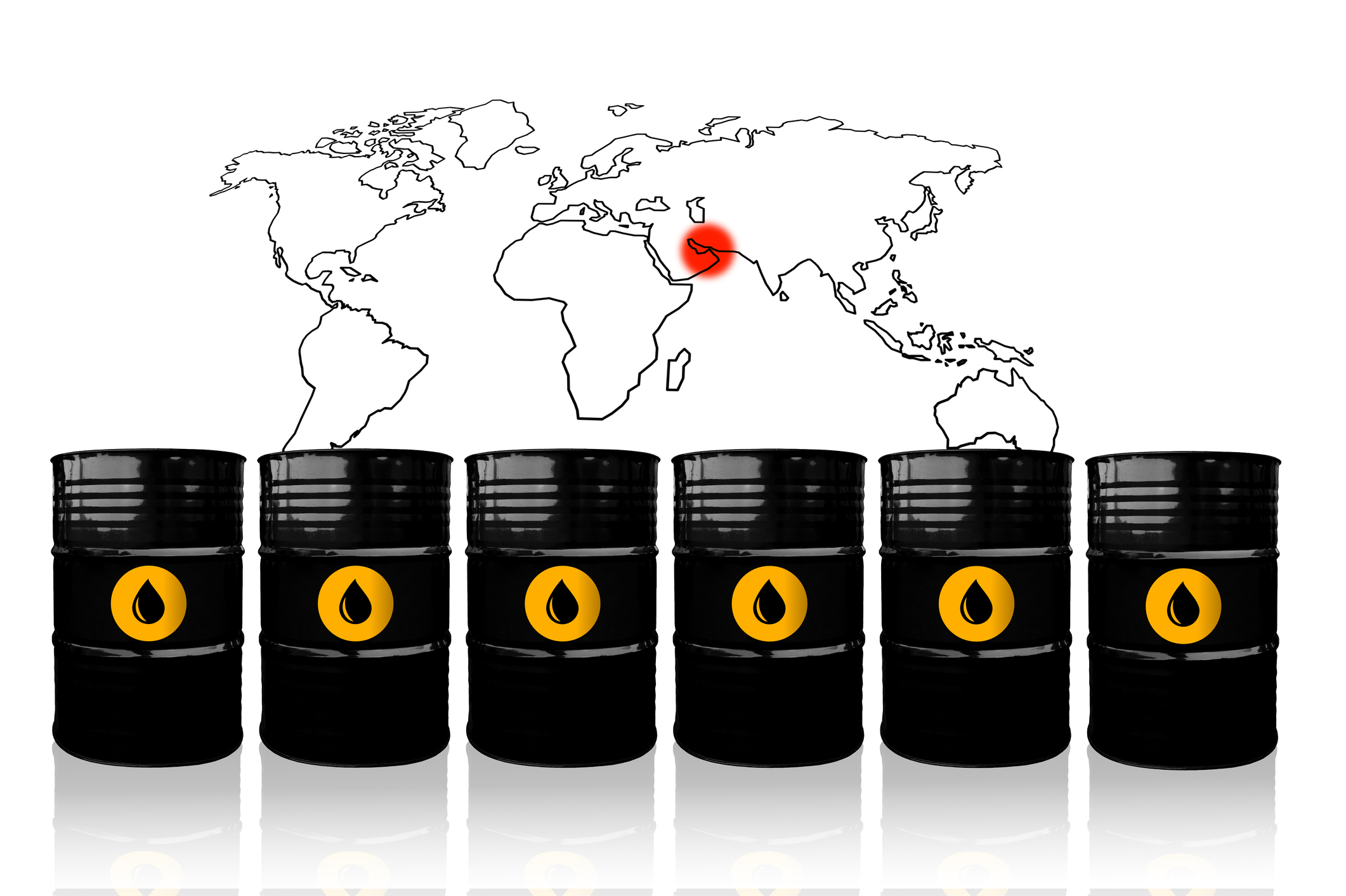
Washington and Tehran have entered at least a seventh straight night of reciprocal strikes centred on southern Iran and the Gulf, while Iran is avoiding direct attacks on Israel. Maritime risk around the Strait of Hormuz is acute, with reduced transits and US blockade enforcement, and a Houthi move against Bab el‑Mandeb is likely if US attacks on Iranian power infrastructure persist.
Executive summary
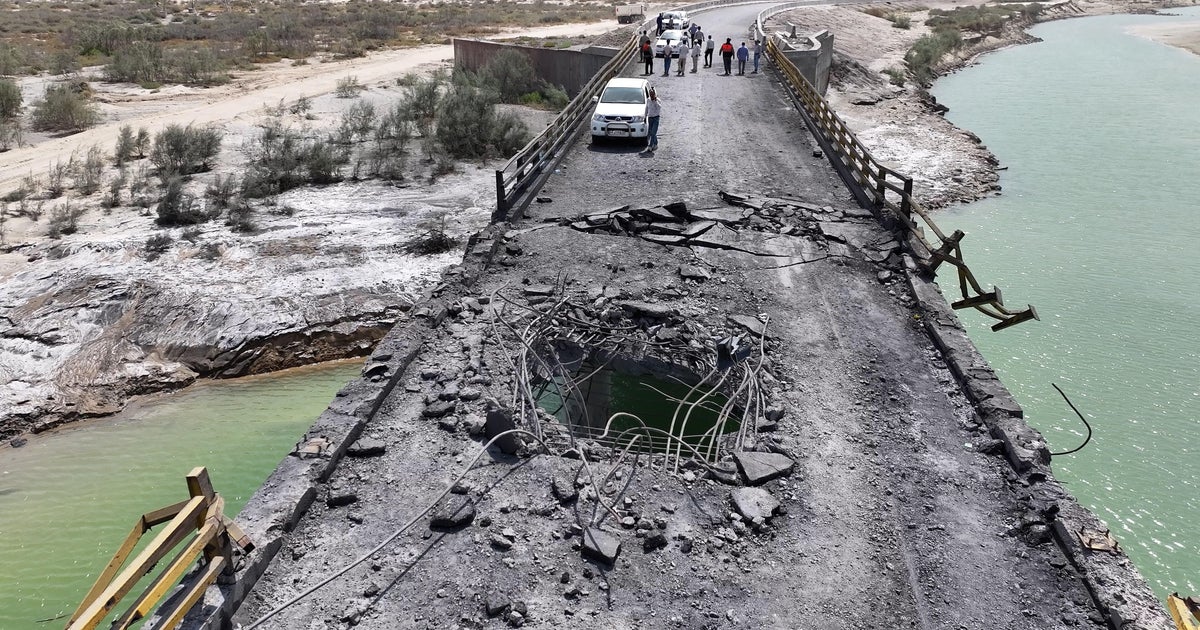
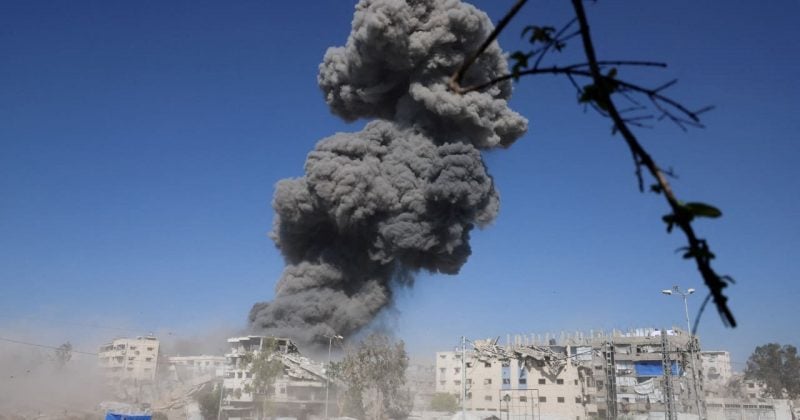
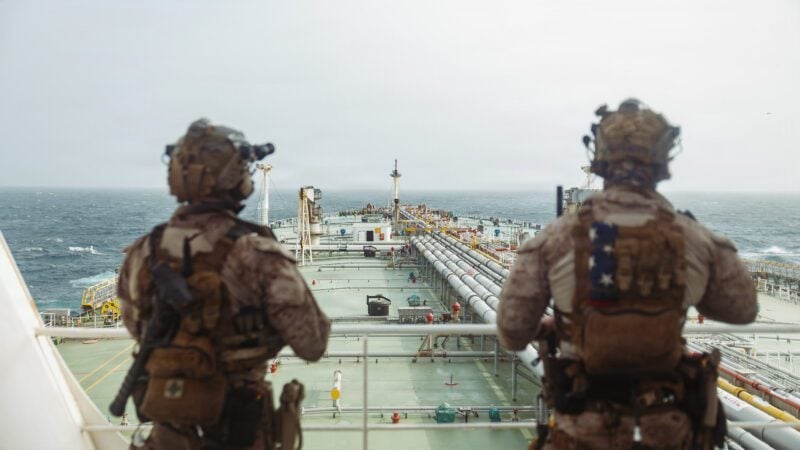
US forces have sustained nightly strikes against targets in southern Iran, including bridges in Hormozgan, with reported casualties and water outages for roughly 20,000 civilians. Iran has retaliated across the Gulf, launching missiles and drones toward Jordan, Kuwait and Qatar and claiming strikes on US assets in Bahrain, Jordan and Kuwait; interceptions and injuries have been reported, including to US personnel in Jordan and Kuwaiti troops. Maritime risk has surged: Washington is enforcing a renewed blockade with US Marines boarding tankers as Hormuz transits fall to a three‑week low and Iran‑linked vessels loiter or U‑turn, while Tehran claims the strait is closed. Israel has shifted to a more aggressive posture but is not being targeted by Iran in this round, lowering the near‑term likelihood of an Iran, Israel exchange. Markets are pricing increased risk of a Houthi attempt to close the Red Sea oil route if US strikes on Iranian power infrastructure continue.
Change from previous assessment
Since the 17 July brief, reporting indicates a seventh consecutive night of US strikes, including bridges in Hormozgan and associated civilian impacts such as water outages and fatalities. Iran has expanded retaliatory fire across the Gulf, with Jordan intercepting multiple missiles, Kuwait reporting a strike on a power and desalination plant and injuries to its personnel, and several US service members wounded in Jordan. Maritime risk has deepened: Hormuz transits fell to a three‑week low as US Marines boarded the tanker Wen Yao and Iran‑linked vessels loitered or U‑turned; India instructed shipowners to avoid deploying Indian seafarers through Hormuz. Markets registered higher oil prices. A new Iranian claim that the Strait of Hormuz is closed emerged, but observed traffic suggests only partial effects, lowering confidence on the closure’s scope. Israel still appears outside the direct exchange, consistent with prior assessment.
Key judgments
- The United States has very likely sustained a nightly strike campaign against targets in southern Iran, including bridges in Hormozgan, causing civilian harm such as water outages for roughly 20,000 people and reported fatalities. (Confidence: medium · REPORTED)
- I&W: CENTCOM or Iranian outlets announce further consecutive nights of strikes or publish strike timing and target sets. (0-14 days)
- I&W: A verified pause of at least 72 hours in strike reporting or a public ceasefire statement by either side. (0-14 days)
- Iran has very likely expanded retaliation across the Gulf, launching missiles and drones toward Jordan, Kuwait and Qatar and claiming strikes on US assets in Bahrain, Jordan and Kuwait, with interceptions and injuries reported, including to US personnel in Jordan and Kuwaiti troops. (Confidence: high · REPORTED)
- I&W: Jordan or Kuwait announce additional intercepts or facility damage with imagery or location details. (0-14 days)
- I&W: Iranian authorities publicly order a halt to cross‑Gulf strikes and Gulf states report no new engagements for one week. (0-14 days)
- Israel is likely to remain a non‑shooter in the near term, as Tehran is deliberately avoiding striking Israel and assesses that drawing Israel in would worsen the damage to Iran, despite Israel’s shift toward a more aggressive security posture. (Confidence: medium · ASSESSED)
- I&W: Iran’s strike pattern continues to target Gulf hosts of US forces while avoiding Israeli territory and Israeli leaders refrain from announcing strikes on Iran. (0-14 days)
- I&W: Acknowleged Iranian launch against Israeli territory or overt Israeli strike claims on Iranian soil. (0-14 days)
- Maritime risk at and around the Strait of Hormuz is almost certainly acute, with a renewed US blockade enforced by Marine boardings, observed U‑turns and loitering by Iran‑linked tankers, and reported falls in transits to a three‑week low, while Tehran claims to have closed the strait. (Confidence: medium · ASSESSED)
- I&W: Additional US boarding announcements and tracking‑firm reports of further declines in daily Hormuz crossings. (0-14 days)
- I&W: Sustained rebound in reported Hormuz transits to pre‑escalation levels and a tapering of US boarding activity. (1-3 months)
- A Houthi move to constrict Bab el‑Mandeb and the Red Sea oil route is likely if US strikes expand against Iranian power infrastructure, a risk that markets are already pricing. (Confidence: medium · ASSESSED)
- I&W: Houthi leadership or media channels announce Red Sea closure operations following US strikes on Iranian power sites. (0-14 days)
- I&W: No Houthi maritime threat messaging and no Red Sea interdiction attempts despite continued US strikes on Iranian energy assets. (0-14 days)
- Regional mobility and consular posture are likely to tighten further as tensions persist, signalled by US travel advisories and ordered departures for diplomatic staff across Israel and Arab states. (Confidence: high · REPORTED)
- I&W: Additional embassy ordered‑departure notices or higher‑level travel warnings issued for Israel, Jordan, Kuwait, Bahrain or Qatar. (0-14 days)
- I&W: Advisories downgraded and routine consular services restored at multiple US missions in the region. (1-3 months)
Outlook & scenarios
Contained US, Iran confrontation centred on Hormuz while Israel holds fire (60%)
Nightly US strikes continue against logistics and infrastructure in southern Iran, Iranian fire remains focused on Gulf states hosting US forces, and missile intercepts persist in Jordan and Kuwait. Iran avoids targeting Israel, keeping Jerusalem out of the current round. Hormuz throughput stays depressed under a US blockade with episodic boardings and tanker evasive manoeuvres, and oil prices remain elevated.
Chokepoint contagion: Houthis pressure Bab el‑Mandeb and the Red Sea (40%)
In response to continued US attacks on Iranian energy infrastructure, Tehran’s partners in Yemen attempt to close the Red Sea oil route. War‑risk premiums climb, ship operators reroute via the Cape, and supply chain delays propagate. Hormuz remains constrained, compounding the maritime shock.
Direct Iran, Israel exchange begins (30%)
Either a mass‑casualty incident in a Gulf host nation or a miscalculation prompts Tehran to target Israel directly, or Israel undertakes overt strikes against Iranian territory. Missile defence activations and cross‑theatre exchanges follow, with a rapid rise in regional escalation risk and immediate energy market reaction.
Short pause via shaky US, Iran understandings (20%)
Back‑channel arrangements produce a limited halt to nightly strikes and cross‑Gulf launches. The pause is fragile amid deep mistrust, and maritime traffic only partially recovers as operators await proof of durability.
Recommendations
- Maintain a daily fused timeline of US strike activity and Iranian retaliatory launches with geolocated impacts in Hormozgan, Jordan, Kuwait, Qatar and Bahrain; log announced intercept counts and injuries.
- Stand up a Hormuz shipping dashboard that tracks reported transits, AIS anomalies such as U‑turns and loitering by Iran‑linked tankers, and publicly announced US boarding operations; flag deviations from prior three‑week averages.
- Task continuous monitoring of Houthi media and associated maritime advisories for intent signals toward Red Sea interdiction following US strikes on Iranian power infrastructure.
- Map US basing exposure in Jordan, Kuwait and Bahrain against recent impact patterns; prioritise collection on air defence readiness and casualty reporting to refine force‑protection risk.
- Engage energy market analysts to quantify exposure to Brent price spikes linked to shipping constraints; tie movements to discrete military triggers to inform warning thresholds.
- Track official travel advisories and embassy postures in Israel and Arab states; alert if ordered departures expand or consular services are further curtailed.
- Catalogue damage to Kuwaiti power and desalination infrastructure and any follow‑on service disruptions to assess escalation incentives and humanitarian knock‑ons.
- Explicitly test the Iranian claim of closing Hormuz against observed crossing data and port call patterns; report discrepancies and their implications for escalation control.
Confidence & uncertainty
Overall confidence is low because several pivotal elements rely on medium‑confidence or single‑source reporting, and there are unresolved contradictions. Tehran’s reported closure of the Strait of Hormuz sits alongside continued, albeit reduced, transits and observed AIS manoeuvres, creating ambiguity over the closure’s effectiveness. The US strike cadence and Iranian regional retaliation are broadly corroborated, but claims about strikes on specific energy facilities and casualty figures vary across sources. Prospective dynamics, including a Houthi move against the Red Sea, rest on conditional and second‑hand reporting, which lowers confidence in the forward‑look despite market signals.
Alternative analysis (red cell)
While reporting shows increased kinetic activity and maritime disruption, much of the collection supporting several key judgments is single-source, analyst-interpretive, or medium/low Admiralty event reporting. Without independent battle-damage assessments, ISR-verified strike chronologies, and corroborating humanitarian and maritime data, alternative plausible interpretations—episodic rather than sustained US strikes in southern Iran, unresolved scale of Iranian strikes on neighbors, maritime disruption short of a legal blockade, and unconfirmed Houthi intent—remain defensible and warrant reduced confidence.
Intelligence gaps
- [EEI 1.1 · UNCOVERED] Observed repositioning, sustained increases, or new forward basing of Iranian conventional or IRGC forces (armored units, missile batteries, aircraft, naval vessels) toward borders or regional launch points. Recommended collection: IMINT/satellite
- [EEI 1.2 · PARTIAL] Hezbollah or other Iran-aligned proxy forces conducting mass mobilization, visible rocket/artillery emplacements, cross-border firing incidents, or preparations for cross-border operations from Lebanon, Syria, Iraq or Yemen. Recommended collection: HUMINT/ground ISR
- [EEI 1.4 · UNCOVERED] Interdicted or observed shipments (air, sea, land manifests, seizures, satellite imagery of transfers) of advanced weapons or missile components from Iran toward proxy groups or forward staging points. Recommended collection: maritime/AIS
- [EEI 2.1 · UNCOVERED] Satellite or on-the-ground imagery showing fires, damage, or operational shutdown at major oil export facilities, refineries, storage terminals, or key pipeline infrastructure in the Gulf and Red Sea. Recommended collection: IMINT/satellite
- [EEI 2.3 · PARTIAL] Significant and sustained reductions or rerouting of tanker transits through the Strait of Hormuz (ship traffic counts, pilot reports, port call cancellations) and announcements of closure or restricted navigation zones (NOTAMs, maritime advisories). Recommended collection: maritime/NOTAMs
- [EEI 2.4 · UNCOVERED] Rapid increases in war-risk insurance premiums for Middle East routes, shipping company advisories to avoid region, or major charter cancellations tied to the conflict. Recommended collection: financial/open-source
- [EEI 3.2 · PARTIAL] Official expedited arms transfers, basing/overflight agreements, or declarations of operational support (formal government announcements, defense ministry releases, logistics flight manifests). Recommended collection: open-source/diplomatic
- [EEI 3.4 · PARTIAL] High-level diplomatic/UN activity: scheduled or emergency Security Council meetings, published ceasefire proposals, or multilateral statements committing support/condemnation that precede changes in military posture. Recommended collection: open-source/diplomatic
Cited sources
[1] Al Jazeera · US launches seventh straight night of strikes on Iran (A) · sha256:41adbd4299da [2] CBS News · Iran War Updates: U.S. finishes 7th straight night of strikes as traffic freezes up in Strait of Hormuz (A) · sha256:5e9360ac390f [3] ynetnews.com · US attacks Iran, Tehran claims it destroyed Bahrain’s main AI hub (B) · sha256:96c20a885e72 [4] twz.com · U.S.-Iran Fight Heats Up With Mutual Strikes On Infrastructure Targets (Updated) (B) · sha256:a5e7e190db8f [5] npr.org · U.S. and Iran escalate strikes across Mideast (A) · sha256:44c459094d5d [6] cryptobriefing.com · US airstrikes cut water to 20,000 in southern Iran amid ongoing conflict (B) · sha256:1e9a99fd6d73 [7] ynetnews.com · Iran’s calculated gamble: Keep Israel out, turn Hormuz into the battlefield (B) · sha256:caf5ac3ad6f2 [8] cryptobriefing.com · Attack, not defend: Israel's rock-solid security consensus replaces passive 'stability' - opinion (B) · sha256:536708c9668a [9] gcaptain.com · Iran-Linked Tankers U-Turn, Zig-Zag as US Enforces Blockade (A) · sha256:af126bf34f99 [10] gcaptain.com · INTERTANKO Warns Threat to Shipping Now Extends Across Gulf Region as Hormuz Transits Continue to Fall (C) · sha256:7b52e3da3037 [11] gcaptain.com · US, Iran Each Attack Infrastructure in Risky Escalation (B) · sha256:6fbc739e47fa [12] cryptobriefing.com · Enemy airstrikes hit bridges, tunnel in Iran's Hormozgan amid US-Iran conflict (B) · sha256:53baedeedf7f [13] gcaptain.com · Suspected Pirates Seize Tanker Off Yemen Coast in Gulf of Aden, Sources Say (A) · sha256:274ad2f10118 [14] cryptobriefing.com · Jordan intercepts 10 missiles from Iran amid regional tensions (B) · sha256:961e09501cd9 [15] Oil & Gas 360 · Oil markets are pricing conflict again - Oil & Gas 360 (C) · sha256:9abf2540c85b
Source content hashes were computed at collection time; the cited text is preserved unmodified for the life of this product.
Red cell review: PARTIAL DISSENT
TLP:CLEAR