TLP:CLEAR · Disclosure is not limited.
US, Iran: Strikes, Interim Deal, and a Hazardous Reopening of Hormuz
Time window: Last 7 days · Audience: General analyst · Type: Situation report · DTG: 2026-06-19 00:14Z · Overall confidence: MEDIUM
BLUF
US strikes have degraded Iranian capabilities but have not removed the threat. An interim US, Iran memorandum signed on 18 June begins a 60‑day cessation and a controlled reopening of the Strait of Hormuz under US oversight, yet mines, drone activity and Iranian intent toward US‑linked sites in the UAE keep regional risk elevated in the coming weeks.
Executive summary
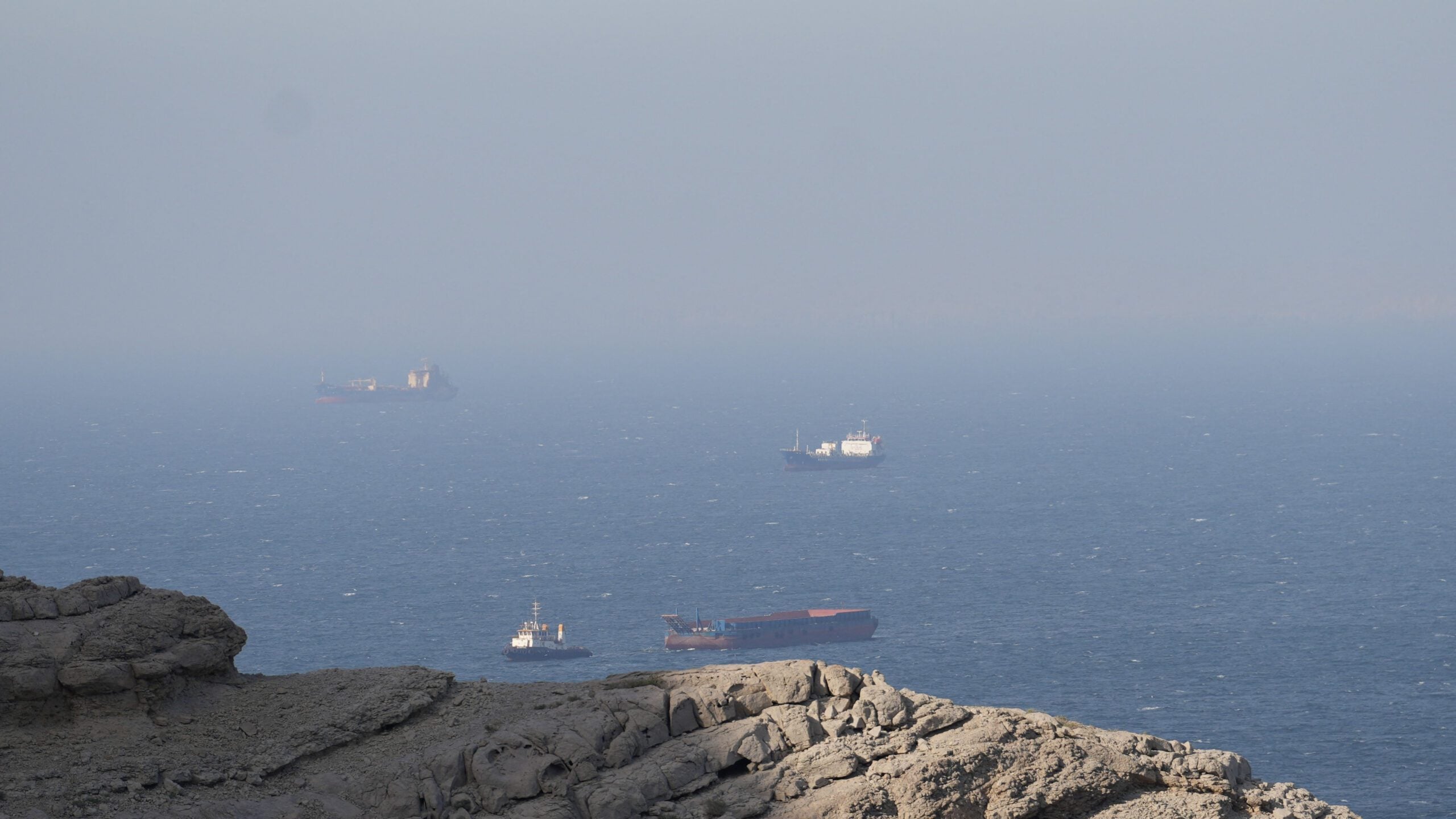
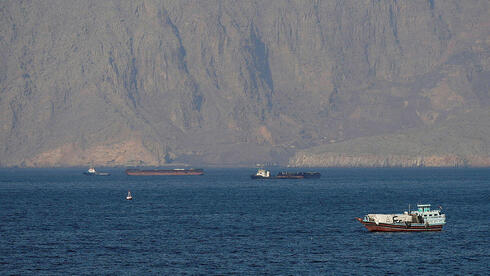
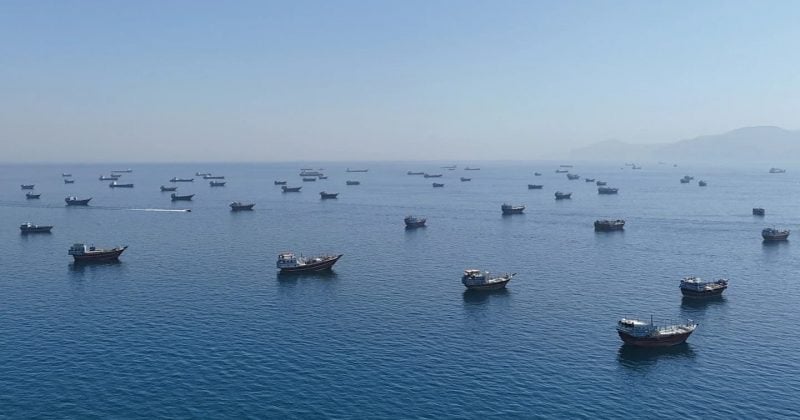
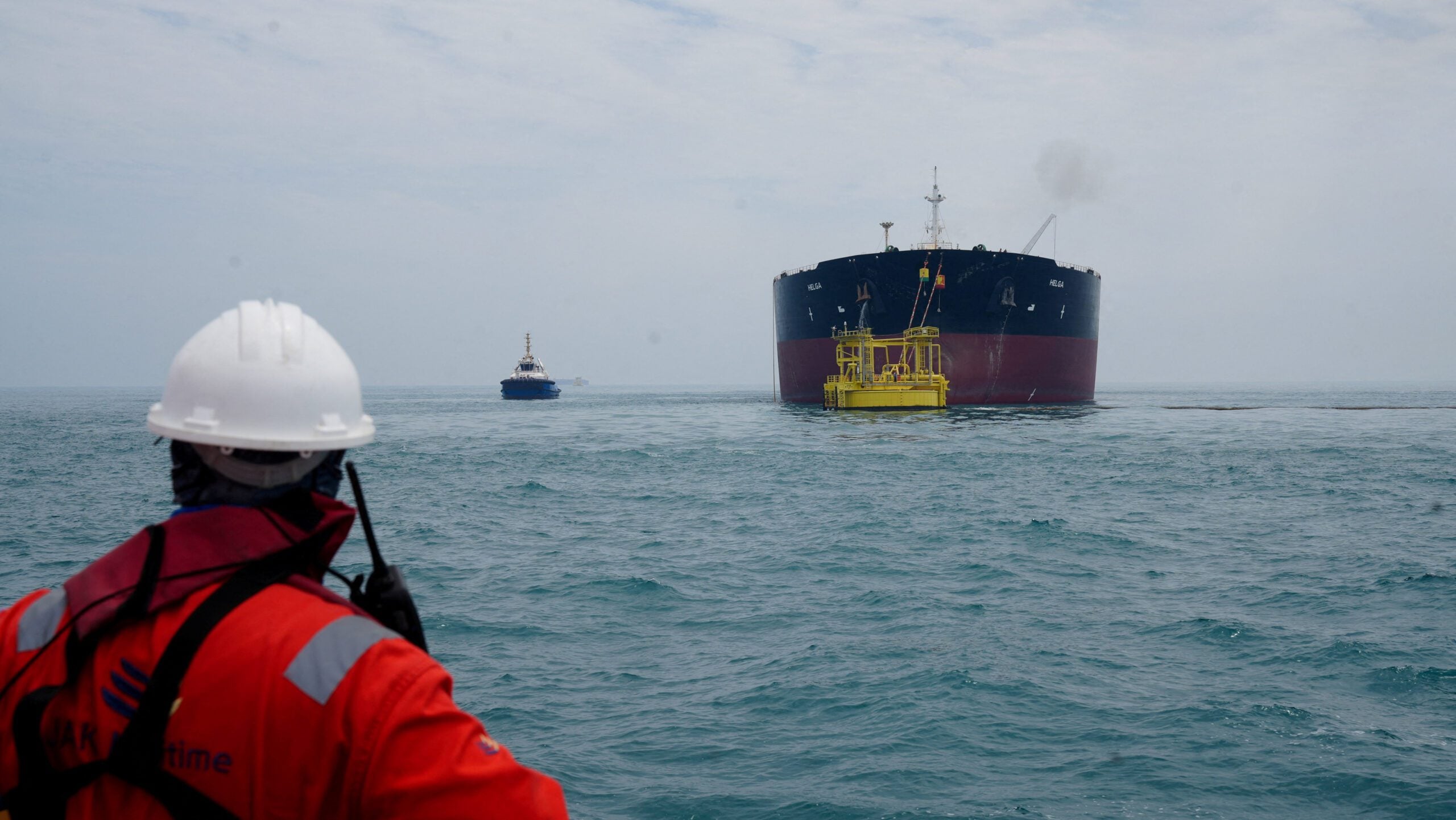
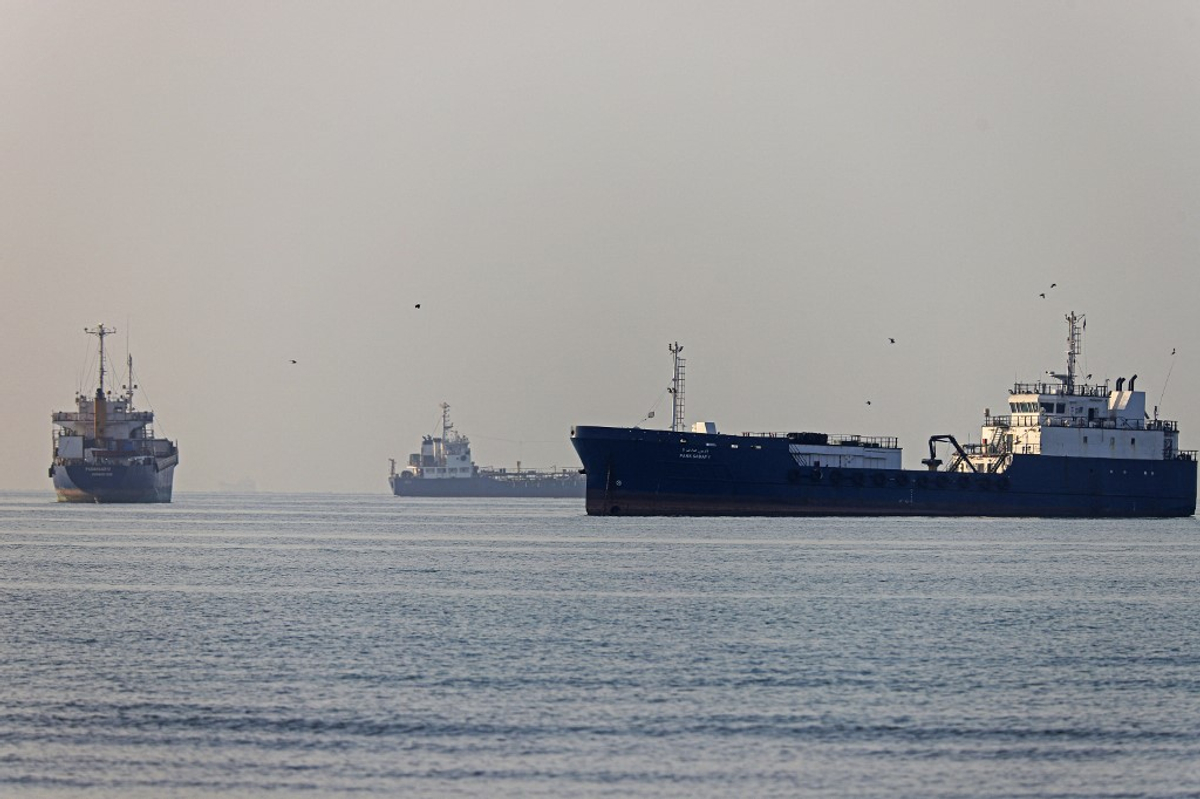
The conflict that began with joint US, Israeli strikes on Iran has moved into a fragile pause after US and Iranian officials signed an interim agreement on 18 June that provides for an immediate halt to military operations, a 60‑day negotiation window, and steps to reopen the Strait of Hormuz with US naval forces remaining to oversee implementation. Maritime conditions remain dangerous: authorities report active mine‑clearance, with industry figures citing about 80 mines still in the main Traffic Separation Scheme and continued GPS interference; the Omani southern route has handled roughly 20 ships per day, some laden Saudi tankers and a Qatari LNG carrier have transited, but major lines have not fully resumed. Iran has launched one‑way attack drones toward commercial shipping in recent days and publicly signalled intent to target US‑associated sites in the UAE, while US Central Command reported intercepts. The memorandum contemplates temporary sanctions suspension, Iranian oil sales and asset unfreezing, but these provisions are politically contested and inconsistently described by Washington, Gulf governments and industry. Energy benchmarks have eased on expectations of resumed Gulf supply, yet operational hazards at sea and threat reporting for the UAE argue for continued caution.
Key judgments
- The conflict has likely shifted into a fragile pause following the 18 June interim memorandum that mandates a 60‑day cessation and a controlled reopening of Hormuz with US naval oversight, but hazards persist and the central traffic lane remains closed due to mines. (Confidence: medium · ASSESSED)
- I&W: JMIC issues a notice declaring the central Traffic Separation Scheme cleared and formally reopened. (0-14 days)
- I&W: US Navy maintains daily escort advisories while mine‑clearance reports still reference uncleared mine clusters in the TSS. (0-14 days)
- Iran very likely retains both the intent and capability to threaten US‑linked sites in the UAE despite the truce, keeping terrorism and armed‑conflict risk elevated for US personnel and facilities there. (Confidence: high · ASSESSED)
- I&W: Iranian state outlets or IRGC‑linked channels claim responsibility for attacks on facilities in Abu Dhabi or Dubai associated with US assets. (0-14 days)
- I&W: FAA relaxes or rescinds its NOTAM caution for US air carriers operating in the UAE and wider Middle East. (1-3 months)
- Tanker traffic is likely to resume incrementally via the Omani southern route under US escort while mine‑clearance proceeds, with limited but concrete breakthroughs already observed. (Confidence: medium · ASSESSED)
- I&W: Daily southern‑route transits consistently exceed 25 vessels with publicly noted CENTCOM escort schedules. (0-14 days)
- I&W: A major liner publicly announces full resumption of Hormuz transits. (1-3 months)
- US strikes have degraded but not eliminated Iran’s ability to harass shipping and regional states; further drone or missile attempts are likely in the near term. (Confidence: high · ASSESSED)
- I&W: CENTCOM reports additional intercepts of Iranian one‑way attack drones or missiles near Hormuz. (0-14 days)
- I&W: A multi‑week absence of Iranian UAV or missile launch reporting by CENTCOM and regional outlets. (1-3 months)
- The interim agreement will likely enable limited Iranian oil sales and has already eased prices, but the scope and financing are temporary and politically contested. (Confidence: medium · ASSESSED)
- I&W: Tanker tracking shows sustained growth in Iranian crude liftings and declared destinations, alongside public confirmation of suspended enforcement actions. (1-3 months)
- I&W: US or Gulf officials publicly block asset unfreezing or reinstate oil export enforcement. (0-14 days)
- Mariner safety risk in and around Hormuz is very likely to remain elevated for at least the next 1-3 months due to active mines and severe GPS interference, necessitating atypical navigation measures. (Confidence: high · ASSESSED)
- I&W: JMIC advisories continue to warn of mine‑clearance operations and signal interference in the central Strait. (0-14 days)
- I&W: Industry guidance shifts back to normal AIS and radar usage without defensive routing caveats. (1-3 months)
Outlook & scenarios
Fragile truce holds, phased maritime reopening (50%)
The 60‑day cessation remains intact. US naval forces supervise escorted convoys through the Omani southern route while Iran conducts mine‑clearance. JMIC maintains a MODERATE threat level until the central Traffic Separation Scheme is certified clear, after which volumes rise and more carriers re‑enter. Limited Iranian oil exports resume under suspended enforcement, easing Brent benchmarks.
Spoiler attacks disrupt traffic and test the deal (40%)
Iranian drones or missiles target commercial shipping near Hormuz or US‑linked sites in the UAE, prompting additional US intercepts and temporary pauses to convoys. Industry keeps major lines on hold and the central lane stays closed while mine‑clearance continues. Political backlash in Washington and Gulf capitals narrows the scope of sanctions relief and slows implementation.
Breakdown and rapid re‑escalation (20%)
A high‑impact incident, such as a mine detonation on a laden tanker or a lethal strike in the UAE, collapses the truce. US enforcement resumes around Iranian ports, Iran restarts large‑scale drone and missile launches, and commercial transits halt. Oil benchmarks spike and emergency maritime advisories urge diversion around Hormuz.
Recommendations
- Establish a daily Hormuz operating picture that tracks: JMIC advisories, CENTCOM escort notices, mine‑clearance progress, GPS interference reports, and southern‑route transit counts.
- Task OSINT collection against Iranian state and IRGC‑linked channels for indicators of planned actions against US‑associated sites in Abu Dhabi and Dubai; set rapid‑alert thresholds for leadership claims of responsibility.
- Maintain close liaison with maritime industry bodies to monitor when major carriers plan to resume transits; prioritise updates from BIMCO, INTERTANKO and the World Shipping Council on routing, mine risk and AIS usage guidance.
- Monitor implementation of the interim agreement’s energy provisions: changes in Iranian crude liftings, any announced asset unfreezing, and official statements clarifying whether sanctions suspensions persist or are curtailed.
- Provide updated risk guidance to US missions and contractors in the UAE aligned with the FAA NOTAM and the State Department advisory, including contingency triggers for movement restrictions.
- Catalogue and geolocate reported ‘warning fire’ or explosion sites near Sirik and Qeshm to refine hazard maps for convoy planners and to validate mine‑risk modelling.
Confidence & uncertainty
Overall confidence is medium. The existence and core terms of the 18 June memorandum and the hazardous but partial reopening of Hormuz are well supported by multiple official and major‑media sources. Maritime risk specifics are corroborated by naval advisories and industry reporting, though assessments differ on the current threat level and the status of the central lane. Several key points remain contested, notably whether a US blockade has fully ended or is only suspended, and whether funds and assets for Iran are being unfrozen. Continued Iranian drone activity alongside implementation steps introduces uncertainty about the truce’s durability.
Alternative analysis (red cell)
An alternative, defensible analytic strand is that the June 18 memorandum produced localized and symbolic openings (a few protected transits and market responses) rather than a durable, theater‑wide cessation. Implementation appears partial and contested: naval oversight and mine‑clearance activities continue, major carriers remain cautious, and capability assessments of Iran are internally inconsistent across sources. Therefore, a more cautious interpretation is that hazards and operational frictions persist, with only episodic commercial relief rather than a stable return to normalcy.
Cited sources
[1] gcaptain.com · Iran Deal Opens Door to Hormuz Reopening, But Shipping Industry Warns of Long Road Ahead (B) · sha256:c7b2ef0c120c [2] gcaptain.com · Trump Signs Interim Iran Deal as Focus Shifts to Hormuz (B) · sha256:448e576b1f29 [3] meduza.io · США и Иран НАКОНЕЦ договорились об окончании войны. Добились ли стороны своих целей и что это вообще были за цели? (B) · sha256:d3ec64d55fb6 [4] Atlantic Council · What the US-Iran deal means for the rest of the Middle East (and beyond) (C) · sha256:5f93318fe142 [5] gcaptain.com · U.S. Officially Ends Maritime Blockade of Iran and Declares Hormuz Open (A) · sha256:79e946ea8d1a [6] gcaptain.com · Maritime Industry Demands Clarity on Hormuz Reopening as Mine Risks Persist (B) · sha256:95da5e306d15 [7] U.S. Department of State · United Arab Emirates Travel Advisory (A) · sha256:7a0c71f2991b [8] aljazeera.net · غارات واغتيالات ومفاوضات ثم "مذكرة تفاهم". محطات حرب هزت العالم (B) · sha256:9599b9ee9774 [9] Kyiv Post · US Threatens to Seize $24B in Frozen Iranian Assets for Ally Compensation (B) · sha256:7a5173428b16 [10] gcaptain.com · Qatar Brings Empty LNG Ship Back for First Time Since War Began (A) · sha256:a8c7956a115c [11] gcaptain.com · Three Saudi-Flagged Supertankers Sail Through Hormuz After Iran Deal Signed, Data Shows (B) · sha256:6451ebd1b9c4 [12] ynetnews.com · Iran’s war of attrition with the US leaves Israel stuck between delay and decision (B) · sha256:65f7a2ad35ed [13] foreignaffairs.com · The Middle East Power Paradox (B) · sha256:a18792673b08 [14] ynetnews.com · Tensions persist as US-Iran agreement nears and drones target Israel and Hormuz shipping (B) · sha256:32b715464452 [15] cryptobriefing.com · US forces down two Iranian drones near Strait of Hormuz (B) · sha256:e18145f6b81f [16] Euronews · США и Иран подписали соглашение: кто выиграл и что это значит (B) · sha256:750b647b7172 [17] gcaptain.com · While Trump Hails Gulf Oil Flowing, Iran's Fleet Also Gearing Up to Boost Exports (B) · sha256:15edb8e54ad0 [18] The Jerusalem Post · Live Updates: Latest from Israel, Iran, and Middle East | The Jerusalem Post (A) · sha256:83246f26b8ee [19] BBC News Русская служба · Соглашение между США и Ираном не решает главные вопросы, в том числе о $300 млрд на восстановление Ирана - BBC News Русская служба (A) · sha256:8ea1af462f11
Source content hashes were computed at collection time; the cited text is preserved unmodified for the life of this product.
Red cell review: PARTIAL DISSENT
TLP:CLEAR