TLP:CLEAR · Disclosure is not limited.
US-Iran Strikes Reopen as Hormuz Shipping Risk Deepens
Time window: Last 1 day · Audience: General analyst · Type: Situation report · DTG: 2026-09-01 16:44Z · Overall confidence: HIGH
BLUF
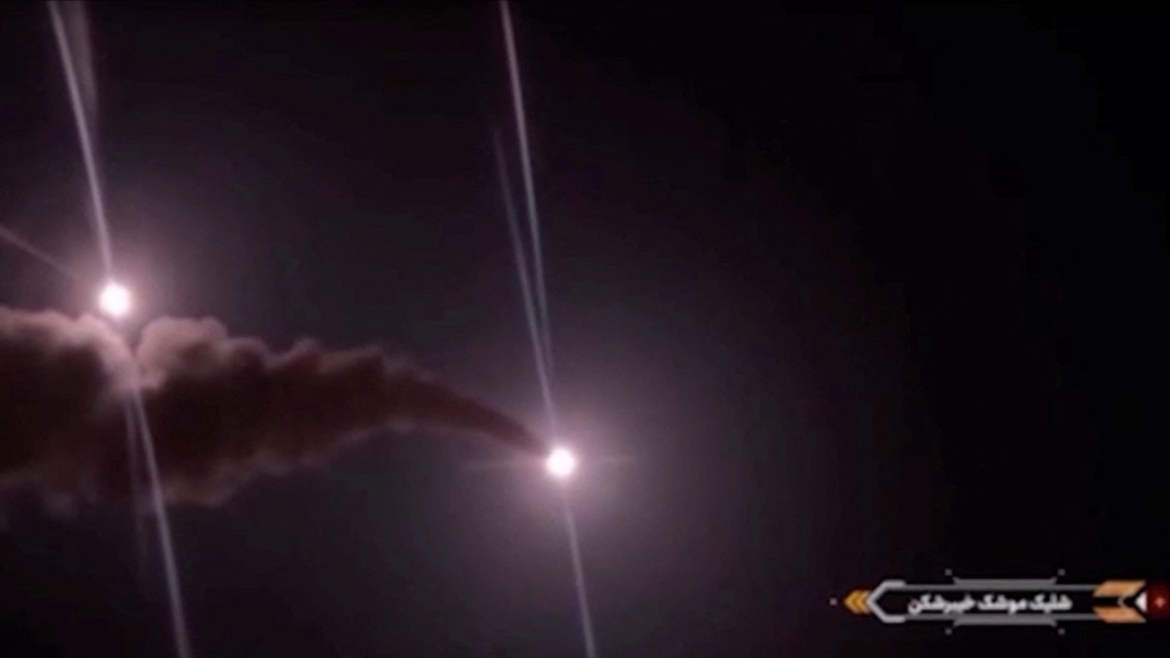
The first direct US-Iran exchange since late July has ended the recent lull, with US strikes on Larak Island followed by Iranian missile attacks on US bases in Jordan. Two tankers carrying Saudi oil were then struck near Khasab, leaving Strait of Hormuz traffic severely constrained and raising the risk of further regional spillover.
Executive summary
The conflict has entered a more dangerous phase. US forces struck two Iranian launchers on Larak Island on 30 August, and Iran responded with missile attacks on US bases in Jordan, although reporting differs over the exact date and whether Kuwait was also targeted. Two tankers carrying Saudi oil were struck by unknown projectiles near Khasab, Oman, while Iranian media reported that a Saudi tanker was stopped in the strait. Qatar, Pakistan and Oman continue diplomatic contacts, but mediation has not produced an agreement to reopen the waterway. President Masoud Pezeshkian has kept a conditional diplomatic channel open, while President Donald Trump has threatened further strikes. Violence in Gaza continues, with the outcome of an Israeli operation disputed by Israeli and Palestinian accounts.
Change from previous assessment
Since the 31 August brief, the assessment now treats the latest Hormuz incident as involving at least two closely timed tankers, Sidr and Senegal Prosperity, rather than a single initially unidentified vessel. Confidence is higher that commercial shipping disruption is continuing, but attribution and the claim of an effective closure remain contested. The assessment adds a fresh diplomatic track involving Pezeshkian's conditional offer to resume talks and the Saudi-Omani security meeting in Jeddah. It also records a new Gaza City operation whose outcome is disputed between Israeli and Palestinian accounts. The previous judgement that reciprocal US-Iran strikes and severe Hormuz disruption would continue remains in place, with the latest attacks reinforcing rather than reversing it.
Key judgments
- US-Iran reciprocal strikes are likely to continue over the next 0-14 days. US forces struck two Iranian rocket launchers on Larak Island on 30 August after reporting that IRGC forces were preparing rockets with sea mines, and Iran responded with missile attacks on two US bases in Jordan. One lower-confidence account also places Iranian missile fire against US bases in Kuwait. President Donald Trump has threatened further strikes, while President Masoud Pezeshkian has conditioned reciprocity and renewed talks on US compliance with the June interim agreement. The exact timing of the exchange and the geographic scope of Iran's retaliation remain unresolved. (Confidence: medium · ASSESSED)
- I&W: CONFIRM: Within 0-14 days, US forces conduct another strike on a named Iranian site or the IRGC launches missiles at a named US position in Jordan or Kuwait. (0-14 days)
- I&W: BREAK: Qatar, Pakistan or Oman announce a mutually accepted ceasefire, followed by no further reported US-Iran strikes during the remainder of the period. (0-14 days)
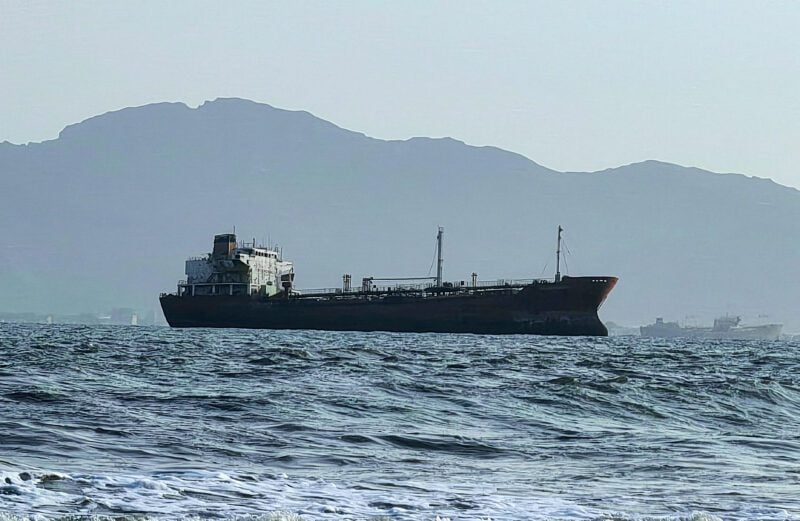
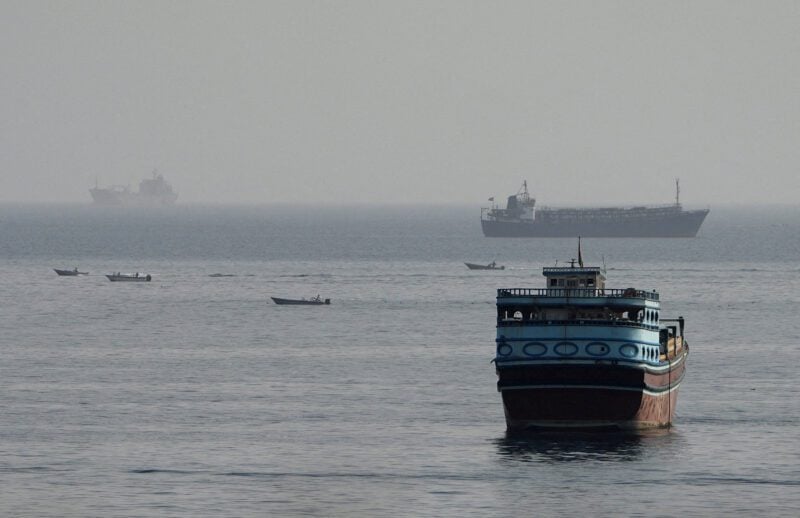
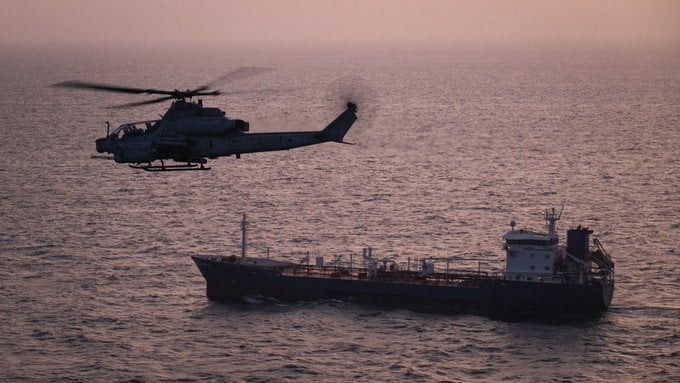
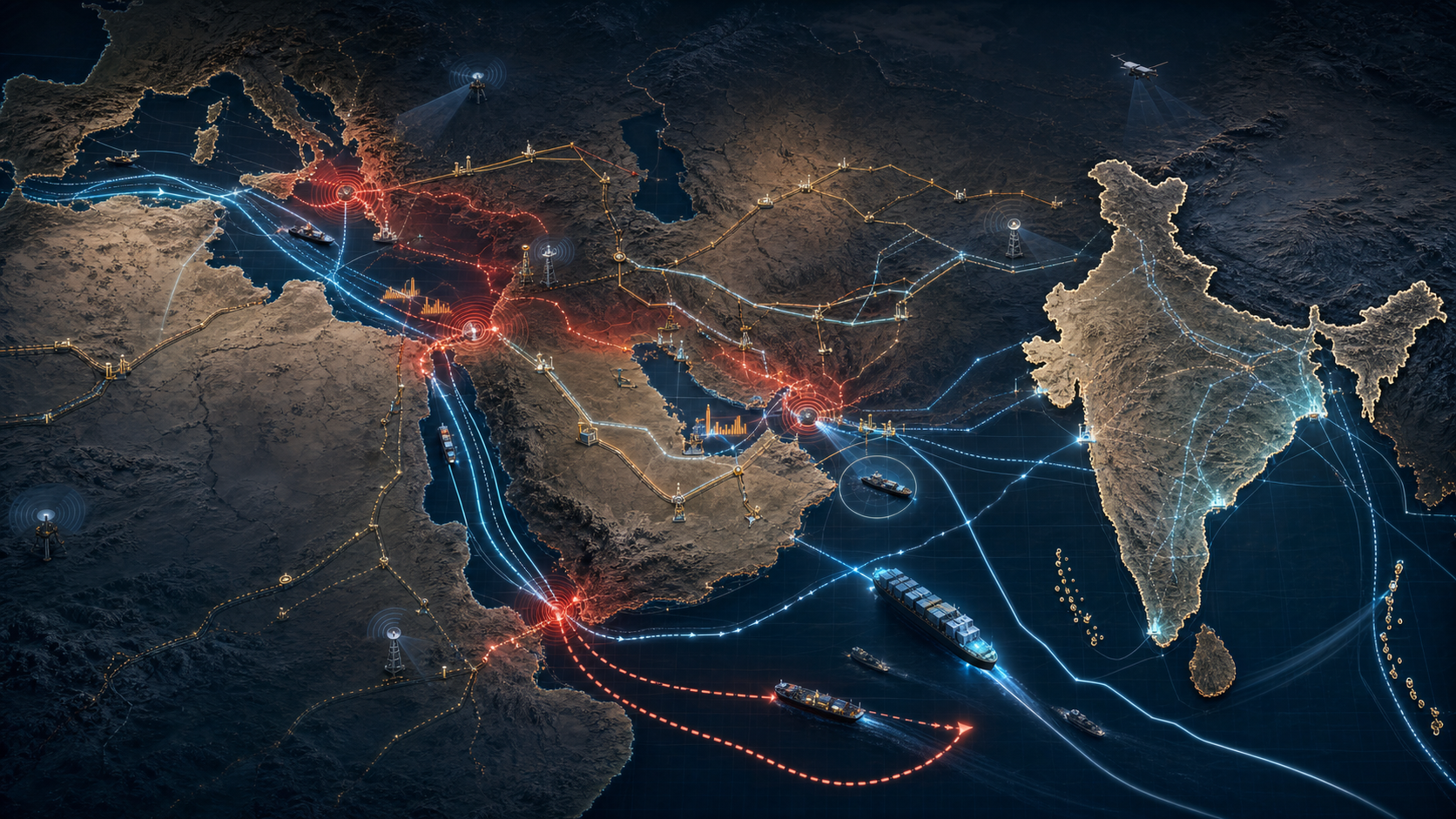
- Commercial shipping through the Strait of Hormuz is likely to remain severely constrained over the next 0-14 days, while a complete physical closure is unlikely. Kpler data recorded about five vessels per day over the weekend, down from 14 on Friday. The Saudi-owned VLCC Sidr and the Liberian-flagged VLCC Senegal Prosperity were reportedly struck by three projectiles near Khasab, and Iranian media reported that a Saudi tanker was stopped. US officials claim internationally recognised shipping lanes were cleared of mines, but Iran asserts control over navigation and claims that 30 vessels have been prevented from transiting since 22 August. The status of the strait is therefore contested, and the cause of the tanker incidents remains unconfirmed. (Confidence: medium · ASSESSED)
- I&W: CONFIRM: Kpler or equivalent vessel-tracking data records five or fewer daily transits for another seven-day period, alongside another named tanker attack or stoppage near Khasab. (0-14 days)
- I&W: BREAK: Daily traffic returns to at least 14 vessels, including large crude carriers, and multiple major operators complete outbound transits without new reported attacks. (0-14 days)
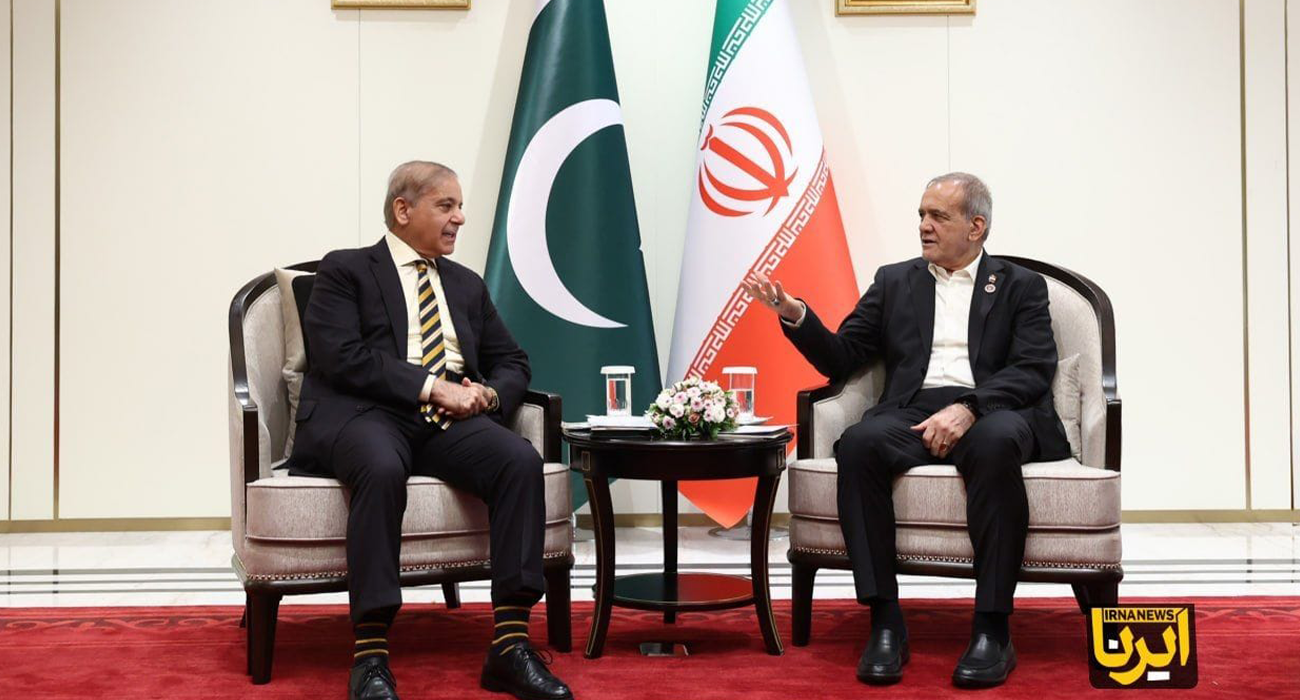
- A broad US-Iran de-escalation is unlikely over the next 0-14 days, while diplomatic contact is likely to continue. Qatar, Pakistan and Oman remain involved in communication efforts, but mediators have so far failed to secure a deal to reopen the Strait of Hormuz. Pezeshkian has said Iran is willing to resume ceasefire talks if the United States honours the June agreement, and Esmaeil Baghaei has said the diplomatic window remains open. These messages are offset by Trump's threats of further strikes and his reported unwillingness to speak with Iran's leadership. The assessment rests on competing public signals rather than evidence of a functioning negotiation. (Confidence: medium · ASSESSED)
- I&W: CONFIRM: Qatar, Pakistan or Oman convenes a new US-Iran meeting that produces agreed technical arrangements for Hormuz or a written ceasefire mechanism. (0-14 days)
- I&W: BREAK: The United States and Iran exchange further strikes while mediation efforts produce no joint statement or operational agreement. (0-14 days)
- Regional spillover is likely to persist over the next 0-14 days, with Jordan, the United Arab Emirates, commercial shipping and Gaza already affected. Iran's attacks targeted US bases in Jordan, while the UAE reported intercepting an Iranian drone over its territorial waters. The UAE incident remains disputed because Iranian reporting described a strike on Al Minhad air base and the UAE denied that account. In Gaza City, Israel reported capturing a senior Hamas figure, while Palestinian sources said the operation was exposed and Israeli-backed forces retreated. Local medics reported that Israeli air strikes in western Gaza City killed at least two children and a woman, with a separate report of a child killed in central Gaza. Confidence is medium because the UAE incident and the Gaza raid outcome rely on conflicting accounts. (Confidence: medium · ASSESSED)
- I&W: CONFIRM: Within 0-14 days, Iran launches another named missile or drone operation against Jordan or the UAE, or Israel reports another operation in Gaza accompanied by independently reported civilian casualties. (0-14 days)
- I&W: BREAK: Jordan and the UAE report no new Iranian launches or interceptions, and both Israeli and Palestinian sources report no new Israeli operation in Gaza for 14 consecutive days. (0-14 days)
- Energy-market stress is very likely to persist over the next 0-14 days and likely over 1-3 months, while the direction of daily oil-price movements is roughly even chance. Brent crude has approached USD 92 per barrel. Tanker hire costs have reached about USD 220,000 per day on an Oman-to-China route, while ships carrying Saudi cargoes to China reportedly earned USD 656,000 per day on 28 August. Rerouting around Africa and the Cape of Good Hope, elevated insurance costs and reduced Hormuz traffic will sustain pressure. The different tanker-rate figures indicate route and timing uncertainty, which lowers confidence in any single market-price estimate. (Confidence: medium · ASSESSED)
- I&W: CONFIRM: Brent remains at or above USD 92 per barrel, or tanker hire remains at or above USD 220,000 per day, while Hormuz traffic stays below 14 vessels per day. (0-14 days)
- I&W: BREAK: Brent falls below USD 90 per barrel and daily Hormuz traffic reaches at least 14 vessels for seven consecutive days without a new tanker attack. (0-14 days)
Outlook & scenarios
Contained reciprocal strikes and prolonged Hormuz disruption (55%)
US and Iranian forces exchange further limited strikes without a sustained campaign against additional regional states. Iran maintains pressure on shipping, traffic remains near the recent level of about five vessels per day, and Qatar, Pakistan and Oman keep communication channels open without securing a reopening agreement. Brent and tanker rates remain elevated.
Conditional ceasefire and managed reopening (25%)
Qatar, Pakistan and Oman broker a new US-Iran arrangement based on Pezeshkian's demand for compliance with the June agreement. The arrangement establishes technical rules for Hormuz, reduces attacks on commercial vessels and allows traffic to rise gradually. Public threats continue, but the parties avoid further direct strikes.
Wider regional escalation (15%)
Iran launches additional missiles or drones against US positions in Jordan or the UAE, while further unidentified attacks hit commercial vessels near Khasab. Israeli operations in Gaza continue during the same period. Gulf governments increase air-defence activity and diplomatic condemnation, narrowing the space for mediation.
Hormuz closure and severe energy shock wildcard (5%)
Repeated attacks, confirmed mining activity or additional vessel seizures reduce commercial traffic towards zero. Iran and the United States continue to contest control of the waterway, mediators fail to establish operating rules, and tanker costs and oil prices rise sharply from already elevated levels. This is a low-probability, high-impact outcome.
Recommendations
- Maintain a 24-hour incident ledger that separates the 30 August US strike on Larak Island, the subsequent Iranian attack on US bases in Jordan, and the 31 August tanker incidents near Khasab. Record local and UTC dates, named vessels, locations, weapons and reported casualties.
- Treat the status of the Strait of Hormuz as contested rather than fully closed. Before using closure language, require an official navigation update and independent vessel-tracking evidence showing whether traffic has stopped or merely fallen sharply.
- Prioritise collection on the two Saudi-oil tanker incidents. Seek confirmation of the identities, damage, crew condition and attack locations of Sidr and Senegal Prosperity, and keep responsibility unattributed until independent evidence resolves the unknown-projectile reporting.
- Track the next public and private moves by Masoud Pezeshkian, Esmaeil Baghaei, Donald Trump, Qatar, Pakistan and Oman. Give priority to evidence of a written ceasefire, agreed Hormuz operating rules or a confirmed negotiating venue over general statements supporting diplomacy.
- Keep the Gaza City raid assessment separate from the wider US-Iran escalation. Seek independent confirmation of the reported Hamas capture, the alleged Israeli-backed force withdrawal and the competing claims over Israeli casualties.
- Update the energy-risk dashboard daily with Brent crude, Hormuz transit counts, tanker hire rates and rerouting decisions. Flag any combination of Brent at or above USD 92 per barrel, hire costs at or above USD 220,000 per day and traffic below 14 vessels per day as evidence of sustained market stress.
- Review reporting on the UAE incident against the competing accounts of an intercepted Iranian drone and an alleged strike on Al Minhad air base. Do not treat either outcome as confirmed without independent corroboration.
Confidence & uncertainty
Overall confidence is high for the core reported developments because the Larak strike, Iranian missile attack on US bases in Jordan, tanker incidents near Khasab and reduced Hormuz traffic are supported by multiple major-media, wire-service, UKMTO, Kpler and maritime trade reports. Confidence is lower for attribution, the exact timing and geographic scope of the Iran retaliation, the physical status of the strait, the UAE incident and the outcome of the Gaza City raid. These uncertainties affect the forward-looking judgements but do not materially weaken the assessment that direct hostilities and severe shipping disruption have resumed.
Intelligence gaps
- [EEI 1.1 · PARTIAL] Detection and characterization of ballistic/cruise missile or rocket launches originating from Iranian territory or from Iran-controlled positions in Iraq/Syria (time, launch coordinates, missile type, flight trajectory/impact area). Recommended collection: satellite/imagery
- [EEI 1.2 · UNCOVERED] Movements and posture changes of Iran-backed proxy forces (Hezbollah units in Lebanon, militias in Syria/Iraq): concentrations of personnel, transport of rocket/artillery launchers, visible logistics build-up within operational range of Israel. Recommended collection: human/intel
- [EEI 1.3 · UNCOVERED] Israeli defensive and offensive posture changes: reservist call-ups, mobilization orders, sorties/airstrikes attributed to Israel, and domestic activation of missile-defense systems (locations and activation times). Recommended collection: open-source/media
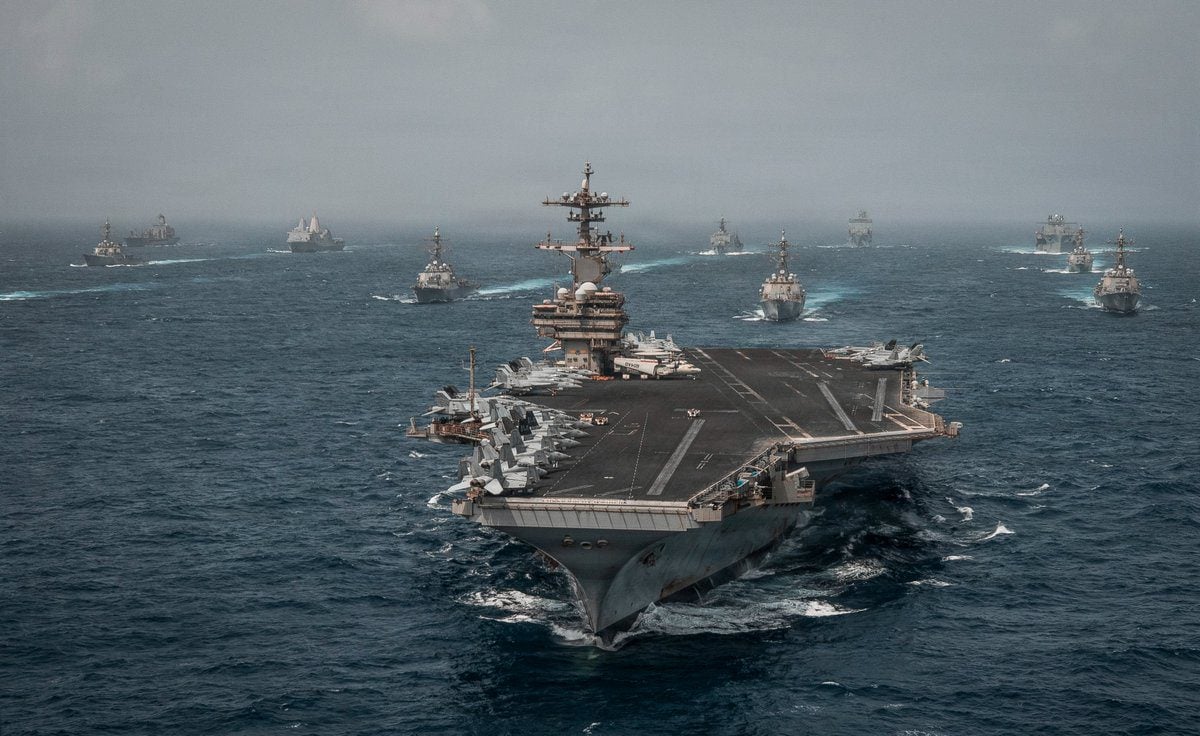
- [EEI 2.1 · UNCOVERED] Movements and tasking changes of external military assets: carrier strike groups, amphibious ready groups, expeditionary air wings, or ballistic-missile defense units into the Eastern Mediterranean, Persian Gulf, or Red Sea (vessel/aircraft IDs, routing, on-station times). Recommended collection: maritime/AIS
- [EEI 2.2 · UNCOVERED] Formal diplomatic/military actions: evacuation orders or embassy closures, public troop posture statements, bilateral/multilateral defense commitments announced, requests for overflight or basing rights in regional states. Recommended collection: diplomatic
- [EEI 2.3 · UNCOVERED] Changes to force protection or alert levels at foreign bases in the region (e.g., US bases in Kuwait, Qatar, UAE; Russian bases in Syria): activation of additional air defenses, curfews, or reinforcement shipments (personnel/equipment manifests). Recommended collection: signals/intel
- [EEI 3.2 · PARTIAL] Changes in crude oil and refined product flows from key terminals (reported tanker loading delays, terminal closures, throughput volumes at Kharg, Mina al-Ahmadi, Ras Tanura, and major Gulf ports compared to baseline). Recommended collection: commercial/ports
- [EEI 3.3 · PARTIAL] Market and insurance indicators: sudden spikes in war-risk or hull insurance premiums for Middle East routes, large moves in regional FX/stock indices, and notable changes in commodity futures (oil, freight rates) tied to regional risk perceptions. Recommended collection: financial/transactional
Cited sources
[1] gCaptain (republishing Reuters) · Trump Vows to Hit Iran Hard After First Exchanges of Fire in a Month (A) · Mon Aug 31 2026 19:33:43 GMT+0000 (Coordinated Universal Time) · sha256:f3f408ca06e9 [2] anewz.tv · U.S., Iran exchange attacks in latest escalation (B) · Mon Aug 31 2026 20:57:00 GMT+0000 (Coordinated Universal Time) · sha256:bffc1b2171ba [3] gCaptain · Tanker Struck by Three Projectiles on Omani Side of Strait of Hormuz (C) · Mon Aug 31 2026 21:44:39 GMT+0000 (Coordinated Universal Time) · sha256:77ca60818d45 [4] The National · Saudi and Omani leaders discuss regional security as Iran war escalates (A) · Tue Sep 01 2026 13:41:45 GMT+0000 (Coordinated Universal Time) · sha256:ed43c01c33f1 [5] The Maritime Executive · CENTCOM Says Iran Attempts to Intimidate Shipping with False Reports (C) · sha256:f0c7d375c2ff [6] Sunday Guardian Live · US-Israel-Iran War Latest Live News: 'We Appreciate Your Support,' Iran’s President Thanks Putin For Russia's Backing as Saudi Crown Prince, Oman’s Sultan Discuss Regional Security (B) · Tue Sep 01 2026 13:34:45 GMT+0000 (Coordinated Universal Time) · sha256:6bca708682bb [7] allAfrica · Africa: Wars, Humanitarian Crises, Economic Rivalries and Natural Disasters Shape the World (B) · Tue Sep 01 2026 04:10:14 GMT+0000 (Coordinated Universal Time) · sha256:05159a26c87b [8] gCaptain (licensed Reuters reporting) · Two Tankers Carrying Saudi Oil Attacked in Strait of Hormuz (A) · Tue Sep 01 2026 12:25:45 GMT+0000 (Coordinated Universal Time) · sha256:98154e0dbe40 [9] TV7 Israel News · Global Oil Prices & Economic Realities of the Blockade (B) · sha256:1a5a7aca6c79 [10] Arab News · Pakistan PM meets Pezeshkian in Bishkek, urges restraint amid latest US-Iran flare-up (A) · Mon Aug 31 2026 14:03:24 GMT+0000 (Coordinated Universal Time) · sha256:86fa1b05d654 [11] BBC News · Israel says senior Hamas member seized as strikes kill three during Gaza raid (A) · Tue Sep 01 2026 10:40:55 GMT+0000 (Coordinated Universal Time) · sha256:3243830faa1f [12] gCaptain (republishing Bloomberg reporting) · Oil Tankers Make Fortunes During War as Sinokor Dominates (B) · Mon Aug 31 2026 16:13:10 GMT+0000 (Coordinated Universal Time) · sha256:183771e6a6f7 [13] India Foundation · The Geopolitics of Proxy Warfare in the Indo-Mediterranean: Security, Connectivity, and Economic Consequences (C) · Tue Sep 01 2026 07:26:33 GMT+0000 (Coordinated Universal Time) · sha256:f095c118ac3f
Source content hashes were computed at collection time; the cited text is preserved unmodified for the life of this product.
TLP:CLEAR