TLP:CLEAR · Disclosure is not limited.
US, Iran: Strikes, shipping threats and a fragile MoU in the Strait of Hormuz
Time window: Last 7 days · Audience: General analyst · Type: Situation report · DTG: 2026-06-28 00:19Z · Overall confidence: MEDIUM
BLUF
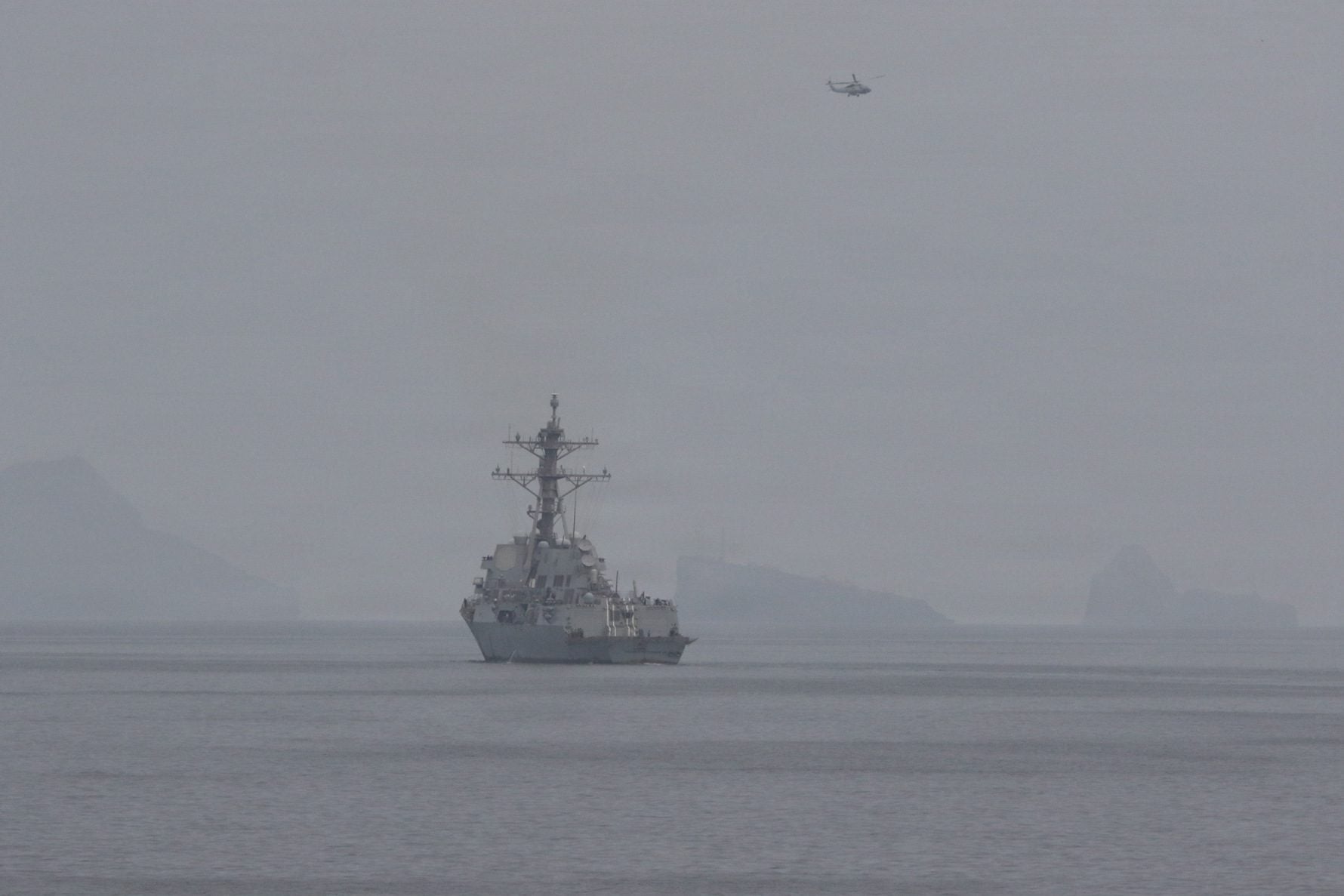
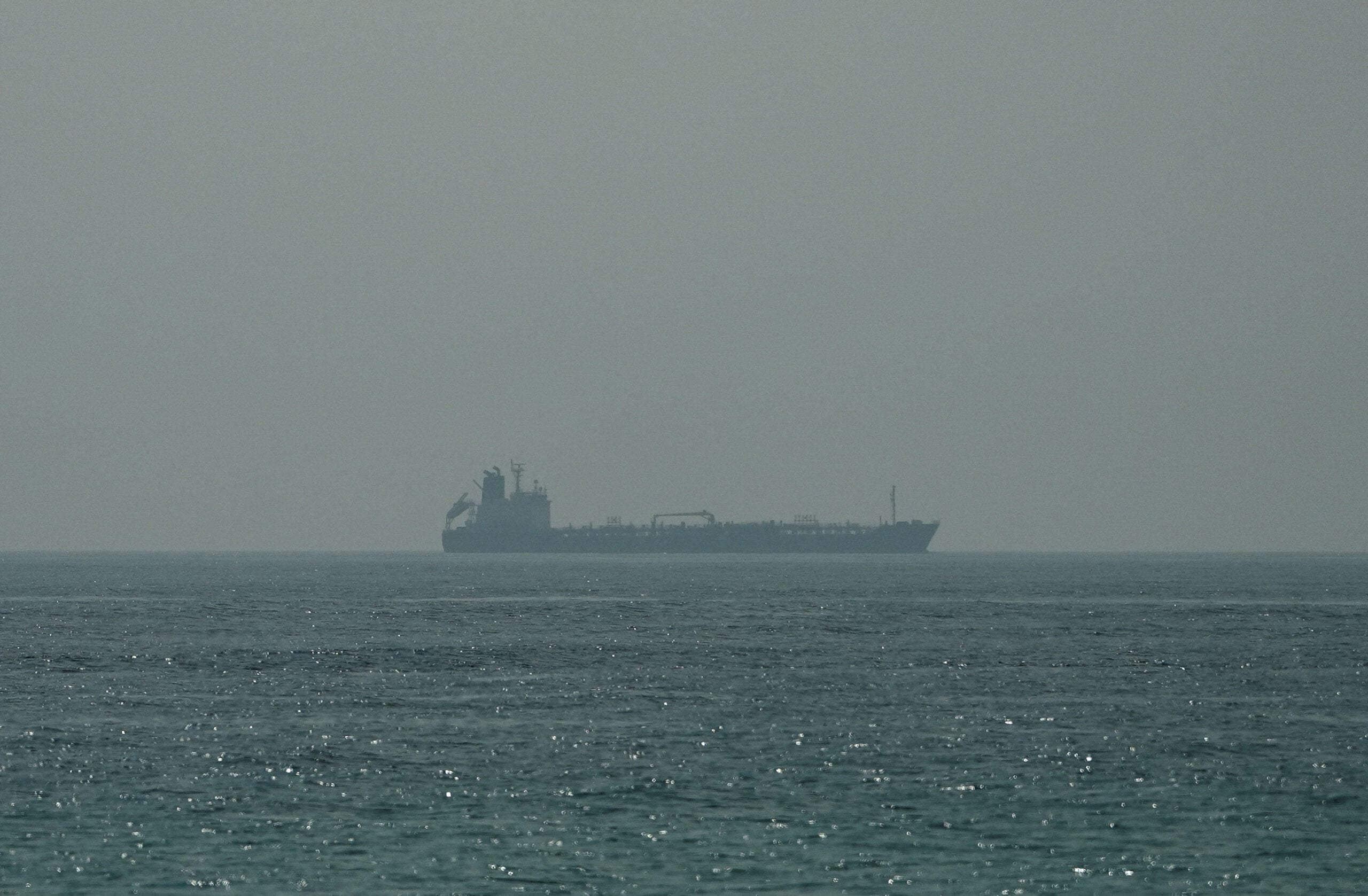
US forces struck Iranian missile, drone and radar sites on 26-27 June after a tanker was hit near Hormuz; Iran claimed retaliatory attacks and Bahraini authorities reported several Iranian drones landing. The Joint Maritime Information Center now rates the shipping threat as substantial even as some oil flows resume, and mutual claims of MoU violations point to a very likely unravelling of the ceasefire framework.
Executive summary
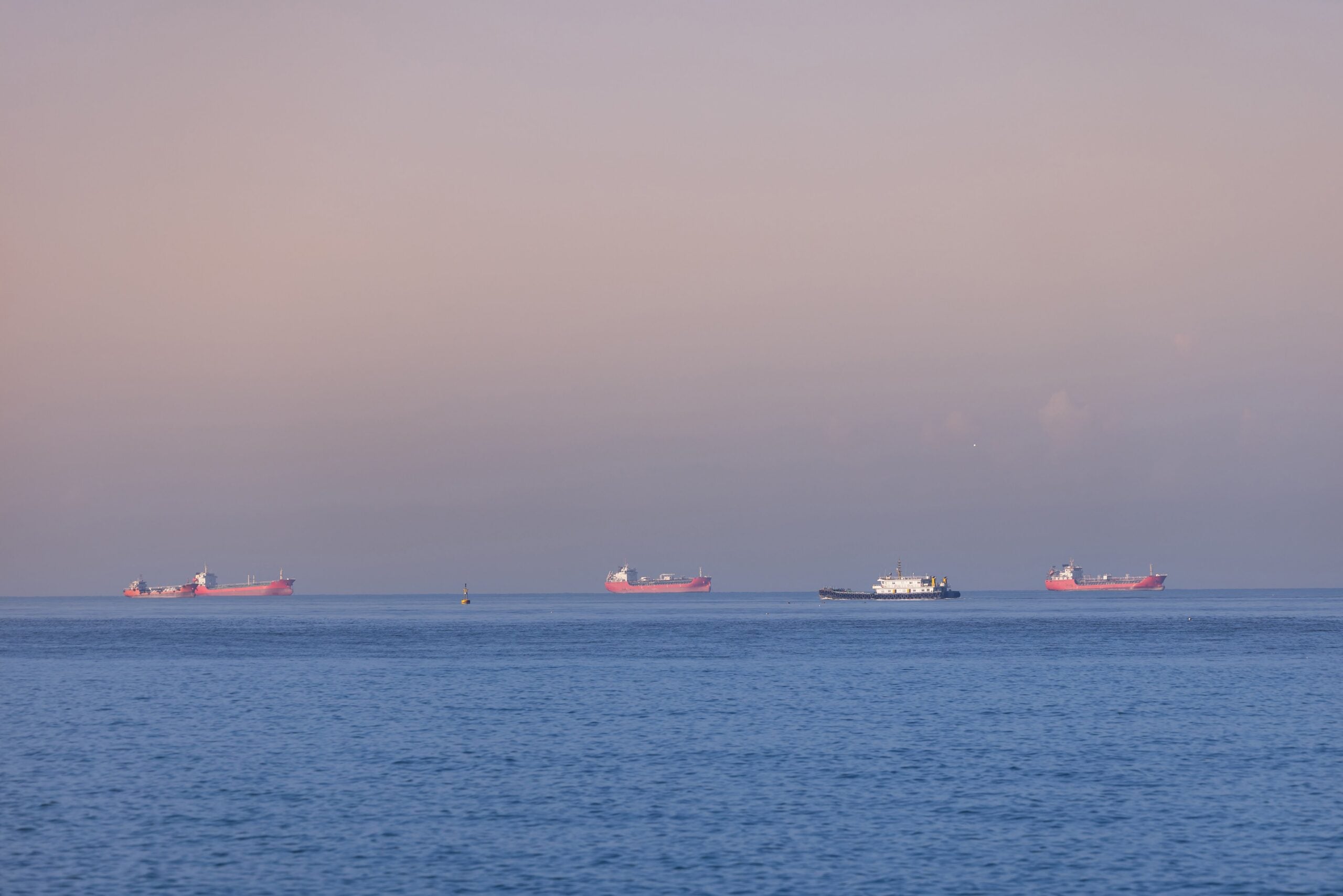
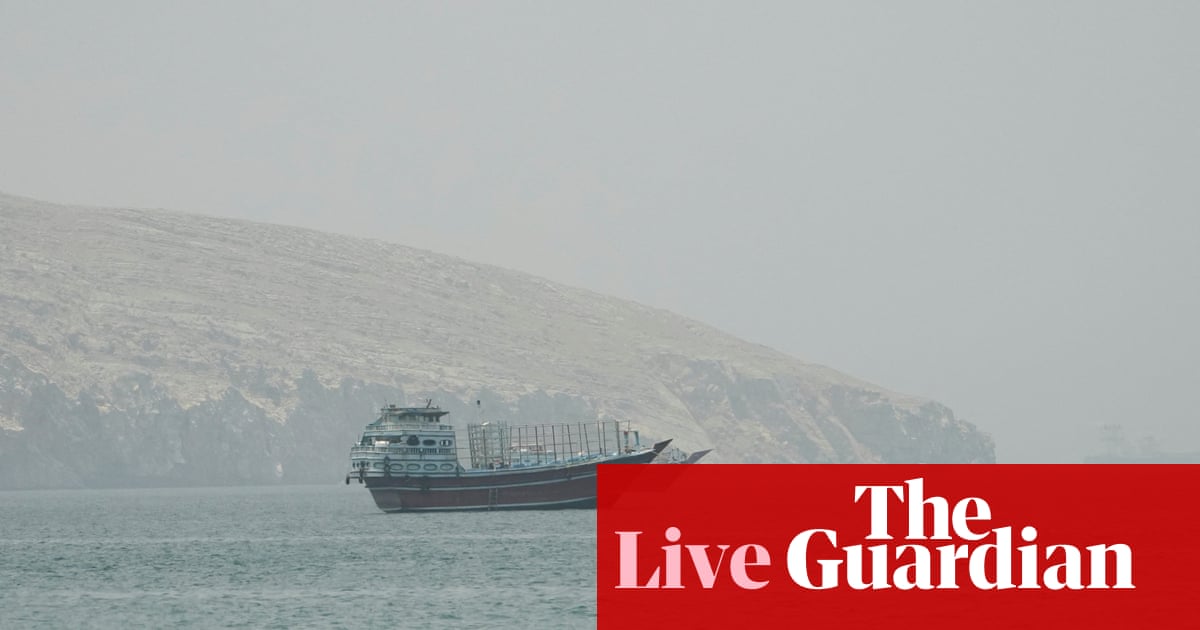
Across 26-27 June, US Central Command conducted airstrikes against Iranian military infrastructure along Iran’s southern coast following the reported strike on a tanker transiting the Strait of Hormuz. Iran’s Islamic Revolutionary Guard Corps said it attacked US military positions and Iran’s foreign ministry framed its actions as defensive, while Bahrain reported several Iranian drones landing on its territory and accused Tehran of breaching the ceasefire. Maritime risk escalated, with the Joint Maritime Information Center raising its threat level to substantial after fresh incidents, mines reported near Oman and the UN’s International Maritime Organization pausing plans to move stranded vessels. Despite this, Saudi ports reopened and exports have recovered to roughly three-quarters to four-fifths of pre-war levels. Politically, the recently announced Islamabad Memorandum is under visible strain amid mutual violation claims and renewed hostilities in Lebanon, while US congressional scrutiny and domestic cost pressures have intensified.
Key judgments
- Almost certainly, US forces conducted consecutive strikes against Iranian targets on 26-27 June after a tanker attack in the Strait of Hormuz, and Iran responded with attacks on US‑linked positions while several Iranian drones landed in Bahrain. (Confidence: high · REPORTED)
- I&W: Confirm: CENTCOM issues further strike summaries or imagery naming additional Iranian coastal targets in Hormozgan. (0-14 days)
- I&W: Break: Parallel US and Iranian statements publicly reaffirming the Islamabad MoU with a pause in cross‑border fires. (0-14 days)
- Very likely, the Islamabad Memorandum and its ceasefire are fraying, with Tehran accusing Washington of explicit violations, Bahrain accusing Iran of breaching the ceasefire, and officials noting the agreement was undermined by renewed hostilities in Lebanon. (Confidence: medium · ASSESSED)
- I&W: Confirm: Either government formally suspends or withdraws from implementing provisions of the Islamabad MoU. (0-14 days)
- I&W: Break: Oman and Iran publicly announce and hold working‑level talks on operating the waterway and associated costs. (0-14 days)
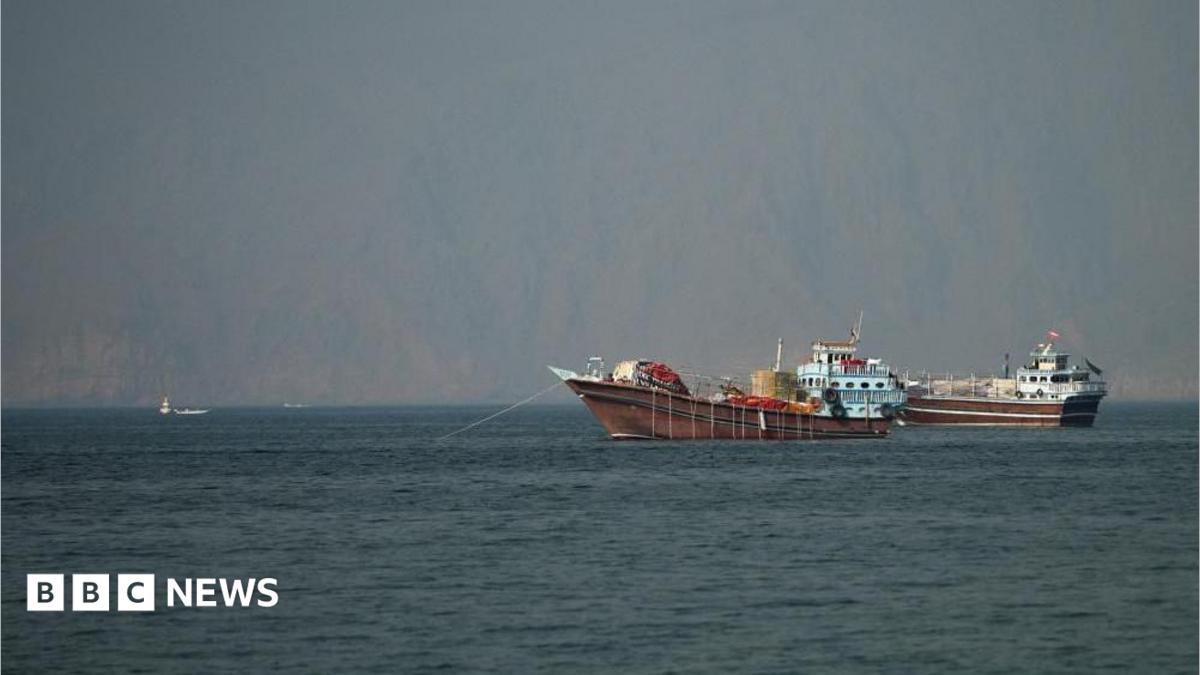
- Very likely, the maritime threat to shipping in and around the Strait of Hormuz will remain substantial in the near term, despite partial restoration of exports, given recent drone and projectile strikes on tankers, mine hazards, and the Joint Maritime Information Center’s raised threat level. (Confidence: high · ASSESSED)
- I&W: Confirm: JMIC maintains a 'substantial' threat level or reports another attack or mine warning via UKMTO. (0-14 days)
- I&W: Break: IMO lifts its hold on moving stranded ships after announcing safety guarantees for evacuation transits. (0-14 days)
- Likely, Tehran will try to turn demining obligations and insurance or fee discussions into greater administrative control over Hormuz transit, clashing with US and GCC positions that demand toll‑free passage. (Confidence: medium · ASSESSED)
- I&W: Confirm: Iran or Oman publish a notice requiring vessel insurance applications or trial fees for transits. (1-3 months)
- I&W: Break: Oman and GCC jointly restate rejection of any tolls or fees for the Strait of Hormuz. (0-14 days)
- Likely, US domestic political and economic pressures will constrain sustained escalation absent further attacks, given a recent war powers resolution, New Democrat Coalition demands for briefings and relief, high fuel prices, and officials signalling no return to large‑scale combat operations. (Confidence: medium · ASSESSED)
- I&W: Confirm: Congressional hearings or additional resolutions on the strikes or MoU oversight are scheduled. (0-14 days)
- I&W: Break: CENTCOM announces a broadened target set or an extended multi‑day air campaign. (0-14 days)
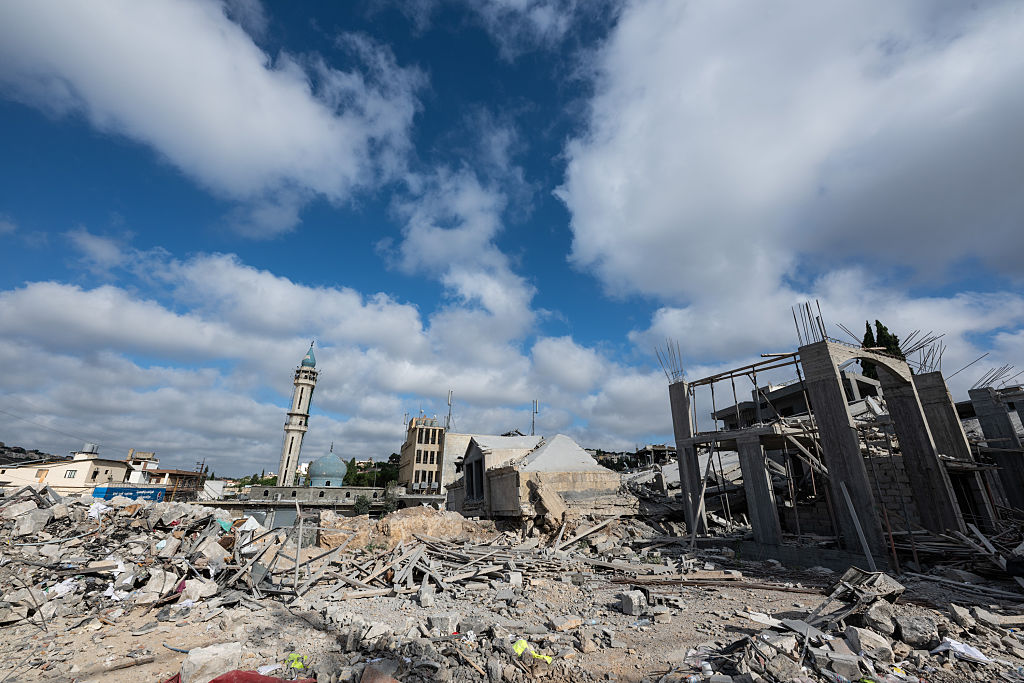
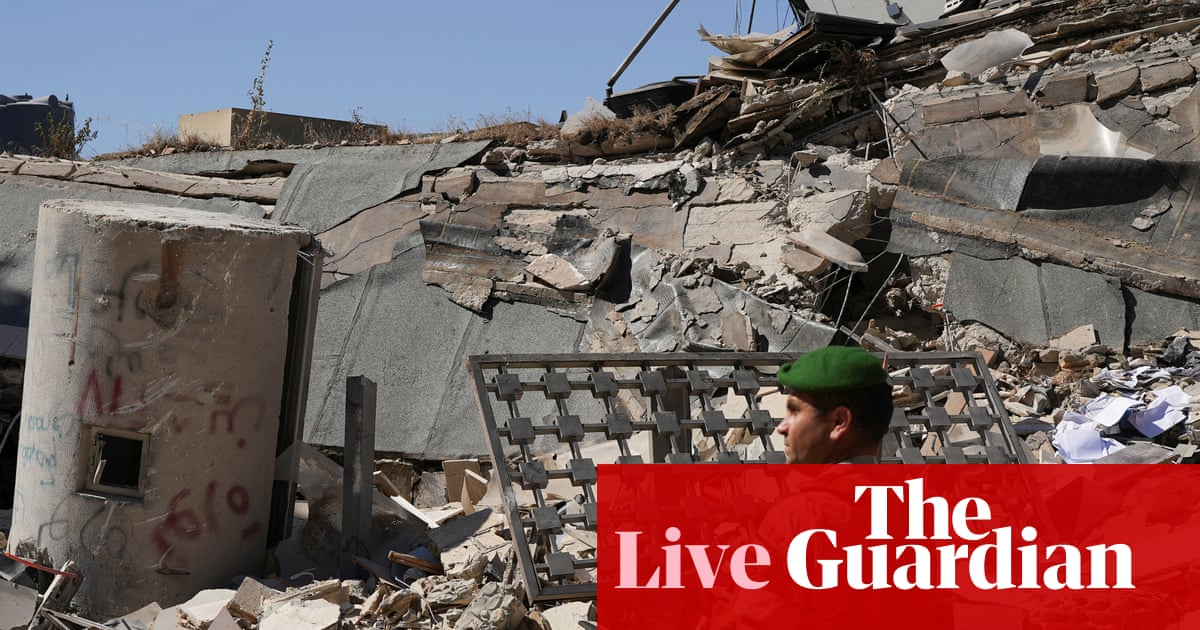
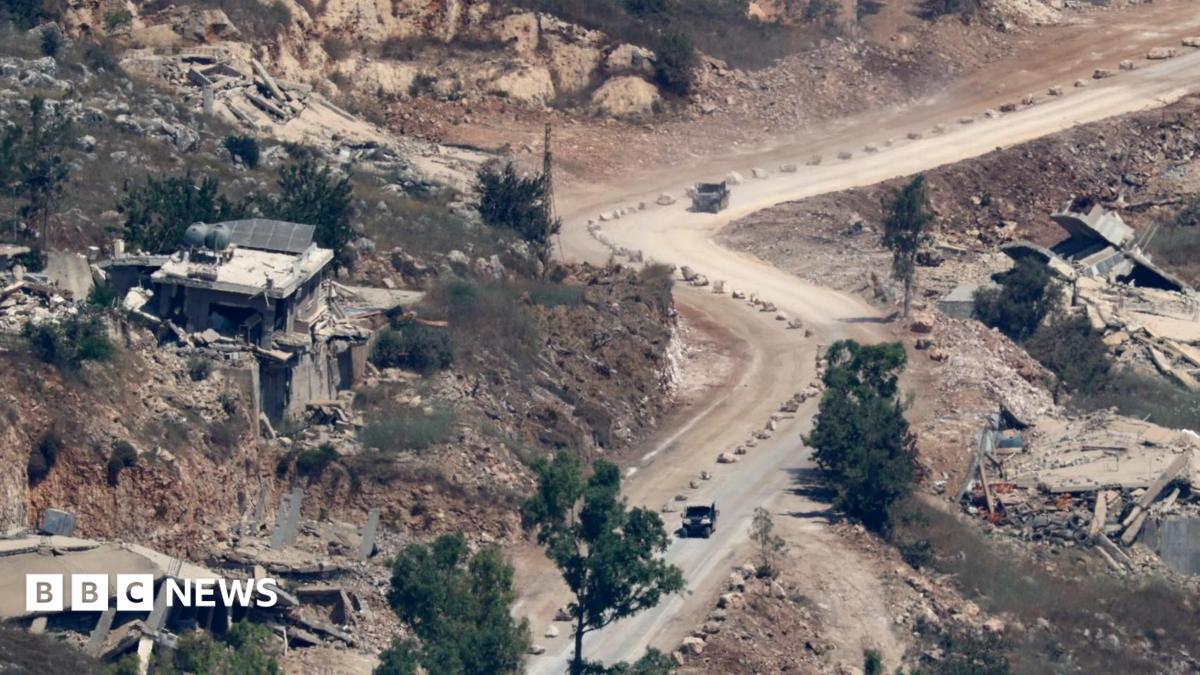
- Likely, continued violence in Lebanon will keep pressure on the MoU by increasing the risk of miscalculation and reciprocal breach accusations between Washington and Tehran. (Confidence: medium · ASSESSED)
- I&W: Confirm: Additional Israeli strikes in southern Lebanon with casualty figures released by Lebanese authorities. (0-14 days)
- I&W: Break: Public de‑escalation statements by Israeli leadership paired with a measurable pause in cross‑border attacks. (1-3 months)
Outlook & scenarios
Managed tit‑for‑tat, no large‑scale return to war (60%)
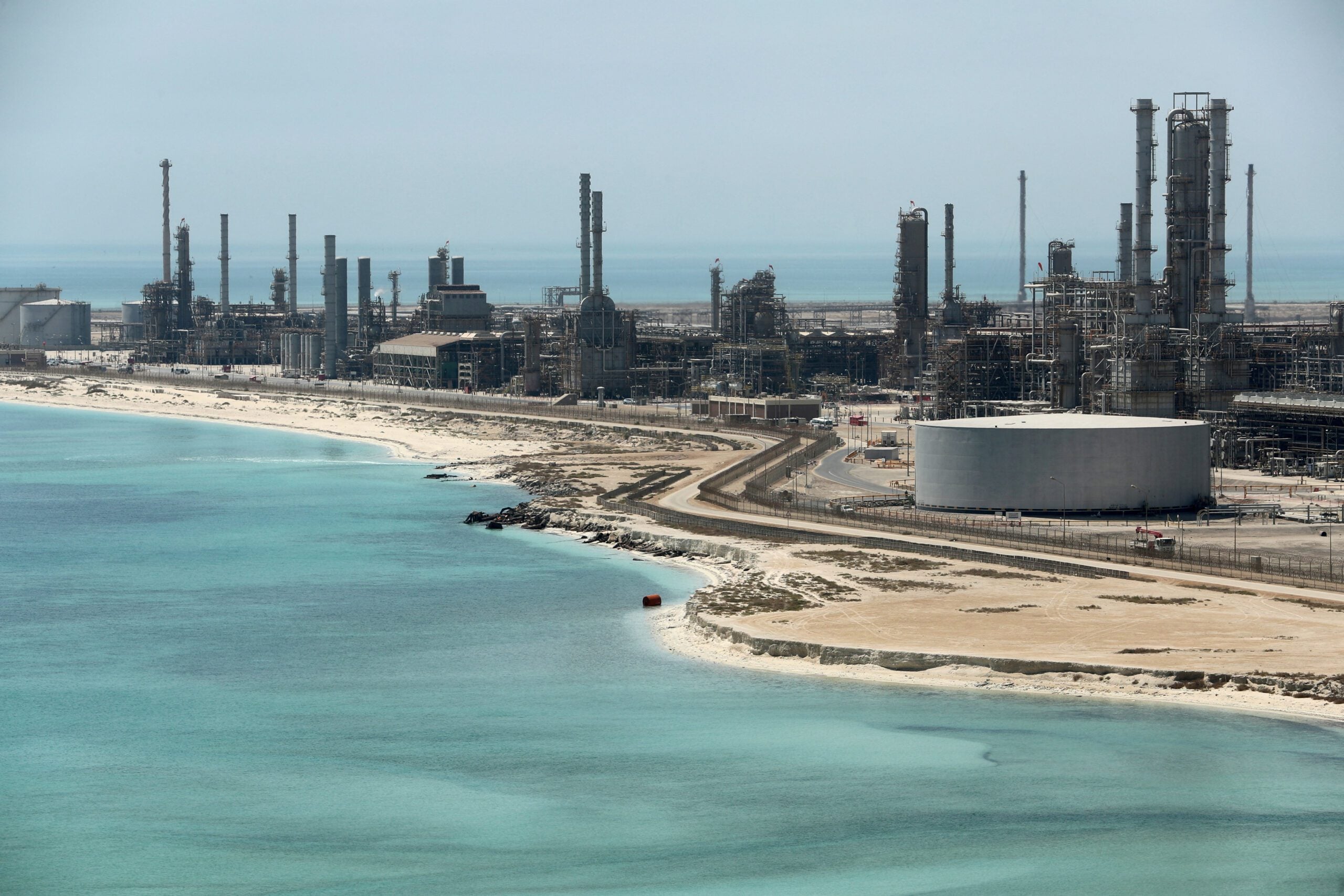
US and Iranian forces continue limited reciprocal strikes tied to discrete maritime incidents, while officials reiterate that operations do not mark a return to large‑scale combat. The Joint Maritime Information Center keeps the threat at substantial, but oil shipments gradually continue from Ras Tanura and via Red Sea outlets, holding exports around three‑quarters to four‑fifths of pre‑war levels. The MoU remains in name but is functionally hollow.
Broader regional flare‑up around Hormuz and Gulf hosts (35%)
Another tanker attack or mine incident triggers heavier US salvos on Iran’s coastal infrastructure. Iran’s Revolutionary Guard executes additional strikes on US installations or US‑associated sites, and more drones enter Bahraini or other Gulf airspace. JMIC maintains or raises its threat level, and the IMO keeps evacuation plans on hold. Shipping insurers widen exclusions and transits slow again.
Fragile stabilisation under a contested MoU (25%)
Oman and Iran convene working‑level talks on waterway operations that help reduce incidents and marginally lower the maritime threat. The IMO restarts limited movements of stranded ships. Oil flows rise closer to pre‑war levels. Both sides still trade accusations of past breaches, and Lebanon remains a pressure point, but overt cross‑border strikes ebb.
Wildcard: Fees and insurance regime triggers a maritime standoff (15%)
Iran, with or without Omani alignment, announces insurance or transit fee requirements tied to demining and traffic coordination. Washington and GCC states reject any tolls, prompting confrontations over routing and authorisations. Maritime risk spikes, and energy prices rebound despite Saudi efforts to boost exports.
Recommendations
- Maintain a daily log of official releases from CENTCOM and Iran’s foreign and defence bodies on strikes, pairing them with time‑stamped geolocations around Sirik and Tahrui to refine a validated strike chronology.
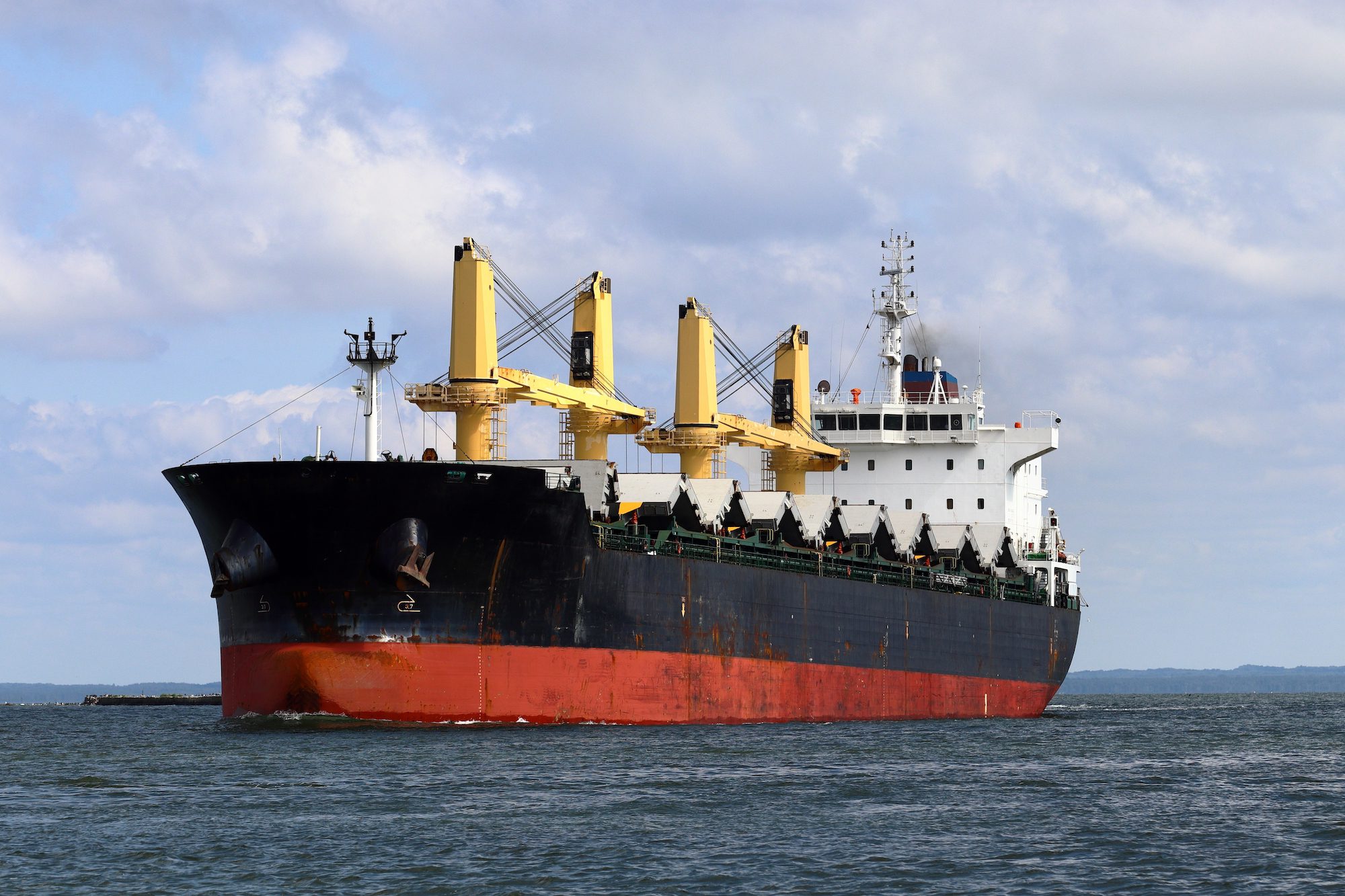
- Fuse UKMTO and Joint Maritime Information Center alerts with AIS tracks for VLCCs at Ras Tanura and bulk carriers like the Lowlands Corso transiting Hormuz; flag vessels with US links or Panama flags for elevated watch.
- Exploit NASA VIIRS/FIRMS thermal detections to corroborate reported explosions along Iran’s southern coast and near port facilities, noting that thermal signatures record heat, not cause.
- Track Oman’s public communiqués and GCC statements for any movement on tolls, insurance or cost‑sharing in the strait; prepare a decision note contrasting these with US positions on toll‑free passage.
- Brief leadership on MoU viability indicators: mutual violation claims, any formal suspension notices, and whether Oman, Iran waterway talks are convened or delayed.
- Monitor congressional calendars and outputs related to war powers and Iran, alongside New Democrat Coalition correspondence; prepare rapid‑response materials for senior readers highlighting domestic constraints on sustained operations.
- Update travel and force‑protection advisories for personnel and contractors in the UAE in line with FAA and State Department cautions about armed conflict and terrorism risk.
- Sustain an energy and shipping dashboard that tracks: JMIC threat level, UKMTO incidents, IMO evacuation posture, and export volumes from Saudi Persian Gulf and Red Sea ports.
Confidence & uncertainty
Multiple independent and generally reliable sources corroborate the core reporting: CENTCOM statements and major media confirm US airstrikes on 26-27 June, Iranian claims of retaliatory attacks, and Bahraini reporting of Iranian drones landing. Maritime threat elevation by the Joint Maritime Information Center, coupled with UKMTO and IMO actions, is consistently reported. That said, elements of the picture remain contested or politically framed, including mutual accusations of MoU violations and fee or insurance narratives around Hormuz. There are also timeline discrepancies in some shipping incident reports across years in the dataset. These factors support a headline confidence of medium rather than high.
Alternative analysis (red cell)
The reporting record is internally inconsistent on timing, attribution, and intent across multiple incidents; a defensible alternative is that attacks and responses over 26–28 June represent a cluster of related but disputed incidents with ambiguous attribution and timing rather than a clear, consecutive sequence of U.S. strikes followed by Iranian reprisals that conclusively undermined the Islamabad Memorandum. Similarly, negotiations over demining and fees could be routine operational talks rather than an Iranian effort to convert technical responsibilities into de facto control of the Strait. Finally, domestic political pressure in the U.S. raises costs but does not, on current evidence, demonstrate a binding constraint that would reliably prevent escalation.
Cited sources
[1] The Guardian · JD Vance says ‘violence will be met with violence’ after strikes on Iran – as it happened (A) · sha256:616bd565eea3 [2] Al Jazeera · US, Iran trade strikes: What to know, will it unravel the MoU? (A) · sha256:013385e41073 [3] aljazeera.net · أمريكا تقصف أهدافا إيرانية قرب هرمز والحرس الثوري يتهمها بنقض مذكرة التفاهم (A) · sha256:4080257829ec [4] Al Jazeera · US launches second night of strikes on Iran after ship hit by drone (A) · sha256:1872fe2fed01 [5] nypost.com · Iran says it hit US-linked targets as Bahrain reports drone attack (B) · sha256:842c2c6911d4 [6] bbc.co.uk · US strikes Iran after attack on cargo ship (A) · sha256:69b4bfb14c7a [7] globalbankingandfinance.com · US carries out fresh strikes against Iran after tanker struck in (B) · sha256:0117d0584ce8 [8] Jerusalem Post · Iran claims to strike US-linked targets, warns Gulf states not to aid attacks (B) · sha256:8cbc012c8934 [9] New Democrat Coalition · [PDF] New Dem Letter on Iran MOU - New Democrat Coalition (A) · sha256:4769f0c11087 [10] Wikipedia · 2025–2026 Iran–United States negotiations (B) · sha256:184a7e0e8c9d [11] insurancejournal.com · Bahrain Targeted, Ship Struck as Iran War Ceasefire Tested (A) · sha256:77fbafb20d78 [12] New Democrat Coalition · New Dems Demand Answers and a Clear Path Forward to Secure an Iran Peace Deal | New Democrat Coalition (A) · sha256:cfbc411c5c5e [13] gcaptain.com · Tanker Struck In Hormuz As Navies Raise Threat Level To Ships (A) · sha256:66b5a9d55f10 [14] gcaptain.com · IMO Estimates There Are 80 Mines in Hormuz’s Shipping Lanes (B) · sha256:19d28892a0d8 [15] gcaptain.com · Saudi Arabia Is Ramping Up Oil Exports As Gulf Ports Restart (A) · sha256:6a23bc687681 [16] gcaptain.com · Vitol Sails Stranded Aluminum Cargo Out Of Strait Of Hormuz (B) · sha256:3f988bac295e [17] gcaptain.com · Oman Tells Allies Ships Going Through Hormuz May Have to Pay (B) · sha256:fb3cbea18c2f [18] The Guardian · Middle East live: US-Iran peace talks underway as strait of Hormuz remains closed (A) · sha256:319747b5e4fd [19] bbc.co.uk · Israel strikes southern Lebanon as Hezbollah condemns new deal (A) · sha256:e1a7f38ce9b4
Source content hashes were computed at collection time; the cited text is preserved unmodified for the life of this product.
Red cell review: PARTIAL DISSENT
TLP:CLEAR