TLP:CLEAR · Disclosure is not limited.
US, Iran strikes widen; Israel primes options as Hormuz risk stays severe
Time window: Last 1 day · Audience: General analyst · Type: Situation report · DTG: 2026-07-13 09:43Z · Overall confidence: HIGH
BLUF
A reciprocal US, Iran strike cycle has expanded to Iranian missile and drone fire at US‑linked sites in Jordan, Bahrain and Kuwait, while Tehran claims the Strait of Hormuz is closed even as the southern route remains navigable under severe risk and depressed traffic. Israel is preparing options, making a wider regional fight likely in the near term.
Executive summary
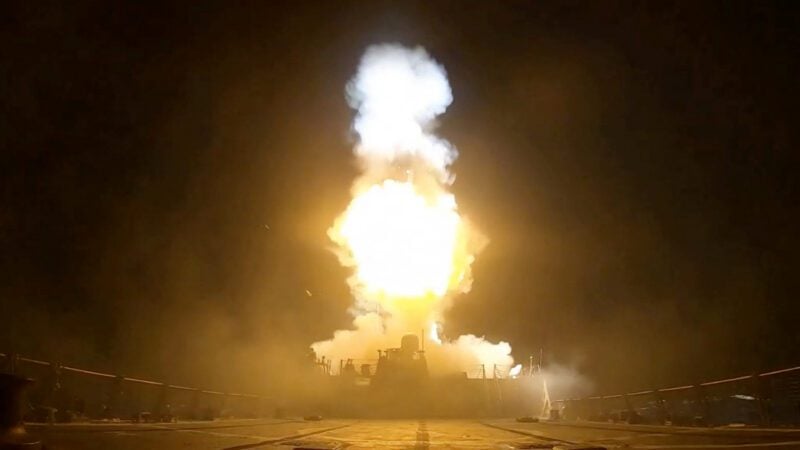
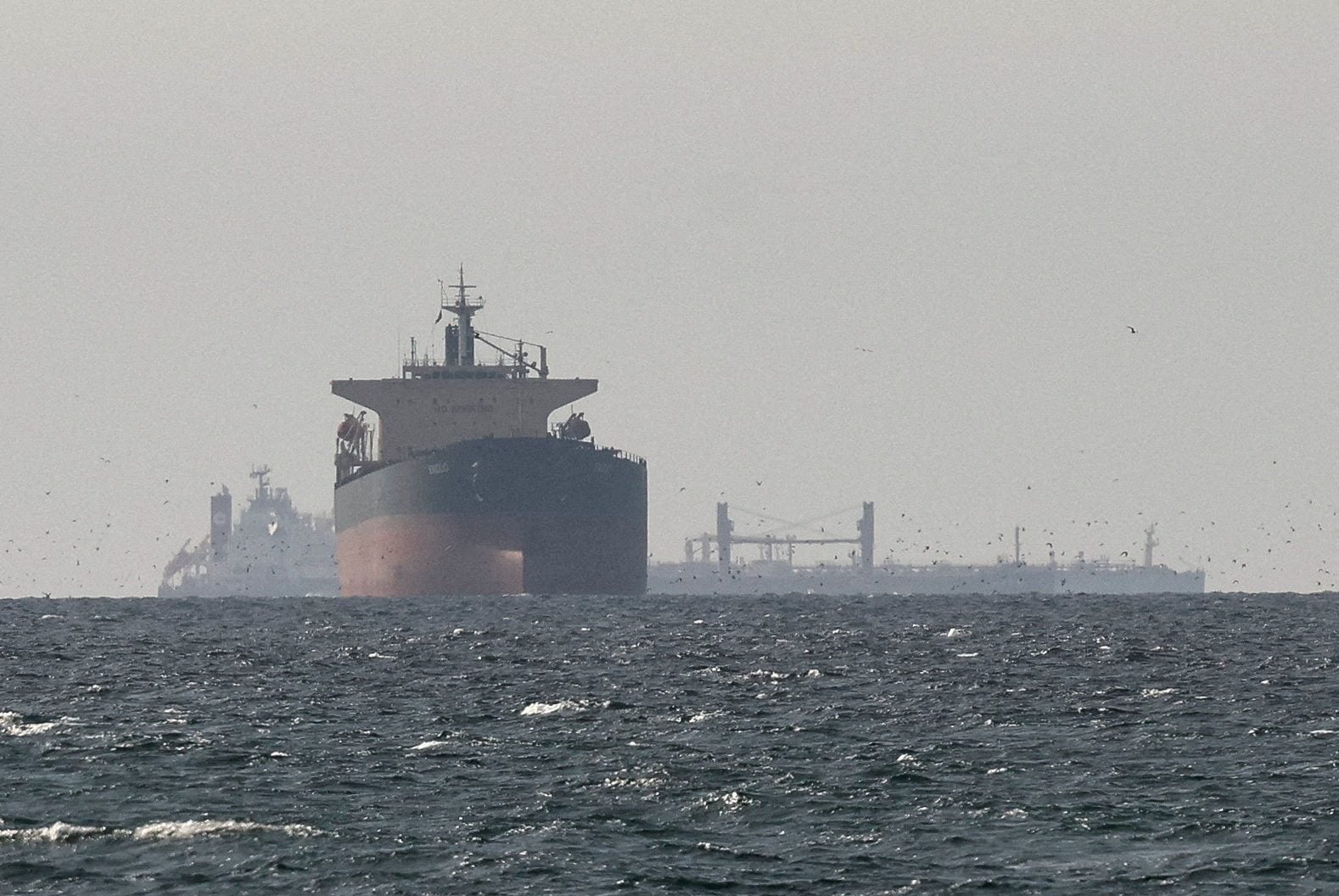
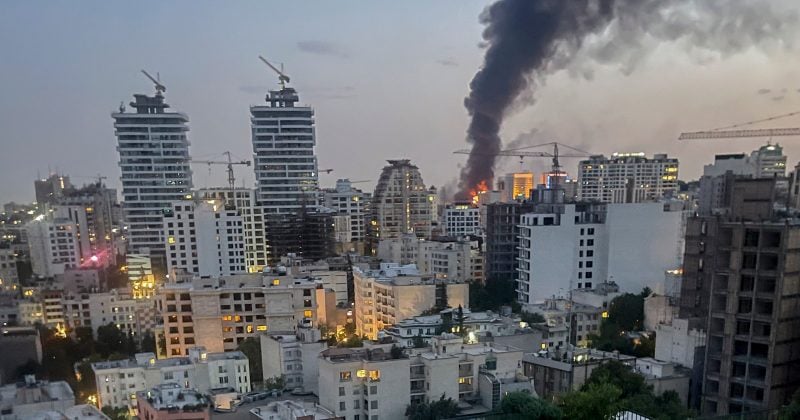
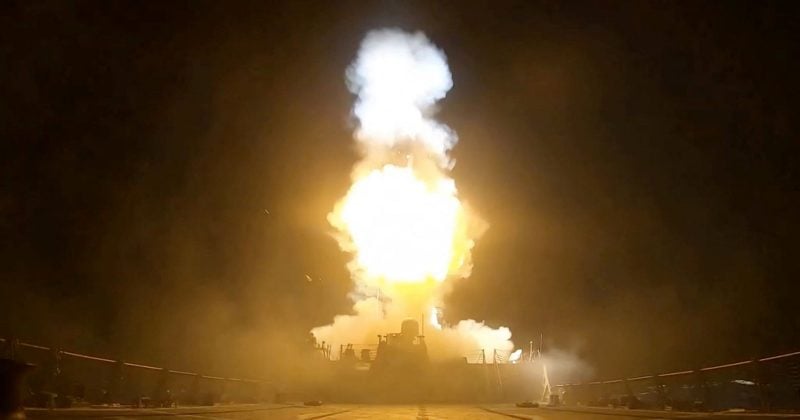
US forces have executed multiple waves of strikes inside Iran, with Central Command reporting roughly 140 targets hit after the IRGC attacked commercial shipping, and at least 18 fatalities reported in Iran. In parallel, Iran launched missiles and drones at US‑linked facilities in Jordan, Bahrain and Kuwait; Qatar intercepted inbound missiles, Jordan downed eight, and air‑raid sirens sounded in Bahrain. Tehran declared Hormuz closed and the IRGC said no vessels would be allowed through, though maritime advisories maintained the southern route as open under a severe threat level, with transits dropping to multi‑week lows and one Cyprus‑flagged container ship struck 9 nm off Oman. Israel is coordinating scenarios with US forces, remains on high alert, and is preparing options for independent action against Iran, while Israeli defence officials express concern over the trajectory of the US, Iran escalation. Markets reflect rising energy prices and falling odds of a 2026 deal as Washington revokes temporary sanctions relief.
Change from previous assessment
Since the prior brief, the tempo and scope of reciprocal strikes have expanded: CENTCOM reported roughly 140 Iranian military targets hit and another wave of strikes, Iran launched missiles and drones toward US‑linked facilities in Jordan, Bahrain and Kuwait, and Qatar and Jordan reported intercepts. Tehran declared the Strait of Hormuz closed and the IRGC vowed to block all passages, while maritime advisories kept the southern route open under a severe threat level and traffic fell to multi‑week lows. A Cyprus‑flagged container ship was struck off Oman, its crew rescued with one missing. Israeli defence officials voiced heightened concern as the IDF coordinated scenarios with the US and Israel prepared independent options. Washington revoked temporary sanctions relief, energy prices rose, and market indicators pointed to declining odds of a 2026 deal. Confidence on Hormuz status is lower than in the prior brief due to conflicting closure versus navigability reporting.
Key judgments
- US forces almost certainly executed multiple waves of strikes inside Iran since 11-12 July, hitting roughly 140 military targets after IRGC attacks on commercial shipping, with at least 18 fatalities reported. (Confidence: high · REPORTED)
- I&W: CENTCOM issues additional communiques announcing new Iran target sets or releases battle‑damage imagery. (0-14 days)
- I&W: Sustained 14‑day absence of US strike announcements and explicit statements of a pause from the White House or CENTCOM. (0-14 days)
- Iran very likely launched missiles and drones at US‑linked facilities in Jordan, Bahrain and Kuwait between 8 and 11 July, with Qatar intercepting inbound missiles, Jordan downing eight, and air‑raid sirens sounding in Bahrain. (Confidence: high · REPORTED)
- I&W: Satellite imagery or official host‑nation statements confirming impacts at Prince Hassan Air Base, Sheikh Isa Air Base, Ali Al Salem or Ahmad al‑Jaber. (0-14 days)
- I&W: Cessation of air‑raid alerts and intercept reports in Bahrain, Qatar and Jordan for two weeks. (0-14 days)
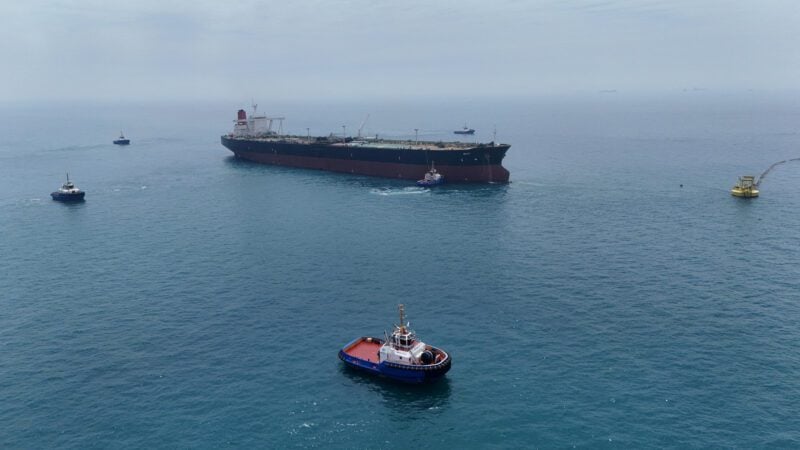
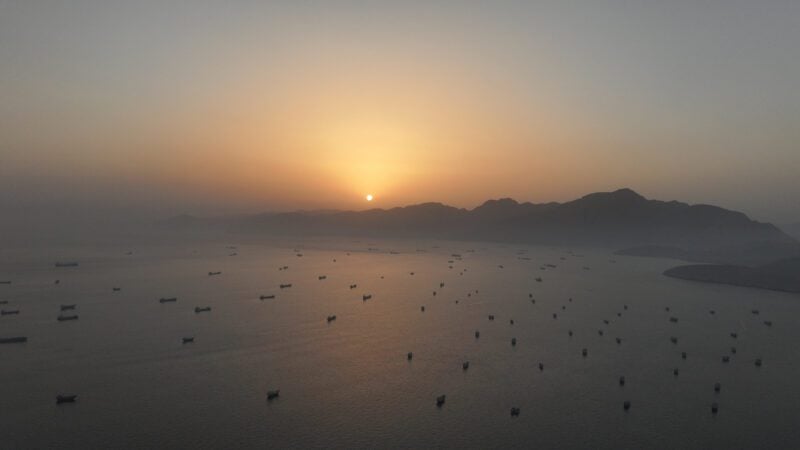
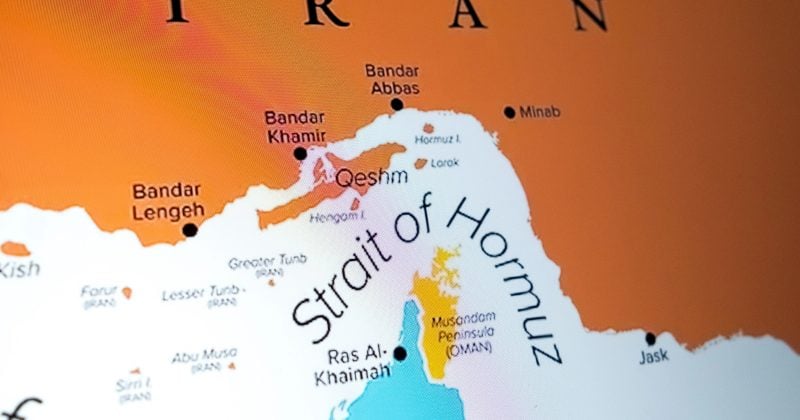
- The Strait of Hormuz is likely still physically open on the southern route, but risk to shipping is severe and traffic is sharply suppressed despite Tehran’s closure declaration and IRGC threats. (Confidence: medium · ASSESSED)
- I&W: Joint Maritime Information Center retains a SEVERE threat level and maritime advisories report further interdictions or warning shots in or near the strait. (0-14 days)
- I&W: Maritime advisories downgrade the threat and ship‑tracking shows sustained daily south‑channel transits returning toward pre‑escalation levels. (0-14 days)
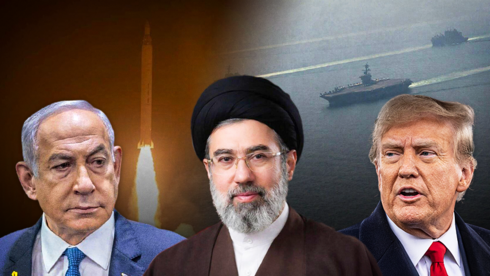
- Israel is likely to edge toward direct strikes on Iran if the current US, Iran exchange persists; the IDF has coordinated scenarios with US forces, remains on high alert, and Defence Minister Israel Katz is preparing independent options. (Confidence: medium · ASSESSED)
- I&W: Government notices restricting Israeli airspace or mobilisation orders for long‑range strike units. (0-14 days)
- I&W: Official Israeli statements committing to restraint and shelving independent strike options. (0-14 days)
- Absent de‑escalation, a wider regional fight is likely, given Iranian targeting of Jordan’s Prince Hassan Air Base, air‑defence activity in Bahrain and Qatar, and explicit Iranian warnings to neighbours facilitating US operations. (Confidence: medium · ASSESSED)
- I&W: Additional Iranian salvos targeting sites in Saudi Arabia or Iraq, or debris recovery reported by those governments. (0-14 days)
- I&W: Public readouts from Oman indicating commitments by Tehran to halt cross‑border launches. (1-3 months)
- A 2026 diplomatic accommodation is unlikely in the near term as sanctions relief has been revoked, markets price lower odds of a deal and reconstruction funding, and energy prices are rising alongside conflict risk. (Confidence: medium · ASSESSED)
- I&W: US announces further Iran sanctions designations with no sign of sanctions relief reinstatement. (1-3 months)
- I&W: Joint US, Iran communiqué from Oman talks or renewed limited sanctions relief. (1-3 months)
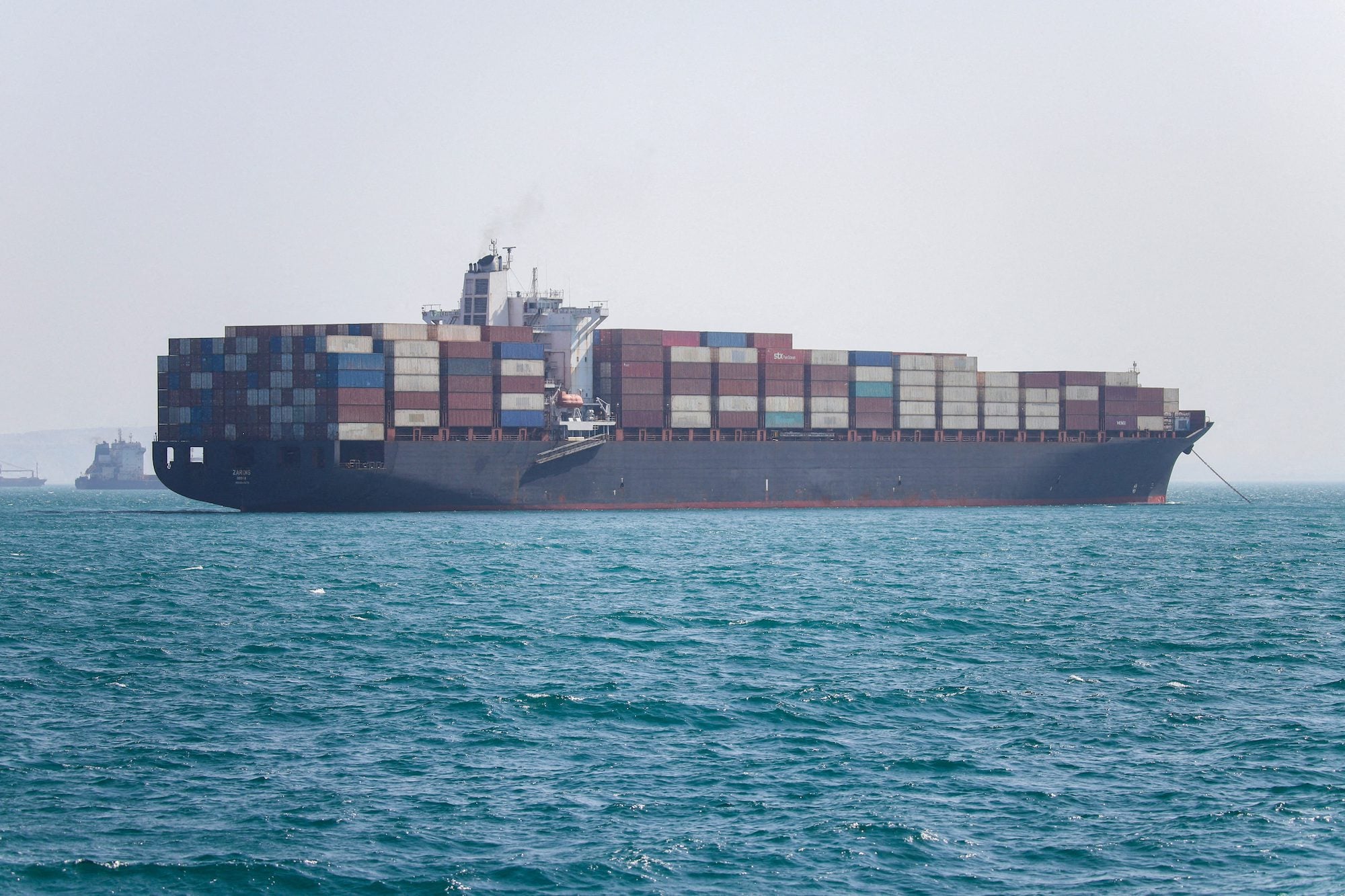
- Maritime risk off Oman is high: a Cyprus‑flagged container ship was struck 9 nautical miles off the Omani coast on 12 July, the crew were rescued with one Indian national missing, and the IRGC has recently halted cargo ships with warning shots. (Confidence: high · REPORTED)
- I&W: Maritime advisories report another strike or detention within 100 nm of Oman. (0-14 days)
- I&W: Two‑week period with no incidents and a downgrade in advisories for the Oman approaches. (0-14 days)
Outlook & scenarios
Escalatory spiral with Israeli entry (45%)
US strikes continue against Iranian targets while Iran sustains missile and drone fire at US‑linked facilities in Jordan, Bahrain and Kuwait. Israel moves from high alert and scenario coordination to joining limited strikes, or executes discrete independent action against Iranian assets. Hormuz’s southern route remains navigable but high risk, with intermittent interdictions and further ship damage. Energy prices climb and deal prospects erode.
Contained standoff under severe maritime risk (40%)
Omani facilitation and international pressure achieve a tacit pause in cross‑border strikes while both sides maintain deterrent postures. Tehran’s closure rhetoric persists, but the southern channel stays open under a severe threat level and depressed traffic. Israel holds fire but maintains readiness. Markets stabilise somewhat, though sanctions remain tightened and diplomacy stalls.
Wildcard: de facto closure of Hormuz and multi‑front Gulf conflict (20%)
The IRGC enforces a de facto closure with repeated interdictions and strikes on shipping, prompting expanded US operations. Iran widens regional fires to additional Gulf states that facilitate US operations, drawing in more air‑defence engagements. Israel executes independent strikes. Energy markets spike and commercial shipping diversions surge.
Recommendations
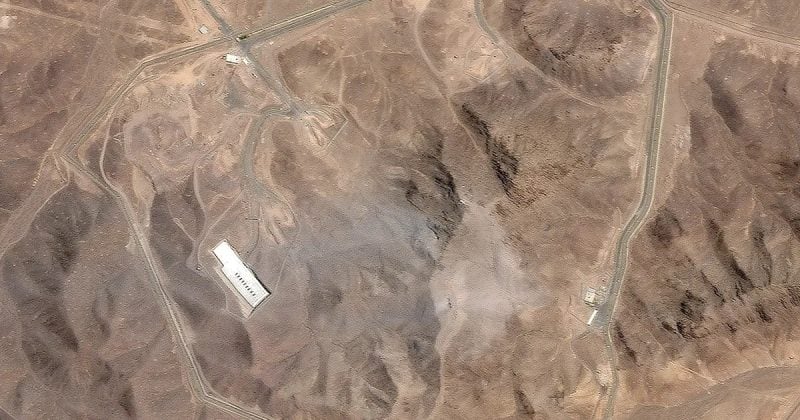
- Prioritise near‑real‑time ISR on launch areas in Iran and impact sites at Prince Hassan Air Base, Sheikh Isa, Ali Al Salem and Ahmad al‑Jaber to validate damage assessments and cue missile‑defence posture.
- Stand up a daily maritime risk product for Hormuz and the Oman approaches that fuses JMIC advisories, ship‑tracking and incident reporting to guide routing decisions via the southern channel.
- Direct liaison with CENTCOM and host nations to reconcile conflicting reports on US casualties in Kuwait and to harmonise public messaging on strike outcomes.
- Expand air and missile‑defence information‑sharing with Jordan, Qatar and Bahrain for cross‑border tracking and alerting, focusing on Iranian ballistic and UAV profiles observed this week.
- Engage the Israeli MOD liaison to clarify thresholds for Israeli entry, expected force packages, and potential airspace restrictions; posture collection to detect early signs of mobilisation.
- Support Oman’s facilitation by preparing tailored analytic readouts on strike tempo, maritime incidents and risk off‑ramps for use in shuttle talks.
- Advise economic and energy interlocutors to prepare for sustained volatility, including scenario‑based assessments of shipping throughput and price sensitivity linked to additional missile salvos or ship strikes.
- Task collection to monitor IRGC maritime units for warning‑shot interdictions and target discrimination, and update mariner guidance for compliance with advisories while transiting the southern route.
Confidence & uncertainty
Overall confidence is high because multiple independent, credible sources corroborate the core pattern: CENTCOM statements and major media reporting align on successive US strikes and roughly 140 targets hit, while host‑nation and regional reporting corroborate Iranian missile and drone activity toward Jordan, Bahrain and Kuwait and defensive intercepts. Maritime advisories and press accounts are consistent on severe risk around Hormuz and the strike on a Cyprus‑flagged ship off Oman. Remaining uncertainties include the exact status of Hormuz’s closure versus navigability on the southern route, the scale of damage at targeted bases, and contested casualty claims in Kuwait; these are reflected as medium‑confidence or assessed judgments where appropriate.
Alternative analysis (red cell)
The reporting package contains multiple unaddressed contradictions and relies heavily on declaratory and military-origin statements with uneven admiralty grades (see tradecraft lint 'contradiction_unaddressed' and contradictions entries). While kinetic incidents and heightened maritime/air activity almost certainly occurred, the scale (number of targets and waves), casualty totals, geographic extent of Iranian launches, and near‑term diplomatic trajectory are plausibly contested by the same evidence. A more restrained analytic posture that treats many of these elements as unsettled — pending independent BDA, partner-state confirmations, AIS/satellite traffic records, and diplomatic/operational orders — is a defensible alternative.
Intelligence gaps
- [EEI 1.1 · UNCOVERED] Number, type, launch times, and trajectories of ballistic missiles, cruise missiles, armed UAV strikes, and combat-air sorties launched by Iranian or Israeli forces toward the other's territory or forward bases within a 72-hour window. Recommended collection: signals/intel
- [EEI 1.2 · PARTIAL] Observable changes in Israeli and Iranian force posture: mobilization or reserve call-up orders, unit road/rail movements, dispersal or sortie rates of air squadrons, redeployment of air-defense batteries, and activation of civil-defense alerts or sirens in major population centers. Recommended collection: open-source/media
- [EEI 1.3 · UNCOVERED] Indications of strike authorization or targeting preparations in Iranian or Israeli command chains: authenticated public orders by senior commanders, detected increases in encrypted communications consistent with targeting, or visible movement of strike munitions to launch/storage sites. Recommended collection: signals/intel
- [EEI 2.1 · UNCOVERED] Counts, launch locations (coordinates), weapons types, and assessed damage from rocket/missile/drone strikes originating from Lebanon into northern Israel attributed to Hezbollah or allied groups. Recommended collection: open-source/media
- [EEI 2.2 · UNCOVERED] Reported attacks by Iranian-backed militias in Iraq and Syria: rocket/IED strikes on bases hosting US/coalition or Israeli personnel, documented militia unit movements toward borders, and captured movement or transfer of weapons systems to forward militia positions. Recommended collection: human
- [EEI 2.3 · UNCOVERED] Maritime harassment or attacks by proxies (e.g., Houthis): incidents of missile/rocket strikes against commercial vessels, small-boat swarm attacks, discovery or detonation of naval mines, and corresponding AIS anomalies in the Red Sea, Gulf of Aden, or southern Arabian Gulf. Recommended collection: maritime/AIS
- [EEI 3.1 · UNCOVERED] Movements and arrival dates of foreign military assets into the region: carrier strike groups, amphibious ships, surface combatants, strategic airlift/tanker deployments, and air/sea patrol patterns by US, European, Russian, or regional militaries. Recommended collection: imagery/satellite
- [EEI 3.2 · UNCOVERED] Concrete diplomatic and political actions: emergency UN/Arab League meetings called, official embassy evacuation orders, public declarations of intent to interpose or protect shipping/airspace, and newly announced sanctions or arms-transfer approvals tied to the conflict. Recommended collection: diplomatic
- [EEI 3.3 · UNCOVERED] Immediate commercial and market indicators: rerouting of commercial tankers and container vessels (e.g., avoidance of Bab el-Mandeb or Strait of Hormuz), sudden spikes in war-risk insurance premiums for regional sea lanes, temporary port closures, and near-term price moves in regional benchmark crude tied to incidents. Recommended collection: financial/market
Cited sources
[1] gcaptain.com · U.S. Launches Third Round of Strikes on Iran After Containership Attack in Strait of Hormuz (A) · sha256:928f981b91d2 [2] ynetnews.com · Israel 'closely' following developments in Iran amid expected escalation (B) · sha256:322279bec563 [3] gcaptain.com · US Launches Fresh Iran Strikes As Tehran Declares Hormuz Closed (A) · sha256:44c5c4112877 [4] ynetnews.com · US strikes Iran again Tehran targets Gulf bases and Jordan as Israel braces for wider escalation (B) · sha256:68966aace578 [5] aljazeera.com · In Iran, Pezeshkian will be the scapegoat for the failed MoU (A) · sha256:dbaeee097d0b [6] The Media Line · Jordan, Bahrain drawn deeper into Iran's regional storm as ceasefire collapse puts pressure on Gulf (B) · sha256:305dd529493d [7] cryptobriefing.com · Iran launches missiles at US bases in Jordan, Bahrain amid Gulf tensions (B) · sha256:cd48718aba68 [8] gcaptain.com · Oil Jumps As Conflict Over Hormuz Escalates With Fresh Strikes (A) · sha256:d40348e8ff54 [9] gcaptain.com · Hormuz Route Open Despite Iran Declaration, Maritime Group Says (A) · sha256:cf16d0b94b3b [10] gcaptain.com · Hormuz Traffic Slows To Multi-Week Low As Renewed US, Iran Strikes Raise Safety Risk (A) · sha256:1716836de6c3 [11] gcaptain.com · One Indian National Missing After Attack On Vessel Off Oman (B) · sha256:7cdbb918a0e0 [12] jpost.com · IDF coordinates with US military, prepares for possible strikes as US, Iran fighting escalates (A) · sha256:4869a5a33484 [13] cryptobriefing.com · Israel prepares for potential solo military action against Iran amidst 2026 conflict (B) · sha256:6bd02706a485 [14] haaretz.com · U.S. neglecting Iran nuclear issue to focus on Hormuz, Israeli officials say (B) · sha256:e14611b0f6f0 [15] cryptobriefing.com · Iran warns neighbors: US strike facilitators risk retaliation (B) · sha256:92bbda482f54 [16] aljazeera.com · Kimmit: Renewed US-Iran fighting could reignite wider regional conflict (B) · sha256:a126b2e0adaf [17] cryptobriefing.com · US-Iran tensions rise as military strikes threaten nuclear deal prospects (B) · sha256:528028eb3868 [18] cryptobriefing.com · US, Iran exchange fire over Strait of Hormuz amid escalating 2026 conflict (B) · sha256:a4c02f7dee9d
Source content hashes were computed at collection time; the cited text is preserved unmodified for the life of this product.
Red cell review: PARTIAL DISSENT
TLP:CLEAR