TLP:CLEAR · Disclosure is not limited.
US-Iran Tensions: IRGC Claims Radar Strike in Bahrain
Time window: Last 1 day · Audience: General analyst · Type: Situation report · DTG: 2026-11-13 07:15Z · Overall confidence: HIGH
BLUF
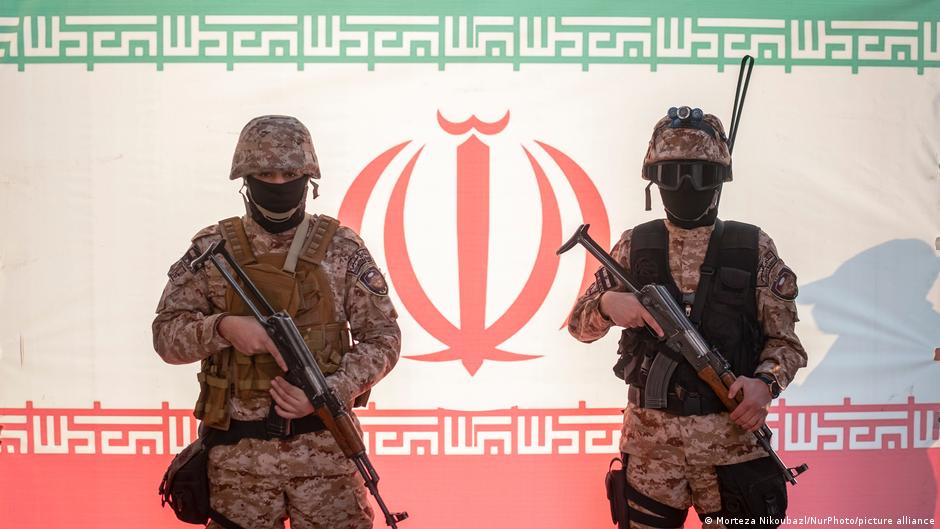
The IRGC claims it struck and destroyed a US early-warning radar in Bahrain on 13 November, but neither the damage nor the strike has been independently verified. The claim adds to reported tanker attacks and harder public positions from Washington and Tehran, keeping the risk of renewed military action and shipping disruption elevated.
Executive summary
On 13 November, the IRGC said it attacked a US early-warning radar in Bahrain in response to alleged US action against a telecommunications tower in Sirik, Hormozgan Province. Fars reported that the radar was destroyed, but the US military and Bahrain had not confirmed the strike, and available reporting says the damage is unverified. Separate reporting describes a projectile strike on the Dominica Prosperity off Ras al Khaimah, UAE, and attacks on other tankers; attribution remains uncertain. Diplomacy faces added obstacles: Iran says the US must lift its naval blockade and sanctions before direct talks, while Donald Trump has said Washington no longer needs a deal and directed JD Vance to prioritise domestic matters over negotiations.
Change from previous assessment
Since the 12 November brief, reporting adds the IRGC's claim of a strike on a US early-warning radar in Bahrain, with alleged destruction still unverified. New reporting also describes the Dominica Prosperity projectile strike off Ras al Khaimah and attacks on other tankers, sustaining the prior assessment of shipping risk while leaving attribution uncertain. The diplomatic outlook has worsened: Iran reiterated that the blockade and sanctions must be lifted before direct talks, while Trump said the US no longer needs a deal and assigned Vance domestic priorities. The assessment of near-term military escalation is newly prominent; the earlier judgement that a direct meeting was unlikely is retained with lower prospects for a breakthrough.
Key judgments
- The IRGC's claimed strike in Bahrain is likely to raise the risk of renewed US-Iran military action over the next 14 days, but the reported destruction of the radar is not established. Major media reported the IRGC's claim and its stated retaliatory rationale; the US military and Bahrain had not confirmed the strike, and the reporting says neither the attack nor damage was independently verified. Confidence in the escalation assessment is medium; confidence that the radar was destroyed is low. (Confidence: medium · ASSESSED)
- I&W: A US or Bahraini statement, imagery, or other independently checkable evidence confirms damage to the radar installation or a military response. (0-14 days)
- I&W: The US military or Bahrain reports no radar damage, and no publicly reported military response follows the claim. (0-14 days)
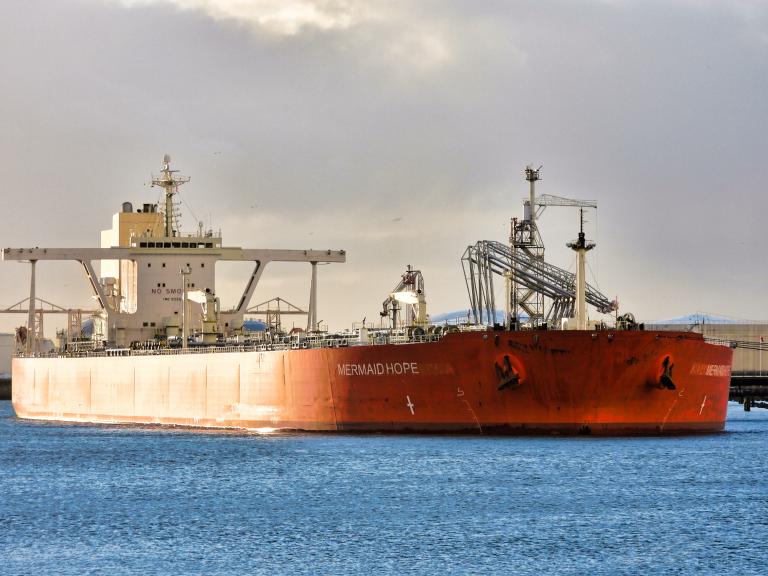
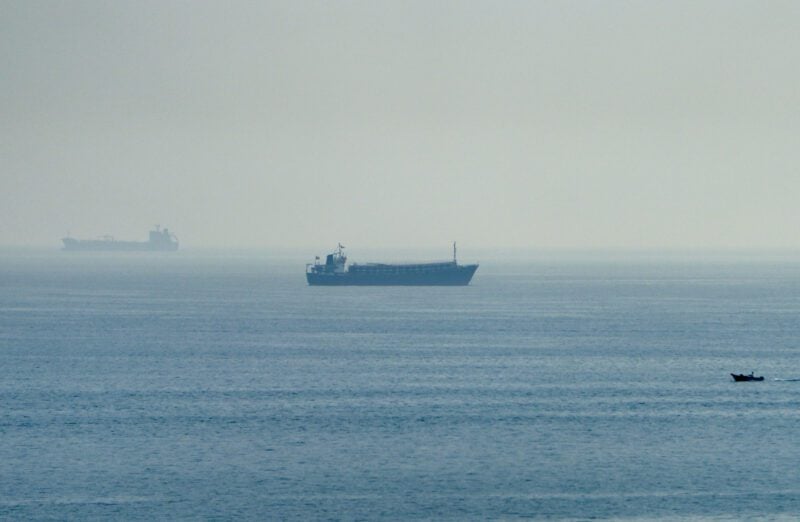
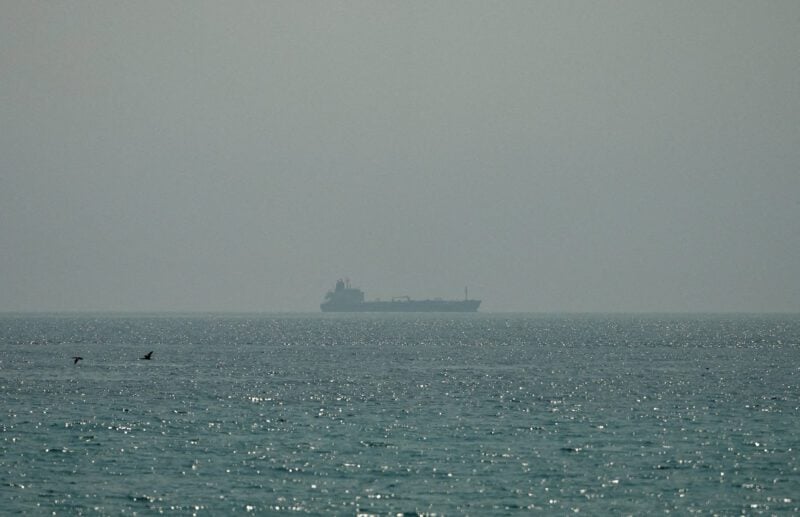
- Commercial shipping around the Strait of Hormuz and the UAE coast is likely to remain exposed to attack or disruption over the next 14 days. UKMTO, the Indian government and private security consultancies were cited in reports of attacks on at least three very large crude carriers; the Dominica Prosperity was reported hit by a projectile off Ras al Khaimah, and its 22 crew were evacuated without reported injuries. Attribution remains uncertain, and some incident dates in the available reporting are inconsistent. Confidence is medium. (Confidence: medium · ASSESSED)
- I&W: UKMTO or JMIC reports another projectile strike, attack warning, or increase in the number of vessels stationary at anchorages east of Hormuz. (0-14 days)
- I&W: UKMTO reports no further attacks or warnings, while a subsequent JMIC count shows fewer vessels stationary at anchorages east of Hormuz. (0-14 days)
- A direct US-Iran negotiating breakthrough is unlikely over the next 14 days. Iran says the US must lift its naval blockade and sanctions before direct peace talks, while Trump has said the US no longer needs a deal and directed JD Vance to prioritise domestic matters over negotiations. These are public positions, not evidence that all channels of contact have stopped; confidence is medium because the reporting does not establish the status of current diplomatic contacts. (Confidence: medium · ASSESSED)
- I&W: Washington and Tehran announce an agreed meeting or a negotiating formula that addresses Iran's demand to lift the blockade and sanctions. (0-14 days)
- I&W: Iran repeats its preconditions while the US announces no meeting or negotiating initiative. (0-14 days)
Outlook & scenarios
Contained military signalling (55%)
The US and Bahrain do not confirm radar destruction, and neither side launches a publicly reported new strike in response. The IRGC maintains its warning, while the US naval blockade and reported shipping disruption continue. This is the most likely course over the next 14 days.
Reciprocal military action (30%)
The US or Bahrain confirms damage, or the US responds to the IRGC claim with further action. Iran then carries out another attack on US military assets or shipping. This is less likely than containment, but would raise the chance of a wider exchange in the Gulf.
Low-probability, high-impact expansion (10%)
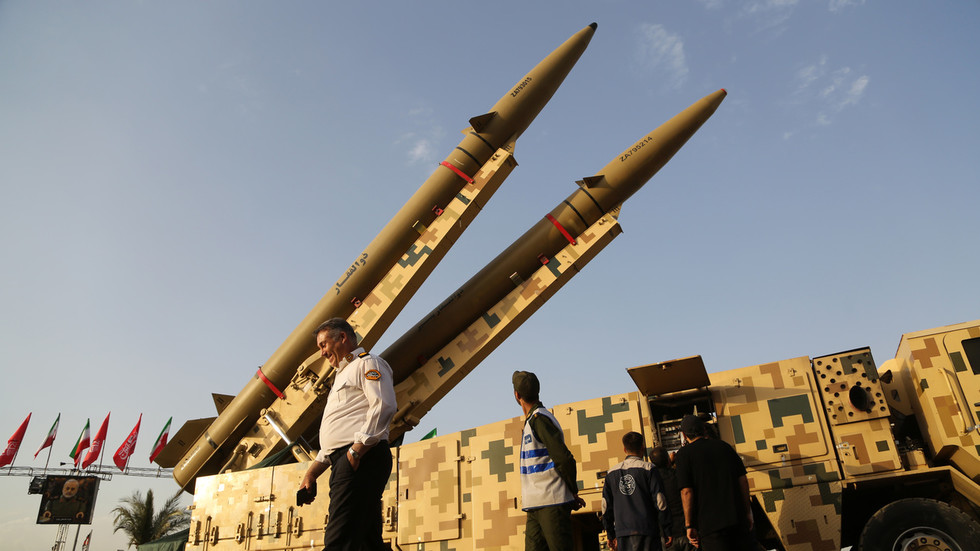
A renewed US attack on Iran is followed by Iranian strikes against US bases beyond the Gulf. Mohsen Rezaei has publicly named bases in West Asia and Europe as potential targets if the US launches another war. Such an expansion is unlikely, but would widen the geographic scope of the confrontation.
Recommendations
- Keep the IRGC's Bahrain statement separate from confirmed damage in reporting. Seek confirmation from Bahraini authorities or the US military and compare any imagery with the reported radar site before describing the installation as destroyed.
- Maintain a daily record of UKMTO and JMIC notices, named vessels, reported incident locations, crew outcomes and vessel counts at Fujairah, Khor Fakkan, Sohar and Musandam. Flag incident dates that conflict across reports.
- Track public US and Iranian statements alongside observable negotiating steps. Distinguish an agreed meeting or change in blockade policy from statements about willingness to negotiate.
- Report energy-market figures with their source and date. Treat competing explanations of oil-price movements as unresolved rather than attributing changes to the conflict alone.
Confidence & uncertainty
Overall confidence is high for the broad situation: major media and maritime trade reporting document the IRGC's public claim, reported tanker incidents, and the stated positions of Washington and Tehran. The headline level does not mean every event is independently confirmed. The Bahrain strike and damage remain unverified, shipping attribution is unresolved, some incident dates conflict, and public statements do not establish the state of private diplomatic contacts.
Intelligence gaps
- [EEI 1.1 · UNCOVERED] Concentrations or unusual movements of IRGC-Navy fast attack craft, small boat swarms, or escort vessels within 200 km of US/allied ships, including approach distances and formation changes. Recommended collection: maritime/AIS
- [EEI 1.2 · UNCOVERED] Detected pre-launch activity at coastal missile or rocket batteries (vehicle dispersal, fuel/warhead handling, radars powering up, transport erector launchers moving to firing positions). Recommended collection: imagery/signals
- [EEI 1.3 · UNCOVERED] Increased launch/arming/positioning of armed UAVs (MALE/loitering munitions) or tactical aircraft at Iranian coastal bases with sortie generation rates and munitions loadouts. Recommended collection: air/ADS-B/imagery
- [EEI 1.4 · PARTIAL] Command-and-control indications of attack orders or elevated rules-of-engagement from IRGC/General Staff (intercepted communications, internal order messages, force-wide alert messages). Recommended collection: signals/human
- [EEI 2.2 · UNCOVERED] Issuance of formal orders, mobilization directives, travel restrictions, or official internal communications within IRGC/Armed Forces indicating escalation posture or stand-down. Recommended collection: human/diplomatic
- [EEI 2.3 · UNCOVERED] Directives, logistics movements, or communications from Iranian commanders to regional proxy militias (Houthis, Iraqi Shia militias, Lebanese groups) that change their threat posture or task them with specific operations. Recommended collection: signals/human
- [EEI 2.4 · PARTIAL] Changes in Iran's diplomatic exchanges with key states (offers of negotiation, warnings, or coordination with Russia/China) or requests for deconfliction with maritime/naval actors. Recommended collection: diplomatic
- [EEI 3.2 · PARTIAL] Discovery or reporting of naval mines, unexploded ordnance, or damage to fixed maritime infrastructure (oil platforms, terminals, pipelines) with geolocated imagery or on-scene assessments. Recommended collection: imagery/open-source
- [EEI 3.3 · UNCOVERED] Commercial indicators of disruption: sudden increases in war-risk insurance premiums for Gulf transits, vessel re-routing decisions, port throughput reductions, or charter cancellations for Gulf shipments. Recommended collection: financial/commercial
- [EEI 3.4 · PARTIAL] Movements or posture changes of regional state navies/air forces (Saudi, UAE, Kuwait, Bahrain, UK) such as task group departures, airbase dispersals, or announced maritime patrols near choke points. Recommended collection: open-source/imagery
Red cell review: CONCUR
TLP:CLEAR