TLP:CLEAR · Disclosure is not limited.
US, Iran tit-for-tat and Hormuz tanker attacks tighten the arc of escalation around Israel
Time window: Last 1 day · Audience: General analyst · Type: Situation report · DTG: 2026-07-08 12:41Z · Overall confidence: MEDIUM
BLUF
CENTCOM struck more than 80 targets in Iran after three tanker attacks near Hormuz, and Iran’s IRGC announced strikes on 85 US sites in Bahrain and Kuwait as Kuwait reported intercepts. Maritime threat in Hormuz is rated Severe and talks are suspended, raising near‑term escalation and spillover risks around Israel.
Executive summary
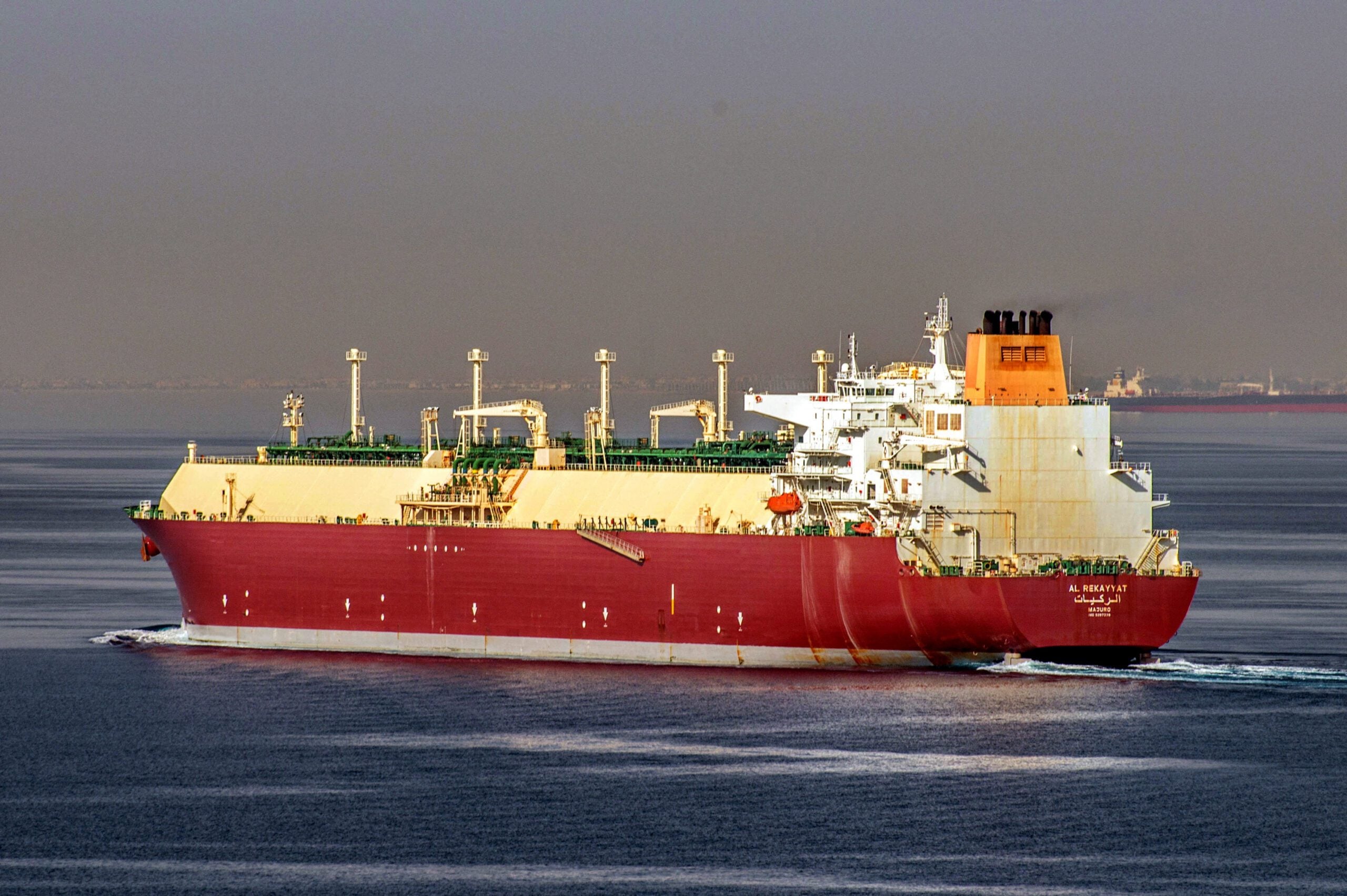
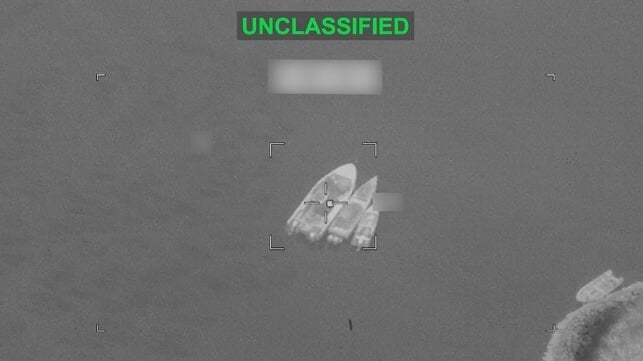
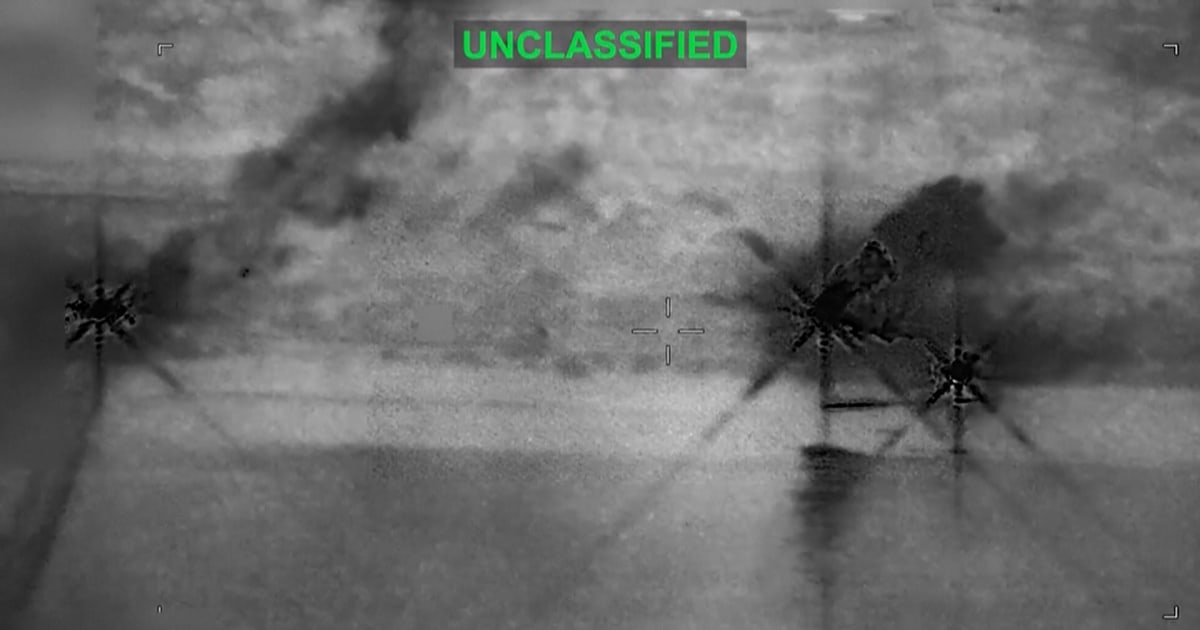
On 7-8 July, US forces conducted a new round of strikes across Iran, targeting more than 80 sites tied to air defence, command-and-control, coastal radars, anti-ship missiles and IRGC small craft, in response to attacks on three commercial tankers near the Strait of Hormuz, including damage to the Qatari LNG carrier Al Rekayyat and a UAV strike near Limah, Oman. Iran’s IRGC announced it targeted 85 US military sites in Bahrain and Kuwait and Kuwait reported intercepting two ballistic missiles and 13 drones. Regional actors condemned the tanker attacks and the Joint Maritime Information Center raised Hormuz threat to Severe, although traffic continues. Washington revoked permissions for Iranian oil sales and prices rose more than 3 percent. Negotiations are paused during Ali Khamenei’s funeral events and President Trump said the ceasefire is over, while Tehran called the US actions a violation and said sanctions would not alter its position. Gaza violence and a domestic security incident in Tel Aviv show Israel’s fronts remain tense as the Gulf crisis deepens.
Change from previous assessment
Compared with the 7 July brief, assessments now incorporate confirmed US strikes on more than 80 Iranian targets, Iran’s announcement of strikes on 85 US sites in Bahrain and Kuwait, and Kuwait’s reported intercepts. The Joint Maritime Information Center raised Hormuz to Severe amid at least three tanker attacks including damage to Al Rekayyat, while US sanctions permissions for Iranian oil were revoked and prices rose more than 3 percent. Talks remain suspended during Khamenei’s funeral and President Trump said the ceasefire is over. Confidence is unchanged at medium due to continued contradictions in sanction timing and limited independent verification of Iranian retaliation claims.
Key judgments
- Very likely US forces conducted large-scale strikes on 7-8 July against Iranian military assets, targeting more than 80 sites in response to Iranian attacks on three commercial vessels near the Strait of Hormuz. (Confidence: high · REPORTED)
- I&W: CENTCOM releases additional battle damage assessment imagery naming destroyed sites around Bandar Abbas, Qeshm or Sirik. (0-14 days)
- I&W: UKMTO or JMIC incident updates attributing the tanker attacks to a non‑Iranian actor, undermining the stated US rationale. (0-14 days)
- Likely Iran retaliated by targeting US military sites in Bahrain and Kuwait on 8 July, with Kuwait reporting interceptions of two ballistic missiles and 13 drones. (Confidence: medium · REPORTED)
- I&W: Official statements from Bahrain’s defence authorities or US Fifth Fleet confirming attempted strikes in the Port Salman area and detailing debris recovery. (0-14 days)
- I&W: Forensic reporting from Kuwait identifying the origin of intercepted missiles or drones as non‑Iranian, challenging the current attribution. (0-14 days)
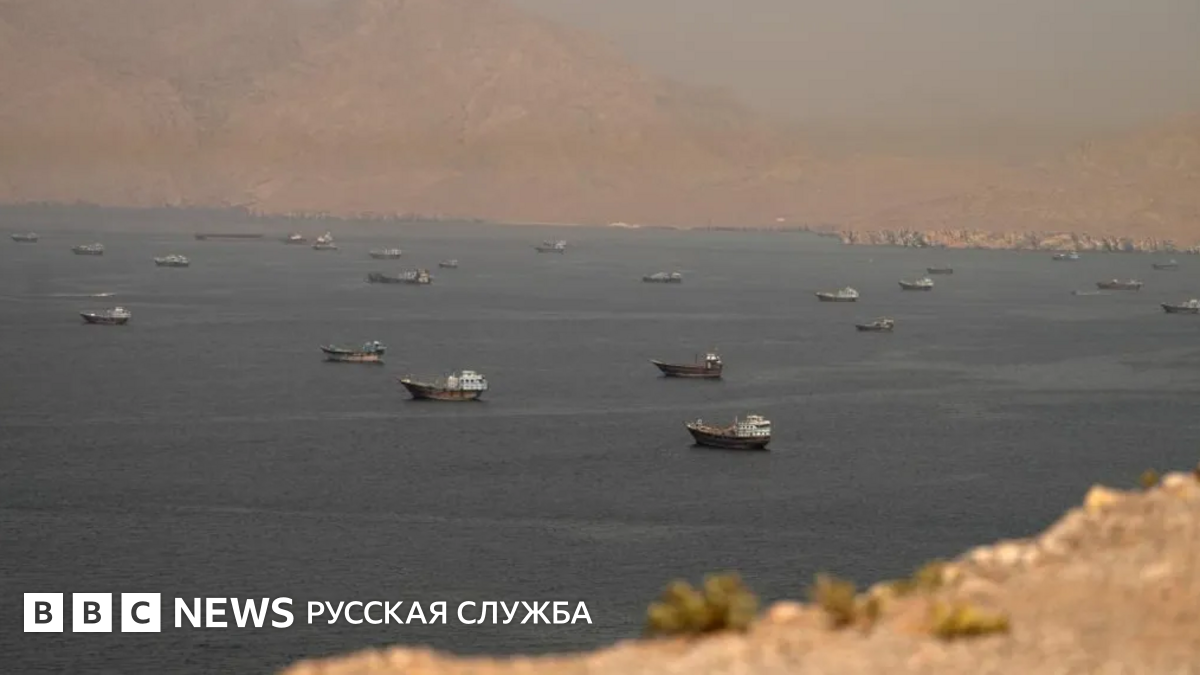
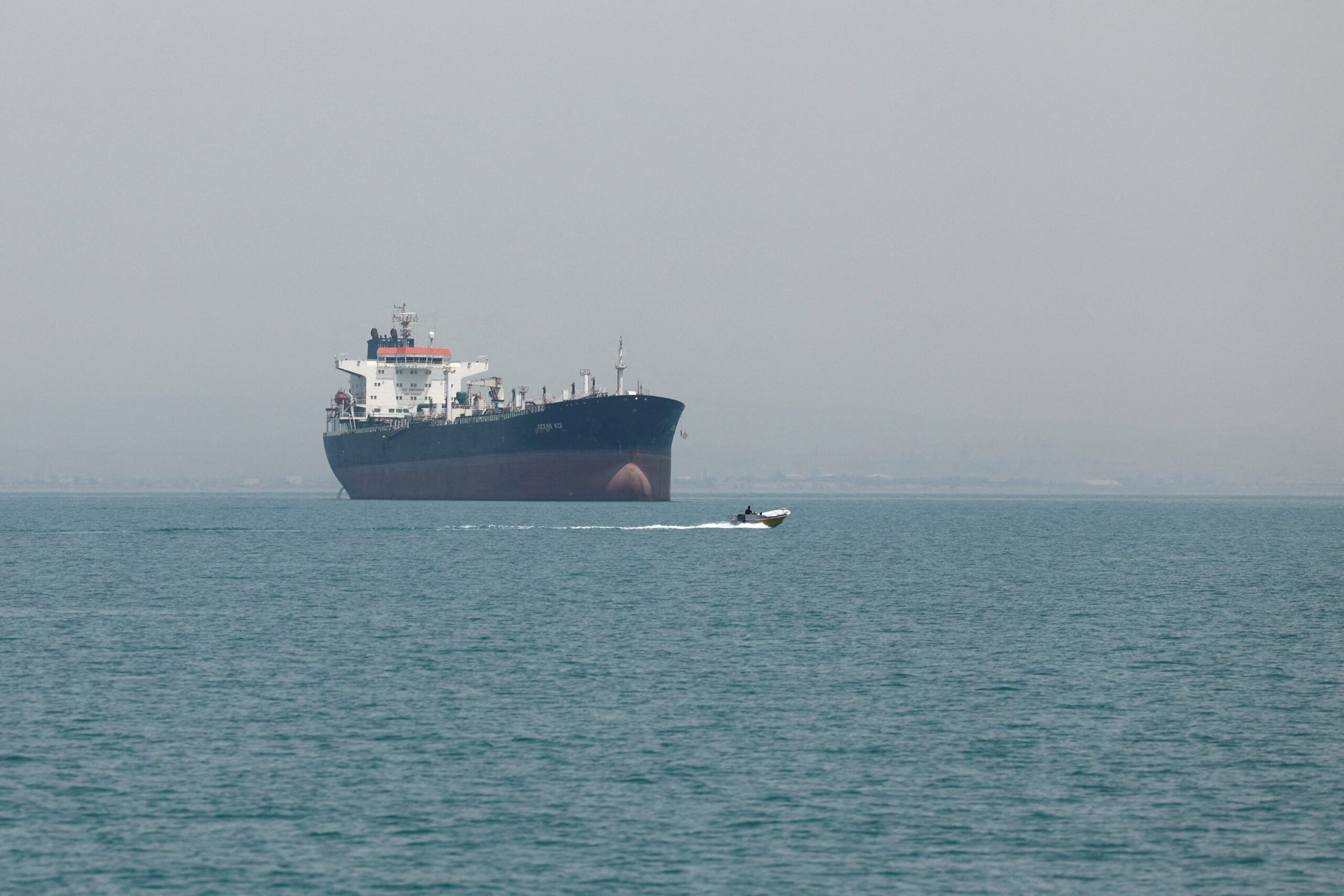
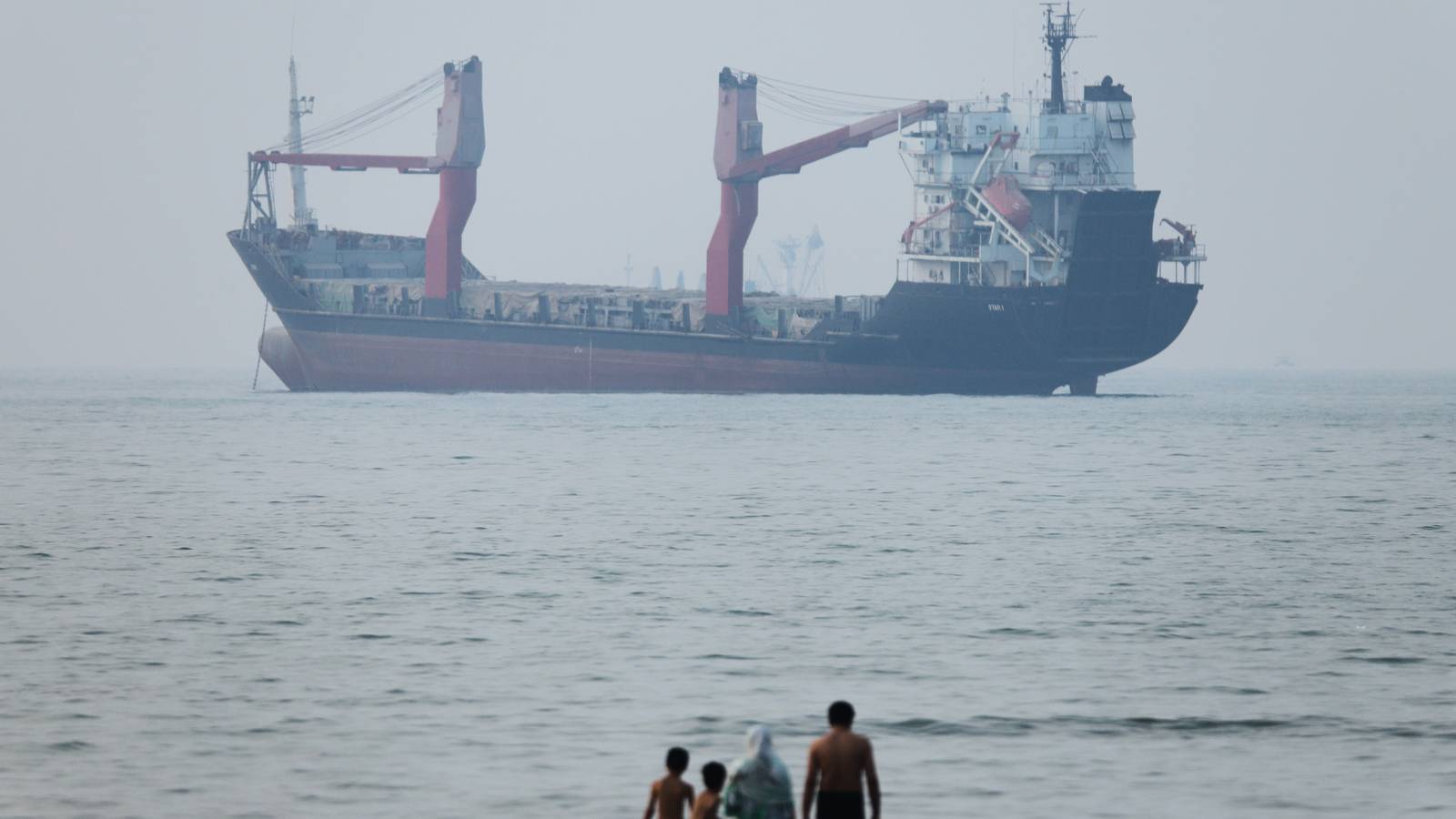
- Very likely the maritime threat in the Strait of Hormuz remains acute: at least three tanker attacks were reported within 24 hours, including damage to the Qatari LNG carrier Al Rekayyat and a UAV strike east of Limah, Oman; the Hormuz threat level is assessed Severe even as traffic continues through southern Omani and northern routes. (Confidence: high · REPORTED)
- I&W: UKMTO reports additional UAV or projectile incidents east of Oman or near the Omani southern corridor. (0-14 days)
- I&W: JMIC downgrades the Hormuz threat level below Severe with no new UKMTO incident reports over a continuous two‑week period. (1-3 months)
- It is likely Washington’s shift to coercion, including revoking permissions for Iranian oil sales and restoring restrictions, alongside Tehran’s claim of a US agreement breach and insistence that sanctions will not alter its position, has stalled de‑escalation and raised the near‑term escalation risk. (Confidence: medium · ASSESSED)
- I&W: US Treasury announces additional sanctions designations tied to IRGC maritime units or procurement networks. (0-14 days)
- I&W: Public readout of resumed US, Iran talks detailing steps on sanctions relief or maritime restraint. (1-3 months)
- There is a roughly even chance the confrontation spills further around Israel’s periphery, given reported Iranian projectile activity reaching Jordan and Kuwait and GCC warnings over tanker attacks, with a diplomatic off‑ramp possible if US‑mediated Israel, Lebanon talks in Rome proceed. (Confidence: medium · ASSESSED)
- I&W: UNIFIL or IDF daily summaries show a measurable uptick in fire incidents along the Blue Line compared with the prior week. (0-14 days)
- I&W: A joint communique from the 16-17 July Rome talks announcing de‑escalation steps on the Israel, Lebanon front. (1-3 months)
Outlook & scenarios
Sustained tit‑for‑tat with high maritime risk (60%)
US air and maritime strikes continue against IRGC assets, Iran persists with missile and UAV harassment and attempted strikes on US facilities, and JMIC keeps Hormuz at Severe. Tanker transits continue with routing adjustments and intermittent evacuations and salvage, oil prices remain elevated on event risk, and GCC capitals continue sharp condemnations.
Managed containment via backchannels (40%)
Following Khamenei’s burial, Washington and Tehran pause overt strikes. Oman‑backed and European naval measures help stabilise the southern Omani corridor while traffic continues under heightened advisories. Talks resume in fits and starts, but sanctions remain in place and the ceasefire rhetoric stays hard.
Northern front flare‑up around Israel (25%)
Incidents along the Israel, Lebanon line increase as the Gulf crisis peaks, complicating US‑mediated Rome talks. Jordan remains under projectile threat during intercept operations, Gaza violence continues at a low boil, and Israel faces a multi‑front distraction amid Gulf tensions.
Recommendations
- Maintain a deconflicted timeline of strikes and maritime incidents using CENTCOM releases, UKMTO advisories and JMIC notices; flag contradictions in dates and attributions for review before dissemination.
- Task rapid OSINT geolocation of reported strike sites around Bandar Abbas, Qeshm and Sirik to corroborate target sets and assess IRGC naval small‑craft attrition.
- Set an indicators watch on: UKMTO incident frequency east of Oman; JMIC threat‑level changes; official statements from Bahrain, Kuwait and US Fifth Fleet confirming or denying IRGC strike claims.
- Coordinate with energy analysts to track intraday moves tied to sanctions announcements and Hormuz incidents; produce a daily risk note linking event triggers to price action above the 3 percent threshold.
- Monitor Rome Israel, Lebanon talk preparations and outputs; prepare a quick‑turn brief on any agreed de‑escalation steps or, failing that, indicators of a breakdown that could widen fronts around Israel.
- Catalogue GCC official reactions, especially Qatar, Saudi Arabia and UAE statements on tanker attacks, to refine attribution assessments and anticipate alignment on maritime security measures.
- Track the status of Al Rekayyat: salvage operations, LNG tank integrity and tug presence to gauge repair timelines and knock‑on effects on LNG routing.
Confidence & uncertainty
Multiple high‑reliability official and major‑media sources corroborate the US strikes, target sets and the sequence of tanker attacks, as well as Iran’s announced retaliation and Kuwait’s reported intercepts. Maritime threat assessments and GCC condemnations are consistently reported. Confidence is moderated by date inconsistencies across sanctions actions, some single‑source Iranian claims about strike effects, and mixed‑date reporting on specific tanker incidents. These gaps sustain overall medium confidence despite strong core corroboration.
Alternative analysis (red cell)
Available reporting contains multiple unaddressed contradictions (timing, attribution, and mixing of 2023 and 2026 incidents) and heavy reliance on party declarations. While kinetic exchanges and increased maritime risk are plausible, the packet lacks consistent, independently corroborated evidence for several high-confidence assertions; a more cautious, provisional assessment pending authoritative DoD/host-nation confirmations and forensic IMINT/maritime corroboration is warranted.
Intelligence gaps
- [EEI 1.1 · UNCOVERED] Unusual long-range missile/rocket transporter-launcher (TEL) movements, storage activation, or assembly activity at known IRGC missile sites or forward staging areas. Recommended collection: satellite/imagery
- [EEI 1.3 · UNCOVERED] Large-scale transfers, deliveries, or convoy movements of armed UAVs/drones, guided munitions, or spare parts from Iran into Lebanon (Hezbollah), Iraq, Syria, or Gaza. Recommended collection: air/aviation track and HUMINT
- [EEI 1.4 · UNCOVERED] Sustained changes in Israeli air-defense usage (SAM launches, radar activations), wide-area alerts, or NOTAMs indicating elevated imminent strike response. Recommended collection: air/aviation/NOTAMs and signals
- [EEI 2.3 · UNCOVERED] Insurance market indicators: sudden spikes in war-risk or hull insurance premiums for routes through the Red Sea, Suez corridor, or Persian Gulf, and major carriers announcing route changes. Recommended collection: financial/market and commercial shipping notices
- [EEI 2.4 · UNCOVERED] Port closures, naval escorts requested by commercial operators, or formal rerouting advisories issued by major shippers (e.g., Maersk, Hapag-Lloyd) for regional transits. Recommended collection: commercial/OSINT
- [EEI 3.3 · UNCOVERED] Confirmed arms transfers, expedited weapons shipments, or transfer authorizations to Israel, Iran, or their proxies (aircraft parts, munitions, air defenses). Recommended collection: customs/INTEL and HUMINT
- [EEI 3.4 · UNCOVERED] Issuance of travel warnings, embassy evacuations or reductions, and closure of diplomatic missions by major capitals indicating escalation risk or shifted threat assessments. Recommended collection: OSINT/diplomatic
Cited sources
[1] newsweek.com · Former NATO commander says Trump has 3 options on Iran amid new strikes (B) · sha256:b48f4e699003 [2] Центральное командование США (ЦЕНТКОМ) · Вооруженные силы США нанесли новую серию ответных ударов по Ирану ТАМПА, штат Флорида — 7 июля силы Центрального командования США (ЦЕНТКОМ) нанесли новую серию ударов по Ирану, поразив высокоточными боеприпасами более 80 целей. Эти действия стали незамедлительной реакцией на недавние атаки Ирана на коммерческие суда, следовавшие через Ормузский пролив. Вооруженные силы США нанесли удары по иранским системам ПВО, сетям управления и связи, береговым радиолокационным станциям, объектам противокорабельных ракетных комплексов, а также по более чем 60 малым судам Корпуса стражей исламской революции, находившимся в проливе и его окрестностях. Целью операции было ослабление способности Ирана продолжать атаки на суда, осуществляющие международные торговые перевозки в этом коридоре. Ранее Иран атаковал три коммерческих судна, следовавших через пролив: танкеры Al Rekayyat под флагом Маршалловых Островов, Wedyan под флагом Саудовской Аравии и Cyprus Prosperity под флагом Либерии. Неспровоцированная агрессия со стороны иранских сил представляет собой явное и опасное нарушение режима прекращения огня и подрывает свободу судоходства. Силы ЦЕНТКОМ сохраняют боевую готовность и готовы привлекать Иран к ответственности в случаях несоблюдения или нарушения условий соглашения. | ЦЕНТРАЛЬНОЕ КОМАНДОВАНИЕ США (A) · sha256:abcbcb7647c1 [3] nbcnews.com · CENTCOM releases video of renewed strikes on Iran (B) · sha256:69bc6ad5c8eb [4] gcaptain.com · Trump Says US Ceasefire With Iran Is ‘Over’ After Strikes (A) · sha256:fb51eb27aee1 [5] BBC News Русская служба · США и Иран обменялись новыми ударами, Трамп заявил, что «для него» перемирие закончилось - BBC News Русская служба (A) · sha256:5b12b6f08348 [6] military.com · Iran and US Trade Fire and Trump Calls the Ceasefire into Question (B) · sha256:a4518f3f9cf0 [7] gcaptain.com · Three Tankers Attacked Near Strait of Hormuz as JMIC Warns of 'Severe' Threat (B) · sha256:e24de03a6861 [8] gcaptain.com · Damaged Qatari LNG Tanker Awaits Salvage After Strike Near Hormuz (A) · sha256:2e441f3fdc94 [9] gcaptain.com · U.S. Revokes Iran Oil Waiver After Hormuz Attacks, Launches New Military Strikes (A) · sha256:1706e927a186 [10] NEWSru.co.il · США вернули санкции на иранскую нефть после атак в Ормузском проливе - NEWSru.co.il (B) · sha256:bc74937b1fe2 [11] maritime-executive.com · U.S. and Iran Trade Retaliatory Strikes in Contest for Control of Hormuz (B) · sha256:a4022868ccef [12] dw.com · Вопреки перемирию: военные США нанесли удары по Ирану (B) · sha256:679040aa53f6 [13] ynetnews.com · 'Using water as political bargaining chip doesn't serve peace': Israel-Jordan water dispute fuels new tensions (B) · sha256:0d217b3e2ed9 [14] aljazeera.net · استهداف 3 ناقلات في هرمز. هل تعود الحرب بين واشنطن وطهران؟ (A) · sha256:acb85d2721a8 [15] haaretz.com · Eight killed, 17 wounded by Israeli fire in Gaza over past 24 hours, medics say (A) · sha256:3485052fa936
Source content hashes were computed at collection time; the cited text is preserved unmodified for the life of this product.
Red cell review: PARTIAL DISSENT
TLP:CLEAR