TLP:CLEAR · Disclosure is not limited.
US strikes Iran after Hormuz attack; MoU strained; Lebanon framework contested
Time window: Last 1 day · Audience: General analyst · Type: Situation report · DTG: 2026-06-27 09:42Z · Overall confidence: MEDIUM
BLUF
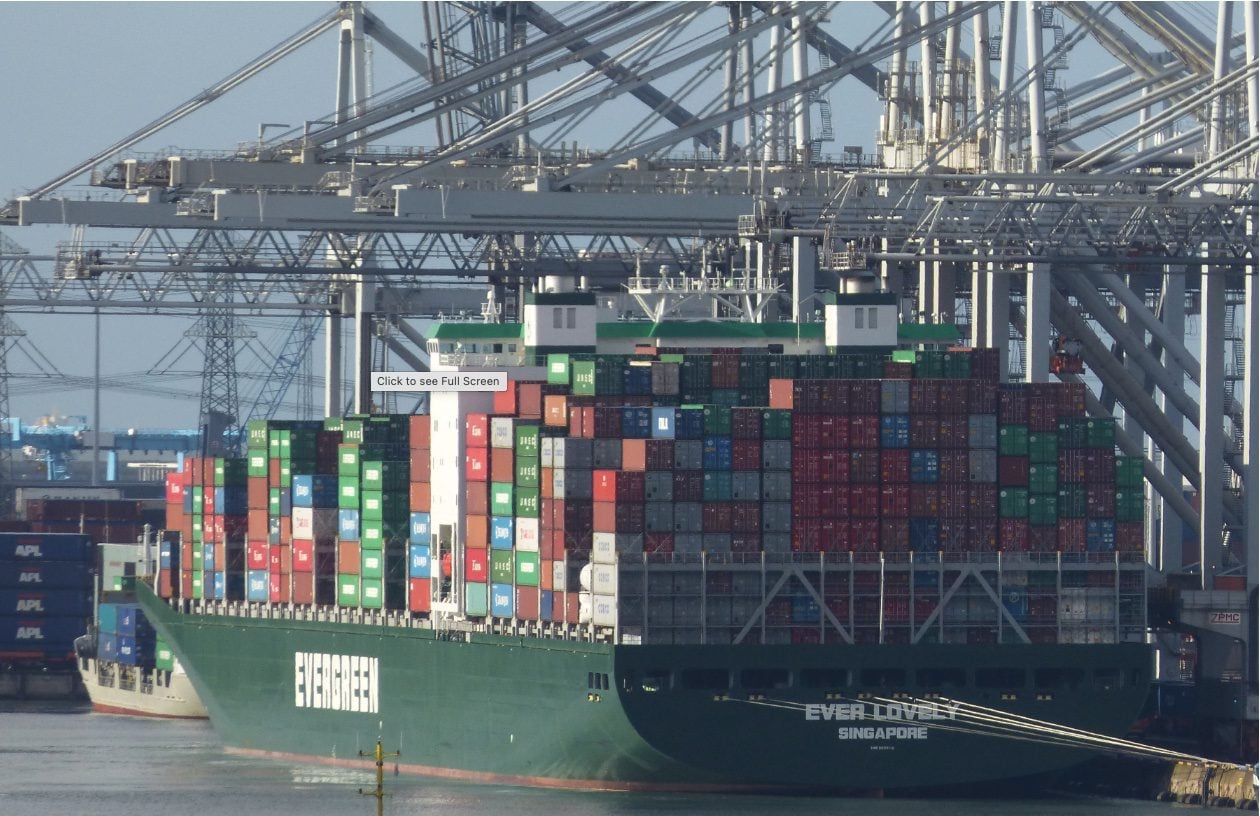
After the 25 June strike on the Singapore-flagged Ever Lovely near Oman, the United States hit Iranian targets on 26 June. The June US-Iran MoU is under immediate strain, Hormuz risk remains high, and the new Israel-Lebanon framework faces Hezbollah resistance while Israeli public opinion leans toward force.
Executive summary
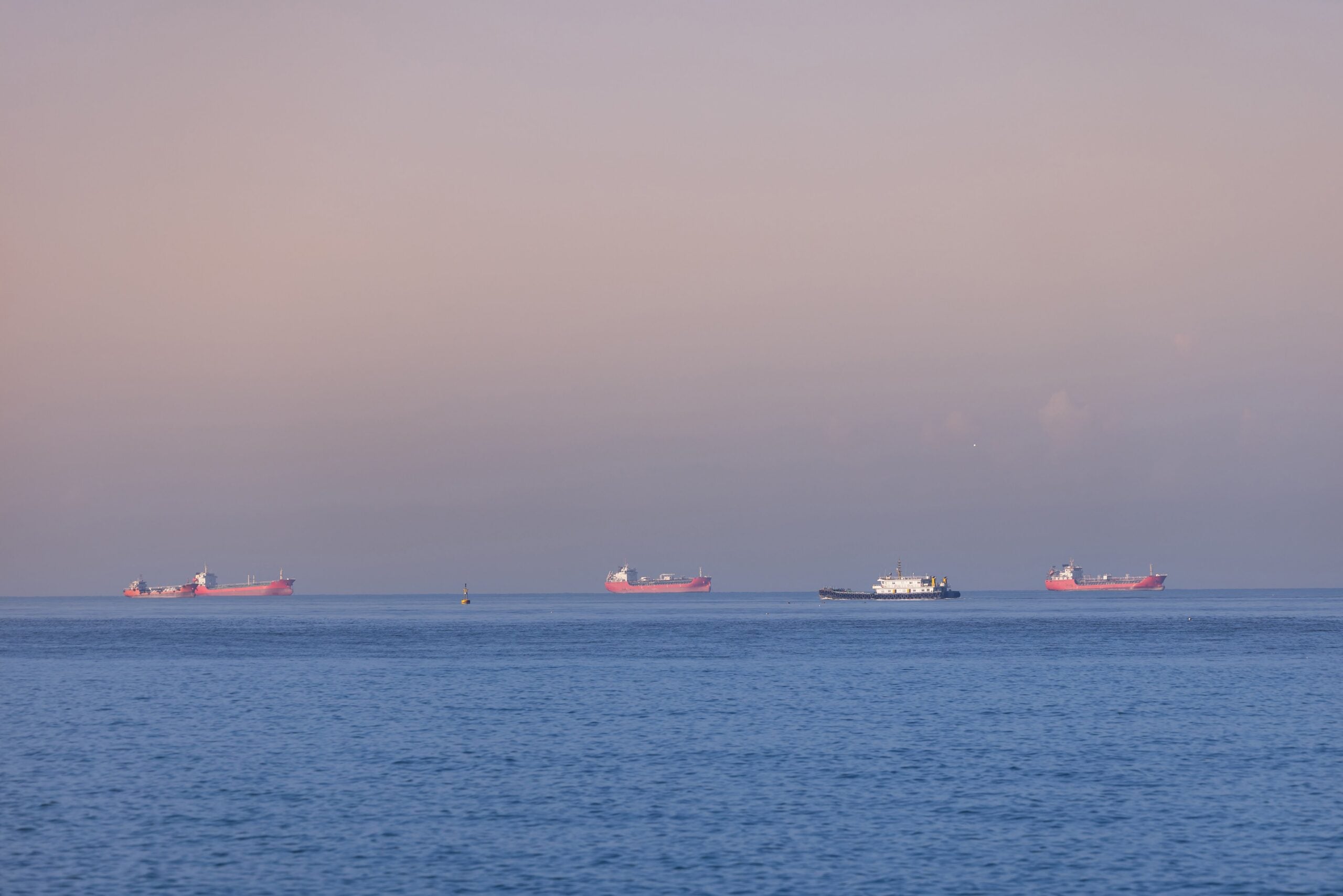
A drone strike on Ever Lovely as it exited the Strait of Hormuz on 25 June triggered US airstrikes against Iranian military targets on 26 June. Washington attributed the ship attack to an IRGC Navy drone, as reporting described at least four Iranian one-way drones launched at commercial vessels, with three reportedly intercepted. Iran has not publicly claimed responsibility and had warned ships to comply with its permissions regime. The IMO paused its evacuation scheme and shipping flows slowed after the incident, despite recent partial recovery of Gulf exports following a June MoU that envisaged ending hostilities and mine clearance. Tehran has reasserted control claims over Hormuz traffic, clashing with a GCC-US position rejecting tolls or control. In Lebanon, a US-backed framework agreement drew sharp Hezbollah criticism even as Beirut’s leadership endorsed it, and polling shows Israeli support for action against Hezbollah and deep distrust of ceasefires.
Change from previous assessment
New developments since the prior brief include CENTCOM-announced airstrikes on Iranian targets on 26 June following the Ever Lovely attack; fresh detail and contention around the June MoU and mine-clearance responsibilities; Tehran’s renewed assertions over Hormuz route-control and condemnation of the GCC-US position; and a US-backed Israel-Lebanon framework attracting sharp Hezbollah criticism alongside support from Lebanon’s leadership. Israeli polling now shows majority support for action against Hezbollah and widespread distrust of ceasefires. Shipping data point to a partial export rebound with elevated war-risk costs, while the IMO has paused evacuations again. Confidence is adjusted downward on the diplomatic track due to conflicting statements on IAEA access and deconfliction. This is an initial assessment of the MoU’s resilience post-strike and of the new Israel-Lebanon framework’s prospects.
Key judgments
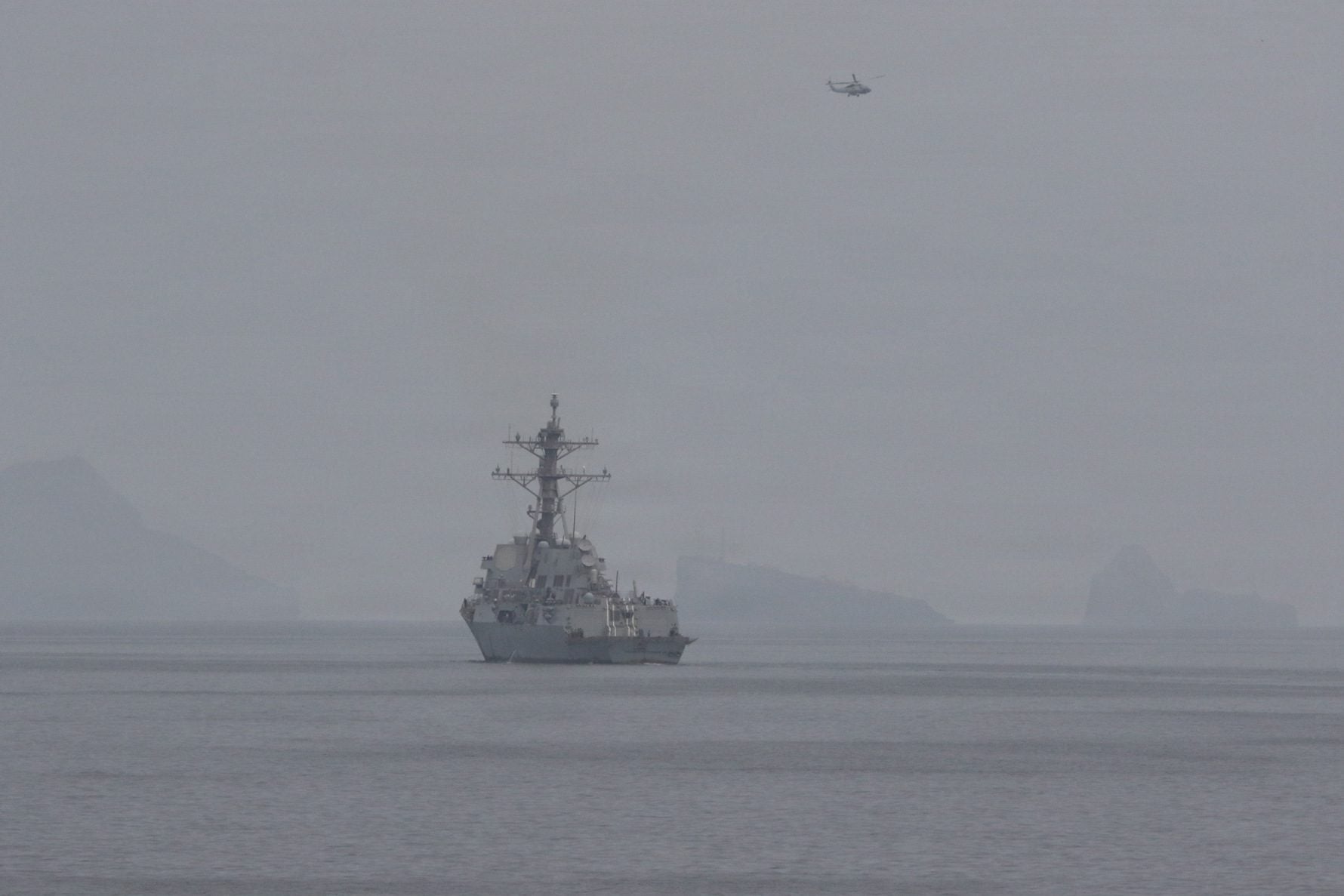
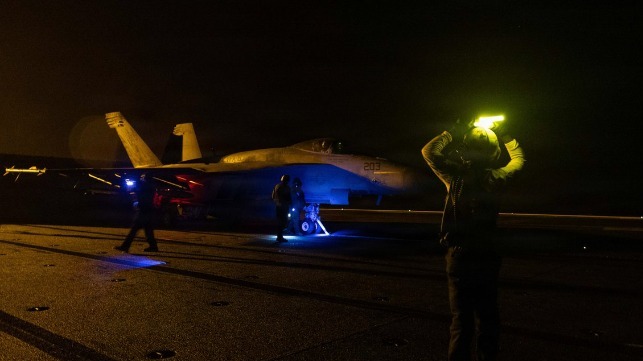
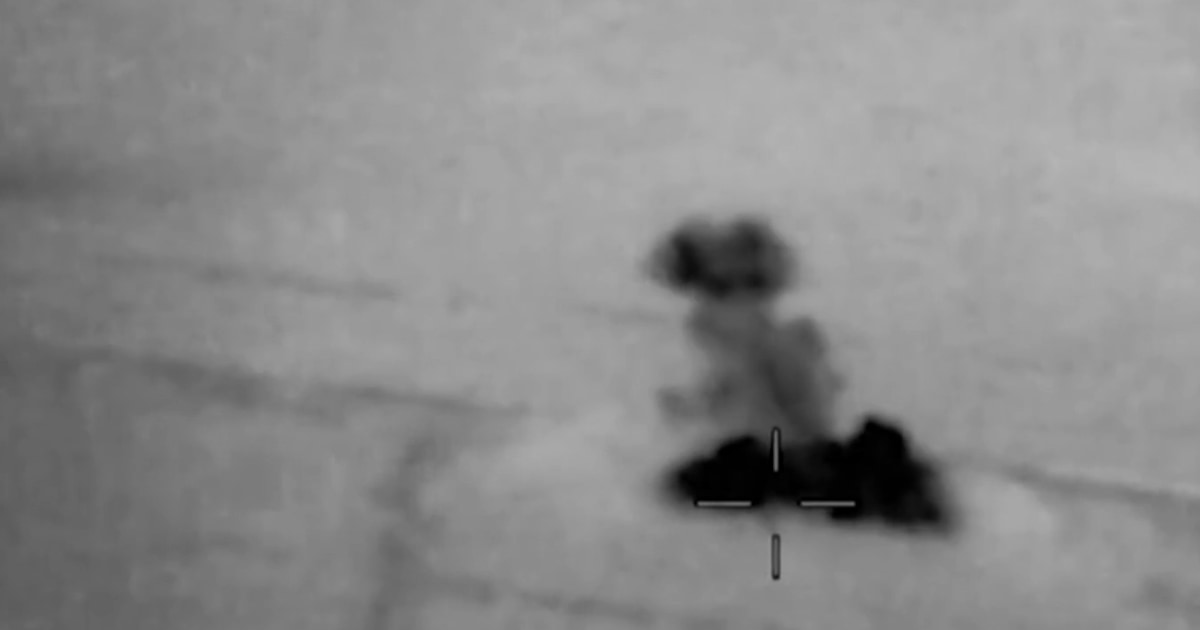
- It is likely Iran’s IRGC Navy executed the 25 June strike on the Singapore-flagged Ever Lovely near Dahit, Oman, and the United States responded on 26 June with airstrikes against Iranian military targets around the Strait of Hormuz to degrade capabilities used to threaten maritime traffic. (Confidence: medium · REPORTED)
- I&W: Public release of debris forensics by the flag state or operator linking the munition to IRGC-N manufacture or inventory. (0-14 days)
- I&W: No further maritime attacks in the Hormuz approaches and no additional CENTCOM-announced strike packages. (0-14 days)
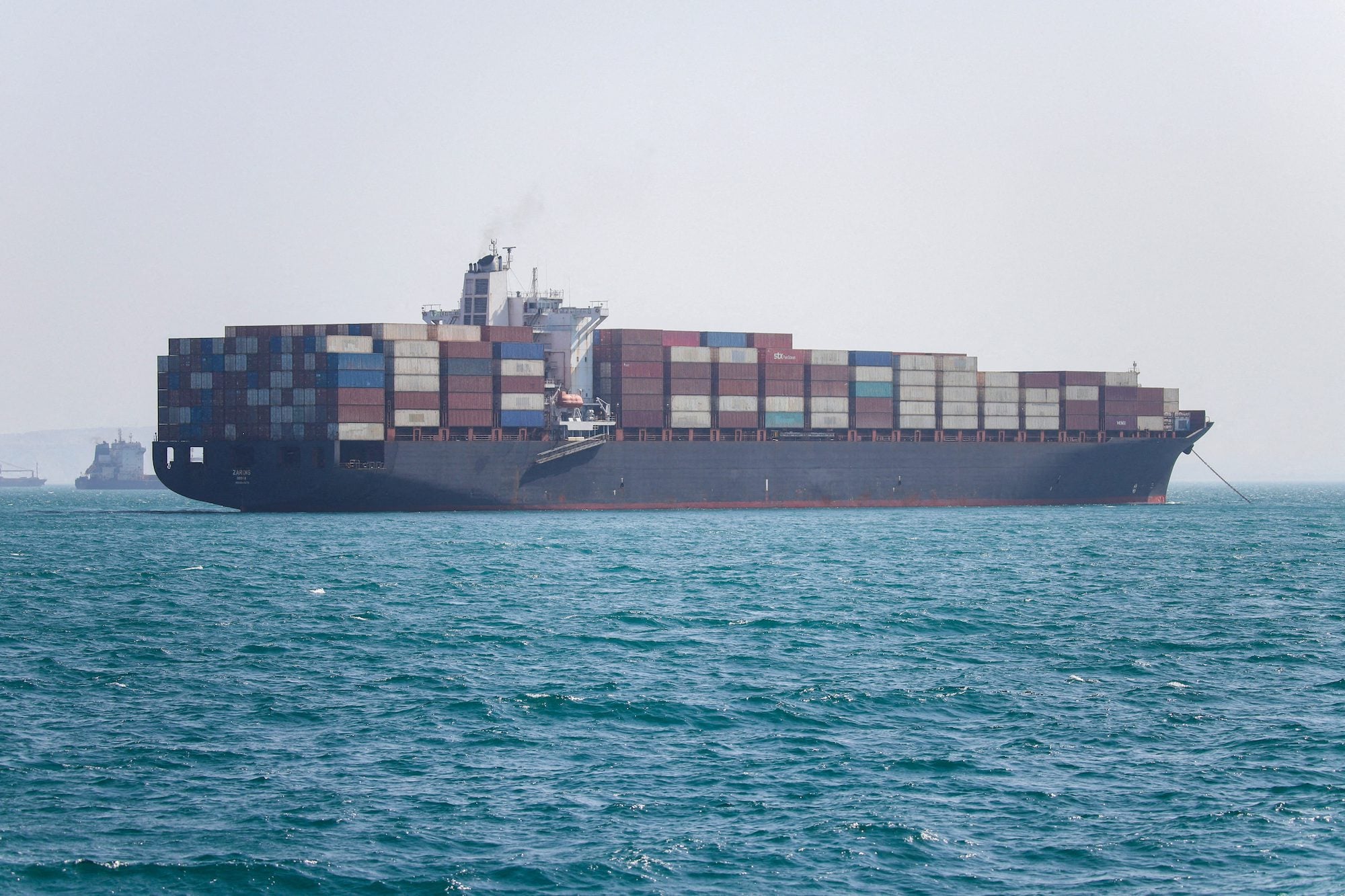
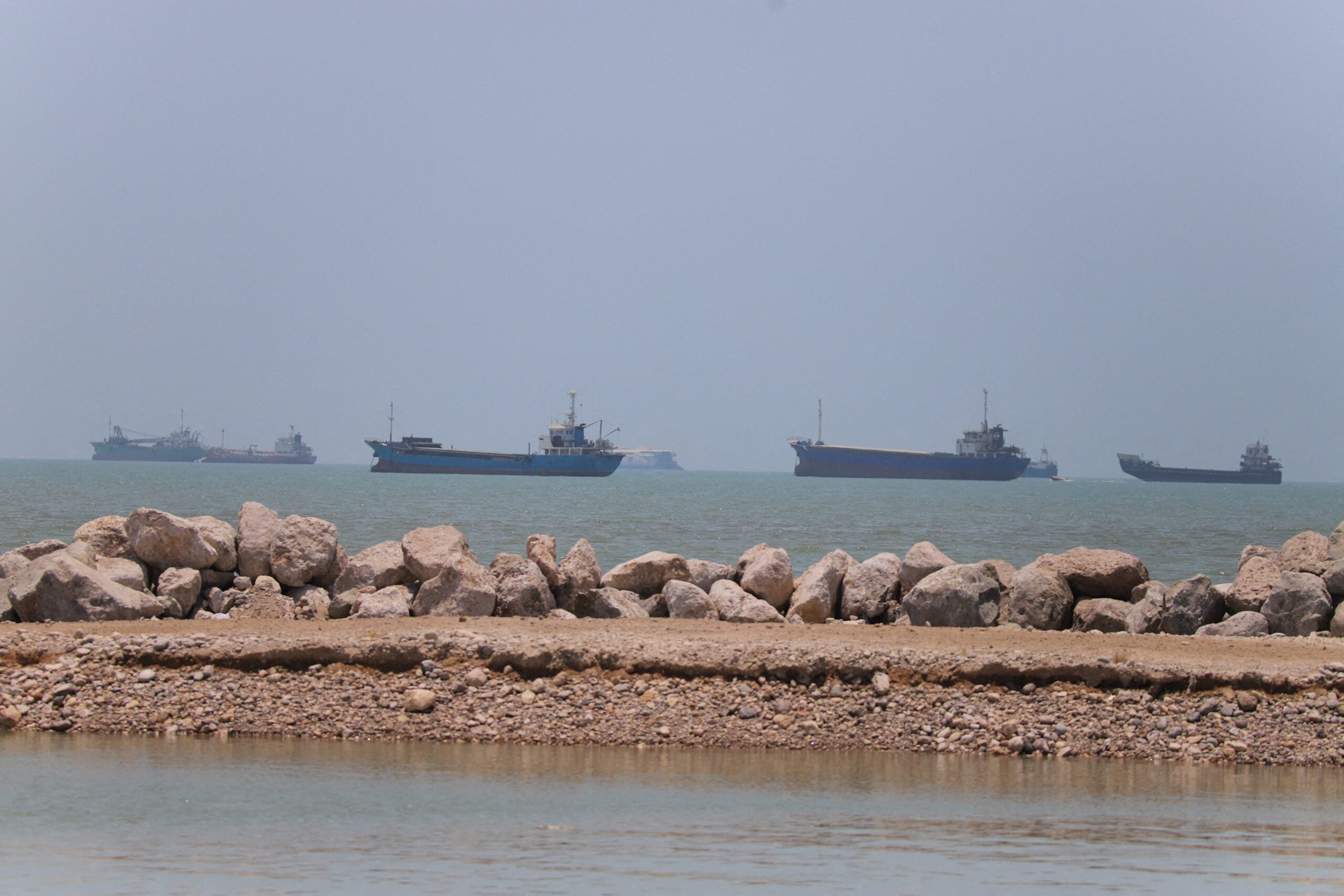
- It is likely maritime risk in and around the Strait of Hormuz will remain elevated in the near term despite a partial rebound in flows, given un-cleared mines, the pause of the IMO evacuation scheme, Iran’s asserted control measures, and observed post-attack slowdowns in daily transits. (Confidence: high · ASSESSED)
- I&W: Additional mine reports or navigational warnings in Omani waters or the Hormuz approaches. (0-14 days)
- I&W: IMO publicly announces resumption of its evacuation framework alongside an Iranian mine-clearance timetable. (1-3 months)
- It is likely Tehran will continue to impose de facto route-control and insurance requirements on Hormuz traffic, heightening friction with GCC states and Washington. (Confidence: high · ASSESSED)
- I&W: Iranian authorities publicise additional turn-backs or penalties for ships transiting outside designated routes or without Iranian-approved insurance. (0-14 days)
- I&W: GCC states publish operational guidance and escort plans that ignore Tehran’s route designations without Iranian pushback. (1-3 months)
- There is a roughly even chance the 18 June US-Iran MoU’s 60-day negotiating window holds through this crisis; signals on deconfliction and IAEA access are mixed and contested. (Confidence: medium · ASSESSED)
- I&W: IAEA announces a dated inspection itinerary and site list for visits in Iran, and both Washington and Tehran publicly acknowledge an operational deconfliction line for Hormuz. (0-14 days)
- I&W: The United States revokes General License X or the 60-day oil-sales authorisation, or Iran publicly suspends mine-removal commitments under the MoU. (0-14 days)
- It is likely the new US-backed Israel-Lebanon framework will face severe implementation resistance from Hezbollah, while Israeli public opinion favours force and distrusts ceasefires, raising the risk of renewed border violence despite support from Lebanon’s leadership. (Confidence: medium · ASSESSED)
- I&W: Hezbollah leadership escalates public rejection of the framework and organises mobilisation, while Israeli artillery or airstrikes resume along the border. (0-14 days)
- I&W: Lebanon publishes an implementation roadmap with broad domestic buy-in and a sustained halt in cross-border fire. (1-3 months)
- It is likely conflict-driven costs across maritime logistics will remain high in the short term, with container spot rates near multi-year highs and war-risk premiums elevated even as Gulf exports near 80 percent of pre-war levels. (Confidence: high · ASSESSED)
- I&W: Drewry’s World Container Index holds at or above about $4,200 per FEU for another weekly print. (0-14 days)
- I&W: War-risk premia quoted for Hormuz transits remain at roughly 0.4 percent of hull value per voyage or higher. (1-3 months)
- It is very likely the humanitarian situation for mariners remains acute after the latest attack, with evacuations paused and at least 14 seafarers killed since the conflict began. (Confidence: medium · ASSESSED)
- I&W: IMO maintains suspension of its evacuation framework and issues additional safety warnings for stranded crews. (0-14 days)
- I&W: IMO announces resumed evacuation corridors and reports a decline in the number of stranded seafarers. (1-3 months)
Outlook & scenarios
Tit-for-tat escalation at sea around Hormuz (50%)
Further Iranian drone or mine incidents against commercial traffic trigger additional US strikes on coastal radars, storage sites or launch platforms. Transits dip again from the post-MoU rebound, the IMO keeps evacuations paused, and war-risk premia harden at the top of quoted ranges. Oman and GCC states sharpen public opposition to Iranian route-control and insurance demands.
Managed de-escalation under the MoU (40%)
A US-Iran deconfliction line becomes operational, no follow-on attacks occur, and a limited inspection pathway is agreed in principle. Tehran signals cooperation on mine removal and the IMO restarts evacuations. Gulf exports stabilise near 80 percent of pre-war levels and container indices plateau, though premiums remain above pre-conflict norms.
Northern front relapse despite framework (30%)
Hezbollah rejects the framework, tensions spike along the Israel-Lebanon border, and Israeli public pressure sustains cross-border fire. The risk of an Iran-Israel exchange rises indirectly through Lebanese dynamics, diverting diplomatic bandwidth from the Hormuz track.
Recommendations
- Maintain a live incident timeline tying the 25 June Ever Lovely strike to the 26 June US airstrikes, with geolocated BDA and ship AIS tracks to validate attribution and sequencing.
- Task a daily collection sweep of UKMTO warnings, flag-state notices, and insurer circulars to track mine reports, routing advisories, and war-risk pricing for Hormuz transits.
- Map and archive Tehran’s asserted route designations and insurance demands, including statements from the Persian Gulf Strait Authority and IRGC VHF broadcasts; compare with GCC guidance rejecting tolls or control.
- Track implementation signals on the June MoU: hotline acknowledgements by Washington and Tehran, any revocation or extension of General License X and the 60-day oil-sales authorisation, and published mine-clearance steps.
- Set triggers for the Israel-Lebanon file: Hezbollah leadership statements on the framework, any reported cross-border strikes, and Israeli public-opinion updates on action against Hezbollah.
- Monitor freight-rate benchmarks (Drewry WCI, SCFI) alongside reported war-risk premia and port calls to assess whether logistics pressures are easing or tightening after the latest incident.
- Prepare alternative narratives and red-team analysis for contested points, especially the location and scope of US strikes and the status of IAEA access, flagging single-source elements and gaps.
Confidence & uncertainty
Overall confidence is medium. The Ever Lovely attack and subsequent US strikes are supported by multiple independent major-media reports, official attributions and maritime warnings, though there are unresolved discrepancies on the precise geography of the US strikes. Maritime risk and economic indicators are corroborated across trade publications and industry reporting. Diplomatic reporting on the June MoU, deconfliction and IAEA access is mixed and at times contradictory, with simultaneous claims of invitations and denials, which lowers confidence on the political trajectory. Humanitarian figures and the status of IMO evacuations are reported but include earlier references and programme-status nuances.
Alternative analysis (red cell)
Multiple key judgments rely heavily on unilateral government statements, limited media reports, and several medium- or low-confidence items, so alternative readings are reasonable. Attribution of the Ever Lovely strike to the IRGC Navy and the characterization of U.S. strikes lack independent forensic and sensor corroboration. Likewise, Iran’s asserted route-control, the MoU’s durability, Hezbollah’s operational intentions, and the precise scale of maritime humanitarian harm remain contestable given contradictions and evidence gaps.
Intelligence gaps
- [EEI 1.2 · PARTIAL] Movements and posture changes of Iran-backed proxy forces (Hezbollah units in Lebanon, militias in Syria/Iraq): concentrations of personnel, transport of rocket/artillery launchers, visible logistics build-up within operational range of Israel. Recommended collection: human/intel
- [EEI 1.3 · PARTIAL] Israeli defensive and offensive posture changes: reservist call-ups, mobilization orders, sorties/airstrikes attributed to Israel, and domestic activation of missile-defense systems (locations and activation times). Recommended collection: open-source/media
- [EEI 2.1 · UNCOVERED] Movements and tasking changes of external military assets: carrier strike groups, amphibious ready groups, expeditionary air wings, or ballistic-missile defense units into the Eastern Mediterranean, Persian Gulf, or Red Sea (vessel/aircraft IDs, routing, on-station times). Recommended collection: maritime/AIS
- [EEI 2.3 · UNCOVERED] Changes to force protection or alert levels at foreign bases in the region (e.g., US bases in Kuwait, Qatar, UAE; Russian bases in Syria): activation of additional air defenses, curfews, or reinforcement shipments (personnel/equipment manifests). Recommended collection: signals/intel
- [EEI 3.2 · PARTIAL] Changes in crude oil and refined product flows from key terminals (reported tanker loading delays, terminal closures, throughput volumes at Kharg, Mina al-Ahmadi, Ras Tanura, and major Gulf ports compared to baseline). Recommended collection: commercial/ports
- [EEI 3.3 · PARTIAL] Market and insurance indicators: sudden spikes in war-risk or hull insurance premiums for Middle East routes, large moves in regional FX/stock indices, and notable changes in commodity futures (oil, freight rates) tied to regional risk perceptions. Recommended collection: financial/transactional
Cited sources
[1] gcaptain.com · Drone Strike on Ever Lovely Exposes the Fiction of a Free Strait (B) · sha256:04eb68fde0d0 [2] gcaptain.com · Trump Says Iran Violated Ceasefire With Drone Attack on Ship (B) · sha256:8ddb7f77758e [3] CNN · U.S. strikes Iranian targets in response to attack on cargo ship | CNN (A) · sha256:9720be300482 [4] Fox News Digital · US strikes Iran after Strait of Hormuz cargo ship attack as ceasefire tensions escalate | Live Updates from Fox News Digital (B) · sha256:5a3508059585 [5] gcaptain.com · IMO Estimates There Are 80 Mines in Hormuz’s Shipping Lanes (B) · sha256:19d28892a0d8 [6] maritime-executive.com · Full Steam Ahead In the Strait of Hormuz? Not So Fast (B) · sha256:dc8023b563e8 [7] L'Orient Today · No confirmed reports of Israeli occupation claim that it 'took control' of Ali al-Taher | LIVE (B) · sha256:eb32acb39164 [8] gcaptain.com · Traffic Through Strait of Hormuz Slows After Attack on Ship (A) · sha256:2e301e3f5194 [9] gcaptain.com · Oman Tells Allies Ships Going Through Hormuz May Have to Pay (B) · sha256:fb3cbea18c2f [10] gcaptain.com · Iran Reasserts Its Right to Control Shipping in Strait of Hormuz After Ship Hit Near Oman (B) · sha256:df0098d1ef2a [11] presstv.ir · Iran condemns 'meddlesome and provocative' GCC-US joint statement (A) · sha256:92dad4d6884e [12] foxnews.com · Iran nuclear deal hinges on IAEA access to long-blocked atomic weapon sites, experts say (B) · sha256:fd647ccc2bfd [13] maritime-executive.com · U.S. Conducts Counterstrike on Iran in Retaliation for Ever Lovely Attack (B) · sha256:7ffc572fe20a [14] nbcnews.com · U.S. military releases video of new Iran strike (B) · sha256:dad059e79ed8 [15] haaretz.com · Hezbollah slams Israel-Lebanon agreement as 'gift to enemy' that will lead to civil war (B) · sha256:e0e4b659f015 [16] jpost.com · Poll shows most Israelis favor hardline security policies on Lebanon, Iran, Palestinians (B) · sha256:48a2e6013c8c [17] maritime-executive.com · Container Rates Near a Two-Year High Amidst Renewed Tariff Concerns (C) · sha256:c3a0d34fca68 [18] gcaptain.com · Shipping's Aging Global Fleet Is Raising Safety Risks (B) · sha256:f9c58a0d7868
Source content hashes were computed at collection time; the cited text is preserved unmodified for the life of this product.
Red cell review: PARTIAL DISSENT
TLP:CLEAR