TLP:CLEAR · Disclosure is not limited.
US strikes Iran; IRGC hits US-linked sites in Bahrain and Kuwait as Hormuz traffic stalls
Time window: Last 7 days · Audience: General analyst · Type: Situation report · DTG: 2026-07-09 00:23Z · Overall confidence: LOW
BLUF
US forces struck more than 80 targets inside Iran on 7-8 July after Tehran very likely attacked three ships in the Strait of Hormuz. Iran’s Guard then hit US installations in Bahrain and Kuwait as missile alerts sounded and civilian casualties were reported. Shipping through Hormuz has slowed sharply and Washington revoked oil-sale permissions as both sides signal the ceasefire is effectively over.
Executive summary
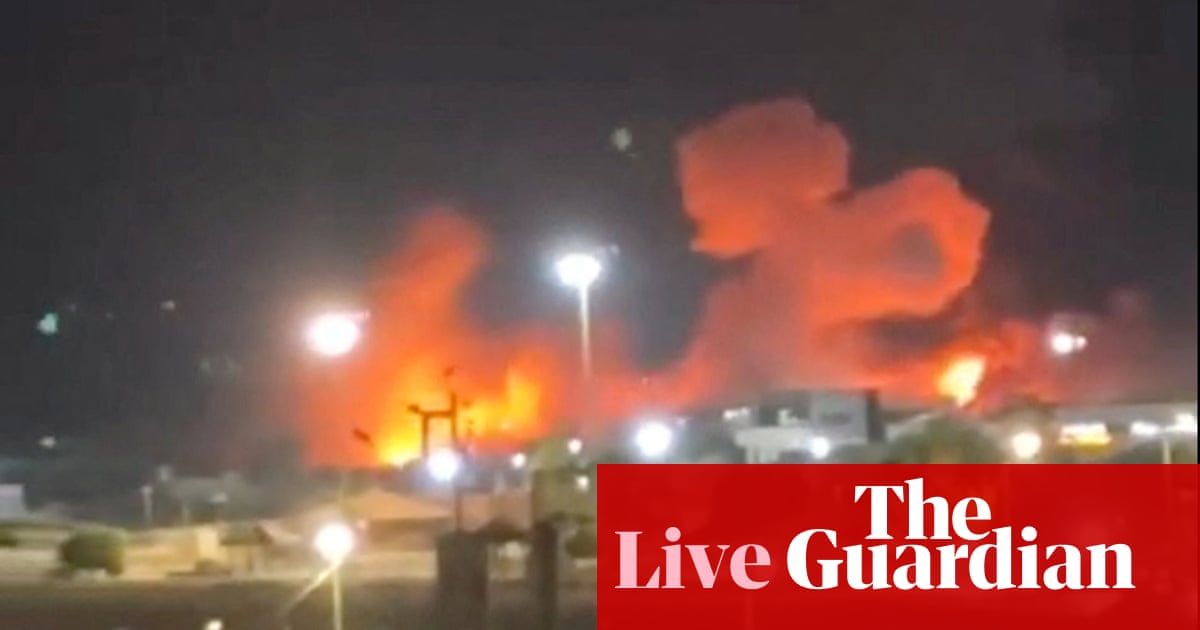
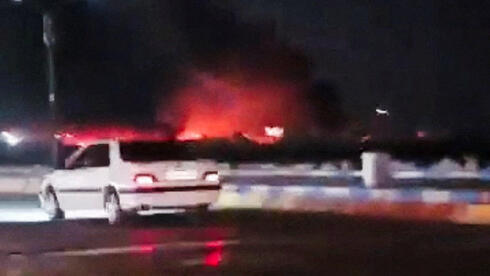
On 7-8 July 2026, the United States launched strikes inside Iran, with Central Command stating the action aimed to impose heavy costs for attacks on commercial shipping in the Strait of Hormuz. Reporting indicates more than 80 Iranian targets were hit. Iranian state media reported explosions in Bandar Abbas, Qeshm and Sirik, while separate reporting noted blasts in Bushehr and Kharg Island. Iran’s Guard acknowledged targeting US military installations in Bahrain and Kuwait, consistent with missile alerts sounded in both countries, and authorities reported 32 civilians injured in Sitra, Bahrain, and a child killed in Kuwait from falling drone debris. Washington also revoked permissions that had allowed Iranian oil sales during the truce, while President Trump publicly declared the ceasefire ‘over’. Iran’s foreign ministry stated the US attacks and a reinstated naval blockade rendered ‘important and fundamental’ parts of the deal ineffective. Multiple reports describe traffic through Hormuz falling to a near halt and seafarers stranded, alongside an oil price jump of about 5 percent.
Key judgments
- The United States very likely carried out large-scale strikes against more than 80 Iranian targets on 7-8 July 2026, after Iran very likely attacked three ships transiting the Strait of Hormuz. (Confidence: high · REPORTED)
- I&W: CENTCOM publishes geolocated pre- and post-strike imagery naming specific coastal radar, air-defence or anti-ship sites near Bandar Abbas, Qeshm, Sirik or Bushehr. (0-14 days)
- I&W: No further official detail on the 80+ target set and persistent Iranian state-media claims of minimal damage at the cited coastal sites without contradiction. (0-14 days)
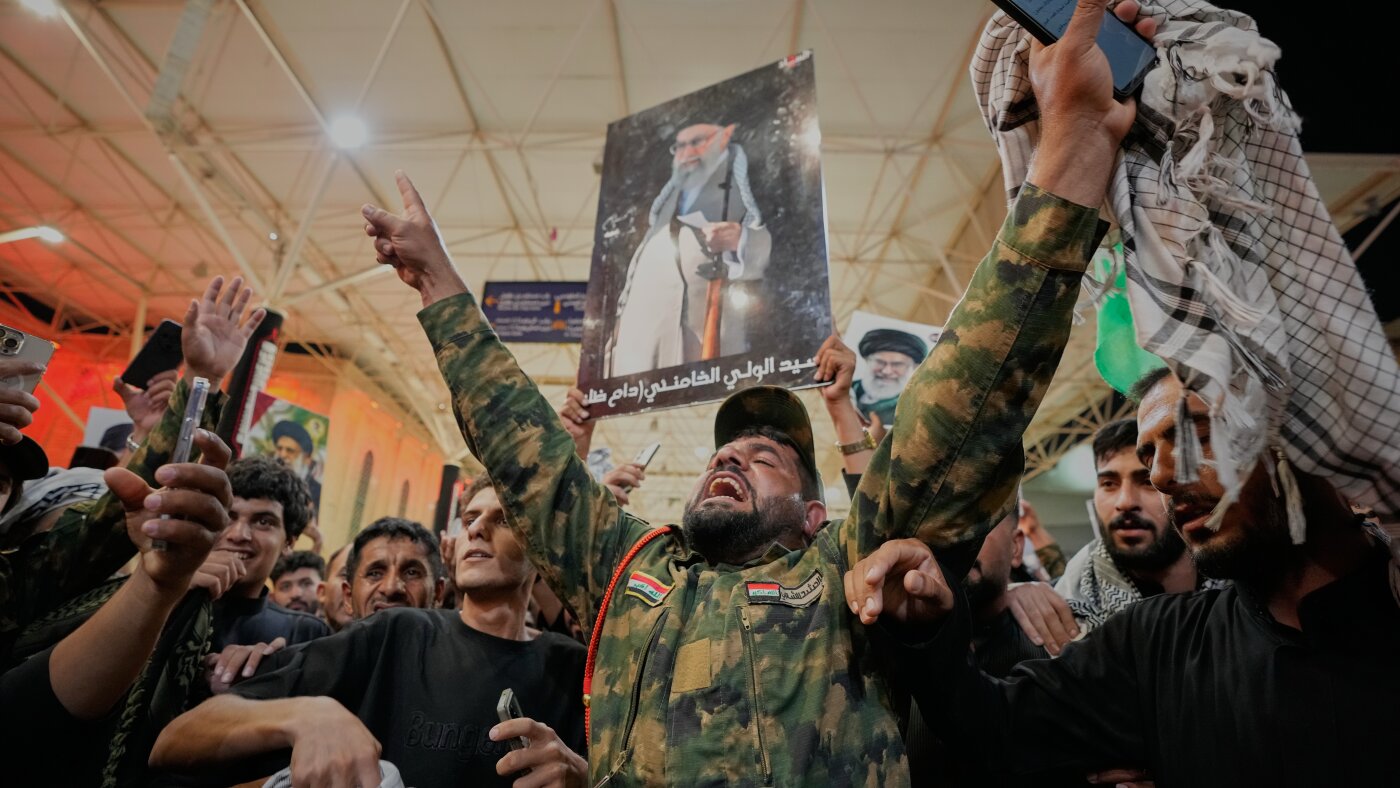
- Iran’s Islamic Revolutionary Guard Corps very likely struck US military installations in Bahrain and Kuwait on 7-8 July, with missile alerts sounding in both countries and civilian casualties reported. (Confidence: high · REPORTED)
- I&W: Official repair notices, base access restrictions, or imagery indicating damage at US facilities in Bahrain or Kuwait. (0-14 days)
- I&W: No further missile alerts in Bahrain and Kuwait and US Central Command statements denying strikes reached installations. (0-14 days)
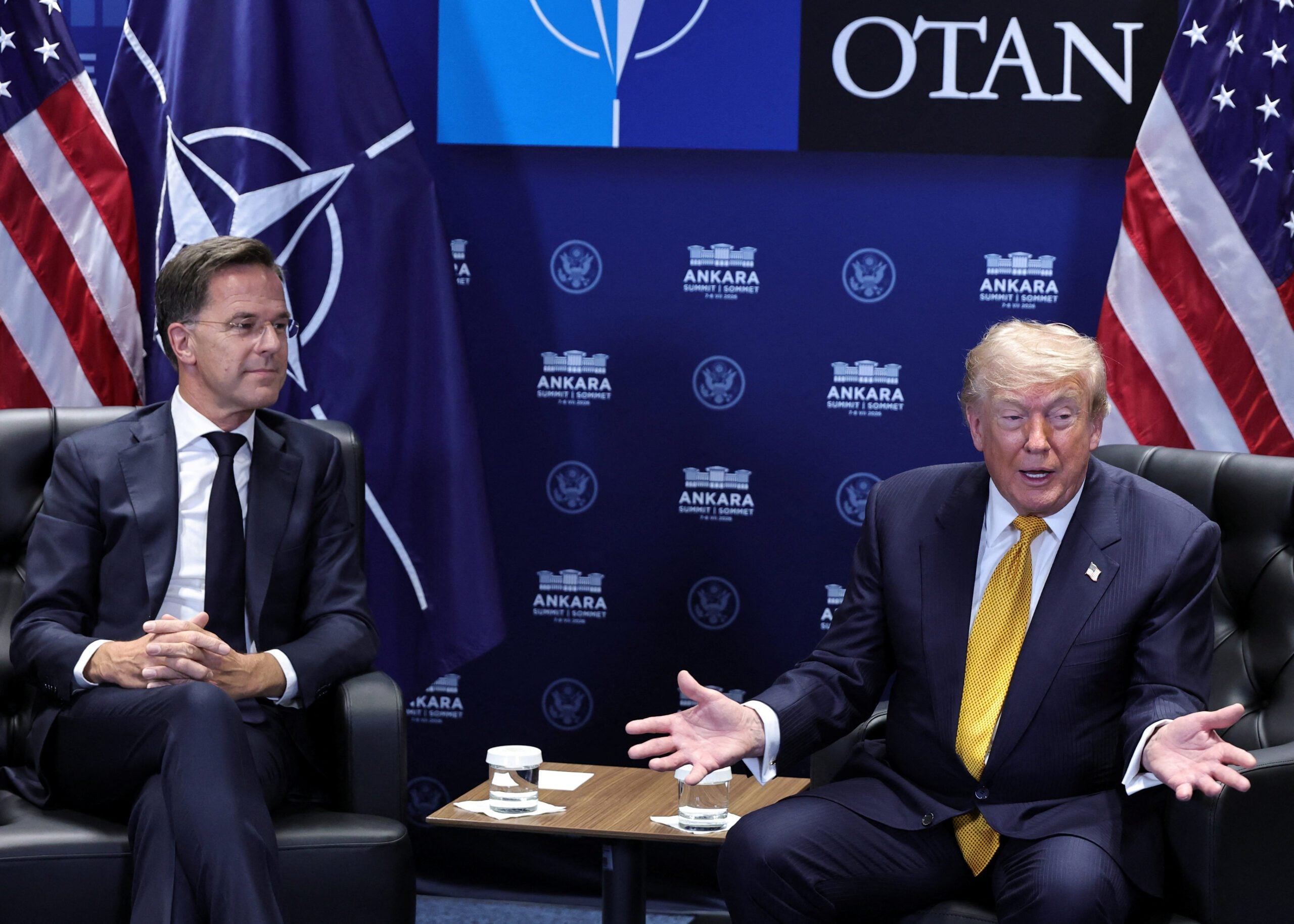
- The Islamabad Memorandum ceasefire framework is likely defunct, with both Washington and Tehran signalling intent to continue hostilities and Iran stating parts of the deal are ineffective. (Confidence: medium · ASSESSED)
- I&W: Either side issues a formal suspension or withdrawal notice from the Islamabad Memorandum, or conducts another round of cross-border strikes within days. (0-14 days)
- I&W: Announcements from both capitals of a venue and date to resume talks under the memorandum’s framework. (0-14 days)
- Iran very likely retains intent and capability to target US-associated locations in the UAE and wider Gulf, sustaining a high risk of additional drone and missile attacks in the near term. (Confidence: medium · ASSESSED)
- I&W: UAE or other GCC authorities report new drone or missile intercepts, or public siren activations, against sites hosting US personnel. (0-14 days)
- I&W: Official Iranian statements rescind threats against UAE-based US sites and GCC alerting activity remains quiet for 30 days. (1-3 months)
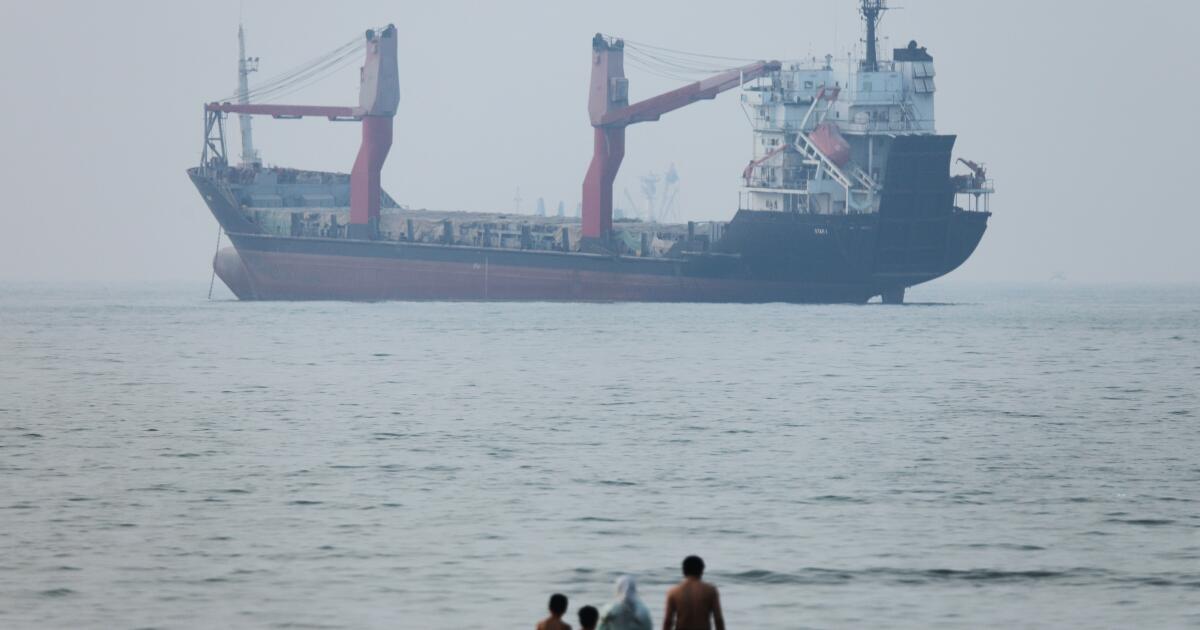
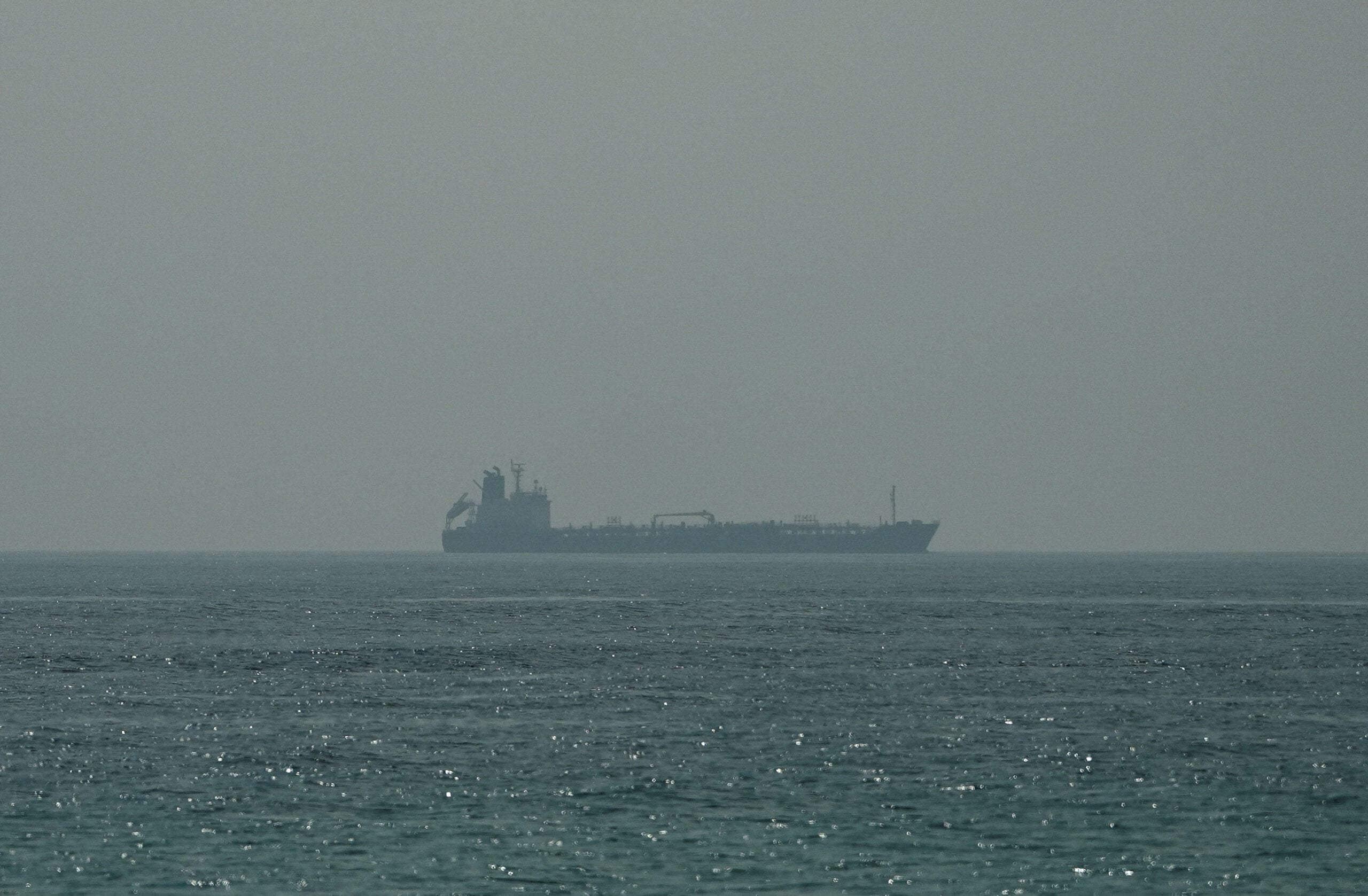
- Disruption to shipping in the Strait of Hormuz is likely to persist in the short term, with near-halted transits, stranded crews and higher oil prices signalling market stress. (Confidence: medium · ASSESSED)
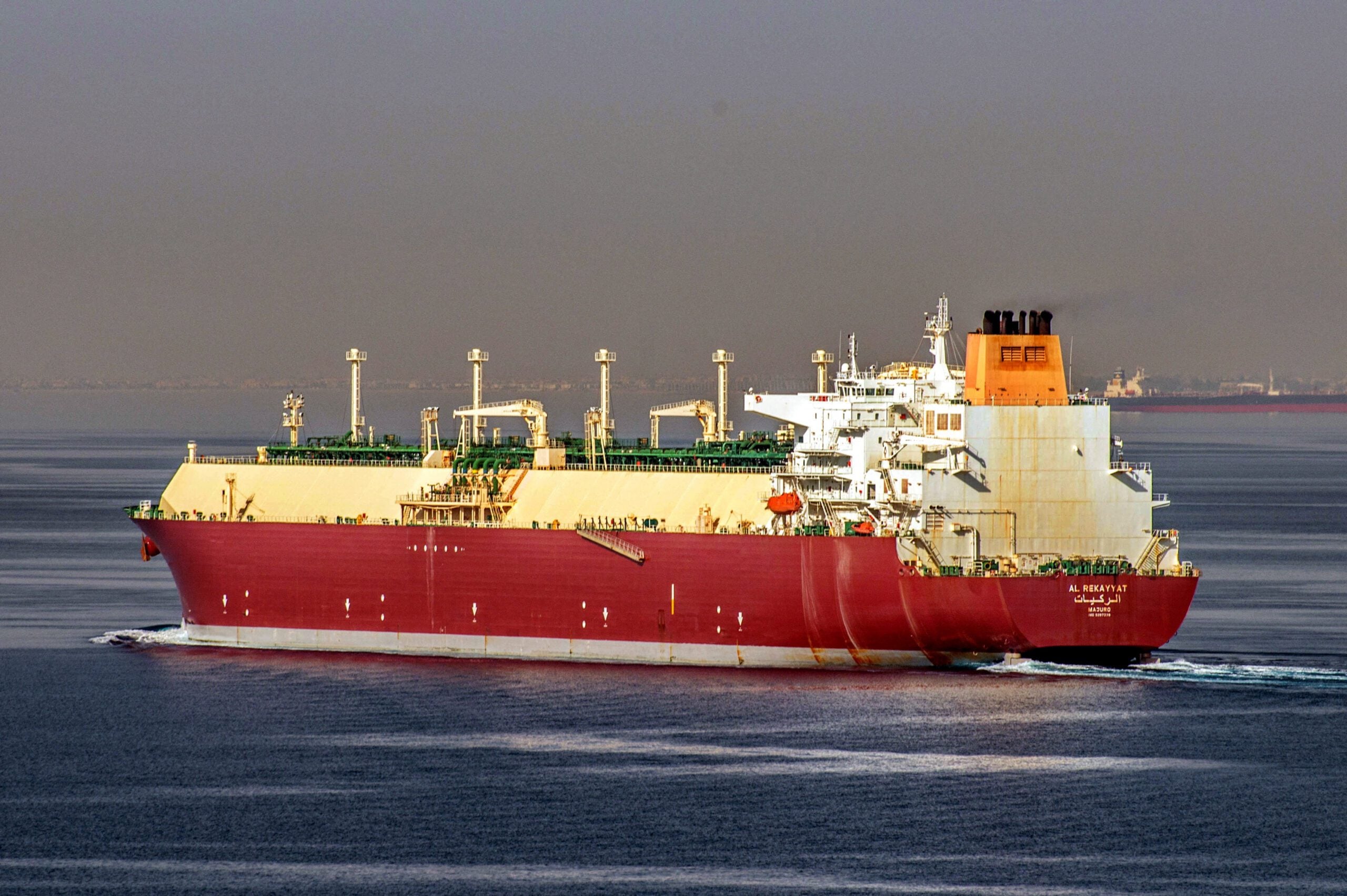
- I&W: AIS traffic remains depressed through Hormuz and the Al Rekayyat remains stationary awaiting salvage. (0-14 days)
- I&W: Sustained resumption of tanker transits through Hormuz to typical daily averages and completion of Al Rekayyat salvage. (1-3 months)
Outlook & scenarios
Managed escalation: continued tit-for-tat and constrained shipping (55%)
Over the next weeks, the US sustains periodic strike packages against Iranian coastal military infrastructure linked to shipping attacks. The IRGC replies with episodic volleys against US installations in Bahrain and Kuwait while Gulf states trigger sirens and report isolated civilian harm. Oil holds a risk premium near the recent 5 percent move and Hormuz traffic stays curtailed but not shut. This aligns with US strikes on 80+ targets, Iranian claims of hitting 85 US targets, and missile alerts and casualties in Bahrain and Kuwait, alongside public warnings from Washington of further action.
Hormuz squeeze and GCC spillover (30%)
Tehran tightens control of Hormuz routes and attempts intermittent closures while escalating attacks on US-linked sites in the UAE. Shipping follows Iranian-directed ‘safe routes’, insurers price longer avoidance, and alerts recur across Bahrain, Kuwait and the UAE. This path is consistent with stated Iranian intent to target US-associated locations in the UAE, substantial earlier salvos into the UAE, and reporting that Iran has maintained a chokehold over Hormuz since the war.
Short pause to reframe talks (20%)
After initial salvos, both sides pause strikes, announce a narrow shipping-security channel for Hormuz, and seek to salvage parts of the Islamabad Memorandum. Pakistan and others push for a venue and date to resume talks. The likelihood is dampened by Washington’s declaration that the ceasefire is ‘over’ and Tehran’s statement that key parts of the deal are ineffective, though the on-off pattern of recent negotiations leaves a window for a tactical pause.
Recommendations
- Maintain a rolling, time-stamped log of strikes, missile alerts and claimed targets across Bahrain, Kuwait and southern Iran; geolocate reported explosions in Bandar Abbas, Qeshm, Sirik, Bushehr and Kharg Island to validate target sets.
- Task imagery and open-source analysis to confirm or refute damage at Iranian coastal air-defence, radar and anti-ship sites named by CENTCOM; prioritise sites proximate to Hormuz approaches.
- Monitor official advisories from Bahrain and Kuwait on civil defence alerts and base access restrictions to assess follow-on IRGC activity and impacts on US facilities.
- Stand up a Hormuz maritime dashboard that tracks AIS transits, the status of the Al Rekayyat salvage, insurer guidance and reported vessel damage to estimate throughput and risk premiums.
- Produce a sanctions-impact note detailing the timing and scope of US revocations of oil-sale permissions and likely Iranian responses, integrating market signals from the recent oil price rise.
- Update the GCC threat picture for US-associated personnel and infrastructure in the UAE using declared Iranian intent and historical attack volumes; cross-check FAA and Department of State advisories for changes.
- Flag concrete tripwires for escalation to leadership: additional US or IRGC strike announcements; missile alerts in new GCC locales; verified imagery of fresh damage at coastal sites; or formal statements suspending or reviving the Islamabad Memorandum.
Confidence & uncertainty
Overall confidence is low because several key elements rest on timelines and attributions that vary across sources. Reporting on US strike timing spans 30 June to 7-8 July, and Iranian retaliation is described across 7-8 July by multiple outlets with overlapping but not identical details. Some critical points, such as traffic near-halt in Hormuz, stranded seafarers and the oil price jump, are single-source or lightly corroborated. Casualty reporting also diverges, with Iran acknowledging strikes but initially offering no losses alongside separate claims of fatalities. Thermal detections record heat but do not attribute cause. While multiple high-reliability sources corroborate the broad outline of reciprocal strikes, unresolved contradictions on dates, scope and effects constrain confidence.
Alternative analysis (red cell)
While kinetic exchanges, alerts, and disruptions likely occurred, many central claims depend on a small set of interdependent reports (notably items tied to origin_cluster_id fa8f58aa-314a-4a52-b612-d9bd9d57d878) and political statements that do not by themselves prove scale, attribution, or enduring effects. Alternative readings—more limited U.S. strikes, alerts and local damage rather than confirmed attacks on U.S. bases, the Memorandum’s mechanisms remaining partially operative, and shipping disruption being transient—are defensible until independent geospatial, forensic, or documentary corroboration is obtained.
Cited sources
[1] Los Angeles Times · Iran ceasefire is 'over,' Trump says, and orders additional strikes - Los Angeles Times (A) · sha256:1ad6a6524b46 [2] Al Jazeera · Why have US-Iran strikes resumed and what does it mean for peace? (A) · sha256:33fed5272a61 [3] gcaptain.com · Trump Says US Ceasefire With Iran Is ‘Over’ After Strikes (B) · sha256:fb51eb27aee1 [4] npr.org · Tehran targets Bahrain and Kuwait after U.S. strikes (A) · sha256:6ec972c3a9e8 [5] kalw.org · Tehran targets Bahrain and Kuwait after U.S. strikes (A) · sha256:d7cc55980caa [6] ynetnews.com · US strikes Iran after tanker attacks, Tehran hits Gulf bases as Hegseth heads to Israel (B) · sha256:27cb4d9d6a6d [7] Wikipedia · 2026 Iranian strikes on Arab countries (B) · sha256:c1d00c31368d [8] The Guardian · Middle East crisis: Trump threatens US will hit Iran ‘hard again tonight’ after saying truce is over – as it happened (A) · sha256:9f25e24d0757 [9] Wikipedia · 2025–2026 Iran–United States negotiations (B) · sha256:58c978bc228c [10] nypost.com · Iran to close Strait of Hormuz as it vows mass retaliation against US attacks: report (B) · sha256:7f6de7aa5731 [11] U.S. Department of State · United Arab Emirates Travel Advisory (A) · sha256:7a0c71f2991b [12] gcaptain.com · IMO Urges Ships to Avoid Hormuz as U.S. Strikes Iran Over Vessel Attacks (B) · sha256:bc3221778f2b [13] gcaptain.com · Damaged Qatari LNG Tanker Awaits Salvage After Strike Near Hormuz (A) · sha256:2e441f3fdc94
Source content hashes were computed at collection time; the cited text is preserved unmodified for the life of this product.
Red cell review: PARTIAL DISSENT
TLP:CLEAR