TLP:CLEAR · Disclosure is not limited.
Venezuela: Dialogue advances, election date remains unset
Time window: Last 7 days · Audience: General analyst · Type: Situation report · DTG: 2026-10-22 16:11Z · Overall confidence: MEDIUM
BLUF
The third round of US-backed government-opposition talks ended with agreements to review laws and meet again from 11 to 15 November, but no presidential election date. Political negotiations are advancing on institutional issues while electricity-related protests continue to signal public pressure.
Executive summary
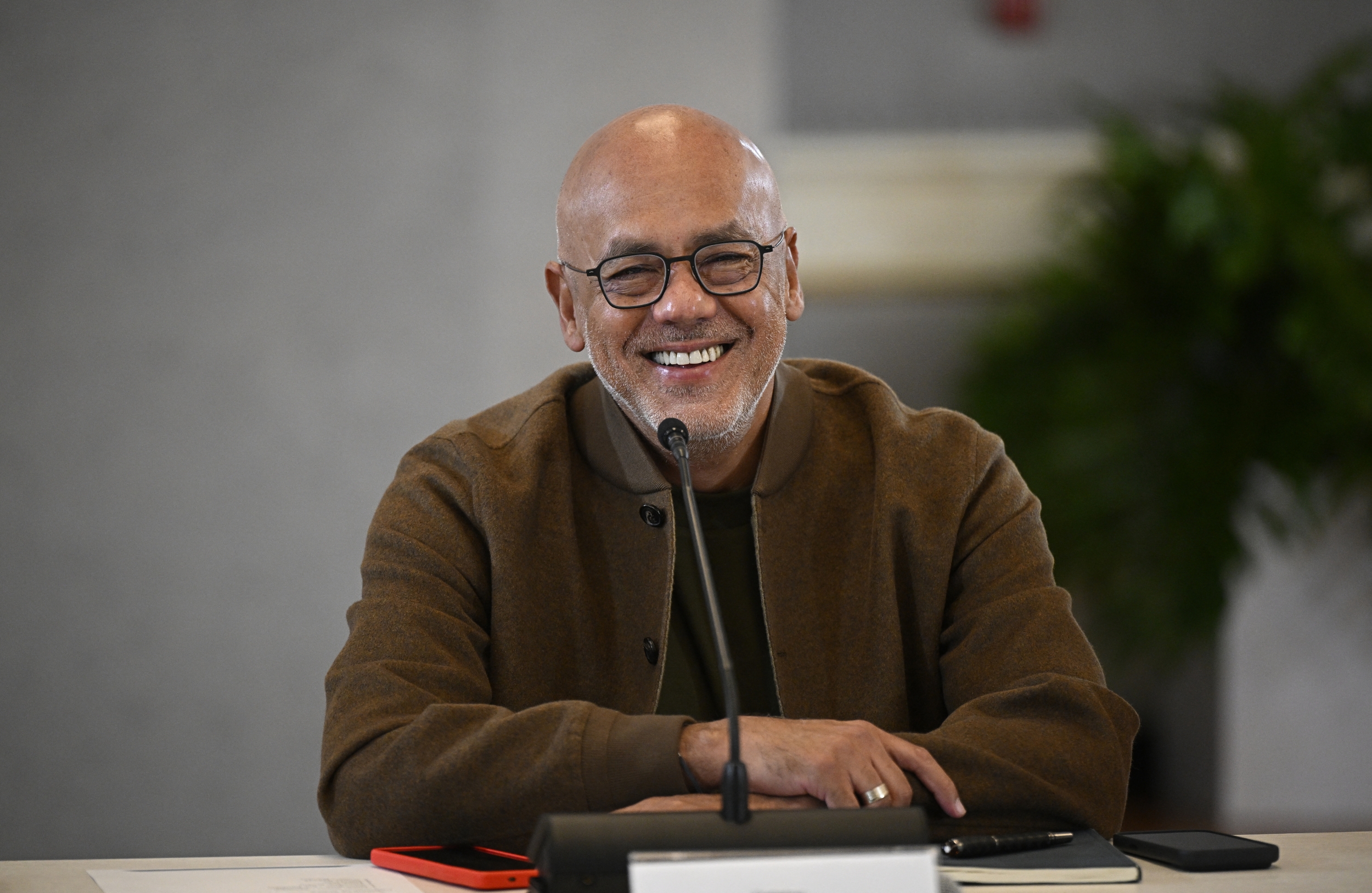
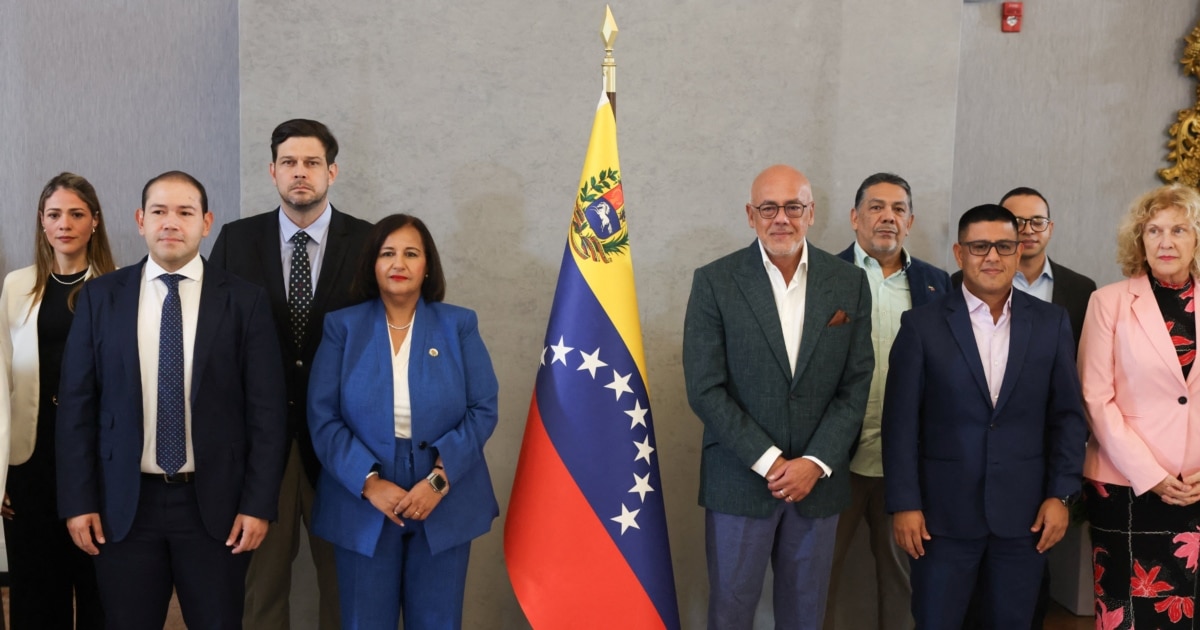
Delegations representing the 2015 National Assembly and the pro-government National Assembly concluded a third round of talks in Caracas. They agreed to review several laws, including provisions governing political disqualifications, and to reconvene from 11 to 15 November. The round ended without an election date. María Corina Machado remains outside Venezuela, and the opposition is seeking to lift her disqualification. The Observatorio Venezolano de Conflictividad Social documented 1,101 protests in September, including 531 over electricity service. Reporting in this cycle also explicitly describes Nicolás Maduro's capture by US forces on 3 January 2026 and Delcy Rodríguez's subsequent interim presidency. A local-media account reports severe earthquake damage and casualties, but those figures are not independently corroborated in the available reporting.
Change from previous assessment
Since the 21 October brief, the main development is the reported conclusion of the third Caracas negotiating round. The delegations agreed to review specific laws and scheduled another meeting for 11 to 15 November, but again did not announce an election date. This brief adds September's OVCS protest totals and the 14 October delisting of Jorge Rodríguez. It also updates the prior risk frame: current reporting identifies Maduro's capture by US forces on 3 January 2026 as a completed event and Delcy Rodríguez as interim president. The prior near-term military-escalation judgment is retired as a prospective-capture question; the reporting in this cycle does not establish a new imminent operation. The assessment that no agreed election timetable is near remains unchanged.
Key judgments
- An agreed presidential election timetable is unlikely within the next 30 days. The delegations concluded their third round without setting a date, despite agreeing to review laws and scheduling another meeting for 11 to 15 November. This is an assessment based on reporting from major media, with negotiation details largely attributed to the delegations. (Confidence: medium · ASSESSED)
- I&W: Confirm: the delegations meet from 11 to 15 November and issue a joint statement without an election date. Break: they publish a jointly agreed presidential election date or timetable. (0-30 days)
- I&W: Confirm: the next round ends without a calendar and schedules further talks. Break: the parties announce that negotiations have produced an agreed election calendar. (0-30 days)
- María Corina Machado's eligibility and return to Venezuela are likely to remain central tests of political guarantees. The opposition is demanding that her disqualification be lifted; reporting says she remains outside the country, and the talks include review of the law governing political disqualifications. The assessment rests on reported opposition positions and a reported negotiating commitment, rather than evidence that the government has agreed to restore her eligibility. (Confidence: medium · ASSESSED)
- I&W: Confirm: the November joint statement or agreed text retains review of the political-disqualification provisions. Break: the delegations publicly drop or reject that review. (0-30 days)
- I&W: Break: Venezuelan authorities permit Machado to return and the disqualification is formally lifted. Confirm: her return remains blocked or the ban remains in force. (1-3 months)
- Electricity grievances are likely to remain a visible source of protest pressure. OVCS documented 1,101 protests in September 2026, of which 531 concerned power cuts or electricity-service problems. The figures are reported through major media from an NGO dataset; they establish a high September count but do not by themselves show the October trend. (Confidence: medium · ASSESSED)
- I&W: Confirm: the next OVCS monthly release records at least 400 protests over electricity service. Break: it records fewer than 200. (1-3 months)
- I&W: Confirm: the next OVCS release reports that electricity-service complaints remain among the leading protest causes. Break: it reports a marked decline in those complaints. (1-3 months)
- A broad US sanctions rollback is unlikely to be established from the available reporting. The reported measures include OFAC's removal of Jorge Rodríguez from the Specially Designated Nationals list on 14 October and earlier general licences for Venezuela-related trade. The evidence supports selective easing, but the licence details rely partly on trade-publication reporting and do not establish unrestricted access to the Venezuelan oil sector. (Confidence: low · ASSESSED)
- I&W: Confirm: OFAC's published authorisations remain limited to specified activities and do not establish unrestricted Venezuela-wide oil transactions. Break: OFAC publishes a general authorisation permitting unrestricted dealings across the Venezuelan oil sector. (1-3 months)
- I&W: Break: OFAC announces a broad removal of Venezuela-related restrictions beyond the reported individual delisting and existing licences. (1-3 months)
- Nicolás Maduro and Cilia Flores are scheduled to face trial in Manhattan beginning in June 2027 after pleading not guilty to the torture-conspiracy charge. Reporting on their pleas appears across a think tank, major media and an NGO account; the trial date is reported by the think tank alone, so confidence in the schedule is lower than confidence in the pleas. (Confidence: medium · REPORTED)
- I&W: Confirm: a court filing or docket continues to list a June 2027 trial start. Break: the court issues a revised trial date or a material change to the schedule. (1-3 months)
- I&W: Confirm or break: the next public court record states whether Maduro and Flores maintain their not-guilty pleas to the torture-conspiracy charge. (1-3 months)
- A local-media account reports that the 24 June 2026 earthquakes killed 6,509 people, left 29,000 missing, injured more than 200,000 and damaged about 400 schools, leaving around 200,000 children and adolescents out of school. These figures remain uncorroborated in the available reporting and should be treated as provisional; the casualty and school-impact reporting comes from one local-media account. (Confidence: low · REPORTED)
- I&W: Confirm: at least two independent humanitarian or education reports publish casualty and school-impact figures close to those reported by local media. Break: independent reporting gives materially different totals. (0-14 days)
- I&W: Confirm: an updated school count verifies damage to about 400 schools and roughly 200,000 students out of school. Break: an updated assessment substantially revises either figure. (0-30 days)
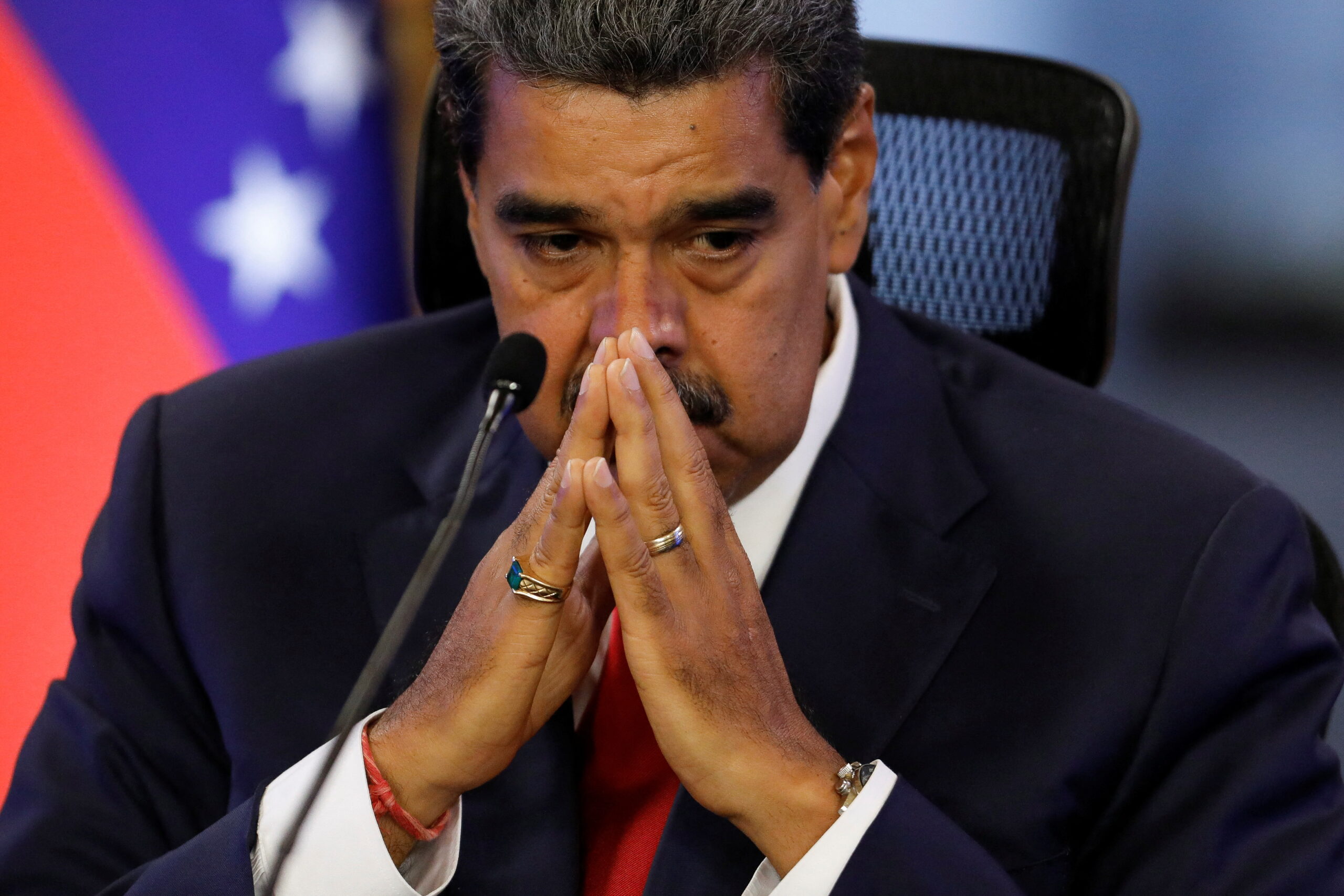
- The current political risk frame is a post-capture interim government, not a prospective US operation to remove Maduro. Multiple reports identify 3 January 2026 as the date US forces captured him and state that Delcy Rodríguez subsequently became interim president. Reporting also describes Washington as backing her leadership. Confidence is medium because the capture is reported across multiple outlets, but the available claims do not include primary government records and some items use inconsistent titles for Maduro. (Confidence: medium · ASSESSED)
- I&W: Confirm: public court records or official statements continue to identify Maduro as captured and Rodríguez as interim president. Break: an authoritative record disputes the capture or Rodríguez's assumption of office. (0-14 days)
Outlook & scenarios
Incremental talks, no immediate election calendar (55%)
The delegations meet from 11 to 15 November and continue drafting legal and political-guarantee reforms. Talks remain active, but the next round ends without an agreed presidential election date. Machado's eligibility remains unresolved.
Talks stall as public pressure persists (25%)
The November meeting is postponed or produces no agreed reform text. Electricity-related protests remain a prominent grievance, and the absence of an election timetable deepens opposition criticism of the interim government.
Negotiations produce an electoral roadmap (15%)
The delegations agree on a formal election timetable and specific steps on political guarantees, legal reform and disqualifications. Such an outcome would mark a shift from the current focus on process and institutional review to an agreed electoral sequence.
Wildcard: abrupt rupture and renewed political confrontation (5%)
The talks collapse over political disqualifications or guarantees, followed by new restrictions or detentions and a sharp increase in protest activity. This is a low-probability, high-impact path; the available reporting does not establish that such a rupture is imminent.
Recommendations
- Track the 11 to 15 November negotiating round. Record whether the delegations meet, publish joint texts, retain the review of political-disqualification provisions and set a further date.
- Separate an agreed election calendar from opposition proposals. Track any formal timetable alongside the status of Machado's disqualification and return to Venezuela.
- Use the next OVCS monthly release to compare total protests and electricity-related protests with September's reported counts. Treat reported causes of blackouts as contested, since the government and opposition offer different explanations.
- Review OFAC's published licence text and notices before characterising sanctions policy as broadly relaxed. Distinguish individual delistings and activity-specific licences from wider authorisation.
- Do not use the earthquake casualty and school-damage figures as established totals until independent humanitarian or education reporting corroborates them.
- Monitor public court records for changes to Maduro and Flores's plea status or the reported June 2027 trial schedule.
Confidence & uncertainty
Overall confidence is medium. Major-media reporting provides a detailed account of the negotiations, while the September protest figures are attributed to OVCS. Those accounts give a useful basis for the current political assessment, but many details are attributed to the parties or a single outlet. The reported sanctions scope relies partly on a trade publication, and the earthquake figures come from one local-media account without independent corroboration. Reporting on Maduro's capture is multiple, although some items use inconsistent titles for his status.
Alternative analysis (red cell)
The available claims do not reliably establish that Maduro was captured or that Delcy Rodríguez exercises effective interim authority. The capture narrative rests partly on C1 and B4 reporting, while the ledger records both date inconsistency and disagreement over whether Maduro is former or sitting president. Until primary records and independent corroboration are available, a prospective US operation and a post-capture interim-government scenario should remain competing interpretations rather than treating the latter as the settled risk frame.
Intelligence gaps
- [EEI 1.2 · PARTIAL] Public resignations, defections, detentions, or disciplinary actions naming specific senior military, intelligence, or police officers (name, rank, unit, date, supporting evidence). Recommended collection: open-source/social media
- [EEI 1.3 · UNCOVERED] Published orders, decrees, or personnel lists showing promotions, reassignments, or purges within the National Bolivarian Armed Forces, National Guard, or presidential protection units (document or official gazette reference). Recommended collection: open-source/diplomatic
- [EEI 1.4 · PARTIAL] Arrests, detentions, or restrictions on movement of named opposition leaders or political figures with detention location, custody authority, and detention conditions reported. Recommended collection: human/local media
- [EEI 2.1 · PARTIAL] Verified protest activity by location and estimated turnout (street-level counts, police reports, hospital/ambulance logs, timestamped geolocated photos or videos) on specified dates. Recommended collection: social media/open-source
- [EEI 2.2 · UNCOVERED] Documented lists or communications naming regional protest coordinators, strike organizers, or logistics nodes (transport bookings, fuel/food supply movements) tied to opposition plans. Recommended collection: social media/human
- [EEI 2.3 · UNCOVERED] Financial movements to opposition-controlled organizations or individuals above defined thresholds (bank transfers, wire records, large cash seizures, crypto wallet transfers with timestamps and amounts). Recommended collection: financial/forensic
- [EEI 2.4 · UNCOVERED] Public formation or activation of alternative governance bodies by the opposition (declared councils/ministries, named members, declared headquarters or offices) with supporting documentation or announcements. Recommended collection: open-source/diplomatic
- [EEI 3.1 · PARTIAL] Crude oil and refined product export volumes from Venezuelan ports by vessel (AIS-identified tankers), including flagged destinations and any ship-to-ship transfer events, by week. Recommended collection: maritime/AIS
- [EEI 3.2 · UNCOVERED] Notices of correspondent banking relationship changes for PDVSA, the Central Bank of Venezuela, or other state entities (account freezes, closures, new bank signings) with bank names and dates. Recommended collection: economic/finance
- [EEI 3.3 · UNCOVERED] Detected arrivals/deployments of foreign military personnel, equipment, or advisory teams (air/sea container manifests, port calls with cargo descriptions, geolocated imagery of military assets) originating from Russia, Cuba, Iran, or other external supporters. Recommended collection: imagery
- [EEI 3.4 · UNCOVERED] Export records or interdictions showing volumes and destinations of gold, diamonds, or other high-value commodities linked to state entities or proxies (customs manifests, seized shipments, buyer identities). Recommended collection: economic/finance
Red cell review: PARTIAL DISSENT
TLP:CLEAR