TLP:CLEAR · Disclosure is not limited.
Venezuela: Limited political opening, contested US security talks
Time window: Last 7 days · Audience: General analyst · Type: Situation report · DTG: 2026-11-04 16:08Z · Overall confidence: HIGH
BLUF
Venezuela has seen limited institutional and diplomatic movement, but no evidence in this reporting establishes a settled political compact. The National Assembly preliminarily approved changes to the Law Against Hate, while a report of US talks on a long-term troop presence conflicts with a State Department official’s denial of base discussions.
Executive summary
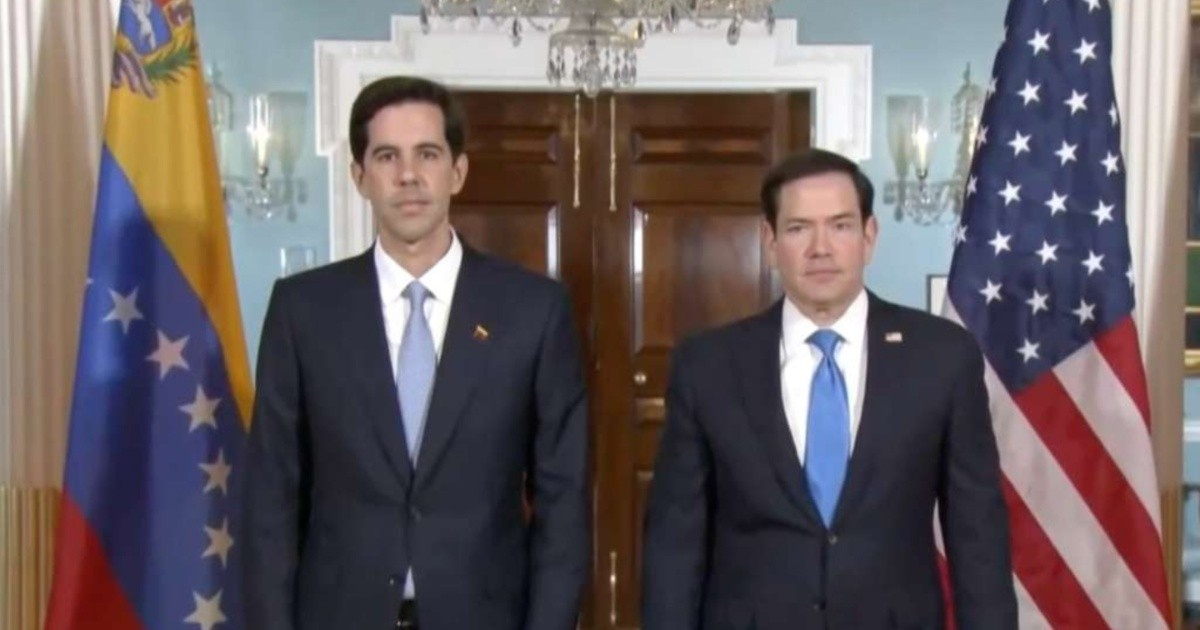
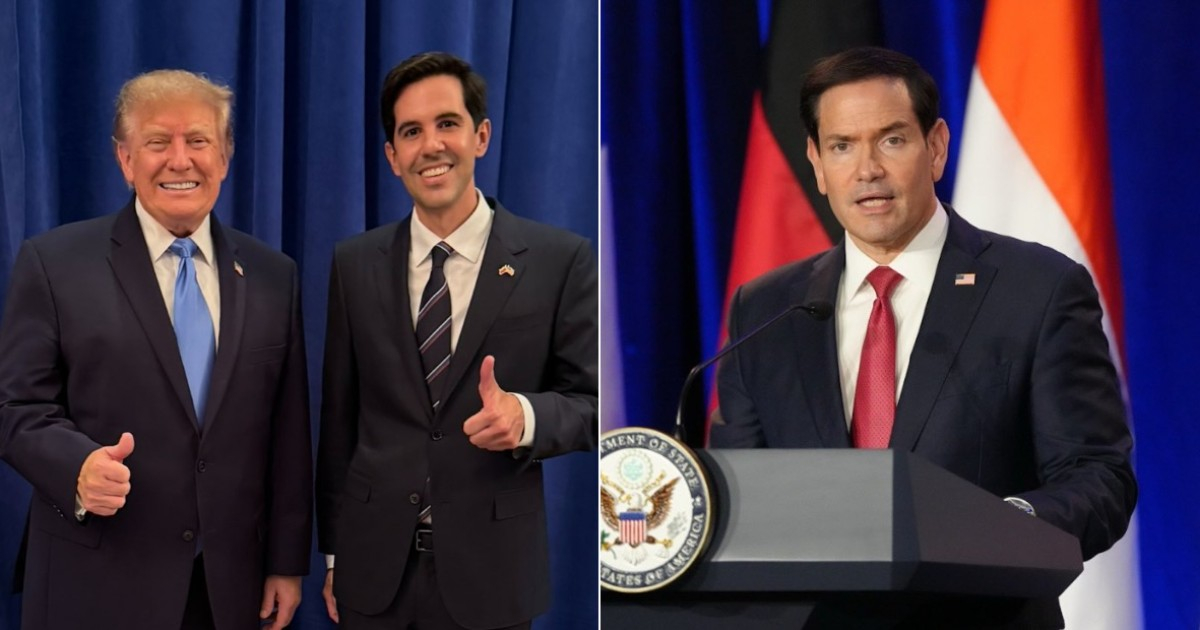
Interim President Delcy Rodríguez’s government is pursuing a reform of the Law Against Hate, but the preliminary bill does not meet the Plataforma Unitaria’s demand for repeal, and the Inter-American Commission on Human Rights and its Special Rapporteurship have called for publication and consultation. Marco Rubio met Foreign Minister Oliver Blanco in Washington on 2 November, the first reported bilateral meeting since Nicolás Maduro’s capture in January 2026. Separate reporting on a possible long-term US military presence is disputed. Foro Penal reported 322 political prisoners as of 26 October, including 140 members of the armed forces. GeoPark’s 25-year Bare Block contract has taken effect, but the company’s plans and well assessments do not establish increased production.
Change from previous assessment
Since the 3 November prior brief, the National Assembly’s preliminary approval of the Law Against Hate reform adds a concrete legislative development, while the reform’s gap with opposition and IACHR demands remains clear. Reporting now describes a potential long-term US military presence agreement, but an unnamed State Department official denies that base discussions are under way; confidence in the status of those talks is low. GeoPark’s effective Bare Block contract adds a specific commercial step, without evidence that production has increased. The reported institutional roadmap remains a proposal, and the latest reporting does not establish a presidential election date.
Key judgments
- It is likely the 3 November preliminary reform of the Law Against Hate will leave the central dispute over freedom of expression unresolved. The proposal would replace prison sentences with fines and community service, clarify procedures and remove the power to revoke media licences, but the reform does not meet the Plataforma Unitaria’s call for repeal. A report published on 29 October said the draft had not been disclosed at that point. (Confidence: medium · ASSESSED)
- I&W: The National Assembly publishes the final text and it retains the amended law rather than repealing it, while the Plataforma Unitaria continues to demand repeal. (0-3 months)
- I&W: The final law repeals the Law Against Hate and the National Assembly publishes the text and records of public consultation. (0-3 months)
- The 2 November meeting between Marco Rubio and Oliver Blanco confirms diplomatic contact, but there is a roughly even chance that Washington and Caracas are also discussing a long-term US troop presence. A New York Times account relayed by TASS reported negotiations on a status-of-forces agreement led by Rubio; an unnamed State Department official said no discussions regarding bases were taking place. The reporting does not establish that a basing agreement is under negotiation, and the official denial may address bases more narrowly than broader security talks. (Confidence: low · ASSESSED)
- I&W: A US-Venezuela communiqué or published negotiating mandate names a status-of-forces agreement, long-term troop presence or locations for stationed forces. (0-30 days)
- I&W: The State Department and Venezuela’s Foreign Ministry state that discussions are limited to security cooperation and no agreement on troop presence is being negotiated. (1-3 months)
- It is likely the transition timetable will remain conditional on institutional changes rather than proceed on an agreed election calendar. A reported US-backed roadmap places reform of the Supreme Court and National Electoral Council in November and December 2026, followed by Rodríguez declaring the presidency vacant in 2027 and an election within six months. This sequence comes from a single local-media account and is not evidence that the proposed steps have been implemented. (Confidence: low · ASSESSED)
- I&W: The government or National Assembly announces named Supreme Court or National Electoral Council appointments tied to the reported roadmap. (0-2 months)
- I&W: The National Electoral Council publishes a presidential election date and calendar. (1-6 months)
- It is likely Venezuela’s political opening remains incomplete: the government has released hundreds of political prisoners, but Foro Penal reported 322 still detained as of 26 October, including 140 members of the armed forces. The total is a single rights-group count relayed in one media report, so confidence in the exact figure is low. (Confidence: low · ASSESSED)
- I&W: Foro Penal publishes a new detainee count and a breakdown identifying the number of armed-forces members still detained. (0-30 days)
- I&W: The authorities publish a verifiable release list that accounts for the people Foro Penal reported detained. (0-30 days)
- The effective 25-year Production Participation Contract for GeoPark’s Bare Block is a concrete commercial step, but it does not establish increased output. GeoPark says it will hold a 65 per cent participating interest, fund all capital expenditure under approved work programmes, and has assessed 300-400 wells for reactivation; the company planned to take over operations before the end of 2026. (Confidence: medium · ASSESSED)
- I&W: GeoPark or PDVSA confirms that GeoPark has assumed operational control of the Bare Block. (0-2 months)
- I&W: Published production data identifies additional Bare Block output attributable to reactivated wells. (1-6 months)
Outlook & scenarios
Managed, incremental transition (60%)
Likely. Rodríguez’s government advances some institutional changes and the Law Against Hate reform while maintaining diplomatic contact with Washington. The reform remains contested, and the reported roadmap continues to shape expectations without establishing that its election sequence is agreed.
Prolonged institutional stalemate (30%)
Unlikely. The reform proceeds without meeting opposition and human-rights demands, while appointments to the Supreme Court and National Electoral Council do not produce an agreed election timetable. Detainee releases continue to fall short of resolving concerns over political detention.
US military agreement triggers a rupture (10%)
Very unlikely, but high impact. The reported talks advance into an explicit agreement on long-term US troop presence or basing. That outcome would put the diplomatic opening under sharp pressure and could disrupt cooperation between Washington and Rodríguez’s government.
Recommendations
- Track publication of the full Law Against Hate reform, the final text, and any documented consultation. Compare the final provisions with the Plataforma Unitaria’s repeal demand and the IACHR’s calls for transparency and consultation.
- Treat the reported US military negotiations and the State Department denial as separate, unresolved accounts. Seek a direct US or Venezuelan statement on whether talks cover a status-of-forces agreement, troop presence or base locations.
- Monitor Supreme Court and National Electoral Council appointments against the reported November, December roadmap. Do not treat the proposed 2027 election sequence as an agreed calendar without a published date from the National Electoral Council.
- Request updated, attributable detainee figures from Foro Penal and compare them with verifiable government release information, including the reported number of detained armed-forces members.
- Distinguish GeoPark’s contract and well assessments from realised production. Track confirmation of operational control and published output before treating the Bare Block agreement as a change in Venezuelan oil supply.
Confidence & uncertainty
High headline confidence reflects corroboration of the core event picture: major-media and local-media reporting agree on the Rubio-Blanco meeting, while GeoPark’s company disclosure supports the Bare Block contract details. This rating does not apply uniformly to the judgments. The detainee total rests on one Foro Penal count, the transition roadmap is reported by one local-media account, and reporting on long-term US military presence conflicts with an unnamed State Department official’s denial of base discussions.
Intelligence gaps
- [EEI 1.2 · PARTIAL] Public resignations, defections, detentions, or disciplinary actions naming specific senior military, intelligence, or police officers (name, rank, unit, date, supporting evidence). Recommended collection: open-source/social media
- [EEI 1.4 · PARTIAL] Arrests, detentions, or restrictions on movement of named opposition leaders or political figures with detention location, custody authority, and detention conditions reported. Recommended collection: human/local media
- [EEI 2.1 · UNCOVERED] Verified protest activity by location and estimated turnout (street-level counts, police reports, hospital/ambulance logs, timestamped geolocated photos or videos) on specified dates. Recommended collection: social media/open-source
- [EEI 2.2 · UNCOVERED] Documented lists or communications naming regional protest coordinators, strike organizers, or logistics nodes (transport bookings, fuel/food supply movements) tied to opposition plans. Recommended collection: social media/human
- [EEI 2.3 · UNCOVERED] Financial movements to opposition-controlled organizations or individuals above defined thresholds (bank transfers, wire records, large cash seizures, crypto wallet transfers with timestamps and amounts). Recommended collection: financial/forensic
- [EEI 2.4 · UNCOVERED] Public formation or activation of alternative governance bodies by the opposition (declared councils/ministries, named members, declared headquarters or offices) with supporting documentation or announcements. Recommended collection: open-source/diplomatic
- [EEI 3.1 · PARTIAL] Crude oil and refined product export volumes from Venezuelan ports by vessel (AIS-identified tankers), including flagged destinations and any ship-to-ship transfer events, by week. Recommended collection: maritime/AIS
- [EEI 3.2 · UNCOVERED] Notices of correspondent banking relationship changes for PDVSA, the Central Bank of Venezuela, or other state entities (account freezes, closures, new bank signings) with bank names and dates. Recommended collection: economic/finance
- [EEI 3.3 · PARTIAL] Detected arrivals/deployments of foreign military personnel, equipment, or advisory teams (air/sea container manifests, port calls with cargo descriptions, geolocated imagery of military assets) originating from Russia, Cuba, Iran, or other external supporters. Recommended collection: imagery
- [EEI 3.4 · PARTIAL] Export records or interdictions showing volumes and destinations of gold, diamonds, or other high-value commodities linked to state entities or proxies (customs manifests, seized shipments, buyer identities). Recommended collection: economic/finance
Red cell review: CONCUR WITH COMMENT
TLP:CLEAR