TLP:CLEAR · Disclosure is not limited.
Venezuela: Machado’s Return and the Transition Bargain
Time window: Last 7 days · Audience: General analyst · Type: Situation report · DTG: 2026-10-27 16:12Z · Overall confidence: HIGH
BLUF
María Corina Machado’s public return is confirmed, but it has not produced an election timetable. The immediate political test is whether talks on replacing Venezuela’s top court and electoral council advance while excluding Machado’s Vente Venezuela movement, with Washington using sanctions relief as leverage.
Executive summary
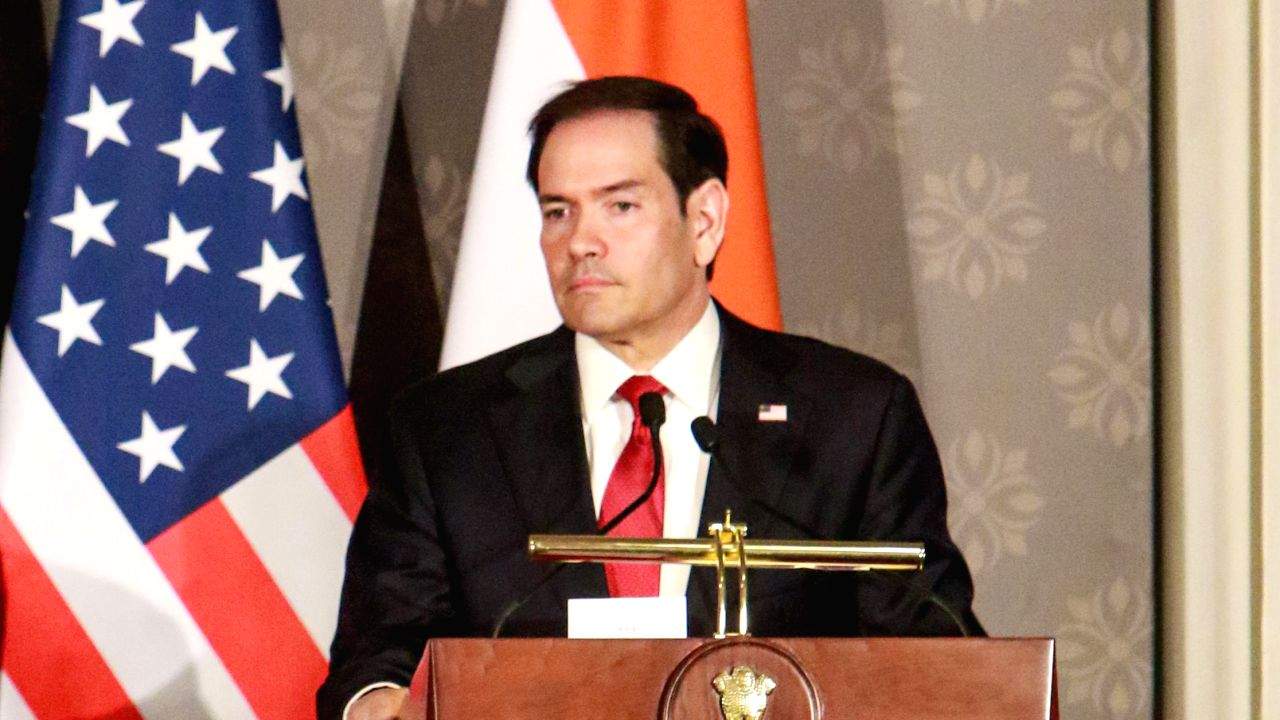
Between 20 and 27 October, María Corina Machado returned to Venezuela after about ten months abroad, appeared in Lara and travelled to Caracas. Delcy Rodríguez remains the interim head of government. US-backed talks with opposition groups excluding Vente Venezuela focus on replacing the Supreme Court and National Electoral Council ahead of eventual elections; no official election date appears in the current reporting. Marco Rubio says Washington has set reform timelines and is using sanctions relief and economic incentives to encourage compliance. Protest reporting points to broad public discontent, including 1,101 protests recorded in September, while Vladimir Putin publicly endorsed continued Russian-Venezuelan energy cooperation.
Change from previous assessment
The core assessment that Machado returned to Venezuela is unchanged, with additional accounts specifying her route from Lara to Caracas and public appearances. This brief adds Rubio’s reported reform timelines and conditional sanctions relief, Putin’s statement on continued energy cooperation, and recent protest figures. The election outlook remains uncertain: current reporting details talks on the TSJ and CNE but still supplies no official election date.
Key judgments
- María Corina Machado almost certainly returned to Venezuela on 25 October 2026 after about ten months abroad, appeared in Lara and travelled to Caracas. Multiple major-media accounts and Rubio’s statement corroborate the return, although estimates of the Caracas welcome range from thousands to tens of thousands. The accounts also differ on whether Washington secured assurances for her return or Venezuelan interim authorities first offered safe entry. (Confidence: high · REPORTED)
- I&W: Confirm: Machado makes another verifiable public appearance in Caracas or Lara. (0-14 days)
- I&W: Break: Venezuelan authorities announce her arrest or impose a documented restriction on her public movement. (0-14 days)
- An official national election date is unlikely to be announced in the next 1-3 months. Reported negotiations focus on remaking the TSJ and CNE ahead of eventual elections and exclude Vente Venezuela; Machado’s call for elections by July 2027 is a demand, not an official timetable. This is an assessment based on the reported negotiation agenda and the absence of a date in current reporting, not a reported decision to delay elections. (Confidence: medium · ASSESSED)
- I&W: Confirm: talks continue to address TSJ and CNE changes without a published national election calendar. (1-3 months)
- I&W: Break: the CNE or interim authorities publish a dated national election calendar. (0-3 months)
- Washington is likely to continue using oil-related Treasury licences and sanctions relief as leverage for institutional reforms. Rubio has described firm timelines for replacing the TSJ and CNE and said concessions may be reconsidered if the interim government fails to meet its commitments. These are official statements reported by wire and major-media sources; the available reporting does not establish how compliance will be measured or enforced. (Confidence: low · ASSESSED)
- I&W: Confirm: Treasury amends or withdraws an oil-related general licence after a publicly identified missed reform milestone. (0-3 months)
- I&W: Break: Treasury issues a broad new oil authorisation without reform conditions, or US officials publicly abandon the stated institutional timelines. (0-3 months)
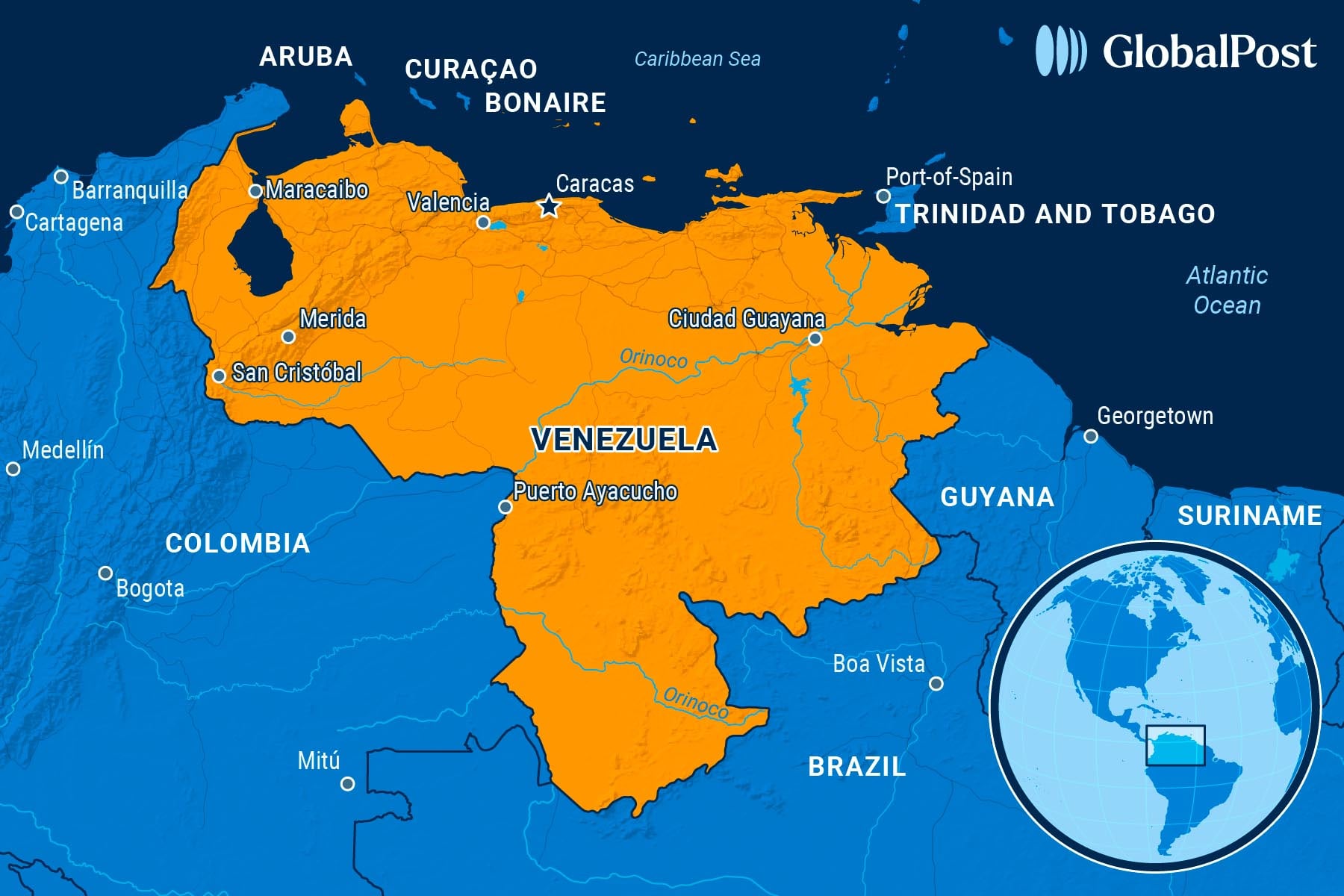
- Protest activity is likely to continue over the next month, but the available reporting does not establish that economic grievances will produce sustained nationwide opposition mobilisation. The Venezuelan Observatory of Social Conflict recorded 1,101 protests in September, including 531 over electricity; separate reporting described a nationwide opposition protest organised by Vente Venezuela in Caracas, Valencia, Maracay, San Cristóbal and Maracaibo. (Confidence: medium · ASSESSED)
- I&W: Confirm: Vente Venezuela announces and holds coordinated demonstrations in at least two of Caracas, Valencia, Maracay, San Cristóbal and Maracaibo. (0-30 days)
- I&W: Break: no further nationwide opposition mobilisation is reported within 30 days, and the next published monthly protest count is below September’s 1,101. (1-3 months)
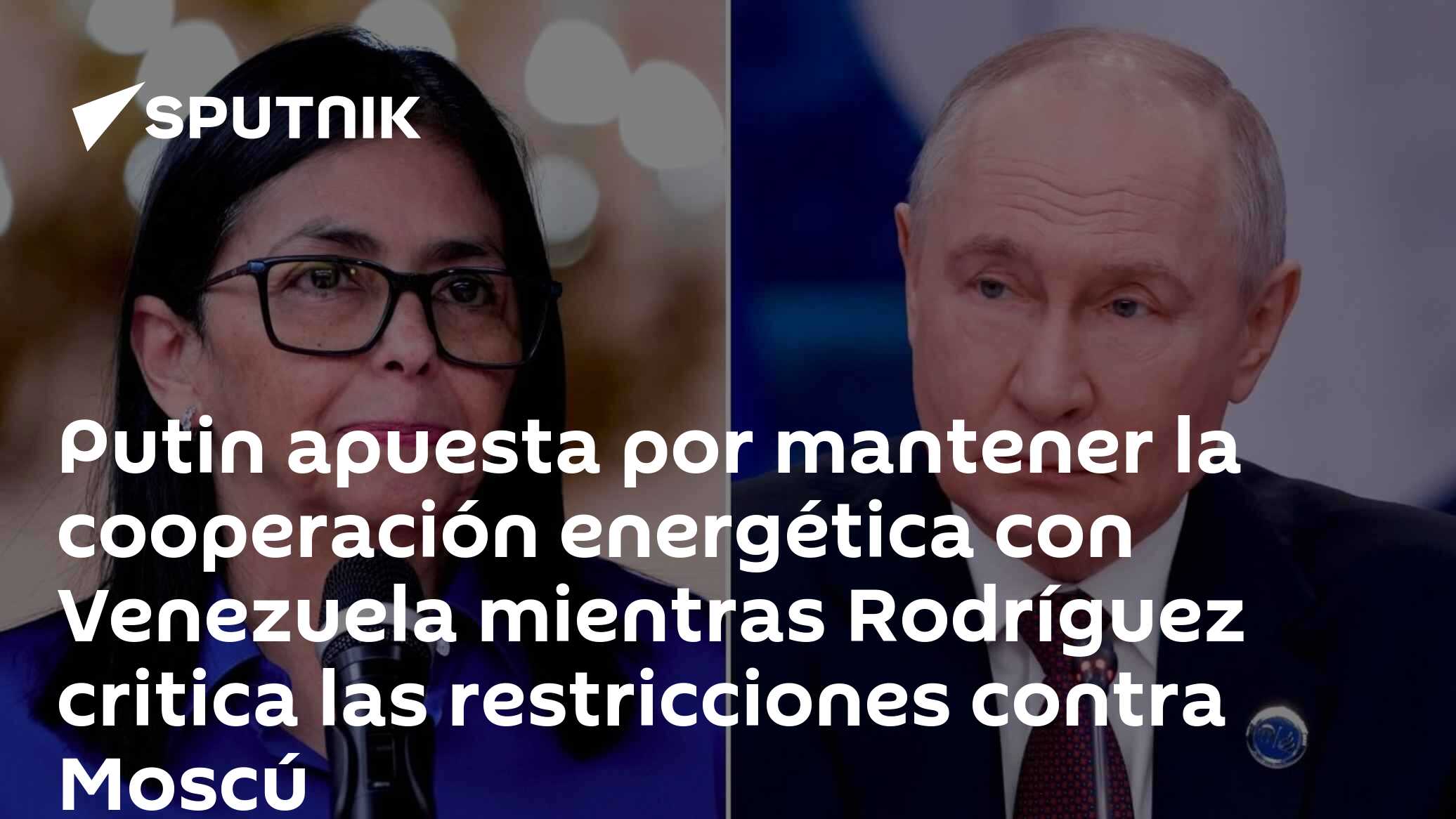
- Parallel US and Russian energy engagement in Venezuela is likely to continue, but the reported material does not establish the legal scope or exclusivity of either country’s arrangements. Putin said Russia was consulting Venezuelan government structures and companies and expressed hope for continued cooperation. Other accounts describe expanded US participation and eased restrictions, while one describes Washington as having tight control over Venezuela’s oil industry. (Confidence: medium · ASSESSED)
- I&W: Confirm: an official readout announces a new Russian-Venezuelan energy agreement while Treasury continues to authorise oil-related transactions. (1-3 months)
- I&W: Break: Rodríguez announces a suspension of Russian energy consultations, or Treasury revokes the relevant oil-related authorisations and US participation agreements are suspended. (1-3 months)
Outlook & scenarios
Incremental institutional bargain (55%)
Negotiations continue between Rodríguez’s interim government and opposition groups outside Vente Venezuela. The agenda remains focused on replacing the TSJ and CNE, with Washington using sanctions relief and economic incentives to press for progress. An election calendar remains absent during the next 1-3 months.
Public pressure grows alongside talks (30%)
Machado uses her return to lead further public opposition activity while protests over electricity and other grievances continue. Negotiations persist, but the exclusion of Vente Venezuela leaves a gap between the groups at the table and Machado’s movement. The risk of competing political mobilisation rises.
Transition breakdown (10%)
Low-probability, high-impact wildcard: negotiations fail, institutional changes stall and Washington reconsiders oil-related concessions. Renewed repression or civil conflict follows a breakdown in the transition, an outcome Rubio has publicly warned against.
Recommendations
- Track formal CNE and TSJ appointments, replacement measures and any published election calendar. Distinguish an announced reform timeline from an enacted institutional change.
- Monitor Treasury general licences and waivers alongside stated reform milestones. Record the specific licence change and the Venezuelan action cited as its condition.
- Separate independently verified protest counts from estimates of crowd size. Track whether Vente Venezuela coordinates further events in Caracas, Valencia, Maracay, San Cristóbal or Maracaibo.
- Seek primary documentation of US and Venezuelan oil agreements, including the parties, duration and licence conditions. Treat public claims of US control, expanded participation and Russian cooperation as distinct until their legal scope is established.
- Keep the two accounts of Machado’s safe-return assurances separate in reporting: Rubio’s description of Washington securing assurances and his account that Venezuelan authorities offered airport access do not resolve who initiated the arrangement.
Confidence & uncertainty
Overall confidence is high for the principal reported developments because Machado’s return and the main official statements appear across multiple major-media, wire and government-origin accounts. The corroboration supports the occurrence of events, although several reports repeat the same official remarks rather than independently verify them. Crowd size, the initiation of Machado’s return assurances, the scope of oil arrangements and election timing remain less certain.
Alternative analysis (red cell)
The available evidence may support continued diplomatic and commercial interest by both Washington and Moscow, but not necessarily sustained parallel engagement in the same Venezuelan energy space. Putin's statements in f3a491a3-4f8c-4f3a-8b37-72c6132b48a7 and c052cb5a-f187-4be6-9e23-53b65a10ec39 show intent rather than executed activity, while c06ac412-d569-4357-a1d7-ef253fffd35d conflicts with b816e67a-b3b4-428a-bd2b-ebb94f542363 and f2fd2b5f-0d83-4ed6-8cc2-e9d3af1beaef over the nature of US involvement. A more defensible reading is that both countries are seeking influence, with the scope and durability of parallel arrangements unresolved.
Intelligence gaps
- [EEI 1.1 · PARTIAL] Official or verifiable reporting of Maduro's location and movements (presidential appearances, travel manifests, security footprint changes) within specific dates and locations. Recommended collection: open-source
- [EEI 1.2 · UNCOVERED] Public resignations, defections, detentions, or disciplinary actions naming specific senior military, intelligence, or police officers (name, rank, unit, date, supporting evidence). Recommended collection: open-source/social media
- [EEI 1.3 · UNCOVERED] Published orders, decrees, or personnel lists showing promotions, reassignments, or purges within the National Bolivarian Armed Forces, National Guard, or presidential protection units (document or official gazette reference). Recommended collection: open-source/diplomatic
- [EEI 1.4 · UNCOVERED] Arrests, detentions, or restrictions on movement of named opposition leaders or political figures with detention location, custody authority, and detention conditions reported. Recommended collection: human/local media
- [EEI 2.1 · PARTIAL] Verified protest activity by location and estimated turnout (street-level counts, police reports, hospital/ambulance logs, timestamped geolocated photos or videos) on specified dates. Recommended collection: social media/open-source
- [EEI 2.2 · UNCOVERED] Documented lists or communications naming regional protest coordinators, strike organizers, or logistics nodes (transport bookings, fuel/food supply movements) tied to opposition plans. Recommended collection: social media/human
- [EEI 2.3 · UNCOVERED] Financial movements to opposition-controlled organizations or individuals above defined thresholds (bank transfers, wire records, large cash seizures, crypto wallet transfers with timestamps and amounts). Recommended collection: financial/forensic
- [EEI 2.4 · UNCOVERED] Public formation or activation of alternative governance bodies by the opposition (declared councils/ministries, named members, declared headquarters or offices) with supporting documentation or announcements. Recommended collection: open-source/diplomatic
- [EEI 3.1 · PARTIAL] Crude oil and refined product export volumes from Venezuelan ports by vessel (AIS-identified tankers), including flagged destinations and any ship-to-ship transfer events, by week. Recommended collection: maritime/AIS
- [EEI 3.2 · UNCOVERED] Notices of correspondent banking relationship changes for PDVSA, the Central Bank of Venezuela, or other state entities (account freezes, closures, new bank signings) with bank names and dates. Recommended collection: economic/finance
- [EEI 3.3 · UNCOVERED] Detected arrivals/deployments of foreign military personnel, equipment, or advisory teams (air/sea container manifests, port calls with cargo descriptions, geolocated imagery of military assets) originating from Russia, Cuba, Iran, or other external supporters. Recommended collection: imagery
- [EEI 3.4 · UNCOVERED] Export records or interdictions showing volumes and destinations of gold, diamonds, or other high-value commodities linked to state entities or proxies (customs manifests, seized shipments, buyer identities). Recommended collection: economic/finance
Red cell review: PARTIAL DISSENT, KJ-3 downgraded MEDIUM→LOW (kj_single_origin)
TLP:CLEAR