TLP:CLEAR · Disclosure is not limited.
Venezuela: Oil Deal Advances, Political Legitimacy Remains Contested
Time window: Last 7 days · Audience: General analyst · Type: Situation report · DTG: 2026-09-04 16:11Z · Overall confidence: HIGH
BLUF
Very likely, the US-Venezuela oil arrangement has moved from announcement to formal signing and early institutional follow-through. The 2 September signing at Miraflores and Venezuelan legislative backing improve confidence in implementation, but the concession duration, US control of output and electoral timetable remain unsettled.
Executive summary
Since the late-August announcement, US Energy Secretary Chris Wright and acting President Delcy Rodríguez have signed an oil agreement covering 17 fields, with Rodríguez citing more than 65 billion barrels of reserves, a production target above 1.5 million barrels per day and more than $100 billion in private investment. Venezuela's National Assembly backed the binational agreement on 2 September. Political opposition and Chavista groups continue to contest the arrangement, while President Donald Trump says Venezuela is not ready for elections and no electoral date has been issued. Oil exports and US imports have risen, but reporting indicates that production gains still rely mainly on restoring existing facilities. Humanitarian and accountability pressure from the June earthquakes remains, although casualty figures and burial-site reporting are disputed.
Change from previous assessment
Since the 3 September prior brief, the assessment shifts from reported authorisation and initial commercial follow-through to formal signing and reported legislative backing on 2 September. Confidence in institutional follow-through is therefore higher. The assessment adds the FANB position, the conditional sanctions and custody architecture, and the unresolved production-versus-export discrepancy. The judgements on deferred elections, domestic legitimacy pressure and humanitarian uncertainty remain, with no increase in confidence because no electoral calendar has appeared and the earthquake reporting remains dated and contradictory.
Key judgments
- Very likely, the US-Venezuela oil arrangement has moved from announcement to formal signing and early institutional follow-through. Chris Wright and Delcy Rodríguez signed the agreement at Miraflores in Caracas on 2 September, Rodríguez confirmed the main field, reserve, production and investment figures, and Venezuela's National Assembly unanimously backed the binational agreement. The signing and legislative action do not settle the arrangement's duration or control structure. (Confidence: high · ASSESSED)
- I&W: Confirm: Within 0-14 days, US or Venezuelan authorities publish the signed agreement, the 17-field list or field-level operating authorisations. (0-14 days)
- I&W: Break: Within 0-14 days, either government states that the 2 September ceremony was political only and created no operative rights. (0-14 days)
- Likely, legal and political friction will constrain implementation because the core terms remain disputed. Venezuelan and US accounts differ over a 25-year or 100-year concession, a US share of 20 per cent or 55 per cent of output, and whether the arrangement transfers control or preserves Venezuelan ownership and sovereignty. Venezuela's political opposition calls the agreement unconstitutional, while NABEP's controller Alejandro Betancourt remains a reputational vulnerability because of reported arrests, open investigations and earlier accusations that do not constitute findings of guilt. (Confidence: medium · ASSESSED)
- I&W: Confirm: Within 0-30 days, an opposition filing or official US or Venezuelan statement repeats the dispute over concession duration, output allocation or sovereignty. (0-30 days)
- I&W: Break: Within 0-30 days, an authoritative annex identifies one concession term, output share and ownership structure, followed by public acceptance from the National Assembly and FANB. (0-30 days)
- Likely, Venezuelan elections will remain deferred through the next 1-3 months while Rodríguez's government pursues stabilisation, recovery and oil-led economic measures. Trump has said Venezuela is not ready to hold elections, congressional Democrats have identified the absence of a democratic-transition roadmap, and the stated US plan retains transition as a later phase rather than an immediate step. (Confidence: medium · ASSESSED)
- I&W: Confirm: Within 1-3 months, Rodríguez or Trump reiterates that Venezuela is not ready for elections and no formal polling date is issued while oil measures continue. (1-3 months)
- I&W: Break: Venezuelan authorities issue an electoral calendar with a polling date and defined electoral-administration steps. (1-3 months)
- Likely, the oil agreement will remain a focal point for domestic legitimacy pressure while Rodríguez retains formal backing from key state institutions. Venezuela's political opposition, regime opponents, Chavistas and left-wing protesters have challenged the terms in Caracas, while the National Assembly backed the agreement and FANB leaders stated that they observed no threat to sovereignty or conflict in national territory. (Confidence: medium · ASSESSED)
- I&W: Confirm: Within 0-30 days, Caracas sees new demonstrations by opposition or Chavista groups, or public statements again describe the agreement as unconstitutional or subordinate. (0-30 days)
- I&W: Break: Within 0-30 days, the National Assembly withdraws its resolution or FANB publicly repudiates the agreement. (0-30 days)
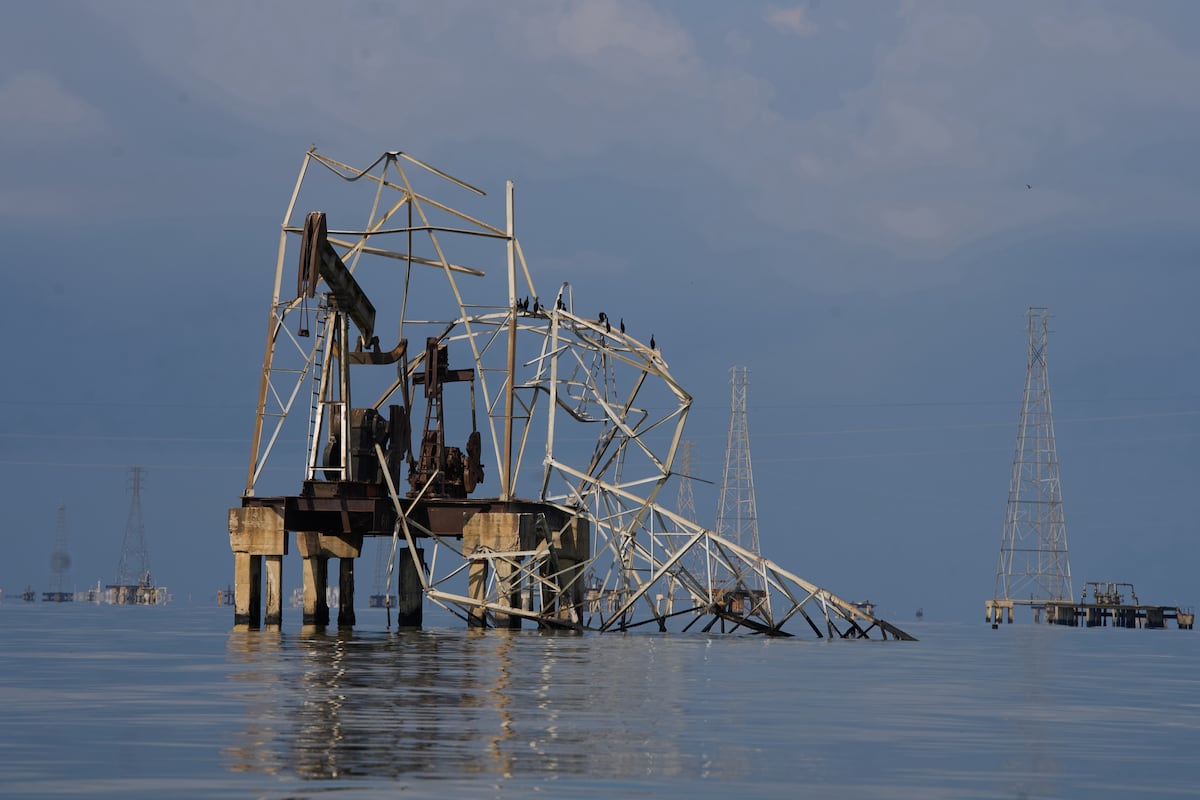
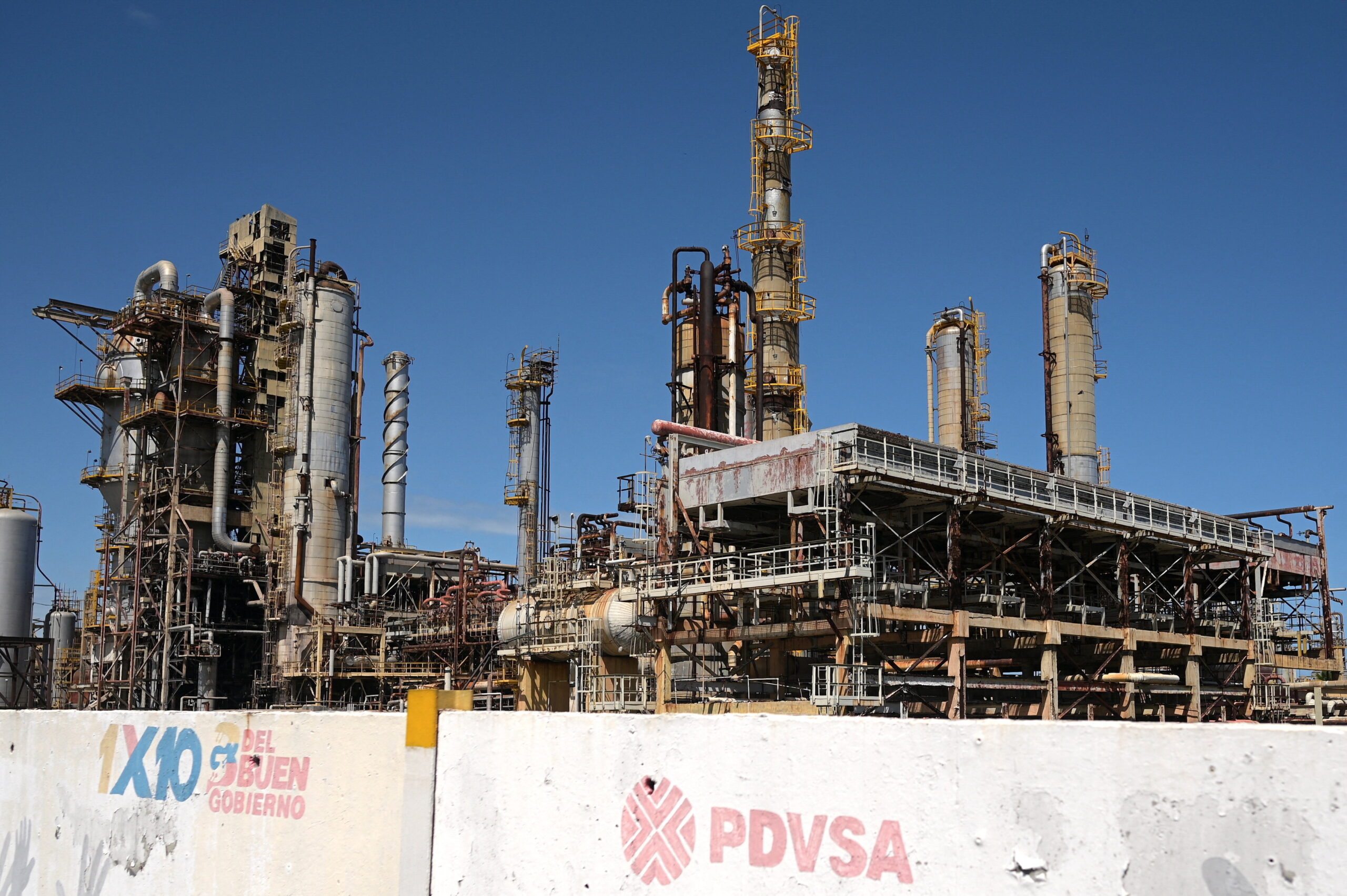
- Likely, near-term oil gains will come mainly from trade growth and restoration of existing facilities rather than from reaching Rodríguez's production target above 1.5 million barrels per day. Venezuela is reported to produce roughly 1 million barrels per day, production increases since the interim government's installation have been moderate, and US crude imports rose to 471,000 barrels per day in May. July export figures reached about 1.16 million barrels per day, but the production and export figures are not fully reconciled. (Confidence: medium · ASSESSED)
- I&W: Confirm: Within 1-3 months, trade data show further growth in Venezuelan exports or US imports while reported production remains near 1 million barrels per day and activity centres on existing facilities. (1-3 months)
- I&W: Break: Within 1-3 months, reported production exceeds 1.5 million barrels per day or field-level reporting confirms new capacity is operating across the 17 fields. (1-3 months)
- Likely, US sanctions easing will remain conditional and Venezuelan oil proceeds will continue to move through US-supervised or Treasury-protected structures rather than represent broad normalisation. Recent licences authorise selected oil, gas, banking and joint-venture activity, while Executive Order 14373 and Treasury custody accounts protect or route Venezuelan natural-resource proceeds under specified conditions. (Confidence: medium · ASSESSED)
- I&W: Confirm: Within 0-30 days, OFAC issues another conditional authorisation or Treasury records new Venezuelan proceeds in the named custody accounts. (0-30 days)
- I&W: Break: Within 0-30 days, OFAC rescinds the relevant licences or Treasury records direct payments to Venezuelan counterparties outside the protected-funds structure. (0-30 days)
- Likely, humanitarian and accountability pressure from the June earthquakes will persist, but the death toll and burial practices will remain contested. Reporting documents destruction in La Guaira, Caraballeda and Macuto, while casualty estimates range from more than 3,500 confirmed deaths to a possible total of 10,000. Bellingcat, Reuters, AFP and Deutsche Welle reported burial-site evidence, while Rodríguez said bodies were being processed through forensic identification and that no one would be placed in a mass grave. Much of this reporting dates from June and July, lowering confidence in the current scale. (Confidence: low · ASSESSED)
- I&W: Confirm: Within 0-30 days, UN, Venezuelan or forensic authorities revise the death toll upwards or identify additional bodies linked to La Esperanza or Los Teques. (0-30 days)
- I&W: Break: Within 0-30 days, a forensic registry reconciles the reported burial sites and establishes a substantially lower toll without evidence of misidentification or burial-site mismanagement. (0-30 days)
Outlook & scenarios
Staged implementation with deferred elections (55%)
Over the next 1-3 months, Rodríguez, Wright and the National Assembly sustain the oil arrangement while field authorisations, cargoes and financial mechanisms advance in stages. Disputes over the concession term and US control continue, protests remain limited, and Venezuela receives no electoral date.
Legal and political drag (25%)
Opposition objections, conflicting US and Venezuelan descriptions of the concession and scrutiny of NABEP slow commercial execution. The agreement remains formally in place, but field-level investment and production lag behind the stated target.
Terms resolved and commercial integration deepens (15%)
The US and Venezuelan governments publish an authoritative agreement that settles duration, output allocation and ownership language. Treasury-supervised proceeds, oil cargoes and work at the 17 fields expand, while Rodríguez continues to defer elections pending the stated transition phase.
Implementation rupture, wildcard (5%)
A sharp dispute over concession rights or proceeds breaks the present alignment among Rodríguez, the National Assembly and FANB. The agreement is suspended, Caracas sees larger opposition and Chavista mobilisation, and the political crisis intensifies before an electoral timetable is established.
Recommendations
- Prioritise acquisition of the signed 2 September agreement and any annexes. Reconcile the 25-year and 100-year duration claims, the 20 per cent and 55 per cent output claims, the ownership language and the dispute-resolution provisions before treating any figure as settled.
- Maintain separate timelines for the late-August announcement, the 2 September Miraflores signing and subsequent field authorisations. Track cargo movements, production data, private-investment announcements and Treasury or OFAC actions against those milestones.
- Monitor Rodríguez's public statements, National Assembly resolutions, FANB messaging and Caracas demonstrations separately. A change in FANB or Assembly support is a more consequential warning than another opposition statement alone.
- Treat the electoral transition as an open requirement rather than an announced process. Look for a formal electoral calendar, polling date, electoral-administration measures and judicial changes, and record the absence of each separately.
- Use primary Treasury and OFAC records to map the flow of Venezuelan oil proceeds. Distinguish conditional licensing, Treasury custody and direct payments when assessing whether sanctions policy represents operational relief or broad normalisation.
- Keep the earthquake assessment separate from the oil and political reporting. Seek an updated forensic death registry and verification of the La Esperanza and Los Teques burial-site accounts before using casualty figures in current assessments.
Confidence & uncertainty
Overall confidence is high because the central developments are supported by reporting from major media and wire services, official NASA FIRMS data, Venezuelan institutional statements and trade reporting. The formal signing, the National Assembly resolution and the broad direction of oil-sector engagement are better corroborated than the precise legal terms. The main uncertainties concern the concession duration, US output share, the durability of the transition plan, inconsistent production and export figures, and stale or conflicting earthquake casualty reporting.
Intelligence gaps
- [EEI 1.1 · PARTIAL] Official or verifiable reporting of Maduro's location and movements (presidential appearances, travel manifests, security footprint changes) within specific dates and locations. Recommended collection: open-source
- [EEI 1.2 · UNCOVERED] Public resignations, defections, detentions, or disciplinary actions naming specific senior military, intelligence, or police officers (name, rank, unit, date, supporting evidence). Recommended collection: open-source/social media
- [EEI 1.3 · UNCOVERED] Published orders, decrees, or personnel lists showing promotions, reassignments, or purges within the National Bolivarian Armed Forces, National Guard, or presidential protection units (document or official gazette reference). Recommended collection: open-source/diplomatic
- [EEI 1.4 · PARTIAL] Arrests, detentions, or restrictions on movement of named opposition leaders or political figures with detention location, custody authority, and detention conditions reported. Recommended collection: human/local media
- [EEI 2.1 · PARTIAL] Verified protest activity by location and estimated turnout (street-level counts, police reports, hospital/ambulance logs, timestamped geolocated photos or videos) on specified dates. Recommended collection: social media/open-source
- [EEI 2.2 · UNCOVERED] Documented lists or communications naming regional protest coordinators, strike organizers, or logistics nodes (transport bookings, fuel/food supply movements) tied to opposition plans. Recommended collection: social media/human
- [EEI 2.3 · UNCOVERED] Financial movements to opposition-controlled organizations or individuals above defined thresholds (bank transfers, wire records, large cash seizures, crypto wallet transfers with timestamps and amounts). Recommended collection: financial/forensic
- [EEI 2.4 · UNCOVERED] Public formation or activation of alternative governance bodies by the opposition (declared councils/ministries, named members, declared headquarters or offices) with supporting documentation or announcements. Recommended collection: open-source/diplomatic
- [EEI 3.1 · PARTIAL] Crude oil and refined product export volumes from Venezuelan ports by vessel (AIS-identified tankers), including flagged destinations and any ship-to-ship transfer events, by week. Recommended collection: maritime/AIS
- [EEI 3.2 · PARTIAL] Notices of correspondent banking relationship changes for PDVSA, the Central Bank of Venezuela, or other state entities (account freezes, closures, new bank signings) with bank names and dates. Recommended collection: economic/finance
- [EEI 3.3 · UNCOVERED] Detected arrivals/deployments of foreign military personnel, equipment, or advisory teams (air/sea container manifests, port calls with cargo descriptions, geolocated imagery of military assets) originating from Russia, Cuba, Iran, or other external supporters. Recommended collection: imagery
- [EEI 3.4 · UNCOVERED] Export records or interdictions showing volumes and destinations of gold, diamonds, or other high-value commodities linked to state entities or proxies (customs manifests, seized shipments, buyer identities). Recommended collection: economic/finance
TLP:CLEAR