TLP:CLEAR · Disclosure is not limited.
Venezuela: Oil Deal and Unsettled Transition
Time window: Last 7 days · Audience: General analyst · Type: Situation report · DTG: 2026-09-08 08:22Z · Overall confidence: HIGH
BLUF
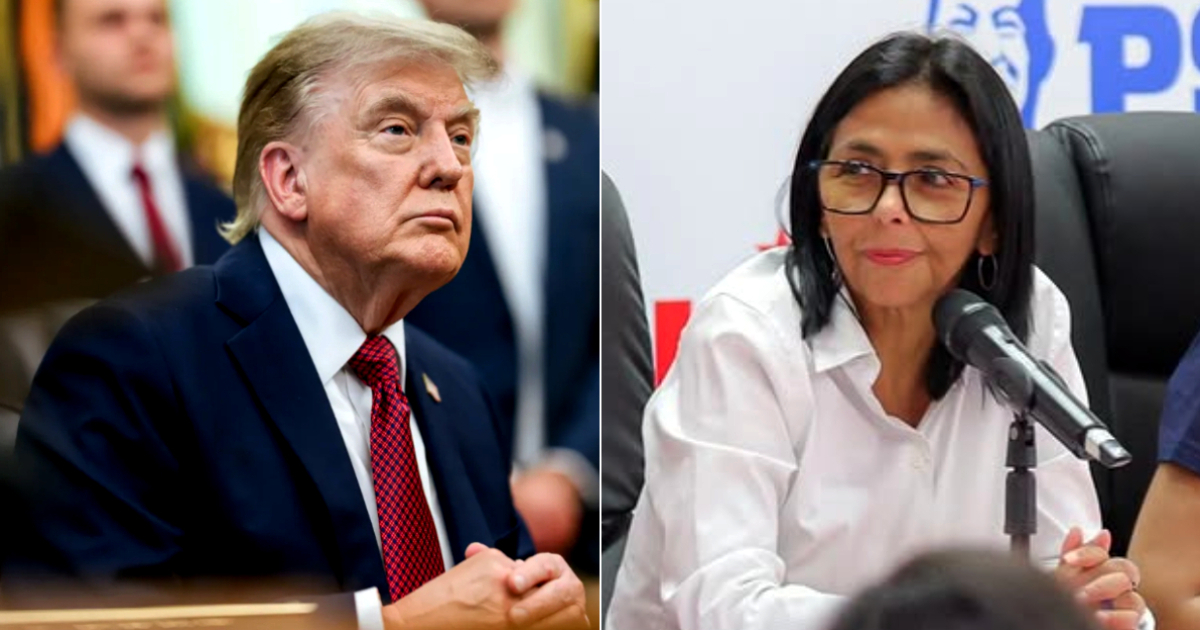
Very likely, the Trump administration and Venezuela's interim government have moved the oil initiative from announcement to an asserted signed agreement, but the concession holder, legal status and distribution of production remain unresolved. Likely, Delcy Rodríguez retains enough institutional access to negotiate with Washington, while talks involving Jorge Rodríguez and Dinorah Figuera exclude María Corina Machado and Edmundo González and do not yet show a credible electoral path.
Executive summary
The Trump administration and Delcy Rodríguez's interim government are advancing an oil arrangement involving up to $100 billion, 17 fields and US rights over part of production, but reporting conflicts over whether the agreement is signed and who controls the concession. Rodríguez is negotiating directly with Washington while the former regime's influence over institutions and the Armed Forces remains reported. Government-opposition talks began in August but excluded María Corina Machado and Edmundo González, and Chatham House judged the process too vague to demonstrate transition progress. The 24 June earthquakes continue to impose a major humanitarian burden. NASA FIRMS recorded 216 thermal detections over Venezuela from 7 to 8 September, but the data do not identify their cause.
Change from previous assessment
Since the 6 September brief, NASA FIRMS has recorded 216 thermal detections over 7 to 8 September, compared with 170 detections over 5 to 6 September. This raises the volume of heat signatures but does not change the assessment that the data do not establish armed confrontation without corroboration. The core judgements on the contested oil structure, divided post-Maduro authority, limited government-opposition talks, sanctions criticism and the earthquake burden remain unchanged. No new reporting resolves the principal contradictions over the oil concession, Maduro's removal or the earthquake death toll.
Key judgments
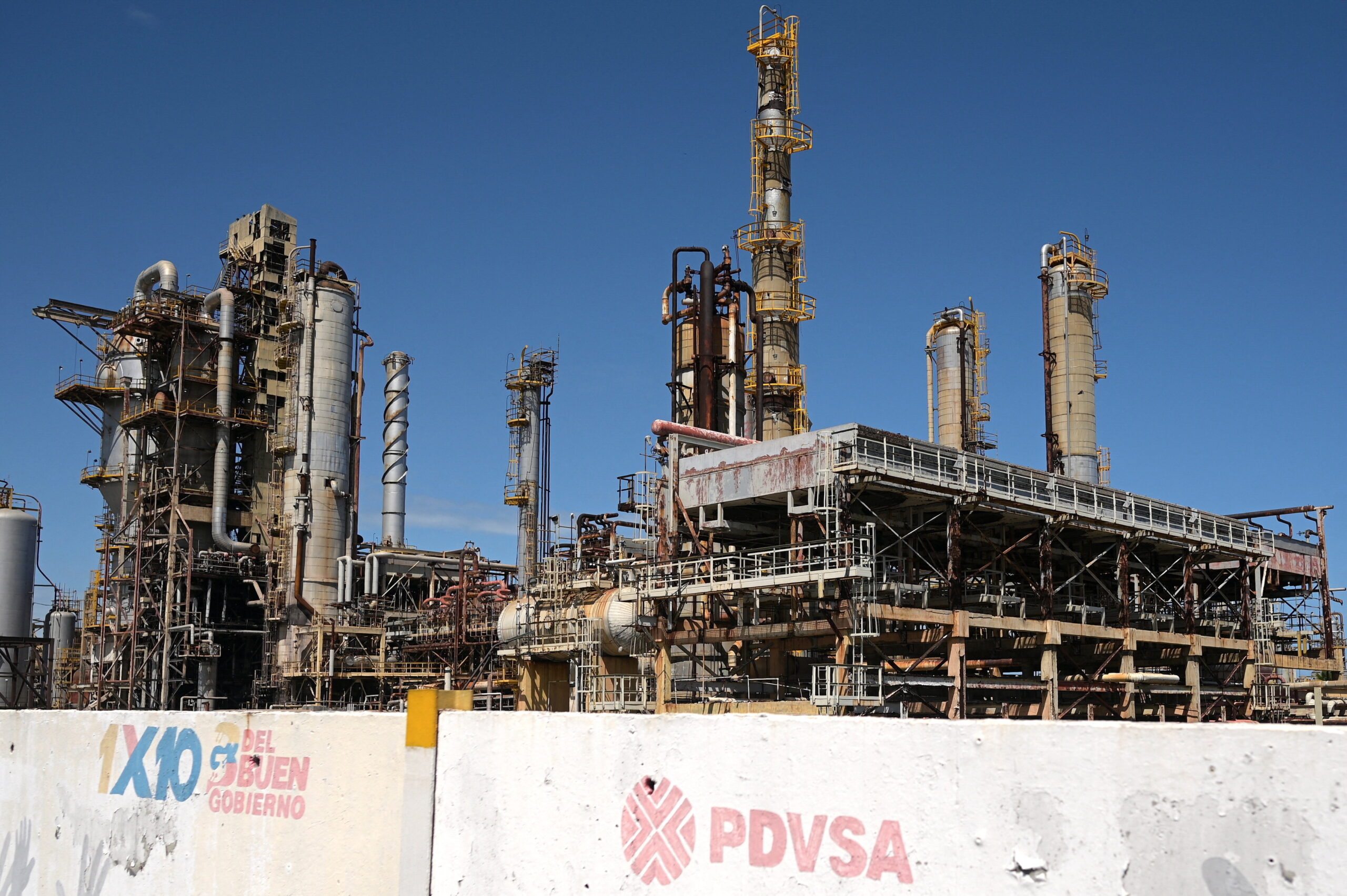
- Very likely, the Trump administration and Venezuela's interim government have publicly announced an oil arrangement covering up to $100 billion, 17 fields and US rights over part of production. The final legal and operating structure remains unresolved: reporting variously assigns the arrangement to the US government, the Department of Defense Office of Strategic Capital with 55 percent of output, or North American Blue Energy Partners and Alejandro Betancourt through a 100-year concession involving an estimated 65 billion barrels. Opposition denunciations add political risk. Confidence is medium because local-media and think-tank reporting corroborate the broad announcement but conflict on whether the agreement is signed and who holds the concession. (Confidence: medium · ASSESSED)
- I&W: A publicly released US or Venezuelan agreement names the concession holder, duration, participating fields and production allocation. (0-14 days)
- I&W: The Trump administration or Rodríguez government formally denies that a signed agreement exists or rejects the reported 100-year concession and 55 percent output allocation. (0-14 days)
- Likely, post-Maduro authority in Venezuela remains divided rather than consolidated under Delcy Rodríguez. Rodríguez leads the interim government and negotiates with Washington, while separate reporting states that political structures associated with the former regime still control substantial parts of Venezuelan institutions, the Armed Forces and the security apparatus. Reporting also conflicts over whether Nicolás Maduro was captured or abducted by the United States, or left power through a constitutional transition. Confidence is medium because the operational role of Rodríguez is supported by local reporting, while the account of Maduro's removal relies partly on low-reliability reporting and remains directly contested. (Confidence: medium · ASSESSED)
- I&W: Venezuelan institutions and Armed Forces publicly issue consistent orders recognising Rodríguez and implement them without competing directives. (0-14 days)
- I&W: Senior Venezuelan institutions or security commanders issue orders that contradict Rodríguez or visibly refuse to implement her decisions. (0-14 days)
- Likely, government-opposition talks will remain a limited channel rather than produce a near-term electoral breakthrough. The August mechanism brought together Jorge Rodríguez and Dinorah Figuera but excluded María Corina Machado and Edmundo González. Chatham House judged that the initial meeting was not held in person and that subsequent statements were too vague to demonstrate progress towards a transition. Confidence is medium because the talks reporting is concentrated in local-media accounts and the forecast rests on the absence of concrete commitments. (Confidence: medium · ASSESSED)
- I&W: A subsequent session includes Machado and González and produces a written electoral timetable or guarantees for opposition participation. (0-14 days)
- I&W: Further meetings remain limited to Jorge Rodríguez and Dinorah Figuera without written commitments on elections or opposition participation. (0-14 days)
- Very likely, the Trump administration's lifting of sanctions on Delcy Rodríguez will remain contested in Washington. Senators Jeanne Shaheen and Elizabeth Warren have demanded a detailed explanation from Marco Rubio and Treasury Secretary Scott Bessent, while the decision has been criticised because Rodríguez was part of Nicolás Maduro's governing apparatus. Confidence is medium because the reporting is repeated but concentrated in local-media accounts and does not establish whether Congress or the administration will seek a policy reversal. (Confidence: medium · ASSESSED)
- I&W: Congressional committees open a formal review, issue additional bipartisan demands or seek restrictions on the sanctions relief. (0-3 months)
- I&W: The Treasury Department publishes a formal justification and no further congressional challenge follows. (0-3 months)
- Very likely, the humanitarian burden from the 24 June earthquakes will constrain Venezuela's political and economic stabilisation over the next 1-3 months. UNICEF estimates that 1.8 million people, including 680,000 children, require support; the United Nations estimates $37 billion in housing and infrastructure damage, and the IFRC appeal targets 300,000 people over two years. The precise death toll remains unresolved, with more than 3,500 deaths reported as confirmed, a United Nations estimate reaching 10,000, and a separate low-confidence report claiming more than 6,000. Confidence is high for the scale of the humanitarian burden but lower for the casualty total. (Confidence: high · ASSESSED)
- I&W: UNICEF, the IFRC or the United Nations publish revised assessments showing needs above the current 1.8 million people or damage above the current $37 billion estimate. (0-3 months)
- I&W: Humanitarian agencies report that emergency shelter, health and identification needs have fallen materially and close or reduce the current response programmes. (0-3 months)
- Unlikely, the 216 NASA FIRMS thermal detections recorded over Venezuela from 7 to 8 September will by themselves establish a new armed confrontation. Six detections were classified as high-confidence, but NASA states that thermal signatures record heat rather than cause and are consistent with strikes, shelling, industrial fires or wildfires. Confidence is high for the detection count and the sensor limitation, but the assessment of any specific incident remains contingent on independent corroboration. (Confidence: high · ASSESSED)
- I&W: Geolocated imagery, official incident reporting or multiple independent accounts link one or more high-confidence detections to strikes or shelling. (0-14 days)
- I&W: Follow-up reporting identifies the detections as industrial fires or wildfires and records no associated military incident. (0-14 days)
- Likely, reporting from Bellingcat, Reuters, AFP and Deutsche Welle indicates that earthquake fatality-management practices at La Esperanza near La Guaira and at a La Guaira port facility diverged from Delcy Rodríguez's stated policy of forensic processing and no mass graves. Reports describe a burial site, 150 unidentified bodies and bodies left exposed, but the exact scale, provenance of some visual material and relationship to the Caracas burial plan remain unresolved. Confidence is medium because several media and geospatial reports point in the same direction, while the official account directly contradicts them and some individual claims are low confidence. (Confidence: medium · ASSESSED)
- I&W: Venezuelan authorities release a verifiable forensic register and site-level imagery that reconciles the La Esperanza burials with the stated identification and burial policy. (0-14 days)
- I&W: New satellite imagery, geolocated video or named eyewitness reporting documents further unidentified burials or exposed bodies at La Guaira. (0-14 days)
Outlook & scenarios
Oil-led pragmatic stabilisation (55%)
Over the next 1-3 months, Washington and the Rodríguez government prioritise oil, security, public revenue and reconstruction arrangements. The oil deal advances operationally, but production rises only moderately from restored existing facilities. Government-opposition talks continue without a fully inclusive mechanism or a clear electoral timetable.
Stalled transition and growing contestation (35%)
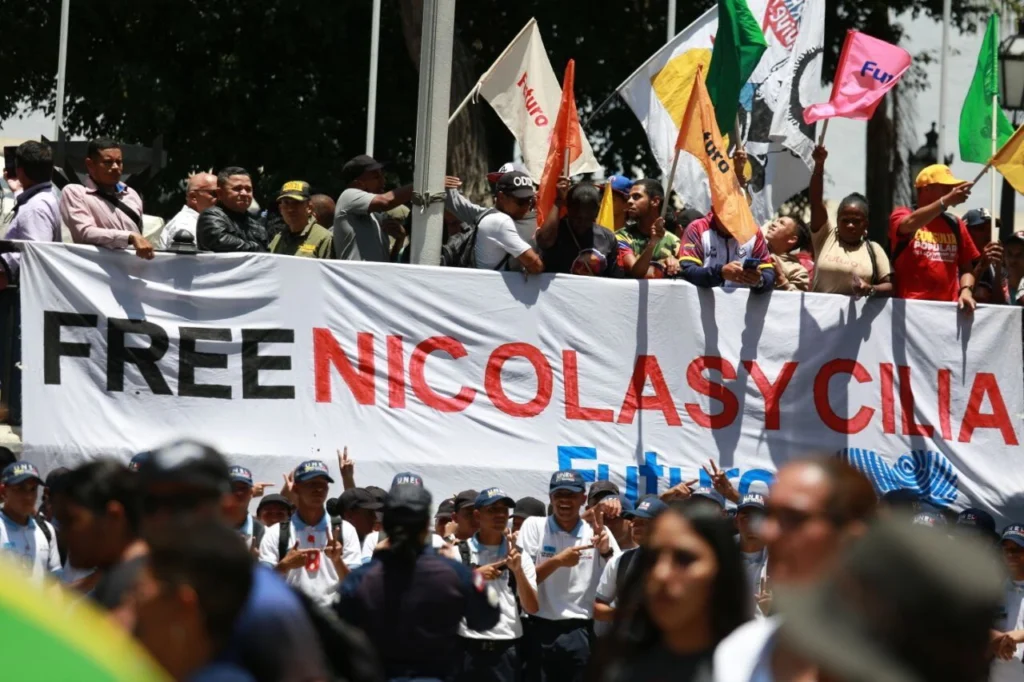
The oil arrangement remains legally opaque and opposition protests in Caracas continue. Congressional criticism of sanctions relief intensifies, while talks involving Jorge Rodríguez and Dinorah Figuera fail to include María Corina Machado and Edmundo González. The result is continued transactional cooperation between Washington and Rodríguez alongside weak political legitimacy.
Humanitarian pressure dominates the agenda (30%)
Earthquake damage, unresolved casualty figures and disputes over burial practices push humanitarian response ahead of political reform. UNICEF, the IFRC and United Nations agencies sustain large-scale assistance while the Rodríguez government faces pressure to reconcile official claims with reporting from La Esperanza and La Guaira.
Institutional or security rupture (10%)
A low-probability, high-impact rupture occurs if Venezuelan institutions or elements of the Armed Forces challenge Rodríguez's authority, contradict her decisions or reject arrangements negotiated with Washington. Such a split would place the oil agreement, sanctions relief and the limited dialogue mechanism at immediate risk.
Recommendations
- Treat the oil arrangement as politically consequential but legally unverified until US or Venezuelan authorities publish the signed instrument, concession terms, named holder, field list, duration and production allocation.
- Track North American Blue Energy Partners, Alejandro Betancourt and the Department of Defense Office of Strategic Capital separately. Do not merge their reported roles into a single ownership assessment.
- Prioritise indicators of institutional consolidation: public Armed Forces statements, compliance by Venezuelan ministries and evidence that Rodríguez's orders are implemented without competing directives.
- Maintain a separate political-inclusion tracker for meetings involving Jorge Rodríguez, Dinorah Figuera, María Corina Machado and Edmundo González. Record whether each meeting produces a written electoral commitment rather than relying on general statements.
- Monitor congressional responses from Jeanne Shaheen, Elizabeth Warren and the bipartisan Venezuela resolution sponsors, alongside any formal explanation from Marco Rubio or Scott Bessent.
- Use the 24 June earthquake response as a standing stability indicator. Reconcile UNICEF, IFRC and United Nations needs assessments with new reporting from La Esperanza, La Guaira and Caracas.
- Treat NASA FIRMS detections as cueing information only. Require geolocated imagery, official incident reporting or independent media corroboration before assessing thermal anomalies as evidence of armed activity.
Confidence & uncertainty
Overall confidence is high for the core situation picture because official NASA data, United Nations, UNICEF and IFRC assessments, geospatial analysis and reporting from Reuters, AFP, Deutsche Welle and Bellingcat corroborate the main developments. Confidence is lower for disputed details, especially the oil agreement's legal structure, the circumstances of Nicolás Maduro's removal, the exact earthquake death toll and burial practices. Those uncertainties are reflected in the medium-confidence judgments and competing scenarios.
Intelligence gaps
- [EEI 1.1 · PARTIAL] Official or verifiable reporting of Maduro's location and movements (presidential appearances, travel manifests, security footprint changes) within specific dates and locations. Recommended collection: open-source
- [EEI 1.2 · UNCOVERED] Public resignations, defections, detentions, or disciplinary actions naming specific senior military, intelligence, or police officers (name, rank, unit, date, supporting evidence). Recommended collection: open-source/social media
- [EEI 1.3 · UNCOVERED] Published orders, decrees, or personnel lists showing promotions, reassignments, or purges within the National Bolivarian Armed Forces, National Guard, or presidential protection units (document or official gazette reference). Recommended collection: open-source/diplomatic
- [EEI 1.4 · UNCOVERED] Arrests, detentions, or restrictions on movement of named opposition leaders or political figures with detention location, custody authority, and detention conditions reported. Recommended collection: human/local media
- [EEI 2.1 · PARTIAL] Verified protest activity by location and estimated turnout (street-level counts, police reports, hospital/ambulance logs, timestamped geolocated photos or videos) on specified dates. Recommended collection: social media/open-source
- [EEI 2.2 · UNCOVERED] Documented lists or communications naming regional protest coordinators, strike organizers, or logistics nodes (transport bookings, fuel/food supply movements) tied to opposition plans. Recommended collection: social media/human
- [EEI 2.3 · UNCOVERED] Financial movements to opposition-controlled organizations or individuals above defined thresholds (bank transfers, wire records, large cash seizures, crypto wallet transfers with timestamps and amounts). Recommended collection: financial/forensic
- [EEI 2.4 · UNCOVERED] Public formation or activation of alternative governance bodies by the opposition (declared councils/ministries, named members, declared headquarters or offices) with supporting documentation or announcements. Recommended collection: open-source/diplomatic
- [EEI 3.1 · PARTIAL] Crude oil and refined product export volumes from Venezuelan ports by vessel (AIS-identified tankers), including flagged destinations and any ship-to-ship transfer events, by week. Recommended collection: maritime/AIS
- [EEI 3.2 · UNCOVERED] Notices of correspondent banking relationship changes for PDVSA, the Central Bank of Venezuela, or other state entities (account freezes, closures, new bank signings) with bank names and dates. Recommended collection: economic/finance
- [EEI 3.3 · UNCOVERED] Detected arrivals/deployments of foreign military personnel, equipment, or advisory teams (air/sea container manifests, port calls with cargo descriptions, geolocated imagery of military assets) originating from Russia, Cuba, Iran, or other external supporters. Recommended collection: imagery
- [EEI 3.4 · UNCOVERED] Export records or interdictions showing volumes and destinations of gold, diamonds, or other high-value commodities linked to state entities or proxies (customs manifests, seized shipments, buyer identities). Recommended collection: economic/finance
TLP:CLEAR