TLP:CLEAR · Disclosure is not limited.
Venezuela: Oil Deal, Contested Authority and Recovery Pressure
Time window: Last 7 days · Audience: General analyst · Type: Situation report · DTG: 2026-09-08 16:18Z · Overall confidence: HIGH
BLUF
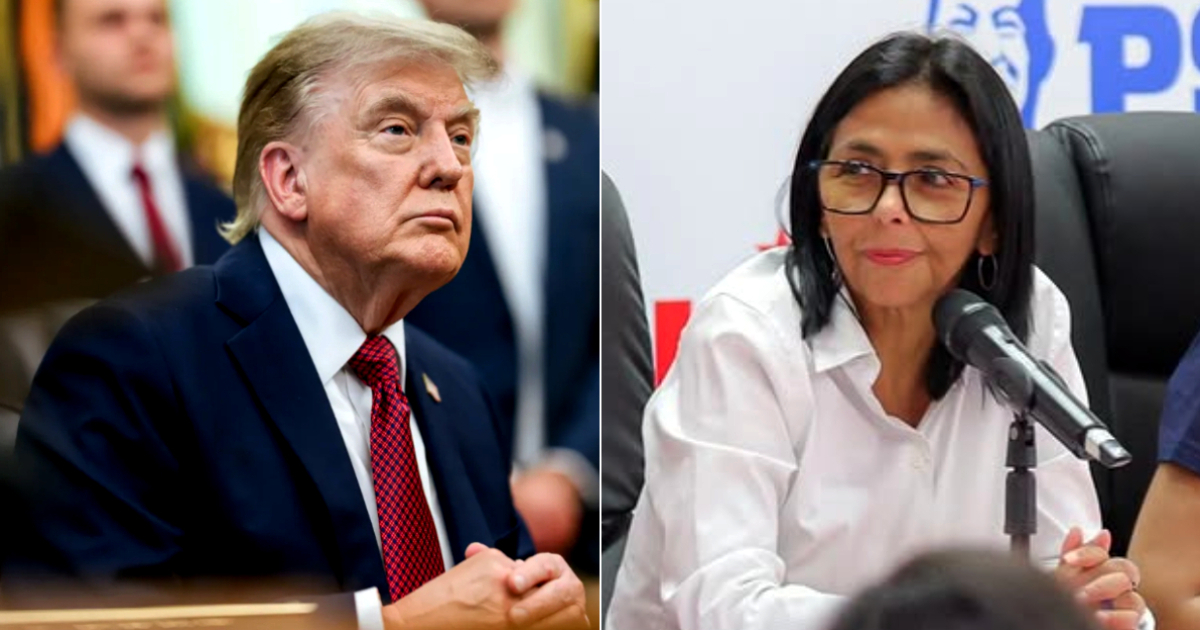
Very likely, the Trump administration and Delcy Rodríguez's interim government have moved the Venezuela crisis towards an oil-centred accommodation, but the deal's commercial terms and Rodríguez's control over state institutions remain contested. Earthquake recovery needs, political prisoners, protests and border insecurity will constrain stabilisation over the next 1 to 3 months.
Executive summary
The US and Venezuela have publicly announced a large oil arrangement involving 17 fields, more than 65 billion barrels and potential investment of up to $100 billion. Reported concession and output terms remain disputed, while Venezuelan oil production has risen only moderately and major new investment remains limited. Delcy Rodríguez governs after Nicolás Maduro's capture, but the State of External Commotion, more than 300 political prisoners, continued institutional influence by elements of the former regime and opposition objections point to contested authority. US-sponsored talks between Jorge Rodríguez and Dinorah Figuera have begun but show no public electoral breakthrough. The 24 June earthquakes continue to impose a heavy humanitarian burden, with 1.8 million people requiring support and reported damage of $37 billion.
Change from previous assessment
This update adds a distinct near-term security warning based on Canada's 2 September travel advisory, border risks, civil-order indicators and the 7 to 8 September NASA FIRMS detections. It also sharpens the authority assessment with the State of External Commotion and the TSJ ruling on military service rules, and gives greater specificity to the reported oil concession and output terms. The oil implementation, contested authority, limited talks, sanctions dispute and earthquake recovery judgments remain broadly consistent with the prior brief. No prior judgment is retired; confidence remains medium for the oil, authority, talks and sanctions forecasts, and high for the core humanitarian assessment.
Key judgments
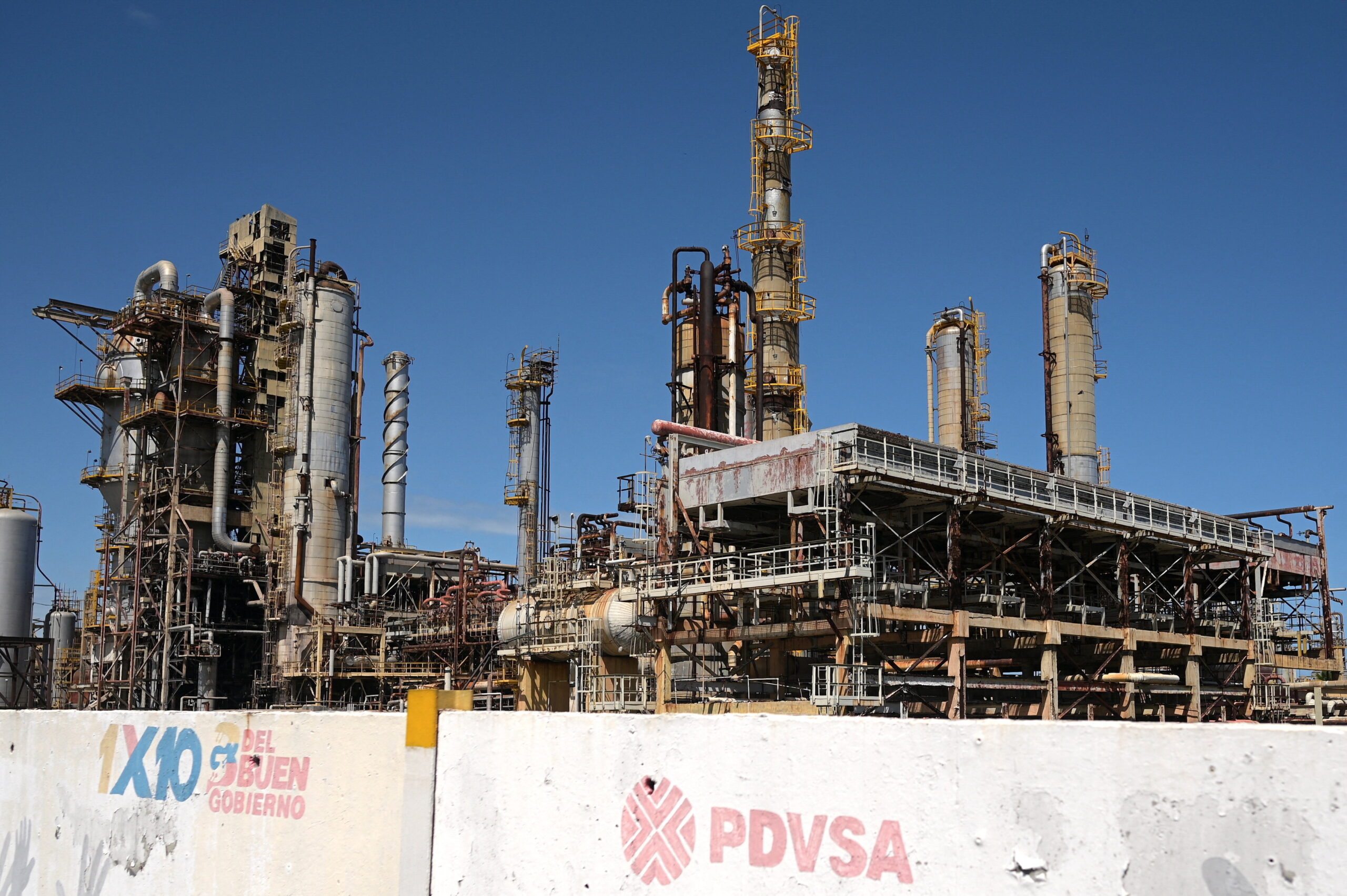
- Very likely, the Trump administration and Delcy Rodríguez's interim government have publicly committed to a large oil arrangement, but the package has not yet demonstrated full commercial implementation. Reported terms include up to $100 billion in potential investment, 17 fields, more than 65 billion barrels, US rights over part of production, a reported 100-year concession involving Alejandro Betancourt, and a reported 55 percent output share for the Office of Strategic Capital. Venezuelan production has increased only moderately, mainly through restoration of existing facilities, and major new investment remains absent. Confidence is medium because major-media and think-tank reporting corroborate the announcement, while the concession, beneficiary and output terms rely partly on contested reporting and opposition claims. (Confidence: medium · ASSESSED)
- I&W: Confirm: Venezuelan authorities publish an executed concession naming the beneficiary, term and output shares, followed by field-level production increases or additional signed participation contracts. (1 to 3 months)
- I&W: Break: A formal US or Venezuelan document assigns materially different concession terms, or no additional investor and no material production increase follows the announcement. (1 to 3 months)
- Likely, Delcy Rodríguez has formal governing authority in Caracas but not uncontested control over Venezuela's institutions and security apparatus. Nicolás Maduro is reported to have been captured by the United States, while the interim government has declared a State of External Commotion and retains more than 300 political prisoners. Marco Rubio's account that former-regime elements still control weapons and institutions, together with the Tribunal Supremo de Justicia ruling on military service rules, indicates that institutional continuity remains important. The assessment rests partly on a medium-confidence account of Rubio's January Senate testimony and medium-confidence NGO reporting on the TSJ ruling, so confidence is medium. (Confidence: medium · ASSESSED)
- I&W: Confirm: Rodríguez, the Defence Minister, the National Assembly and senior FANB officials issue and implement aligned orders under the State of External Commotion and the TSJ ruling. (0 to 14 days)
- I&W: Break: Senior FANB or institutional chavista figures publicly reject Rodríguez's directives, issue rival orders or prevent implementation of executive decisions. (0 to 3 months)
- Likely, government-opposition talks will remain a narrow channel and will not produce an electoral breakthrough within the next 1 to 3 months. The first formal conversations identified were between Jorge Rodríguez and Dinorah Figuera, and the Trump administration is sponsoring the process. Chatham House assessed the initial meeting as too vague to show substantial transition progress. María Corina Machado's contact with Donald Trump does not establish her inclusion, while a bipartisan US resolution continues to demand free elections and the release of political prisoners. Confidence is medium because the talks reporting is limited and no electoral timetable or prisoner-release commitment is reported. (Confidence: medium · ASSESSED)
- I&W: Confirm: Jorge Rodríguez and Dinorah Figuera hold an in-person meeting and publish a timetable covering elections, political guarantees or prisoner releases. (0 to 14 days)
- I&W: Break: María Corina Machado or a broad opposition delegation formally joins the process alongside a written electoral timetable and a verified release of political prisoners. (1 to 3 months)
- Likely, the Trump administration's lifting of sanctions on Delcy Rodríguez will remain politically contested in Washington. Jeanne Shaheen and Elizabeth Warren have demanded an explanation from Marco Rubio and Scott Bessent, while Ted Cruz, Shaheen and other senators have sponsored a bipartisan Venezuela resolution demanding free elections and the release of political prisoners. Confidence is medium because the reported policy decision and congressional criticism come primarily from major-media reporting, with no current claim establishing the administration's longer-term sanctions framework. (Confidence: medium · ASSESSED)
- I&W: Confirm: Shaheen, Warren or other senators publicly pursue hearings, legislation or additional explanations concerning sanctions relief for Rodríguez. (0 to 14 days)
- I&W: Break: The administration issues durable written guidance on sanctions relief and congressional criticism produces no further public action. (1 to 3 months)
- Very likely, earthquake recovery will continue to constrain Venezuelan political and economic stabilisation over the next 1 to 3 months. Two earthquakes of magnitudes 7.2 and 7.5 struck on 24 June 2026, with Caracas and La Guaira among the hardest-hit areas. UNICEF estimates that 1.8 million people, including 680,000 children, require support; the United Nations estimates $37 billion in housing and infrastructure damage, with 47 percent in residential buildings; and the IFRC appeal targets 300,000 people over two years. The scale of need is strongly corroborated, but casualty and burial reporting remains contested: reported deaths range from more than 3,500 confirmed to over 6,000, with a United Nations estimate that the toll could reach 10,000, while official claims of forensic processing conflict with reporting of 150 unidentified bodies buried at La Esperanza. (Confidence: high · ASSESSED)
- I&W: Confirm: UNICEF, the IFRC or the United Nations report persistent unmet needs, access constraints or a requirement to extend emergency support in Caracas, La Guaira or other affected areas. (0 to 14 days)
- I&W: Break: Authorities and humanitarian organisations report sustained restoration of housing, infrastructure and essential services with a reduced support requirement in Caracas and La Guaira. (1 to 3 months)
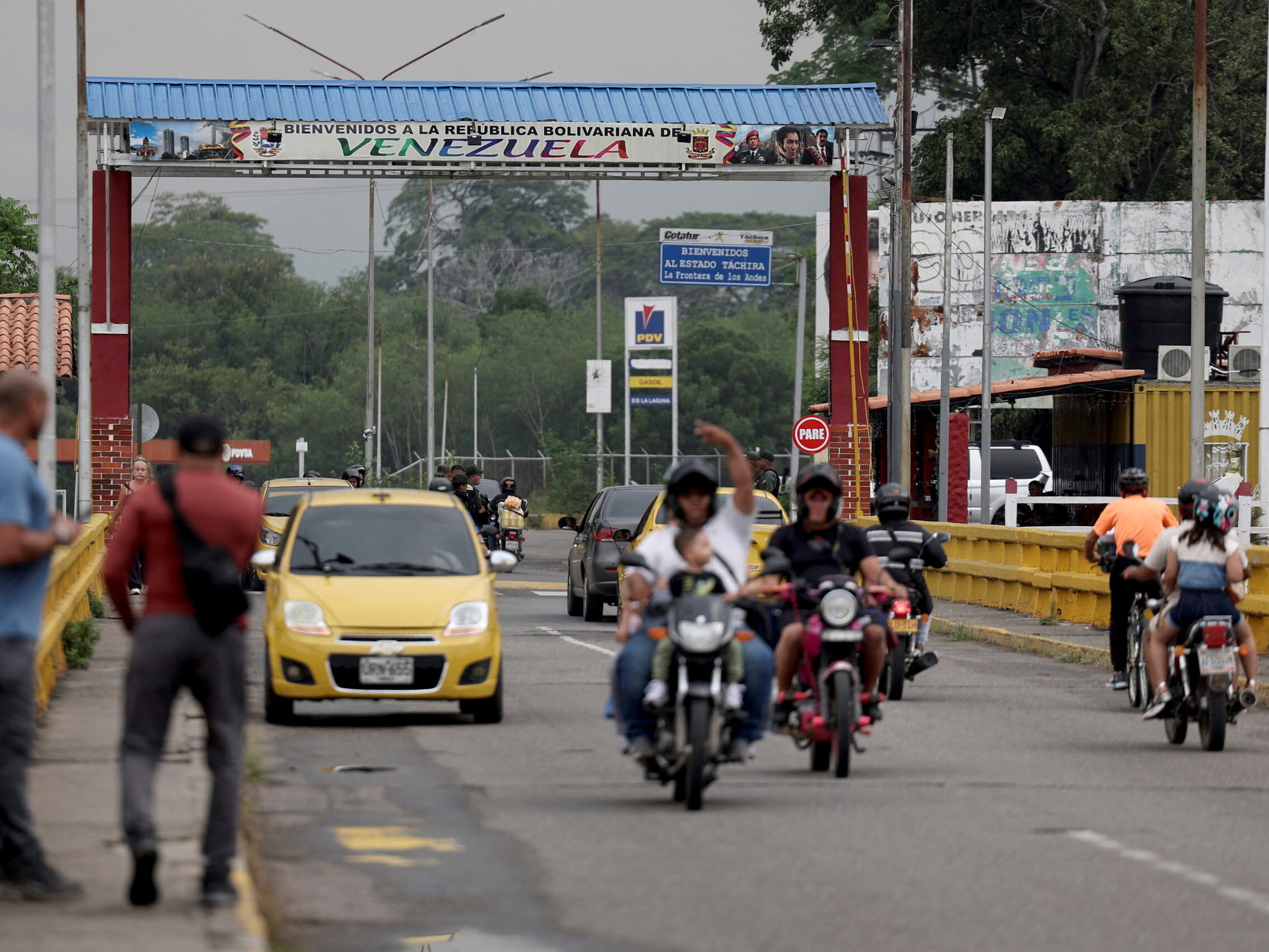
- Very likely, Venezuela's immediate security environment will remain high-risk across Caracas, Maiquetía, the Colombia border and the Guayana Esequiba area. Canada advises against all travel because of political instability, violent crime, arbitrary detention and deteriorating living conditions. Armed criminal groups operate within 20 kilometres of the Colombia border, the Venezuela-Guyana border remains volatile, and large-scale demonstrations have previously produced arrests, injuries and deaths. NASA FIRMS recorded 216 thermal detections in Venezuela between 7 and 8 September, including six high-confidence detections, but NASA states that thermal data record heat rather than cause. Confidence is medium because the risk indicators are well sourced, while the forward-looking assessment and interpretation of the latest detections remain inferential. (Confidence: medium · ASSESSED)
- I&W: Confirm: Large-scale demonstrations in Caracas produce arrests, injuries or deaths, or authorities report extortion and kidnapping within 20 kilometres of the Colombia border. (0 to 14 days)
- I&W: Break: Canada downgrades its avoid-all-travel advisory and authorities report sustained reductions in violent demonstrations, border crime and power-related disruption. (1 to 3 months)
Outlook & scenarios
Likely: oil-led managed consolidation (45%)
The Trump administration and Delcy Rodríguez's government formalise parts of the oil arrangement, with production rising gradually from existing facilities. Rodríguez retains formal authority, the State of External Commotion remains in force, and talks with Jorge Rodríguez and Dinorah Figuera continue without a broad opposition settlement. Earthquake recovery absorbs political attention and resources.
Likely: stalled and contested transition (40%)
The oil package remains politically and commercially disputed, opposition figures continue to question its constitutionality, and production stays near its current moderate increase. The government-opposition channel produces no electoral timetable, while congressional criticism of sanctions relief grows. Caracas sees renewed protest pressure amid persistent shortages, outages and detention concerns.
Unlikely: humanitarian and security deterioration (20%)
Earthquake recovery gaps, the reported burden of unidentified bodies and weak essential services intensify public anger. Demonstrations in Caracas become more frequent or violent, while armed criminal groups increase pressure along the Colombia border. The Rodríguez government responds through the exceptional powers associated with the State of External Commotion, further narrowing space for opposition engagement.
Unlikely, high impact: institutional rupture and border escalation (10%)
Elements of the FANB and other institutions reject Rodríguez's directives, creating a direct authority crisis in Caracas. The dispute over Guayana Esequiba then becomes a wider security crisis at the Venezuela-Guyana border. The oil arrangement stalls, talks collapse and US policy faces pressure to reverse sanctions relief.
Recommendations
- Treat the oil arrangement as an announced package rather than a verified operating concession. Track Venezuelan gazettes, White House releases and company filings for the concession beneficiary, term, field list, output shares and any executed participation contracts.
- Maintain a named political-process tracker for Delcy Rodríguez, Jorge Rodríguez, Dinorah Figuera and María Corina Machado. Record in-person meetings, opposition participation, electoral dates, prisoner releases and any change to the State of External Commotion.
- Monitor the US sanctions dispute through statements or hearings involving Jeanne Shaheen, Elizabeth Warren, Marco Rubio and Scott Bessent. Separate confirmed agency policy from congressional demands and media descriptions of the Rodríguez decision.
- Prioritise humanitarian monitoring in Caracas and La Guaira. Compare new UNICEF, IFRC and United Nations estimates with evidence on housing, infrastructure, medical supplies, electricity and the identification or burial of earthquake victims.
- Do not treat NASA FIRMS thermal detections as evidence of strikes without corroboration. Compare repeated detections from 7 to 8 September with independent reporting, geolocation and official statements before attributing cause.
- Apply heightened security assumptions to Caracas, Simón Bolívar International Airport in Maiquetía, the area within 20 kilometres of the Colombia border and the Guayana Esequiba border. Use new demonstrations, arrests, extortion, kidnapping and changes to travel advisories as escalation triggers.
Confidence & uncertainty
Overall confidence is high because the central picture is supported by multiple independent source types, including official government reporting, major media, think-tank analysis, humanitarian organisations and NASA satellite data. The scale of earthquake damage and humanitarian need, the public announcement of the oil arrangement, the existence of government-opposition contacts and the current security risks are corroborated across several claims. Confidence is lower for the oil concession's exact legal structure, Rodríguez's effective control over institutions, the talks' prospects and the earthquake casualty and burial figures.
Intelligence gaps
- [EEI 1.1 · PARTIAL] Official or verifiable reporting of Maduro's location and movements (presidential appearances, travel manifests, security footprint changes) within specific dates and locations. Recommended collection: open-source
- [EEI 1.2 · UNCOVERED] Public resignations, defections, detentions, or disciplinary actions naming specific senior military, intelligence, or police officers (name, rank, unit, date, supporting evidence). Recommended collection: open-source/social media
- [EEI 1.3 · PARTIAL] Published orders, decrees, or personnel lists showing promotions, reassignments, or purges within the National Bolivarian Armed Forces, National Guard, or presidential protection units (document or official gazette reference). Recommended collection: open-source/diplomatic
- [EEI 1.4 · PARTIAL] Arrests, detentions, or restrictions on movement of named opposition leaders or political figures with detention location, custody authority, and detention conditions reported. Recommended collection: human/local media
- [EEI 2.1 · PARTIAL] Verified protest activity by location and estimated turnout (street-level counts, police reports, hospital/ambulance logs, timestamped geolocated photos or videos) on specified dates. Recommended collection: social media/open-source
- [EEI 2.2 · UNCOVERED] Documented lists or communications naming regional protest coordinators, strike organizers, or logistics nodes (transport bookings, fuel/food supply movements) tied to opposition plans. Recommended collection: social media/human
- [EEI 2.3 · UNCOVERED] Financial movements to opposition-controlled organizations or individuals above defined thresholds (bank transfers, wire records, large cash seizures, crypto wallet transfers with timestamps and amounts). Recommended collection: financial/forensic
- [EEI 2.4 · PARTIAL] Public formation or activation of alternative governance bodies by the opposition (declared councils/ministries, named members, declared headquarters or offices) with supporting documentation or announcements. Recommended collection: open-source/diplomatic
- [EEI 3.1 · PARTIAL] Crude oil and refined product export volumes from Venezuelan ports by vessel (AIS-identified tankers), including flagged destinations and any ship-to-ship transfer events, by week. Recommended collection: maritime/AIS
- [EEI 3.2 · UNCOVERED] Notices of correspondent banking relationship changes for PDVSA, the Central Bank of Venezuela, or other state entities (account freezes, closures, new bank signings) with bank names and dates. Recommended collection: economic/finance
- [EEI 3.3 · UNCOVERED] Detected arrivals/deployments of foreign military personnel, equipment, or advisory teams (air/sea container manifests, port calls with cargo descriptions, geolocated imagery of military assets) originating from Russia, Cuba, Iran, or other external supporters. Recommended collection: imagery
- [EEI 3.4 · UNCOVERED] Export records or interdictions showing volumes and destinations of gold, diamonds, or other high-value commodities linked to state entities or proxies (customs manifests, seized shipments, buyer identities). Recommended collection: economic/finance
TLP:CLEAR