TLP:CLEAR · Disclosure is not limited.
Venezuela Political Crisis: Energy Alignment and Control Risks
Time window: Last 7 days · Audience: General analyst · Type: Situation report · DTG: 2026-09-14 18:21Z · Overall confidence: HIGH
BLUF
Likely, Washington and Delcy Rodríguez's interim government will sustain an energy-centred working relationship over the next 1 to 3 months, with oil and Citgo arrangements moving ahead. The oil deal's ownership and output terms remain unresolved, and Venezuelan production is very unlikely to reach roughly 2.5 million barrels per day from its current level of about 1.2 million within that period.
Executive summary
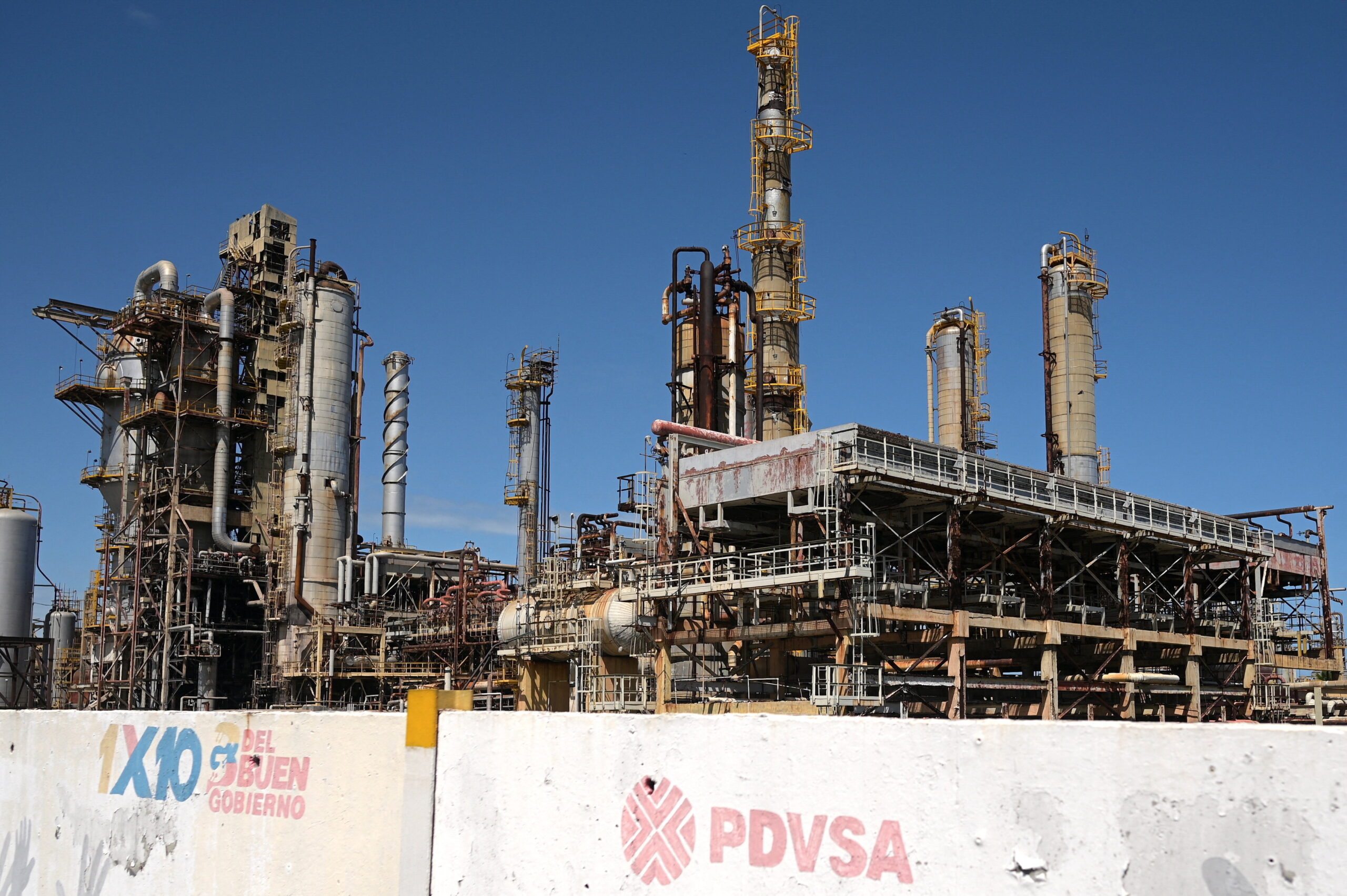
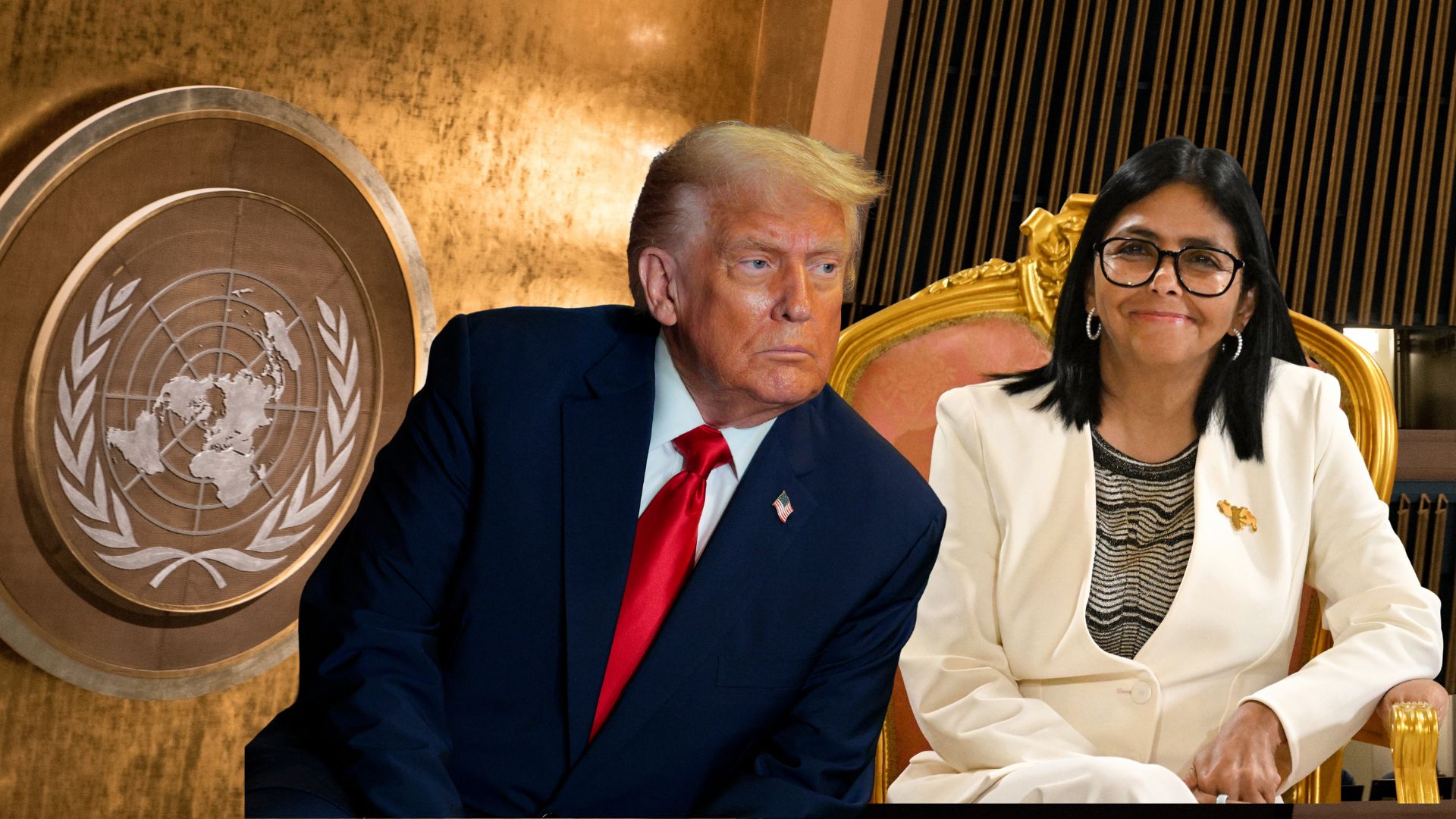
Washington and Rodríguez's government are deepening practical cooperation after the January 2026 capture of Nicolás Maduro and the installation of Rodríguez as interim president. Chris Wright and Doug Burgum have travelled to Venezuela for oil and critical minerals negotiations, Wright oversaw energy agreements in Caracas on 2 September, and CIA Director John Ratcliffe met Rodríguez in Caracas. The White House says Venezuelan oil will begin entering the US Strategic Petroleum Reserve in November. Rodríguez's government is also moving to regain oversight of Citgo while a US court process remains active. The main uncertainty is the oil agreement's structure: public reporting gives materially different accounts of the concession vehicle, US equity and output rights, and the role of the US Department of Defense. Reported opposition protests in Caracas remain a potential constraint, but that reporting is thin.
Change from previous assessment
This brief raises confidence from medium to high that US-Rodríguez engagement is operational, based on the reported 2 September Caracas agreements, the visits by Chris Wright and Doug Burgum, and John Ratcliffe's meeting with Rodríguez. It retains the prior outlook that Rodríguez's government will gain practical influence over Citgo, that Washington will pursue an energy-centred opening, and that production will remain well below 2.5 million barrels per day in the near term. It adds a distinct high-confidence judgment that public reporting on the oil deal contains materially conflicting ownership and output terms. The assessment of the 13 to 14 September thermal detections is unchanged.
Key judgments
- Likely, Washington and Delcy Rodríguez's interim government will sustain an energy-centred working relationship through the next 1 to 3 months, with the 2 September 2026 Caracas agreements, negotiations led by Chris Wright and Doug Burgum, and John Ratcliffe's meeting with Rodríguez providing active working channels. This is an assessed continuation of the post-January policy shift, rather than evidence of a return to the pre-2019 US policy of oil sanctions and recognition of Juan Guaidó. (Confidence: medium · ASSESSED)
- I&W: Confirming indicator: the White House or Rodríguez's government announces implementation of the November 2026 Venezuelan oil deliveries to the US Strategic Petroleum Reserve, or announces another senior-level US visit or agreement in Caracas. (0 to 3 months)
- I&W: Breaking indicator: Washington announces renewed broad oil sanctions against Venezuela or withdraws recognition of Rodríguez's government. (0 to 3 months)
- Almost certainly, the reported US-Venezuela oil agreement remains materially unsettled in public reporting. One account describes a new Alejandro Betancourt-led company receiving a 100-year concession over fields containing an estimated 65 billion barrels, with the US offered a 35 per cent stake and the right to purchase 20 per cent of output at cost. Another account assigns the US Department of Defense's Office of Strategic Capital 55 per cent of output, including an equity stake and a right to purchase oil at cost. Reporting also differs over whether the concession covers 17 fields and whether the structure is private or government-led. Confidence is high that the terms conflict, but not in any single account of the final arrangement. (Confidence: high · ASSESSED)
- I&W: Confirming indicator: official US and Venezuelan documents continue to give different concession vehicles, equity shares or output rights, or no executed contract is released. (0 to 30 days)
- I&W: Breaking indicator: Washington and Rodríguez's government publish an executed contract that specifies the concession vehicle, the 100-year term, the fields covered, the US equity share and the output allocation. (0 to 60 days)
- Likely, Delcy Rodríguez's government will obtain greater practical oversight of Citgo Petroleum and Venezuela's foreign litigation within the next 1 to 3 months, while legal control of Citgo remains unsettled. The opposition-controlled supervisory boards are preparing to relinquish oversight, Rodríguez's administration has replaced law firms representing Venezuela and PDVSA abroad, and an Elliott Investment Management affiliate's US$5.9 billion bid remains subject to US Treasury approval and an October 2026 appeals hearing. (Confidence: medium · ASSESSED)
- I&W: Confirming indicator: the opposition-controlled Citgo supervisory boards formally wind down and Rodríguez-appointed officials assume oversight of Citgo or Venezuela's foreign litigation mandates. (0 to 30 days)
- I&W: Breaking indicator: the boards remain in place after September 2026 and US legal action blocks Rodríguez's administration from appointing representatives or directing litigation. (0 to 3 months)
- Very unlikely, Venezuelan oil production will reach roughly 2.5 million barrels per day within the next 1 to 3 months. Current production is reported at about 1.2 million barrels per day, recent increases have been moderate and largely reflect restoration at existing facilities, and the announced US$100 billion investment and energy deals worth tens of billions of dollars are not accompanied by reported production at the target level. (Confidence: medium · ASSESSED)
- I&W: Confirming indicator: an independent production series records Venezuelan output at or above 2 million barrels per day for at least one month, alongside evidence of completed investment or new operating capacity. (1 to 3 months)
- I&W: Breaking indicator: Venezuelan production remains near 1.2 million barrels per day and new reporting continues to describe only operational restoration at existing facilities. (0 to 3 months)
- Likely, the oil agreement will face continued public opposition in Caracas from Venezuelan opposition groups and Chavistas over the next 1 to 3 months. Confidence is low because the evidence rests on a single think-tank report describing protests and opposition claims that the agreement is unconstitutional and a massive land grab. (Confidence: low · ASSESSED)
- I&W: Confirming indicator: additional Caracas demonstrations involve both Venezuelan opposition groups and Chavistas, or either group publicly demands reversal of the oil agreement. (0 to 30 days)
- I&W: Breaking indicator: Rodríguez's government and leading opposition representatives jointly endorse the agreement's concession, ownership and output terms. (0 to 3 months)
- Almost certainly, the 121 VIIRS thermal detections recorded in Venezuela from 13 to 14 September 2026, all with zero high-confidence classifications, do not by themselves establish a discrete security or political incident. (Confidence: high · ASSESSED)
- I&W: Confirming indicator: subsequent VIIRS data continue to show no high-confidence detections and no independent reporting identifies a linked incident. (0 to 14 days)
- I&W: Breaking indicator: NASA FIRMS records a high-confidence detection at a relevant location and independent official reporting identifies a specific event. (0 to 14 days)
Outlook & scenarios
Managed US-Rodríguez energy alignment (60%)
Over the next 1 to 3 months, Washington and Rodríguez's government maintain working-level cooperation, Venezuelan barrels begin entering the US Strategic Petroleum Reserve in November, and Citgo's opposition-appointed supervisory boards wind down. The relationship remains centred on energy, foreign litigation and control of strategic assets.
Legal and commercial drag (35%)
Conflicting accounts of the oil concession delay financing, implementation or public confirmation of the agreement. The US Treasury decision and October 2026 appeals hearing keep Citgo's ownership unsettled, even as Rodríguez's government expands practical control over litigation and state-linked assets.
Domestic backlash constrains implementation (25%)
Venezuelan opposition groups and Chavistas sustain protests in Caracas against the oil agreement. Rodríguez's government continues dealing with Washington, but public resistance slows implementation and complicates the transfer of authority over Citgo and other oil-related assets.
Sharp US policy reversal (10%)
A low-probability, high-impact reversal sees Washington reimpose broad oil sanctions or withdraw recognition from Rodríguez's government. This would disrupt the announced November oil flows, the Caracas energy agreements and the emerging framework for Citgo oversight.
Recommendations
- Prioritise verification of the executed oil agreement. Obtain the primary US and Venezuelan texts and reconcile the 100-year term, 65 billion barrel reserve estimate, 17-field scope, concession vehicle, US equity share, output allocation and Department of Defense role.
- Track the November 2026 Strategic Petroleum Reserve schedule through White House statements, US government records and evidence of actual Venezuelan deliveries. Treat the announced start date as a policy commitment until physical flows are confirmed.
- Monitor Citgo governance on a weekly basis through September and October 2026. Record any wind-down of the opposition-controlled supervisory boards, changes to legal representation, US Treasury action and the outcome of the appeals hearing.
- Maintain roughly 1.2 million barrels per day as the production baseline. Do not revise the production outlook towards 2.5 million barrels per day until sustained output data and evidence of completed investment or new operating capacity are available.
- Establish a protest and political-opposition watch covering Caracas demonstrations, statements by Venezuelan opposition groups and Chavistas, and any formal response from Rodríguez's government.
- Do not use the 121 VIIRS detections as evidence of a strike or other discrete incident. Require a high-confidence NASA FIRMS detection or independent official reporting before elevating the thermal data in operational assessments.
Confidence & uncertainty
Overall confidence is high because the core developments are supported by multiple high-confidence event records drawing on major-media, official NASA, think-tank and NGO reporting. The direction of US-Rodríguez engagement, the Citgo legal process and the current production baseline are corroborated across several reports. The principal uncertainties concern the conflicting oil-deal terms, the final legal disposition of Citgo, the timing of physical oil flows and the thin single-source reporting on domestic protests.
Intelligence gaps
- [EEI 1.2 · UNCOVERED] Public resignations, defections, detentions, or disciplinary actions naming specific senior military, intelligence, or police officers (name, rank, unit, date, supporting evidence). Recommended collection: open-source/social media
- [EEI 1.3 · UNCOVERED] Published orders, decrees, or personnel lists showing promotions, reassignments, or purges within the National Bolivarian Armed Forces, National Guard, or presidential protection units (document or official gazette reference). Recommended collection: open-source/diplomatic
- [EEI 1.4 · PARTIAL] Arrests, detentions, or restrictions on movement of named opposition leaders or political figures with detention location, custody authority, and detention conditions reported. Recommended collection: human/local media
- [EEI 2.1 · PARTIAL] Verified protest activity by location and estimated turnout (street-level counts, police reports, hospital/ambulance logs, timestamped geolocated photos or videos) on specified dates. Recommended collection: social media/open-source
- [EEI 2.2 · UNCOVERED] Documented lists or communications naming regional protest coordinators, strike organizers, or logistics nodes (transport bookings, fuel/food supply movements) tied to opposition plans. Recommended collection: social media/human
- [EEI 2.3 · UNCOVERED] Financial movements to opposition-controlled organizations or individuals above defined thresholds (bank transfers, wire records, large cash seizures, crypto wallet transfers with timestamps and amounts). Recommended collection: financial/forensic
- [EEI 2.4 · PARTIAL] Public formation or activation of alternative governance bodies by the opposition (declared councils/ministries, named members, declared headquarters or offices) with supporting documentation or announcements. Recommended collection: open-source/diplomatic
- [EEI 3.1 · PARTIAL] Crude oil and refined product export volumes from Venezuelan ports by vessel (AIS-identified tankers), including flagged destinations and any ship-to-ship transfer events, by week. Recommended collection: maritime/AIS
- [EEI 3.2 · UNCOVERED] Notices of correspondent banking relationship changes for PDVSA, the Central Bank of Venezuela, or other state entities (account freezes, closures, new bank signings) with bank names and dates. Recommended collection: economic/finance
- [EEI 3.3 · UNCOVERED] Detected arrivals/deployments of foreign military personnel, equipment, or advisory teams (air/sea container manifests, port calls with cargo descriptions, geolocated imagery of military assets) originating from Russia, Cuba, Iran, or other external supporters. Recommended collection: imagery
- [EEI 3.4 · UNCOVERED] Export records or interdictions showing volumes and destinations of gold, diamonds, or other high-value commodities linked to state entities or proxies (customs manifests, seized shipments, buyer identities). Recommended collection: economic/finance
Cited sources
[1] Latin Times · Trump Says He May Meet Delcy Rodríguez at the U.N.in First Face-to-Face Talks Could Shape Venezuela's Future (B) · Mon Sep 14 2026 14:33:39 GMT+0000 (Coordinated Universal Time) · sha256:c06fbfc154af [2] Latin Times · Venezuela's Opposition Set to Lose Control of Citgo as Delcy Rodríguez Government Takes Over (B) · Thu Sep 10 2026 16:50:34 GMT+0000 (Coordinated Universal Time) · sha256:b0940d43f590 [3] openDemocracy · Trump’s Venezuela: Why seek regime change if you can get regime compliance? (C) · Fri Sep 11 2026 09:39:57 GMT+0000 (Coordinated Universal Time) · sha256:036d87e8691f [4] Atlantic Council · Four questions on the US-Venezuelan oil deal (C) · Tue Sep 01 2026 17:17:16 GMT+0000 (Coordinated Universal Time) · sha256:fb77640091ef [5] NASA · NASA FIRMS thermal detections — Venezuela (2d) (A) · sha256:8762fbb34d82
Source content hashes were computed at collection time; the cited text is preserved unmodified for the life of this product.
Red cell review: CONCUR WITH COMMENT
TLP:CLEAR