TLP:CLEAR · Disclosure is not limited.
Venezuela Political Crisis: Oil Deal Advances Amid Contested Transition
Time window: Last 7 days · Audience: General analyst · Type: Situation report · DTG: 2026-09-08 14:27Z · Overall confidence: HIGH
BLUF
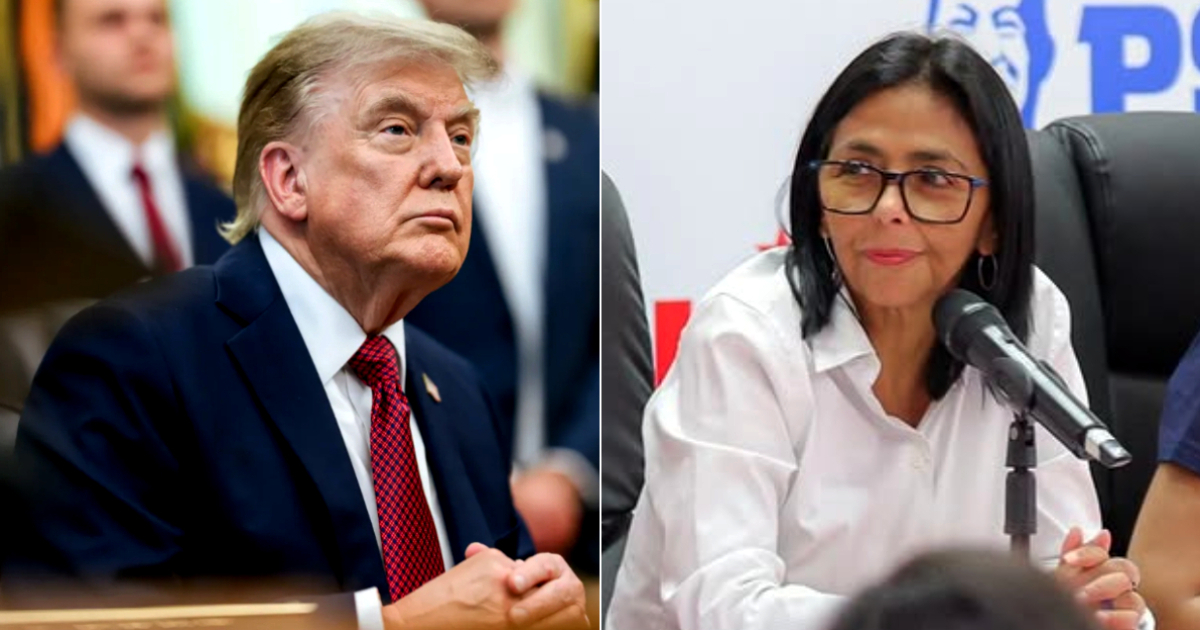
Very likely, the Trump administration and Delcy Rodríguez's interim government have moved the Venezuela oil arrangement from announcement towards implementation, but the concession term, beneficiary and production shares remain disputed. Likely, political authority remains divided between Rodríguez's administration, institutional chavismo and an incompletely engaged opposition, while earthquake recovery and targeted US sanctions constrain stabilisation.
Executive summary
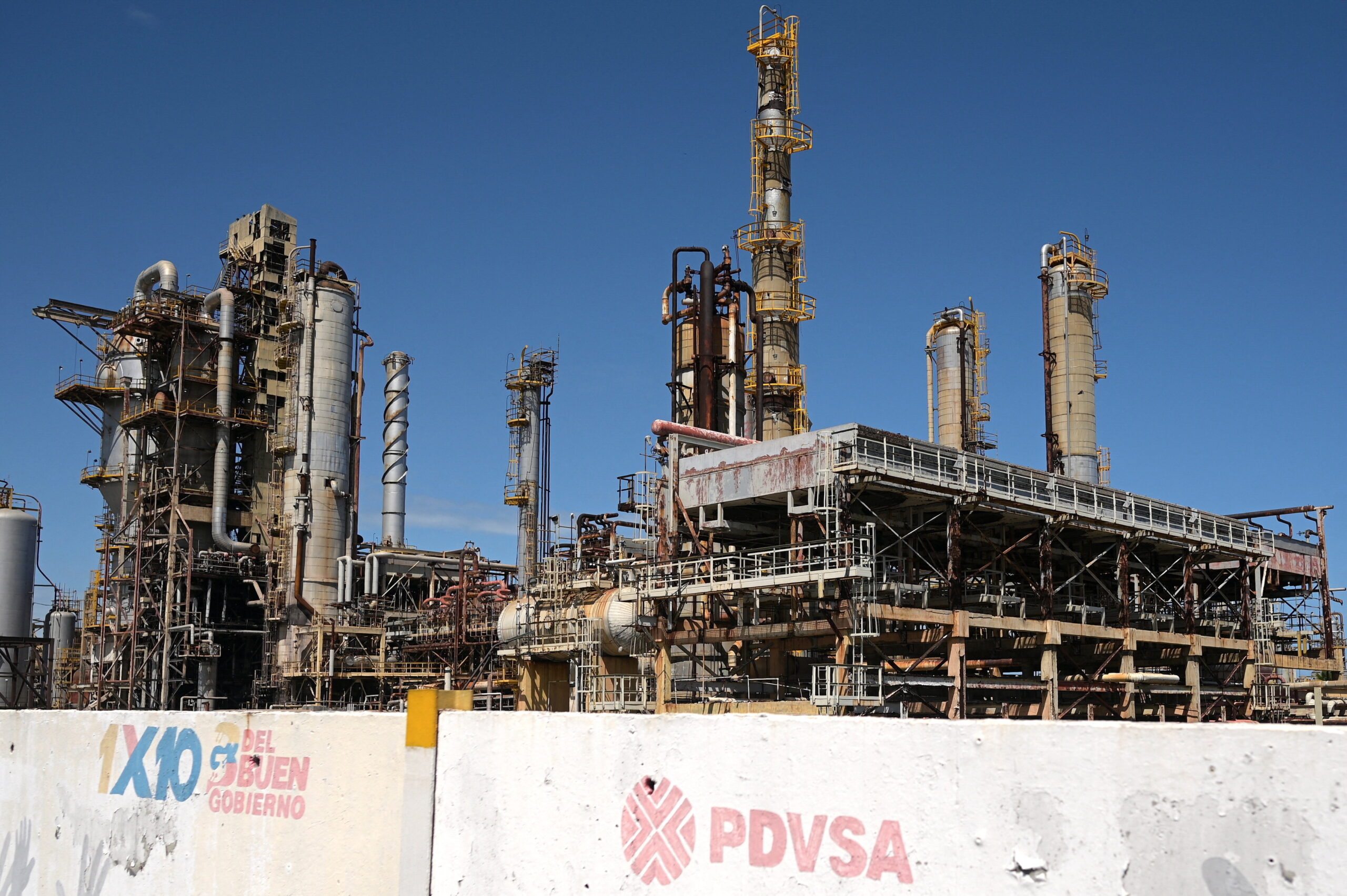
During 1 to 8 September 2026, the Venezuela crisis centred on an oil arrangement involving up to $100 billion, 17 fields and more than 65 billion barrels, alongside a Chevron expansion agreement signed in Caracas. The arrangement's legal structure remains contested, with reporting differing over whether the concession lasts 25 or 100 years and whether NABEP, Alejandro Betancourt, US companies or the Office of Strategic Capital holds the principal interest. OFAC has authorised selected Venezuela-related transactions under strict conditions, while sanctions relief for Delcy Rodríguez remains politically contested in Washington. Government-opposition talks remain limited, and the humanitarian burden from the 24 June earthquakes continues to constrain recovery.
Change from previous assessment
Since the prior brief, the core assessment is unchanged: the oil arrangement is advancing while its legal structure remains contested, Rodríguez remains Washington's principal interlocutor, opposition engagement is limited and earthquake recovery is a major constraint. This update adds stronger implementation indicators from the 2 September Chevron expansion signing and the detailed OFAC licensing conditions. Confidence has increased for the existence of an active oil workstream and the sanctions framework, but remains medium on concession duration, ownership and the consolidation of political authority.
Key judgments
- Very likely, the Trump administration and Delcy Rodríguez's interim government have moved the Venezuela oil arrangement from announcement towards implementation: the reported package covers up to $100 billion, 17 fields, more than 65 billion barrels and US access to part of output, while Chris Wright met Rodríguez in Caracas on 2 September 2026 at the signing of a Chevron expansion agreement. The legal and commercial structure remains disputed, with reporting giving a 25-year or 100-year concession and assigning roles to NABEP, Alejandro Betancourt, US companies and the Office of Strategic Capital. Confidence is medium because major-media and think-tank reporting corroborate the broad arrangement, but the concession term, beneficiary and production shares conflict. (Confidence: medium · ASSESSED)
- I&W: Confirmation: within 0-14 days, Washington, Caracas or the named companies publish an executed concession or operating agreement specifying the term, beneficiary, production shares and tax treatment. (0-14 days)
- I&W: Break: official documents from Washington and Caracas continue to state materially different concession terms or identify different principal beneficiaries. (0-14 days)
- Likely, Delcy Rodríguez has operational access to Washington but has not consolidated authority across Venezuela. The Trump administration has worked mainly with Rodríguez and institutional chavismo, while reporting says structures associated with the former regime retain substantial control over institutions, the Armed Forces and the security apparatus. Accounts of Nicolás Maduro's removal conflict over 3 January and 15 January 2026, and some supporting reporting is lower reliability. Confidence is medium. (Confidence: medium · ASSESSED)
- I&W: Confirmation: within 0-14 days, Rodríguez announces a joint decision with named Armed Forces or security officials and the decision is implemented nationally. (0-14 days)
- I&W: Break: a rival institutional or military authority publicly rejects Rodríguez's directives or prevents their implementation in Caracas or elsewhere in Venezuela. (0-14 days)
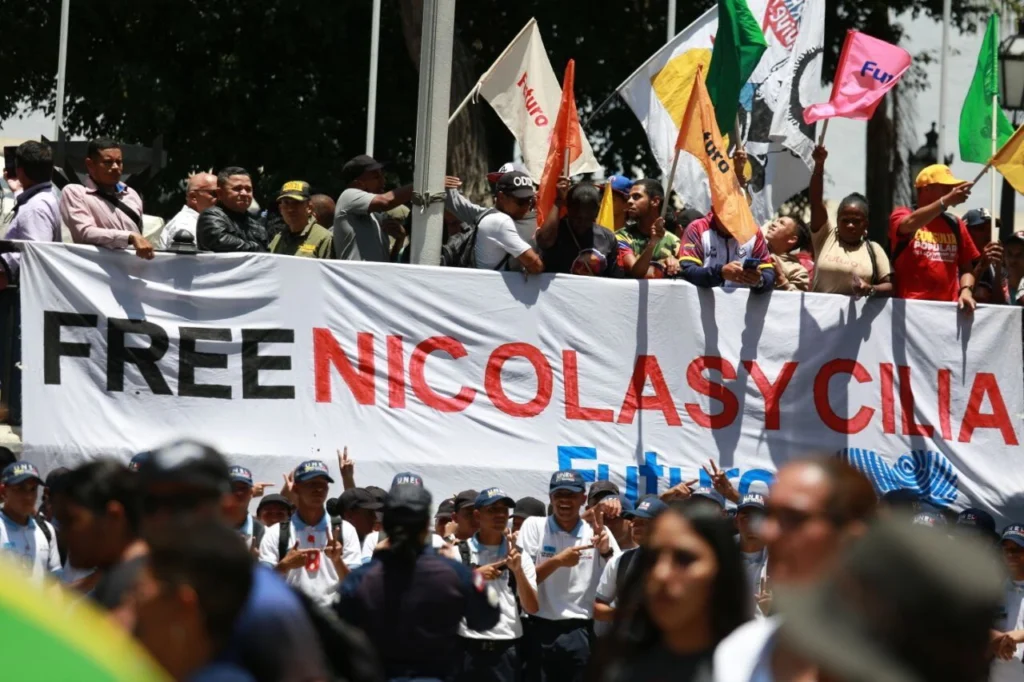
- Likely, government-opposition engagement will remain a narrow channel rather than produce a near-term electoral breakthrough. The first formal talks identified in August involved Jorge Rodríguez and Dinorah Figuera, while María Corina Machado's separate contact with Donald Trump does not establish her inclusion in the Venezuelan process. Opposition supporters and Chavistas have protested the oil agreement, and Venezuelan opposition figures have called it unconstitutional. Confidence is medium because the talks reporting is limited and the forecast rests on the absence of published electoral commitments. (Confidence: medium · ASSESSED)
- I&W: Confirmation: within 0-14 days, a formal session includes María Corina Machado and publishes agreed steps towards free and fair elections. (0-14 days)
- I&W: Break: government and opposition representatives publish an electoral timetable, guarantees for opposition participation and a mechanism for releasing political prisoners. (1-3 months)
- Very likely, US Venezuela sanctions policy is targeted and conditional rather than broad relief. OFAC licences 46D, 51D and 52B authorise specified transactions involving PdVSA, the Venezuelan Government, Carbozulia and Minerven, while retaining restrictions on PdVSA debt, certain blocked property and transactions involving Russia, Iran, North Korea or Cuba. Non-compliant non-US parties remain exposed to designation, and senators Jeanne Shaheen and Elizabeth Warren continue to challenge the lifting of sanctions on Rodríguez. Confidence is high because the regulatory claims come from OFAC and are complemented by major-media reporting. (Confidence: high · ASSESSED)
- I&W: Confirmation: within 0-14 days, OFAC issues further guidance that preserves counterparty, payment-location or Russia, Iran, North Korea and Cuba restrictions while authorising only specified Venezuela transactions. (0-14 days)
- I&W: Break: OFAC removes the main conditions on PdVSA or Venezuelan Government transactions or the administration restores sanctions on Rodríguez. (1-3 months)
- Very likely, earthquake recovery needs will constrain Venezuela's political and economic stabilisation through the next 1-3 months. Two earthquakes of 7.2 and 7.5 magnitude struck Venezuela on 24 June 2026, with Caracas and La Guaira among the hardest-hit areas. UNICEF estimates that 1.8 million people, including 680,000 children, require support, the United Nations estimates $37 billion in housing and infrastructure damage, and the IFRC appeal targets 300,000 people over two years. Confidence is high for the scale of need, although the casualty total is less certain. (Confidence: high · ASSESSED)
- I&W: Confirmation: within 0-14 days, UNICEF, the IFRC or the United Nations reports unchanged or rising unmet needs in Caracas, La Guaira or other earthquake-affected areas. (0-14 days)
- I&W: Break: Venezuelan authorities and international responders document a sustained reduction in unmet shelter, infrastructure and child-support needs during the next reporting cycle. (1-3 months)
- Likely, commercial rollout beyond Chevron will remain slow over the next 1-3 months. Reporting states that Donald Trump has not attracted a major US oil company other than Chevron, only one Productive Participation Contract had been formalised under the new framework, and bilateral asset assignments remain opaque amid persistent private-sector distrust. Confidence is medium because the forecast relies on one direct major-media assessment and lower-reliability analysis of the legal and commercial environment. (Confidence: medium · ASSESSED)
- I&W: Confirmation: by the end of 1-3 months, no additional major US oil company signs a Venezuela operating agreement and the number of formalised Productive Participation Contracts remains one. (1-3 months)
- I&W: Break: NABEP or the Office of Strategic Capital names a second major US operator, publishes a financing plan and sets a production timetable. (1-3 months)
Outlook & scenarios
Managed oil-led stabilisation (55%)
Likely, Chevron's expanded operations proceed, OFAC licences support selected transactions and Rodríguez's government continues working with Washington. The concession's final term and ownership remain partly opaque, while broader commercial participation stays limited.
Political and legal backlash delays implementation (35%)
Likely, opposition and Chavista criticism intensifies around the disputed 25-year and 100-year concession terms. Caracas and Washington fail to reconcile the beneficiary structure, delaying wider field development and increasing pressure on Rodríguez's interim government.
Broader opposition channel opens (20%)
Unlikely, talks involving Jorge Rodríguez and Dinorah Figuera expand to include María Corina Machado and produce an electoral timetable with guarantees for opposition participation. Washington then links further political and economic support to the transition process.
Security rupture within the interim order (10%)
Very unlikely, but high impact. A public break between Rodríguez's government and elements of the Armed Forces or security apparatus disrupts the oil arrangement, blocks national implementation of government decisions and ends the limited talks channel.
Recommendations
- For the next reporting cycle, separate the oil issue into four verification questions: the concession term, the principal beneficiary, production shares and tax treatment. Prioritise original documents from Caracas, Washington, NABEP, the Office of Strategic Capital and Chevron.
- Maintain a sanctions-compliance matrix for PdVSA, Minerven, Carbozulia and each proposed oil operator. Record licence eligibility, payment location, dispute-resolution venue and links to entities in Russia, Iran, North Korea or Cuba.
- Track whether government-opposition meetings include María Corina Machado and whether participants publish an electoral timetable, opposition-participation guarantees or commitments on political prisoners.
- Use UNICEF, IFRC and United Nations needs assessments as the main humanitarian indicators. Treat casualty figures as unsettled until independently reconciled.
- Require independent imagery, local reporting or official confirmation before classifying NASA FIRMS thermal detections as strikes or shelling. The detections record heat, not cause.
- Resolve the 3 January and 15 January 2026 discrepancies in reporting on Maduro's removal before using the episode to assess command relationships, the legal basis of the transition or the sequence of US actions.
Confidence & uncertainty
Overall confidence is high for the broad situation because multiple major-media and think-tank accounts converge on the oil arrangement, Rodríguez's cooperation with Washington, limited opposition engagement and the scale of earthquake-related needs. OFAC's official regulatory material provides high-reliability confirmation of the selective sanctions framework, while UNICEF, the IFRC and United Nations reporting support the humanitarian assessment. Confidence is lower on the concession's exact legal structure, the date of Maduro's removal, the status of the 2026 hydrocarbons legislation and the casualty total.
Intelligence gaps
- [EEI 1.2 · UNCOVERED] Public resignations, defections, detentions, or disciplinary actions naming specific senior military, intelligence, or police officers (name, rank, unit, date, supporting evidence). Recommended collection: open-source/social media
- [EEI 1.3 · UNCOVERED] Published orders, decrees, or personnel lists showing promotions, reassignments, or purges within the National Bolivarian Armed Forces, National Guard, or presidential protection units (document or official gazette reference). Recommended collection: open-source/diplomatic
- [EEI 1.4 · UNCOVERED] Arrests, detentions, or restrictions on movement of named opposition leaders or political figures with detention location, custody authority, and detention conditions reported. Recommended collection: human/local media
- [EEI 2.1 · PARTIAL] Verified protest activity by location and estimated turnout (street-level counts, police reports, hospital/ambulance logs, timestamped geolocated photos or videos) on specified dates. Recommended collection: social media/open-source
- [EEI 2.2 · UNCOVERED] Documented lists or communications naming regional protest coordinators, strike organizers, or logistics nodes (transport bookings, fuel/food supply movements) tied to opposition plans. Recommended collection: social media/human
- [EEI 2.3 · UNCOVERED] Financial movements to opposition-controlled organizations or individuals above defined thresholds (bank transfers, wire records, large cash seizures, crypto wallet transfers with timestamps and amounts). Recommended collection: financial/forensic
- [EEI 2.4 · UNCOVERED] Public formation or activation of alternative governance bodies by the opposition (declared councils/ministries, named members, declared headquarters or offices) with supporting documentation or announcements. Recommended collection: open-source/diplomatic
- [EEI 3.1 · PARTIAL] Crude oil and refined product export volumes from Venezuelan ports by vessel (AIS-identified tankers), including flagged destinations and any ship-to-ship transfer events, by week. Recommended collection: maritime/AIS
- [EEI 3.2 · UNCOVERED] Notices of correspondent banking relationship changes for PDVSA, the Central Bank of Venezuela, or other state entities (account freezes, closures, new bank signings) with bank names and dates. Recommended collection: economic/finance
- [EEI 3.3 · UNCOVERED] Detected arrivals/deployments of foreign military personnel, equipment, or advisory teams (air/sea container manifests, port calls with cargo descriptions, geolocated imagery of military assets) originating from Russia, Cuba, Iran, or other external supporters. Recommended collection: imagery
- [EEI 3.4 · UNCOVERED] Export records or interdictions showing volumes and destinations of gold, diamonds, or other high-value commodities linked to state entities or proxies (customs manifests, seized shipments, buyer identities). Recommended collection: economic/finance
TLP:CLEAR