Venezuela Political Crisis, OSINT Situation Report (9 June 2026)
Time window: Last 7 days · Audience: General analyst · Type: Situation report · DTG: 2026-06-09 11:08Z · Overall confidence: MEDIUM
BLUF
Leadership status in Caracas remains contested while senior Chavista figure Delcy Rodríguez advances energy diplomacy with India. The 2024 election was widely deemed not credible, sanctions continue to constrain the economy, and investor/legal risks remain elevated.
Executive summary
Reporting during this period points to unresolved leadership ambiguity around Nicolás Maduro’s status in early January 2026, even as Delcy Rodríguez engages India’s top leadership to deepen energy ties. The 2024 presidential election was judged neither free nor fair by international monitors and drew condemnation and protests, with subsequent repression of opposition figures. Since 2017, U.S. and allied sanctions have constrained Venezuela’s financial and energy sectors, most were reimposed in April 2024, and PDVSA has been sanctioned since 2019. Investor sentiment remains wary amid governance and legal risks, reinforced by PDVSA detentions and adverse arbitration outcomes, alongside continued humanitarian and security concerns including mass displacement and prior UN-documented killings.
Key judgments
- It is likely Caracas is leveraging high-level outreach to India to expand crude exports and energy cooperation, as shown by Delcy Rodríguez’s meetings in New Delhi with Prime Minister Narendra Modi and Foreign Minister Subrahmanyam Jaishankar, scheduled talks with Petroleum Minister Hardeep Singh Puri, and reporting that Venezuela recently became India’s third‑largest crude supplier while India aggressively seeks new oil sources. (Confidence: high)
- There is a roughly even chance Venezuela’s leadership status since early January 2026 remains contested: one line of reporting holds Nicolás Maduro was captured/ousted in early January 2026 with Delcy Rodríguez assuming an acting presidency, while another asserts U.S. special forces ended Maduro’s reign on 3 January 2023. (Confidence: low)
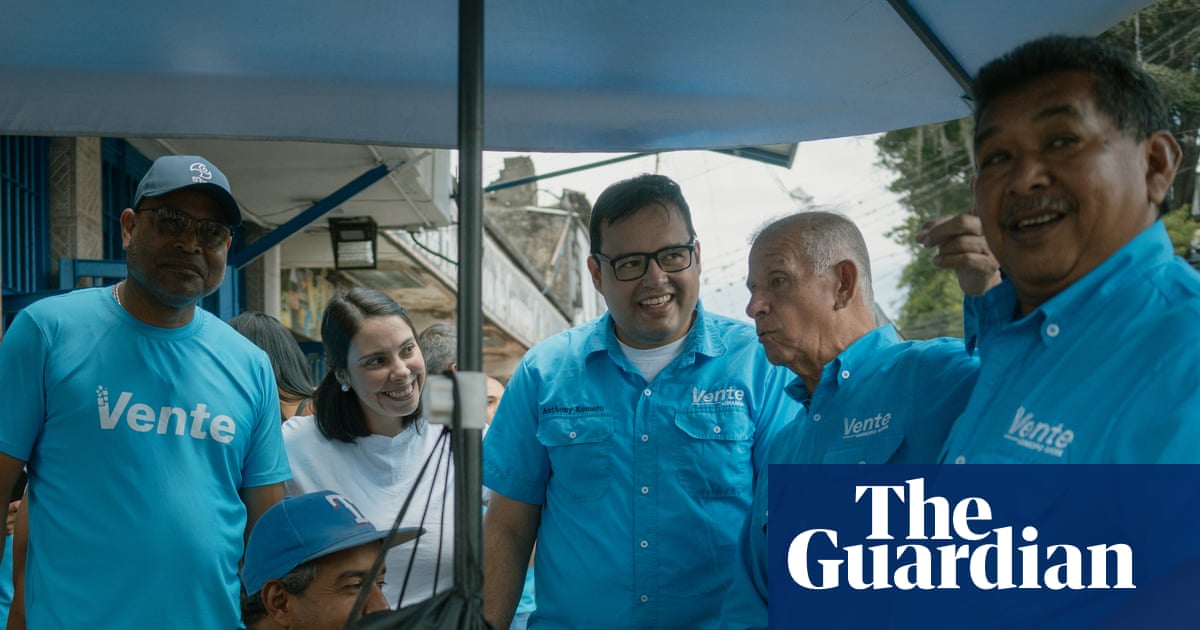
- It is very likely the 2024 presidential election lacked credibility and contributed to repression, given international monitors’ assessment that it was neither free nor fair, subsequent rejection of results by the Carter Center, OAS, and UN, a CNE-announced narrow Maduro victory followed by nationwide protests, the barring of María Corina Machado, an arrest warrant and exile of opposition candidate Edmundo González Urrutia, and reporting of nearly 3,000 arrests. (Confidence: medium)
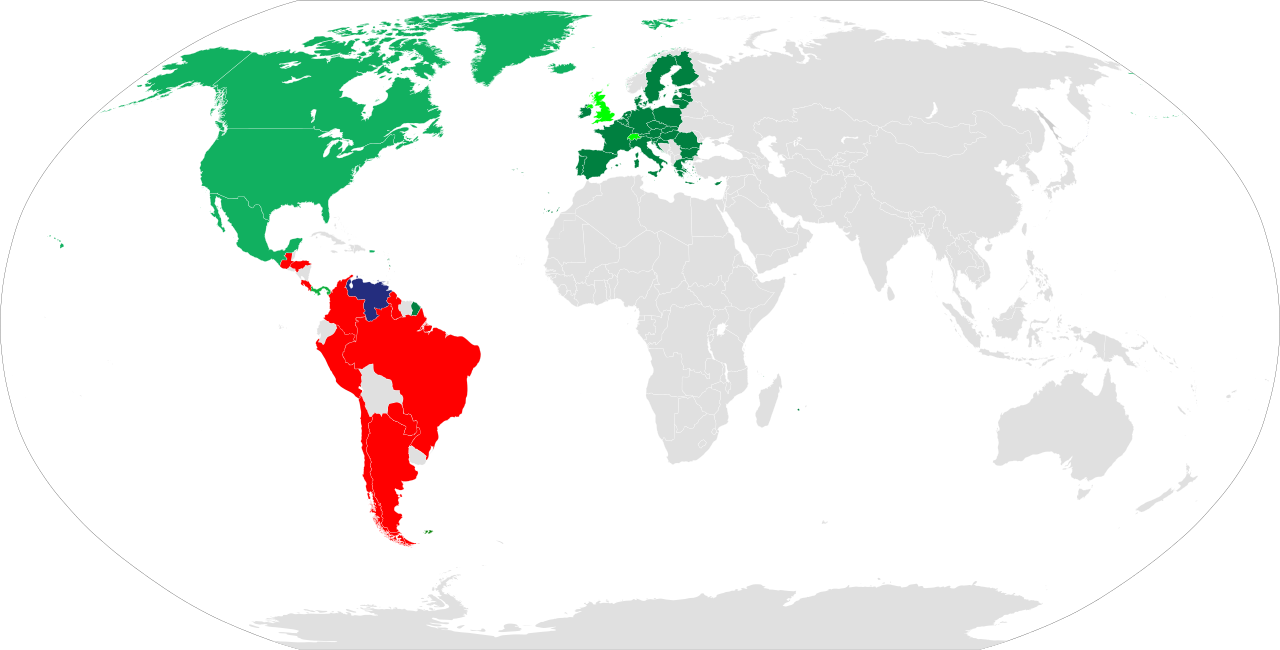
- It is likely that sanctions have significantly constrained Venezuela’s economy and financial access since 2017, most U.S. measures were reimposed in April 2024, PDVSA has been sanctioned since 2019, and allied measures (EU, Canada, Mexico, Panama, Switzerland) target Maduro‑linked entities and individuals, while estimates attribute a $38 billion loss (2016-2019) and think‑tank analysis underscores substantial energy‑sector impact. (Confidence: medium)
- It is likely that governance and legal risks continue to deter foreign investment despite stated reforms, reflected in investor hesitancy and concern over the legal system, ongoing reassessment of country risk, the $1 billion arbitration award to Gold Reserve and imprisonment of its lawyer, and detentions of PDVSA personnel, notwithstanding official claims of new dispute‑resolution mechanisms. (Confidence: medium)
- It is likely that humanitarian and internal security conditions remain severe, given the National Assembly’s 2016 declaration of a health humanitarian crisis, UN‑reported killings by the Special Action Forces and broader extrajudicial killing allegations, and multi‑million‑person displacement since the crisis began. (Confidence: medium)
Outlook & scenarios
Expanded India energy corridor under de facto Chavista stewardship, 50%
Delcy Rodríguez sustains head‑of‑government, level engagement with India, aligning with New Delhi’s active search for new oil sources. Venezuelan shipments maintain or grow their recent share in India’s crude slate, reinforcing a bilateral energy channel that functions despite ongoing Western sanctions pressures. This path builds on meetings with PM Narendra Modi and FM Subrahmanyam Jaishankar, scheduled engagement with Petroleum Minister Hardeep Singh Puri, and AP’s reporting that Venezuela recently rose to India’s third‑largest crude supplier.
Persistent political impasse and episodic crackdowns, 45%
Leadership ambiguity around Maduro’s status continues, while the security apparatus contains opposition activity. The 2024 election’s disputed outcome, protest wave, the barring of key opposition figures, legal actions against candidates, and reported mass arrests underpin a cycle of low‑level unrest and targeted repression without meaningful political concessions.
Limited, conditional opening for investors amid legal overhang, 25%
Authorities publicize reformist measures (e.g., dispute‑resolution provisions in new hydrocarbons legislation) to attract capital. Some partners test small deals, but broader investment remains constrained by sanctions reimposed in 2024, PDVSA’s sanction status since 2019, adverse arbitration history (e.g., Gold Reserve), and the risk of detentions and legal exposure for executives.
Wildcard: Elite fissures from contested leadership timeline, 20%
Conflicting timelines about Maduro’s removal (January 2026 vs January 2023) expose or exacerbate rifts within Chavista ranks, triggering abrupt personnel shifts or parallel power centers that complicate external engagement and could prompt ad hoc security responses.
Recommendations
- Develop an OSINT chronology to reconcile conflicting leadership reporting (capture/ousted dates, succession steps) using time-stamped primary statements and archival captures; flag gaps that require HUMINT/liaison to resolve.
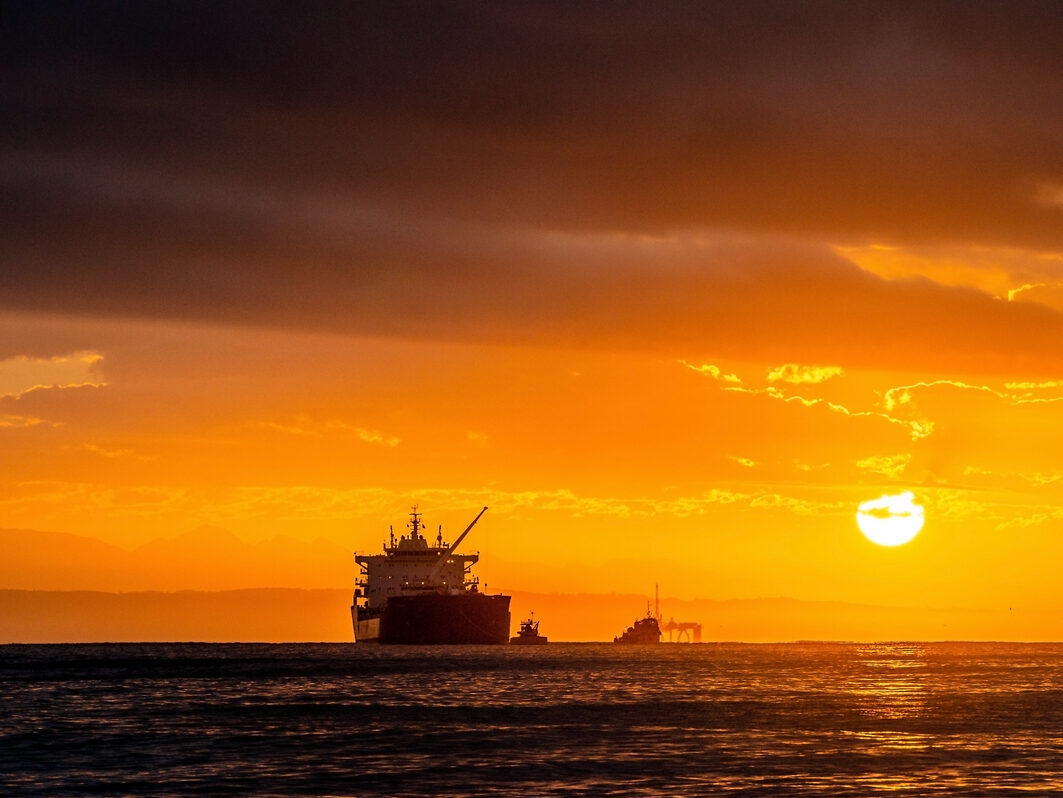
- Task maritime/AIS and customs analytics to map Venezuela, India crude flows and counterparties named around Delcy Rodríguez’s New Delhi engagements; cue sanctions-compliance reviews where entities intersect with U.S./EU listings.
- Build a PDVSA legal-risk tracker: catalog detentions (charges, dates, facilities) and correlate with corporate functions to assess insider risk and implications for foreign JV staff and contractors.
- Refresh sanctions posture indicators: enumerate active U.S./EU/Canada/Mexico/Panama/Switzerland measures and April 2024 reimpositions; pre-define thresholds (e.g., new designations, waiver activity) that would alter risk to U.S. interests.
- Acquire and structure 2024 election artifacts (CNE tallies, observer statements from the Carter Center/OAS/UN, court filings), and geolocate protest and arrest reporting to identify hotspots and likely future mobilization nodes.
- Inventory arbitration exposure: track enforcement actions stemming from Gold Reserve and similar cases; alert on asset‑seizure risks involving PDVSA-linked logistics and financial channels relevant to U.S. persons.
- Maintain a humanitarian/security dashboard: integrate displacement estimates, prior UN-reported killings, and localized service disruptions to anticipate protest triggers and community‑level flashpoints.
Confidence & uncertainty
Overall confidence is medium. High‑reliability AP reporting underpins judgments on India, Venezuela energy engagement. Multiple independent entries (Wikipedia summaries of OAS/UN/Carter Center reactions; Guardian reporting) support election‑related and repression dynamics but rely partly on secondary aggregation, tempering confidence. Sanctions chronology is consistent across Wikipedia and a reputable think‑tank, but precise economic impact figures (e.g., $38b loss) are from cited analyses and should be treated cautiously. The core uncertainty is the leadership timeline: contradictory claims about Maduro’s removal (January 2026 vs January 2023) and succession by Delcy Rodríguez create ambiguity, driving lowered confidence on leadership assessments and informing a wildcard scenario.